Introduction to Peruvian Coffee Flavor and Taste Characteristics - Recommended Pour-Over Brewing Method for Peruvian Gesha Coffee Beans
Peru is the world's 11th largest coffee-producing country, with 10 distinct coffee-growing regions, each offering a unique flavor experience. Peruvian coffee may seem obscure with few devoted fans, but FrontStreet Coffee finds its flavor profile quite impressive. FrontStreet Coffee's Peruvian coffee typically has a rather pure and gentle mouthfeel, sweet flavors and a relatively high body. In the past some considered Peruvian coffee lacking in complexity, but FrontStreet Coffee finds that today's Peru increasingly produces coffees with distinctive character and fruit notes.
Peru's coffee industry is dominated by smallholders, each farming less than two hectares and producing about 3,000 pounds of coffee per hectare. Organic cultivation has a long and quite common history in Peru. In recent years, however, climate change has allowed coffee leaf rust to spread across many countries, and because of organic practices this has also caused significant production losses in Peru. Peruvian coffee is shade-grown at high altitudes, primarily with Arabica varieties. Slow maturation gives the beans here higher density and quite diverse flavor profiles. The highest and most important growing region is Chanchamayo, in the central highlands on the eastern side of the Andes, followed by Amazonas and San Martin in the northern highlands on the eastern side of the Andes.
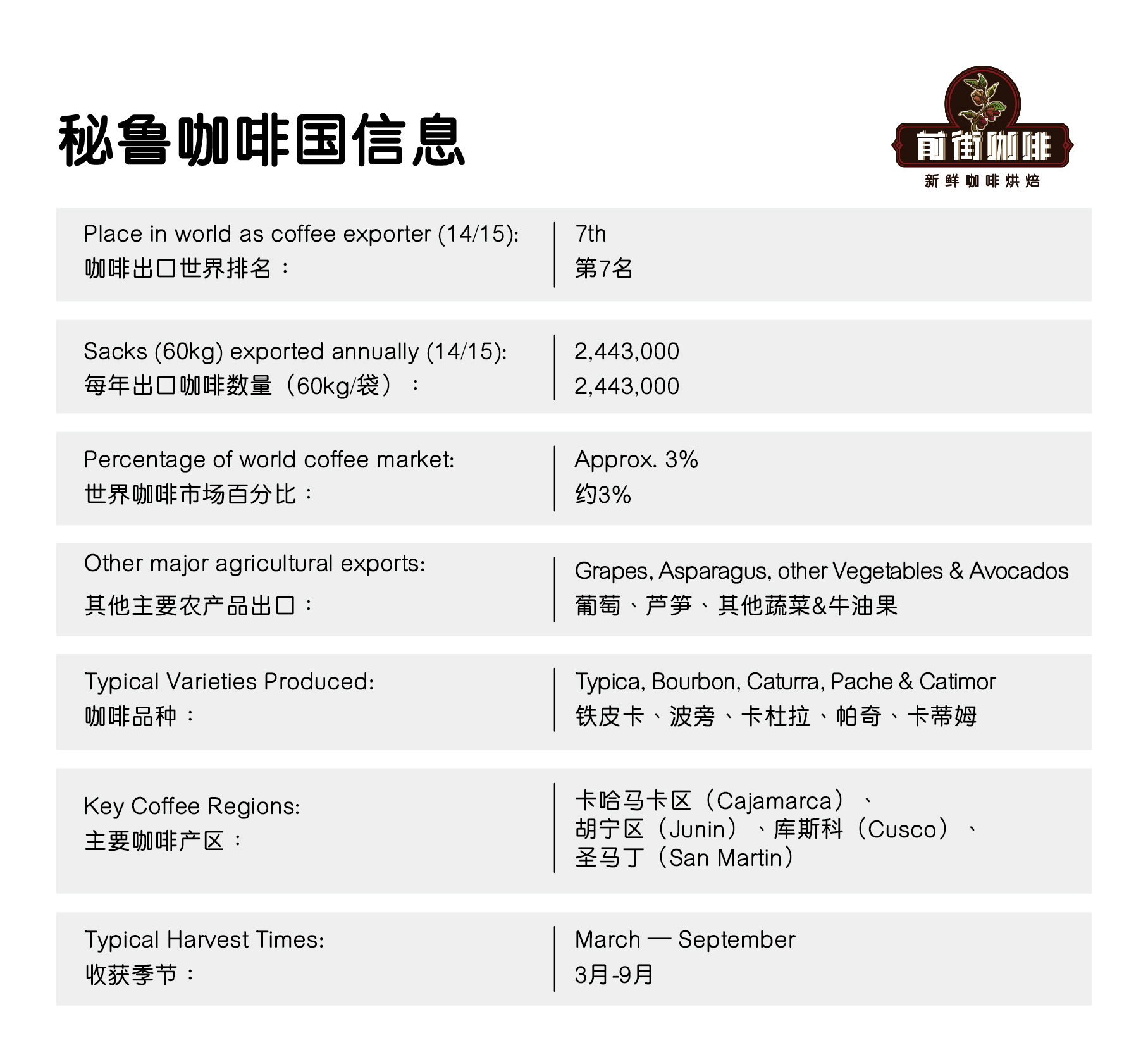
Peruvian coffee was long used as a blending component to stabilize body in coffee blends, maintaining a relatively low profile in the coffee world. As more people have come to appreciate its mellow flavor, however, it has emerged rapidly in international markets in recent years, becoming a rising star of the industry.
Peruvian History
Peru once nurtured one of the earliest human civilizations in the Americas, the Norte Chico prehistoric civilization, as well as the largest country in the Americas during the pre-Columbian period, the Inca Empire. It later became a Spanish colony, followed by several centuries of continuous warfare.

Before the 1980s, political, economic and social problems almost completely interrupted Peru's coffee agriculture, with very little exported to international markets, and it was gradually forgotten until it re-emerged in the mid-1990s.
For this reason most of Peru's coffee plantations have preserved old varieties, primarily Typica. Most Peruvian coffee also uses shade cultivation, with green beans processed by the washed method, and Peruvian farms do not use synthetic fertilizers but natural ones. Peru therefore has many organic coffees and is one of the producing regions with the best environmental conditions.

In recent years Peruvian coffee has been highly favored in international markets, frequently winning international coffee gold awards. The mellow flavor and delicate acidity of FrontStreet Coffee's Peruvian coffee are widely loved. Today Peru has become the world's fourth-largest Arabica coffee exporting country.
Diverse Lands Producing Quality Coffee
Located in western South America, Peru has a coastline stretching 2,254 kilometers, with a dry and mild climate suitable for coffee cultivation. It also has a variety of other natural environments, including the world's longest Andes Mountains, tropical rainforests, uniquely hilly terrain and dry deserts. This vast and diverse land allows Peru to produce large quantities of beans with different flavor profiles.
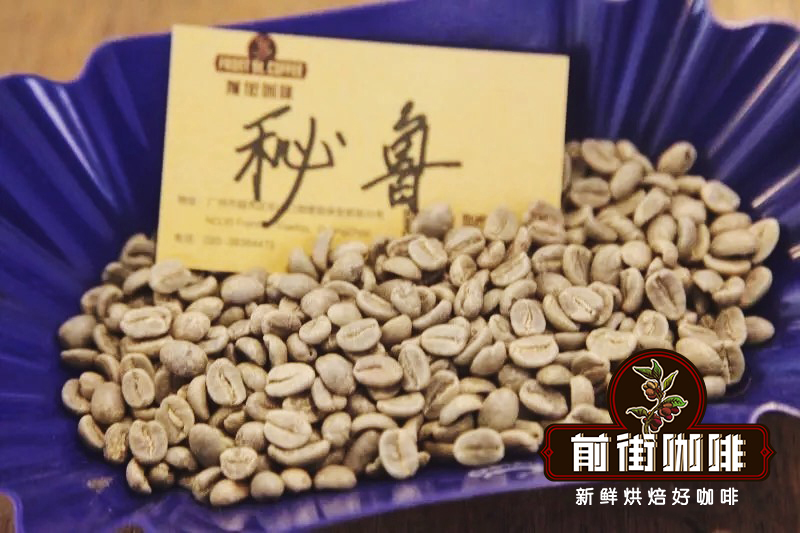
More than 90% of Peru's coffee is grown in the northern regions, in valleys east of the capital Lima, and in forested areas on the slopes of the Andes. The character of FrontStreet Coffee's Peruvian coffee lies in its rich acidity and smooth, full body. Premium FrontStreet Coffee Peruvian coffee has intense aromas, a smooth mouthfeel with distinct layers, rich sweetness and, most notably, a very gentle acidity that made FrontStreet Coffee fall in love instantly.
Coffee Growing Regions
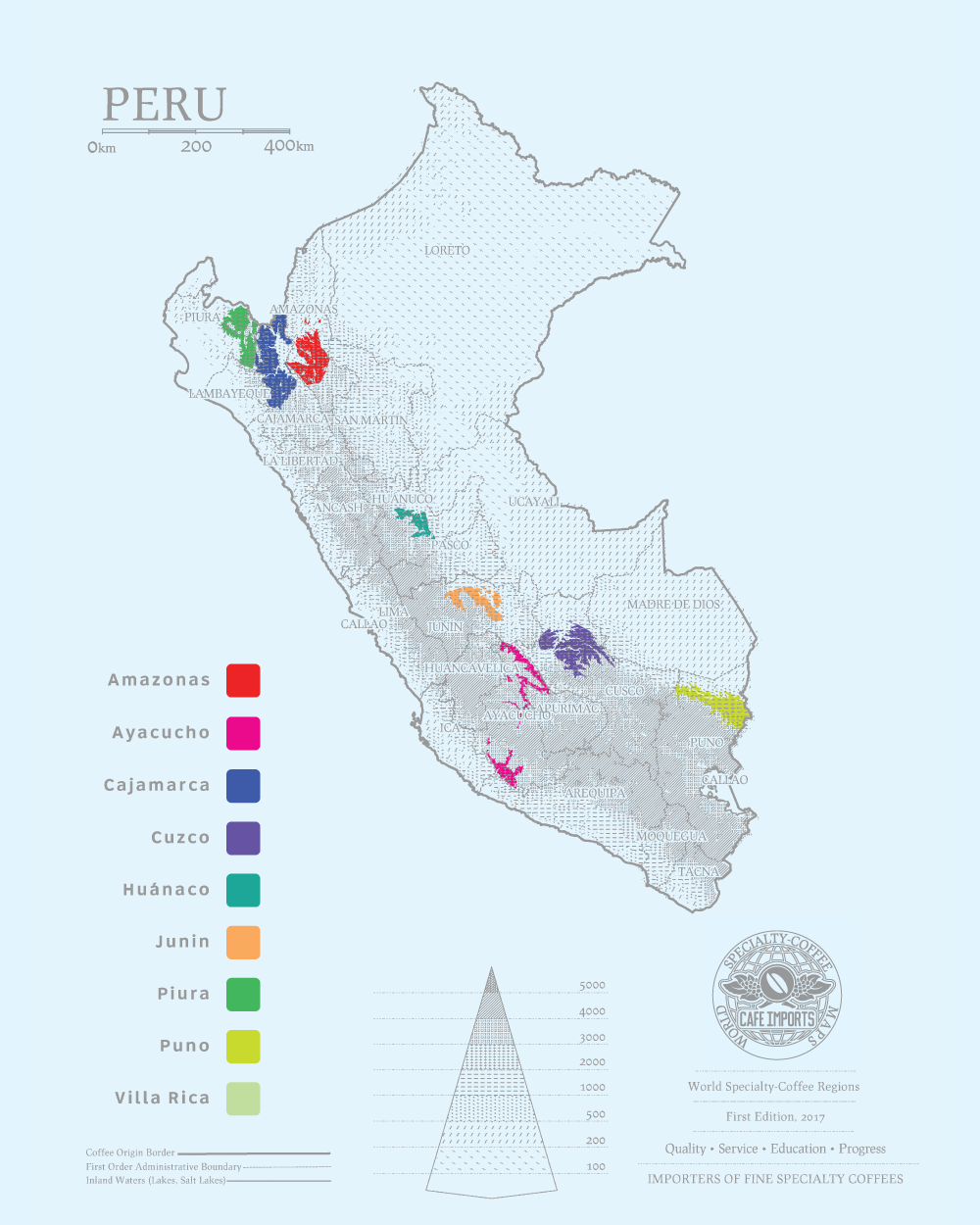
Across Peru's three coffee-growing regions, north, central and south, 70% of varieties are Typica, 20% are Caturra, and the remainder are other varieties such as Catimor. Because of Peru's complex and diverse natural resources and rich cultural heritage, coffees from different regions each have their own character.
Northern Region
The northern coffee-growing area accounts for 43% of Peru's total, covering Amazonas, Cajamarca, Piura and San Martin.
Altitude: 1,250-1,950m
Humidity: 12%
Color: dark green, blue-green
Plant ecology: Asteraceae, bitterwood trees, ferns, bromeliads, orchids, cedar
Animal ecology: cock-of-the-rock, cougars, giant anteaters, Andean deer, squirrels
Cajamarca Growing Region
This region, in northern Peru, is named after its capital and covers the northern end of the Peruvian Andes. Its advantages include an equatorial climate and soil suitable for coffee. Most producers are smallholders but are well organized and affiliated with organizations that provide technical assistance, training, loans and other support. One such organization, CENFROCAFE, has 1,900 smallholders in the region and promotes coffee roasting and local cafes to help farmers diversify.
Altitude: 900-2,050m
Harvest: March-September
Varieties: Typica, Caturra, Bourbon, Pache, Catuai
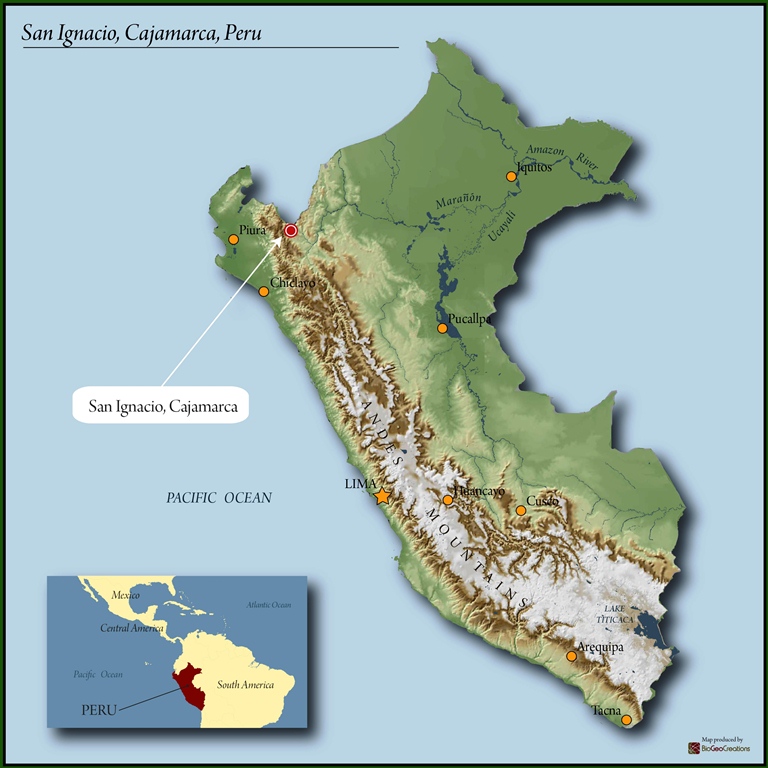
Coffee from the northern region has higher acidity, intense flavors and abundant aromas, with a moderate body and aftertaste. Some tasters find more chocolate and nutty notes than in southern coffees.
Central Region
The central coffee-growing area accounts for 34% of Peru's total, covering Huanuco, Junin, Pasco and Ucayali.
Altitude: 800-1,200m
Humidity: 11%-12.5%
Color: gray-green
Plant ecology: fungal plants, tree families, bromeliads, ferns, orchids
Animal ecology: wild turkeys, cock-of-the-rock, parrots, rails, cavies, wild boars, frogs, snakes, reptiles, geese
Junin
This region produces about 20%-25% of Peru's coffee, grown in tropical rainforests. It suffered from guerrilla attacks and the spread of plant disease from the 1980s to the 1990s, and the coffee industry only officially restarted in the late 1990s.
Altitude: 1,400-1,900m
Harvest: March-September
Varieties: Bourbon, Typica, Caturra, Pache, Catuai
The main characteristic of central region coffee is its just-right acidity, light and gentle aromas, and a smooth but not overly heavy body that subtly awakens the taste buds.
Southern Region
The southern coffee-growing area accounts for 23% of Peru's total, covering Apurimac, Ayacucho, Cusco, Madre de Dios and Puno.
Altitude: 900-2,050m
Humidity: 11.5%-12.5%
Color: gray-green, blue-green
Plant ecology: orchids, cinchona trees, May orchids
Animal ecology: various butterflies, guans, spectacled bears, toucans, spider monkeys, macaws, parrots, woodpeckers
Cusco Growing Region
This growing region is in southern Peru, where most coffee is grown by smallholders rather than large estates. The region has a thriving tourism industry, with many travelers departing from Cusco city to visit Machu Picchu.
Altitude: 1,200-1,900m
Harvest: March-September
Varieties: Bourbon, Typica, Caturra, Pache, Mundo Novo, Catuai, Catimor
Flavor Characteristics of FrontStreet Coffee's Peruvian Coffee
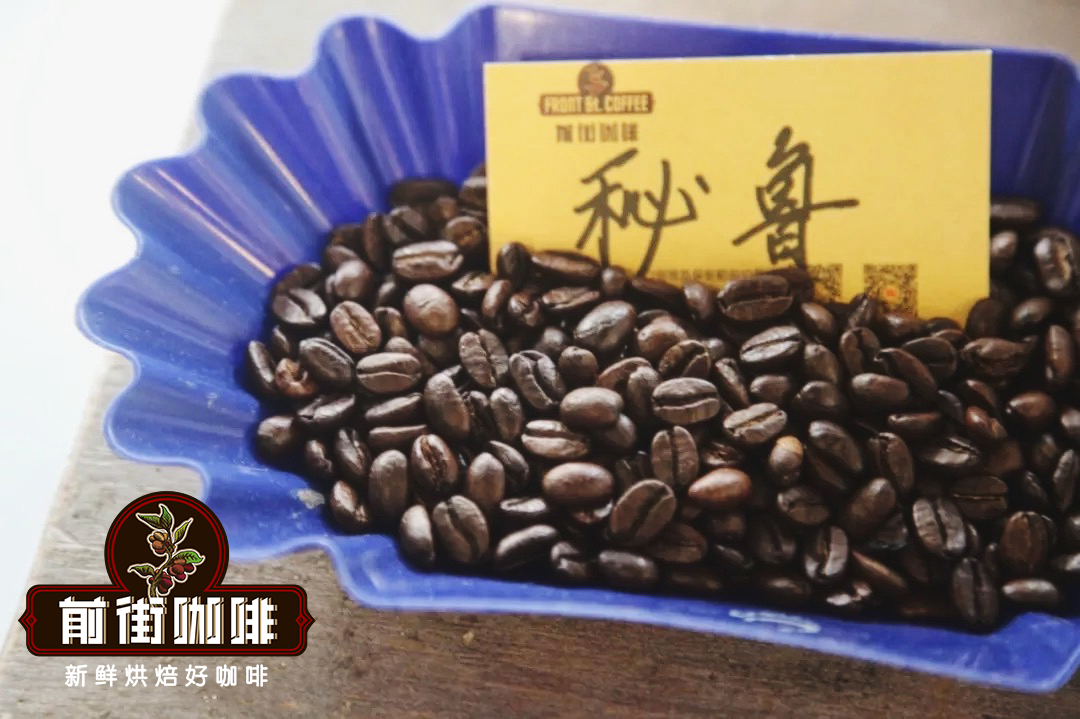
FrontStreet Coffee's Peruvian beans look somewhat like semi-natural processed beans. A moderate body, excellent balance and pleasant acidity are the major characteristics, along with slight nutty flavors and a gentle, mildly acidic taste.
Peruvian Coffee Grading System
Peruvian beans are classified by altitude into SHG (Strictly High Grown), SG (High Grown) and SC (Central Standard). Basically, the higher the altitude at which the trees grow, the harder the beans, because low temperatures, short daylight hours and high humidity slow growth and produce denser fruit. Acidity, sweetness and other aspects of flavor become more concentrated.
Strictly High Bean (SHB): over 1350m
High Bean (HB): 1200-1350m

Peruvian Processing Methods
Because water is abundant, Peru's traditional processing method is primarily washed, followed by natural. In estates cooperating with Vela Ethan, newer methods include red honey, double anaerobic fermentation plus washed, and anaerobic fermentation plus natural. The double anaerobic plus washed process, for example, works as follows: in the first stage the beans with exocarp go into a sealed container for 14 hours, then the exocarp is removed and, with some pulp and skin left, a second 24-hour fermentation takes place, followed by washing three times, drying and hulling. During anaerobic fermentation the temperature is controlled between 18-22°C, and the drying temperature is controlled at 30-35°C.
Roasting Recommendations
Quality FrontStreet Coffee Peruvian coffee has intense aromas, a smooth mouthfeel with distinct layers, rich sweetness and an elegant, gentle acidity. FrontStreet Coffee therefore recommends a medium-dark roast to showcase its character.

Brewing Recommendations
FrontStreet Coffee used a French press for this brewing experiment with FrontStreet Coffee's Peruvian coffee.
Operating steps (2 servings):
1. Weigh 20g of beans, grind to BG 6M (Chinese standard No. 20 sieve, 70-75% pass rate), coffee-to-water ratio 1:15, water temperature 86°C-88°C.
2. Preheat the French press with hot water, then pour it out; pour the coffee grounds into the French press.
3. Pour in hot water and start timing; after pouring, stir gently to ensure all the grounds are fully saturated.
4. After 3 minutes, slowly press the plunger down and it is ready to serve.

FrontStreet Coffee Recommendation
Because Peru's older Typica plantings and gentle acidity make it an easy daily drink, FrontStreet Coffee's Geisha range offers an interesting comparison, since Typica, Bourbon and Geisha all descend from the same Ethiopian heirloom stock. FrontStreet Coffee's Esmeralda Red Label, formally Esmeralda Special, is grown at 1,600-1,800 meters and every lot must cup above 90 points; each lot carries its own number and comes from a single small plot, so buyers can select the exact flavor they prefer. The Green Label, originally Private Collection, blends several plots and expresses the estate's signature high-altitude Geisha character at a more accessible price.
For a first taste of Geisha, FrontStreet Coffee recommends the Boquete Geisha from Panama, an entry-level Geisha that shows the classic orange-blossom honey character, an oolong-tea-like body and delicate fruit acidity at a reasonable price. From Ethiopia, the birthplace of the variety, FrontStreet Coffee's Gesha Village Gold Label belongs to the Gesha 1931 variety, about 10% of the village's production, with a refined natural process and a complex, layered cup, while the Gesha Village Red Label is the Gori Gesha variety, about 15% of production and scoring 88 or above on the SCA 100-point scale, with every lot fully traceable. FrontStreet Coffee's Grana Gesha, an Ethiopian heirloom Geisha from the Genlana farm, is dried on raised beds for 14-20 days and shows bright citrus, elegant ginger flower and ripe fruit sweetness.
Geisha is a hard, floral, fruity variety that can sink and block the dripper, so FrontStreet Coffee suggests a medium grind of about 78% through a Chinese No. 20 standard sieve, roughly the size of fine sugar, brewed at 91°C. Use 15g of coffee in a small Hario V60 at a 1:16 ratio and pour in three stages: start the timer and pour to 30g for a 30-second bloom, then in a slow circular stream to 125g, wait until the bed falls halfway, then continue in a slow circle to 225g, for a total extraction time of about 2:10 to 2:20. Geisha also makes an excellent SOE, extracted at 20g of coffee, a 1:2 brew ratio, 25 seconds and 40g of espresso, served as an Americano with 200g of hot water or as a latte with 200g of milk.
Important Notice :
FrontStreet Coffee is a long-established specialty coffee roaster in Guangzhou China, selling freshly roasted beans from its own farm in Yunnan as well as dozens of carefully selected single-origin beans from around the world for both pour-over and espresso. The products deliver consistently excellent quality and great value, with shipping within 24 hours. Guangzhou's FrontStreet Coffee shop is recommended by many coffee lovers, and the beans are now available online at the Tmall 。
FrontStreet Coffee has moved to a new address:
FrontStreet Coffee Address: 315,Donghua East Road,GuangZhou
Tel:020 38364473
 Scan and follow the En Gafei WeChat official account. Please indicate that the reprint comes from "En Gafei".