Asian Coffee Beans Yunnan Coffee Cultivation History Varieties Coffee Flavor Characteristics Introduction
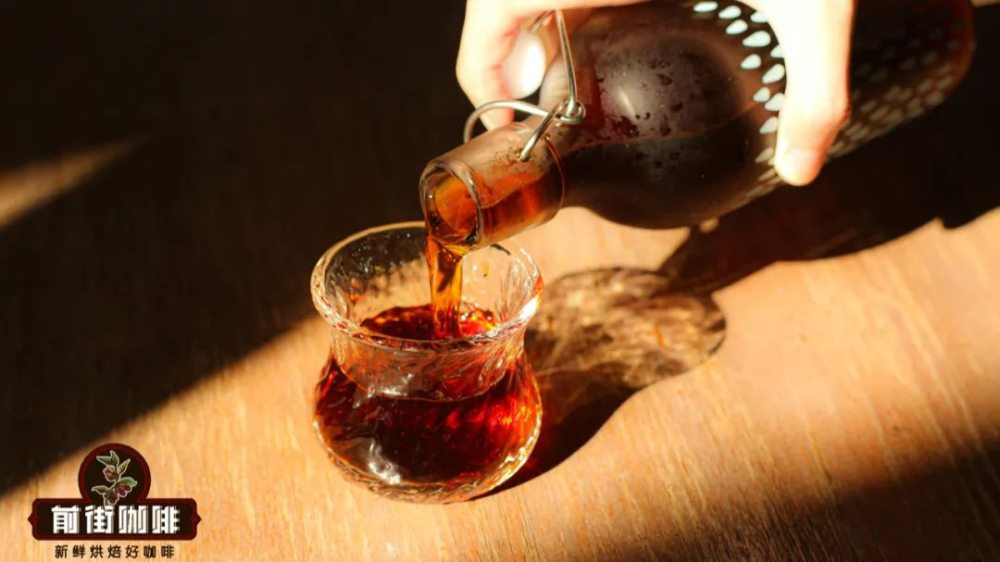
Look at the global map and the coffee belt runs mainly through Africa, Asia and the Americas, each continent with its own character. African coffee is known for distinctive florals and fruit that leave a lasting impression; American coffee is balanced, combining nuts, chocolate and subtle fruit acidity with a long finish; Asian coffee carries the fresh flavours of herbs for a natural, refreshing lift. Below, FrontStreet Coffee introduces the growing region on our own doorstep: Yunnan.
Yunnan
According to FrontStreet Coffee's research, in 1892 a French missionary successfully planted the first coffee tree at a place called Zhukula for his own use, and he likely never imagined that a century later coffee would become a highlight of Yunnan's specialty agriculture. Records from the time note that it was a small-fruit variety, so the beans it produced were very small, which is why Chinese drinkers called this coffee small-grain coffee.
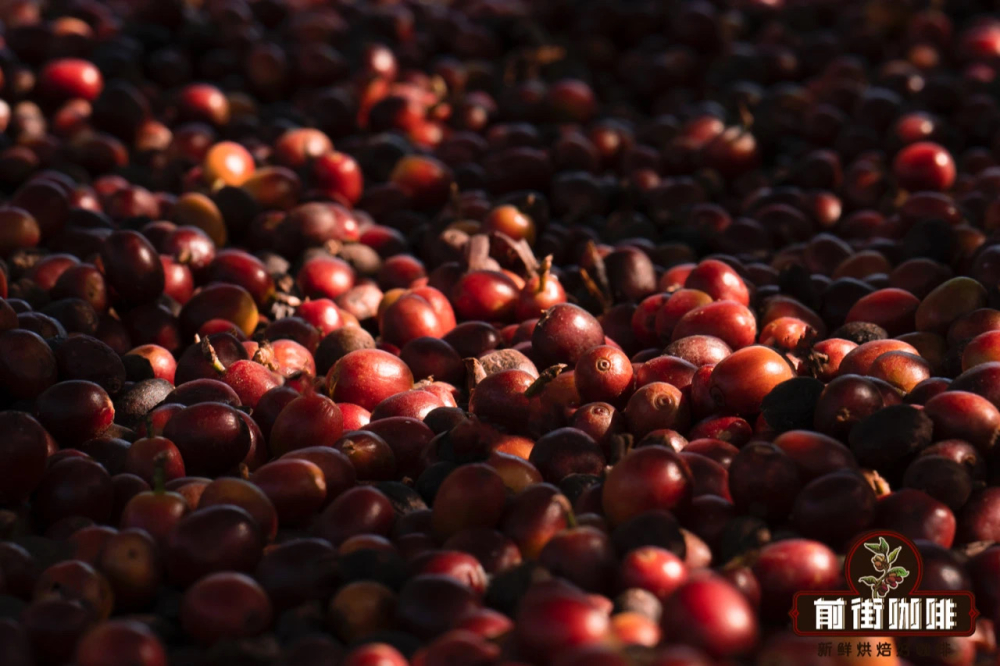
Scholars later confirmed that the variety first planted in Yunnan was Typica, the oldest variety in the Arabica family. Other varieties appeared later through natural evolution and hybridisation from Typica. The greatest strength of this variety is its clean, balanced flavour and a charming lightly sweet aftertaste.
From the late 1950s to the early 1960s, economic relations with the Soviet Union and Eastern European countries were gradually interrupted, which affected coffee exports. At the time coffee drinking at home was regarded as a capitalist lifestyle, so with no market foundation and with Typica costly to grow and maintain, people cut down coffee trees and planted other cash crops, and Yunnan's small-grain coffee production almost ceased entirely. By the early 1980s Nestlé recognised Yunnan as a treasure and distributed the easier-to-grow Catimor variety, reviving coffee production in the province and opening a new chapter.
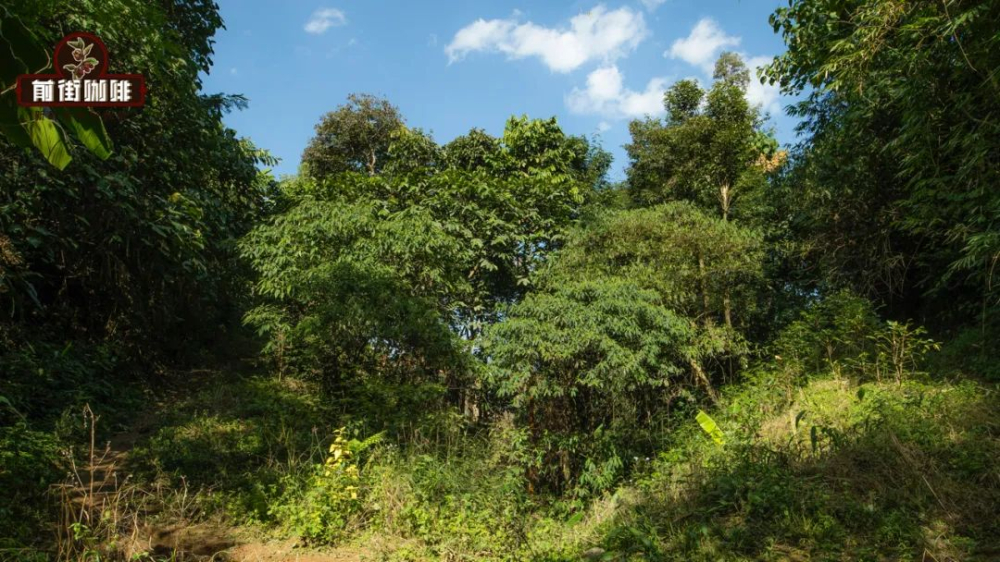
Yunnan originally planted mainly Typica, but its relatively low yield and weak disease resistance did not win over local farmers. Catimor, by contrast, was welcomed for its strong performance and gradually became the mainstream variety in Yunnan coffee. So today, most of what you taste in Yunnan is Catimor.
Catimor is planted on a large scale mainly in Dehong, Baoshan and Pu'er in Yunnan, with Panzhihua in Sichuan and Myanmar also promoting its cultivation. Yunnan sits above 800 metres, with abundant annual rainfall, fertile soil and a loose soil texture. In Baoshan in particular, the dry-hot valley climate suits coffee very well.
Main Coffee Varieties Planted in Yunnan
Typica and Bourbon are the two main cultivated varieties of Yunnan coffee, known for clean, balanced and refined flavours. In 1991 Yunnan introduced the Catimor variety from Kenya, which resists disease better and yields more, though it is slightly inferior to Typica and Bourbon in flavour. Because Typica and Bourbon are similar in form and habit, they are often cultivated together.

In recent years Yunnan's cultivation methods have become more scientific and its processing more refined, bringing significant improvement in flavour. Even traditionally washed and natural-processed Catimor can show relatively clean flavours.
FrontStreet Coffee believes, however, that to help Yunnan coffee truly cross into the specialty ranks, variety selection is crucial. So in 2013 FrontStreet Coffee decided to plant Typica on a mountain 1,300 metres above sea level in Lincang, Yunnan. Compared with Catimor, Yunnan Typica can show more pronounced sweetness and an intoxicating black-tea aftertaste, with sweet, sour and bitter in balance, which makes the flavour very charming.
Yunnan Coffee Growing Environment
Yunnan's coffee areas are concentrated mainly in Lincang, Baoshan, Simao, Xishuangbanna and Dehong. Among them Baoshan is acclaimed as the best small-grain coffee area, with an average temperature of 21.5°C, a maximum temperature of 40.4°C and essentially no frost all year.

The small-grain coffee produced here is known at home and abroad for a flavour rich but not bitter, an aroma mellow but not pungent, small uniform beans and a mellow, fruity taste. Experts have even compared it to Colombian wet-processed small-grain coffee, judging it a high-quality coffee by world standards. Baoshan small-grain coffee has a long cultivation history and is now a national geographical indication product, showing the distinctive charm of Yunnan coffee.
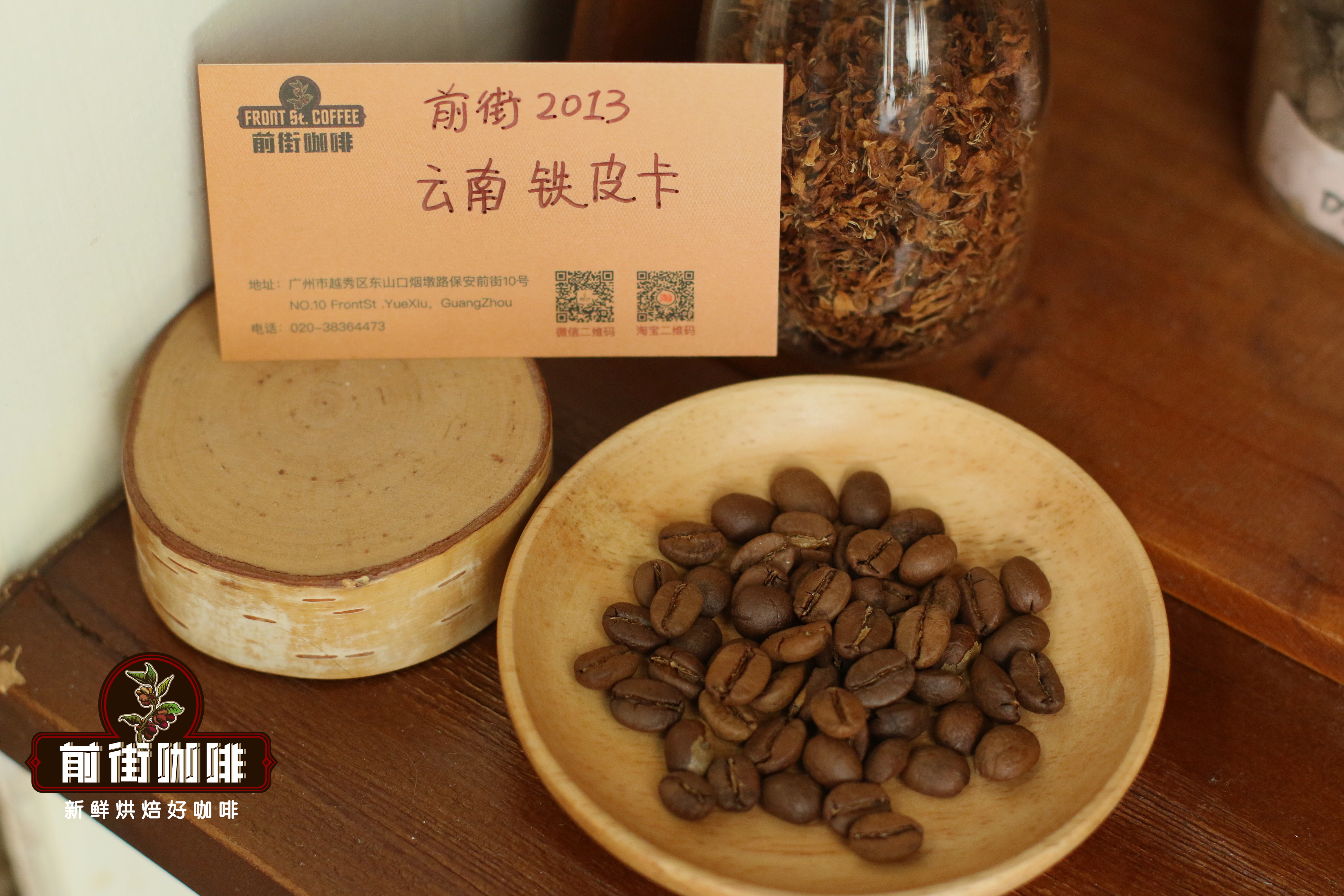
FrontStreet Coffee: FrontStreet 2013 Yunnan Typica
Region: Lincang, Yunnan
Altitude: 1300 meters
Variety: Typica
Processing: Natural Process
Brewing Flavors: Dried apricot, plum, brown sugar, chocolate, black tea sensation
FrontStreet Coffee Brewing Suggestions
For pour-over, FrontStreet Coffee has always treated the freshness of the beans as essential, since fresh coffee gives the fullest expression of flavour. The beans FrontStreet Coffee ships are roasted within 5 days, because freshness has a major effect on the cup.
FrontStreet Coffee's roasting philosophy is freshly roasted good coffee, ensuring that every customer who places an order receives the freshest beans. The resting period is generally 4-7 days, so by the time your beans arrive they are right at their best. Still, from the point of view of understanding coffee, you can taste them even if the rest has been short, and learn how the aroma changes at different stages.
FrontStreet Coffee Brewing: Parameters for FrontStreet 2013 Yunnan Typica Coffee
Filter: KONO
Water Temperature: 88-90°C
Coffee-to-Water Ratio: 1:15
Grind Size: Medium-fine grind (Chinese No. 20 standard sieve pass rate 80%)
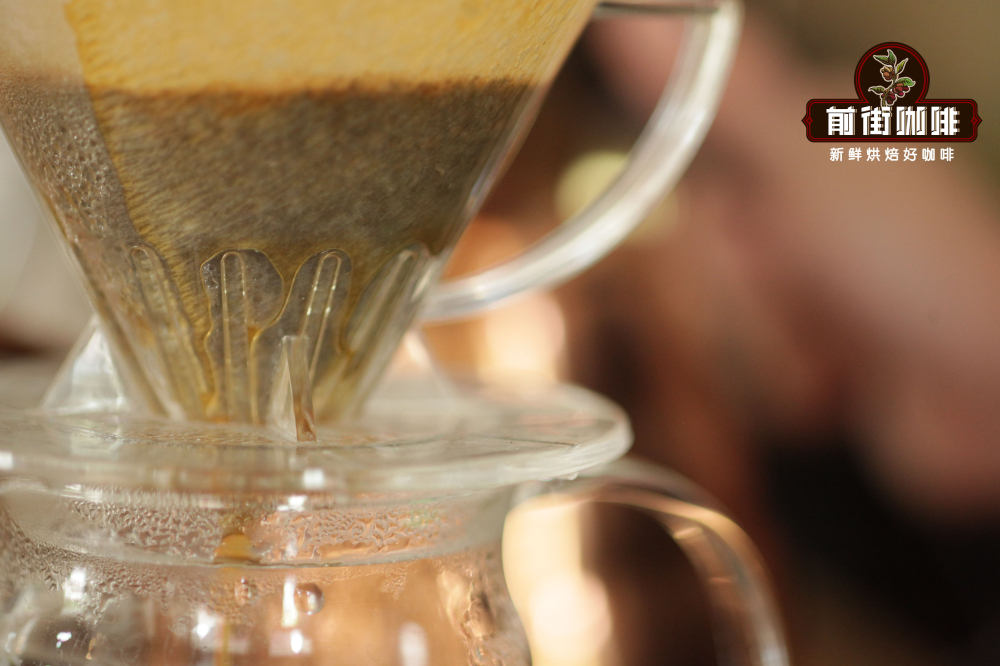
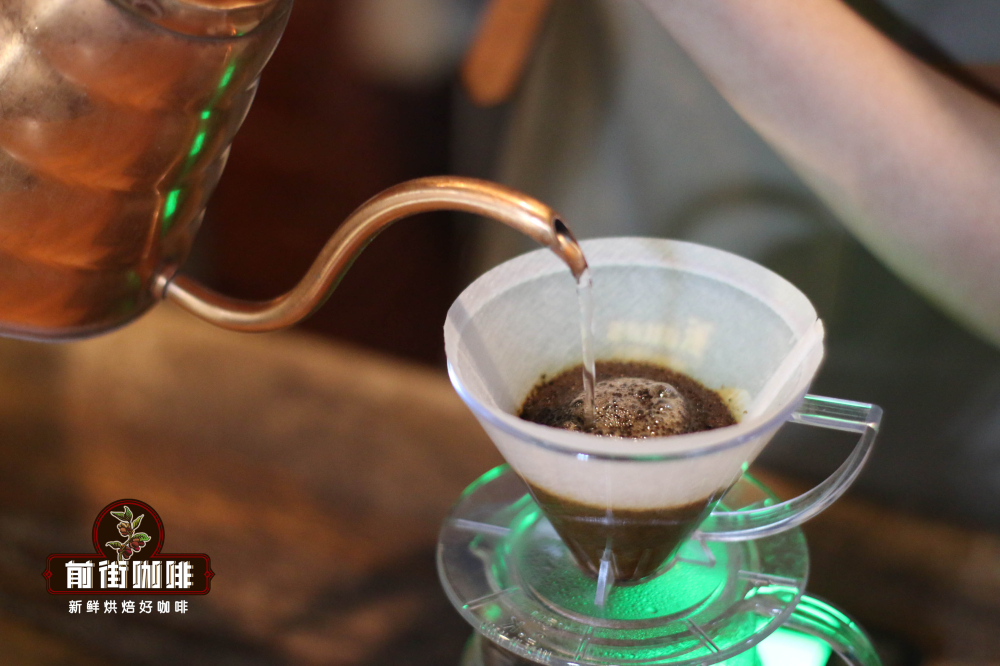
The method uses three-stage extraction, with twice the water for blooming: 30g of water to bloom for 30 seconds, then a small-stream circular pour to 125g, and continue pouring to 225g when the water level drops to just before the coffee bed is exposed, then stop. Timing starts from the bloom, and the full extraction runs 2 minutes. Keep the technique consistent between beans.
From this coffee FrontStreet Coffee most often tastes complex flavours of chocolate, nuts and roasted sweet potato with a toffee-like sweetness, mixed with some dark berry acidity and a good body.
FrontStreet Coffee Recommendation
If you want to follow Yunnan from entry level to something more serious, FrontStreet Coffee's Yunnan small-grain coffee comes from Baoshan and is washed and medium roasted, giving soft nut and chocolate sweetness with a light plum acidity at a friendly price. It is the first Yunnan coffee for many drinkers. One step up is FrontStreet Coffee's 2013 sun-dried Typica, grown on the estate FrontStreet Coffee established in 2013 at 1,300 metres in Lincang. Only fully ripe red cherries are used, and natural processing followed by a medium roast produces a more balanced cup with brighter acidity and sweetness, showing dark berry, caramel sweetness, chocolate and a touch of dried apricot with a black-tea finish.
The two make a useful pair to taste side by side. The washed small-grain coffee is the cleaner, simpler introduction, while the sun-dried Typica shows what variety selection and careful processing can add, and it is the cup that best explains why FrontStreet Coffee keeps insisting that Yunnan coffee should start with the variety.
Important Notice :
FrontStreet Coffee is a long-established specialty coffee roaster in Guangzhou China, selling freshly roasted beans from its own farm in Yunnan as well as dozens of carefully selected single-origin beans from around the world for both pour-over and espresso. The products deliver consistently excellent quality and great value, with shipping within 24 hours. Guangzhou's FrontStreet Coffee shop is recommended by many coffee lovers, and the beans are now available online at the Tmall 。
FrontStreet Coffee has moved to a new address:
FrontStreet Coffee Address: 315,Donghua East Road,GuangZhou
Tel:020 38364473
 Scan and follow the En Gafei WeChat official account. Please indicate that the reprint comes from "En Gafei".