Introduction to Kenya Coffee Processing Methods and Flavor Profiles of Double-Washed Specialty Coffee
For FrontStreet Coffee and for the many acid-loving enthusiasts, FrontStreet Coffee's Kenyan coffee is undoubtedly a favorite. Its flavor is truly exquisite, with excellent fruity aromas and pleasant acidity. To FrontStreet Coffee, the defining trait of FrontStreet Coffee's Kenyan coffee is its very distinct fruit flavor. It can almost be said that FrontStreet Coffee's Kenyan coffee contains every flavor we desire, which is why FrontStreet Coffee is so fascinated by the Kenyan coffee it has secured. Want to know why FrontStreet Coffee's Kenyan coffee is so captivating? Come along and you will find the answers.
Kenya's Coffee Development History
As everyone knows, Ethiopia is recognized as the birthplace of coffee. Kenya and Ethiopia are neighbors, so one might expect Kenya's coffee development to resemble Ethiopia's. Contrary to what many assume, however, Kenya's coffee industry only began to flourish after the 1960s.
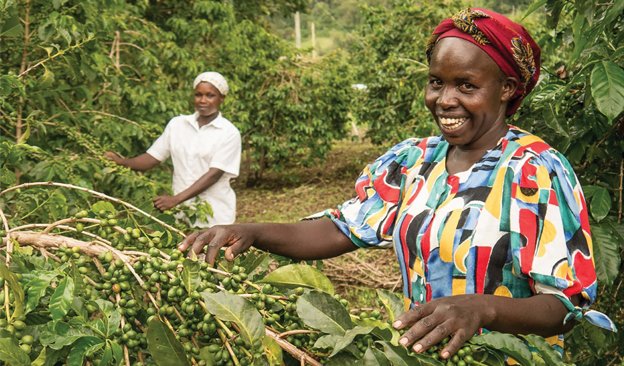
From online research, FrontStreet Coffee learned that Kenya's coffee was first introduced by missionaries who brought Bourbon varieties from Brazil. Coffee plants appeared around 1900 in Kibwezi and were planted again in Kikuyu in 1904.
There is another account, that Kenya's coffee cultivation began around 1900 when British colonizers took over Kenya. To obtain coffee there, the British settled in Kenya and enslaved thousands of Kenyans to grow coffee and grow wealthy. By the 1930s, farmers' power had grown, but despite their numbers they could not truly own land-use rights. To protect their interests, the colonizers prohibited locals from growing coffee and even withheld wages. It was not until the 1960s, when Britain relinquished control of Kenya, that the situation improved. Despite bloodshed and slavery, Kenya's coffee still prospered and developed into one of the world's finest.
Why FrontStreet Coffee's Kenyan Coffee Is So Acidic
Beyond Kenya's advantageous high altitude and varieties, there is also its exquisite processing technique. Kenya's most important and distinctive varieties are SL28 and SL34. These two have pure Kenyan bloodlines, featuring rich berry notes and subtle red-wine flavors with an intense chocolate aftertaste. They are often champions in professional cuppings and auctions.
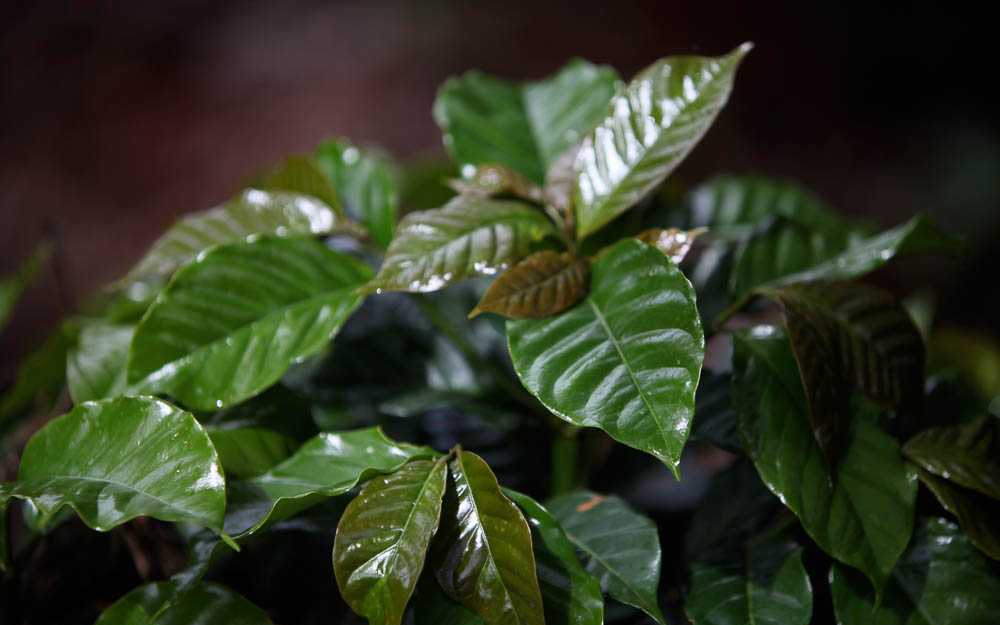
Although Kenya's SL28 and SL34 varieties have excellent flavor, they perform poorly in yield and disease resistance. For this reason, Kenya has widely planted the more disease-resistant Ruiru variety in recent years, while pure SL28 and SL34 beans continue to diminish. This new variety has not won over enthusiasts, who feel that Ruiru coffee is acidic but lacks aroma and has extremely coarse flavors, completely incomparable to the pure Kenyan AA coffee that deeply impresses coffee lovers. When Ruiru coffee cools, it releases woody decay flavors. Production of Ruiru is not substantial, currently accounting for only 10% of Kenya's coffee.
FrontStreet Coffee's Kenyan beans are primarily processed by the washed method, the most relied-upon method for specialty beans. Generally, coffee processed this way has the purest flavor, the fewest impurities and the best fruit aroma and acidity. There is also a special method known as "double washing."
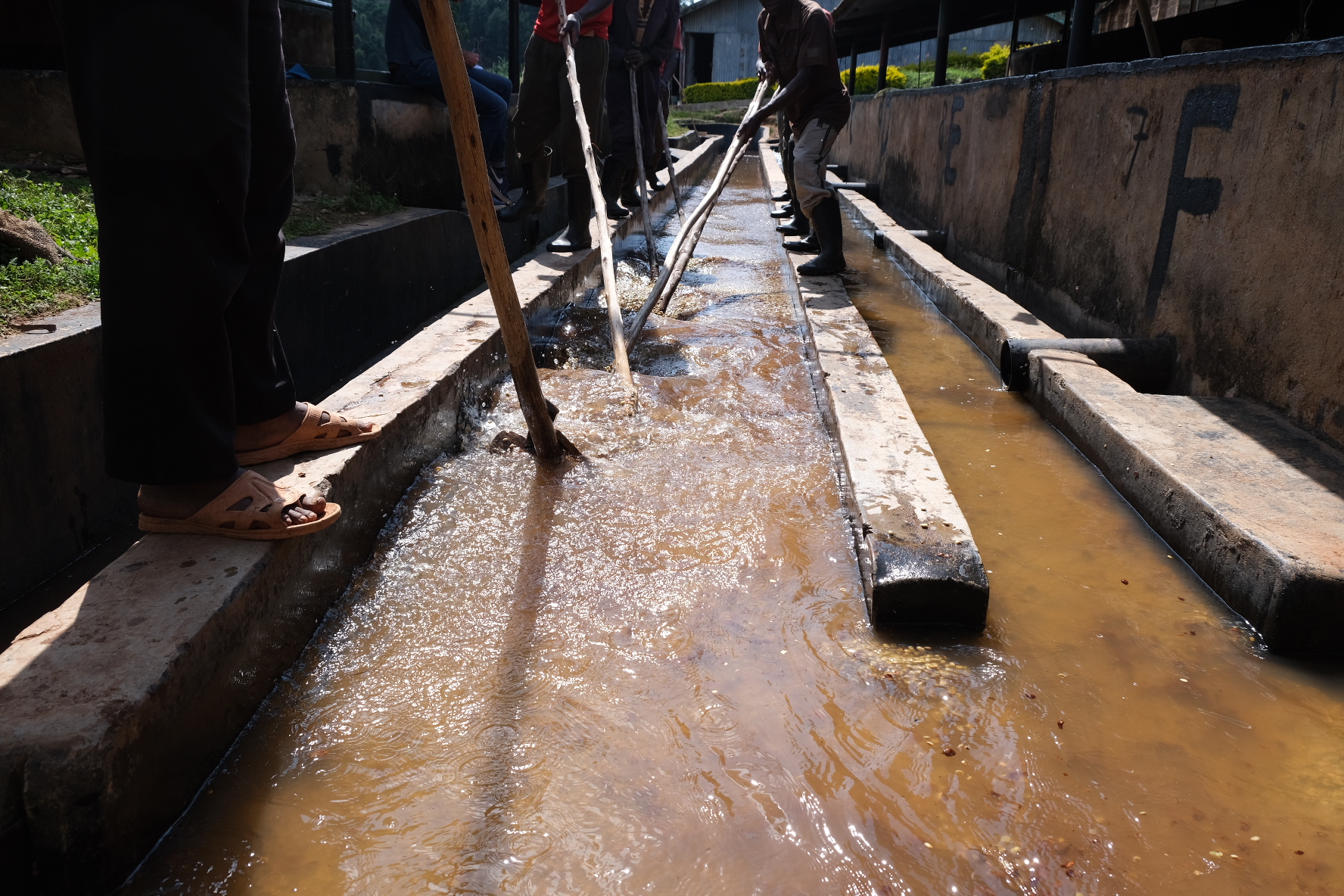
So-called "double washing" means washing the beans twice and fermenting them twice. Kenya's double-fermentation flow: fresh fruit floating selection, pulping, upper-layer fermentation for 1 night, washing, placing the parchment beans in the lower-layer fermentation tank to continue fermenting for 36 hours, washing, soaking in water for 12 hours, then sun-drying. The double-fermentation washing tanks have high and low layers, used respectively for the first and second wash. After harvesting good cherries, removing defective fruit and removing the skin, the beans are poured into the upper fermentation tank, or dry-fermented directly without entering the tank. The fermentation time depends on many factors; the hotter the environment, the faster the fermentation. After fermenting for a time, washing removes most of the pectin, and the beans are then placed in the lower clean-water tank for secondary fermentation. During fermentation, the circulating water needs to be replaced every few hours to keep the beans from turning smelly.
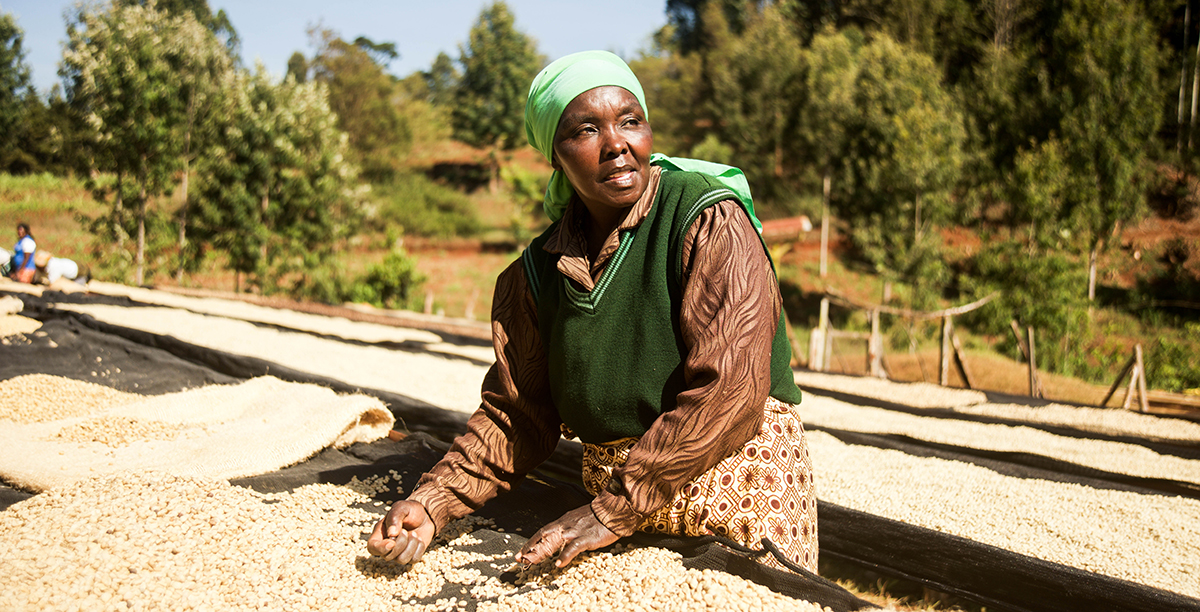
The beans are washed again to remove residual pectin. Secondary fermentation plus rinsing takes 36 hours, but that is not the end. If beans soak too long during fermentation, negative flavors increase. Once fermentation exceeds 36-72 hours, over-fermentation may occur, producing fatty acids that make the coffee taste too acidic. This process therefore takes approximately 12 hours or more, meaning Kenya's washed method takes at least 48 hours, sometimes up to 72 hours. Kenya's unique double-fermentation washed method enhances the original acidity and cleanliness, because during the fermentation process the acetic acid concentration in the beans rises, improving the flavor. FrontStreet Coffee's Kenyan coffee owes its impressively clean, invigorating flavor, beyond the growing environment, to this processing method.
FrontStreet Coffee's Kenyan AA Coffee Characteristics
In Hsu Baolin's book "Bean Hunter," the section on Kenyan coffee grading mentions 8 grades: E, AA, AB, PB, C, TT and M. Of these, Kenya AA is the designation friends often see when looking for Kenyan beans at FrontStreet Coffee stores.
Kenya AA's standard is that green beans have a particle size of 17-18 mesh (7.2mm-8.2mm) and are all flat beans (each cherry contains two beans).
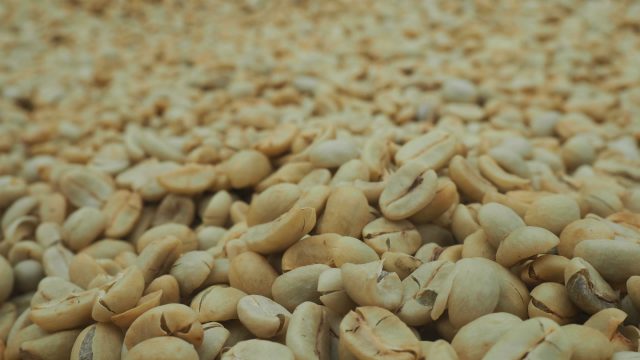
Many friends new to Kenyan coffee, after buying a bag of FrontStreet Coffee's Kenyan beans, often ask how best to enjoy them. FrontStreet Coffee's baristas always recommend pour-over. If you want the acidity and aroma, choose a hot pour-over; if you prefer something more refreshing, choose iced pour-over, cold brew or cold drip.
FrontStreet Coffee's Brewing Recommendations for FrontStreet Coffee's Kenyan
If you cannot make iced coffee, how should FrontStreet Coffee's Kenyan coffee be brewed? FrontStreet Coffee will use a hot pour-over as the example and explain the parameters.

[FrontStreet Coffee Kenya Small Tomato Coffee]
Region: Kenya, Thika, Nyeri
Processing Station: Asali Honey Processing Station
Altitude: 1550-1750 meters
Grade: AA TOP
Varieties: SL28, SL34
Processing Method: Kenya 72-hour washed
Brewing Recommendations: Dripper: Hario V60 | Water Temperature: 90-91°C | Coffee Dose: 15g | Coffee-to-Water Ratio: 1:15 | Grind Size: EK43s #10
Segmented extraction: use 30g of water for a 30-second bloom, then continue pouring in a circular motion with a small flow until reaching 125g, then pause. When the water level drops and is about to expose the coffee bed, continue pouring to 225g, then stop. When the water level drops and is about to expose the bed, remove the dripper (timing starts from the bloom). Extraction time is 2'00".
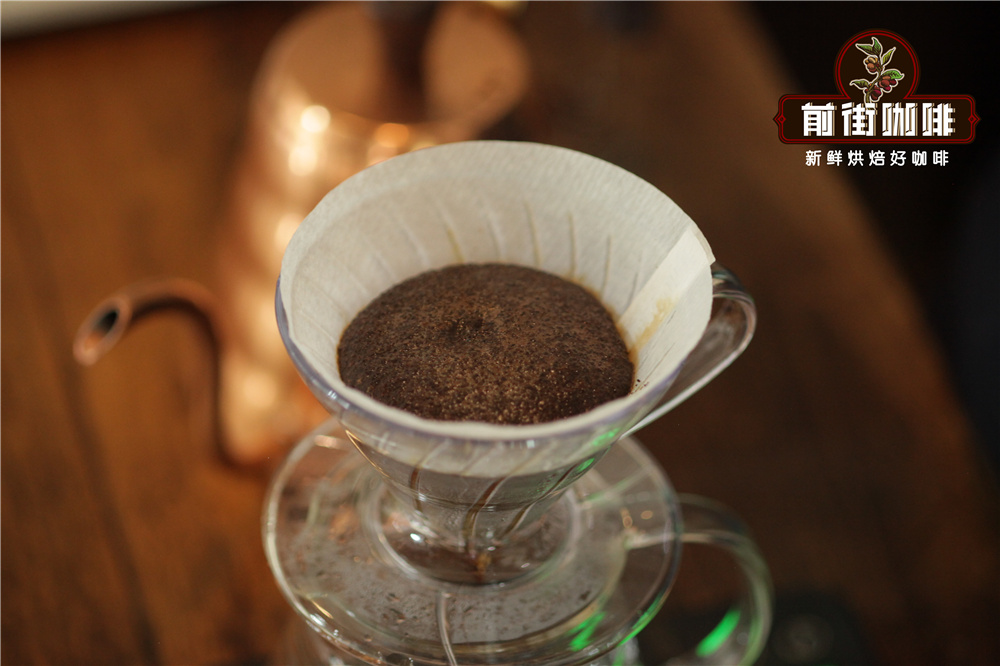
Flavor Description: The wet aroma features ripe tomato and floral notes. The entry reveals cherry tomato and preserved plum, with bright acidity, clean and solid, rich in texture, like the weight of an African elephant. The mid-palate shows prominent sweetness with a juicy sensation. The aftertaste features berry aroma and brown-sugar sweetness, with a green tea fragrance.
FrontStreet Coffee Recommendation
Kenya's double-washed process is what gives these coffees their clean, bright, juice-like structure, and FrontStreet Brazil Cerrado Red Bourbon is a fine counterpoint for drinkers who want a calmer cup from the same craft. Grown in the Cerrado region and processed semi-washed, it is a classic Brazilian single origin with cream, peanut, toast, caramel and hazelnut, rounded and only lightly acidic. It shines as pour-over and also works in a moka pot or as an espresso base.
Important Notice :
FrontStreet Coffee is a long-established specialty coffee roaster in Guangzhou China, selling freshly roasted beans from its own farm in Yunnan as well as dozens of carefully selected single-origin beans from around the world for both pour-over and espresso. The products deliver consistently excellent quality and great value, with shipping within 24 hours. Guangzhou's FrontStreet Coffee shop is recommended by many coffee lovers, and the beans are now available online at the Tmall 。
FrontStreet Coffee has moved to a new address:
FrontStreet Coffee Address: 315,Donghua East Road,GuangZhou
Tel:020 38364473
 Scan and follow the En Gafei WeChat official account. Please indicate that the reprint comes from "En Gafei".