The Cost of a Coffee: Latte and Americano Cost Price vs. Selling Price
The Cost of a Coffee: Latte and Americano Cost Price vs. Selling Price
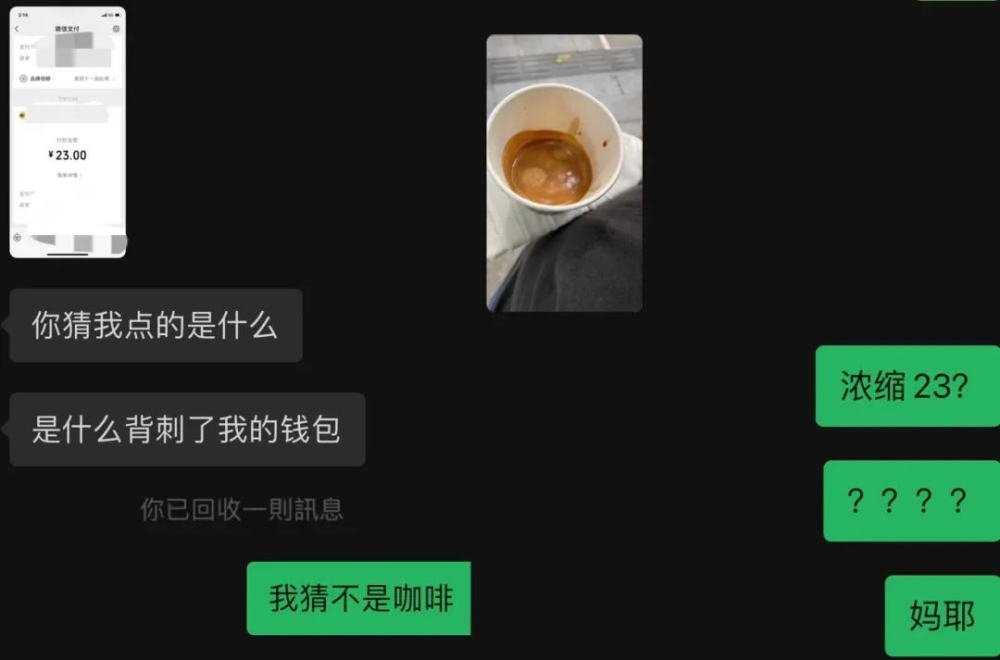
Recently, a friend of mine mysteriously shared a bill with me, saying they felt completely ripped off. My response at that moment was really... (loud). On learning that a double espresso cost 23 yuan, I instantly felt I had spoken too soon.
Beyond this friend, many netizens have shared on social media that more and more coffee shops nowadays price things very unclearly. Some list only product names without prices, while others don't even have a Chinese menu: everything is listed entirely in English, and customers often feel ripped off when it comes time to pay.

Some netizens also say that even when products are clearly priced, seeing the prices still gives them that ripped-off feeling. "An Americano for 30 yuan, a latte for 35 yuan, and specialty drinks with a few flavored syrups and fruit start at over 40... I feel like I can barely afford coffee anymore. The worst part is it wasn't even that impressive; I feel like such a sucker."

Given the wide price range of coffee products today, many people are curious about the actual cost of a cup of coffee.
Here we must first clarify one point: every coffee shop has different costs for rent, labor, utilities, renovation, and equipment investment, so price differences are normal. Rather than directly discussing the cost of a cup of coffee, we will instead look at how coffee shops should price their products and what their pricing strategy should be.
"Determine Coffee Positioning - Determine Menu - Determine Costs and Pricing"
Based on observation, many coffee shops price high mainly because of high rent and labor costs, as well as unreasonable menu settings. Many shops lack clear positioning and have not investigated the consumption habits of the customer groups around their location, leading to overly cluttered menus that raise material costs and waste.
Therefore, before customizing a menu, coffee shops must first clarify their positioning (whether targeting general consumers, social media influencers, niche coffee consumers, and so on). Objectively speaking, the main content of the menu basically represents the products the shop promotes and that customers accept.
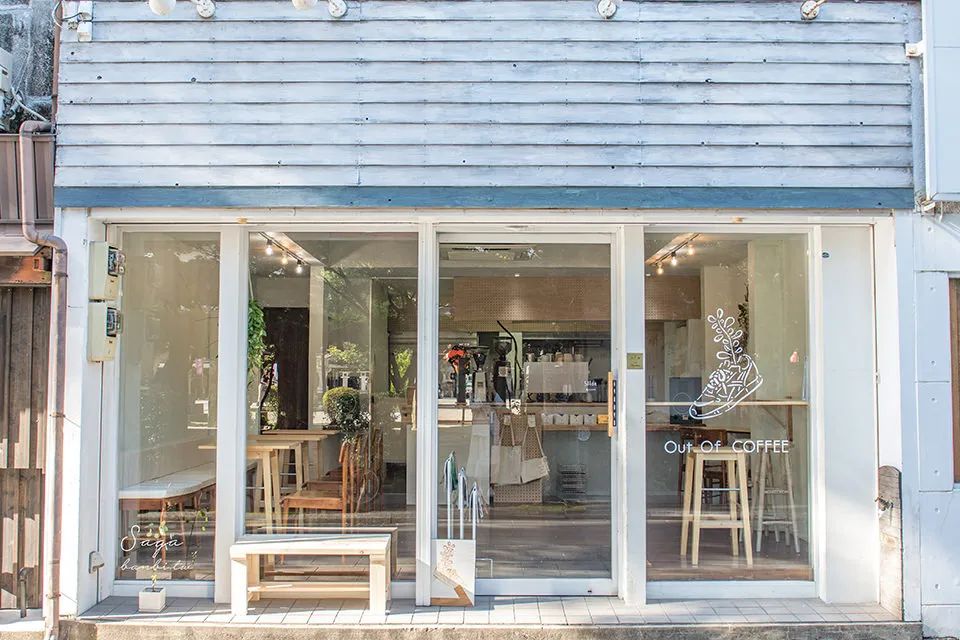
The coffee products on the menu should match the shop's location and style, which also means the shop's address and decor are selling points. The menu should therefore be adjusted according to these factors. For example: if a shop is located in a community or small town but its products and pricing target bustling streets and big cities, both the menu and the prices will deter customers.
Treat the coffee menu, then, as a product to be crafted, making it a signature that draws customers to visit specifically. Only with clear positioning can you better select materials, control costs, and price more reasonably.
"How Should Menu Products Be Priced?"
Many coffee shops actually buy materials first and then decide on products, so their high pricing is not intentional; it is because material costs are too high. They need to factor in various costs while also considering how much profit they can make.
So it is absolutely, definitely essential to first determine the coffee shop's main customer base, set an approximate selling price range, and then choose the materials for production.
If you determine pricing based on raw material costs, refer to the raw material cost ratio, which is the proportion of raw material costs in the product price.
"Raw Material Cost = Material Cost x (1 + Loss Rate)" The loss rate is calculated at approximately 5%; for example, the loss of defective beans in coffee beans.
"Raw Material Cost Ratio = Raw Material Cost ÷ Selling Price x 100%"
For example (just an example): if an Americano sells for 10 yuan, its raw material cost should be around 3 yuan, making the raw material cost ratio 30%. Generally, the raw material cost ratio should not exceed 30% of the selling price, but this also needs to be adjusted for different shops, adding rent and labor costs.
"How to Control Material Costs"
Coffee Equipment: Choose suitable, not expensive. It is not advisable to blindly invest in expensive equipment when opening a shop. You really don't need to pour all your capital into equipment when starting out. Expensive equipment naturally leads to very high product pricing.
Coffee Materials: Whether it is coffee beans or other procurement, always choose suppliers, manufacturers, and brands with legal production qualifications. This point is very important. Generally, the hot-selling products in coffee shops are espresso-based drinks, so the espresso coffee needs to be very cost-effective, which is also key to whether customers will make repeat purchases.
Espresso coffee bean prices vary from cheap to expensive. Looking at it per pound, regular tasting espresso beans range from 50-60 yuan; those with a more prominent overall flavor range from 70-80 yuan; and those with unique flavors, estate blends, or SOE beans range from 90-150 yuan.
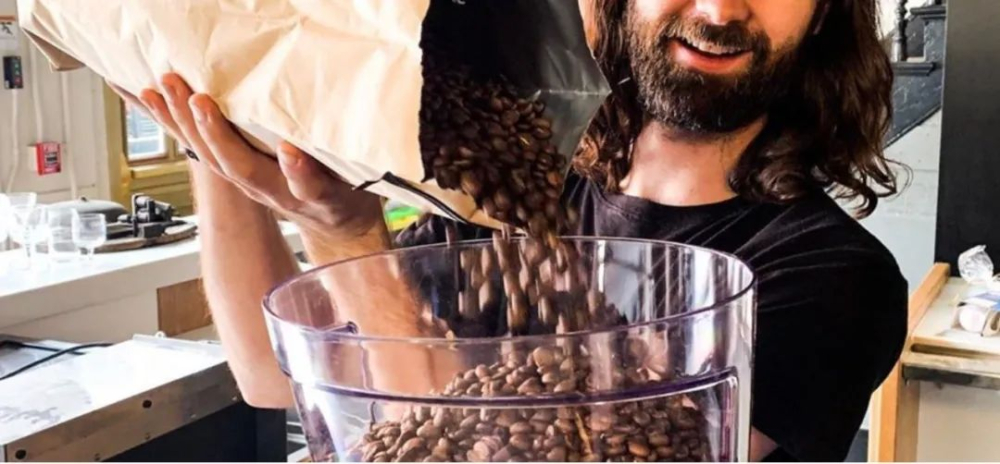
Generally, 1 pound of beans is about 454g. Calculated on a double-espresso basis, each coffee drink needs about 17-20g of beans, which can produce about 22-26 cups. The espresso cost of a single drink is between 2.2-6.8 yuan.
Milk Cost: Regular fresh milk ranges from 11-13 yuan/L; better-quality fresh milk ranges from 16-19 yuan/L. Based on the milk needed for one milk coffee plus waste, about 200ml is needed, so 1L of milk can make 4-5 drinks, with costs roughly between 2.5-4.5 yuan.

But this is only the cost of coffee beans and milk. Adding rent, equipment, materials, and each shop's positioning makes it impossible to compare with chain coffee shops. It is therefore normal for independent coffee shops to have higher drink prices than chains.
Sometimes consumers go to independent coffee shops hoping to receive service and experiences they cannot get from chains. Prices being somewhat higher than chain stores is actually something everyone is mentally prepared for. Many consumers feel ripped off more because the product quality does not match the pricing and there is a lack of service, making them feel it is not worth it.
Image Source: Internet
FrontStreet Coffee Recommendation
Controlling material costs starts with choosing the right espresso beans, and FrontStreet Coffee's Commercial Blend is built for exactly that, combining Robusta washed, Colombian washed, and Brazilian natural beans for nut, cocoa, and caramel flavors that keep daily shop operations affordable. When you want a step up in quality without the price of an SOE, FrontStreet Coffee's Classic Blend delivers standout crema for lattes, cappuccinos, and flat whites, while FrontStreet Coffee's Dark Cocoa Blend offers a 100% Arabica, value-forward option for high-volume menus.
Important Notice :
FrontStreet Coffee is a long-established specialty coffee roaster in Guangzhou China, selling freshly roasted beans from its own farm in Yunnan as well as dozens of carefully selected single-origin beans from around the world for both pour-over and espresso. The products deliver consistently excellent quality and great value, with shipping within 24 hours. Guangzhou's FrontStreet Coffee shop is recommended by many coffee lovers, and the beans are now available online at the Tmall 。
FrontStreet Coffee has moved to a new address:
FrontStreet Coffee Address: 315,Donghua East Road,GuangZhou
Tel:020 38364473
 Scan and follow the En Gafei WeChat official account. Please indicate that the reprint comes from "En Gafei".