What Coffee Varieties are Produced in Indonesia - Flavor Characteristics of Indonesia's Three Major Coffee Varieties
Why Does Homemade Latte Taste Different from Cafe-made?
Many customers have asked FrontStreet Coffee why, when they use the same Sunflower Warm Sun Blend from FrontStreet Coffee's store to make a latte, the taste always differs from what they get in the shop. Why does this happen?
The Traditional Understanding of Latte
In the most traditional explanation, a latte is simply milk plus coffee, with no fixed type of coffee. Later, Starbucks introduced a latte made with espresso and milk and promoted it widely in its stores around the world. As a result, the industry and consumers gradually came to understand latte as espresso plus milk.
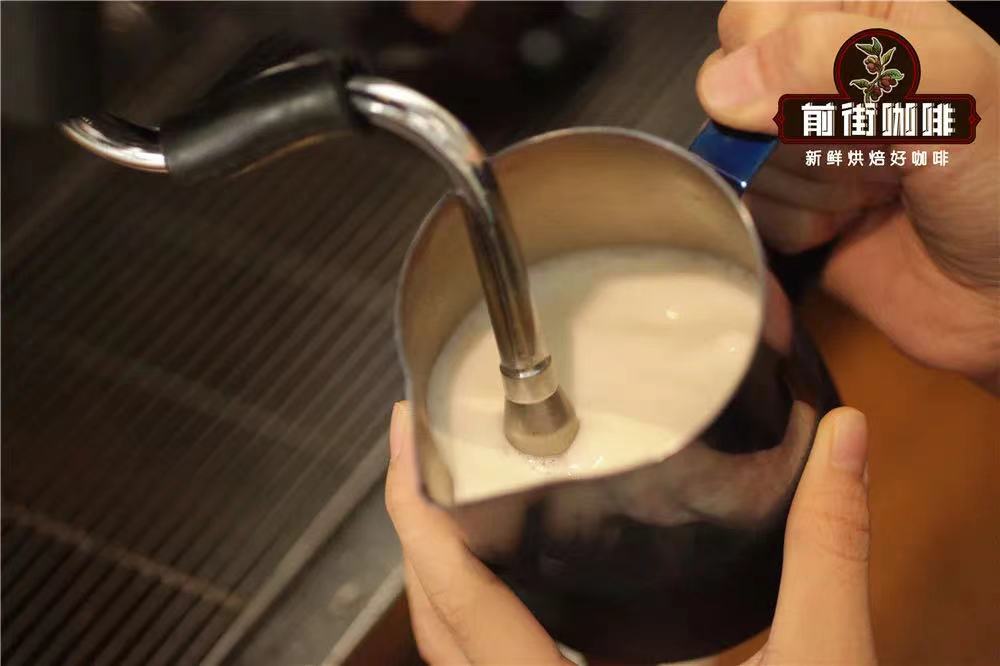
Coffee with milk added really is a latte. Still, since you're reading this, you probably want to know how to make a delicious espresso latte at home, so let's get straight to the point.
Key Elements for Perfect Latte
Making a latte like a coffee shop is actually not difficult at all. You simply need the right combination of coffee beans and milk, stable and reasonable espresso extraction, and a proper ratio of milk to coffee.
The choice of coffee beans is extremely important, since it directly determines the flavor direction of the latte. Many customers praise FrontStreet Coffee's latte flavor as particularly special, mainly because FrontStreet Coffee uses its own Sunflower Warm Sun Blend, composed of Yirgacheffe Red Cherry and Honduras Sherry. The resulting latte boasts flavors of vanilla cream, wine aroma, caramel, and chocolate.
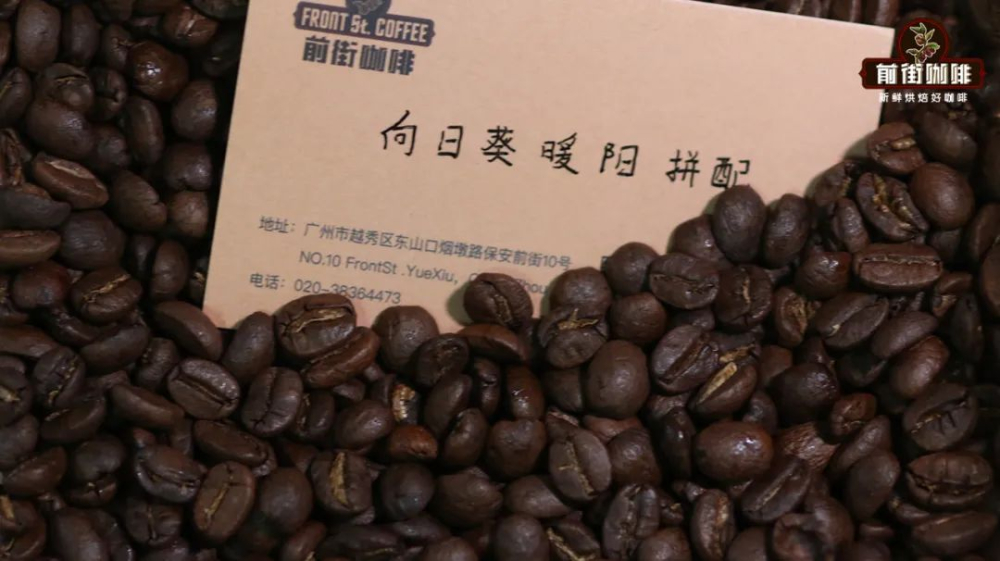
Besides choosing suitable beans, the resting period matters too. One customer once reported that after buying the Warm Sun Blend they could not achieve the flavor they had tasted in FrontStreet Coffee's store. The reason was that the beans were too fresh and would not extract properly; a few days later, the customer confirmed the flavor had come through. According to FrontStreet Coffee's product testing, the optimal flavor window for its espresso beans is around 10-14 days of resting, with an optimal tasting period of roughly 50 days.
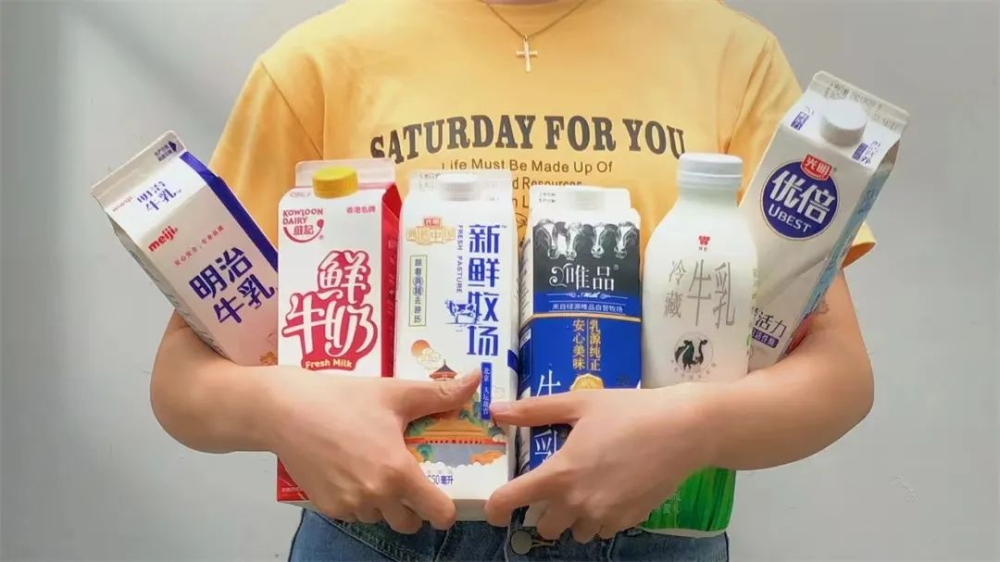
Beyond the beans, milk also affects the flavor and texture of a latte. FrontStreet Coffee has tested several common fresh-milk products on the market.
Espresso Extraction
The next important factor is espresso extraction. Some people attribute the quality of espresso to differences in machines, believing that a coffee machine costing tens or even hundreds of thousands beats a home machine costing only a few thousand.
That statement is partly true, but the quality gap between a hundred-thousand-yuan machine and a few-thousand-yuan machine is not as large as people imagine. FrontStreet Coffee has used home machines costing just a few thousand yuan, and if you only make 2-3 cups a day, the quality is completely fine. Of course, if you use only a toy machine costing a few hundred yuan, or an all-in-one grinding-and-extraction machine, there will be visible differences in extraction quality.
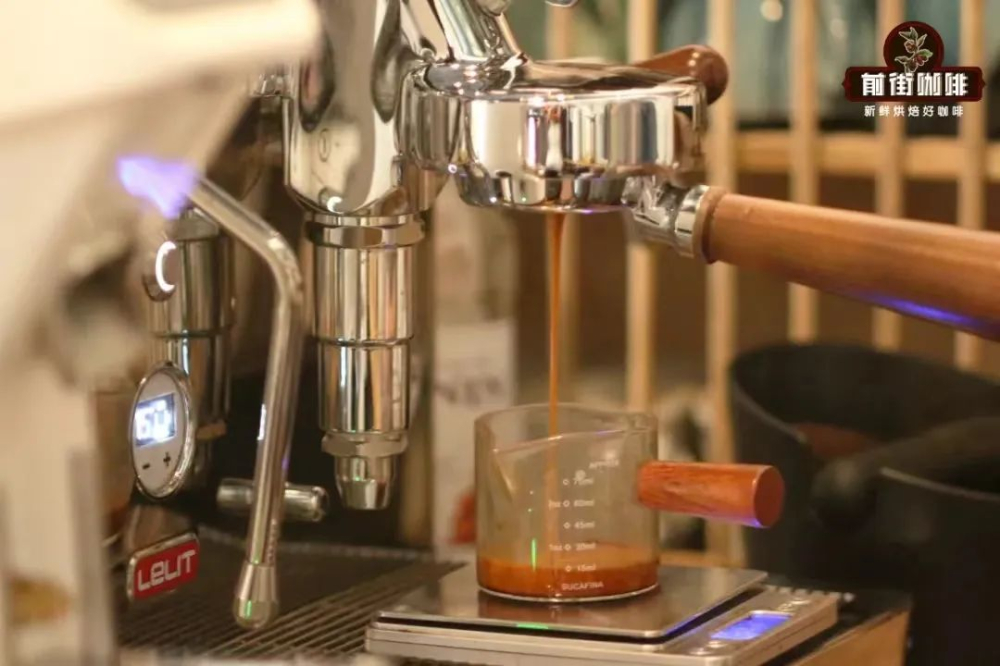
As for the various problems in espresso extraction, they all come down to appropriate parameters. FrontStreet Coffee's basic formula is a powder-to-liquid ratio of 1:2, a time of 25-30 seconds, and no abnormalities during extraction. Abnormalities here mean channeling, unstable flow rates, or sputtering.
Coffee to Milk Ratio
On the ratio of coffee to milk, many friends ask FrontStreet Coffee whether to add one or two shots to a latte and what the coffee-to-milk ratio should be. Others ask whether a recipe they learned from another coffee shop is the standard way to make a latte.
If you haven't yet worked this out, follow FrontStreet Coffee's reasoning. What does the coffee-to-milk ratio affect? Put simply, too much milk masks the coffee flavor, while too little milk makes the drink too bitter. The right ratio is really about finding a balance point between milk and coffee liquid.
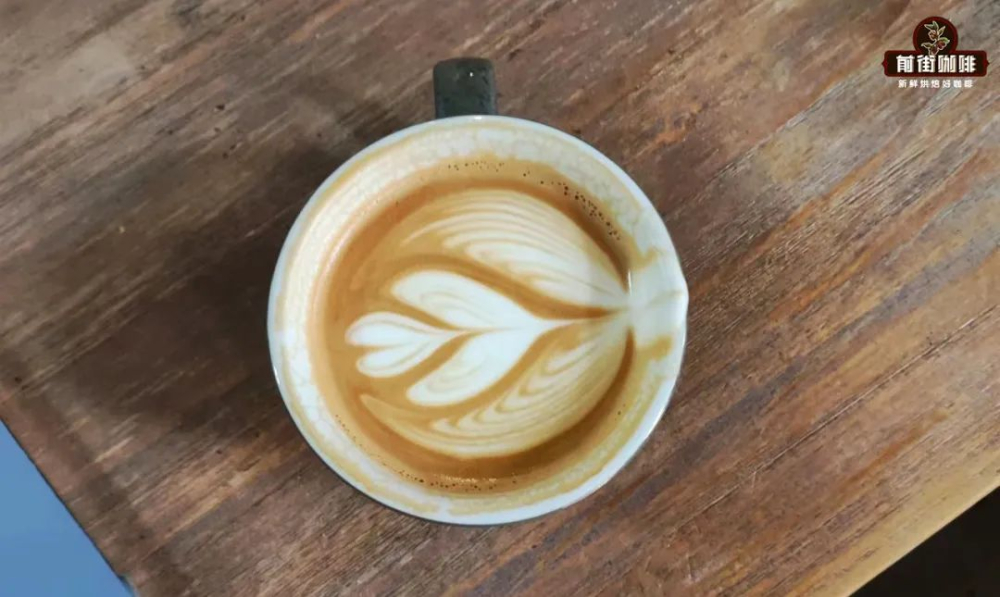
Once you understand that, you will see there is no precise standard ratio, because everyone uses different beans and possibly different milk. Even if you follow someone else's ratio to make a so-called standard latte, will it taste the same? So set aside the cold numbers and start from the taste of the coffee.
For example, a latte has an approximate ratio range of about 1:4 to 1:8 coffee to milk, with the maximum and minimum differing by a factor of two. If you extract espresso from traditional dark, shiny espresso beans, you may need more milk to keep the flavor balanced, say 1:7. A lightly roasted SOE (Single Origin Espresso), however, is less intense and stimulating on its own, so adding more milk would cover the coffee flavor and create imbalance. If testing shows that 1:4 works best, then these two lattes have different optimal ratios. So when you receive a latte recipe, treat it as useful reference, never as a secret formula.
Milk Frothing and Integration
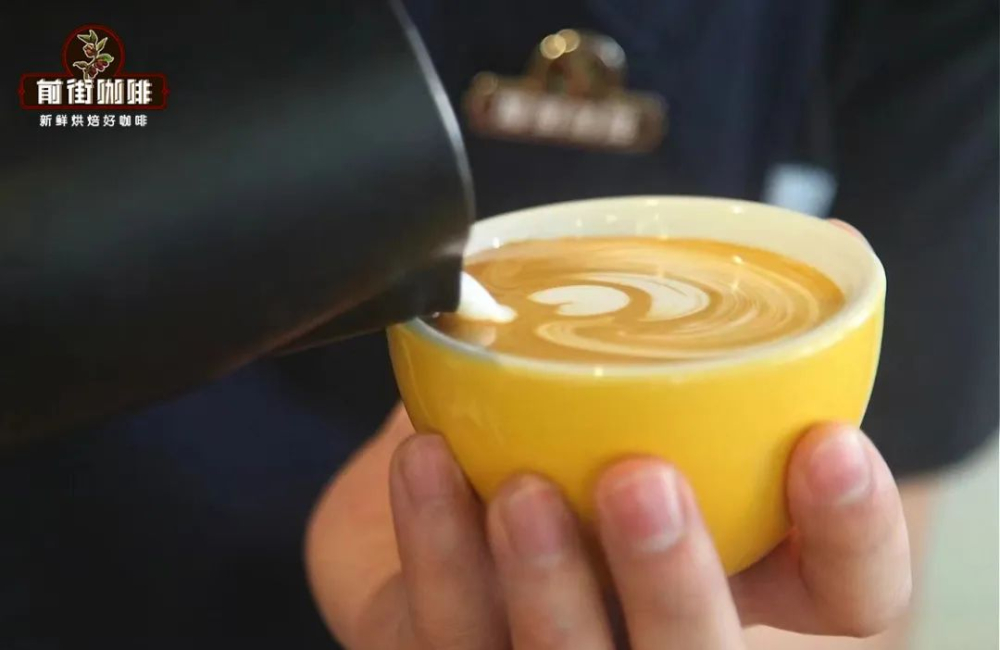
Fine, well-flowing milk foam aids integration and improves mouthfeel. For homemade latte, though, if you start from flavor rather than appearance, frothing and integration techniques are optional. You don't have to froth milk foam: you can simply heat the milk and stir it in with a spoon. If you insist that a latte with foam and latte art has soul, then by all means practice your technique seriously.
The Secret to Cafe-quality Latte
Finally, the main reason coffee shops make a better latte than most people do at home is that, before handing you that delicious latte, they have worked through plenty of unsatisfactory ones, continuously adjusting bean and milk selection, espresso extraction parameters, and milk-to-coffee ratios until they reach a version worth serving.
FrontStreet Coffee Recommendation
As a base for milk drinks, FrontStreet Coffee suggests its Washed Yirgacheffe, known for white jasmine, bright citrus and lemon acidity, and a tea-like body. Its approachable price makes it the classic first specialty bean for anyone exploring Ethiopian coffee. Yirgacheffe is a small town in southern Ethiopia at roughly 1,700-2,100 meters, where coffee trees are planted above 1,800 meters, making it one of the world's highest coffee-growing regions; the cup is light and elegant with a clean, tea-like finish.
For a sweeter, more fruit-forward option, FrontStreet Coffee's Sun-dried Red Cherry uses whole ripe cherries given a natural process, so it keeps the classic Yirgacheffe character while gaining the tropical fruit aromas of natural processing, with citrus-like acidity, a berry-juice mouthfeel, honeyed sweetness, and a creamy smoothness. To brew the washed Yirgacheffe, use a V60 with 15 g of coffee and a 1:15 ratio at 90-91°C, ground to EK43s setting 10, or about fine-sugar size with an 80% pass-through rate on a #20 standard sieve.
Important Notice :
FrontStreet Coffee is a long-established specialty coffee roaster in Guangzhou China, selling freshly roasted beans from its own farm in Yunnan as well as dozens of carefully selected single-origin beans from around the world for both pour-over and espresso. The products deliver consistently excellent quality and great value, with shipping within 24 hours. Guangzhou's FrontStreet Coffee shop is recommended by many coffee lovers, and the beans are now available online at the Tmall 。
FrontStreet Coffee has moved to a new address:
FrontStreet Coffee Address: 315,Donghua East Road,GuangZhou
Tel:020 38364473
 Scan and follow the En Gafei WeChat official account. Please indicate that the reprint comes from "En Gafei".