Historical Stories of Three Common Coffee Bean Varieties and Introduction to Arabica Coffee Bean Flavor Characteristics
If you are a passionate coffee enthusiast, you probably want to know how many types of coffee exist worldwide and what makes each one unique. Today FrontStreet Coffee will guide you through a detailed classification of the world's coffees. You will come away with a deeper sense of the different varieties, and through our introduction you may also find the beans that best suit your current taste preferences.
Global Coffee Varieties
There are three main types of coffee beans grown commercially worldwide: Arabica, Robusta, and Liberica.
Before explaining these three types, we need to briefly discuss the classification of coffee plants.
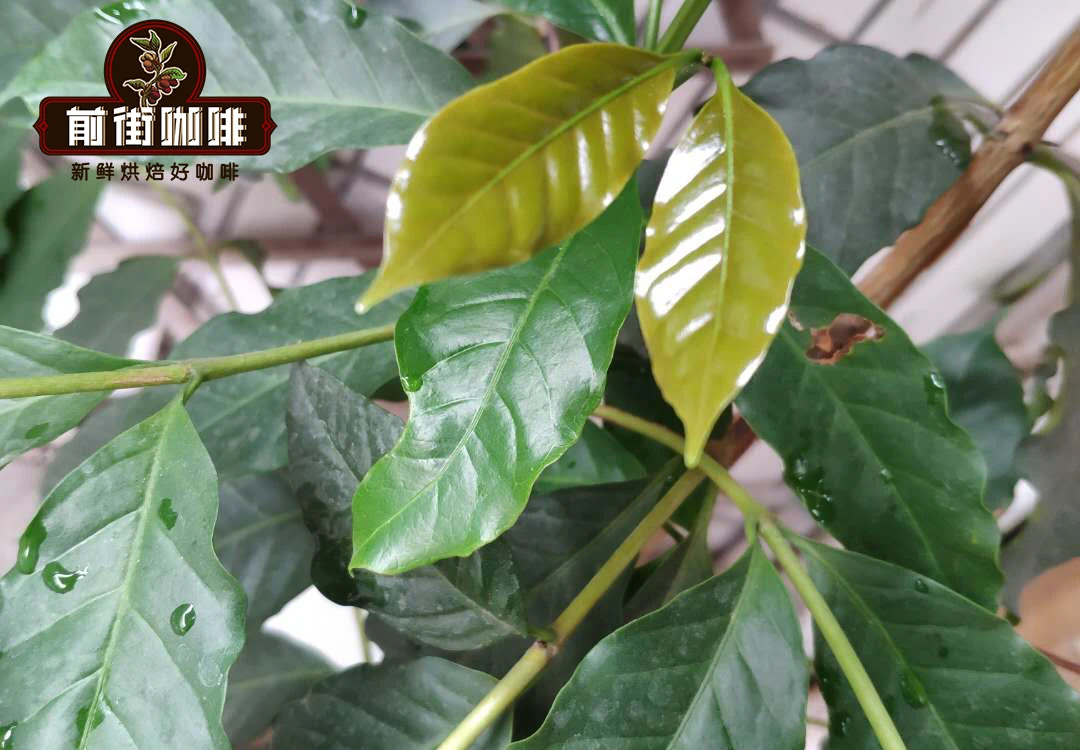
What Plant Are Coffee Beans?
Here is the breakdown of coffee classification according to the United States Department of Agriculture:
Domain: Eukaryota – organisms with cells whose nucleus is enclosed within a membrane.
Kingdom: Plantae – plants.
Subkingdom: Tracheobionta – vascular plants.
Superdivision: Spermatophyta – seed plants.
Division: Magnoliophyta – flowering plants.
Class: Magnoliopsida – dicotyledonous plants.
Subclass: Asteridae – lower classification of flowering plants.
Order: Rubiales – order of dicotyledonous plants.
Family: Rubiaceae – family primarily of tropical herbs, shrubs, and trees.
Genus: Coffea L. – coffee plants.
Species: Coffea arabica, Coffea canephora – for example, Arabica, Robusta, or Liberica.
Arabica Coffee Beans
Most people associate Arabica coffee beans with high-quality specialty coffee. Arabica accounts for approximately 60-70% of the world's total coffee production, and it is considered the earliest cultivated coffee variety. These beans grow in high-altitude areas, needing regions with stable rainfall and cool temperatures. They are extremely sensitive to their growing environment and are mostly found between the Tropic of Cancer and the Tropic of Capricorn. Arabica's altitude requirements range from 800-2000 meters, with higher altitudes producing better coffee quality.
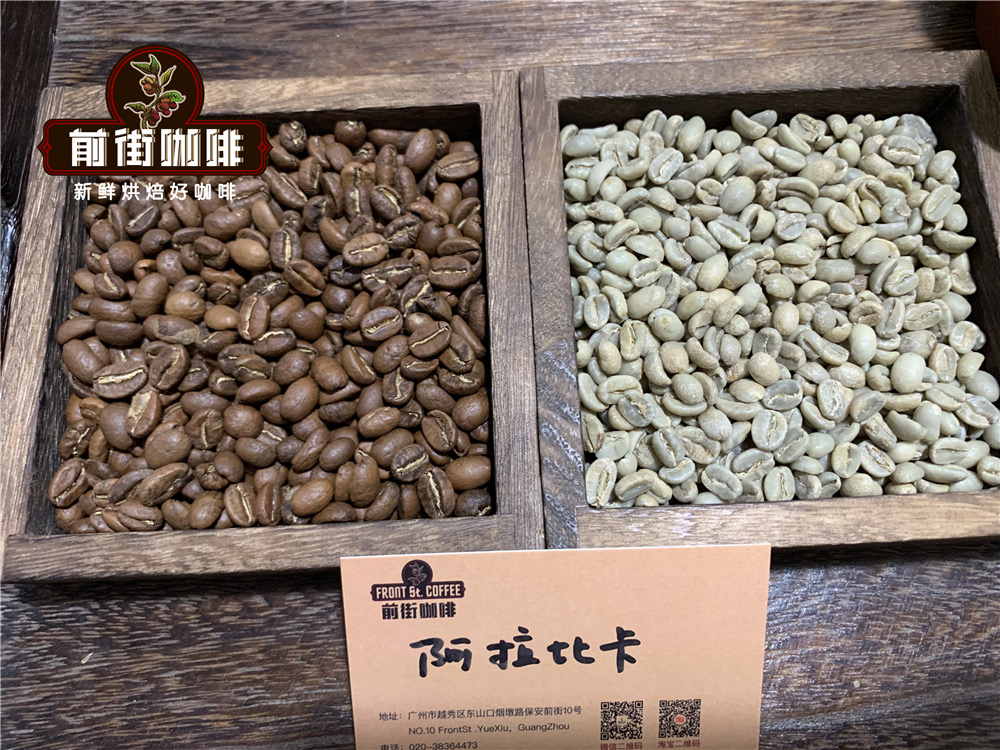
Its origins can be traced back to around 1000 BC in the highlands of the Kingdom of Kefa, which is modern-day Ethiopia. In Kefa, the Oromo people would crush the beans and mix them with fat to create spheres the size of ping-pong balls, using them as stimulants much as people do today. Arabica got its name around the 7th century, when these beans crossed the Red Sea from Ethiopia to what is now Yemen and the Arabian region, earning the name "Arabian coffee." The first written record of making coffee from roasted beans comes from Arab scholars, who wrote that coffee helped extend their working hours. The Arabians' practice of brewing with roasted coffee beans in Yemen first spread among Egyptians and Turks, and later found its way around the world.
Arabica has the most varieties (at least 40), and FrontStreet Coffee has listed a small selection for you.
Typica
The Typica group, like all Arabica coffees, originates from southwestern Ethiopia. It is one of the most culturally and genetically important coffees in the world. Typica beans are oval-shaped, slender and full-bodied, with a clean taste and an elegant, pure flavor. They are highly susceptible to leaf rust but adapt well to cold weather.
Bourbon
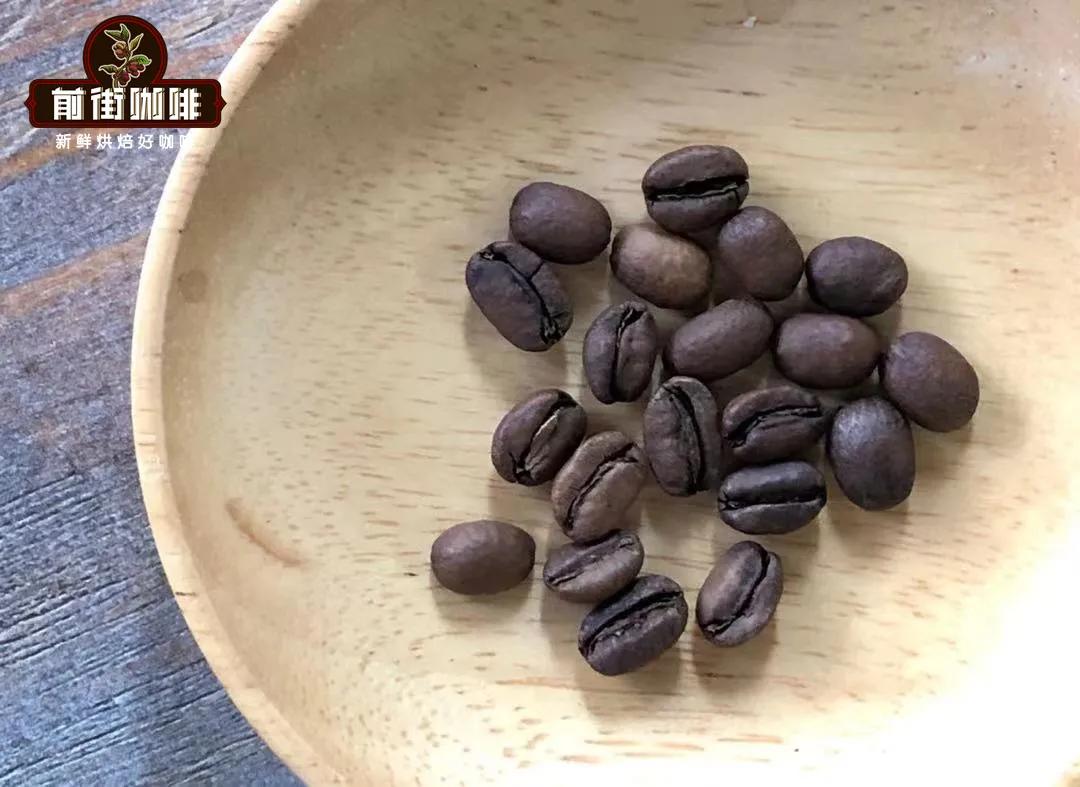
Bourbon is a natural variant of Typica. French missionaries introduced Bourbon from Yemen to Bourbon Island (now Réunion Island) in the early 1700s, naming it after the island. Starting in the mid-1800s, as missionaries began establishing footholds in Africa and the Americas, the variety spread to new places around the world. Bourbon beans are short and round with thick bodies, a smooth taste, and a distinctly sweet flavor.
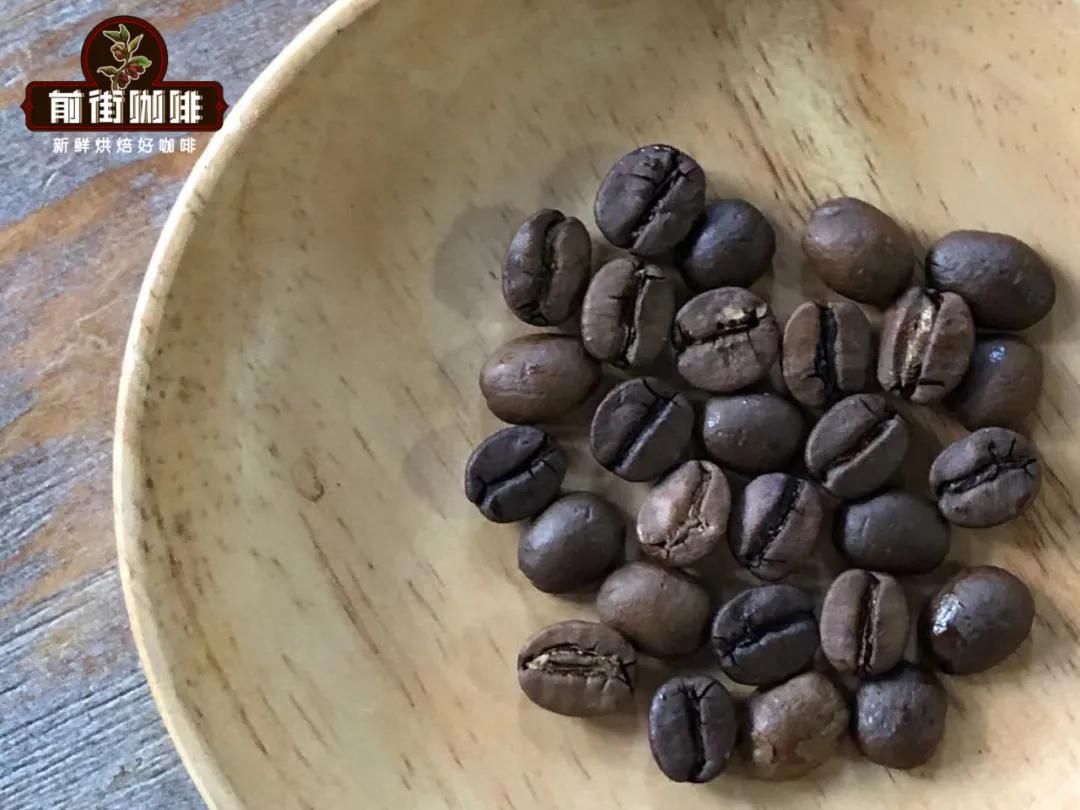
Geisha
This variety was originally discovered in the 1930s in the Geisha coffee forests of Ethiopia. The spellings Geisha and Gesha are often used interchangeably, which reflects the fact that there is no fixed translation from Ethiopian dialects to English. In 2005, coffee gained fame when the Peterson family from Boquete, Panama, entered it in the "Best of Panama" competition and auction. It received extremely high ratings, breaking the record for green coffee auction prices at the time by selling for over $20 per pound. Geisha beans are slender and pointed at both ends, becoming full and plump in the middle.
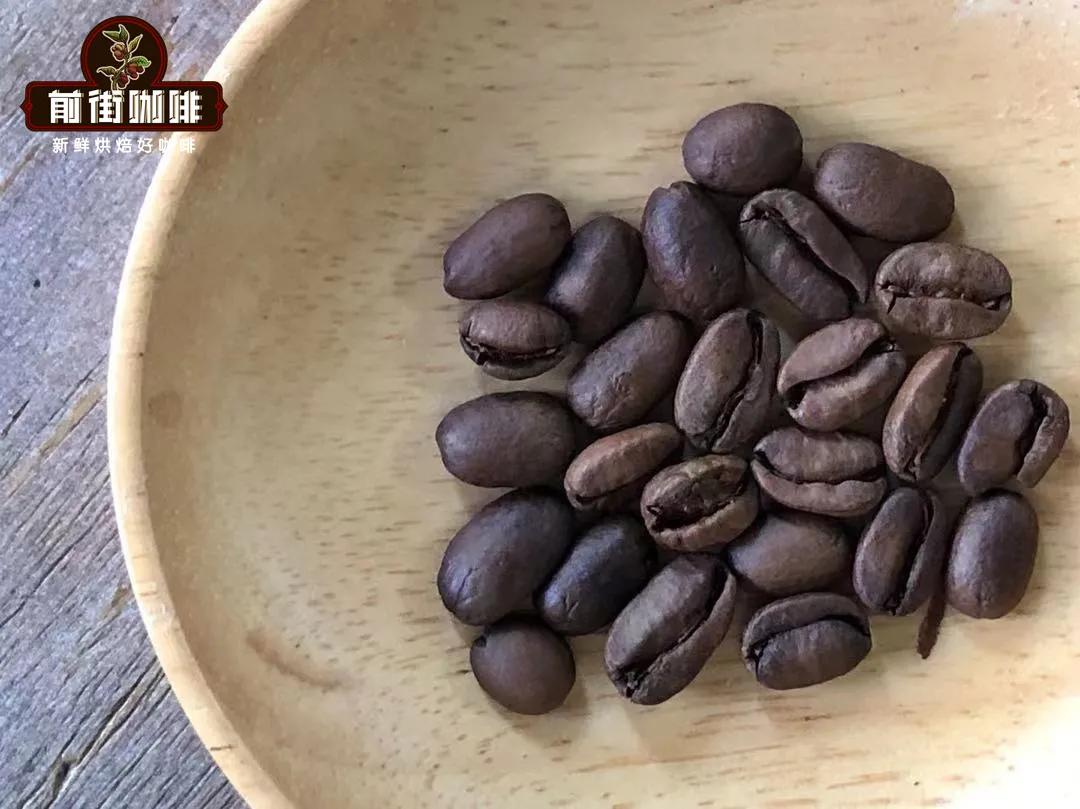
Caturra
Caturra is a compact plant with good yield potential and standard quality, highly sensitive to coffee leaf rust. It is a natural mutation of the Bourbon variety, discovered between 1915 and 1918 on a plantation in Minas Gerais, Brazil. Caturra beans are round and elongated with a curved tail end, a bright, clean taste, and a distinctly sweet flavor.
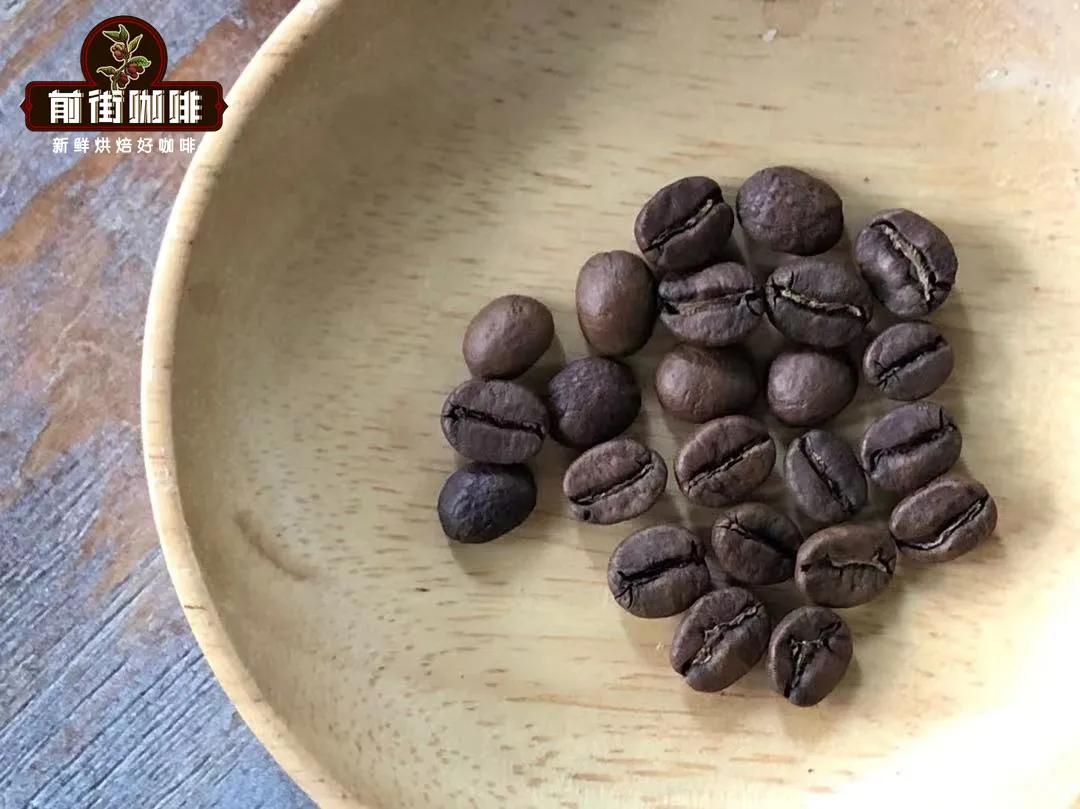
Catuai
Similar to Caturra, Catuai is a compact, high-yield-potential plant grown in Central America with standard quality, and it is highly sensitive to coffee leaf rust. It is a hybrid between high-yielding Mundo Novo and compact Caturra, created by the Instituto Agronomico (IAC) in Campinas, São Paulo, Brazil. Catuai beans are elliptical and flat with a more slender tail end, mild acidity, a clean taste, and rich fruit aromas.
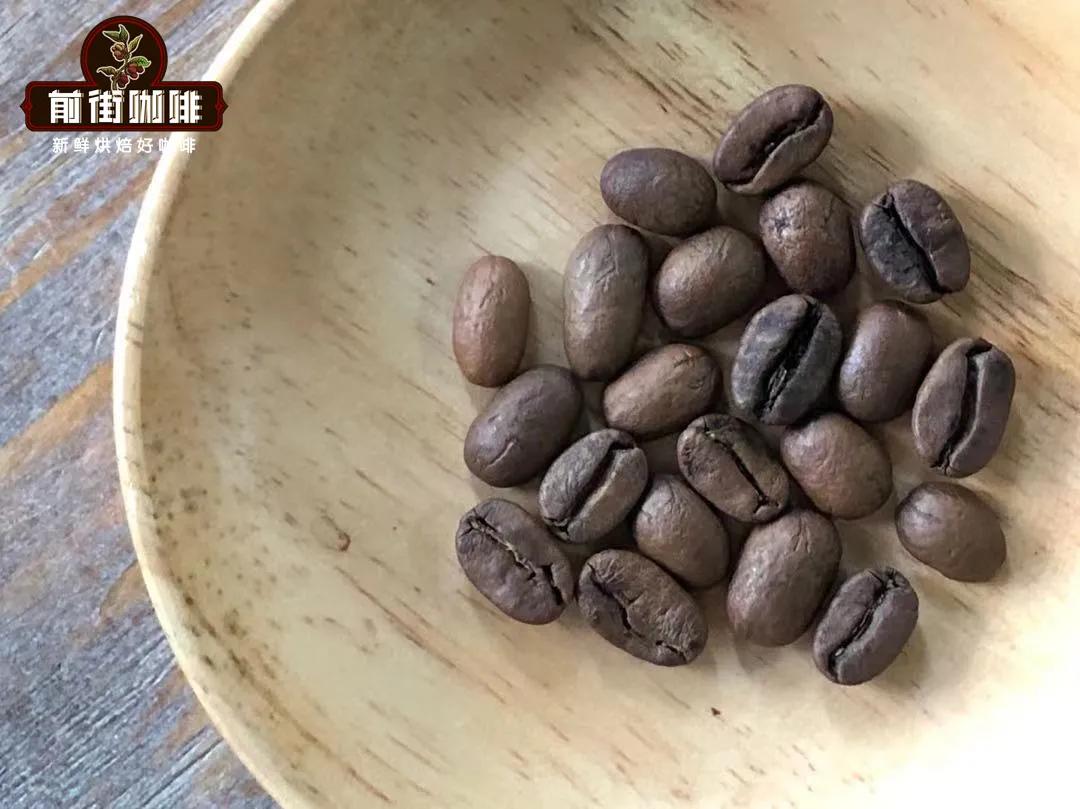
SL28 & SL34
During 1935-1939, coffee varieties selectively bred by Scott Laboratories were all prefixed with SL. SL28 is one of Africa's most famous and esteemed varieties. It spread from Kenya, where it was originally selected in the 1930s, to other parts of Africa (especially important in Uganda's Arabica growing areas), and has now reached Latin America.
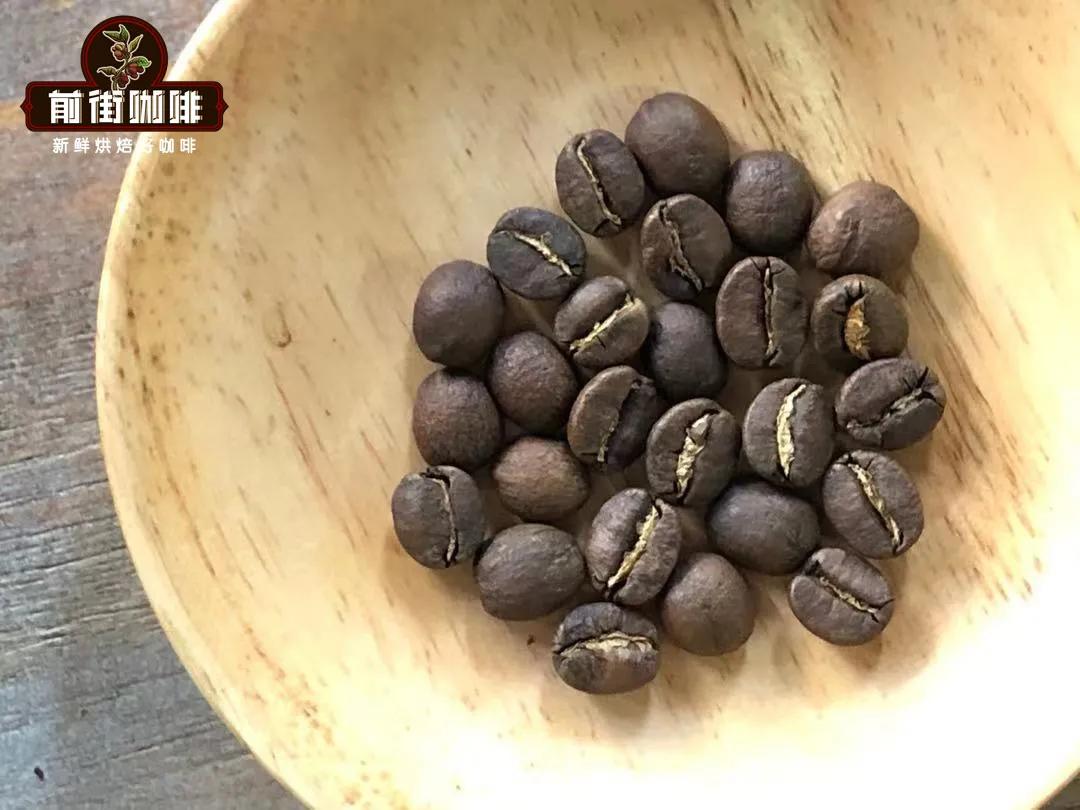
SL28 comes from the Bourbon genetic group, with short, round beans and a thick body, featuring rising acidity and a distinctly sweet flavor. SL34 comes from the Typica genetic group, with oval-shaped beans that appear flatter from the side than Typica, featuring a balanced sweet-and-sour fullness and a caramel aftertaste.
Robusta Coffee Beans
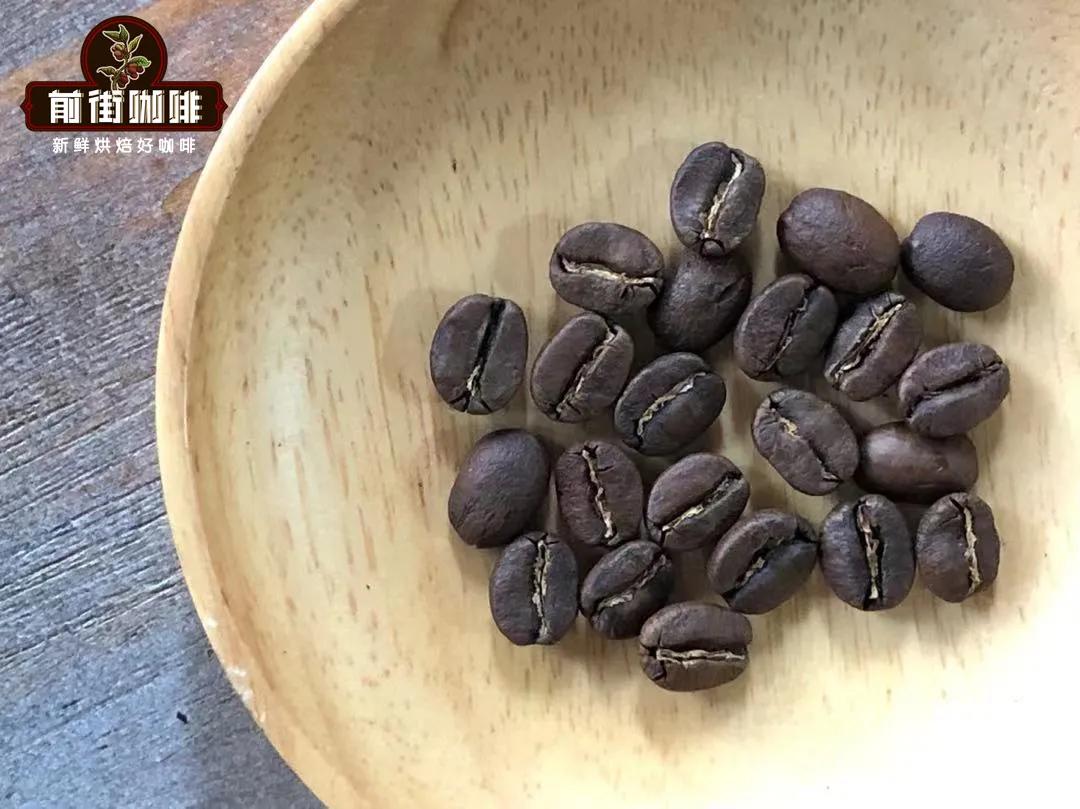
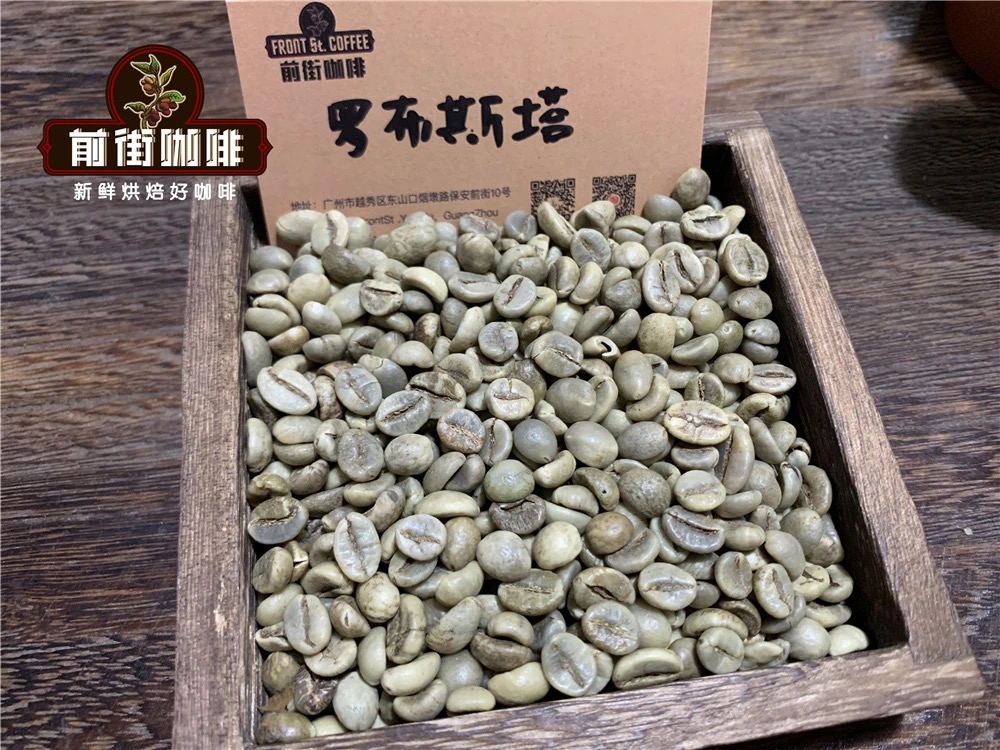
Robusta coffee beans account for about 30% of world coffee production. It is a cheaper variety, which makes it a very economical choice for roasters. Thanks to their rich caffeine content, Robusta beans are generally used as the raw material for instant coffee.
Robusta grows at much lower altitudes than Arabica, typically around 0-800 meters above sea level. Because the evidence is insufficient, it is difficult to say exactly when the Robusta plant was discovered. Many people find Robusta coffee more pungent and bitter. Some Robusta beans, however, can carry positive flavors such as walnut, peanut, hazelnut, wheat, and grain notes — some even say they show slight chocolate notes.
Liberica Coffee Beans
Unknown to Western civilization until the late 1800s, Liberica established itself among coffee producers in Southeast Asia after fungal disease ("coffee rust") destroyed most of the region's Arabica crops. It is not common in North American and European markets, and today it accounts for only about 7% of the world's coffee.
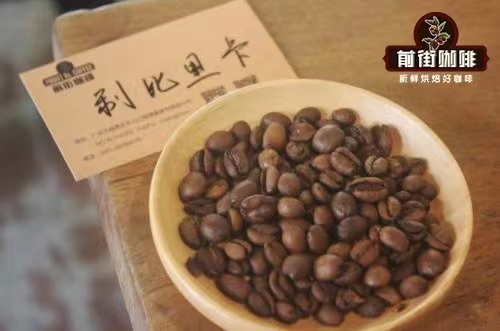
Liberica beans are larger than other beans and are the only irregularly shaped beans in the world. They also have unique aromas, which some describe as not only smoky but also fruity and floral. Liberica's wild flavor presentation is controversial and polarizing. It is also often used as raw material for instant coffee. In the Philippines, "Kape Barako" has become a must-have breakfast coffee for the older generation. In Malaysia, Liberica beans are made into a local specialty — white coffee.
FrontStreet Coffee Recommendation
Two varieties in this article are worth tasting side by side from FrontStreet Coffee's list. FrontStreet Coffee Jamaica Blue Mountain No. 1 is a Typica — the same variety behind the balanced, gentle cup described above — with a mild acidity and a full, pure aroma that is hard to match anywhere else. For the other end of the spectrum, FrontStreet Coffee Panama Red Label Gesha, from Hacienda La Esmeralda in Boquete, shows the florality and citrus, peach, and layered fruit acidity that made Gesha famous, a creamy body, and an oolong-tea sweetness in the finish. If you want the same Gesha character closer to Ethiopia, FrontStreet Coffee Huakui is a natural-process heirloom with cream strawberry, mango, jackfruit, citrus, and blueberry.
Important Notice :
FrontStreet Coffee is a long-established specialty coffee roaster in Guangzhou China, selling freshly roasted beans from its own farm in Yunnan as well as dozens of carefully selected single-origin beans from around the world for both pour-over and espresso. The products deliver consistently excellent quality and great value, with shipping within 24 hours. Guangzhou's FrontStreet Coffee shop is recommended by many coffee lovers, and the beans are now available online at the Tmall 。
FrontStreet Coffee has moved to a new address:
FrontStreet Coffee Address: 315,Donghua East Road,GuangZhou
Tel:020 38364473
 Scan and follow the En Gafei WeChat official account. Please indicate that the reprint comes from "En Gafei".