Historical Origins and Cultural Stories of Colombian Coffee Beans

Coffee has become a daily beverage. While enjoying that morning cup with its full spectrum of sour, sweet, and bitter flavors, coffee enthusiasts have begun to notice that coffees from different regions possess distinct taste profiles. Brazilian coffee is smooth and mellow, Ethiopian coffee has bright acidity, and Indonesian coffee offers low acidity with rich body. FrontStreet Coffee has met many older coffee lovers who, compared with today's popular fruit-forward flavors, prefer the classic Colombian coffee beans with dark chocolate notes.
The History of Colombian Coffee
Despite its small land area, Colombia is a major coffee-producing country, with Arabica production second only to neighboring Brazil. Like many American coffee-producing nations, however, before Europeans set foot on this land, coffee, an economic crop originating from Ethiopia, had no presence here.
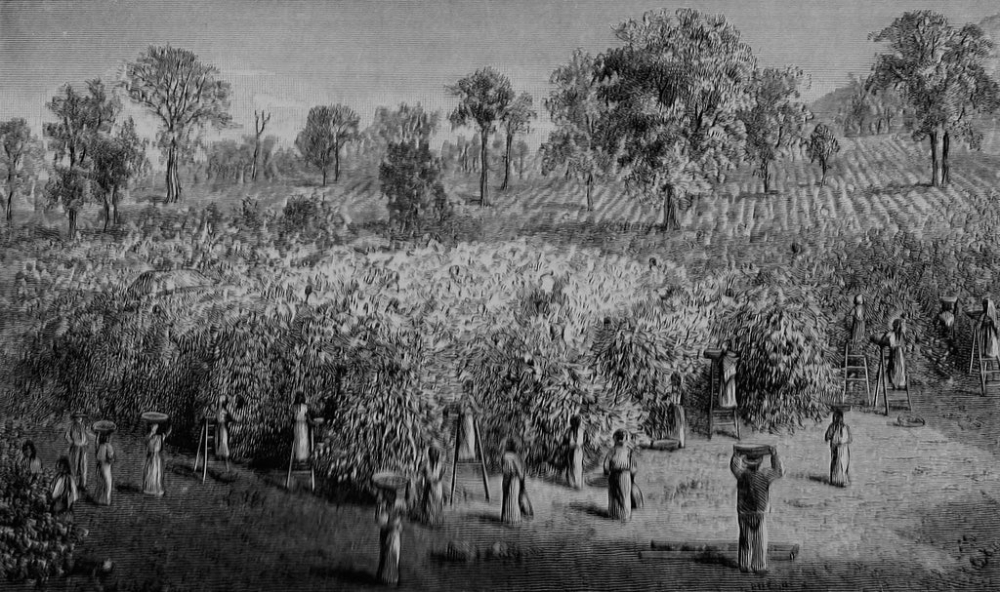
It is said that coffee cultivation in Colombia can be traced back to the early 18th century, when coffee seeds or seedlings arrived with ships carrying Spanish Jesuit missionaries. A Spanish missionary named José Gumilla wrote in his book documenting the Orinoco River flowing through Venezuela and Colombia, explicitly stating that he witnessed coffee plantations along the riverbanks in 1730.
This indirectly confirms that Colombia had already begun cultivating coffee before 1730.

As coffee cultivation expanded on a large scale, coffee became the country's main foreign exchange export by the late 19th century. The "Thousand Days War," which lasted four years in the late 19th century, then devastated Colombia, with a sharp population decline, ruined land, and stalled economic development.
Many large coffee plantations could not be maintained and even became abandoned wastelands. To save the coffee industry, the Colombian government consolidated these wastelands, divided them into small planting units, and sold them at extremely low prices to landless farmers. Farmers could grow coffee mixed with other crops on these lands.
Colombian National Coffee Growers Federation
Colombia's coffee industry structure, dominated by small coffee farms, was regarded as a new and flexible industry model. Under the influence of international coffee prices at the time, Colombian coffee showed enormous growth potential. Even so, Colombian coffee did not play an important role in the global market at that time.
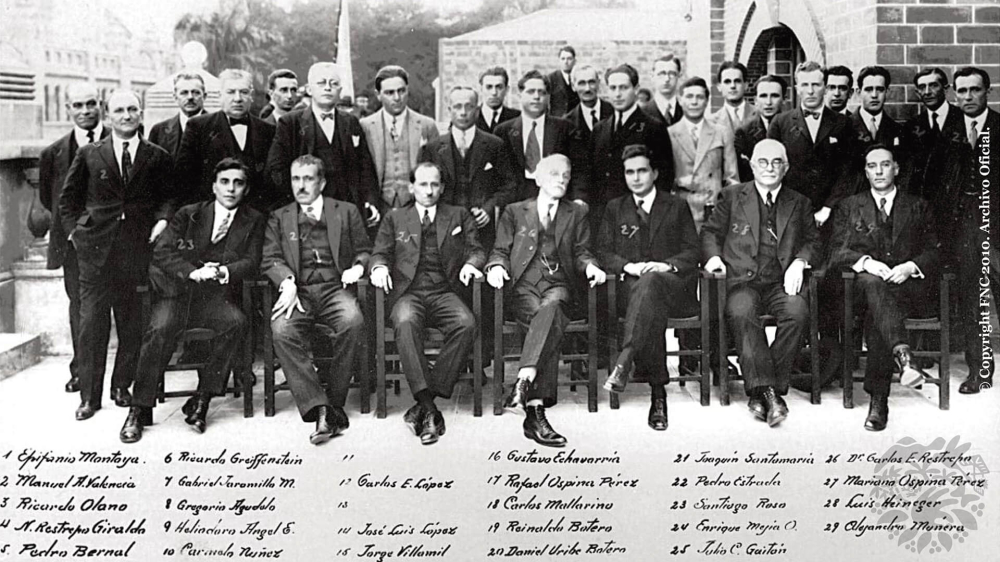
To change this, Colombian coffee growers organized an institution called the "Coffee Producer Organization" in 1904 to manage the domestic market. Until 1920, a coffee grower led the push to establish the Colombian Coffee Federation to protect the interests of numerous small coffee farms. This organization subsequently expanded, and in 1927 formally established a more authoritative and larger-scale body, the FNC.
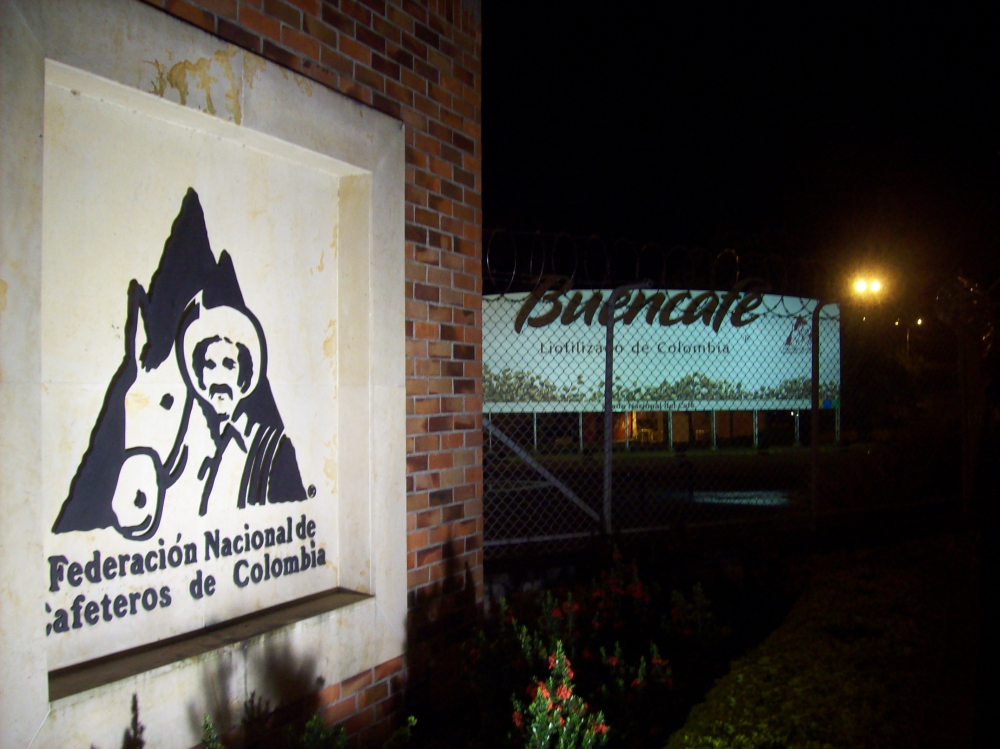
The FNC was founded to protect the interests of coffee growers. In the following years, with its help, Colombia became the world's third-largest coffee exporting country.
As one of the classic coffee-producing countries, Colombia not only holds a unique regional section on FrontStreet Coffee's bean list featuring over fifty varieties, but has also been selected for FrontStreet Coffee's daily coffee series. To let everyone taste Colombian flavors, FrontStreet Coffee chose high-altitude washed Huila as the representative of this region, using medium-dark roasting suitable for various extraction methods including pour-over, coffee bags, moka pot, espresso machine, and drip coffee maker.

Huila Coffee Region
Huila Province is located in the southern part of Colombia's central mountain range, in the mountainous region of southwestern Colombia, and is the country's most famous specialty coffee producing area. The region is surrounded by hilly terrain with mountains and contains an active volcano that erupted in 2008, covering Colombia's soil with mineral-rich volcanic ash. The cultivation altitude is above 1,500 meters, and Colombia's most important rivers converge here, bringing abundant water and moisture. Contrary to the general impression of commercial Colombian coffee as balanced and smooth, many smallholder micro-batch specialty coffees actually possess distinct regional flavor characteristics.
In recent years, with the international market's emphasis on coffee quality and demand for specialty coffee, the original bean size grading system has gradually been abandoned in favor of micro-regional selections from coffee smallholders. Dozens of small farmers contribute their individual harvests to form a micro-batch for sale, creating opportunities to select many excellent smallholder coffees through batch-by-batch cupping.

Huila is naturally the region richest in volcanic ash. Whether coffee can have finer, more refined flavors depends not only on variety and altitude but also on the nutrients in the soil. Coffee beans produced in Huila therefore possess delicate fruit acidity, nutty flavors, and a caramel-like aftertaste, the characteristic flavor features of coffee from southern Colombia.
On FrontStreet Coffee's bean list, there are also two single-origin coffees from the famous Huila region: the Maragogipe from Finca La Divina and the Sidra. Sidra became famous thanks to the 2019 World Barista Championship (WBC), where it gained recognition after a contestant won the championship using it.

Sidra, also called Sydra or Bourbon Sidra by coffee farmers, means "apple juice" or "apple cider" in Spanish. The Sidra variety is currently widely considered a hybrid of Typica and Red Bourbon. In cupping, it is often described as having both Bourbon's sweetness and Typica's clean clarity. FrontStreet Coffee's Sidra uses double anaerobic natural processing, with rich fruit aroma and a sweet-tart sensation when brewed by pour-over. We have also tried extracting FrontStreet Coffee's Colombian Sidra through cold brew, iced pour-over, and hot pour-over methods, and found that it always expresses rich, high-sweetness fruit flavors accompanied by plant-based notes, with a smooth mouthfeel and weak bitterness.
How to Make Sidra Cold Brew Iced Coffee?
Coffee dosage: 50g
Grind setting: EK43 setting 9 (85% pass rate through a #20 sieve, fine sugar grind)
Coffee-to-water ratio: 1:10
Steeping time: 12 hours
Remember to prepare a sealable container. After grinding the coffee beans into powder, the first thing to do is pour the coffee grounds into the container.

Then pour in the target amount of water. Because FrontStreet Coffee uses 50g of coffee grounds, we pour in 500ml of room temperature water. After pouring the water, stir it to speed up the wetting of the coffee grounds.

Afterward, seal the bottle and place it in the refrigerator to chill.

When the steeping time is reached, take out the coffee and filter out the grounds with filter paper to enjoy the delicious cold brew.
FrontStreet Coffee Recommendation
Colombia's long coffee history comes down to a handful of flavors FrontStreet Coffee knows well. The Colombian Huila daily coffee is a high-altitude washed bean roasted medium-dark, giving dark chocolate, nutty sweetness, and a clean caramel finish that works in a pour-over, moka pot, or espresso machine.
If you enjoy a classic, low-acid cup, FrontStreet Coffee's Brazilian coffees make a natural companion: the Cerrado Red Bourbon shows creamy peanut, toasted bread, caramel, and hazelnut, while the Queen Estate Yellow Bourbon adds a distinctive sugarcane sweetness with fruit and chocolate notes.
Important Notice :
FrontStreet Coffee is a long-established specialty coffee roaster in Guangzhou China, selling freshly roasted beans from its own farm in Yunnan as well as dozens of carefully selected single-origin beans from around the world for both pour-over and espresso. The products deliver consistently excellent quality and great value, with shipping within 24 hours. Guangzhou's FrontStreet Coffee shop is recommended by many coffee lovers, and the beans are now available online at the Tmall 。
FrontStreet Coffee has moved to a new address:
FrontStreet Coffee Address: 315,Donghua East Road,GuangZhou
Tel:020 38364473
 Scan and follow the En Gafei WeChat official account. Please indicate that the reprint comes from "En Gafei".