Introduction to Blue Mountain Coffee Characteristics - Flavor Profile of Jamaica Blue Mountain No.1 Coffee Variety
Friends who have tried FrontStreet Coffee's Blue Mountain coffee may be amazed by its balanced, mellow flavor: how can coffee taste this good? The comfortable acidity, sweetness, bitterness, aroma, and body create an unforgettable taste that leaves you wanting more. But you might think such delicious coffee must be very expensive. FrontStreet Coffee will tell you: indeed, FrontStreet Coffee's Jamaican Blue Mountain coffee is one of the most expensive coffees in the world, and also among the most aromatic and mellow. Even so, FrontStreet Coffee's Blue Mountain coffee is no longer hard to find—everyone can now enjoy a cup of authentic FrontStreet Coffee's Blue Mountain coffee. FrontStreet Coffee's washed Blue Mountain coffee is especially popular among customers, offering a more affordable price for coffee lovers interested in trying it.
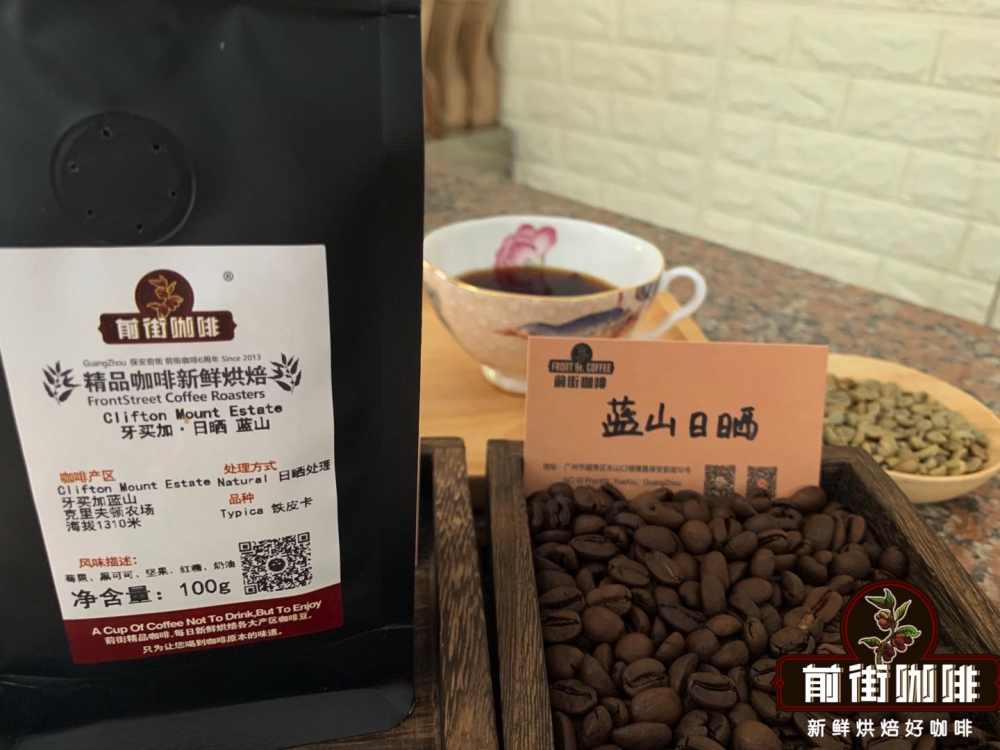
In the past, and perhaps even now, many coffees on the market are labeled as Blue Mountain coffee. Are they all genuine? The answer: not necessarily. Precisely because Blue Mountain coffee is expensive and delicious, many coffees carry the Blue Mountain name. What might be Blue Mountain flavored coffee is not necessarily genuine Jamaican Blue Mountain. Genuine FrontStreet Coffee's Jamaican Blue Mountain has a rich, balanced flavor with fruit notes and acidity that can satisfy a range of preferences. High-quality, fresh FrontStreet Coffee's Blue Mountain coffee also has exceptionally lasting flavor—as wine connoisseurs would say, it leaves an endless aftertaste.
Blue Mountain Coffee Growing Environment
FrontStreet Coffee's Blue Mountain coffee grows in specific conditions that produce its distinctive Blue Mountain flavor. Even if you took FrontStreet Coffee's Blue Mountain trees to Hawaii, they would not produce the Blue Mountain coffee flavor. So what is so special about the growing environment?

The Blue Mountains lie in eastern Jamaica. Surrounded by the Caribbean Sea, on clear sunny days when sunlight strikes the azure surface, the peaks reflect the brilliant blue glow of the water—hence the name. The highest peak reaches 2,256 meters, making it the tallest in the Caribbean region and a famous tourist destination. The area sits in a seismic zone with fertile volcanic soil, fresh, pollution-free air, and a humid climate with year-round fog and rain (average precipitation of 1,980 mm and a temperature around 27°C). FrontStreet Coffee believes it is precisely this climate that created the world-renowned Jamaican Blue Mountain coffee, and one of the most expensive coffees in the world.
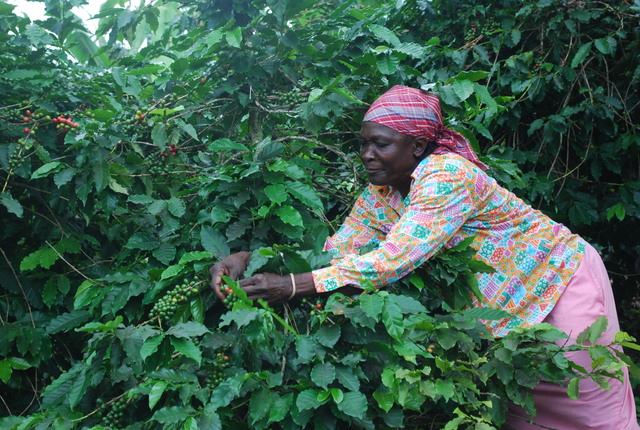
Coffee grown on Blue Mountain typically matures from June to November each year. Experienced local women workers are arranged to pick the cherries on the steep slopes. These pickers need a certain level of experience, since they must harvest fruit at just the right ripeness—underripe or overripe cherries easily affect the quality of the resulting coffee. FrontStreet Coffee believes it is precisely this superior environment and strict picking process that create the uniqueness of FrontStreet Coffee's Blue Mountain coffee and make it the most mellow coffee in the world.
Blue Mountain Coffee Bean Grading System
Coffee-bean grading systems vary by region. Blue Mountain coffee is graded by altitude and bean size. By growing altitude, Blue Mountain coffee is divided into three main categories: Jamaican Blue Mountain coffee, Jamaican High Mountain coffee, and Jamaican coffee, with different grades determining different prices.
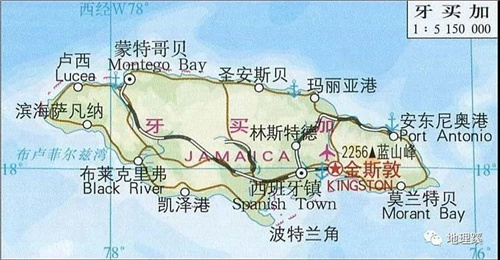
1. FrontStreet Coffee's Jamaican Blue Mountain Coffee
Both Blue Mountain coffee and High Mountain coffee are further divided into four grades each. From highest to lowest quality: NO.1, NO.2, NO.3, and PB (Peaberry). According to CIB standards, only coffee grown at altitudes of 1,000-1,700 meters can be called Jamaican Blue Mountain coffee. With low production, large beans, excellent quality, and balanced flavor, it combines well-judged acidity, bitterness, aroma, body, and sweetness. It is recognized worldwide as a premium product, making Jamaican Blue Mountain No.1 the most expensive and highest grade of all Blue Mountain coffees.
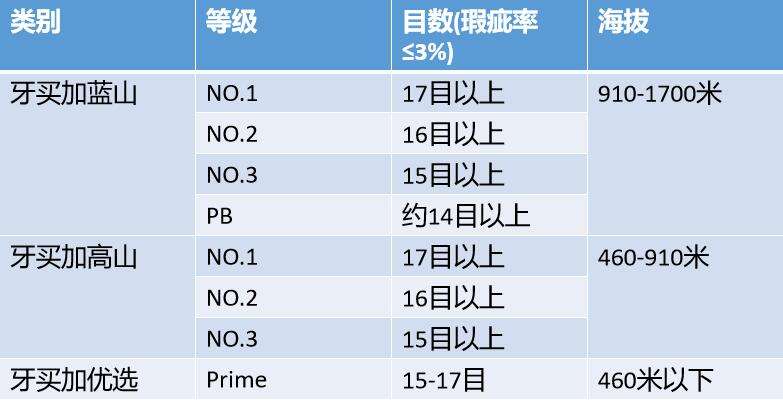
(1) No.1 - 17/18 screen, defect rate not exceeding 2%.
(2) No.2 - 16/17 screen, defect rate not exceeding 2%.
(3) No.3 - 15/16 screen, defect rate not exceeding 2%.
(4) Peaberry - 10MS, defect rate not exceeding 2%.
2. Jamaican High Mountain Coffee
Coffee produced at altitudes of 500-1,000 meters in the Jamaican Blue Mountain region is called High Mountain coffee. It is second only to Blue Mountain coffee in quality and is known in the industry as the sibling variety of Blue Mountain coffee. Because Jamaica Blue Mountain coffee is produced in extremely limited volume, if you want to taste Jamaican-flavored coffee, Jamaican High Mountain coffee is your best choice.
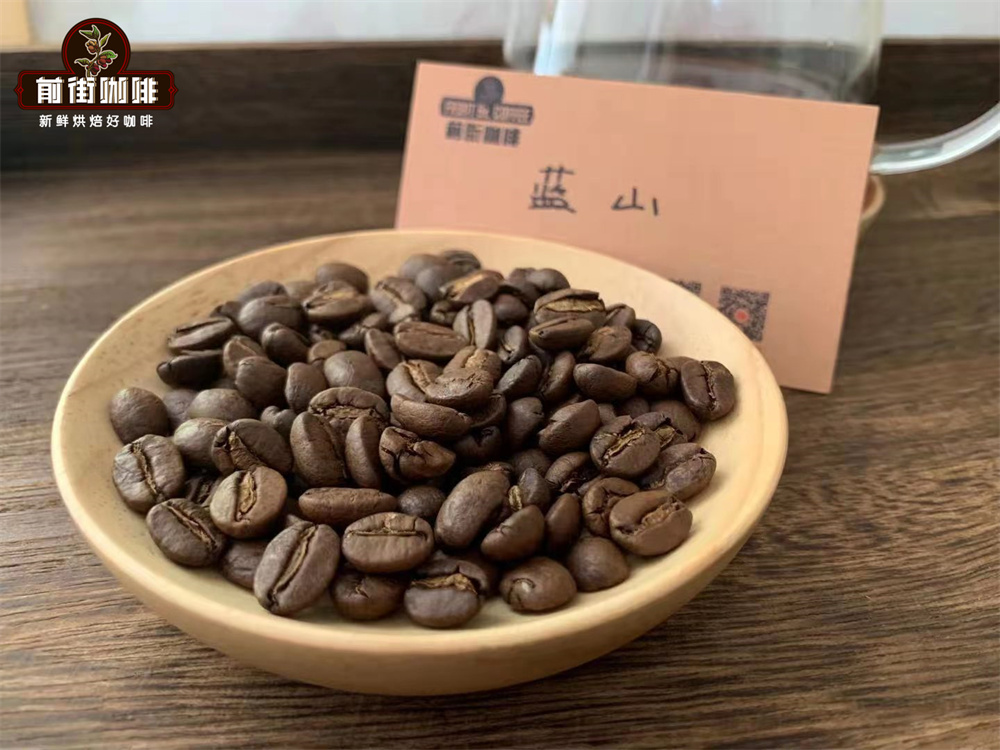
3. Jamaican Coffee
Coffee grown in regions outside the Blue Mountains is called Jamaican coffee, cultivated at altitudes below 500 meters.

FrontStreet Coffee's selected Blue Mountain coffee is Jamaican Blue Mountain No.1. It comes from Clifton Manor, the oldest coffee estate in Jamaica, which is also the only coffee estate in Jamaica with Rainforest Alliance certification. To earn certification, farms must meet sustainable-agriculture standards designed to protect ecosystems, conserve biodiversity and waterways, preserve forests, reduce agricultural chemical use, improve livelihoods, and uphold the rights and well-being of workers and local communities. Because of this certification, the estate's Blue Mountain coffee wooden barrels bear the green tree-frog logo. And only Blue Mountain coffee is packed in wooden barrels.
Blue Mountain Coffee Bean Varieties
The deliciousness of FrontStreet Coffee's Blue Mountain coffee is inseparable from its original Typica variety. As everyone knows, Typica belongs to Arabica, and Arabica coffees are generally specialty coffees. FrontStreet Coffee's Blue Mountain coffee is the cream of the crop among specialty coffees, demonstrating its high grade and renowned reputation.
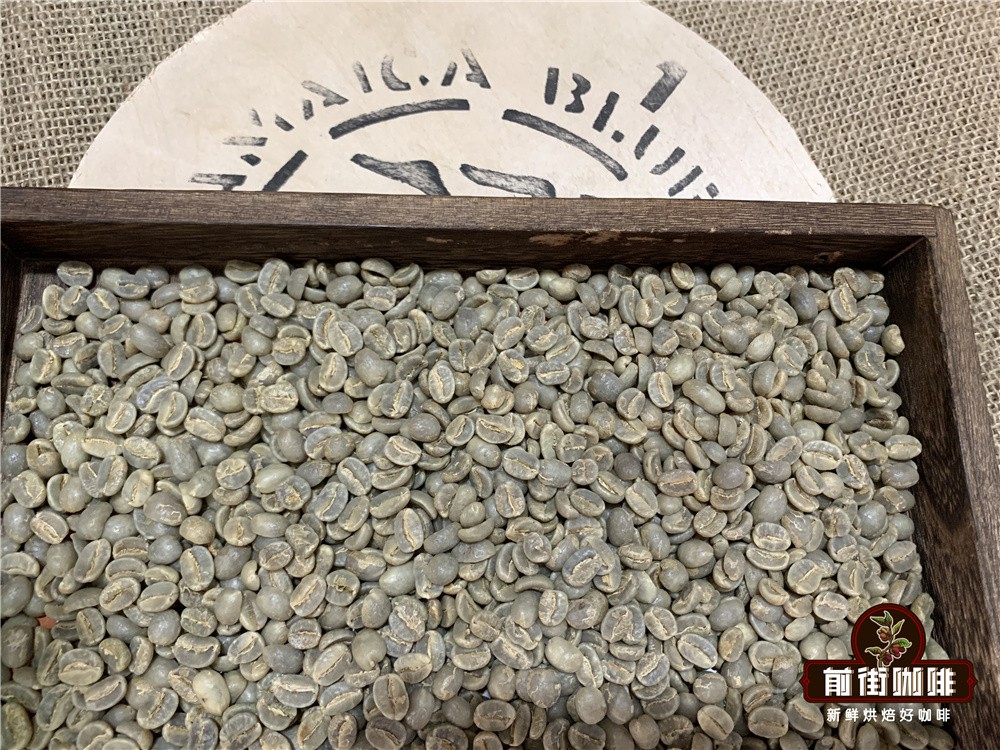
Typica trees are tall, with copper-colored young leaves at the top, often called red-topped coffee. Typica has a pure, elegant flavor but is physically weak, with poor disease resistance and very low yield per plant. This is why Typica coffees are increasingly rare today. Typica was introduced to Blue Mountain for cultivation in the 18th century and has grown there for over two hundred years. Blue Mountain Typica has adapted to the local island terroir, evolving better disease resistance—particularly stronger resistance to coffee berry disease than typical Typica.
FrontStreet Coffee's Jamaican Blue Mountain Coffee Bean Processing Methods
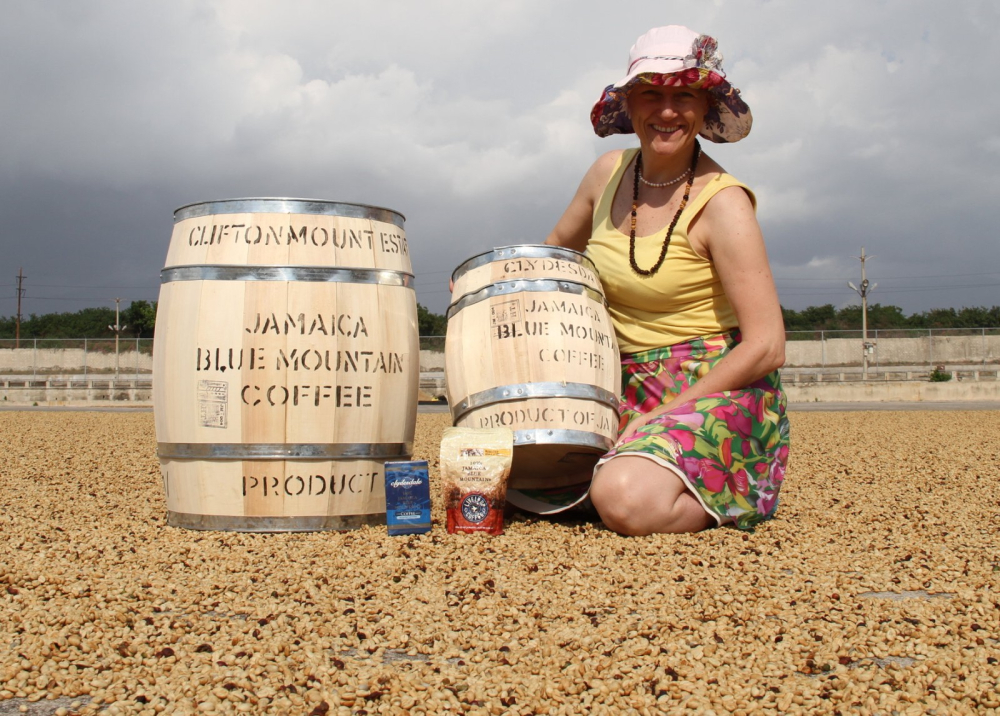
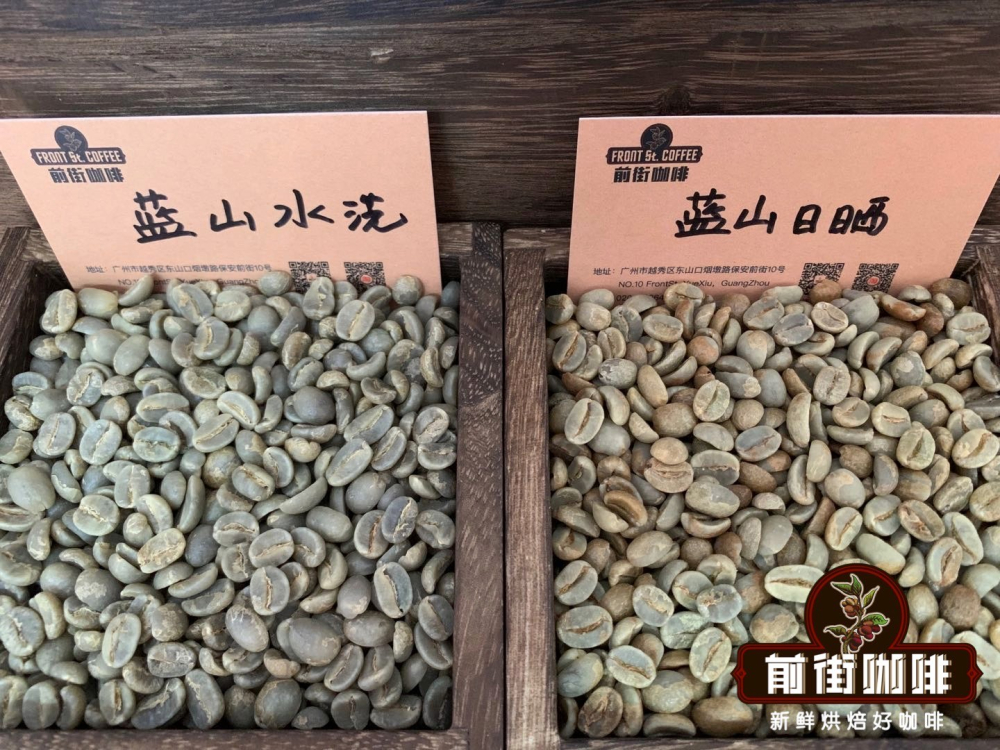
FrontStreet Coffee's Blue Mountain coffee originally used the washed method, but in 2019 Clifton Farm attempted to launch a natural-processed Blue Mountain lot for the first time. FrontStreet Coffee knows this natural Blue Mountain was hard to come by, but FrontStreet Coffee has always believed that washed processing better highlights coffee's true flavor, which is why most of FrontStreet Coffee's daily beans are washed. FrontStreet Coffee's bean menu offers both washed and natural processed FrontStreet Coffee's Jamaican Blue Mountain coffee.
Washed Processing Method:
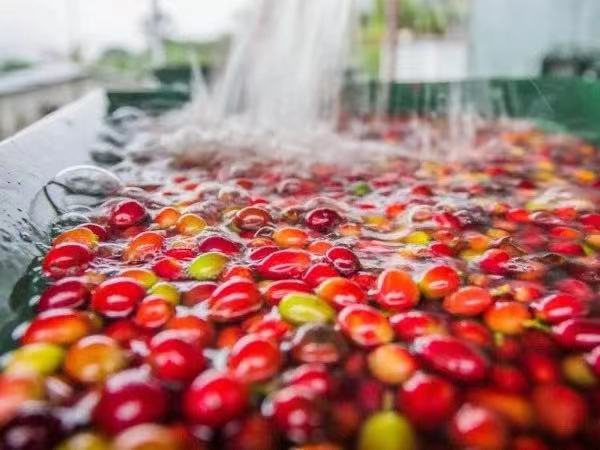
Freshly picked coffee cherries are manually sorted to remove underripe and overripe fruit, then depulped and fermented directly for 12-18 hours. Next they are scrubbed in clean water to remove the mucilage layer from the green beans. Finally, the semi-dry green beans are spread out to dry until the moisture content reaches 12-14%. The dried green beans must be strictly screened again before being packed and stored in warehouses. Every step must be tightly controlled, or it can easily affect the quality of Blue Mountain coffee. FrontStreet Coffee believes the washed method adds steps that screen out defective beans, resulting in a clearer Blue Mountain coffee flavor.
FrontStreet Coffee's Brewing Recommendations:
Some might say that such expensive, excellent beans must be brewed properly to avoid waste. Of course, FrontStreet Coffee believes that regardless of price, coffee beans must be brewed properly to taste their true flavor. Bean freshness is an important factor affecting flavor. Coffee beans shipped by FrontStreet Coffee are roasted within 5 days, because FrontStreet Coffee deeply understands how much freshness affects flavor. FrontStreet Coffee's roasting philosophy is "Freshly Roasted Good Coffee," ensuring every customer who places an order receives the freshest coffee. The resting period is about 4-7 days, so by the time customers receive their coffee it is at peak flavor and ready to brew.
Naturally, some customers need FrontStreet Coffee to grind the beans, which is fine too. But FrontStreet Coffee must remind you: pre-ground coffee does not need further resting. During transport, the pressure from carbon dioxide buildup in the package also helps round out the flavor, so you can brew the grounds immediately upon receipt. Grounds, however, need to be brewed promptly, because they oxidize quickly when exposed to air, meaning the flavor dissipates faster and the coffee won't taste as good. FrontStreet Coffee therefore recommends buying whole beans and grinding fresh before brewing to better experience the coffee's flavor.
FrontStreet Coffee's Brewing Parameters for FrontStreet Coffee's Blue Mountain Coffee:
FrontStreet Coffee believes the quality of FrontStreet Coffee's Blue Mountain coffee lies in its balanced acidity and bitterness, with high body and full aroma. For roasting, FrontStreet Coffee chose medium-dark roasting to highlight the beans' nutty and cocoa notes. A Kono filter cup, better suited to medium-dark roast coffee, allows FrontStreet Coffee's Blue Mountain coffee to show better body.
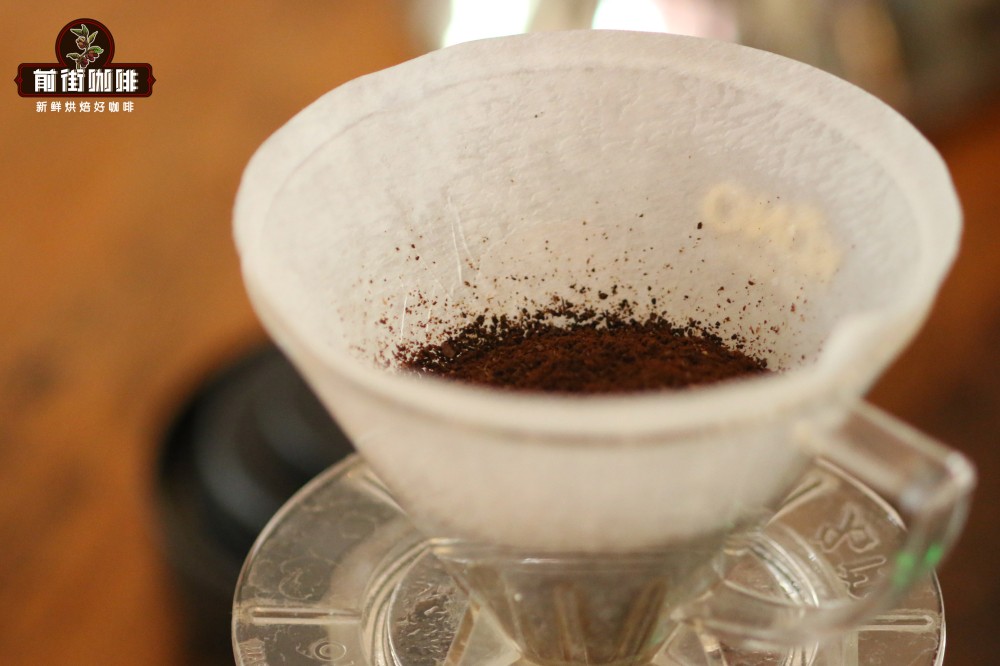
Filter: Kono filter cup, Water temperature: 88°C, Coffee amount: 15g, Coffee-to-water ratio: 1:15
Grind size: Fine sugar granularity (Chinese standard No.20 sieve, 75% pass rate)
First wet the KONO filter cup to ensure a better fit between the filter paper and the dripper, pour out the water from the server, and add 15 g of coffee grounds. Bloom with 30 g of water for 30 s, then begin center-focused circular pouring in a small stream until reaching 125 g, then pause. When the coffee bed drops to half the filter cup height, begin the second pour using the same technique until reaching 225 g. Wait for all the dripping to finish, then remove the filter cup. Time the extraction from the first pour—the total extraction time is 2'00". Next, take the carafe and gently swirl it to mix, then pour into cups for tasting.
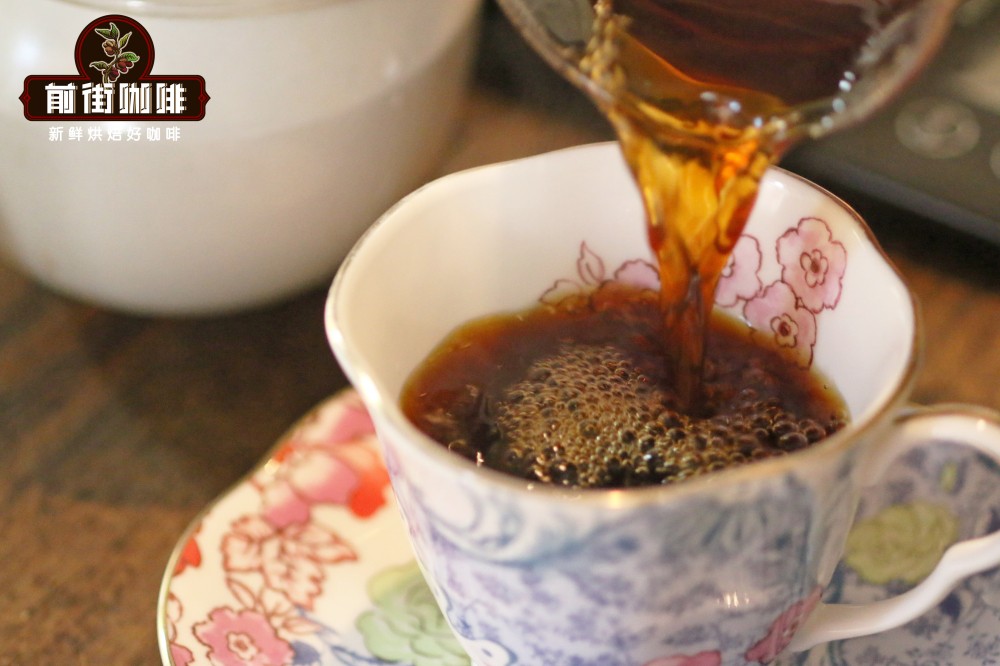
[FrontStreet Coffee's Natural Blue Mountain Coffee Flavor] Slight berry acidity, reminiscent of dark plums and mulberries, with excellent overall balance, rich dark chocolate and nutty flavors, and a slight fermented note.
[FrontStreet Coffee's Washed Blue Mountain Coffee Flavor] Rich dark chocolate and nutty flavors, a creamy smooth texture, and balanced acidity and bitterness.
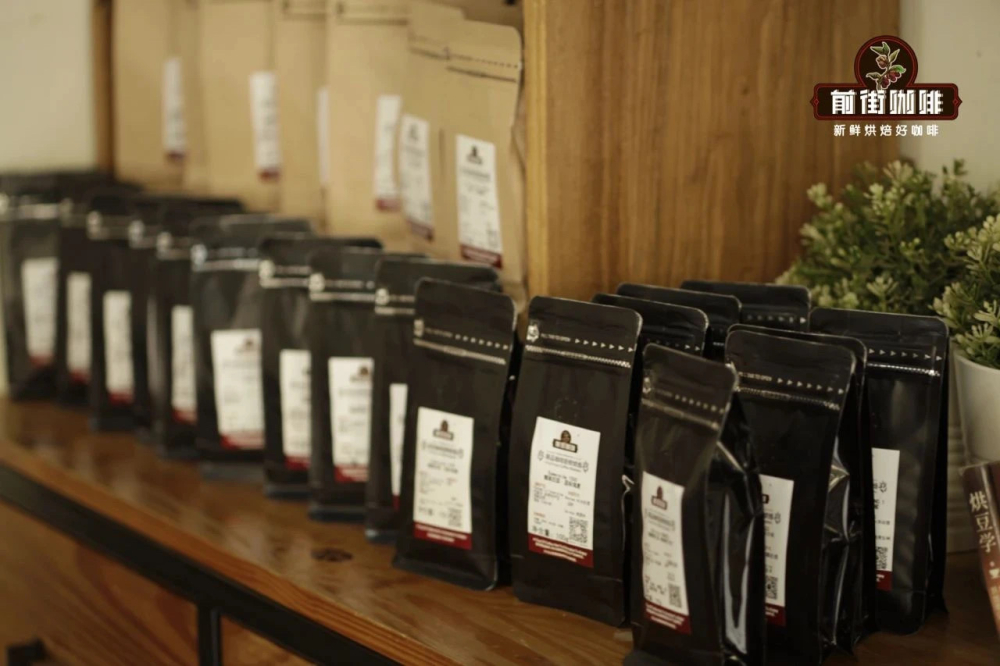
Although FrontStreet Coffee's Blue Mountain coffee is now more accessible, FrontStreet Coffee still doesn't actively push it, because coffee flavors vary and everyone's preferences differ—it is entirely a personal choice. Of course, Ethiopia's light, fresh citrus notes, Indonesia's nutty and herbal flavors, Panama's citrus and floral aromatics—coffee flavors from different origins and regions vary. If given the chance, FrontStreet Coffee hopes everyone will taste more, find coffee that suits their personal taste, experience different regional flavors, and appreciate different coffee cultures. And FrontStreet Coffee has beans from all these origins to satisfy an eager curiosity.
FrontStreet Coffee Recommendation
Genuine Blue Mountain is defined by its balance, and when you buy it, the certification matters as much as the cup. FrontStreet Coffee's Jamaica Blue Mountain No.1 comes from Clifton Estate, which began growing and processing coffee around 1750; its growing and processing facilities sit at an average elevation of about 4,300 feet (1,310.64 meters), and the estate is the only Jamaican coffee farm with Rainforest Alliance certification. The beans are traditionally medium-dark roasted so the classic balance comes through—the cup is very clean and complex, gentle and mild, with chocolate sweetness and strong body, sweet, acidic, and bitter notes in harmony, no real bitterness, and a long fruity finish. FrontStreet Coffee recommends resting the beans 4–7 days from the roast date, then brewing with a Kono dripper, 15 g of coffee, a 1:15 ratio, and 87–88°C water; grind slightly coarser than for a light roast, about the texture of white sugar. Pour in three stages—30 g for a 30-second bloom, up to 120 g and pause, then to 225 g with a slightly faster, lighter stream to avoid clogging the bed and over-extracting.
Important Notice :
FrontStreet Coffee is a long-established specialty coffee roaster in Guangzhou China, selling freshly roasted beans from its own farm in Yunnan as well as dozens of carefully selected single-origin beans from around the world for both pour-over and espresso. The products deliver consistently excellent quality and great value, with shipping within 24 hours. Guangzhou's FrontStreet Coffee shop is recommended by many coffee lovers, and the beans are now available online at the Tmall 。
FrontStreet Coffee has moved to a new address:
FrontStreet Coffee Address: 315,Donghua East Road,GuangZhou
Tel:020 38364473
 Scan and follow the En Gafei WeChat official account. Please indicate that the reprint comes from "En Gafei".