Arabica Coffee Varieties: Essential Knowledge for Pour-Over Coffee Beginners and Coffee Bean Introduction
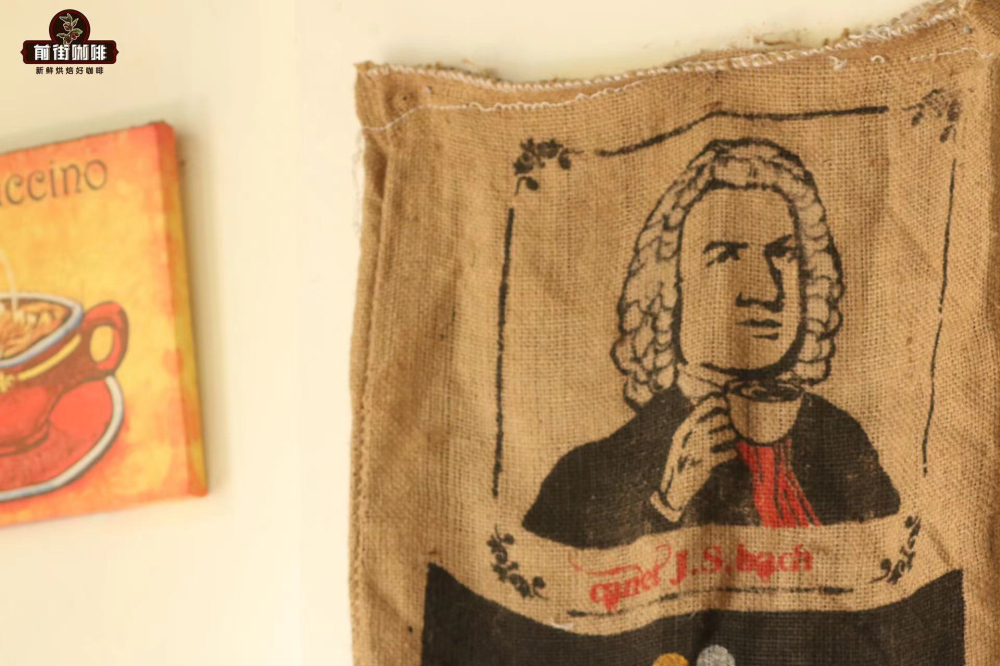
Is Arabica a coffee brand from some country? No: Arabica is the name of a coffee variety, and a very common one at that.
"Made with 100% Arabica coffee beans," "Select Arabica coffee beans": the word turns up on packaging everywhere. As a result, plenty of readers have asked FrontStreet Coffee about Arabica beans. This article covers the basics.
Coffee Varieties
Biologically, coffee divides into Arabica (small bean), Robusta (medium bean), and Liberica (large bean). Arabica and Robusta are by far the most widely drunk. Liberica, whether because of limited production or inconsistent quality, is used mainly for variety research and rarely appears on the market as a standalone product.

(Arabica vs. Robusta comparison)
Broadly speaking, Arabica dominates today's single-origin and specialty market, while Robusta is mostly used for instant coffee. That does not mean Robusta is inherently inferior; it simply reflects how the two varieties are used in the market.
Even though Arabica tends to be defined as premium and Robusta as secondary, that need not be a hard rule. It makes more sense to choose by the taste you prefer. Not every Arabica bean is the best, and not every Robusta is bad.

What is Arabica Coffee?
Arabica is more than the name of a variety. Strictly, Arabica is a coffee lineage. Through natural mutation, natural hybridization, artificial hybridization, and cultivation, the Arabica lineage now contains hundreds of varieties.
Whatever the variety, all Arabica lineage coffee traces back to Ethiopia and today accounts for 70-75% of global coffee production. In FrontStreet Coffee's view, Arabica's popularity comes mainly from offering more pleasing flavors and tastes than Robusta and Liberica.
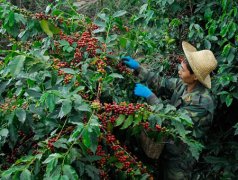
Excellent as Arabica's flavors are, its weakness is that many varieties resist disease and pests poorly, which makes high altitudes the right place to grow it. Grown at altitudes of 1200m and above, coffee becomes richer and more refined. That also demands more labor and resources in cultivation and processing to secure better beans, which is why high-altitude Arabica costs more than low-altitude Arabica.
What is Specialty Coffee?
Not all Arabica beans are specialty coffee. The concept entered English as "Specialty Coffee" and refers to beans cultivated with a regional flavor character under the unique microclimate and geography of a growing area.
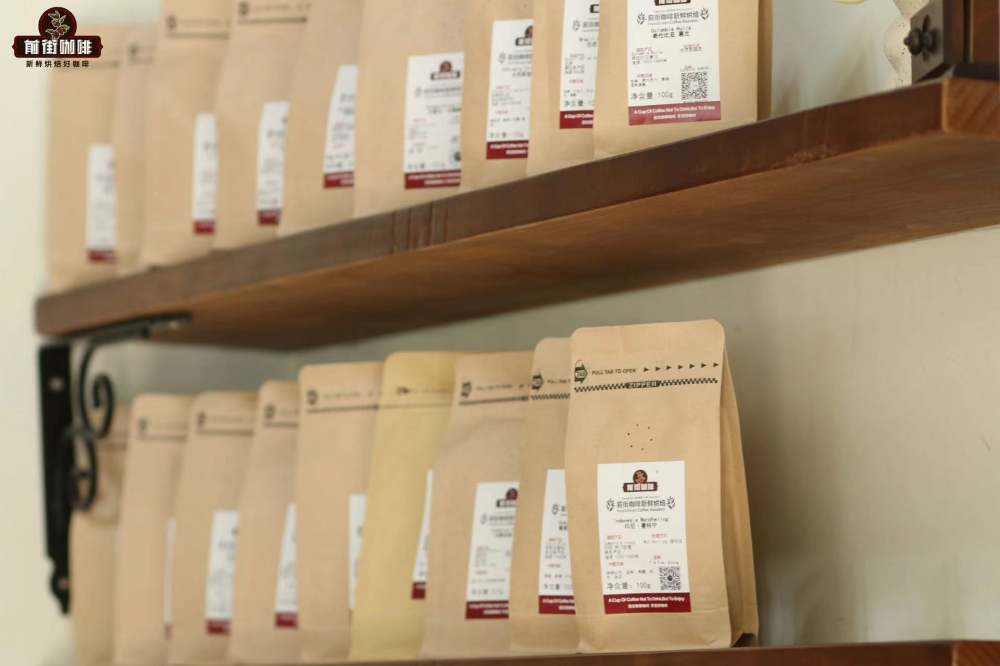
Put simply, specialty coffee lets you taste flavors that represent a place. From Ethiopian Arabica, for instance, we taste bright acidity; from Indonesian Arabica, herbal richness and body.
Mainstream Coffee Varieties on the Market
With so many branches in the Arabica lineage, which varieties actually dominate the market today?
Only a few are widely used: the Ethiopian native heirloom, Typica, Bourbon, Caturra, Catuai, Catimor, Geisha, and SL28 and SL34.

Typica
Typica is one of the world's oldest Arabica varieties. Its trees have bronze-colored top leaves and its beans are oval or slender and pointed. The flavor is elegant and balanced, but the plant is frail, resists disease poorly, and yields little. Wherever Arabica can be grown, Typica has generally appeared. Many famous coffees, Jamaica Blue Mountain, Sumatra Mandheling, and Hawaii Kona among them, belong to the Typica variety.

FrontStreet Coffee - Jamaica Blue Mountain No. 1 Coffee Beans
Origin: Jamaica Blue Mountain Range
Estate: Clifton Mountain Estate
Altitude: 1310m
Variety: Typica
Processing: Washed
Brewing Flavor: Dark chocolate, nuts, cream, balanced sweet and bitter
Bourbon
First identified in Brazil in 1930, Bourbon now grows mainly there. It is generally believed to be a mutation from crossing red-fruited Bourbon with a yellow-fruited Typica variant called "Amerelo de Botocatu," discovered in São Paulo state in 1871. Its lower yield and poor resistance to wind and rain kept it from spreading widely, but grown at high altitude it shows excellent flavor and distinct sweetness.
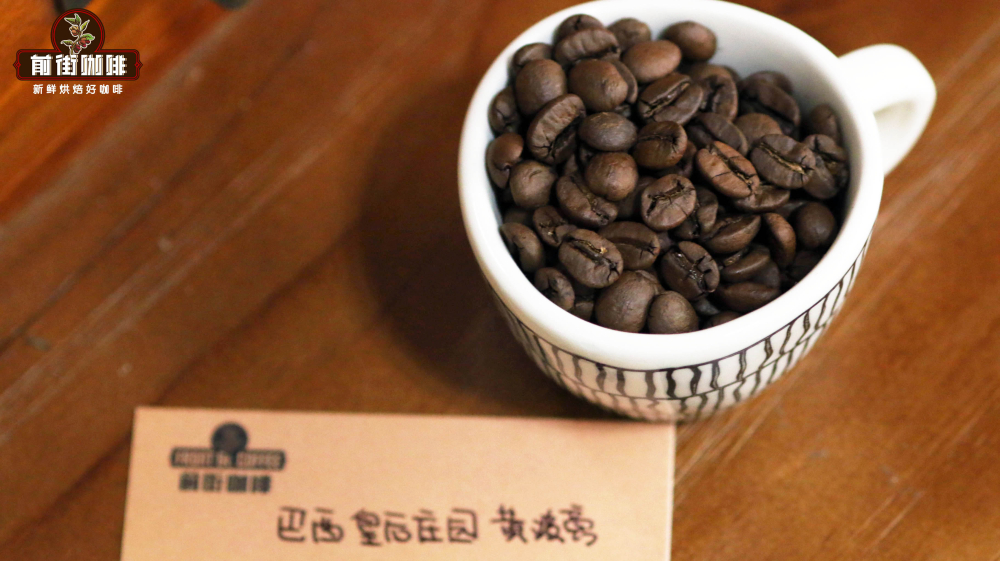
FrontStreet Coffee - Brazil Queen Estate Coffee Beans
Region: Mogiana region, Brazil
Estate: Queen Estate
Altitude: 1400m - 1950m
Variety: Yellow Bourbon
Processing: Natural
Flavor: Nuts, creamy peanuts, sugarcane, fermented fruits
Caturra
Caturra is a single-gene variant of Bourbon, discovered in Brazil in 1937. It yields better and resists disease better than Bourbon, and its shorter plant makes harvesting easier. Unfortunately it shares Bourbon's biennial production cycle problem. Its flavor is comparable to Bourbon's, and more importantly it adapts extremely well and needs no shade trees, which earns it the name Sun Coffee. It tolerates high-density planting but demands more fertilizer, raising cultivation costs.
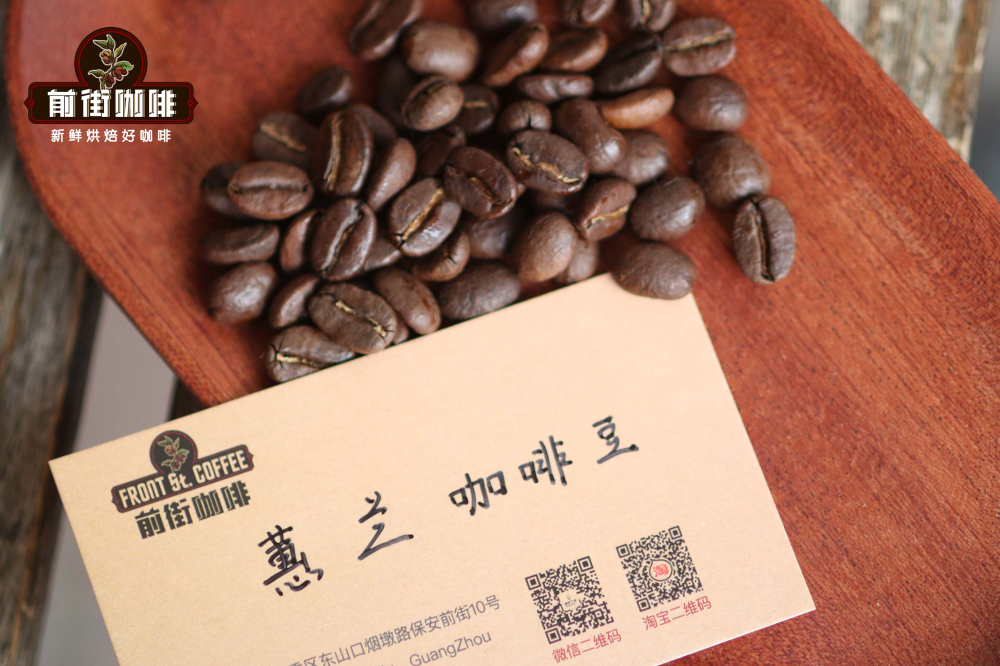
FrontStreet Coffee - Colombian Huilan Coffee Beans
Region: Huilan region, Colombia
Altitude: 1500m - 1800m
Variety: Caturra
Processing: Washed
Brewing Flavor: Nuts, dark chocolate, caramel, soft fruit acidity
Catuai
Catuai is a hybrid created in Brazil in 1950 by artificially crossing Caturra with Mundo Novo. It inherited Mundo Novo's high yield, strong disease resistance, and excellent cup quality, along with Caturra's small stature, high-quality acidity, and sun-coffee habit. Because the plant is small, it can be planted at twice the density. Catuai shows soft acidity, a clean taste, and rich fruit aromatics.

SL28 & SL34
SL28 is one of Africa's famous varieties. It was selected, researched, and cultivated by the former Scott Agricultural Laboratories, now the National Agricultural Laboratory. It has good drought resistance and tolerates drought and pests, and it suits medium to high altitudes, but it is susceptible to common diseases.
SL34 was also selected and cultivated by the former Scott Agricultural Laboratories in the late 1930s. Researchers at the time picked trees with the SL prefix on plantations and studied their yield, quality, drought resistance, and disease resistance.

SL28 and SL34 taste similar, though SL34 has richer acidity and a more intense flavor. Both carry a distinct Kenyan character, with rich fruit acidity and a balanced cup.
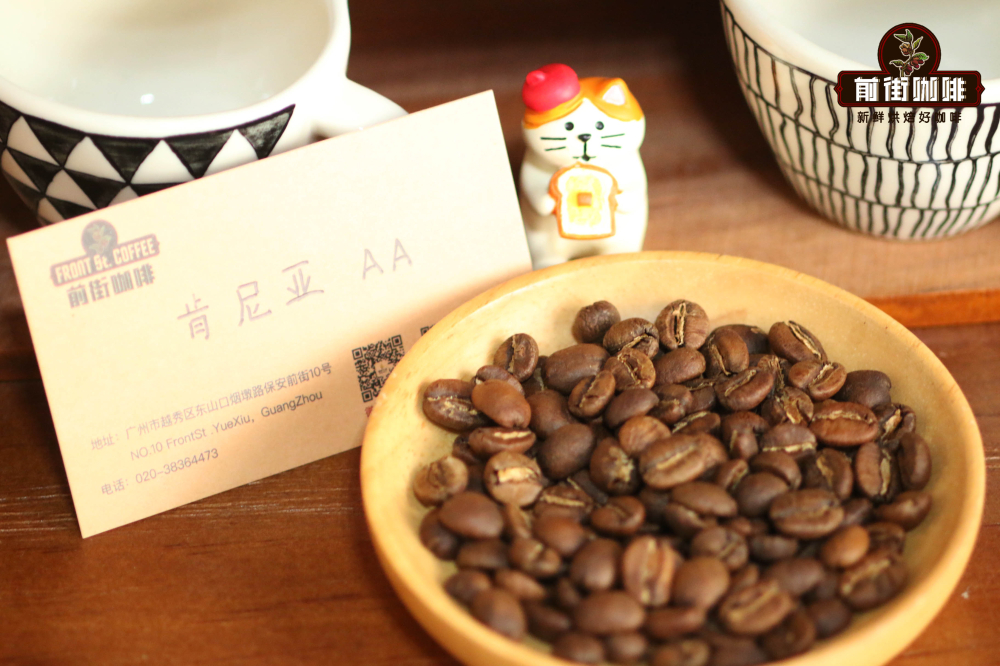
FrontStreet Coffee - Kenya Asalia Coffee Beans
Region: Asalia Processing Station, Thika region, Kenya
Altitude: 1550m - 1750m
Variety: SL28, SL34
Processing: K72 Washed
Flavor Description: Black plum, cherry tomatoes, snow pear, brown sugar, plum
Geisha
Geisha is a genetic variant of Typica, originating from the Geisha forest in Ethiopia. After decades of cultivation it reached Panama in the 1960s, where Hacienda La Esmeralda discovered it and cultivated it separately. It became famous when it took first place at the BOP in 2004, setting several auction price records. It carries a jasmine-like fragrance, citrus sweetness, rich floral and fruit aromas, and tea-like qualities.
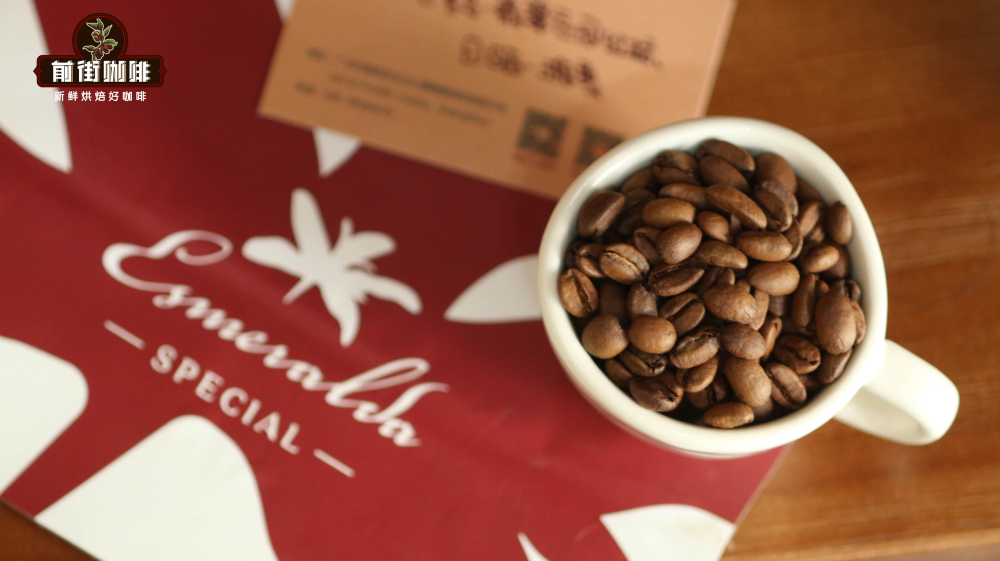
FrontStreet Coffee - Panama La Esmeralda Red Label Geisha Coffee Beans
Region: Boquete, Panama, La Esmeralda Estate
Lot: Jaramillo, Mario
Altitude: 1700m
Variety: Geisha
Processing: Natural
Flavor Description: Citrus, complex fruits, rose tea, honey
Ethiopian Heirloom
In Ethiopia, "Heirloom" means native coffee varieties. Many smallholders grow several varieties together in their gardens, though some do select and cultivate the better ones separately for sale. Because much local coffee grows wild or semi-wild in large populations, not every farmer distinguishes carefully between varieties.
Most varieties are therefore mixed in cultivation and mixed at harvest, so many Ethiopian beans end up blended together. Since specialty coffee requires listing a variety, Ethiopia named this natural mixture "Heirloom." Being a multi-variety mix, Ethiopian heirloom beans come in a range of sizes and show bright citrus acidity and green tea-like sweetness.
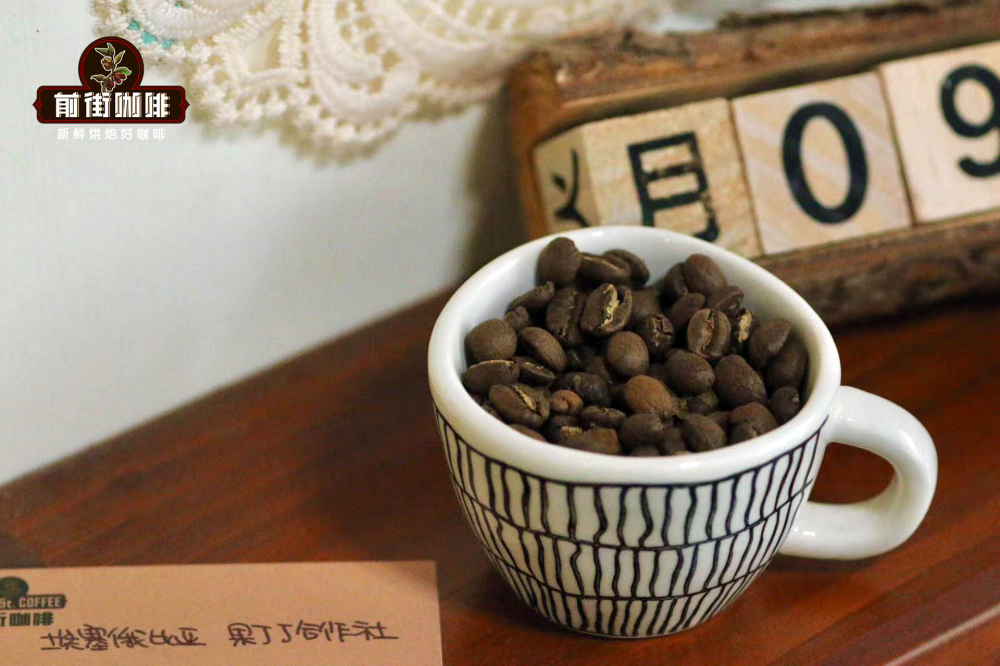
FrontStreet Coffee - Yirgacheffe Gedeb Cooperative Coffee Beans
Region: Yirgacheffe, Ethiopia
Cooperative: Gedeb Cooperative
Altitude: 2000m - 2100m
Variety: Local Heirloom
Processing: Washed
Flavor: Citrus, black tea, floral notes, cream, caramel, almond
Catimor
In the 1970s and 1980s, coffee leaf rust broke out across many Central and South American countries and seriously damaged production. In response, the Portuguese coffee research center CIFC crossed Timor, which carries Robusta genes, with Caturra, a Bourbon variant, in 1959, producing the disease-resistant, high-yielding Catimor.
Because it carries Robusta genes, Catimor's flavor does not match other common Arabica varieties, though it does offer plum-like acidity and nutty aroma along with low cultivation costs and high yields. In 1952, scientific staff from the Yunnan Academy of Agricultural Sciences distributed 80kg of coffee seeds to farmers in Lujiangba, Baoshan, for trial planting, where they found good adaptability and excellent quality, which set Yunnan coffee cultivation growing again. By 1988, Nestle established a new joint venture in China to promote coffee cultivation and introduced the high-yielding Catimor, which greatly encouraged large-scale cultivation in Yunnan. That is why Catimor is so widely grown in Yunnan today.

FrontStreet Coffee - Yunnan Baoshan Catimor Arabica Coffee Beans
Region: Lujiangba, Baoshan, Yunnan, China
Altitude: 1450-1550m
Variety: Catimor
Processing: Red Cherry Natural
Flavor Description: Nuts, chocolate, spices, caramel, red berries, plum
FrontStreet Coffee Recommendation
Variety is the thread that runs through this whole guide. The three FrontStreet coffees below span the lineages described above, from heirloom to SL28 and SL34 to Geisha.
FrontStreet Washed Yirgacheffe Gotiti Cooperative - A heirloom Ethiopian from the Worka area at the southeastern edge of Yirgacheffe, washed the traditional way. Jasmine fragrance with bright citrus and lemon acidity and no bitterness, it is a clean demonstration of what the heirloom mix can do.
FrontStreet Kenya Small Tomato - SL28 and SL34 from the Asali processing station in Kenya's Thika region, at 1,550-1,750 meters, processed with the K72 washed method. Plum, cherry tomato, snow pear, and brown sugar, with a sweet-sour, juicy body that shows exactly why these two varieties built Kenya's reputation.
FrontStreet La Esmeralda Red Label Geisha - Geisha planted at 1600-1800 meters and drawn from a single named plot such as Jaramillo, cupped above 90 points. The natural version is richer, with bright florals and citrus and a striking sweet-tart balance, and it comes from the same Jaramillo terroir behind the 2004 BOP championship.
Important Notice :
FrontStreet Coffee is a long-established specialty coffee roaster in Guangzhou China, selling freshly roasted beans from its own farm in Yunnan as well as dozens of carefully selected single-origin beans from around the world for both pour-over and espresso. The products deliver consistently excellent quality and great value, with shipping within 24 hours. Guangzhou's FrontStreet Coffee shop is recommended by many coffee lovers, and the beans are now available online at the Tmall 。
FrontStreet Coffee has moved to a new address:
FrontStreet Coffee Address: 315,Donghua East Road,GuangZhou
Tel:020 38364473
 Scan and follow the En Gafei WeChat official account. Please indicate that the reprint comes from "En Gafei".