Characteristics of El Salvador Coffee Beans - Introduction to El Salvador Coffee Beans - Specialty Coffee
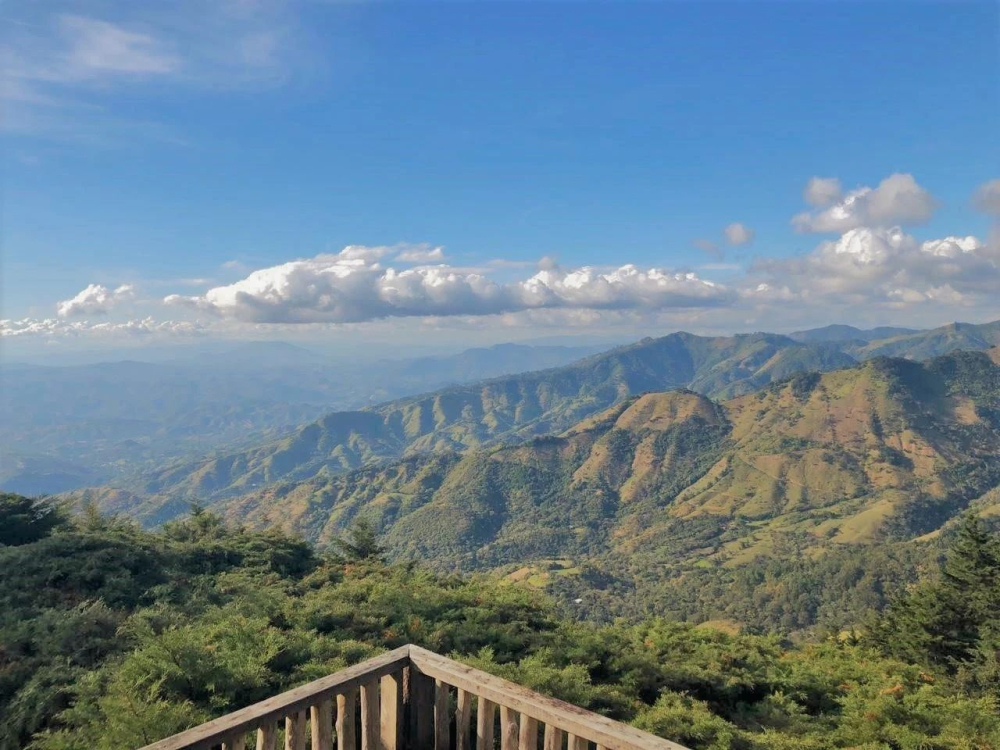
Although it is the smallest country in Central America, El Salvador holds numerous coffee-producing regions. In recent years some high-quality Salvadoran specialty coffees have reached the market and left a deep impression. Now, please follow FrontStreet Coffee as we explore the world of Salvadoran coffee.
The Coffee Story of El Salvador
FrontStreet Coffee's research found that coffee cultivation in El Salvador can be traced back to the mid-18th century, and that its coffee industry has intricate connections with the country's development.
During the colonial period, indigo, a natural dye, was the first agricultural product in El Salvador's history, generally obtained by processing the leaves of a plant called "Jiquilite." Indigo production occupied most of El Salvador's time throughout the 18th century, but as the European Industrial Revolution advanced the synthetic dye industry, this traditional process quickly fell behind.
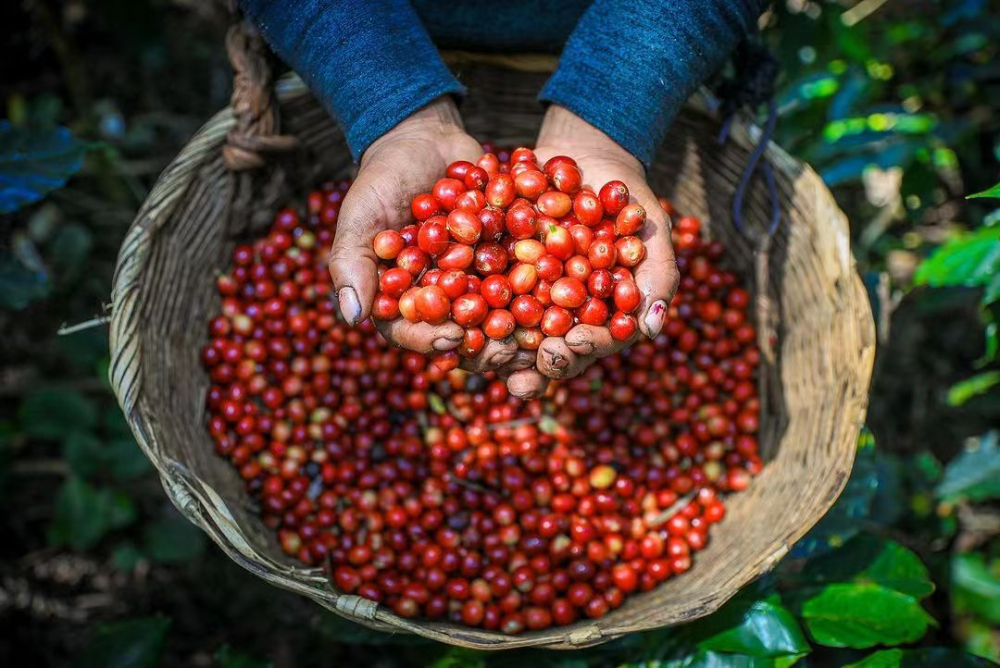
According to the records, coffee was introduced to El Salvador between 1779 and 1796, with the first coffee trees planted on the land of two farmers from Ahuachapán. Although coffee entered El Salvador as early as the 18th century, it was not until the mid-19th century that the government decided to take measures to support and promote coffee cultivation in the country. In the 1930s and 1940s, driven by credit policies favorable to growers, the entire coffee industry gained strong momentum, and coffee came to account for more than 90% of El Salvador's agricultural exports.
Since 1857, coffee cultivation has also expanded across the whole territory of El Salvador, starting from Ahuachapán, then spreading to Santa Ana and Sonsonate, then to the western part of San Vicente, the Berlín mountainous area, and near the Volcán Chaparrastique in San Miguel. Today large areas of coffee plants are found throughout El Salvador, and coffee has become the main agricultural product for many local farmers.
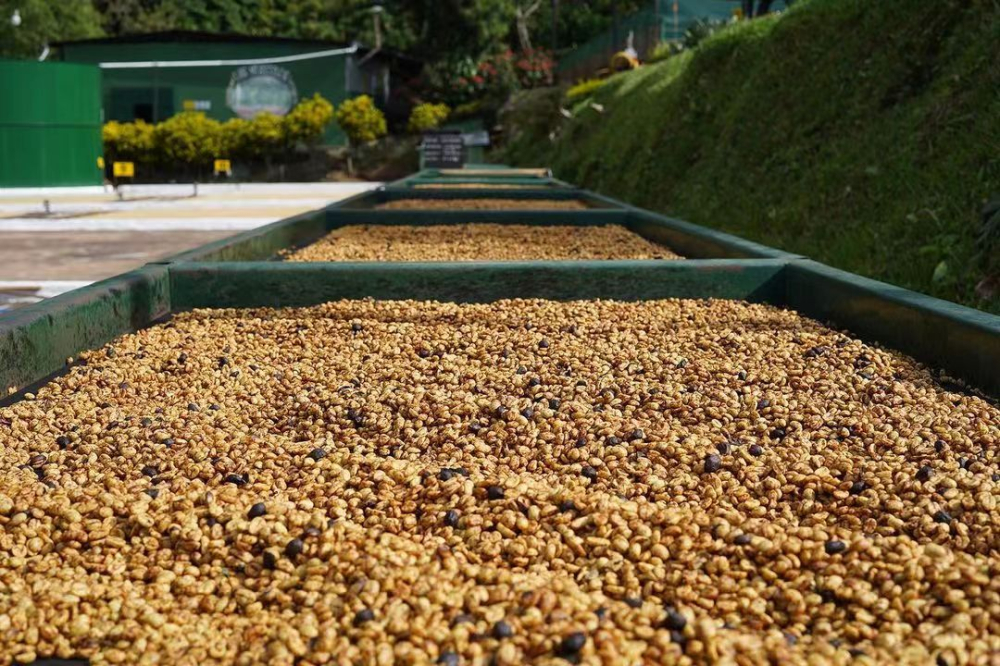
The modernization of coffee cultivation in El Salvador began with the high prices of the 1950s. Farmers first intercropped coffee trees with other crops for shade cultivation, while also beginning to use fertilizers and to increase planting density appropriately in order to concentrate on productivity. In this way, El Salvador became the world's fifth-largest coffee producer and fourth-largest coffee exporter by the mid-1970s, with harvests reaching as high as 5 million quintals.
From the 1980s to the 1990s, however, El Salvador experienced a civil war. Many individual farmers came under military pressure from guerrillas and the army, coffee sales and exports were forced to be nationalized, and farmers had to stop investing in their farms. This caused a sharp decline in El Salvador's coffee production and prices between 1997 and 2001. According to ICO data, the country's coffee production fell by more than 34% during that period. In 2013, coffee leaf rust began to spread nationwide. Only 3% of coffee trees planted in El Salvador were rust-resistant varieties, so the 2014 harvest season saw a production decline of nearly 60%.
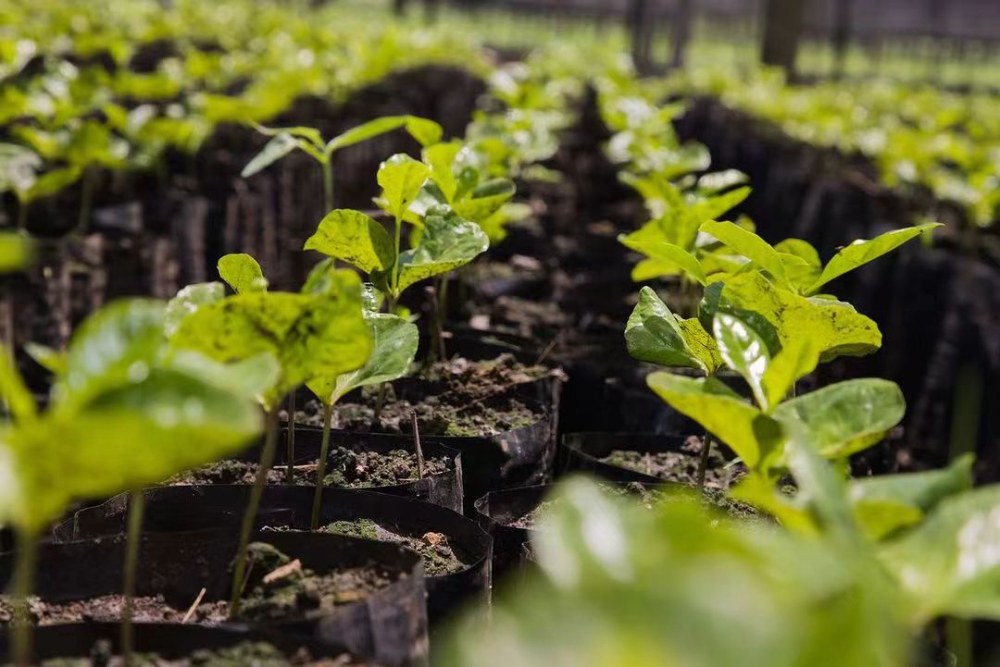
It was not until 2014 that the agricultural management department, led by Minister of Agriculture and Livestock Lic. Orestes Ortéz, decided to reactivate coffee cultivation, creating a specialized CENTA coffee department to strengthen the scientific and technological foundation. The department has a team of 80 technical personnel, guided by Salvadoran coffee cultivation expert Dr. Adán Hernández, and it not only provides fungicides to prevent rust problems but also cultivates new varieties with strong rust resistance for farmers, allowing them to renovate their plantations and improve quality and yield.
El Salvador Coffee Regions and Varieties
According to statistics, El Salvador's current coffee area is over 130,000 hectares, of which about half is low-altitude plantation, 33% belongs to medium-high altitude coffee, and the remaining 16% is high-altitude coffee. Of the growers, 85% are small farmers with less than 7 hectares, and only a small portion of the cultivated area exceeds 7 hectares.
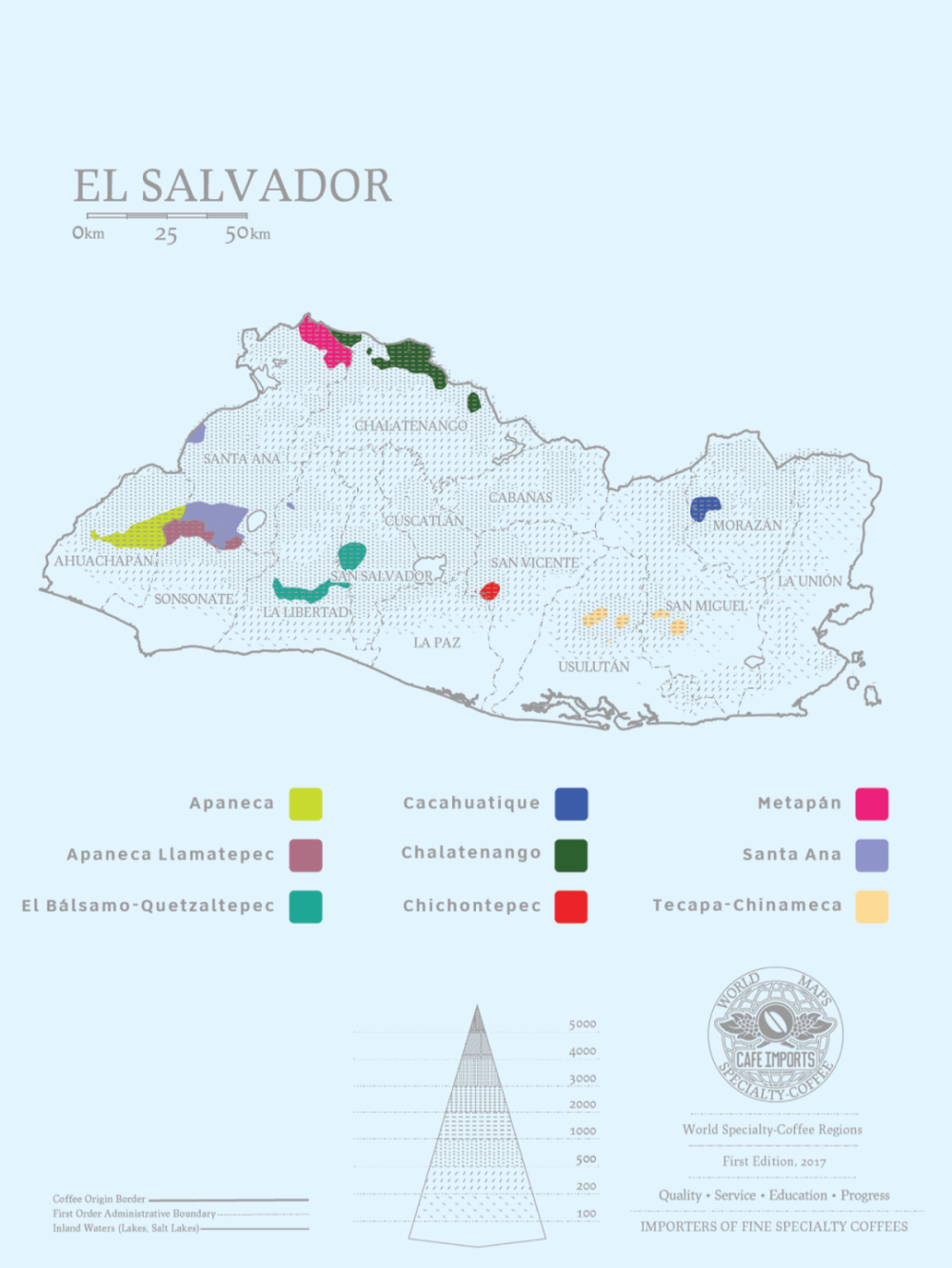
El Salvador has nine major coffee-producing regions: Apaneca, Apaneca Llamatepec, El Balsamo-Quetzaltepec, Cacahuatique, and Santa Ana in the southwest; Chalatenango, Chichontepec, and Metapan in the north-central region; and Tecapa-Chinameca, scattered along the river valleys.
Although Typica was the earliest Arabica variety widely planted in El Salvador, the impact of leaf rust led most farms to switch to Bourbon coffee starting in the 19th century. By the mid-20th century, Bourbon coffee had mutated to produce Pacas, which was traced through lineage by ISIC and vigorously promoted for cultivation. Today Bourbon and its variant Pacas have become the main varieties in El Salvador's plantations. Bourbon accounts for more than 60% of cultivation, while Pacas accounts for nearly a quarter of the country's coffee production.
Compared with those two common varieties, however, the representative that has qualified for El Salvador's COE (Cup of Excellence) with its high-quality flavor is Pacamara, which has gained increasing fame in recent years. A large-sized bean, it was hybridized and released by the Salvadoran Coffee Research Institute (ISIC) from Pacas from El Salvador and the Typica variant Maragogype from Brazil. It not only has Pacas's excellent taste but also inherits the large bean size of Maragogype. In flavor it shows lively, bright acidity, sometimes with biscuit notes, sometimes with a juicy texture, and excellent thickness and mouthfeel.
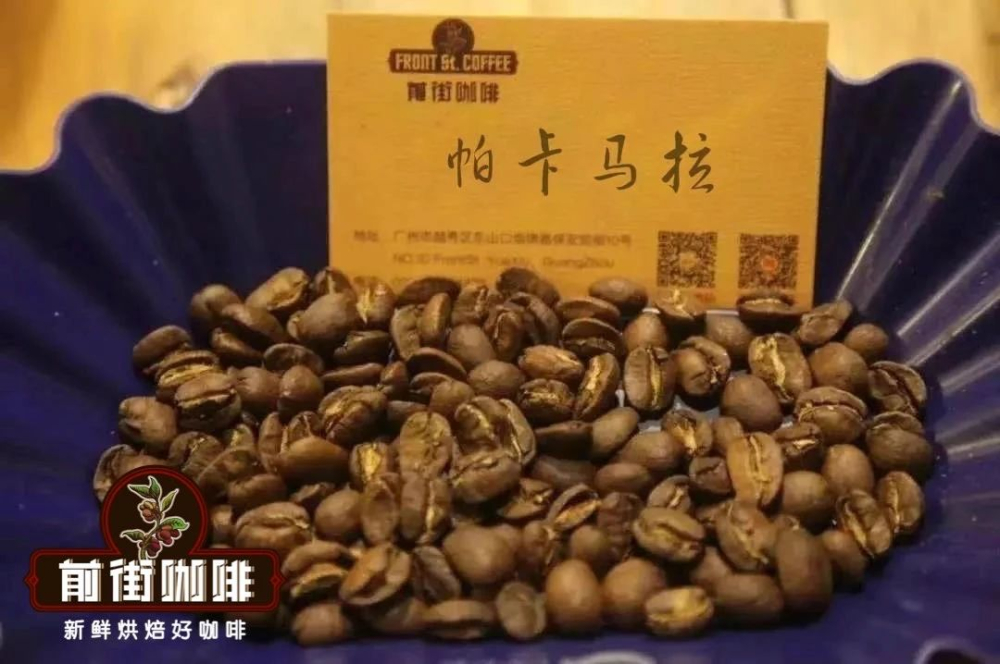
FrontStreet Coffee: El Salvador Pacamara Coffee Beans
Region: Sonsonate Izalco region
Estate: Finca Ataisi Estate
Grade: SHG
Altitude: 1800 meters
Variety: Pacamara
Processing Method: Washed
Flavor: Nuts, chocolate, cream, strawberry jam, passion fruit
El Salvador Coffee Flavor Characteristics
FrontStreet Coffee's Brewing Recommendations
Dripper: V60
Water Temperature: 90°C
Coffee-to-Water Ratio: 1:15
Grind Size: Fine sugar (80% pass-through rate with China #20 standard sieve)
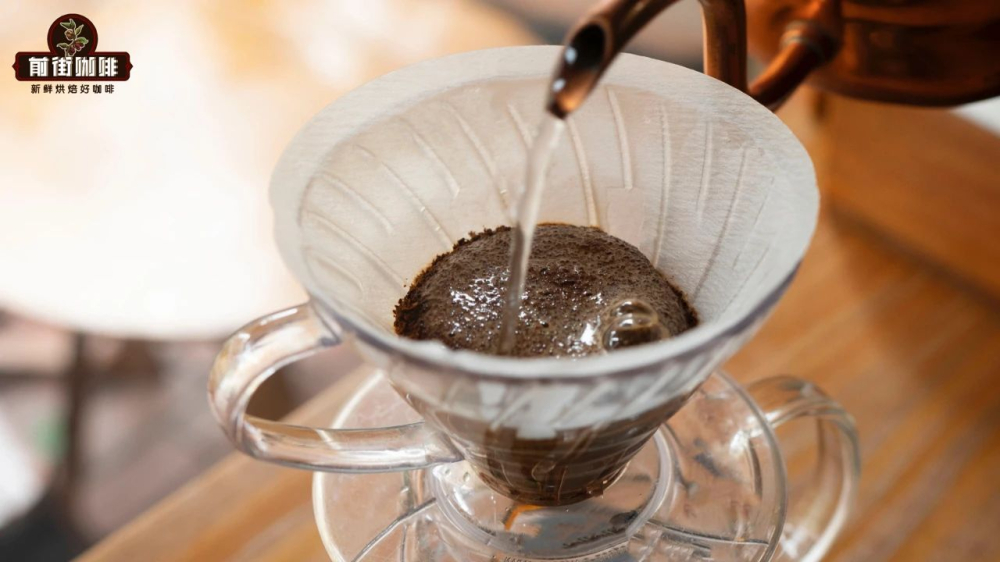
Pour the coffee grounds into the V60 dripper and wet the coffee bed with twice the amount of water as the coffee grounds to form a dome, then bloom for 30 seconds. Then use a small stream to pour in concentric circles from the inside out to 125g; wait until the coffee bed drops to half the height of the dripper, continue with the same fine stream to inject the third stage to 225g, and remove the dripper when all the liquid has filtered through, taking about 2 minutes.

FrontStreet Coffee tasted this Pacamara through pour-over extraction: the entry is very delicate and silky, with a clear, soft fruit acidity sliding across the tongue. Like all Pacamara characteristics, it is quiet and gentle. The middle section brings fresh wild-berry acidity and a nutty hazelnut aroma. The tail has obvious caramel sweetness, with a long, delicate sweet aftertaste and a persistent sweet return.
FrontStreet Coffee Recommendation
Pacamara is a good reminder of how much lineage matters: the variety only exists because a Bourbon mutation from El Salvador—Pacas—was crossed with the Brazilian Typica mutant Maragogype, so one cup can trace a line between two continents at once. That same logic runs through FrontStreet Coffee's entry-level specialty lineup, where each origin shows what its soil and process contribute. Ethiopia is the natural starting point. It is Africa's largest coffee producer and widely regarded as coffee's birthplace, with varieties usually named after their region or washing station. After the government introduced washed processing in the 1970s, Yirgacheffe became known for washed lots, and station-specific coffees like FrontStreet's washed Gedeb Geding Cooperative are a typical Yirgacheffe expression, with jasmine florals, citric acidity, and berry notes; Sidamo, by contrast, is famous for natural processing, and FrontStreet's naturally processed Sidamo Huakui brings berry, florals, jackfruit, melon, and honey.
Brazil is the other easy entry and the source of Pacamara's Maragogype parent. As the world's largest producer it is mostly commercial beans, but high-quality lots exist, and its sun-dried growing style ripens the fruit quickly for a softer bean, gentle fruit acidity, good sweetness, and a fine, smooth, balanced cup. FrontStreet's Brazilian daily-drinker is an entry-level single origin from the well-known Cerrado region, good and affordable, with classic cream, peanut, and cocoa notes, while the Queen Estate lot grows higher and uses the rare Yellow Bourbon, layering butter, sunflower seed, macadamia, and almond over a sugarcane sweetness that stays smooth and syrupy alone or with milk.
The rest of the lineup carries the same principle. Indonesia's FrontStreet Mandheling uses the wet-hulled (giling basah) process born of the region's rainy, changeable climate and limited capital for full washing, in which workers strip the parchment while the bean is still half-dry to speed drying; the cup is denser and smoother than FrontStreet's Blue Mountain, with herbal and spice notes, and suits anyone who dislikes acidity, while the PWN Golden Mandheling is hand-sorted three times and machine-sorted once to cut defects to a minimum for a cleaner, smoother brew with clearer woody and caramel tones. Colombia, one of the few single origins sold under a country name, offers mild weather and year-round harvests, and FrontStreet's Huila daily drinker comes from the country's best-known specialty region, ringed by mountains and grown above 1,500 meters where Colombia's most important rivers meet; Colombian coffee leans toward soft florals and gentle fruit acidity, with the Sidra and Navel lots worth trying. Costa Rica grows high with wide day-night temperature swings and fertile volcanic soil, yielding SHB-grade beans and earning fame for honey processing, where mucilage dries around the bean for pronounced sweetness and clarity—FrontStreet's Blackberry, a black-honey lot, and Mozart, a raisin-honey lot, bring raisin and blueberry sweetness with osmanthus and rose aromas that stand out in pour-over, cold brew, americano, or latte. From China, FrontStreet's Yunnan Xiaoli comes from Baoshan, washed, with traditional nut and chocolate notes, soft and balanced, while the 2013 Yunnan Typica is an old Arabica variety grown at 1,300 meters with a cleaner cup, best at a medium roast and full of hazelnut, dried apricot, black tea, caramel, and ripe plum. Finally, Panama is famous for Geisha; the Emerald Estate version drinks like a completely unbitter fruit-and-flower tea with citrus, berry, and florals, though it is a luxury for beginners, so FrontStreet's Boquete Geisha serves as the entry point—from Panama's most representative specialty region, genetically pure, washed, and clear with the orange-blossom honey sweetness Geisha is known for, at a price that lets you try it several ways.
Important Notice :
FrontStreet Coffee is a long-established specialty coffee roaster in Guangzhou China, selling freshly roasted beans from its own farm in Yunnan as well as dozens of carefully selected single-origin beans from around the world for both pour-over and espresso. The products deliver consistently excellent quality and great value, with shipping within 24 hours. Guangzhou's FrontStreet Coffee shop is recommended by many coffee lovers, and the beans are now available online at the Tmall 。
FrontStreet Coffee has moved to a new address:
FrontStreet Coffee Address: 315,Donghua East Road,GuangZhou
Tel:020 38364473
 Scan and follow the En Gafei WeChat official account. Please indicate that the reprint comes from "En Gafei".