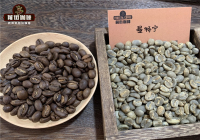
Which is Better: Geisha Coffee or Blue Mountain Coffee? Flavor and Taste Characteristics of Panama Geisha Coffee Beans
Introduction: Blue Mountain vs. Geisha
In the past, when the conversation turned to the world's best coffee, Blue Mountain was likely the first name that came up. Today, any discussion of the pinnacle of coffee has to include one variety: Geisha. So which tastes better, Blue Mountain or Geisha? In FrontStreet Coffee's view this comes down to personal preference — some people love the mellow, balanced taste of Blue Mountain, while others prefer the complex floral and fruit aromas of Geisha. Finding what you love is what matters most. To go deeper, read on for FrontStreet Coffee's introduction below.
What is Blue Mountain Coffee?
Blue Mountain coffee was once hailed as the Hermès of the coffee world. Authentic Blue Mountain lets you taste rich, dense and lasting notes of chocolate and roasted hazelnut, with an excellent balance of acidity, sweetness, bitterness, aroma and body. FrontStreet Coffee believes Blue Mountain's high reputation is inseparable from the careful management and strict grading of Jamaican growers. Jamaica's Blue Mountains offer unique terroir, and the combination of factors makes this a perfect space for growing coffee. As an agricultural product, however, variety, altitude, harvesting and post-processing methods all shape the final flavor.
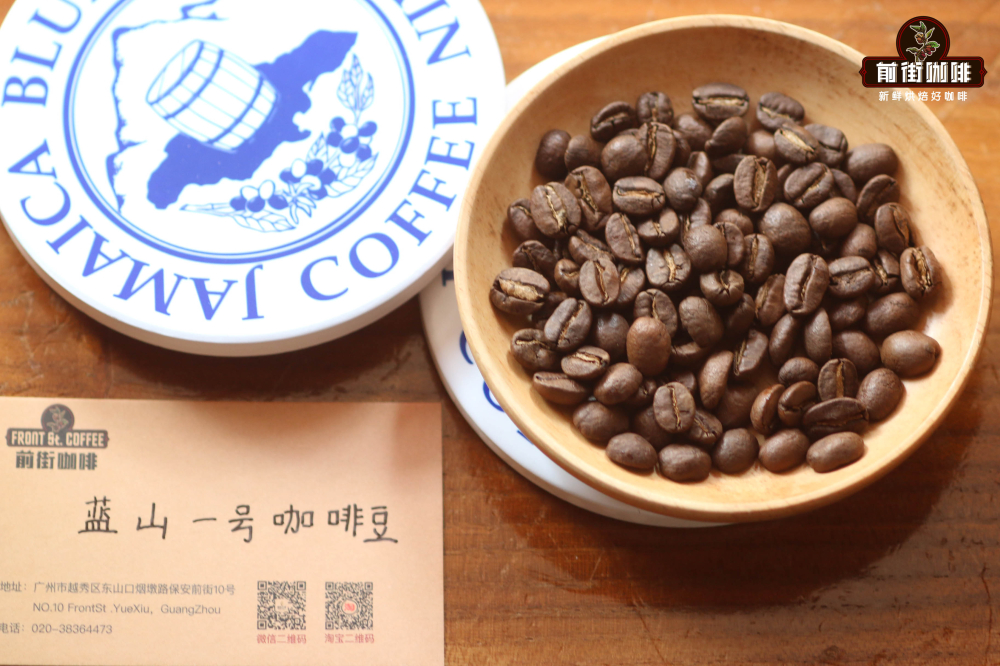
Only Typica variety coffee grown in forest areas at altitudes between 910-1,700 meters within regions officially designated by the Jamaican Coffee Industry Board (CIB) may be called true "Jamaican Blue Mountain Coffee." Typica needs a high-altitude environment for its flavor characteristics to show fully. The variety also has poor disease resistance and is very susceptible to illness, and its fruit yield per plant is low, so it demands more human care. On top of that, the high-altitude Blue Mountain areas have uneven terrain, making management and harvesting very difficult and calling for highly skilled pickers, which further limits production. In recent years, less than 15% of Jamaican coffee beans have qualified to bear the Blue Mountain coffee label, amounting to about 900 tons.
Many people have heard the rumor that "authentic Blue Mountain coffee has been monopolized by Japan." It is not without foundation. UCC is a Japanese coffee company, formerly Ueshima Coffee Co., Ltd., which established a farm in Jamaica in 1981 to run Blue Mountain coffee projects. Jamaica promised to allocate 90% of Blue Mountain coffee quotas to Japan, and combined with Japan's vigorous promotion of Blue Mountain, this produced the phenomenon of high prices and scarcity. Today, with coffee culture flourishing, enjoying a cup of Blue Mountain is no longer difficult. At FrontStreet Coffee, you can enjoy a cup of Blue Mountain No. 1 pour-over black coffee for just 60 yuan.
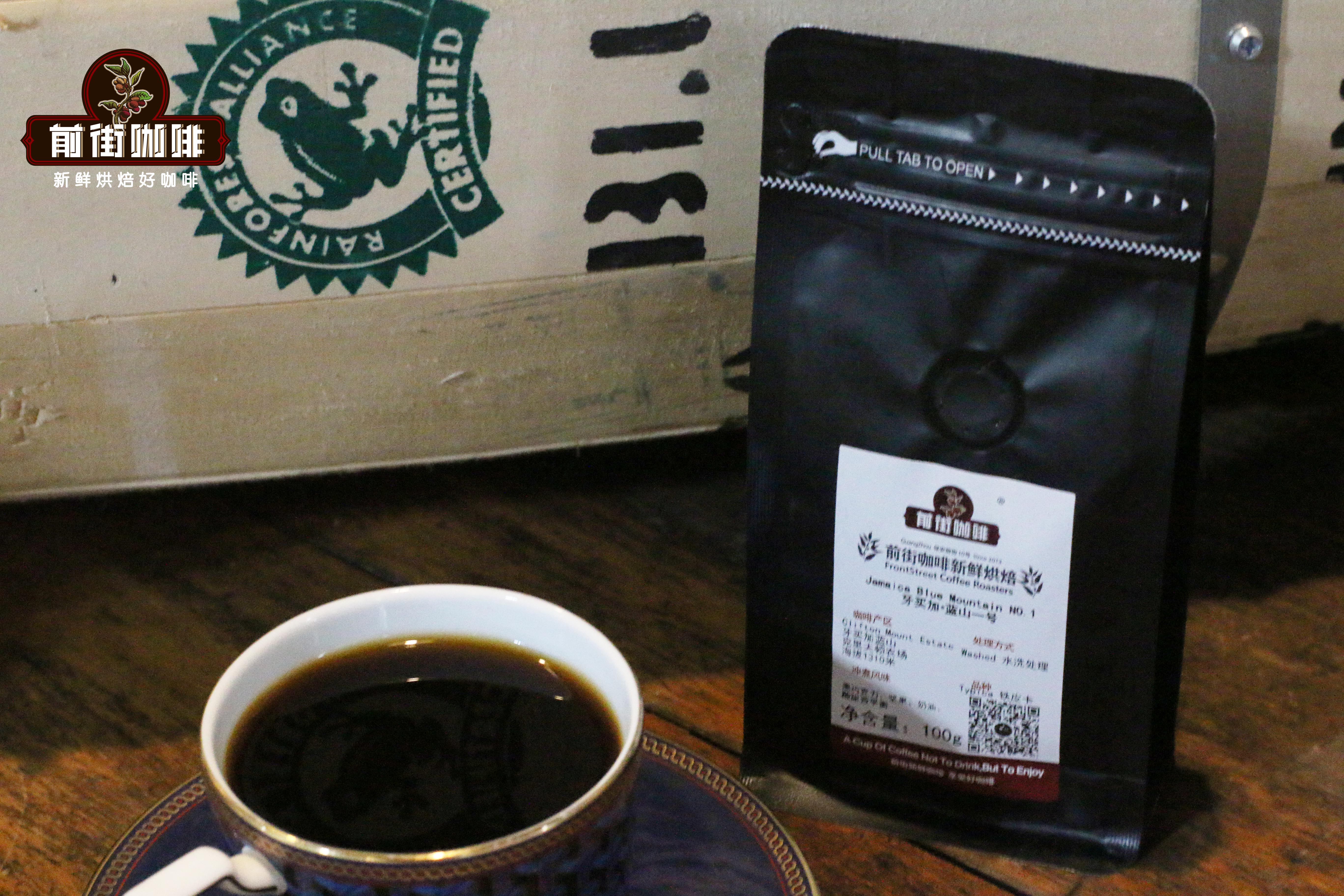
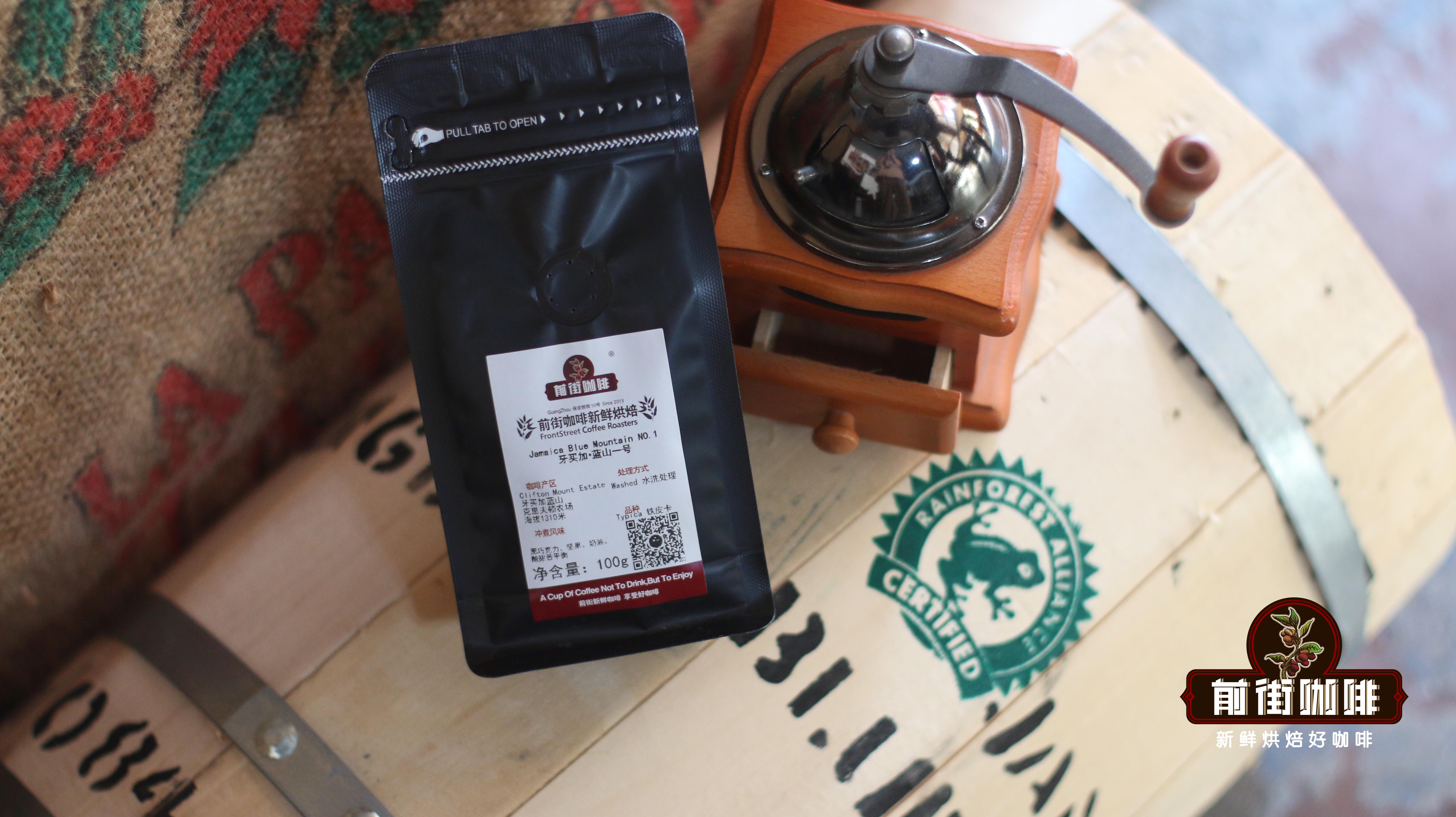
Blue Mountain No. 1 refers to the highest grade batch of Jamaican Blue Mountain green beans. Blue Mountain No. 1 must meet specifications above 17 screen size, a defect rate below 3% and a moisture content around 13%, and must show rich coffee aroma in cupping with a smooth, balanced taste, low acidity and a lasting aftertaste. FrontStreet Coffee's house-roasted Blue Mountain No. 1 is produced by Jamaica's Clifton Estate and uses washed processing. FrontStreet Coffee also holds quality certification from the Jamaican Coffee Board, authorized sales certificates from Blue Mountain coffee manufacturers and proof of origin for Jamaican Blue Mountain coffee. The Dongshankou store also displays oak barrels containing Blue Mountain green beans.
What are the characteristics of Geisha coffee?
Since the rise of specialty coffee, Geisha has become the best-known coffee variety, renowned for its unique orange and honey notes and prized by coffee professionals worldwide.
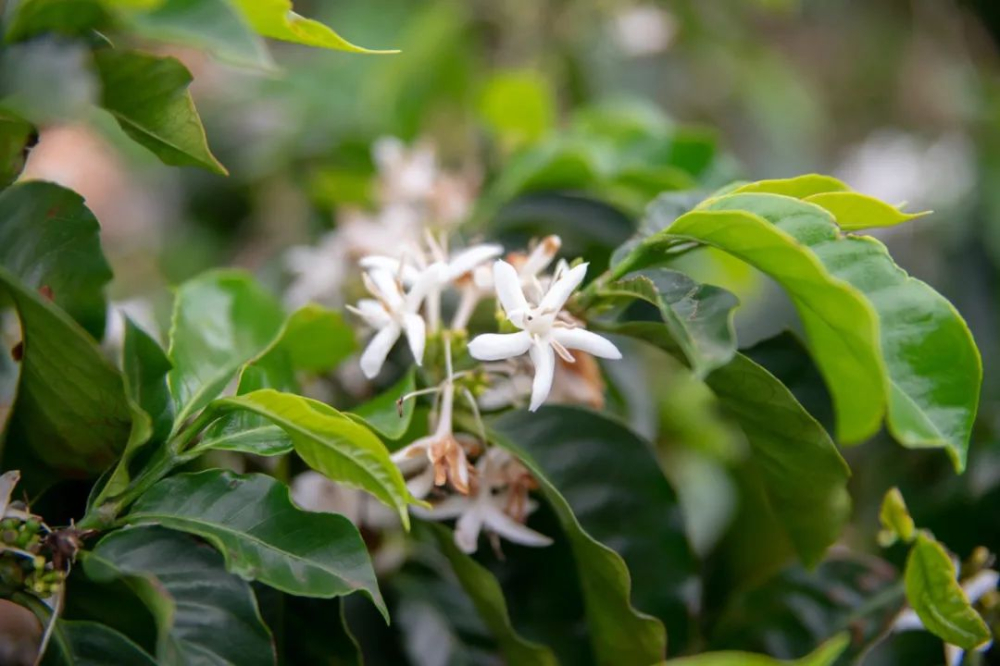
Compared with other Arabica varieties, Geisha not only yields little but is also particularly fragile and demanding about growing conditions. It needs high altitude, fertile soil, cloud cover or plant shade, and cannot be exposed to harsh direct sunlight. Geisha trees have very thin leaf systems, which means low photosynthetic efficiency, and their roots are fragile, absorbing water and nutrients slowly, so yields are very low. Add the high-altitude growing conditions and fruit maturation is relatively late. A single Geisha tree yields only half what other Arabica varieties produce, which is one reason Geisha is so precious.
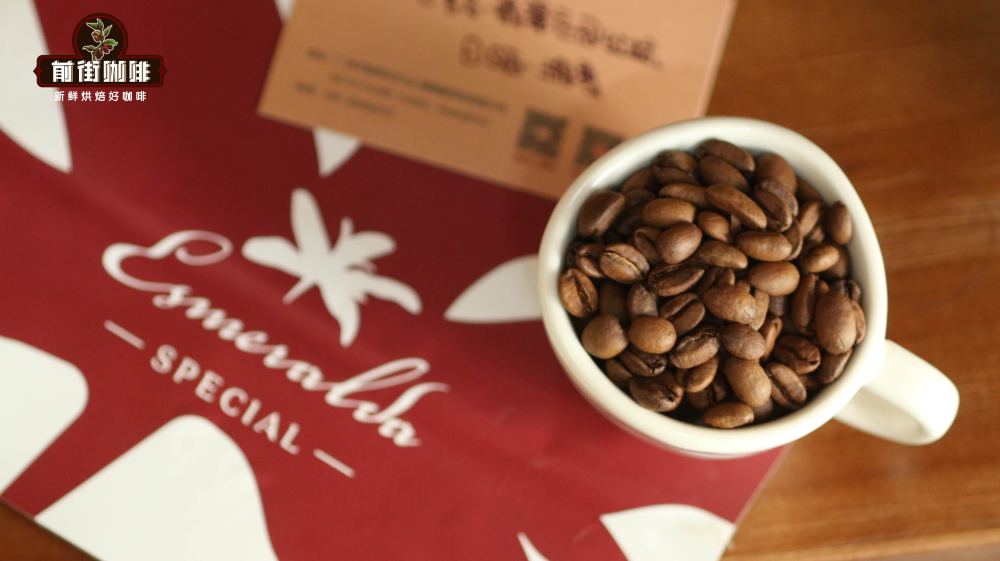
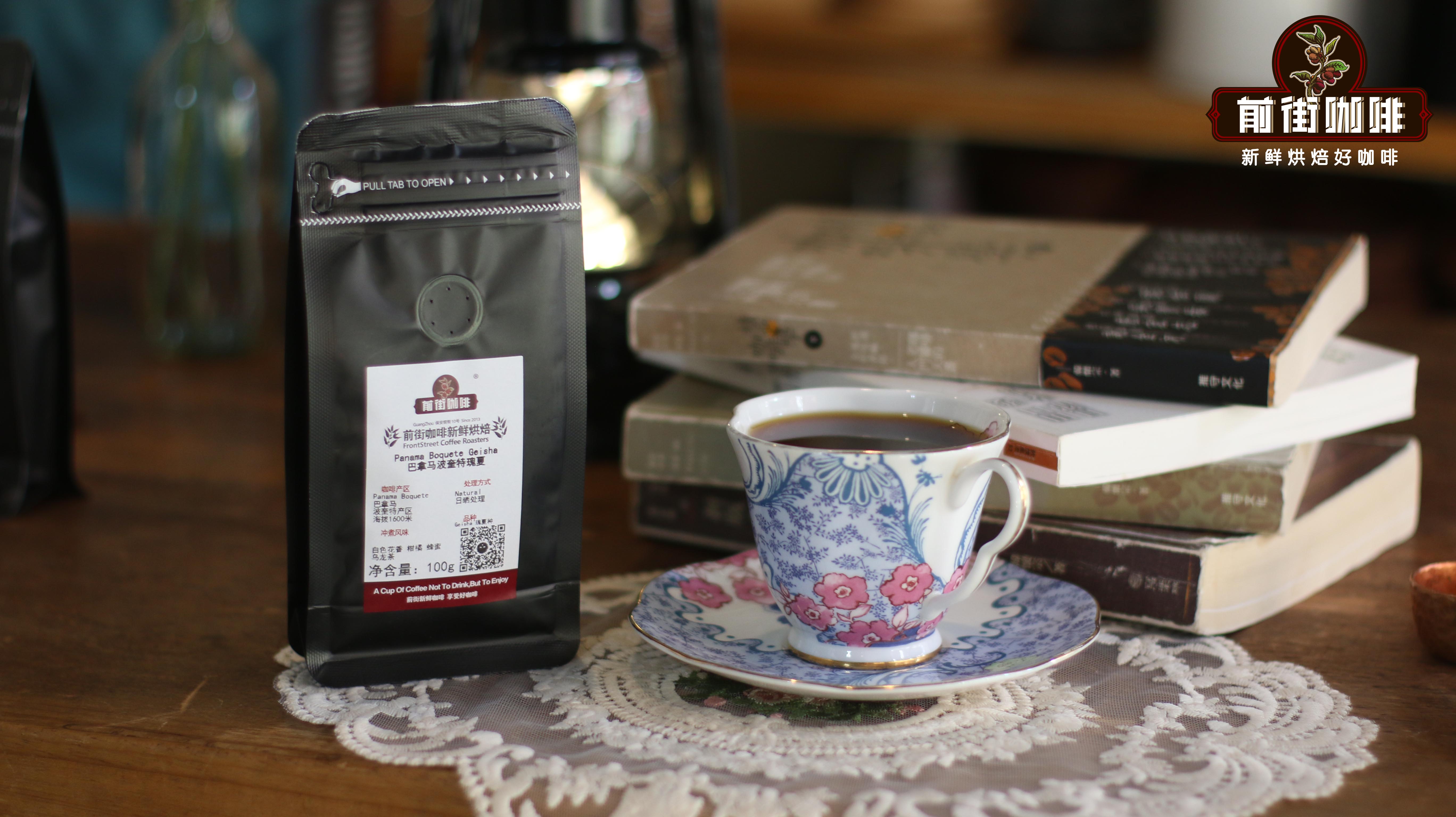
Although origins around the world are racing to introduce Geisha and produce their own "pinnacle of coffee," FrontStreet Coffee believes Geisha from Panama's growing region has the most representative flavor. Thanks to the unique terroir there, Geisha absorbs a rich essence and transforms it into elegant floral and fruit flavors with complex, layered acidity. Among FrontStreet Coffee's house-roasted Geisha coffees, well-known estates such as La Esmeralda and Elida Estate are both in the Boquete region. FrontStreet Coffee believes that as the birthplace of Geisha's fame, Panama's mature cultivation and processing techniques still guarantee its industry reputation. FrontStreet Coffee has therefore launched a Geisha coffee from the Boquete region, washed processed, to let everyone experience the classic Geisha flavor.
As one of the most traditional green bean processing methods, washing not only makes coffee quality more stable but also lets Geisha show higher cleanliness and fresher flavor. After roasting, FrontStreet Coffee tastes elegant white florals, bright citrus and lemon acidity and subtle green tea notes, reminiscent of drinking a gentle Tieguanyin tea.
How to brew Blue Mountain No. 1 and Panama Geisha for the best taste?
Whether it is the aromatic Blue Mountain or the fragrant Geisha, FrontStreet Coffee's flavor descriptions for each bean are based on cupping freshly roasted coffee. If the beans have been stored for more than a month, some aroma will have been lost, and even excellent brewing technique cannot fully restore it. FrontStreet Coffee understands the importance of freshness, so we ship only beans roasted within 5 days, letting everyone enjoy the full flavor window on arrival.
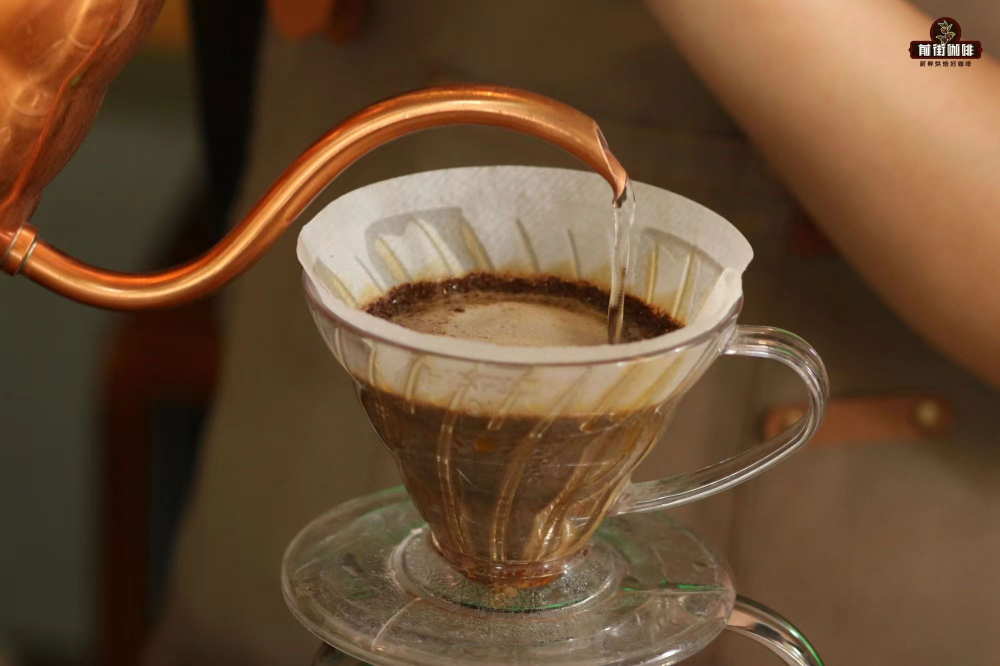
FrontStreet Coffee's brewing parameters for Geisha coffee:
Filter: V60
Water temperature: 91-92°C
Coffee amount: 15g
Coffee-to-water ratio: 1:15
Grind size: EK43s - setting 10 (80% passing through a No. 20 sieve)
FrontStreet Coffee's brewing parameters for Blue Mountain No. 1:
Filter: KONO filter
Water temperature: 88°C
Coffee-to-water ratio: 1:15
Coffee amount: 15g
Grind size: EK43s - setting 10.5 (75% passing through a No. 20 standard sieve)
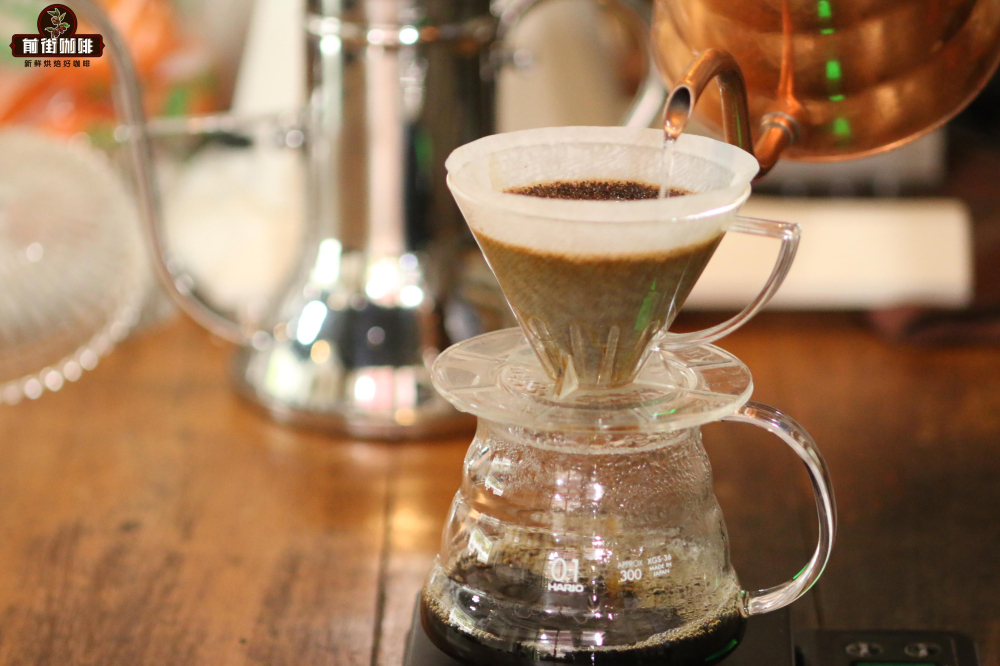
Gently pour 30 grams of water for the first-stage bloom and let it bloom for 30 seconds. In the second stage, pour to about 125 grams, circling evenly and steadily outward. Then wait for the coffee liquid to drop; when it reaches halfway, pour the final stage to 225 grams. Wait for all the coffee to finish dripping, with total extraction generally around 2 minutes.
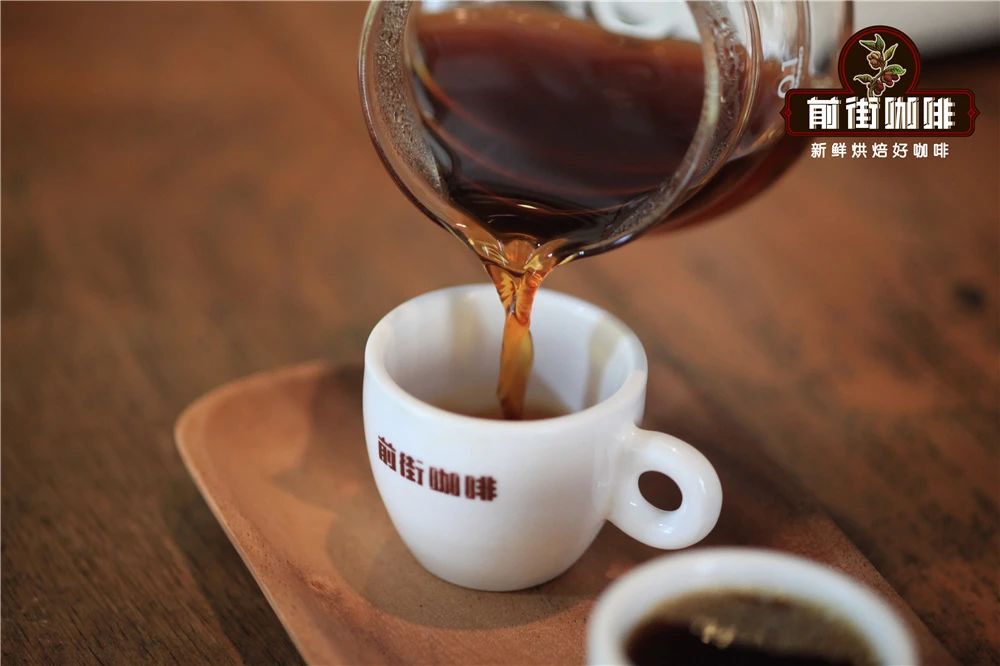
Panama Washed Boquete Geisha Coffee Flavor:
Features clear acidity with distinct citrus, lemon and bergamot notes. When swallowed it presents a creamy, smooth mouthfeel, with green tea and honey sweetness in the finish.
Jamaica Blue Mountain No. 1 Coffee Flavor:
While hot, Blue Mountain No. 1 presents rich dark chocolate aroma, very full-bodied with a distinct almond aftertaste. As the temperature drops, roasted hazelnut and creamy sweet silkiness emerge, with a hint of gentle acidity and caramel sweetness, the aroma lingering in the mouth.
Contact Information
For professional coffee knowledge exchange and more coffee bean information, please follow Coffee Workshop (WeChat official account: cafe_style)
For more specialty coffee beans, please add FrontStreet Coffee's private WeChat (FrontStreet Coffee), WeChat ID: qjcoffeex
FrontStreet Coffee Recommendation
When the question is "which is better," the honest answer is that Blue Mountain and Geisha simply occupy different roles, and Blue Mountain's role is balance. FrontStreet Coffee's Jamaica Blue Mountain No. 1 is the highest grade of the crop, drawn from the historic Clifton Estate, whose coffee is grown and processed at an average of 4,300 feet (1,310.64 meters). The altitude, the mild afternoon cloud that shades the hillsides, abundant sunshine and mineral-rich soil give the trees ideal growing conditions and slow the ripening of the cherries. Good Blue Mountain shows a compound of cream, caramel, chocolate, nuts, honey and a light fruit note — soft and round on entry, sweet through the middle, clean and long in the finish, layered without ever shouting. That is why it is so often called the specialty coffee most people find easiest to like.
FrontStreet Coffee roasts its Blue Mountain No. 1 medium-dark, which is the roast level that best showcases the classic balance, and packs the beans within five days of roasting so they arrive at full flavor. For pour-over, Kono is the dripper of choice because it builds body: 15g of beans rested 4-7 days from the roast date, ground a little coarser than light-roast beans to roughly white-sugar size, at 87-88°C, with a 1:15 ratio. Use a 30g bloom for 30 seconds, pour to 120g, then to 225g, keeping the stream vertical and the circling slow, and speed up slightly at the end so the bed does not clog and over-extract. Blue Mountain is also forgiving of method: a moka pot with a slightly finer grind, hot water in the base and medium-low heat — off the flame as the coffee finishes flowing — brings out the chocolate, caramel and nut notes for a fuller, richer cup. In the glass the coffee is clean, complex and gentle, sweet-chocolate and full-bodied, with almost no bitterness, only a moderate and perfect acidity and a lingering fruit finish.
Important Notice :
FrontStreet Coffee is a long-established specialty coffee roaster in Guangzhou China, selling freshly roasted beans from its own farm in Yunnan as well as dozens of carefully selected single-origin beans from around the world for both pour-over and espresso. The products deliver consistently excellent quality and great value, with shipping within 24 hours. Guangzhou's FrontStreet Coffee shop is recommended by many coffee lovers, and the beans are now available online at the Tmall 。
FrontStreet Coffee has moved to a new address:
FrontStreet Coffee Address: 315,Donghua East Road,GuangZhou
Tel:020 38364473
 Scan and follow the En Gafei WeChat official account. Please indicate that the reprint comes from "En Gafei".