The Origin of the Mandheling Name: Why It's Called Mandheling Coffee and the Characteristics of Mandheling Coffee Beans Suitable for Whom

The Origin of Mandheling Coffee
Coffee names usually come from a growing region, an estate, a place, or a variety — but FrontStreet Coffee's Mandheling coffee is named after an ethnic group, and it owes its name to a beautiful misunderstanding. During the Japanese occupation of Indonesia in World War II, a Japanese soldier tasted an extraordinarily fragrant, mellow coffee in a café. When he asked the owner what the coffee was called, the owner misheard and thought he was asking about his nationality, so he answered: "Mandailing." After the war, the soldier remembered the "Mandheling" he had drunk in Indonesia and commissioned an Indonesian coffee merchant to ship 15 tons to Japan, where it became unexpectedly popular. The name Mandheling spread from there, and that merchant is today the renowned PWN Coffee Company.
Flavor Profile and Characteristics
FrontStreet Coffee's Mandheling is an Asian bean, naturally carrying herbal notes, pine, and nutty tones, with a relatively bitter taste that many people find hard to accept. So who is it for? FrontStreet Coffee believes anyone can drink coffee; it is simply that Mandheling has a rather bitter flavor, so those who dislike bitter coffee may not enjoy it. Those who appreciate a rich, mellow cup, however, will love Mandheling. At FrontStreet Coffee there are two camps: one loves the fresh floral and fruity aromas of Ethiopian coffees, while the other prefers Mandheling's rich nutty and pine flavors — especially FrontStreet Coffee's Golden Mandheling.
FrontStreet Coffee offers two Mandhelings: the FrontStreet Lintong Mandheling from the daily-bean series, and the single-origin FrontStreet Golden Mandheling.
FrontStreet Lintong Mandheling
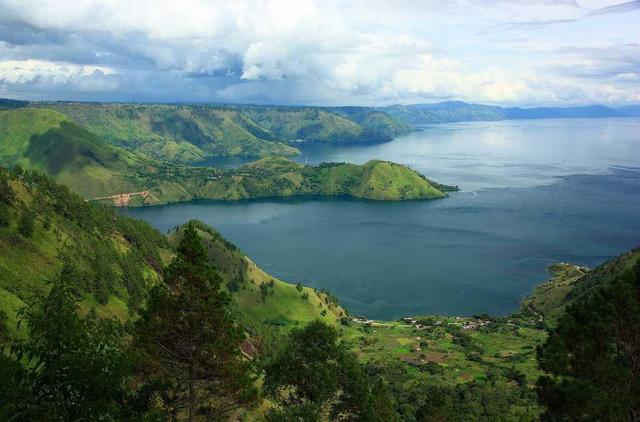
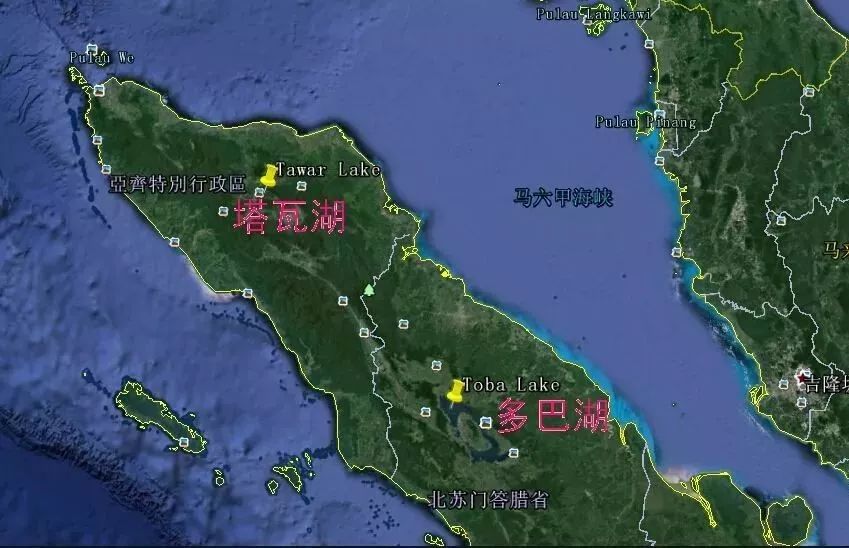
Mandheling coffee is produced on Sumatra in Indonesia and is also known as "Sumatra coffee." The main growing areas include Java, Sulawesi, and Sumatra, with 90% of the coffee being Robusta. Among them, Sumatra's "Mandheling" is the most famous. The finest traditional Arabica coffees produced in northern Sumatra are marketed under the names Lintong and Mandheling. To be precise, Lintong refers to coffee grown in a small area in the southwestern part of Lake Toba, within the Lintong administrative region. The growing areas are scattered across a high, undulating clay plateau covered in ferns. Lintong coffee is grown without shade, without chemicals, and is almost entirely owned by small private farmers. Mandheling is a broader term that includes Lintong coffee and areas with similar conditions in Diari (capital Sidikalang) and the northern part of Lake Toba.
Indonesian coffee quality is very diverse, but the Mandheling we usually mean is Typica or its variant, grown in the mountains around Lake Toba. Coffee connoisseurs around the world have remarked: "Sumatra Mandheling is the coffee with the best texture in the world." Mandheling beans are relatively large and hard, and because they carry numerous defects they demand strict selection during processing.
FrontStreet Coffee's Lintong Mandheling comes from the Lintong mountains in north-central Sumatra, near Lake Toba. Lintong Mandheling is the regular version of Sumatra Mandheling. Dutch colonists moved "Java Mandheling" north to the Lake Toba area in 1888, creating the modern Mandheling legend. Premium Mandheling from the Lintong area has relatively large, hard beans, and FrontStreet Coffee's daily-bean Mandheling comes from the Lintong region.
Lake Tawar lies in the central Special Autonomous Region of Aceh, at the northern tip of Sumatra, and covers less than one-tenth the area of Lake Toba. The Batak people are the main coffee farmers of this region, once praised as growing the world's fullest coffee beans. Mandheling is a trademark used for Arabica coffee from North Sumatra, originating in the Tapanuli region of northwest Sumatra and named after the Mandailing people who produce it.
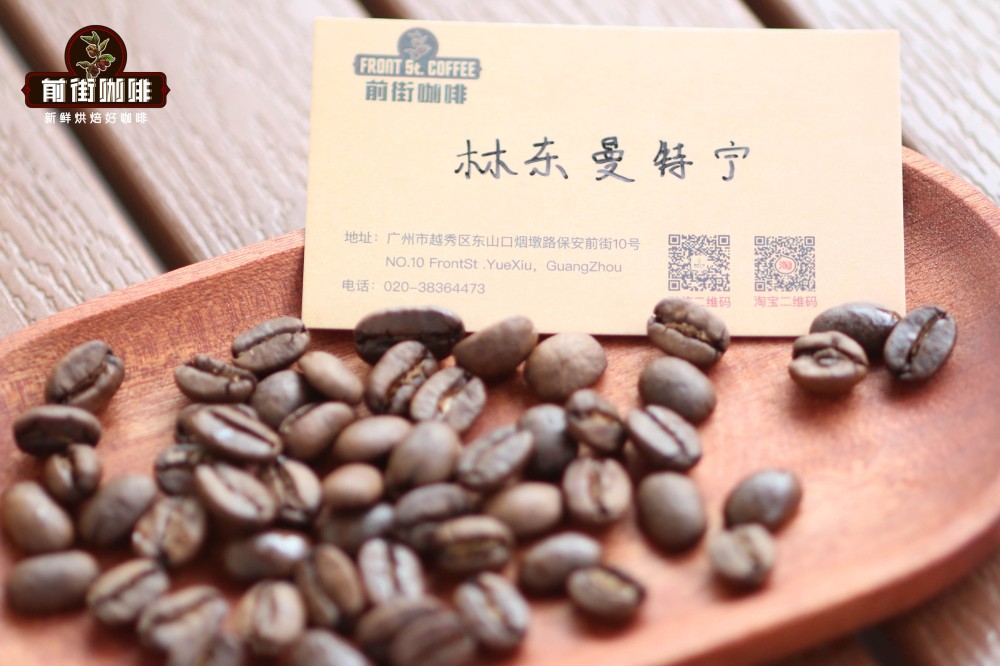
FrontStreet Coffee's Mandheling has a rich flavor with intense body and a vibrant, lively quality that is neither astringent nor acidic, fully expressing its body and bitterness. The appearance of FrontStreet Coffee's Mandheling beans could be called the ugliest of all — yet enthusiasts say that the less attractive Sumatra beans look, the better, richer, and smoother they taste.
FrontStreet Golden Mandheling
If FrontStreet Coffee's Mandheling is a premium among Indonesian coffees, then FrontStreet Coffee's Golden Mandheling is the finest premium among Mandhelings. FrontStreet Coffee's Golden Mandheling is carefully hand-selected to obtain full, plump beans with a lustrous sheen — truly an exceptional beauty among coffees.
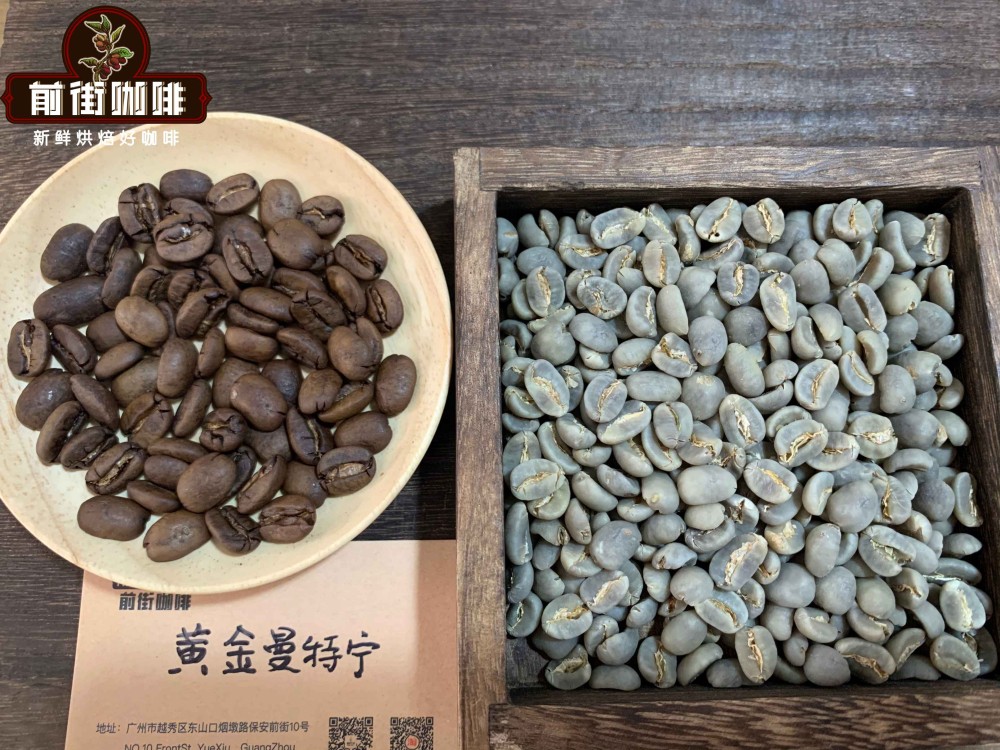
FrontStreet Coffee's Golden Mandheling comes from PWN. It originates from Mandheling and can be understood as selected Mandheling, which is why FrontStreet Coffee chose to stock it. The raw FrontStreet PWN Golden Mandheling beans FrontStreet Coffee acquires are of the highest G1 grade, with raw bean sizes above 18 mesh and fewer than 3 defective beans per 300-gram sample. PWN sets strict requirements for producing Golden Mandheling: after machine screening, the beans undergo 3 rounds of manual hand-selection to ensure complete removal of defects, enhancing the coffee's cleanliness and sweetness. This means only coffee produced by PWN can be called authentic FrontStreet Golden Mandheling.
When FrontStreet Coffee's baristas taste the two coffees side by side, the contrast is very clear — the Golden Mandheling's sweetness and cleanliness, along with its rich, wild spice notes, surpass the G1 grade, which is one reason it costs considerably more than G1.

FrontStreet Mandheling Coffee Bean Varieties
Mandheling coffee is grown mainly on Sumatra, and its variety is typically pure Arabica. Because Arabica resists pests poorly, however, in October 2020 Indonesia's PWN company abandoned the original Typica for Golden Mandheling and adopted Ateng beans instead. Ateng is in fact the Catimor variety most widely planted in Yunnan. It is a hybrid of Arabica and Robusta with several subtypes, widely planted on Sumatra and other Indonesian islands; put simply, it is a branch of Catimor, with Ateng being the local name.
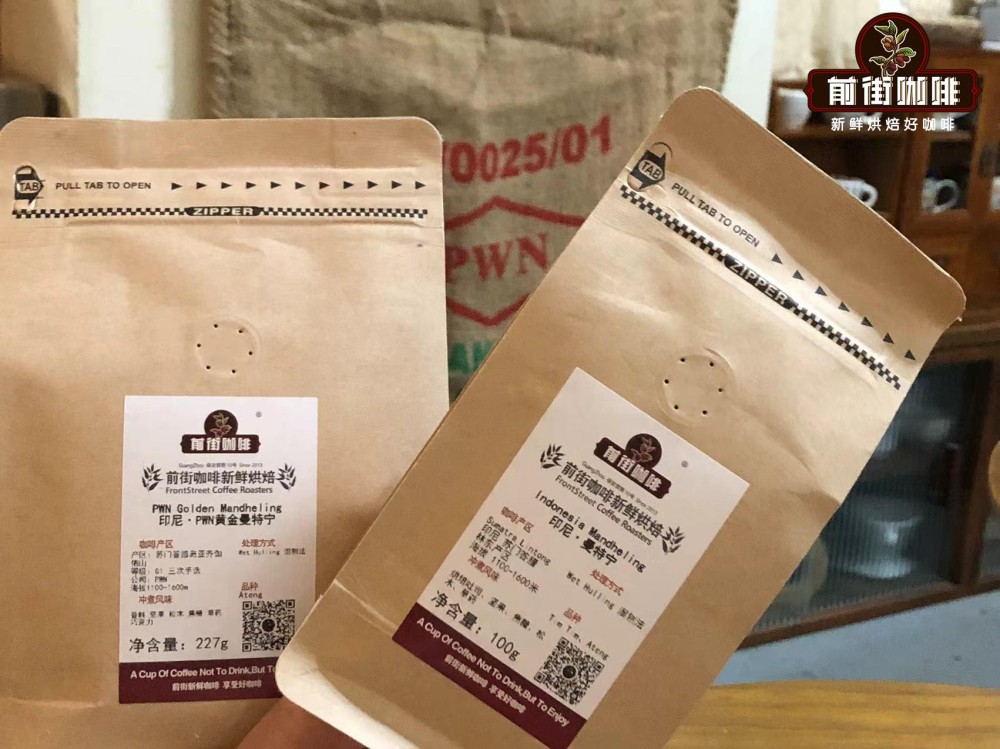
FrontStreet Mandheling Coffee Bean Processing - Wet Hulling
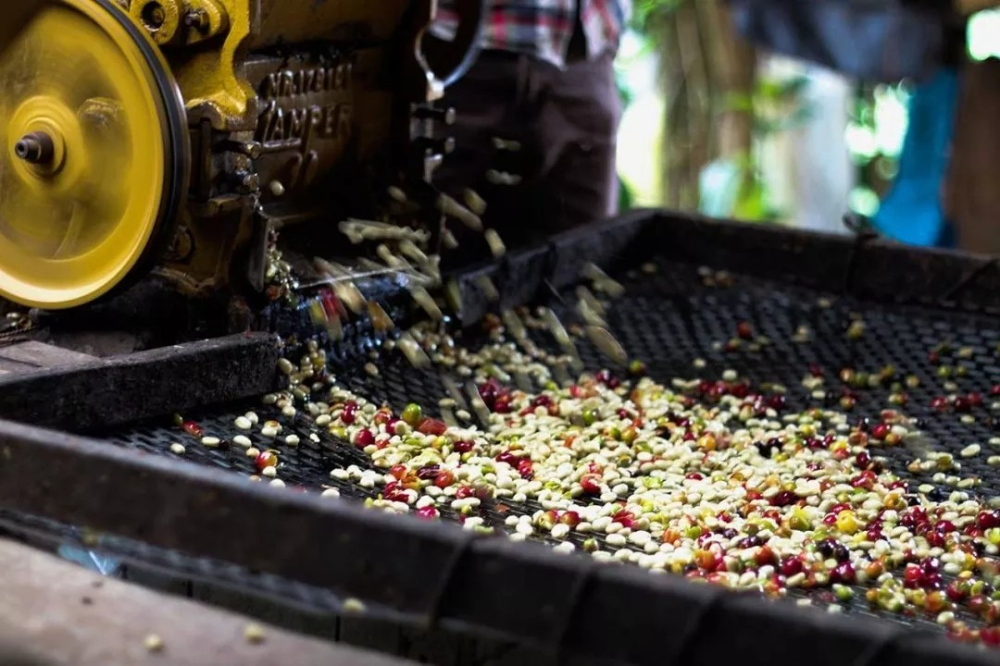
Most processing methods are adapted to local conditions. Because Indonesia's weather is frequently rainy and typhoons are constant, the good weather sun-drying requires is impossible, and the local economy cannot afford the more expensive washed method. For these reasons the unique local wet-hulling method was developed (in regular washed processing, wet hulling means sun-drying with the parchment on for 2-3 days until moisture reaches 20-24%, then hulling the parchment). It is precisely this accidental method that created Mandheling's unique flavor in the world.
Careful observers may notice the "hoof-shaped" characteristic of Mandheling beans. FrontStreet Coffee has also noted this shared appearance. It occurs because the semi-hard, semi-soft moist raw beans are easily bruised when machines strip the mucilage and parchment, cracking and splitting like hooves — commonly called "hoof beans." The hoof shape is a significant characteristic of Mandheling beans, so they are not considered defective.
FrontStreet's Roasted Mandheling Coffee
To highlight the high body of FrontStreet Golden Mandheling while preserving more herbal spice notes, FrontStreet Coffee's roasters use a medium-dark roast. After roasting, the beans swell and take on a loose texture, absorbing water more readily once ground and releasing their compounds faster. To avoid over-extraction, FrontStreet Coffee uses a medium grind and a slightly lower water temperature to reduce the release of bitter macromolecules during extraction.

FrontStreet's Brewing Parameters for Mandheling Coffee
For everyday brewing of medium-dark-roasted Mandheling, FrontStreet Coffee generally uses the KONO dripper. The KONO makes the coffee taste more rounded and full-bodied, with a more direct flavor expression. The KONO has fewer than half the flow ribs of a V60, and its upper section is a smooth curved surface that lets the filter paper sit more closely. That restricts upward airflow, forcing hot water to flow only downward and creating a siphon-like extraction effect that releases the grounds' aromatic compounds more thoroughly, enhancing body — which makes it ideal for medium-dark beans such as FrontStreet Golden Mandheling.
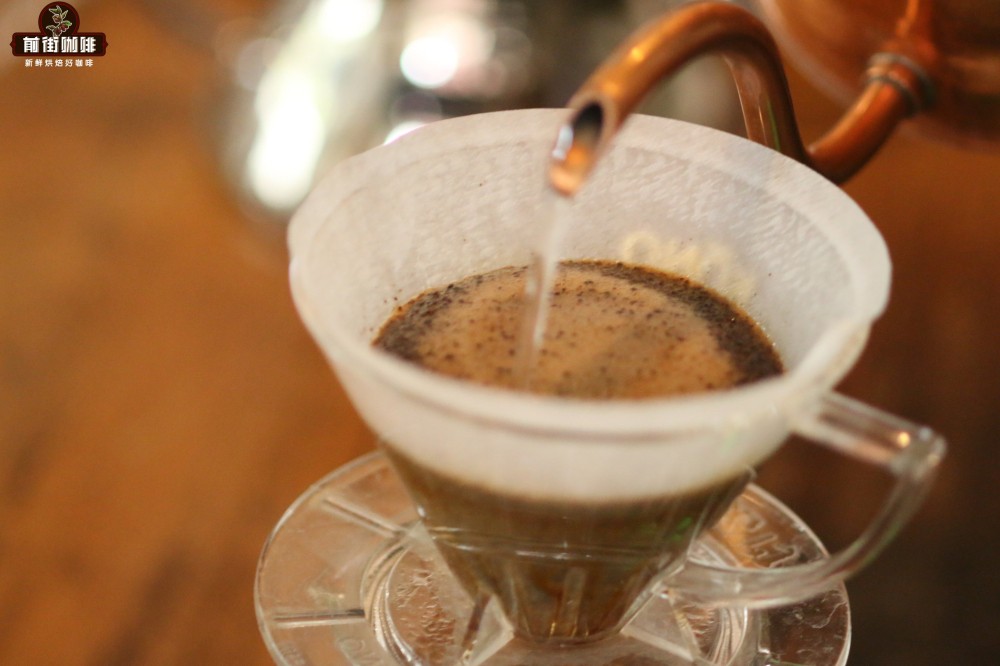
Using a KONO dripper: Water temperature: 88°C, Coffee amount: 15 grams, Water-to-coffee ratio: 1:15, Grind size: Medium-fine (75% pass-through rate on China standard #20 sieve)
Use a three-stage extraction, blooming with twice the coffee's weight in water — 30g of water for 30 seconds. The bloom lets the grounds release internal carbon dioxide, making the later extraction more stable. Pour in circles with a small stream to 125g, then keep pouring to 225g and stop. Wait until the dripper finishes dripping, then remove it. Start timing from the beginning of the pour; extraction time is 2'00". Next, lift the whole server and shake it well, then pour into cups for tasting.
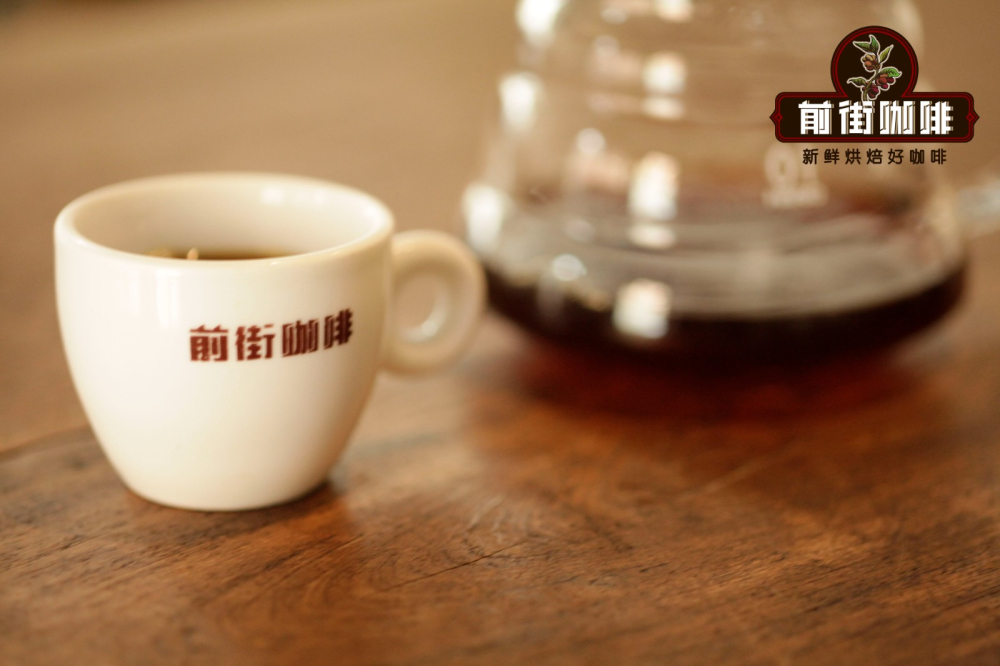
FrontStreet Golden Mandheling flavor characteristics: multi-layered, rich and clean, high balance, intense nutty and caramel aromas with chocolate notes, and a persistent aftertaste.
FrontStreet Lintong Mandheling flavor characteristics: herbal and medicinal notes on entry, dark chocolate, caramel, with a sweet aftertaste.
FrontStreet Coffee Brewing Suggestions
On brewing, FrontStreet Coffee has always held that freshness greatly affects flavor, so all beans are shipped within 5 days of roasting. Its roasting philosophy is "freshly roasted good coffee," ensuring every order arrives at its freshest. The degassing period is about 4-7 days, so by the time customers receive their coffee it is at peak flavor.
For those who need ground coffee, FrontStreet Coffee kindly reminds you: if beans are ground in advance there is no need for degassing, because during transport the pressure of carbon dioxide building up in the packaging also helps round out the flavor, so you can brew a cup the moment the ground coffee arrives. Ground coffee must be brewed promptly, however, as it oxidizes quickly on contact with air, its flavor fading relatively fast and the cup tasting less good. FrontStreet Coffee therefore suggests buying whole beans and grinding fresh for each brew to appreciate the coffee's flavor fully.
FrontStreet Coffee Recommendation
For a first serious Mandheling, FrontStreet Coffee recommends the highest grade available: the PWN Gold Mandheling. Sumatra is Indonesia's largest source of both Arabica and Robusta, yielding more than 60% of national production, and PWN's Gold Mandheling sets a notably strict standard — beans of 18 mesh and above, fewer than 3 defective beans per 300-gram sample to meet the top G1 grade, and then three rounds of hand-sorting to eliminate every remaining defect, which lifts both the cup's cleanliness and the intensity of its sweetness. Because the coffee is mainly supplied to the Japanese and American markets, only a limited amount of genuine Gold Mandheling reaches the domestic market each year, so it is well worth watching for. Roasted medium-dark, it has a clean cup and a full, thick body — a fine choice for anyone who dislikes acidic coffee.
For the classic wet-hulled character, the FrontStreet Lintong Mandheling is the everyday pick. Lintong lies in the traditional Mandheling zone around Lake Toba in North Sumatra, where varied plant life, a suitable altitude, the special wet-hulling process, and local microbial fermentation together create the mysterious, distinctive Mandheling profile: intense aroma, generous body, and powerful flavor. Its wet-hulled cup brings clove and woody aromatics with a medium-dark, low-acid, spice-and-mint character and a strong, lasting, full-bodied sweetness. The method itself is a response to Sumatra's climate — Indonesia's humidity sits between 70% and 90%, typhoons are frequent, and annual rainfall can exceed 2000mm, so the long two- to three-week sun-drying used in Africa is simply not possible, and full washing costs too much water and labor for most smallholders; in wet hulling, the parchment is removed while the beans are still semi-dry, exposing them to the air to speed drying while they take on the wild flavors of airborne microbes.
To brew Gold Mandheling at its best, use a pour-over at 87-88°C with 15g of coffee, a 1:15 ratio, and a coarse-sugar grind, working in three pours to bring out its body and caramel sweetness: bloom with 30ml of water to wet all the grounds and let them degas, then a second pour of 100ml to draw out the golden foam and lift the bed, and finally a gentle 95ml pour down the center to raise the sweetness. The result shows off its thick body, caramel sweetness, and chocolate and nutty notes at their fullest.
Important Notice :
FrontStreet Coffee is a long-established specialty coffee roaster in Guangzhou China, selling freshly roasted beans from its own farm in Yunnan as well as dozens of carefully selected single-origin beans from around the world for both pour-over and espresso. The products deliver consistently excellent quality and great value, with shipping within 24 hours. Guangzhou's FrontStreet Coffee shop is recommended by many coffee lovers, and the beans are now available online at the Tmall 。
FrontStreet Coffee has moved to a new address:
FrontStreet Coffee Address: 315,Donghua East Road,GuangZhou
Tel:020 38364473
 Scan and follow the En Gafei WeChat official account. Please indicate that the reprint comes from "En Gafei".