Introduction to Coffee Tree Varieties: Flavor Profile and Characteristics of Catuai Coffee - Catuai Coffee History
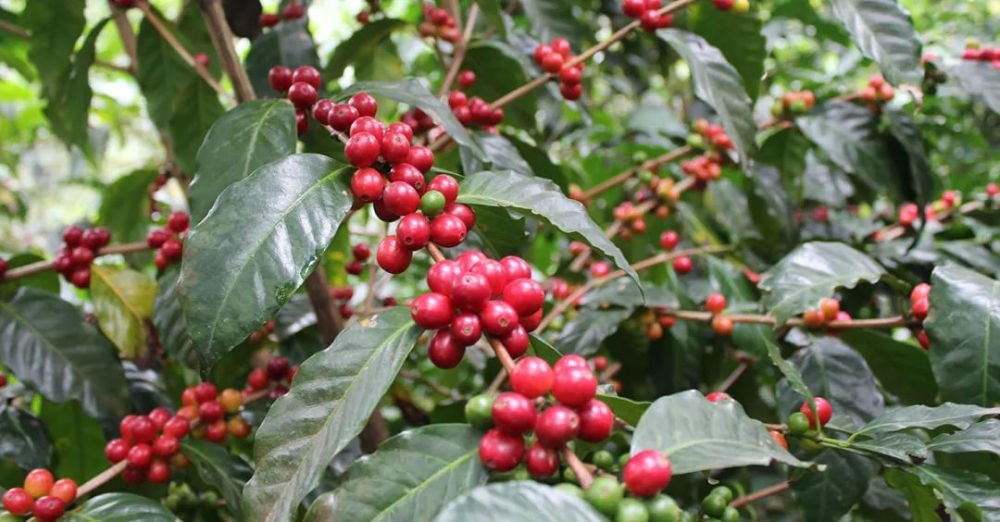
As a dwarf coffee variety that represents standard quality in Central America, Caturra possesses good yield potential and is highly susceptible to coffee leaf rust. As a result it has been widely cultivated across Central and South America and serves as a main contributor to coffee production in many regions. This article follows FrontStreet Coffee in exploring Caturra coffee beans.
Introduction to Caturra Coffee Variety History
Caturra is a natural mutation of the Bourbon variety. It was discovered sometime between 1915 and 1918 on a plantation in Minas Gerais, Brazil.
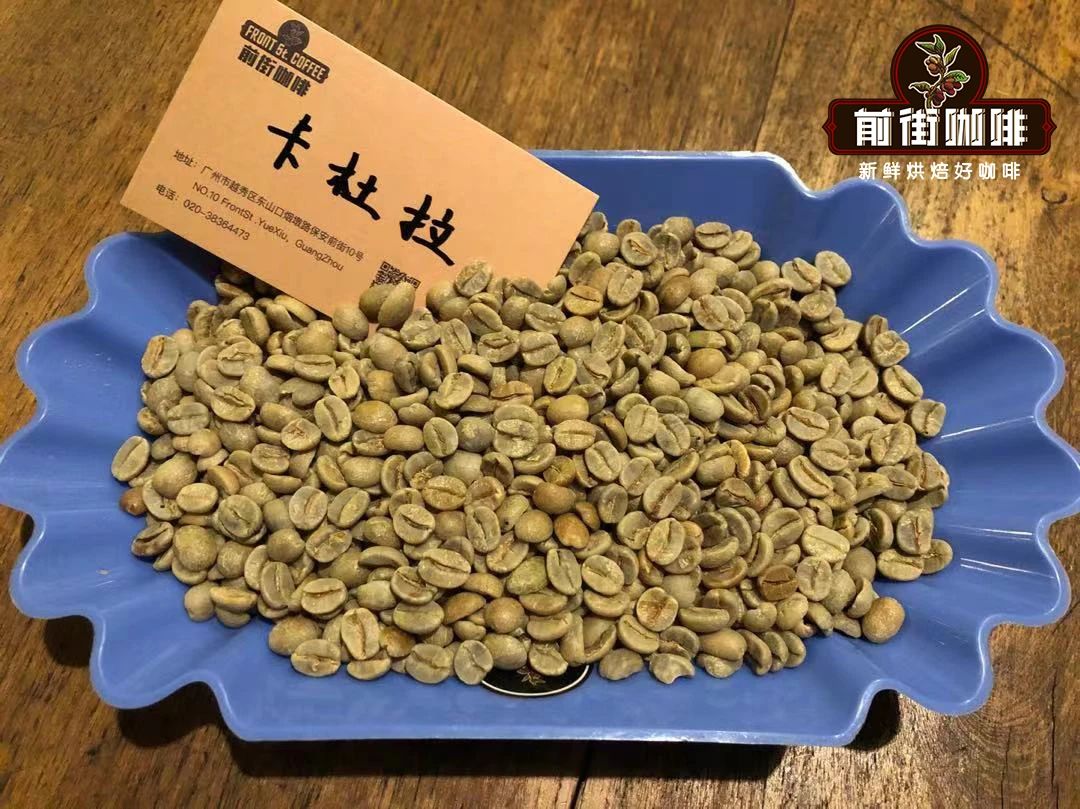
Caturra carries a single gene mutation that causes the plant to become smaller, a trait known as dwarfing. Its name comes from the Guarani language and means "small"; it is also known as "Nanico." After Caturra's discovery, the Instituto Agronomico de Campinas (IAC) in Sao Paulo, Brazil, began selection work in 1937. Breeders were drawn to Caturra's small size, which allowed plants to be placed closer together, and to its closely spaced secondary branches, which let it produce more fruit within the same space.
The selection process for Caturra is called mass selection: choosing a group of individuals based on their superior performance, gathering the seeds from these plants to form a new generation, then repeating the process. This variety was never officially released in Brazil but became common in Central America.
It was introduced to Guatemala in the 1940s but did not gain widespread commercial adoption over the next 30 years. From Guatemala it was introduced to Costa Rica, Honduras and Panama. Today it is one of the most economically important coffees in Central America, often used as a "benchmark" for testing new varieties. In Colombia, Caturra was considered to represent nearly half of the country's production until a government-funded program launched in 2008 encouraged the renovation of over 3 billion coffee trees with the rust-resistant Castillo variety, which has Caturra lineage.
In the second half of the 20th century, Caturra contributed to the intensification of coffee cultivation to some extent through high-density planting, often in full sunlight.
Caturra is also known for being one of the parents of the so-called "Catimor" cultivar family. Various lines of the rust-resistant Timor Hybrid were crossed with Caturra to produce a dwarf plant with rust resistance. Examples of Catimor varieties include Costa Rica 95, Catisic, Lempira and IHCAFE 90.
Flavor and Taste Characteristics of Caturra Coffee Beans
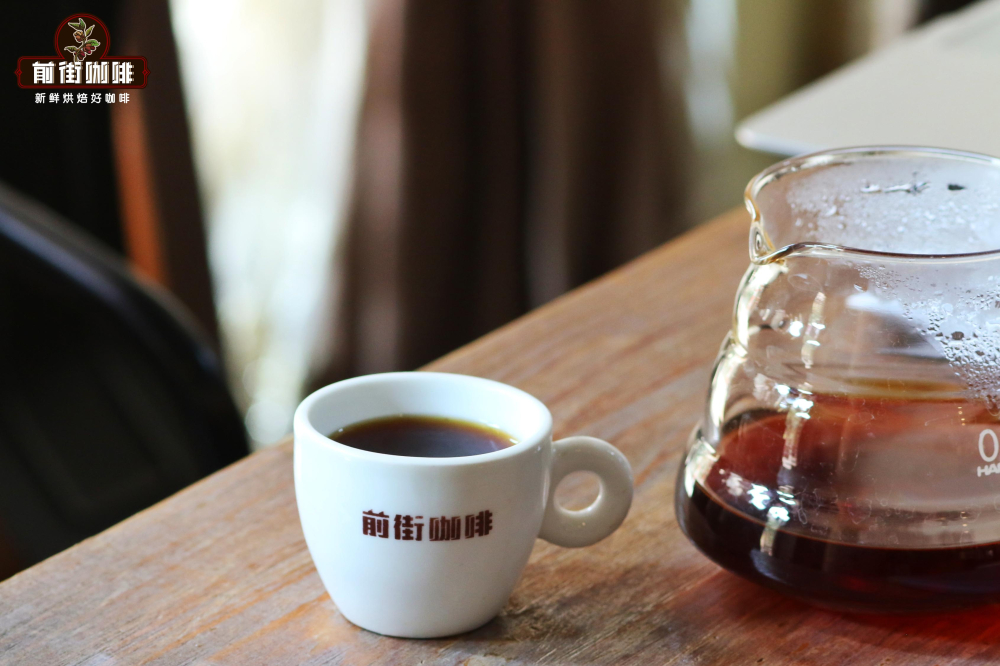
As determined by FrontStreet Coffee's cupping, Caturra beans processed using traditional methods exhibit distinct acidic aromas and overall brightness, and with proper processing can display excellent sweetness. The coffee's body, however, is relatively low compared with Bourbon, and the cleanliness of the mouthfeel is somewhat lacking.
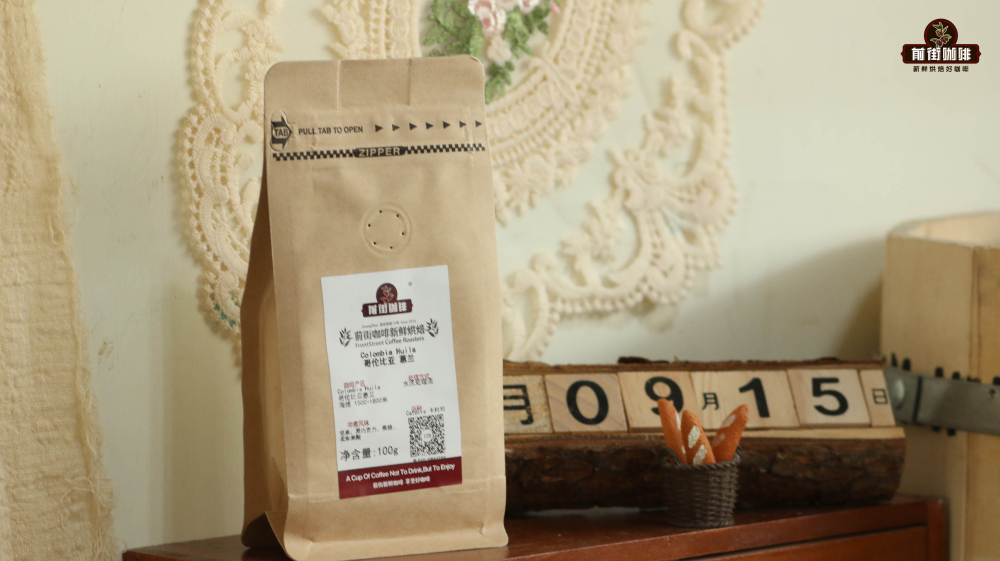
Among the regional staple coffees currently sold by FrontStreet Coffee, the beans representing the Huila region of Colombia are precisely the Caturra variety. Selected from coffee grown at altitudes of 1500-1800m and processed using traditional washed methods, after medium roasting the coffee can show flavors of nuts, dark chocolate, caramel and soft citrus acidity.
FrontStreet Coffee Recommendation
Caturra was born in Brazil as a natural mutation of Bourbon, and Brazil remains the best place to taste the Bourbon family's softer, sweeter side. For a classic introduction to the region, FrontStreet's Brazil Cerrado Red Bourbon is grown in the well-known Cerrado region from the common South American Red Bourbon variety. Medium-roasted, it shows rich aromas of creamy peanut, toasted bread, caramel and hazelnut, with a rounded body, low acidity and a light bitter note - suited to pour-over as well as moka pot, espresso SOE, siphon and French press.
For a more distinctive cup, FrontStreet's Brazil Queen Estate comes from Mogiana, close to South Minas, where fertile red volcanic soil lets the cherries absorb abundant nutrients and develop fuller aromas. Its variety is the rare Yellow Bourbon, a natural mutation of Red Bourbon with cleaner fruit character, and it reveals a sugarcane sweetness found in few other regions alongside fruit and chocolate notes. The estate's balance of traditional and modern farming has markedly improved local quality, and the coffee performs well in pour-over, moka pot and home espresso machine alike.
Important Notice :
FrontStreet Coffee is a long-established specialty coffee roaster in Guangzhou China, selling freshly roasted beans from its own farm in Yunnan as well as dozens of carefully selected single-origin beans from around the world for both pour-over and espresso. The products deliver consistently excellent quality and great value, with shipping within 24 hours. Guangzhou's FrontStreet Coffee shop is recommended by many coffee lovers, and the beans are now available online at the Tmall 。
FrontStreet Coffee has moved to a new address:
FrontStreet Coffee Address: 315,Donghua East Road,GuangZhou
Tel:020 38364473
 Scan and follow the En Gafei WeChat official account. Please indicate that the reprint comes from "En Gafei".