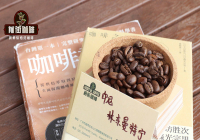
Introduction to Brazil Coffee Bean Harvest Seasons and Flavor Profile of Red Bourbon Coffee Beans
FrontStreet Coffee - Introduction to Brazil Coffee Bean Production Regions and Harvest Times
Country Overview
Location: central South America, southwestern Brazil
Capital: Brasilia
Language: Portuguese
Climate: tropical and temperate
Religion: Roman Catholic 73.6%, Protestant 15.4%
Exchange Rate: 1 BRL = 3.11 yuan
Population: approximately 191.91 million (2008)
Coffee Production Details
Production Regions: Bahia, Parana, Sao Paulo, Minas Gerais (Cerrado), Rio de Janeiro, Espiritu Santo, Goias
Production Varieties: Typica, Bourbon, Mundo Nuevo, Catuai, Cattura, Catimor, Maragogype, others
Harvest Period: May-August
Planting Altitude: 800-1200 meters
Grade: No.2, No.3
Processing Method: Dry-Process, Wet-Process
Brazil Santos No.2
Because most traditional Brazilian coffee is processed through natural drying (coffee seeds are dried before pulp removal), the sugar liquid from the pulp remains in the raw beans, giving them a sweet flavor. Brazilian coffee processed this way is the most common raw bean found in specialty coffee shops. Coffee produced on Bourbon variety Arabica trees is also very common in Brazil. Among coffees produced this way, the highest quality is generally called "Santos No.2" and circulates in the market.
Additionally, only coffee produced exclusively on Bourbon variety trees is called "Bourbon Santos No.2." Santos comes from the name of the port that transports Brazilian coffee. "No.2" signifies the highest grade in coffee quality levels. In wholesale distribution, the "No.2" is typically dropped, and the coffee is simply called "Brazil Santos" or "Brazil Bourbon Santos."
Flavor Characteristics:
Aroma | Flavor | Acidity | Sweetness | Body | Aftertaste
Roasting Point: Light | Cinnamon | Medium | High | City | Full City | French | Italian
Variety: Criolla
Processing Method: Natural, Semi-Washed
Species: Arabica
Profile: Sweet aroma, fruit notes, clean cup and pleasant aftertaste
FrontStreet Coffee - Brazil Yellow Bourbon
Generally, coffee cherries turn red when ripe. Yellow Bourbon, however, turns yellow, and the term "yellow" comes from this characteristic. Compared with other coffee trees, Yellow Bourbon trees have relatively low yields and are also difficult to cultivate. When Yellow Bourbon coffee beans are fully ripe they display a bright yellow color. After processing and roasting, the beans are both dry and sweet, emitting a special nutty aroma.
The cultivation region sits at an altitude of about 1,100 meters, with annual rainfall reaching 1800-2000 millimeters. This environment represents ideal coffee growing conditions within Brazil. Yellow Bourbon is processed using the pulped natural method. Although this method removes the pulp immediately after harvesting, it retains the mucilage surrounding the raw bean's inner parchment during drying. The coffee therefore keeps clean aftertastes, a mild texture, and sweet acidity.
Flavor Characteristics:
Aroma | Flavor | Acidity | Sweetness | Body | Aftertaste
Roasting Point: Light | Cinnamon | Medium | High | City | Full City | French | Italian
Variety: Criolla
Processing Method: Natural, Semi-Washed
Species: Arabica
Profile: Sweet aroma, fruit notes, clean cup and pleasant aftertaste
Characteristics: SOFT, MILD, NUTTY
FrontStreet Coffee Recommendation
If you want to taste the Brazilian profile described above, start with FrontStreet Coffee's Brazil Cerrado half-sun-dried Red Bourbon, a classic single-origin whose medium roast brings out cream, peanut, toast, caramel, and hazelnut aromas with a rounded, low-acid body and a light bitterness. It works not only as a pour-over but also in a moka pot, as an espresso SOE, in a siphon, and in a French press. For a rarer variety, FrontStreet Coffee's Queen's Estate Yellow Bourbon comes from Mogiana near South Minas, where fertile red volcanic soil yields a cup with sugarcane sweetness alongside fruit and chocolate notes. Brazil is also the backbone of many of FrontStreet Coffee's espresso blends, including the Classic, Specialty, Black Cocoa, and Commercial blends, where it supplies chocolate and cream aromas and a soft, balanced acidity that keeps extraction stable.
Important Notice :
FrontStreet Coffee is a long-established specialty coffee roaster in Guangzhou China, selling freshly roasted beans from its own farm in Yunnan as well as dozens of carefully selected single-origin beans from around the world for both pour-over and espresso. The products deliver consistently excellent quality and great value, with shipping within 24 hours. Guangzhou's FrontStreet Coffee shop is recommended by many coffee lovers, and the beans are now available online at the Tmall 。
FrontStreet Coffee has moved to a new address:
FrontStreet Coffee Address: 315,Donghua East Road,GuangZhou
Tel:020 38364473
 Scan and follow the En Gafei WeChat official account. Please indicate that the reprint comes from "En Gafei".