Introduction to Mandheling Premium Coffee Beans: Expressing the Unique Flavor and Rich Body of Mandheling Coffee

Many people, influenced by pour-over trends, assume that medium-dark roasted Mandheling is unsuitable for pour-over and that only a medium-light roast will do. This is a misconception. Although pour-over coffee was not born in Japan, it developed there into a relatively complete system, and the time and place where it became popular coincided with the Japanese deep-roast style. The large "hamburger" dome that forms during blooming is something a medium-dark roasted Mandheling demonstrates perfectly.
Origin and History
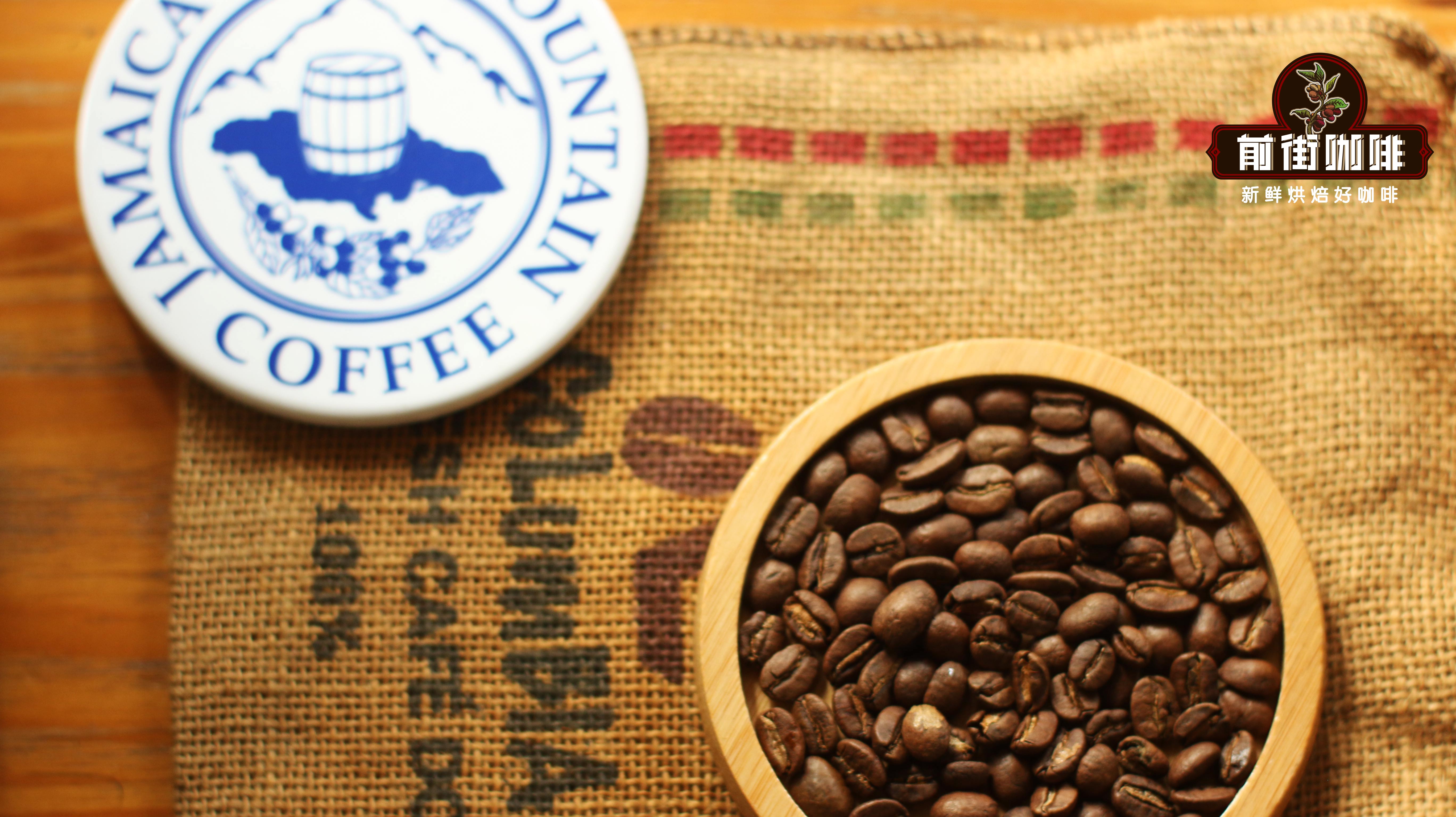
Mandheling coffee is produced in Sumatra, Indonesia, and is also known as Sumatra coffee. It is a premium bean grown on plateau mountains at altitudes of 750-1500 meters, and it belongs to the rare Arabica varieties found in Indonesia, with the first-grade Mandheling from Takengon and Sidikalang considered the best. Its flavor is very rich, fragrant, bitter and mellow with a slight sweetness. Most coffee enthusiasts drink it as a single origin, but it is also an indispensable variety in blends.
In the 17th century the Dutch first introduced Arabica seedlings to Ceylon, today's Sri Lanka, and to Indonesia. In 1877 a large-scale disaster struck the Indonesian islands: coffee leaf rust destroyed almost all the coffee trees, forcing people to abandon the Arabica they had cultivated for years and to introduce the disease-resistant Robusta from Africa. Today Indonesia is a major coffee-producing country, with coffee grown mainly in Java, Sumatra and Sulawesi, and Robusta accounting for 90% of total production. Sumatra Mandheling remains the rare Arabica exception.
The name Mandheling is unusual. It is not a production area, a place name, a port name or even a coffee variety; it is simply a phonetic error involving the Indonesian Mandheling ethnic group.
How did an ethnic group become linked to coffee? It is a story of a fortunate mistake. Historical records show that during World War II, when Japan occupied Indonesia, a Japanese soldier drank an incredibly delicious coffee in a local shop and immediately asked the owner for its name. Because of the language barrier, the owner thought he was being asked where he came from and replied, "Mandheling tribe." After the war ended, the soldier remembered the "Mandheling" he had drunk and asked an Indonesian broker to ship fifteen tons of Mandheling coffee beans to Japan. It proved very popular on the Japanese market, and the name Mandheling has been passed down ever since.
Varieties
Sumatra Typica
This is the variety cultivated longest in Indonesia. As early as the late 17th century the Dutch introduced it from India to Java, and after Java's success it was widely planted and carried to the larger northern island of Sumatra. The Typica planted in Indonesia at that time had excellent flavor expression, and after long adaptation to the local environment it developed Indonesian characteristics of low acidity, high sweetness and herbal aromas.
When leaf rust swept through Indonesia in 1877, most Typica across the country sickened and withered, and the government could only introduce disease-resistant varieties as replacements. Today Sumatra Typica is mainly distributed around Lake Toba and the Lindong area. The Lindong Mandheling regional beans stocked by FrontStreet Coffee contain this excellent Typica variety.
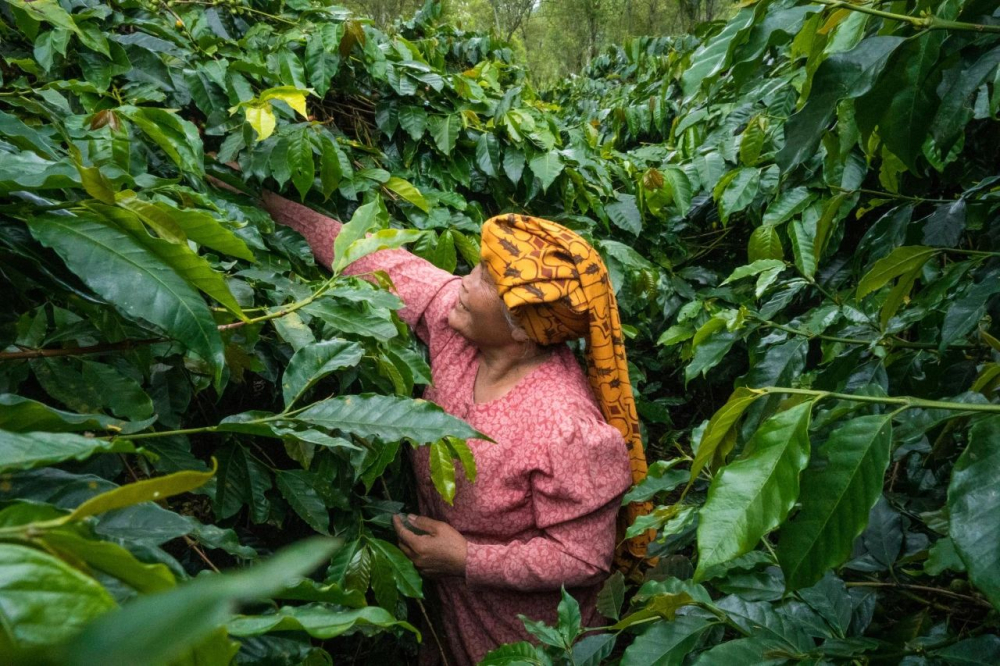
You will generally not hear the term Sumatra Typica in Indonesia. Locals use names such as Bergendal, Sidikalang and Rambung to represent it, and it is also the finest variety among Indonesian Mandheling.
Catimor
In 1959 the Portuguese moved the Bourbon mutation Caturra from Brazil to East Timor and crossed it with Timor, which carries Robusta blood. The result has extremely high disease resistance and is three times as productive as Typica. During the leaf rust crisis the Indonesian government not only introduced Robusta, whose flavor differs greatly from Arabica, but also brought in Timor from East Timor with the intention of replacing Typica. Later expert investigations found that a batch of Timor seeds introduced by the Indonesian government in 1980 was mixed with some Catimor seeds. These were planted in Aceh, in northern Sumatra. Catimor was first noticed in the central Aceh region, so locals also call it "Ateng," taken from Aceh Tengah, or Central Aceh.

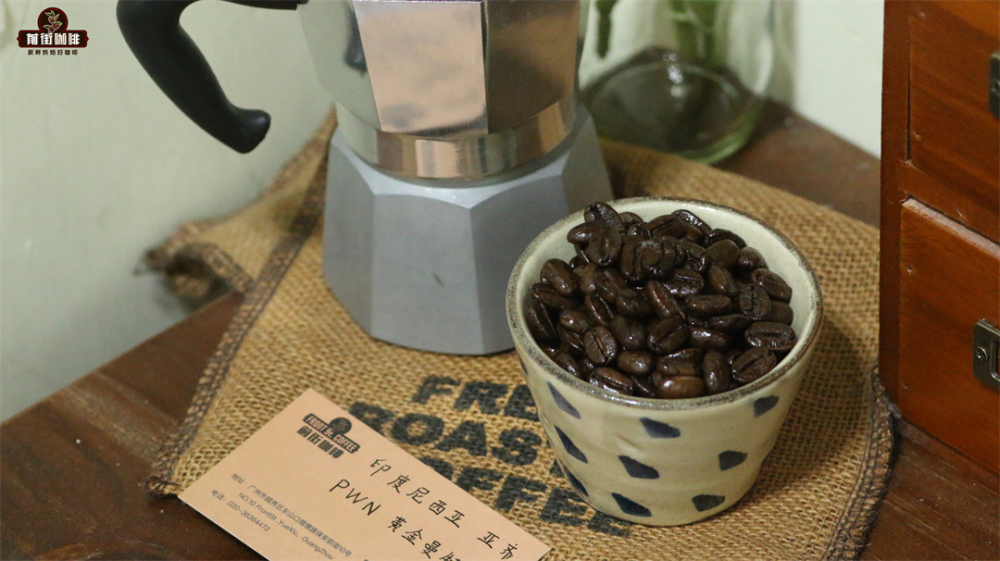
Because Ateng's disease resistance and productivity surpass Typica's, and after years of local adaptation its wild character has been tamed, it has become popular with coffee farmers and spread from Aceh to Lake Toba. The Ateng from Aceh also caught the attention of PWN, or Pawani, Indonesia's largest green coffee bean supplier. The latest 2020 harvest Golden Mandheling stocked by FrontStreet Coffee comes from Ateng in the Gayo Mountain area of Aceh.
Processing Method
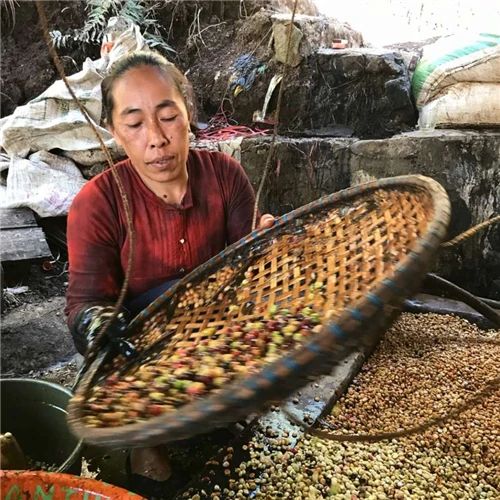
Mandheling mostly uses Sumatra's unique wet-hulled processing method. Because water is scarce, Mandheling was initially processed mainly as a natural, with the disadvantage of inconsistent quality. Brazilian semi-natural processing was tried later, but the local weather is often rainy with frequent typhoons and year-round humidity, making the good weather required for natural processing impossible to achieve.
The local economy was also limited, making the more expensive washed method unaffordable. In the end the unique local wet-hulled method was developed. Its defining feature is staged, rapid drying and hulling of the parchment while it is still moist. The teacher Han Huaizong described it as a rare processing method that accidentally created Mandheling's special low acidity, thick body and mellow aroma. Indonesian coffee has since moved beyond its originally poor situation, and many estates and companies now have the means to use washed processing. FrontStreet Coffee nevertheless believes the wet-hulled method is one of the factors that made Mandheling coffee known to the world.

When it comes to Mandheling coffee, FrontStreet Coffee loves its rich aroma, full body and strong flavor, while the unique herbal spice note is another hallmark. FrontStreet Coffee's two Mandheling coffees are highly representative: Lindong Mandheling and Golden Mandheling.
Lindong Mandheling
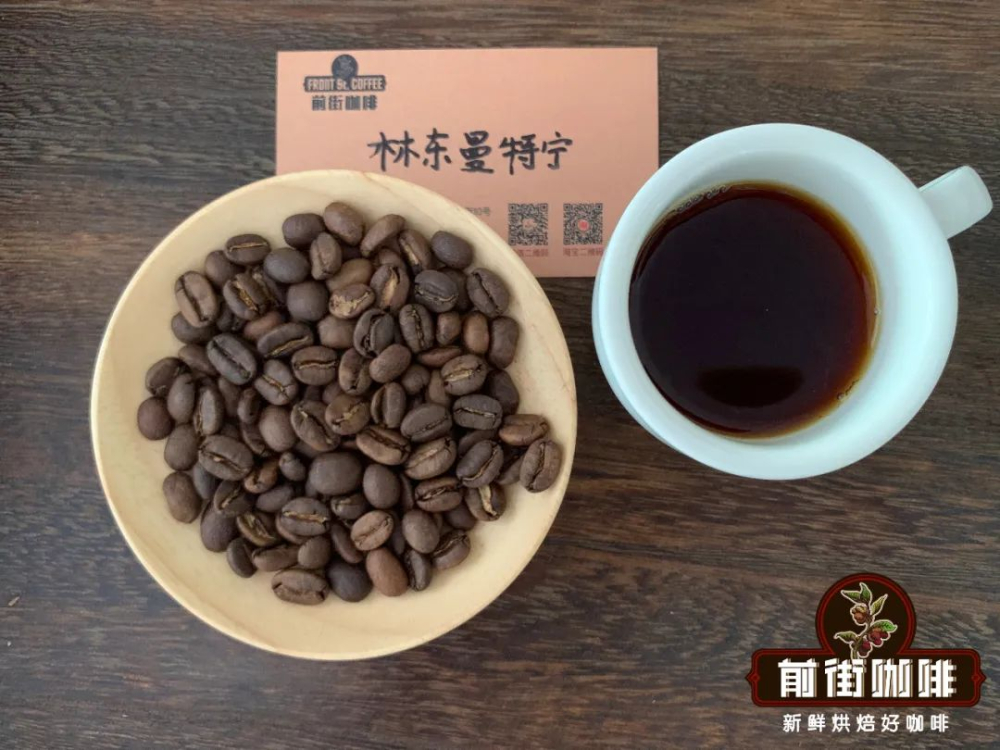
Lindong Mandheling is produced in the Lindong mountainous area of north-central Sumatra, near Lake Toba. FrontStreet Coffee's entry-level daily drinking bean from Indonesia's Mandheling region comes from here. Lindong Mandheling also uses the unique wet-hulled method, which creates its characteristic low acidity and high body.
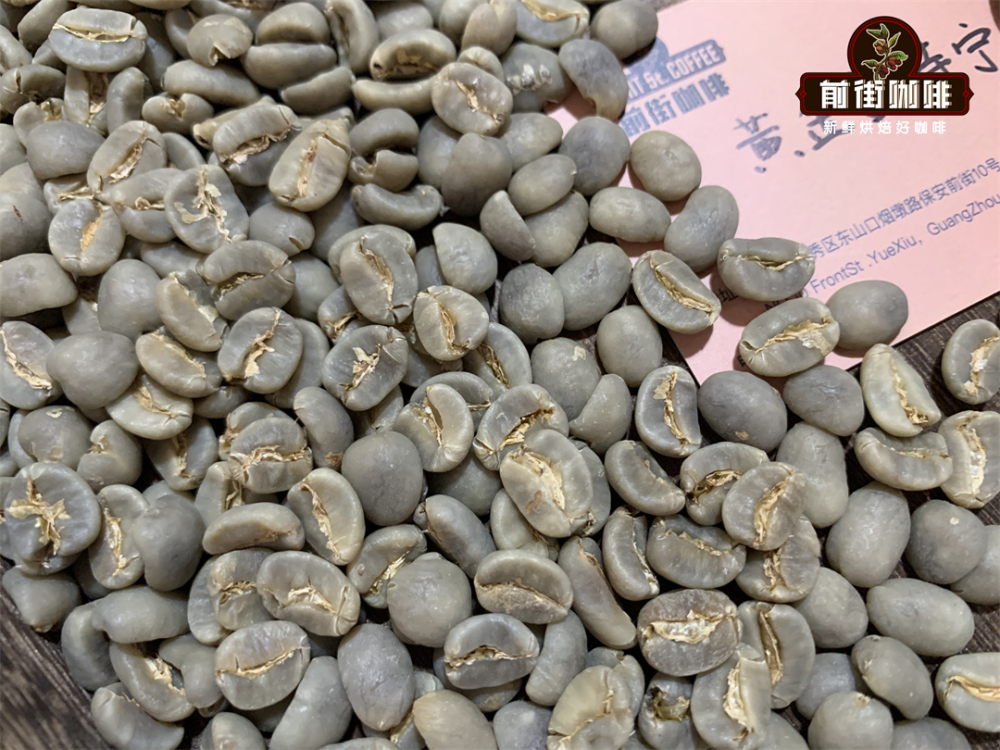
It is worth noting that in the wet-hulled method, because the semi-hard, semi-soft moist green beans are easily bruised when the mucilage parchment layer is removed, the beans crack open like sheep's hooves and are commonly known as "sheep hoof beans." FrontStreet Coffee considers this a distinctive Mandheling characteristic rather than a defect.

Golden Mandheling
Golden Mandheling beans are produced around Lake Tawa on Mount Gayo in northwestern Sumatra. The specification standard is 18 screen or larger, with fewer than 3 defect beans in a 300g green bean sample, placing it in the highest G1 grade, with a dark green color and a uniform flat bean shape. After strict screening, FrontStreet Coffee found that Golden Mandheling not only lacks the typical earthy impurity of regular Mandheling but also tastes cleaner and more transparent.
Why did the concept of Golden Mandheling emerge? As noted above, the wet-hulled method produces sheep hoof beans during processing. To reduce the number of defects, Japanese buyers began working with local green bean suppliers to establish strict screening systems. After processing, the green beans undergo density and color sorting followed by four rounds of manual bean selection, finally producing Mandheling with uniform color and consistent bean shape. It is said that during processing the green beans emit a golden luster in sunlight, hence the name Golden Mandheling.
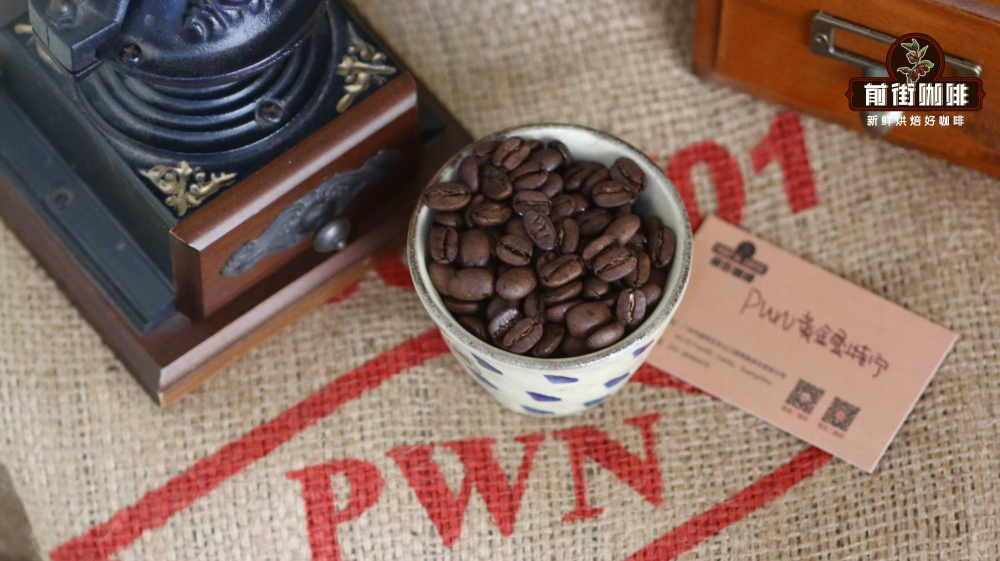
It was not a Japanese company, however, that registered Golden Mandheling as a trademark, but the local Indonesian company that partnered with Japanese firms to export Mandheling green beans: PWN, or Pawani Coffee Company. Japanese companies could only register "Gold Top Mandheling." FrontStreet Coffee finds little difference in flavor expression between the two, but because Golden Mandheling was registered as a trademark by PWN, the name has become PWN's exclusive property. Some time ago FrontStreet Coffee also purchased the new-harvest PWN Golden Mandheling, produced in the Gayo Mountain area of North Sumatra's Aceh region from the Ateng variety, a hybrid between Arabica and Robusta that is widely planted in Sumatra and other Indonesian islands.
FrontStreet Coffee's Mandheling Brewing
When brewing dark roast beans such as Mandheling, FrontStreet Coffee suggests a Kono dripper, which enhances the coffee's rich body. If one is unavailable, a V60 dripper can be used instead.
For grind size, Mandheling should be ground slightly coarser than light roast beans. Because it is dark roasted, its structure is more porous and absorbs water more readily, releasing flavor compounds quickly. Ground to the fineness used for light roast beans, it is easy to brew out burnt, bitter flavors, while grinding even coarser leaves the coffee thin and tasteless with a watery body. The right level is a 70% pass-through rate on a No. 20 sieve.
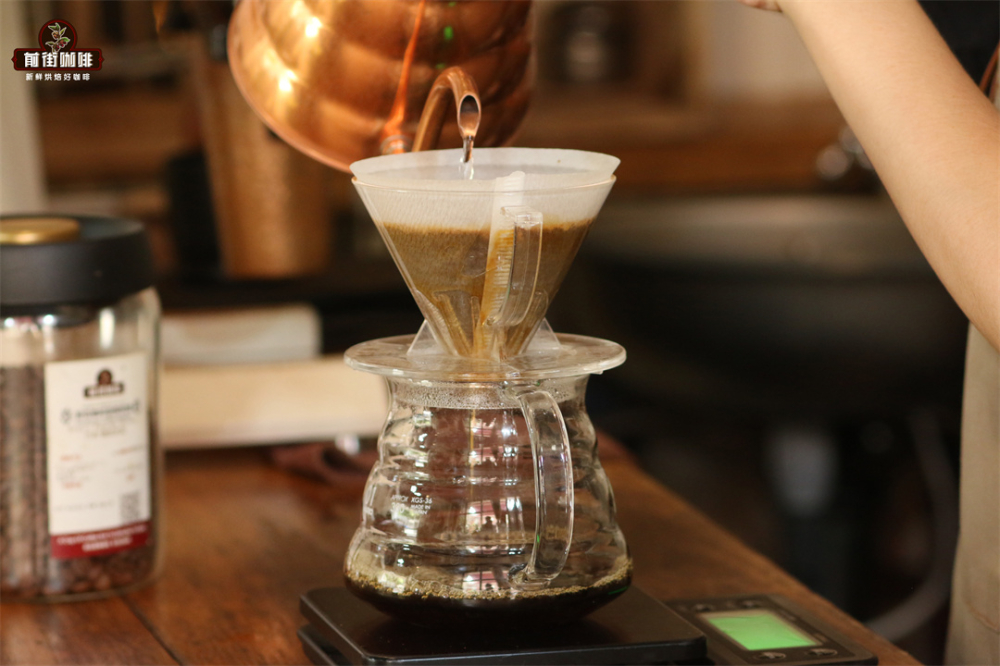
For water temperature, FrontStreet Coffee suggests 87-88°C. Many cases of burnt bitterness come from water that is too hot, though water that is too cool will also leave the coffee flat and tasteless.
For the coffee-to-water ratio, FrontStreet Coffee recommends 1:15. Although some methods suggest 1:13 or a smaller ratio for a richer taste, that approach partly exists to avoid bitter, impure flavors at the tail of the brew, which in turn affects the aftertaste. FrontStreet Coffee believes that once you understand the relationship between water temperature and grind size, a 1:15 ratio expresses the overall flavor of Golden Mandheling best.
The brewing method is the common three-stage pour. Dividing the pour into three stages better expresses Mandheling's rich body and caramel sweetness. The specific water distribution is: bloom in the first stage with 30ml of water, fully wetting the grounds to degas so flavor compounds extract better in later stages; pour 100ml in the second stage, mainly to bring out all of Mandheling's golden foam.
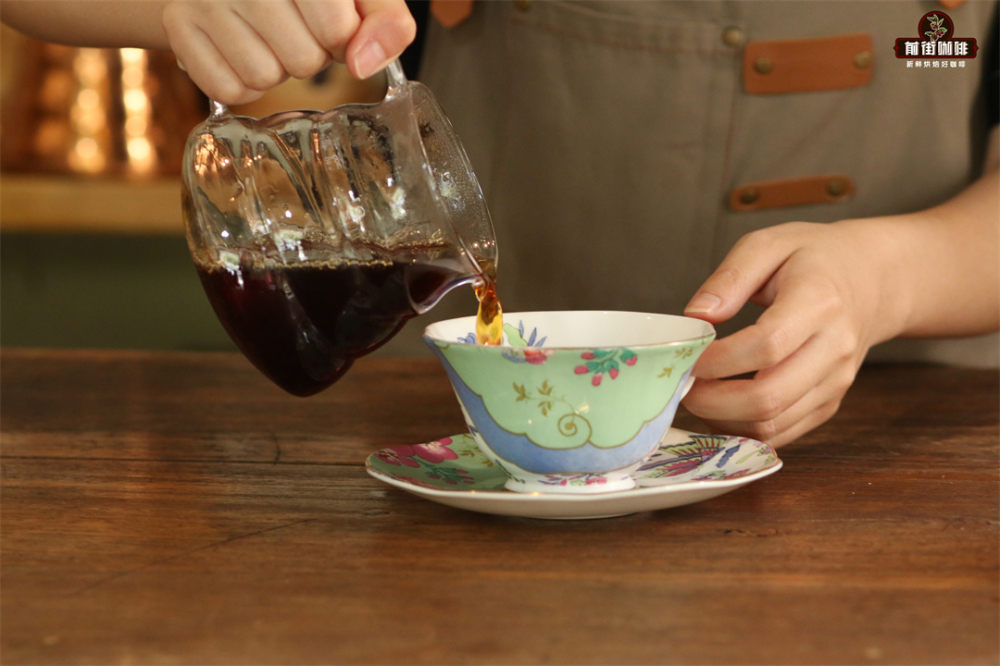
The final stage gently pours 95ml down the center, which enhances the coffee's sweetness and expresses an overall thick, rich body with caramel sweetness and chocolate and nut flavors.
FrontStreet Coffee Recommendation
FrontStreet Coffee's two Mandheling coffees cover the two poles of the style. Lindong Mandheling, the daily drinking bean, comes from the Lindong area of Sumatra near Lake Toba and uses the same wet-hulled method, producing a low-acidity, full-bodied cup with a strong, stimulating entry, clove and woody aromas, and a persistent, thick sweetness. PWN Golden Mandheling is the higher grade: grown in the Gayo Mountain area of Aceh, sorted to 18 screen or larger with fewer than 3 defects in a 300g sample and then hand-selected three times plus machine-selected once, it brings a cleaner, smoother cup with clearer notes of chocolate, caramel and herbs.
Both are medium-dark roasted, and FrontStreet Coffee brews them with a Kono dripper at 87-88°C, 15g of coffee, a 1:15 ratio and a coarse, raw-sugar-like grind, about 70% through a No. 20 sieve. Pour 30ml for the bloom to fully wet the grounds and release gas, then 100ml to raise the bed and bring out the golden foam, and finally a gentle 95ml down the center to lift the sweetness. The result is a thick, full-bodied cup with caramel sweetness and chocolate and nut flavors, ideal for anyone who does not enjoy acidity.
If you want Mandheling on an espresso machine, FrontStreet Coffee's Classic blend adds medium-dark Mandheling to the creamy, nutty base of Brazilian coffee, pushing butter, roasted chestnut and caramel to the front. The Mandheling lifts the body of the whole cup and contributes sandalwood, herbal and spice notes, and a small proportion of Robusta rounds out the crema, making latte art or a layered Dirty easy to achieve.
Important Notice :
FrontStreet Coffee is a long-established specialty coffee roaster in Guangzhou China, selling freshly roasted beans from its own farm in Yunnan as well as dozens of carefully selected single-origin beans from around the world for both pour-over and espresso. The products deliver consistently excellent quality and great value, with shipping within 24 hours. Guangzhou's FrontStreet Coffee shop is recommended by many coffee lovers, and the beans are now available online at the Tmall 。
FrontStreet Coffee has moved to a new address:
FrontStreet Coffee Address: 315,Donghua East Road,GuangZhou
Tel:020 38364473
 Scan and follow the En Gafei WeChat official account. Please indicate that the reprint comes from "En Gafei".