Premium Kenyan Coffee: Introduction to Kenyan AA Grade Premium Coffee Beans and Characteristics of Kenyan Black Coffee
Kenyan Coffee: A Comprehensive Guide to East Africa's Premium Coffee

Coffee grows only within the tropics, between the Tropics of Cancer and Capricorn, with major cultivation in Africa, Central America, and Asia. Broadly speaking, Asian coffees lean herbaceous and spicy, Central and South American coffees are nutty and balanced, and African coffees are famous for their fruity acidity. Kenya sits at the top of that last group.
Africa has always produced some of the world's finest coffee, renowned for captivating acidity and aroma, and Kenya never disappoints. Located in East Africa precisely on the equator—with the Indian Ocean to the east, Ethiopia to the north, and Tanzania to the south—Kenya is East Africa's coffee powerhouse and one of the most important, irreplaceable producing countries. FrontStreet Coffee believes a bean's flavor is inseparable from its origin, altitude, climate, processing, and variety, so here is a detailed look at Kenyan coffee.
Kenya Coffee Origin Introduction
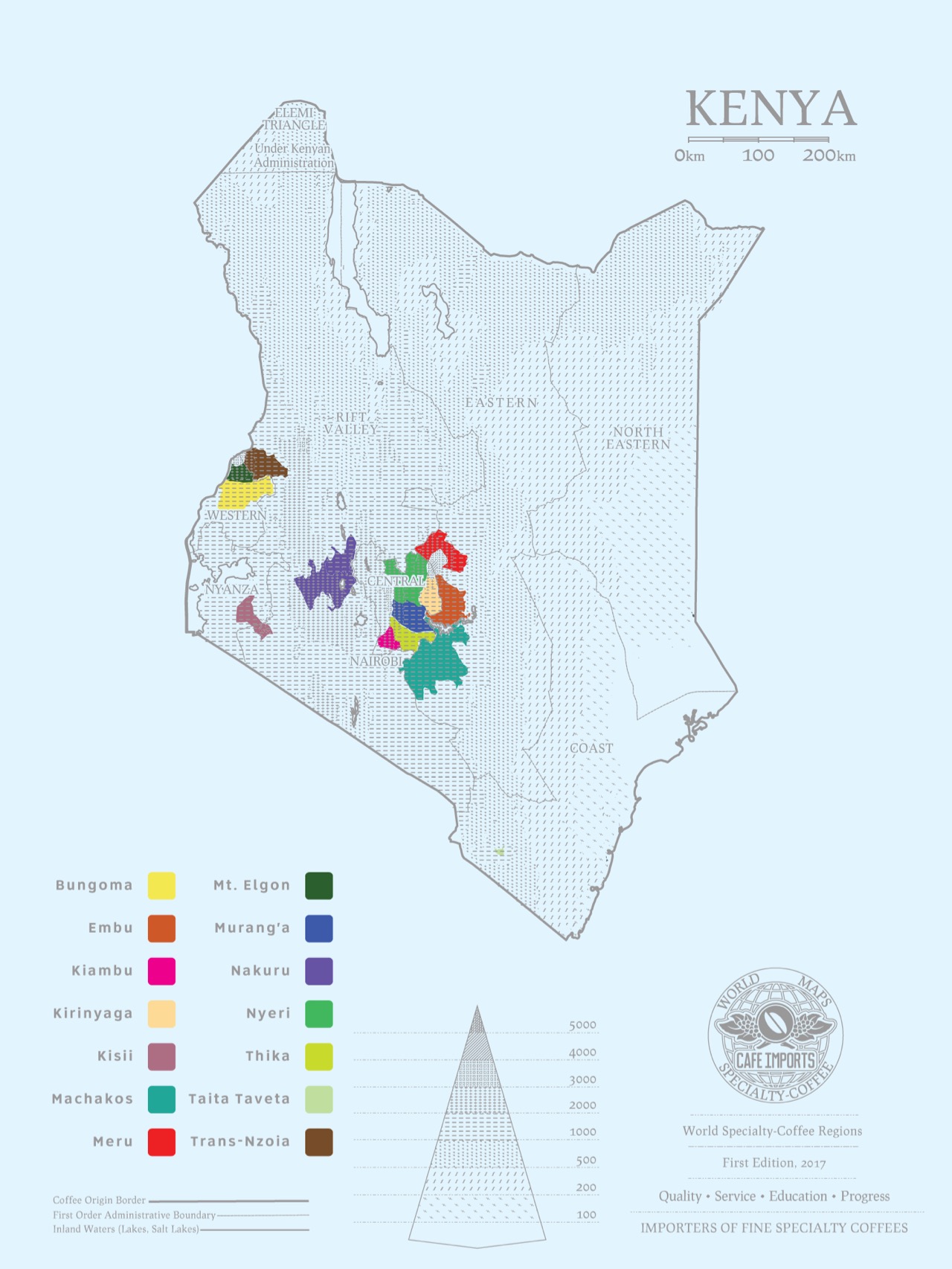
Kenya, officially the Republic of Kenya, lies in eastern Africa with the equator crossing its center and the East African Rift Valley running north–south. It borders Somalia to the east, Tanzania to the south, Uganda to the west, Ethiopia and Sudan to the north, and the Indian Ocean to the southeast. The country is dominated by high plateaus averaging 1,500 meters in elevation, and Mount Kirinyaga (Mount Kenya) in central Kenya rises to 5,199 meters—snow-capped and the second-highest peak in Africa.
Altitude, Latitude, and Geology
The equator runs through Kenya, placing the country within roughly 10 degrees of latitude on either side. This tropical zone gets two rainy seasons a year, which means two harvests: about 60% of the crop is picked between October and December, the remaining 40% between June and August. Coffee grows mainly in volcanic soils at 1,600–2,100 meters around the capital, Nairobi, and the Mount Kenya region. That altitude is ideal for flavor development: cooler mountain temperatures slow growth, letting aromatic compounds develop fully and producing more pronounced fruit acidity and harder, denser beans. This crescent-shaped, fertile coffee zone is the primary source of Kenya's premium beans.

Coffee is Kenya's second-largest export after tea, and the country grows almost exclusively Arabica—considered among the world's finest coffee. Given its equatorial location between the Indian Ocean, Ethiopia, and Tanzania, Kenya stands as East Africa's coffee powerhouse and one of the most important producing countries in the world.
Those two annual harvests split 60/40 between October–December and June–August, and the 1,600–2,100-meter volcanic soils around Nairobi and Mount Kenya yield dense, intensely aromatic beans—the crescent of fertile highland coffee land from which Kenya's premium beans flow.

Kenya Coffee History
The British brought coffee to Africa in 1878, establishing plantations in Kenya during the 19th century; before that, Ethiopian coffee beverages were imported into Kenya via South Yemen. It was not until the early 20th century that Bourbon coffee trees arrived through the St. Austin Mission. After Kenya's independence in 1964, the coffee industry continued to build on that foundation, and today Kenya is a world-renowned producer of high-quality coffee. Notably, its auction system successfully overcame the exploitation of smallholder farmers common in other producing countries—the origin of what we now call fair-trade coffee.
Kenya Coffee Varieties
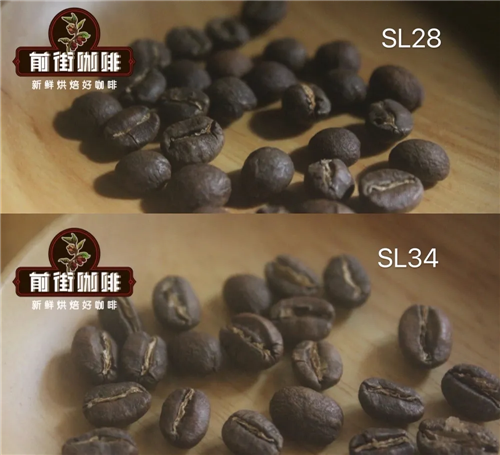
The common Kenyan varieties are SL28, SL34, French Mission Bourbon, and Ruiru 11.
Origin of the SL28 Variety
According to historical records, in 1931 officials from Scott Laboratories conducted field research in Tanganyika (now Tanzania) and noticed a variety in the Moduli region that appeared resistant to drought, disease, and pests. They collected seeds and brought them back to Scott Laboratories, where in 1935 a single tree was selected from the drought-resistant Tanganyika population and bred continuously, ultimately being released as SL28, a descendant of the Moduli variety. Recent genetic studies confirm SL28 belongs to the Bourbon genetic group.

Characteristics of the SL28 Variety
SL28 is easy to cultivate without special care, produces large beans at high yields, and cups superbly. After its release by Kenyan authorities in the 1930s it was first planted in Kenya, then spread to Uganda, and today is even drawing attention in Central America. It suits medium-to-high altitudes and tolerates drought well, though it remains susceptible to major coffee diseases.
Flavor of the SL28 Variety
SL28 carries Bourbon's bright acidity—even the rich acidity of the old Mocha types—along with complex flavors and a rich texture. Although yields never quite met expectations, its copper-colored leaves and fava-bean-shaped seeds deliver wonderful sweetness, balance, and complexity, with distinctive citrus and dark plum character, intense yet fine fruit acidity, full body, and beautiful poise. Crucially, only in Kenya does SL28 reach this signature character; the same variety grown elsewhere merely resembles it.
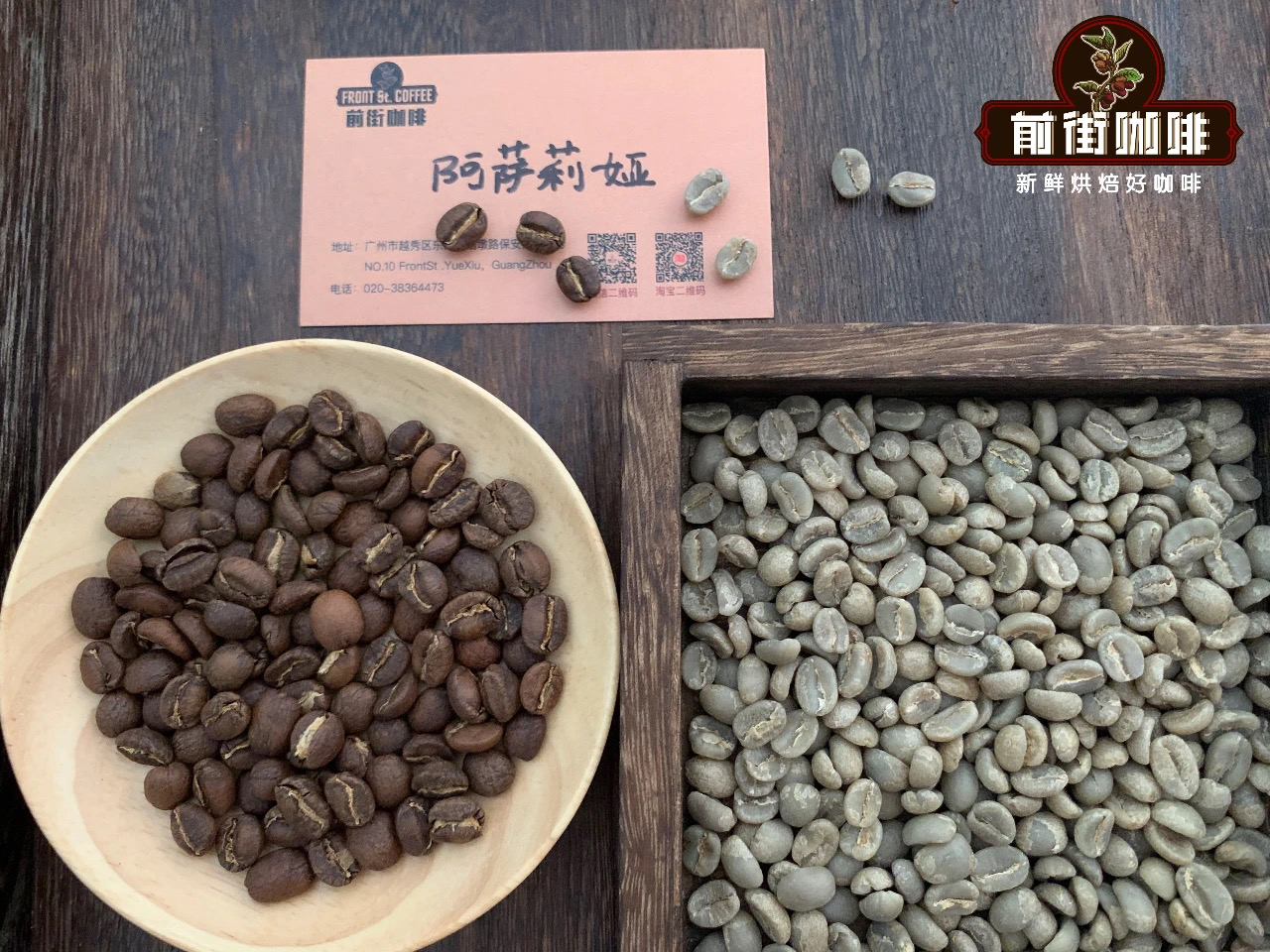
FrontStreet Coffee: Kenya Asali
Origin: Thika, Kenya
Washing station: Asali
Altitude: 1,550–1,750 meters
Grade: AA TOP
Varieties: SL28, SL34
Process: Kenya 72-hour washed
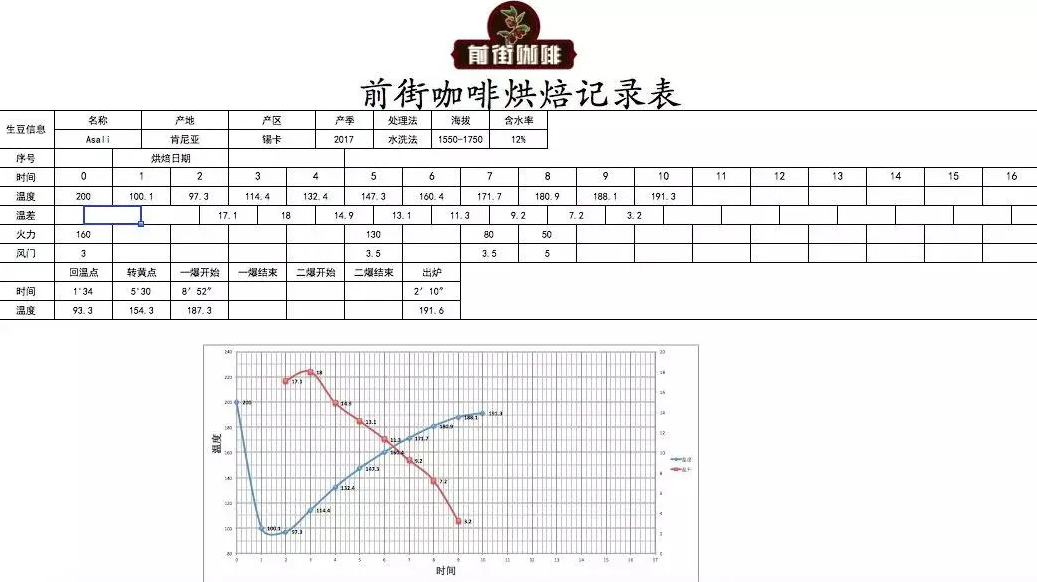
Roasting Suggestions
This bean has a full, round body; to express its bright, rich acidity, roast it light.
Machine: Yangjia 800N, 550 g green beans
Charge temperature: 200°C
First crack: 5'30", 154.3°C
Development after first crack: 2'10", dropped at 191.6°C
Brewing Suggestions
Dripper: Hario V60
Water temperature: 90°C
Dose: 15 g
Ratio: 1:15
Grind size: medium-fine (EK43s at 10)
Brewing Technique
Segmented extraction: bloom with 30 g of water for 30 seconds, then pour in small circles to 125 g. When the water level drops and the coffee bed is about to be exposed, continue to 225 g and stop. Once the bed is again about to surface, remove the dripper. Total extraction time is 2 minutes, timed from the start of the bloom.

FrontStreet Coffee Kenya Flavor Description
The wet aroma shows ripe tomato and florals. On the palate: cherry tomato and dark plum, bright acidity, and a clean taste with a solid, rich body—the weight of an African elephant. The mid-palate is prominently sweet with a juice-like texture, and the finish carries berry fruit, brown sugar sweetness, and green tea aromatics.
Kenya Coffee Grading
Kenya has used a strict grading system since the 1930s, based primarily on bean size, shape, and hardness. From highest to lowest, the grades are AA (or AA+), AB, PB, C, E, TT, and T, with flavor used as a secondary reference. The grades most common in the mass market are AA, AB, and PB.
E (Elephant beans): "E" stands for "Elephant," but this is not the elephant-bean variety. It is a developmental defect in which two seeds intertwine and appear as a single bean. A coffee cherry normally holds two seeds facing each other, each with one flat side (flat beans, or "mother/twin beans"); in E-grade, two seeds fused during growth into one oversized bean. E-grade beans screen at 18 or larger (one screen = 1/64 inch) and are rare.

AA: typically 17–18 screen (about 6.7–7.1 mm). This is the best-known Kenyan grade, often labeled AA TOP in specialty circles and promoted by most coffee shops—but AA is not necessarily the best, since it describes size only, not flavor.
AB: where most Kenyan beans fall. The name comes from the A-grade sieve at 6.80 mm and the B-grade sieve at 6.20 mm; the two sizes are mixed and sold together, hence "AB," at roughly 15–16 screen (about 6.0–6.4 mm).
C: roughly 14–15 screen (about 5.6–6.0 mm), smaller than B.
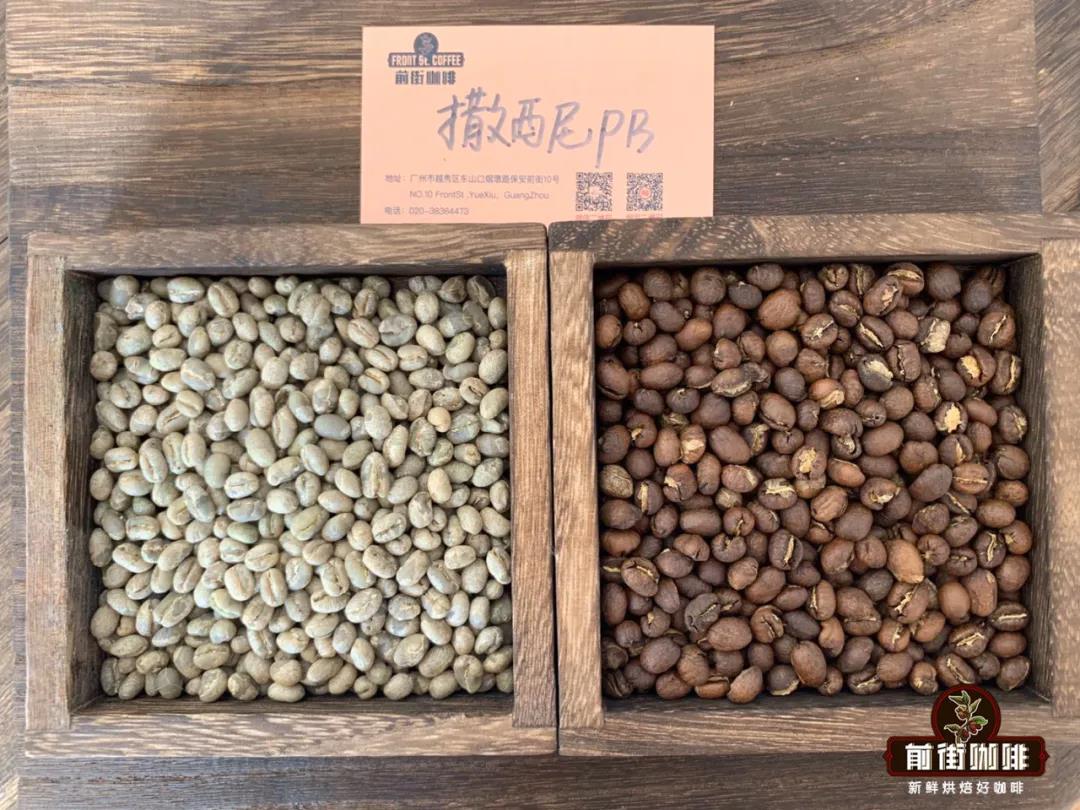
PB: Peaberry—also called small round beans, male beans, or single beans. When only one seed develops inside the cherry, the result is a small round bean. PB is rare, about 10% of all beans, and some drinkers prize its flavor, so it is sorted and sold separately.
TT: light beans blown out from AA and AB lots by air separators—underweight, lacking hardness, and including broken and defective beans.
T: light beans selected from C grade, mixed with damaged beans and even fragments.
MH/ML: beans not exported—usually overripe cherries that fell to the ground, of poor quality. They make up about 7% of all beans and are sold only in Kenya's domestic market.

Where Do AA TOP and AB TOP Come From?
Beyond the official system, Kenyan exporters and traders have coined unofficial grades for AA and AB: AA TOP, AA+, AA++, AB+, AB TOP, and AA FAQ. FAQ stands for "Fair Average Quality"—essentially standard AA—but labels like AA TOP, AB TOP, and AA+ have no fixed standard: each trader grades differently, and one company's AA+ may taste like another's AA++. In the end, everything comes back to cupping the coffee in your own roastery—that is the only practical test.
Kenya Processing: The K72 Washed Method
Just as honey processing belongs to Costa Rica and wet-hulling to Indonesia, Kenyan coffee owns the K72 process—a washed method named for its repeated cycles of fermentation and washing, totaling 72 hours.

First Wash and Fermentation
On harvest day, the finest cherries are selected by water-density sorting: high-density (ripe, high-quality) fruits sink, while low-density beans float, letting workers pick only the best for pulping. After pulping, the beans are soaked so the mucilage clinging to them ferments. Mucilage contains natural sugars and alcohols that play a crucial role in building the coffee's sweetness, acidity, and overall flavor. After 24 hours of fermentation, 80–90% of the mucilage has come away, leaving only the flavor within the beans, and they are washed with clean river water.


Second Wash and Fermentation
The cleaned beans are then soaked again in clean water for 24–48 hours. This second fermentation raises proteins and amino acids, creating complex, delicate layers in the acidity. A second 24-hour wash-fermentation cycle completes the three cycles—72 hours in all—after which all remaining mucilage is removed and the beans move to raised racks for sun-drying, which takes 5–10 days depending on the weather.


FrontStreet Coffee Recommendation
If Kenya's bright, fruit-driven cup is what you love, Ethiopia—coffee's birthplace—makes a fascinating companion tasting, and FrontStreet Coffee's Ethiopian lineup is the place to start. The entry point is the washed Yirgacheffe daily bean: clear jasmine florals, bright citrus acidity, and a light, elegant, tea-like body like a clean lemon tea, grown on a small southern town of eternal spring and drifting mist where thousands of coffee varieties thrive. Ethiopia's coffees mostly follow a garden-farming model, with each smallholder delivering cherries to a village washing station, which is why FrontStreet offers cooperative lots such as Idido, Worka, and Konga; the Idido Cooperative, independent since 2012 with about 300 member farmers in the Worka district at Yirgacheffe's southeastern tip, pulps before drying so the bean's own character shows through—citrus and lemon tones with elegant white florals, bright and delicate. For naturals, the Red Cherry lot is defect-sorted, sun-dried for two weeks to 12% moisture, then machine-hulled and repeatedly hand- and density-sorted, yielding peach, cocoa, honey, and lemon in the cup. The Flower Queen (Hua Kui) natural comes from a 200-hectare farm in Hambella, Guji, where cherries dry on raised beds for 21 days, turned constantly and hand-sorted every 3–5 days, producing a medium-light roast of light fermented winey aroma, florals, citrus, and mango with honeyed sweetness, cocoa depth, a touch of spice, and a thick, long finish. For something different, try the Hamasho lot built on JARC 74158—a small-beaned, disease-resistant variety with perfume-lemon, strawberry, star fruit, and green grape sweetness and a gentle floral lift—or the Kafa Forest coffee, wild coffee grown under shade at 1400–2100 meters, medium-light roasted to white floral aromas, bright lemon acidity, sweet orange and bergamot, and a green-tea-like finish.
Important Notice :
FrontStreet Coffee is a long-established specialty coffee roaster in Guangzhou China, selling freshly roasted beans from its own farm in Yunnan as well as dozens of carefully selected single-origin beans from around the world for both pour-over and espresso. The products deliver consistently excellent quality and great value, with shipping within 24 hours. Guangzhou's FrontStreet Coffee shop is recommended by many coffee lovers, and the beans are now available online at the Tmall 。
FrontStreet Coffee has moved to a new address:
FrontStreet Coffee Address: 315,Donghua East Road,GuangZhou
Tel:020 38364473
 Scan and follow the En Gafei WeChat official account. Please indicate that the reprint comes from "En Gafei".