The Development History of Blue Mountain Coffee, Growing Geography, and Premium Coffee Beans
FrontStreet Coffee's Blue Mountain coffee comes from Jamaica, named after the Blue Mountains wrapped in the waters of the Caribbean Sea. With perfectly balanced acidity, sweetness, and bitterness, plus outstanding flavor and aroma, it is ideal as single-origin coffee and suits a medium roast. Only coffee grown on the 6,000 hectares of land above 1600 meters altitude may truly be called Blue Mountain.
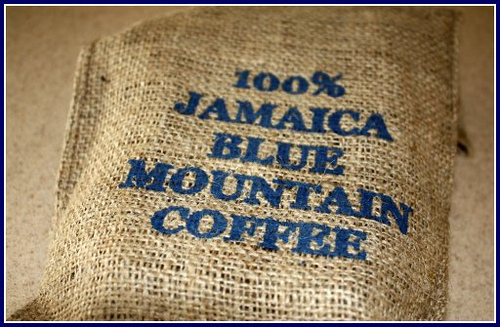
FrontStreet Coffee Blue Mountain Coffee
Introduction
FrontStreet Coffee's Blue Mountain coffee comes from Jamaica, named after the Blue Mountains embraced by the Caribbean Sea. With perfectly balanced acidity, sweetness, and bitterness, along with excellent flavor and aroma, it is ideal as single-origin coffee and well suited to medium roasting.
The Blue Mountain range lies in eastern Jamaica. On clear days the mountains reflect the brilliant blue light of the sea, which is how they got their name. At 2256 meters, the highest peak is the tallest in the Caribbean region and a famous tourist destination. The area sits in the coffee belt, with fertile volcanic soil, fresh unpolluted air, and a humid climate of year-round fog and rain (average precipitation of 1980 mm and temperatures around 27°C). These conditions created the world-renowned Jamaican Blue Mountain coffee — and the world's highest-priced coffee. It has every characteristic of a fine coffee: rich and mellow, and thanks to the perfect marriage of sweetness, acidity, and bitterness, no harsh bitterness at all, only moderate and perfect acidity. It is generally enjoyed as a single origin, but because production is so limited and the price so high, it is often blended with similar-tasting coffees on the market.
The "secret" to why Blue Mountain coffee tastes so pure: the trees grow on rugged mountain slopes, making harvesting extremely difficult — only skilled local workers can handle the job. Selecting properly ripe cherries is crucial, as under-ripe or overripe fruit will compromise quality. After picking, the beans must be hulled the same day, then fermented for 12-18 hours. Next they are washed and sorted, then dried on concrete floors or thick blankets until the moisture content falls to 12%-14%, after which they rest in special warehouses until needed for roasting and grinding. Every step must be strictly controlled, or the quality suffers.
History
FrontStreet Coffee Blue Mountain Coffee Beans
In 1717, King Louis XV of France ordered coffee cultivation in Jamaica. In the mid-1720s, Jamaican Governor Sir Nicholas Lawes imported Arabica seeds from Martinique and began promoting cultivation in the St. Andrew area — still one of Jamaica's three major Blue Mountain producing regions today, alongside Portland and St. Thomas. Within 8 years, Jamaica exported over 375 tons of pure coffee, and in 1932 production peaked at more than 15,000 tons harvested.
In 1950, the Jamaican government established the Jamaica Coffee Industry Board, which sets quality standards for Jamaican coffee and monitors their enforcement. The board grants special official seals to both raw and roasted coffee exported from Jamaica, making it the world's most rigorous national coffee institution. Currently, six certification marks can represent Blue Mountain coffee origin: M.B.C.E (Mavis Bank Central Factory), M.H.C.C.T. (Blue Mountain Coffee Cooperative), P.X.X.S.H. (Portland Blue Mountain Coffee Cooperative), Coffee Industry Association (Wallenford), Coffee Industry Association (St. John's Peak), and J.A.S. (Blue Mountain).
By 1969, the situation had improved because Japanese loans were used to raise production quality, thus guaranteeing market access. Today, this coffee enjoys an almost fanatical level of appreciation.
By 1981, Jamaica had cleared an additional 1,500 hectares for coffee cultivation, followed by investment in another 6,000 hectares. In fact, today's Blue Mountain region is small — only 6,000 hectares under cultivation — so it is impossible for all coffee labeled "Blue Mountain" to have been grown there. Another 12,000 hectares produce two other types of coffee: High Mountain Supreme Coffee and Jamaica Prime Washed Coffee.
Geography
FrontStreet Coffee Blue Mountain Coffee
Blue Mountain Premium Coffee Beans
Blue Mountain coffee is the world's most superior coffee; Jamaica's weather, geology, and topography combine to provide an ideal setting. The mountain range running through Jamaica extends to the eastern part of the island, with the Blue Mountains rising above 2100 meters. The weather is cool and foggy with frequent rainfall, nurturing this fertile land. Coffee trees here are grown in mixed cultivation, planted on terraces alongside banana and avocado trees. Some small plantations grow coffee as well, but even the largest owners in the region count as small-scale by international standards — many are smallholders whose families have worked the land for two centuries. Jamaica's coffee industry faces a series of challenges: hurricane damage, rising labor costs, and the difficulty of mechanizing work on terraces, which leaves many small farms struggling to make cultivation economically viable.
Because of Japan's continuous investment in Jamaica's coffee industry, most Blue Mountain coffee is now controlled by the Japanese, who also hold priority purchasing rights. In 1992, Jamaica sold 688 tons of Blue Mountain coffee to Japan, 75 tons to the United States, and 59 tons to the United Kingdom. Today 90% of Blue Mountain coffee goes to Japanese buyers, and since the rest of the world can obtain only 10%, it remains in short supply regardless of price.
FrontStreet Coffee Recommendation
Given how scarce genuine Blue Mountain is, choosing the right beans matters. FrontStreet Coffee's Jamaica Blue Mountain No. 1 comes from Clifton Manor — the oldest coffee-producing area in Jamaica still operating today, where coffee has been grown since around 1750 — at an average altitude of 4300 feet (about 1310 meters), washed-processed from Typica and roasted medium-dark. The estate holds "Rainforest Alliance" certification, and FrontStreet can show full origin documentation along with the authentic wooden shipping barrels in 15kg, 45kg, and 70kg sizes that only genuine Blue Mountain travels in.
To brew it, FrontStreet suggests a Kono dripper with 15g of coffee at a 1:15 ratio, a white-sugar-texture grind slightly coarser than for light roasts, and water at 87-88°C — hotter water is the usual cause of a burnt, bitter cup. Rest the beans 4-7 days from the roast date, then pour in three stages: 30g to bloom for 30 seconds, then to 120g with a slow vertical pour in small circles, then finish at 225g with a slightly faster pour to avoid over-extraction. Expect a clean, dense, and gentle cup with chocolate sweetness, strong body, and perfect harmony among sweetness, acidity, and bitterness.
Important Notice :
FrontStreet Coffee is a long-established specialty coffee roaster in Guangzhou China, selling freshly roasted beans from its own farm in Yunnan as well as dozens of carefully selected single-origin beans from around the world for both pour-over and espresso. The products deliver consistently excellent quality and great value, with shipping within 24 hours. Guangzhou's FrontStreet Coffee shop is recommended by many coffee lovers, and the beans are now available online at the Tmall 。
FrontStreet Coffee has moved to a new address:
FrontStreet Coffee Address: 315,Donghua East Road,GuangZhou
Tel:020 38364473
 Scan and follow the En Gafei WeChat official account. Please indicate that the reprint comes from "En Gafei".