Single Origin Coffee Selection Guide: What Varieties Are Available? The Difference Between Specialty Coffee and Single Origin Coffee
Understanding Single Origin Coffee
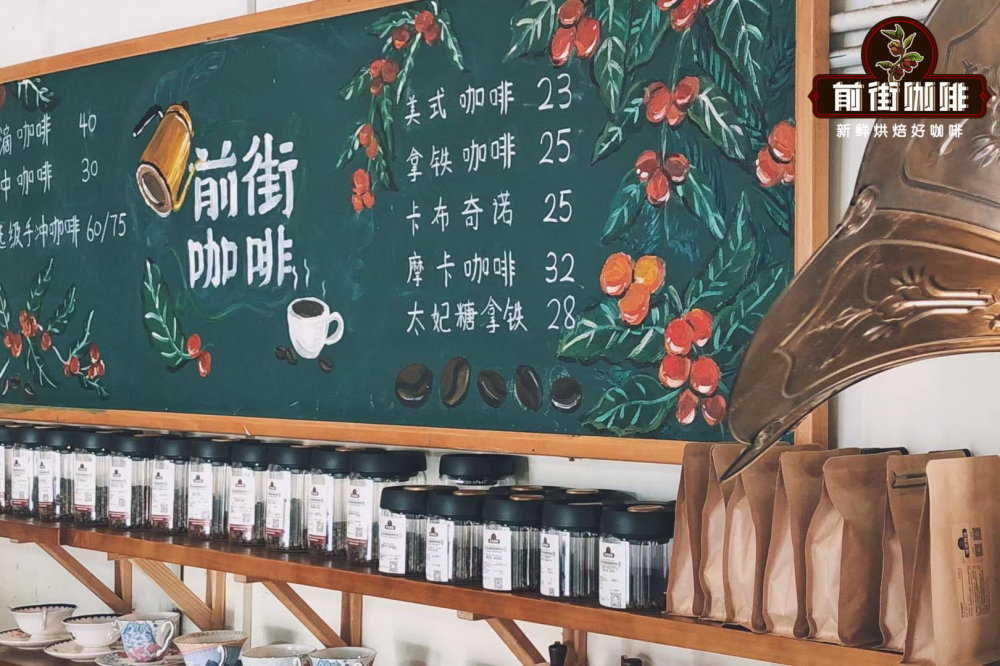
Single origin coffee, a term that has appeared frequently in coffee circles in recent years, can be understood simply as coffee beans from a single origin. Their labels often carry relatively detailed source information, such as growing region, altitude, processing method and variety, which lets tasters better perceive and understand the flavor and texture of the coffee.
What we call specialty coffee refers to high-quality coffee from regions with distinctive microclimates and geographical conditions, cultivated to develop positive aromas and "regional flavors." As more consumers learn about origin information and are willing to pay higher prices for high-quality beans, producers naturally devote more energy to the source of specialty coffee, which has led to single origin beans that emphasize a single origin.
The Rise of SOE (Single Origin Espresso)
At first, single origin beans were typically brewed as black coffee using methods such as pour-over, siphon or French press. Later, more and more single origin beans began to be used for espresso, and with various competitions and promotions by chain brands, a concept called "SOE" gained popularity. SOE stands for Single Origin Espresso, meaning espresso made from single origin beans, as opposed to espresso blends. The arrival of SOE accompanied the spread of specialty coffee and single origin coffee concepts brought by the third wave of coffee.
Traditionally, single origin beans were used for drip coffee such as pour-over, while pressurized espresso used blends as its raw material. Producers would combine beans from different origins and use dark roasting to highlight rich, mellow, bitterness-dominated flavors, with the taste essentially fixed in tones of caramel, dark chocolate, nuts and cocoa.
Understanding SOE Quality and Preparation
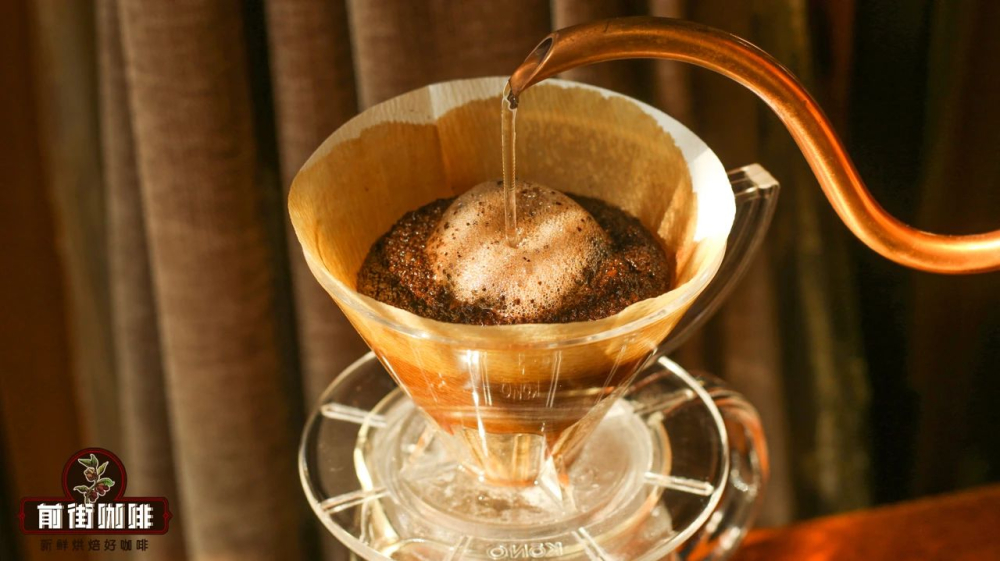
As everyone's expectations of coffee rise, single origin beans are no longer presented only as pour-over; people have begun extracting distinctive single origin beans in various ways to obtain clearer single origin characteristics. Some coffee shops charge extra for SOE beans, which leads many friends to believe that SOE is more premium than blends and tastes better. As the text above makes clear, SOE only indicates that the beans come from a single origin, so it does not represent better quality, nor does it necessarily taste better than a blend.
Single origin beans used for pour-over need to present the unique regional flavors of the origin and the aroma of the beans themselves, just as Yirgacheffe should have fresh, bright citrus and lemon acidity while Blue Mountain coffee should have sweet chocolate and caramel aromas. SOE must express the flavor characteristics its origin should have in the same way. If the roast is too dark, flavor and aroma can be masked by the heavy substances created during roasting; if the roast is too light, it can easily lead to under-extraction, producing sharp acidity and thin flavors. Whether a cup of SOE tastes good therefore tests the "interpretation" of the roaster and barista to a great degree.
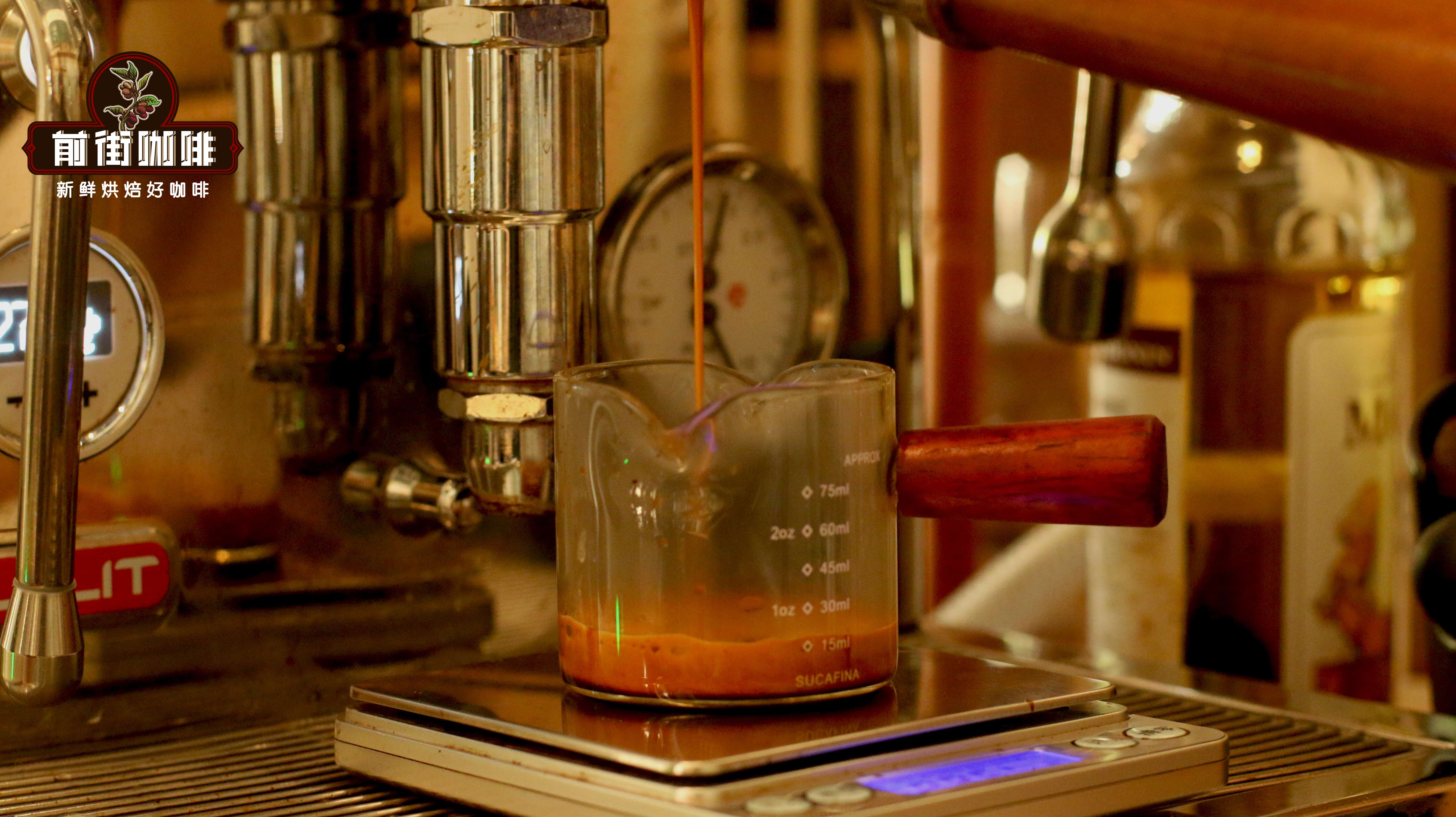
Home SOE Preparation Tips
If you are making SOE at home, FrontStreet Coffee recommends using single origin beans with a medium or medium-dark roast, which avoids the strong, stimulating tastes that roasting factors can create. FrontStreet Coffee's Brazil Queen Estate beans, for example, use a medium-dark roast and produce an SOE with chocolate, roasted hazelnut and cream notes and a sugarcane-like sweet aftertaste.
However a bean is extracted, FrontStreet Coffee believes freshness is critical. If you use beans roasted more than a month ago, some aroma may already have been lost and unpleasant woody flavors may have developed. FrontStreet Coffee wants every customer who places an order to taste the coffee at its peak, so it ships only beans roasted within 5 days. If you want to make SOE with better flavor, choose freshly roasted single origin coffee beans.
Extraction Parameters for Light Roast SOE
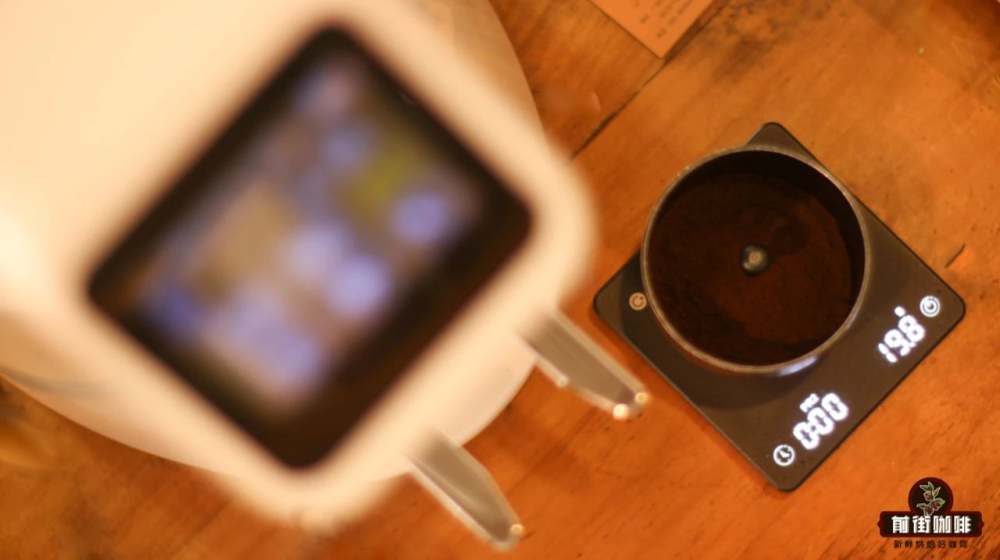
When lighter roast beans are used to extract SOE, the shorter roasting time leaves the internal texture relatively hard, which makes flavors harder to extract. Extraction parameters then need adjusting to raise the extraction rate, such as extending extraction time, raising water temperature, grinding finer or increasing the dose.
Espresso grinding is far finer than pour-over drip grinding, so adjustments cannot be too drastic, since that easily introduces too many variables and makes extraction less stable. FrontStreet Coffee's daily store production runs on accumulated experience, so parameter adjustments are based on that daily experience. With lower output at home it is relatively difficult to get a feel for it, so FrontStreet Coffee suggests recording and reviewing the relationship between extraction parameters and flavor performance, which makes quick adjustments easier and saves unnecessary waste.
FrontStreet Coffee Recommendation
Whether you brew your single origin beans as SOE or as black coffee, the French press is one of the simplest tools to work with, and the choice of bean matters more than the technique. If you like a fragrant, lighter style, FrontStreet's Strawberry Candy is a Gesha blend built from Costa Rica honey-processed coffee and washed Panama Gesha, combining the finest flavors of Central America. Brewed in a French press it gives off rose, citrus, grape and dried blueberry aromas, and with milk it turns into the scent of strawberry gummy candy.
For a low-acid, oil-rich black coffee, reach for PWN Gold Mandheling. As one of Asia's best-known specialty coffees, its SOE production runs through three hand sorts plus one machine sort, leaving the beans uniform and translucent, and after a medium-dark roast they are large and dense with rich spice, caramel, cedar and dark chocolate aromas. Brewing it in a French press gives a full body and good oils. Use a coarse-sugar grind - around 10.5 on an EK43s electric grinder or 26 clicks on a hand grinder, closer to small gravel than fine sand - and a 1:15 ratio, meaning 15g of coffee to 225g of water, which lands the brew at roughly 1.1-1.2% strength. Because a French press relies on immersion alone, the water should be about 90°C, or 1-2°C hotter than you would normally use for pour-over, and a 4-minute steep is a good place to start before adjusting up or down within the general 3 to 5 minute window.
Important Notice :
FrontStreet Coffee is a long-established specialty coffee roaster in Guangzhou China, selling freshly roasted beans from its own farm in Yunnan as well as dozens of carefully selected single-origin beans from around the world for both pour-over and espresso. The products deliver consistently excellent quality and great value, with shipping within 24 hours. Guangzhou's FrontStreet Coffee shop is recommended by many coffee lovers, and the beans are now available online at the Tmall 。
FrontStreet Coffee has moved to a new address:
FrontStreet Coffee Address: 315,Donghua East Road,GuangZhou
Tel:020 38364473
 Scan and follow the En Gafei WeChat official account. Please indicate that the reprint comes from "En Gafei".