The Coffee Culture of Honduras, History of Honduran Coffee, and Introduction to Honduran Coffee Bean Regions
Introduction to Honduras Coffee
Asked to name the major coffee-producing countries of the Americas, most people would immediately say Brazil, Colombia, Costa Rica, or Panama. Few would think of Honduras first. If coffee from this region interests you, join FrontStreet Coffee for a closer look.
Coffee was first brought to Honduras by Spanish merchants for cultivation around the late 18th century. By roughly 1804, small-scale coffee plantings already existed on this land. Political turmoil held the industry back, and it wasn't until 1970 that the government created a dedicated official body for coffee — the Instituto Hondureño del Café (IHCAFE) — to improve national coffee quality and accelerate trade with North America and beyond. After decades of effort, Honduras finally overtook its neighbors Costa Rica and Guatemala in coffee production in 2011.
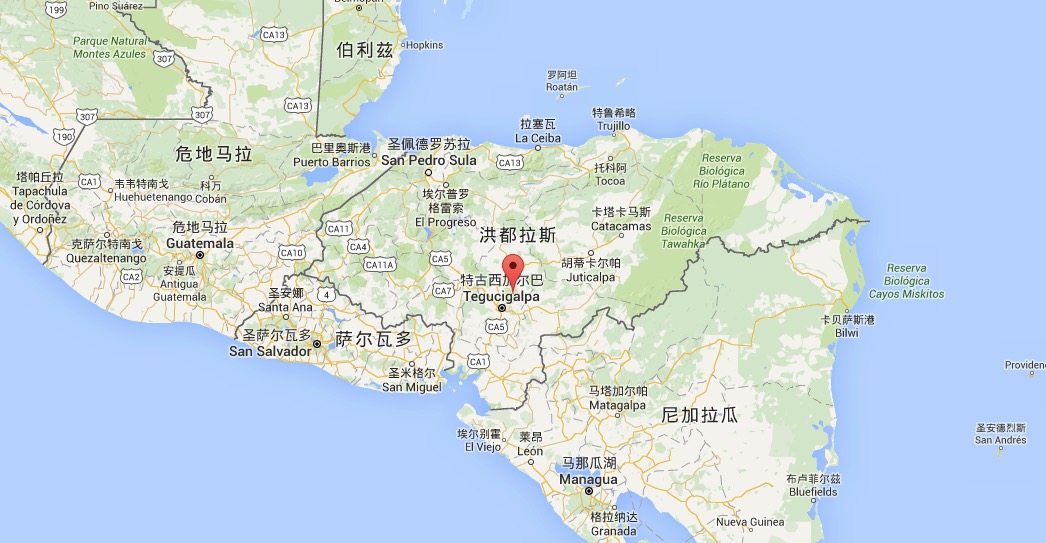
Looking at the globe, FrontStreet Coffee notes that Honduras sits in northern Central America. Compared with its neighbors Guatemala and Nicaragua, Honduras's coffee industry started later, but through the joint efforts of local farmers it has not only broken through on volume but also brought increasingly high-quality coffees to light.
Honduras is a mountainous country, bordered by the Caribbean Sea to the north and the Pacific Ocean to the south. More than three-quarters of its land is high-altitude mountain terrain, with ranges running west to east and mostly plains along the coast. Lying near the equator, most of the country has a tropical rainforest climate with an average annual temperature of 23°C — very well suited to tropical crops such as coffee and bananas.
Coffee Growing Regions
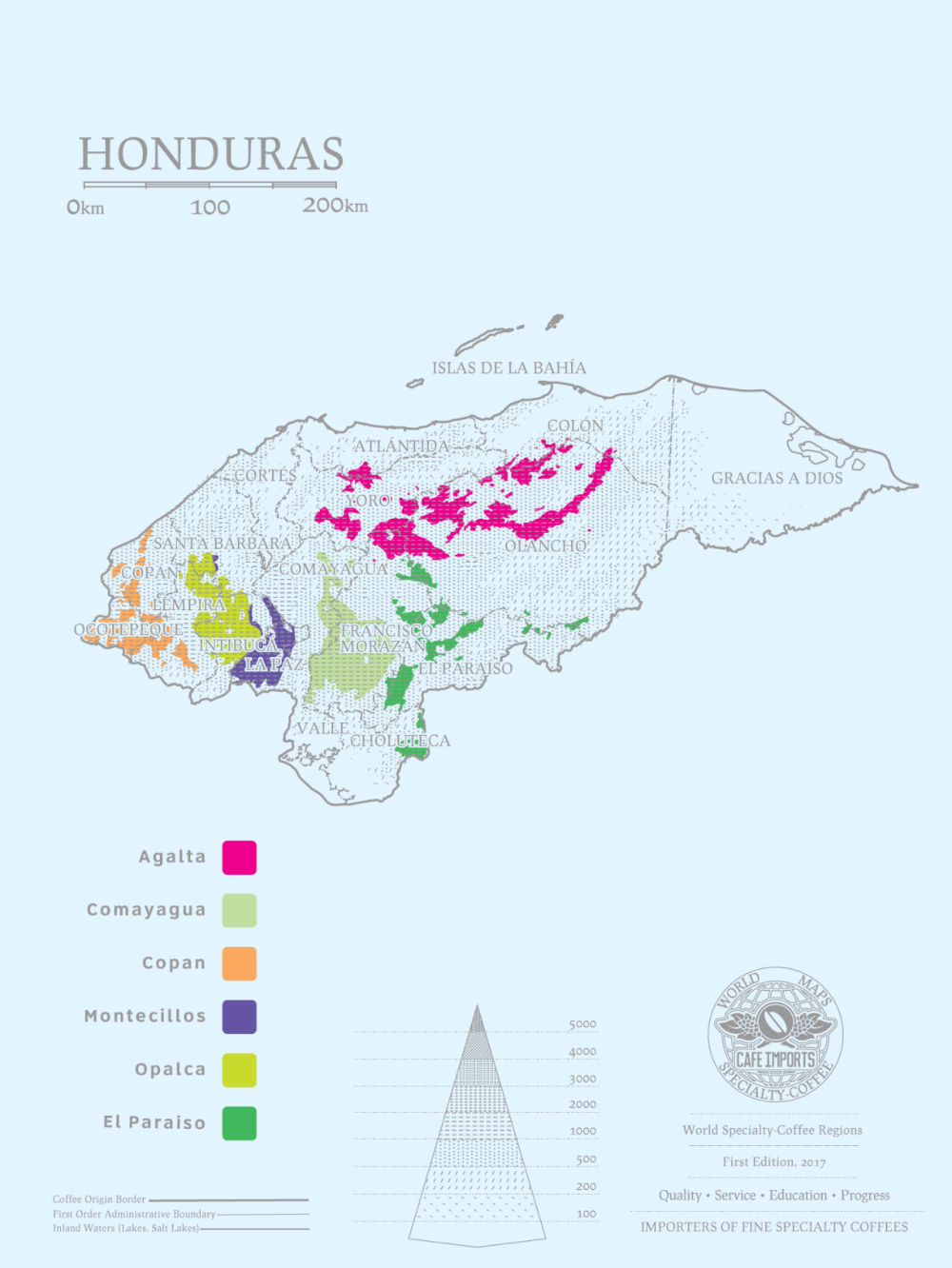
Coffee can be grown suitably across Honduras, with the highest-yielding lots concentrated in six major producing regions: Copán, Opalaca, Montecillos, Comayagua, Agalta Tropical, and El Paraíso.
Coffee Production and Challenges
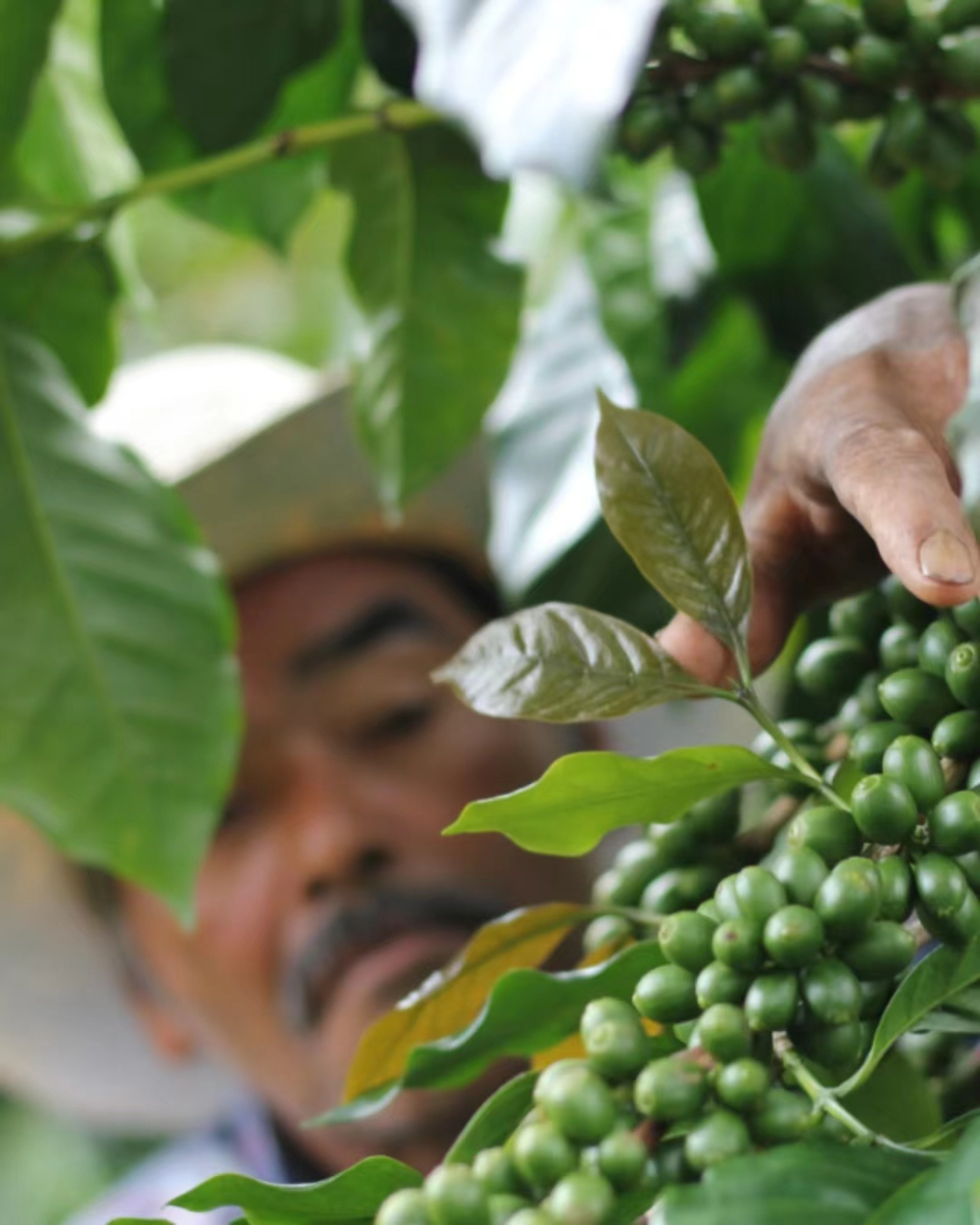
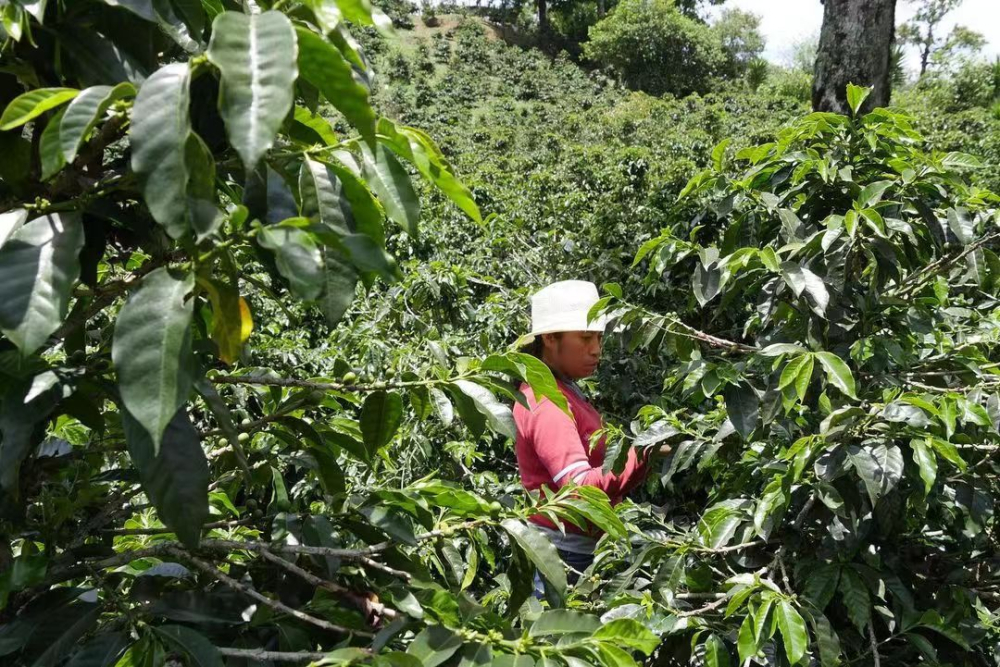
Honduras now has roughly 280,000 hectares of coffee plantations, mostly owned by smallholders. These farms are generally under 3.5 hectares and account for about 60% of the country's total coffee production. Held back by geography and relatively poor living conditions, farmers here still rely mainly on manual harvesting.
In Honduras, income from the coffee cherry harvest is the economic foundation many poor families depend on for their entire year's survival. Although Honduras's growing conditions are fully comparable to countries like Guatemala, the roads linking its northern and southern regions are very slow and backward to build. Most areas within the country are hard to reach, let alone connect by transport to other countries. Relying only on airports with outdated facilities and expensive shipping, it is very difficult to exchange domestic goods with other countries — which is why fair coffee trade from Western countries struggles to reach here.
Development of Processing Methods
In recent years, following the specialty coffee trend and hoping to help Honduran coffee command higher quality and prices, the country's coffee associations and green bean processing plants have begun to emulate the diverse processing methods of neighbors like Costa Rica.
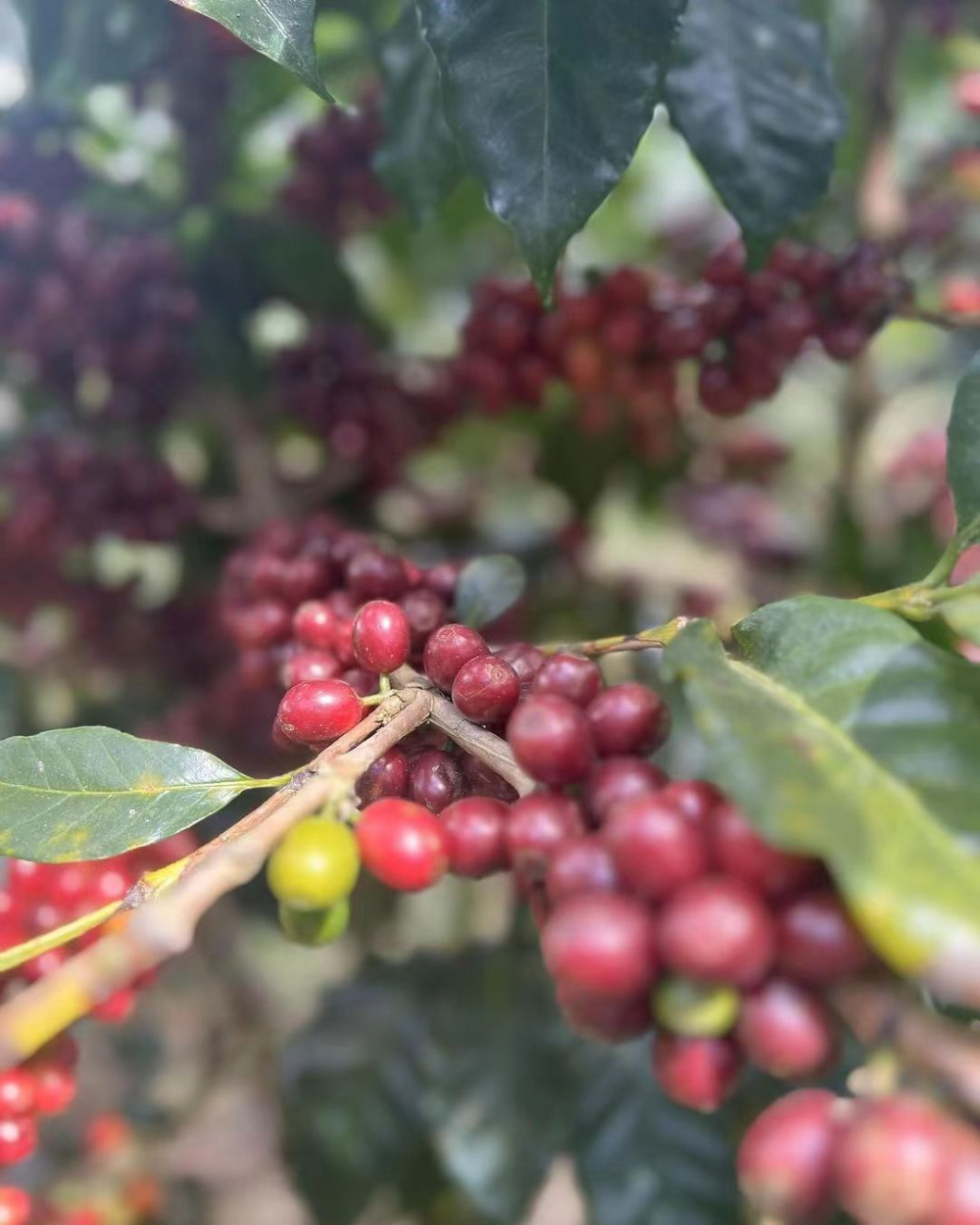
Traditional Honduran coffee was mainly washed, but farmers have now taken up natural, honey, and other novel specialty methods, attempting to change the overall flavor of the green beans. As post-processing has diversified, Honduran coffee has gradually come into view worldwide, and notes of nuts, vanilla, cream, chocolate, and spice have become increasingly clear.
Sherry Barrel Fermentation
When talk turns to Honduran coffee flavor, many enthusiasts — like FrontStreet Coffee — first recall that cup of Sherry, brimming with whiskey and vanilla aromas. Whether it's the fermented wine character or the smooth texture, it brings to mind sweet, mellow, aromatic sherry.
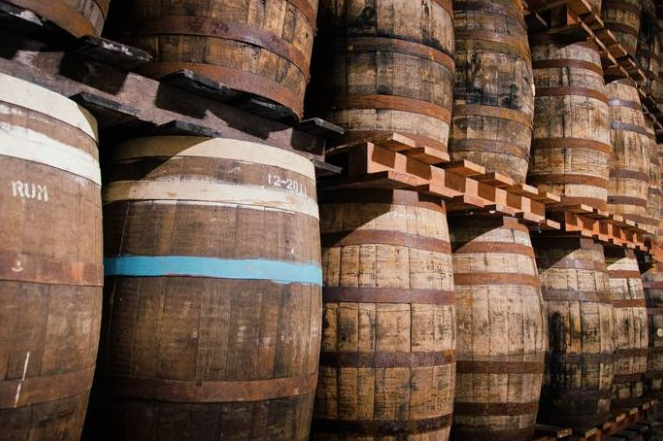
Before the cherries go into barrels to ferment, they must first be washed to obtain the inner beans. Farmers pour the harvested berries into large water tanks, skimming off underdeveloped, inferior beans that float and keeping the plump, ripe fruit for the next step. Specialized depulpers then strip away the outer skin and most of the pulp. At this stage the beans still carry a slippery layer of mucilage, and they are poured into fermentation tanks to soak for 16-36 hours while naturally occurring microorganisms break down the mucilage. Immediately afterward, large amounts of clean water rinse away the residue completely, and the beans are finally dried to the target moisture content.
As FrontStreet Coffee understands it, the idea behind Sherry barrel fermentation comes from winemaking. During green bean fermentation, the barrels let minute amounts of air pass through the inner walls, penetrating the cask and gently oxidizing the coffee. These trace amounts of oxygen not only speed the completion of fermentation but also let some fresh fruit aromas evolve into complex fermented ones. In addition, aged barrels hold a certain amount of tannins, which seep into the beans during storage and give the coffee a mellow, mature wine character.
For professional coffee knowledge and more coffee bean information, follow Coffee Workshop (WeChat official account: cafe_style).
For more specialty coffee beans, please add FrontStreet Coffee on private WeChat, ID: qjcoffeex
FrontStreet Coffee Recommendation
To explore Latin American flavor alongside Honduras, Brazil — the world's largest producer — makes a natural starting point. FrontStreet's Cerrado Red Bourbon is a classic Brazilian single origin: from the well-known Cerrado region and roasted medium, it delivers rich aromas of creamy peanut, toasted bread, caramel, and hazelnut with a rounded, non-acidic cup and a light bitter finish, and it works just as well in a pour-over as in a moka pot, espresso SOE, siphon, or French press.
For something more distinctive, FrontStreet's Brazil Queen's Manor comes from Mogiana, near South Minas, where fertile red volcanic soil feeds a deep, full aroma. Its rare Yellow Bourbon variety, a natural mutation of Red Bourbon, offers cleaner fruit notes with the sugarcane sweetness, fruit, and chocolate flavors you won't find elsewhere. Brazil also anchors FrontStreet's espresso blends — the Classic Blend with its abundant crema, the nut-forward Signature Blend, the balanced Dark Cocoa Blend, and the café-oriented Commercial Blend all include Brazilian beans that add chocolate and creamy aromas plus a gentle sweet-sour-bitter balance that keeps extraction stable.
Important Notice :
FrontStreet Coffee is a long-established specialty coffee roaster in Guangzhou China, selling freshly roasted beans from its own farm in Yunnan as well as dozens of carefully selected single-origin beans from around the world for both pour-over and espresso. The products deliver consistently excellent quality and great value, with shipping within 24 hours. Guangzhou's FrontStreet Coffee shop is recommended by many coffee lovers, and the beans are now available online at the Tmall 。
FrontStreet Coffee has moved to a new address:
FrontStreet Coffee Address: 315,Donghua East Road,GuangZhou
Tel:020 38364473
 Scan and follow the En Gafei WeChat official account. Please indicate that the reprint comes from "En Gafei".