Introduction to Typica Coffee Bean Variety Characteristics and Flavor Profile
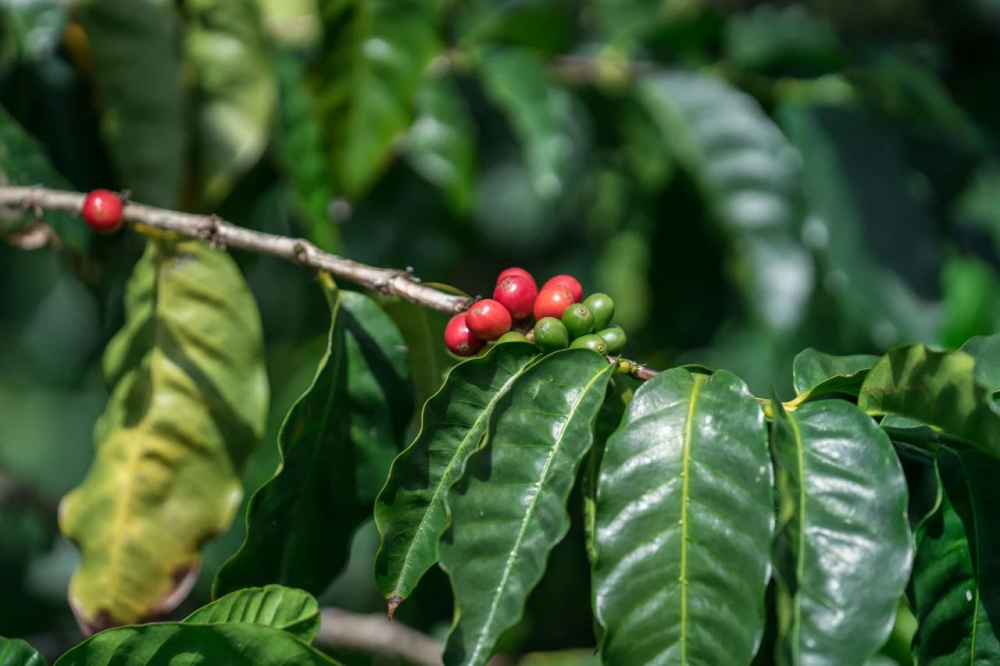
Typica is the most ancient Arabica variety in the coffee world, and the industry widely recognizes it as high-quality coffee. The world-renowned Jamaican Blue Mountain and Hawaiian Kona coffees both belong to the Typica variety, cherished by coffee lovers for their clear flavors and balanced taste.
What are the characteristics of the Typica variety?
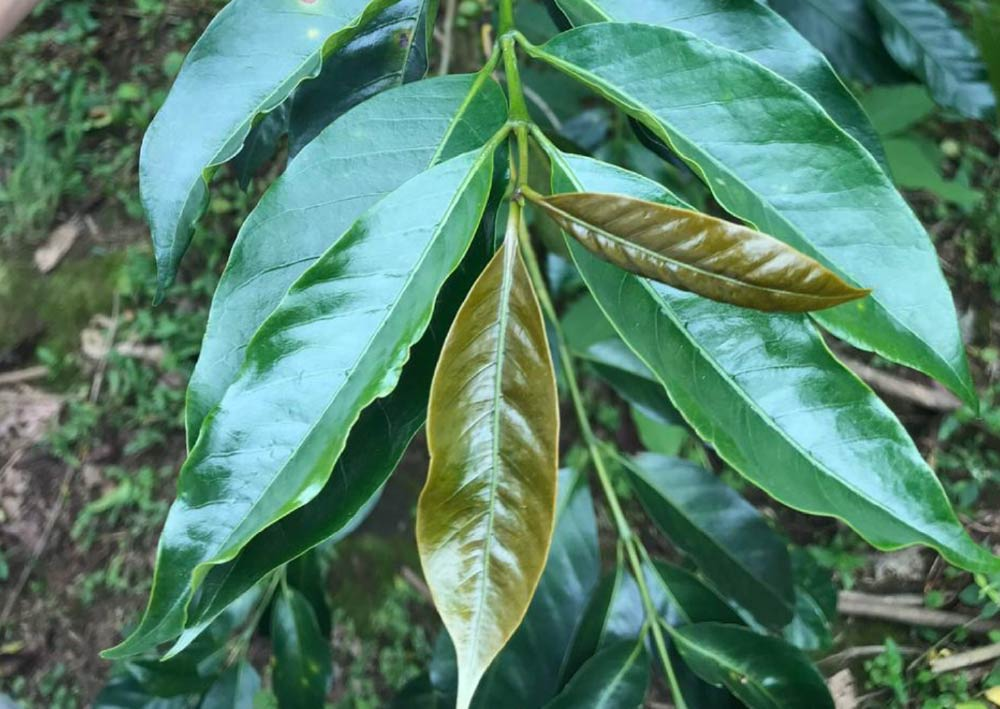
Typica coffee trees are relatively tall, with bronze-colored leaves at the top. The coffee beans are large, elongated and pointed at both ends, somewhat resembling eggs. Typica beans often have citrus acidity with a sweet aftertaste, praised by many as elegant and refined. Unfortunately, Typica trees are tall and inconvenient to harvest. They reach approximately 5 meters, or 16.5 feet, and form a conical shape with slightly inclined branches, where lateral branches form 50-70° angles with the vertical stem. The trunk is slender and the branches are thin, so plants need adequate spacing when cultivated because of their height and long branches.
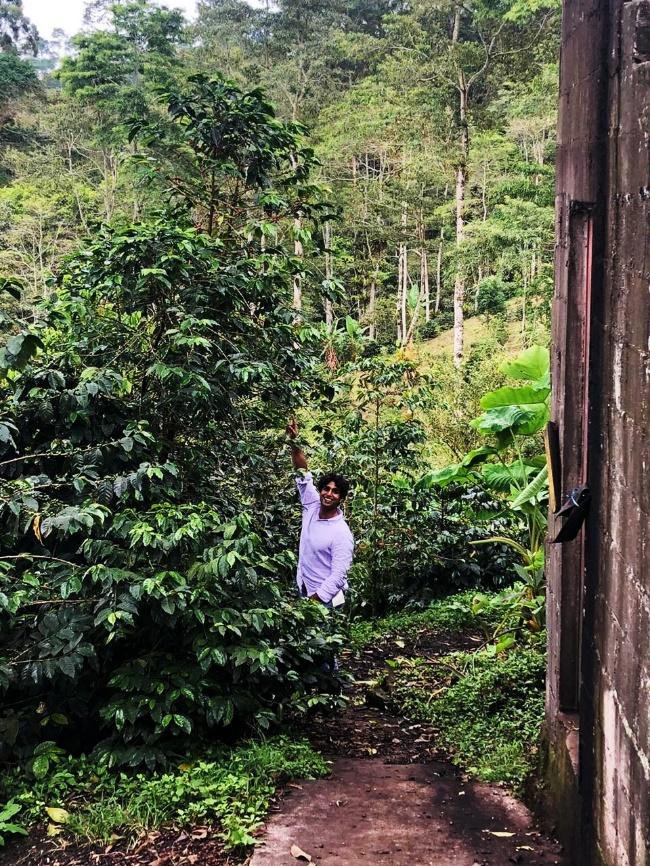
Typica also has poor disease resistance, struggling against common problems such as leaf rust and coffee berry disease, and its yield is very low. As an economic crop, coffee struggles to be profitable with Typica, so many growers worldwide have abandoned it in favor of varieties with better disease resistance. Cultivating Typica with excellent flavor demands more labor and technical expertise, which is part of why FrontStreet Coffee's Jamaican Blue Mountain coffee is so precious.
Typica originated in Ethiopia
Typica was moved from southwestern Ethiopia to Yemen for cultivation around the 15th to 16th centuries through human collection and processing, and then spread worldwide along religious pilgrimage routes. China's first coffee trees in Yunnan, for example, were bred from Typica seeds brought by French missionaries, though later large-scale cultivation switched to Catimor varieties to increase yield.
Unlike many coffee varieties, the delicate Typica is very particular about its growing environment, requiring high-altitude locations without frost. Higher altitudes create significant temperature differences, slowing the maturation of the cherries and allowing better accumulation of flavor compounds and fuller aromatic development. Besides high altitude, Typica needs abundant rainfall, sunlight, well-drained loose soil and fertile ground, so its regional limitations are strong from a cultivation perspective. The refined aroma of FrontStreet Coffee's Blue Mountain Typica comes not only from the efforts of Jamaican growers but, most crucially, from the excellent terroir of the Blue Mountains.
In 1720, French naval officer Gabriel de Clieu painstakingly transported Typica seedlings to Martinique in the Caribbean. In 1725, the British Governor of Jamaica transplanted 7,000 Typica seedlings from Martinique to Jamaica's Blue Mountains. After over two hundred years of acclimatization, Blue Mountain Typica evolved better disease resistance, particularly against coffee berry disease compared with typical Typica.
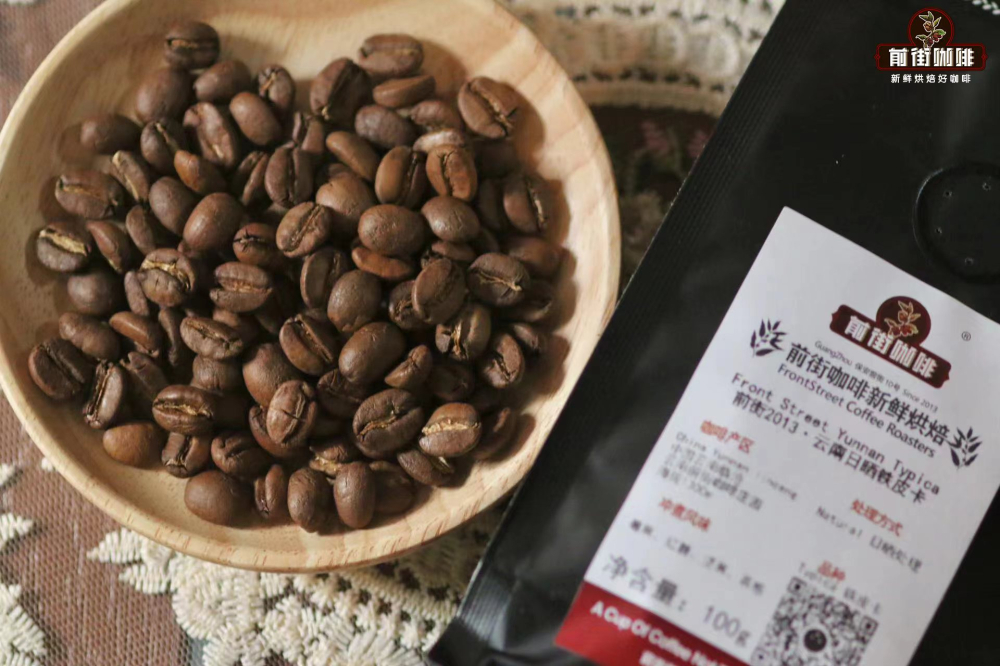
After the mid-20th century, attempts were made to transplant it to Papua New Guinea, Kenya and even Sulawesi to replicate the sweet and elegant character of Blue Mountain coffee. While high-quality Typica varieties did bring positive, elegant flavor profiles, none achieved the excellence of Blue Mountain. Among the Typica coffees FrontStreet Coffee sells, the Jamaican Blue Mountain No. 1 is the most renowned, known to many as the "pinnacle" for its full aroma and balanced taste. Another coffee grown by FrontStreet Coffee in Yunnan, "FrontStreet Coffee 2013," is also selected from high-quality Typica.
What are the flavor and taste of Blue Mountain Typica coffee?
The high quality of Blue Mountain coffee is inseparable from the advantages of its growing environment. The Blue Mountains are surrounded by the Caribbean Sea and belong to a unique island-type tropical rainforest microclimate. During rainy seasons, rainfall is concentrated with good drainage. Volcanic ash from active volcanoes enriches the soil with nutrients, so coffee trees do not require excessive irrigation and fertilization. With abundant year-round sunlight and thin mist, the cool, comfortable high-altitude growing area suits many crops. Locals typically plant coffee trees alongside banana trees on the slopes of the Blue Mountains.
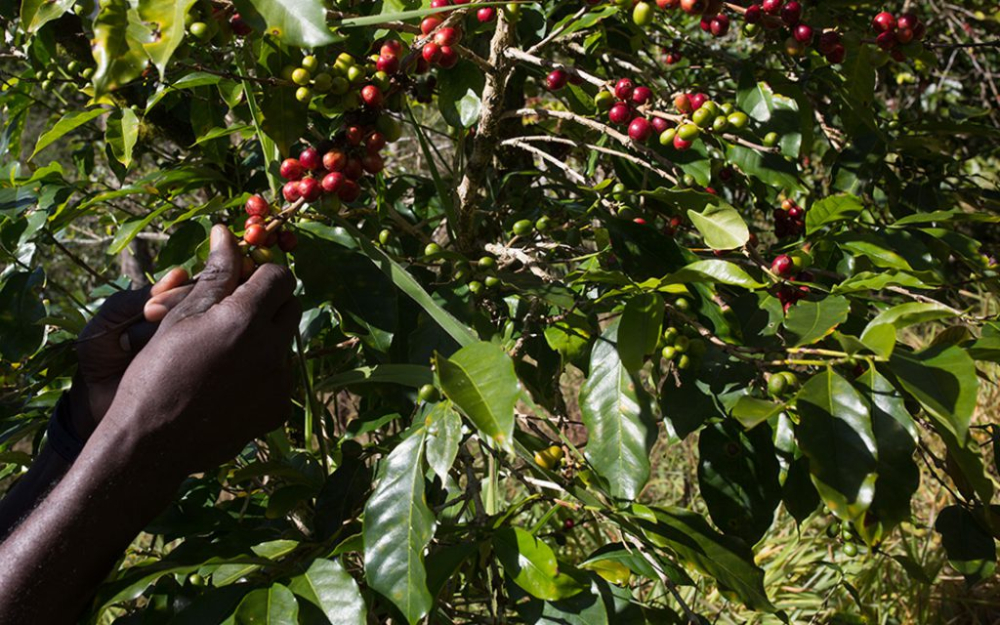
The CIB (Coffee Industry Board) has designated an area of approximately 6,000 hectares in the Blue Mountains, strictly stipulating that only Typica produced in this region can be called "Blue Mountain Coffee." According to the CIB's designated area, the forest area for growing Blue Mountain coffee is located at altitudes of 910-1,700 meters. High altitude combined with just-right climate lets the cherries fully absorb their essence and transform it into aromatic compounds. The higher the altitude, the more prominent Typica's flavor performance.
Typica, however, has poor disease resistance and is very susceptible to infection, and it yields little fruit per plant, requiring more careful human attention. The high-altitude areas of the Blue Mountains also have uneven terrain, making management and harvesting difficult and demanding highly skilled pickers, which further affects yield. In recent years, less than 15% of coffee produced in Jamaica can carry the Blue Mountain Coffee label, approximately 900 tons. After harvesting, cherries are immediately transported to processing plants, washed to remove the pulp, and then dried.
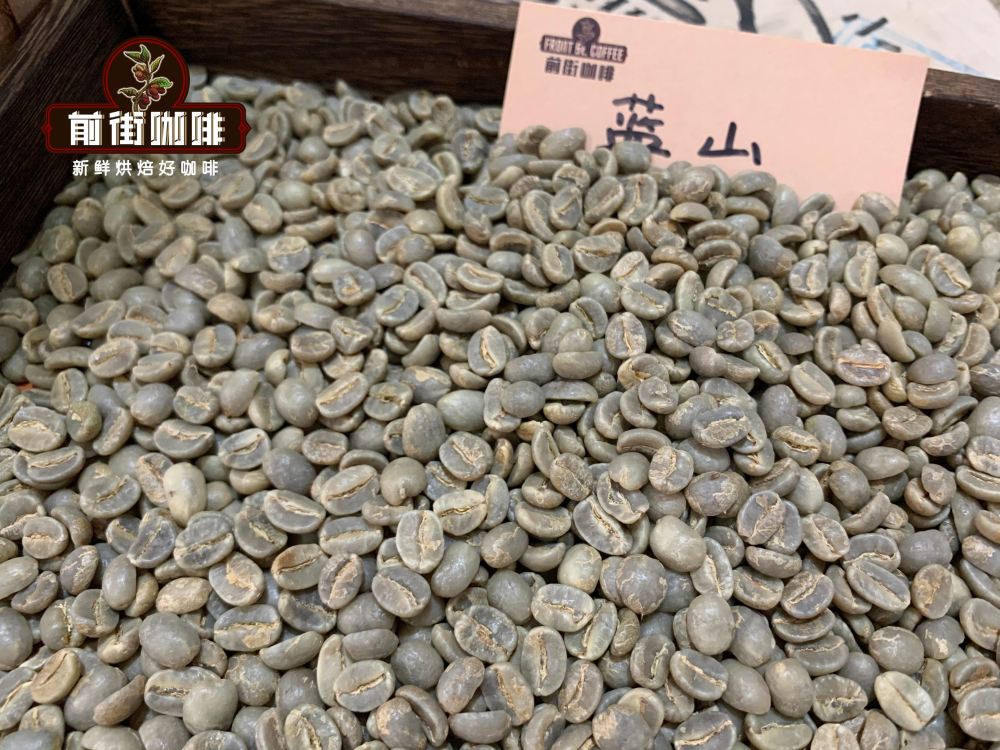
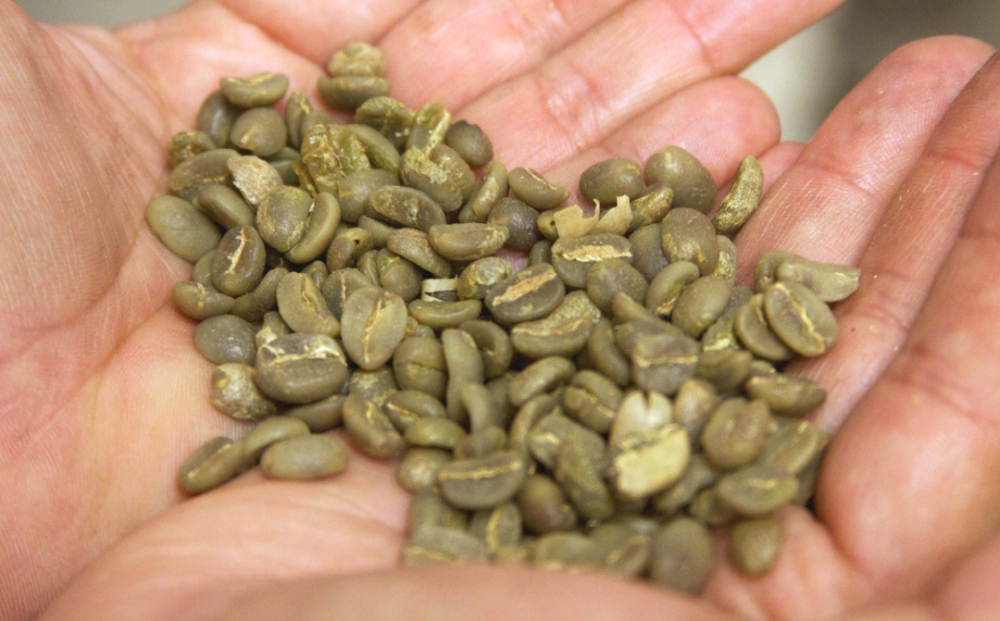
When FrontStreet Coffee receives FrontStreet Coffee's Jamaican Blue Mountain No. 1 green beans, they are uniform and full, with consistent sizes and an overall translucent blue-green color. FrontStreet Coffee uses medium-dark roasting to present the chocolate and nutty aromas of the coffee as fully as possible while retaining soft acidity and sweetness, so the overall taste is balanced.
After fresh roasting, FrontStreet Coffee cups the Blue Mountain beans immediately. The dry aroma has nuts, sweet melon and chocolate. After adding hot water, you can smell oolong tea, caramel, honey and dark chocolate. On tasting, it reveals rich dark chocolate, roasted hazelnuts, cream and brown sugar, with clean, clear flavors, a full body and persistent aroma. So that everyone can experience these aromas, FrontStreet Coffee ships beans freshly roasted within 5 days, so that when customers receive them they are at the optimal tasting stage. Below, FrontStreet Coffee discusses several key factors for hand-pouring FrontStreet Coffee's Blue Mountain coffee to shop standards.
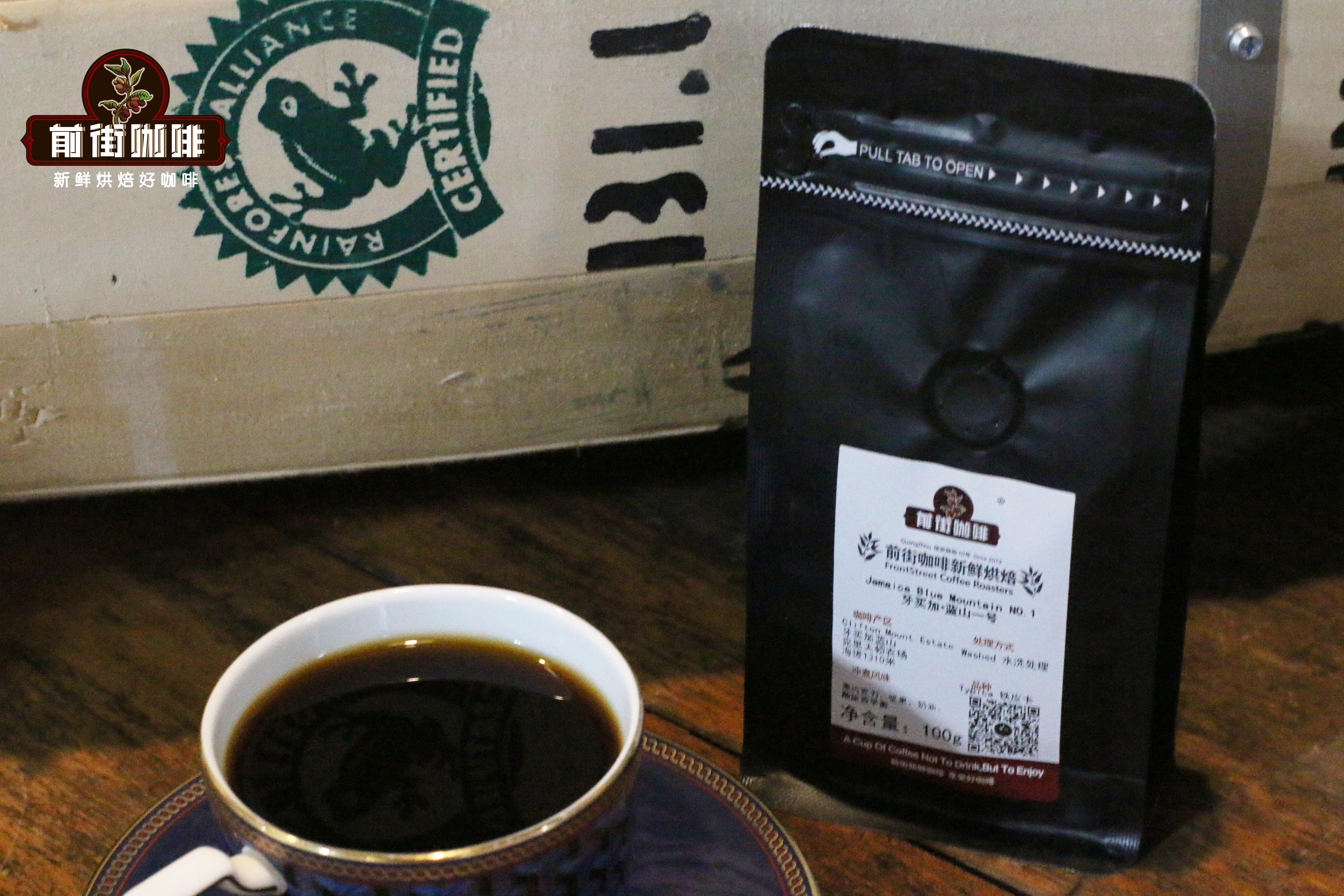
FrontStreet Coffee's Blue Mountain No. 1 Coffee Pour Over Reference
FrontStreet Coffee typically uses a KONO dripper for medium-dark roasted beans. The upper part of the KONO has a smooth curved surface that fits the filter paper better. Compared with a V60, extraction is mainly immersion-based, increasing the overall concentration of the coffee to enhance body. Besides KONO, common Kalita trapezoidal drippers and flannel filters with slower flow rates are also suitable.
Because medium-dark roasted coffee has already been roasted to a certain degree, the internal structure of the beans is looser than light-roasted coffee and therefore absorbs water better. To avoid over-extraction, FrontStreet Coffee chooses a grind with 75% pass-through on a No. 20 standard sieve, along with 88°C water, paired with FrontStreet Coffee's customary three-stage pouring method.
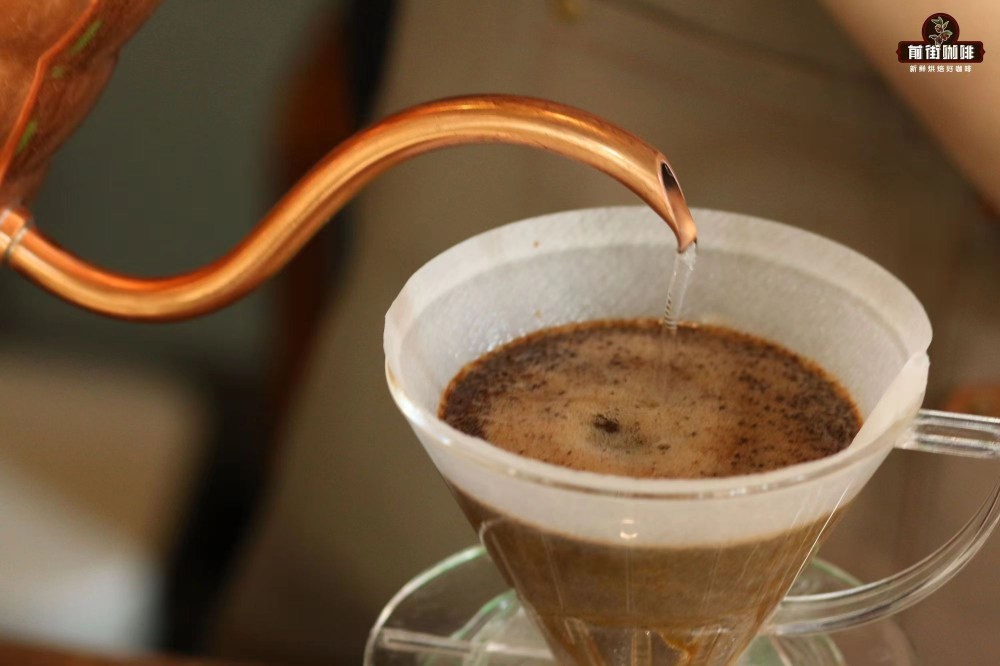
Pour over parameters: 88°C water temperature, coarse sugar grind (75% pass-through on a No. 20 standard sieve), 15g of coffee, 1:15 coffee-to-water ratio, three-stage extraction.
The first stage gently pours 30g of water for blooming, with a bloom time of 30 seconds. The second stage pours to approximately 125g of water, circling outward evenly and steadily. Then wait for the coffee liquid to drop; when it reaches halfway, pour the final stage to 225g. After all the coffee has dripped through, total extraction time is typically around 2 minutes.
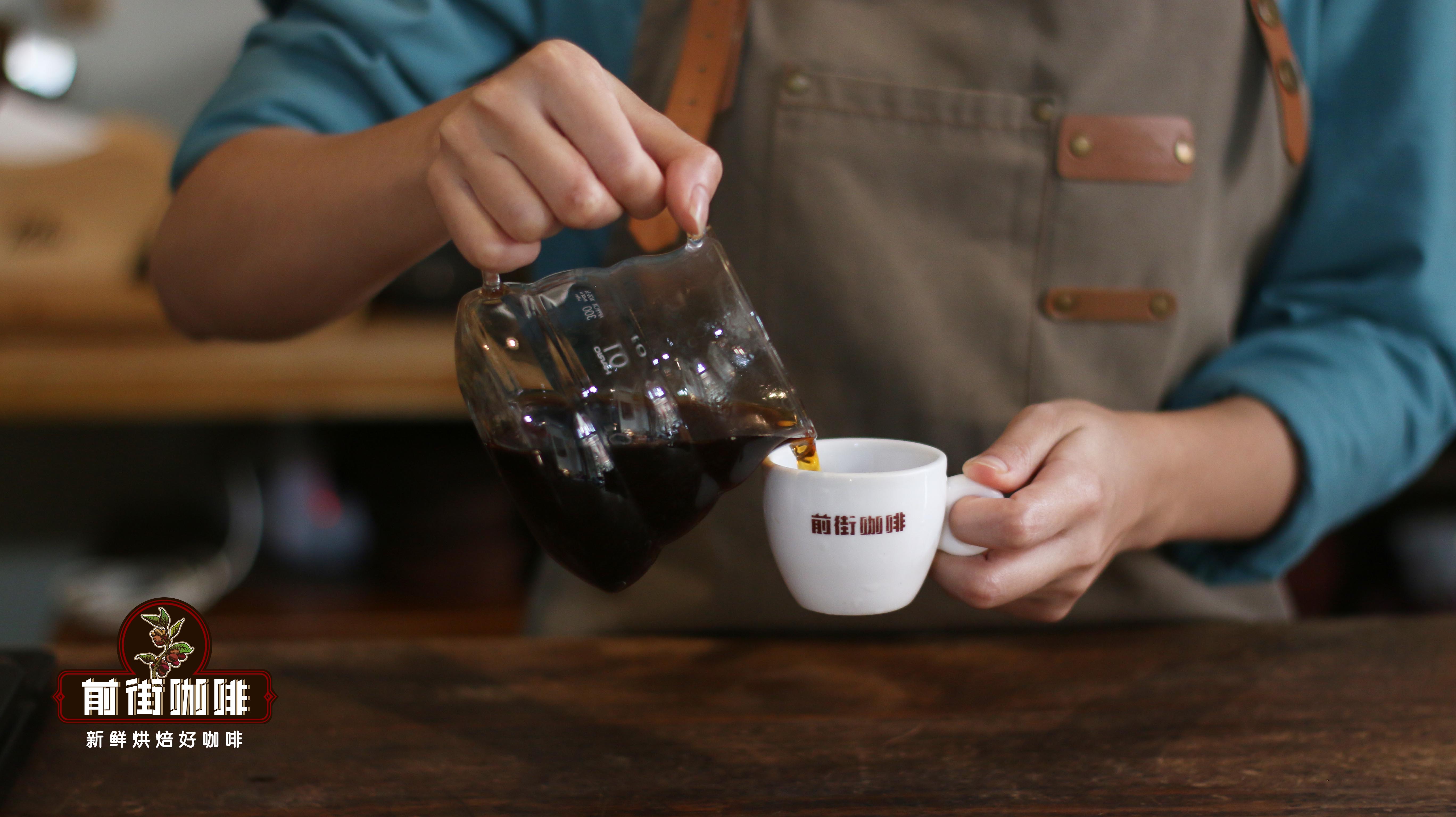
FrontStreet Coffee's Jamaican Blue Mountain No. 1 coffee flavor: at high temperature the coffee enters with a rich dark chocolate aroma, very full-bodied with a distinct almond aftertaste. As the temperature decreases, roasted hazelnuts and a creamy sweet smoothness emerge, accompanied by a hint of soft acidity and caramel sweetness, with the aroma persisting in the mouth.
FrontStreet Coffee Recommendation
Typica's most famous expression is Jamaican Blue Mountain, and that is where FrontStreet Coffee's Blue Mountain range begins. The FrontStreet Jamaica Blue Mountain No. 1 comes from the historic Clifton Estate, where coffee has been grown since around 1750, at an average elevation of 4,300 feet (1,310.64 meters). The altitude, gentle afternoon cloud cover over the mountains, good sunlight and mineral-rich soil give the trees excellent growing conditions and lengthen the ripening of the cherries. It is roasted medium-deep to emphasize the coffee's full body and the traditional bitter-then-sweet character, and it ships freshly roasted within 5 days, so the beans reach you at the peak of their flavor.
Genuine Blue Mountain is worth understanding before you buy. True Jamaican Blue Mountain carries a Jamaican government certificate and proof of origin, and it travels in original wooden barrels printed with detailed lot information; the traditional barrels come in 15, 45 and 70 kilogram sizes. The estate-grown green beans are neat and plump, slightly upturned at both ends and green in color. Blue Mountain No. 1 is one of the highest grades, judged strictly on bean size, defect rate and overall quality. The flavor itself is famous for balance: it is neither sharply acidic like some African coffees nor heavily bitter like a dark roast, but sits in harmony between sour, sweet, bitter and aromatic, with cream, caramel, chocolate, nuts, honey and a light fruit note, a smooth rounded entrance, rich mid-palate sweetness and a clean, long finish.
For pour-over, FrontStreet Coffee suggests a Kono dripper to build body, 15g of coffee rested 4-7 days from roast, a grind a little coarser than you would use for a light roast, at roughly white-sugar fineness, and water at 87-88°C; water that is too hot is one of the most common causes of a burnt, bitter cup. Use a 1:15 ratio and a three-stage pour: 30g of water for a 30-second bloom, then pour to 120g with a vertical stream and a small, slow circle, then pour to 225g a little faster to keep fine particles from clogging the filter and over-extracting. Blue Mountain is balanced enough to also work well in a moka pot, where a slightly finer grind, hot water in the base, medium-low heat and removing the pot just as the coffee finishes flowing will push the chocolate, caramel and nut notes and thicken the body, or as a milk drink where it holds up beautifully in a latte or flat white.
Important Notice :
FrontStreet Coffee is a long-established specialty coffee roaster in Guangzhou China, selling freshly roasted beans from its own farm in Yunnan as well as dozens of carefully selected single-origin beans from around the world for both pour-over and espresso. The products deliver consistently excellent quality and great value, with shipping within 24 hours. Guangzhou's FrontStreet Coffee shop is recommended by many coffee lovers, and the beans are now available online at the Tmall 。
FrontStreet Coffee has moved to a new address:
FrontStreet Coffee Address: 315,Donghua East Road,GuangZhou
Tel:020 38364473
 Scan and follow the En Gafei WeChat official account. Please indicate that the reprint comes from "En Gafei".