What Grade Are Arabica Coffee Beans? A Visual Analysis of Variety Characteristics and Flavor Profiles of Premium Arabica Coffee Beans
Understanding Arabica Coffee: The Premium Choice
Walk into any shop selling coffee and you'll spot "100% Arabica" on the packaging—these days even canned coffee advertises the name. But what exactly is Arabica? Simply put, it's the species name of the coffee tree. Arabica belongs to the Rubiaceae family and is a natural hybrid of the Eugenioides species (female parent) and the Canephora species (male parent).
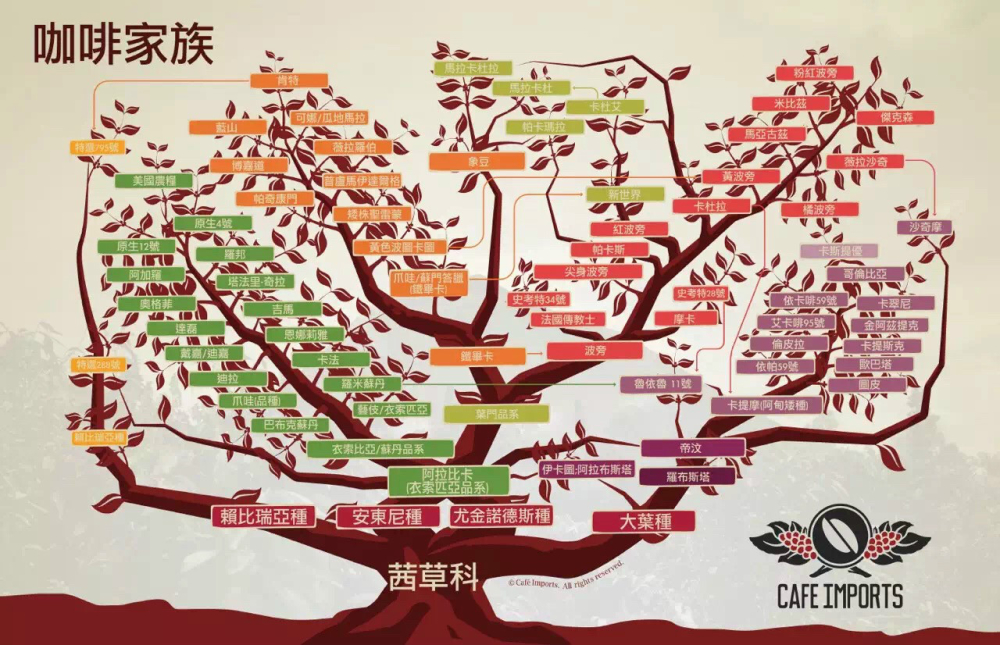
Arabica has since branched into countless sub-varieties. Across all coffee varieties, those belonging to Arabica account for over 85%, split into two great lineages: Ethiopia/Sudan and Yemen. The familiar Typica and Bourbon varieties—and everything derived from them—belong to the Yemen lineage.
Within the coffee world, Arabica and Robusta make up the vast majority of global production. Between the two, however, lies a world of difference in flavor, growing conditions, and price.
In FrontStreet Coffee's cupping comparisons, we've found that any Arabica variety tastes richer and more refined than Robusta, with a cleaner, more pleasant overall cup. That difference in flavor and cleanliness traces directly back to the growing conditions each species requires—and the pest resistance each was born with.
Growing Conditions and Characteristics
Arabica is a demanding crop. It needs high altitudes (600 to 2,000+ meters above sea level), fertile soil, ample humidity, appropriate sunlight, and shade. The trees have poor resistance to pests and diseases, are easily damaged, and yield less coffee per unit of land each year. Today Arabica accounts for 75% of global coffee production—but of all Arabica produced, only 15%–20% qualifies as specialty coffee.

Robusta—the "coarse bean"—is the opposite. It grows happily at low altitudes (200 to 800 meters), shrugs off pests and disease, yields more per hectare, and can be machine-harvested at scale, making it far cheaper to produce. But those hot, humid lowland climates across Asia are paradise for insects, so Robusta evolved to produce large quantities of chlorogenic acid—a bitter, unpleasant compound that deters pests and fights infection (including leaf rust).
Flavor Profiles and Historical Context
Since chlorogenic acid's bitterness masks most other flavors, it's no surprise that neither insects nor humans are fond of the taste. Still, Robusta had its glory days, from royal courts to the rise of instant coffee. Because it tastes naturally sour and harsh, the historical fix was to roast it nearly to charcoal, letting caramelization's bitterness bury every other flavor—which is exactly why sugar and milk became the traditional accompaniments to coffee.
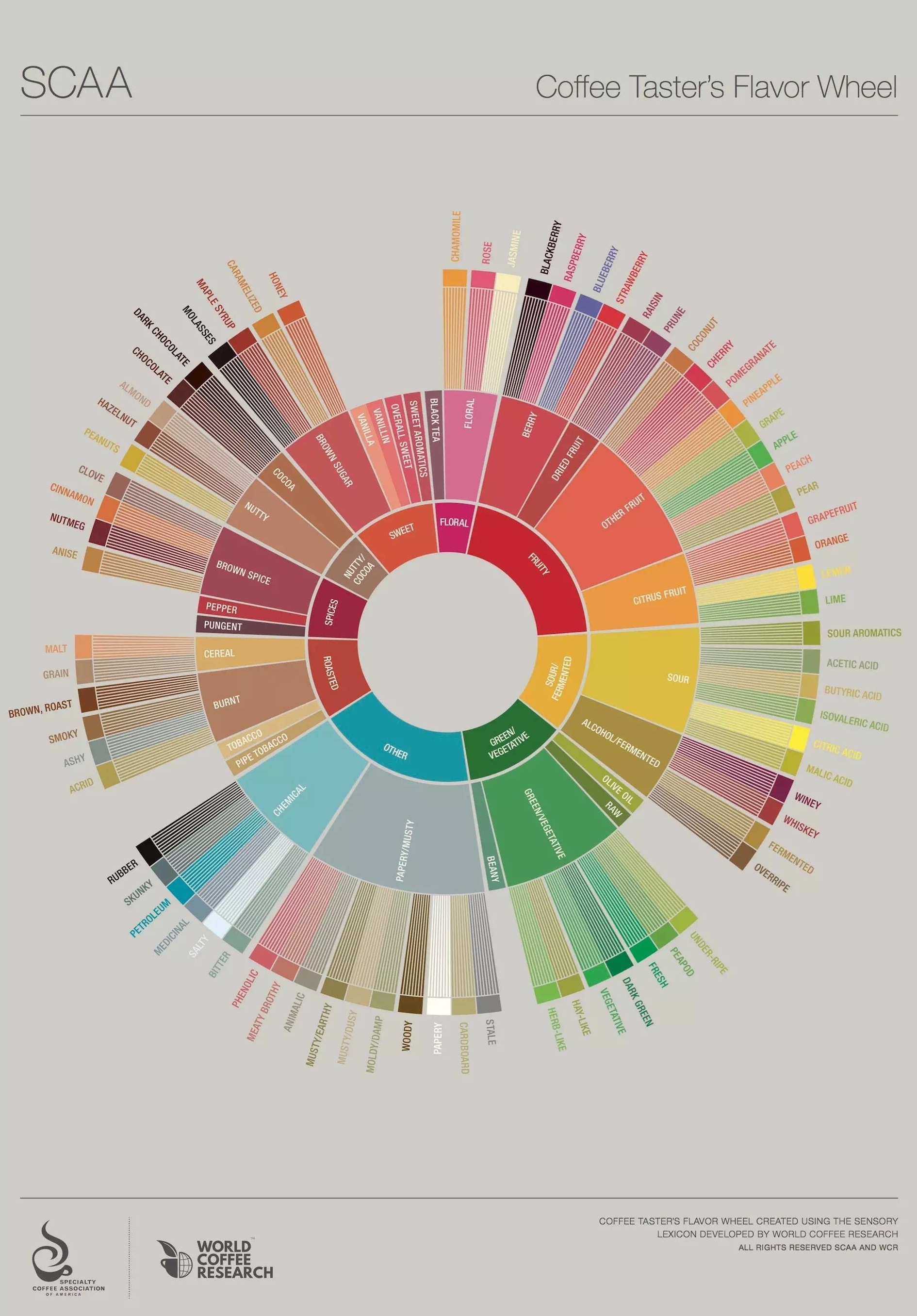
Arabica, by contrast, holds an enormous palette of potential flavors. Beans from different regions, altitudes, and climates develop genuinely distinct personalities. Unroasted Arabica smells like fresh grass; after proper roasting it reveals fruit aromas (light to medium roast) and caramel sweetness (dark roast). Its aroma and flavor generally outclass Robusta across the board.
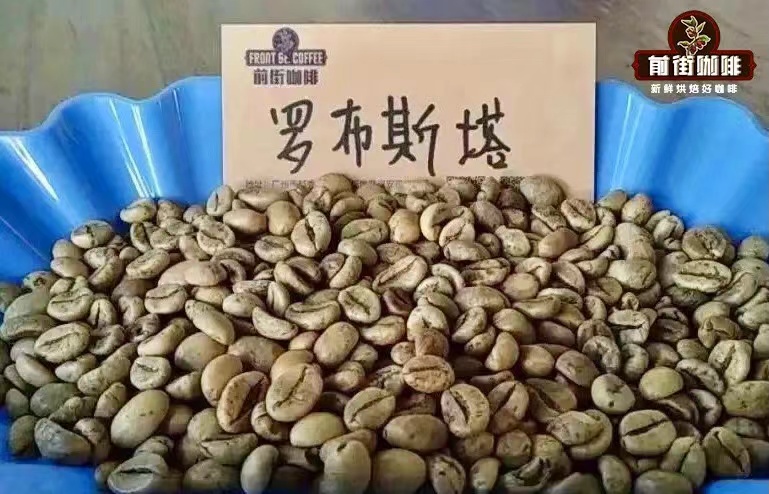
Robusta flavors, meanwhile, tend to be plain, rigid, even pungent. Because most Robusta worldwide grows at low altitude, regional differences barely register—it lacks individuality. Unroasted, it smells like raw peanuts; roasted, cheap Robusta lands somewhere between "wheat tea" (light to medium) and "rubber tire" (dark), with little room for delicacy.
There are exceptions worth knowing: FrontStreet Coffee has noted that India now grows small amounts of high-altitude, washed, high-quality Robusta. Priced above most Arabica and dubbed specialty Robusta, these beans show remarkable cleanliness with none of the defect flavors of cheap grades—a thick, stable mouthfeel and strong walnut, peanut, hazelnut, and wheat notes reminiscent of peanut butter and hazelnut spread.
Processing and Applications
High-quality Arabica demands meticulous hand-harvesting, careful selection, and scientifically managed extraction and drying. Most Robusta skips all that finesse, keeping cultivation and labor costs far below Arabica's—hence its other name, the "cheap bean."
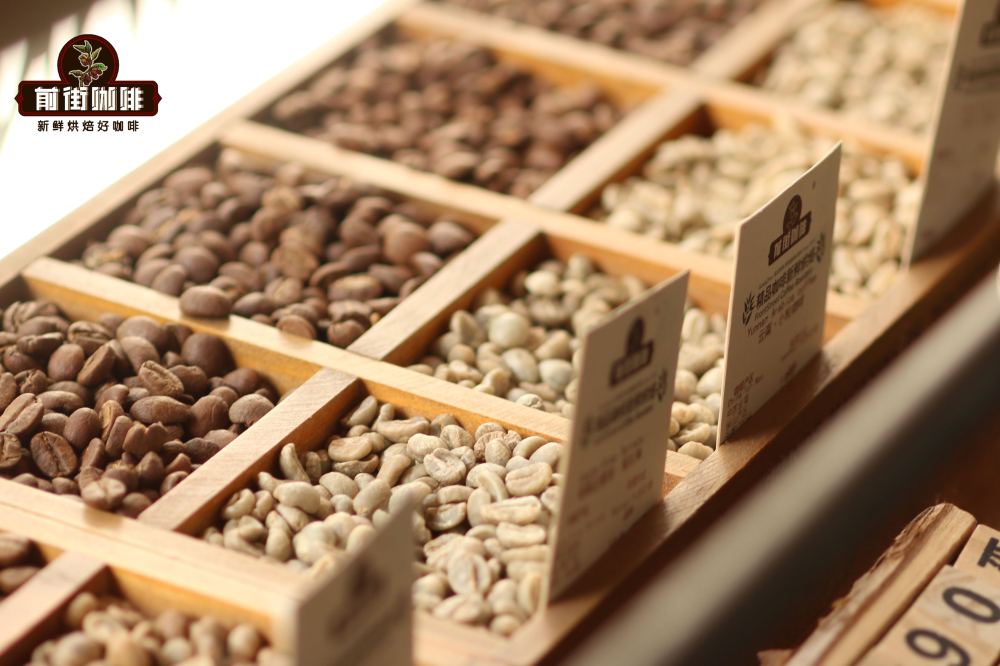
Apart from regions that brew Robusta straight, today's Robusta mostly goes into instant coffee or gets blended with Arabica for espresso. FrontStreet Coffee's "Commercial Blend" contains 10% Robusta with 60% Brazilian Arabica and 30% Colombian Arabica, giving the extracted espresso rich nutty notes and a fuller body.
Beyond that one blend, all FrontStreet Coffee espresso blends, single origins, and drip bags are 100% Arabica. To guarantee freshness, every order ships within 5 days of the roasting date—and for the best fresh-ground aroma, we don't recommend grinding in advance!
FrontStreet Coffee's Recommendations
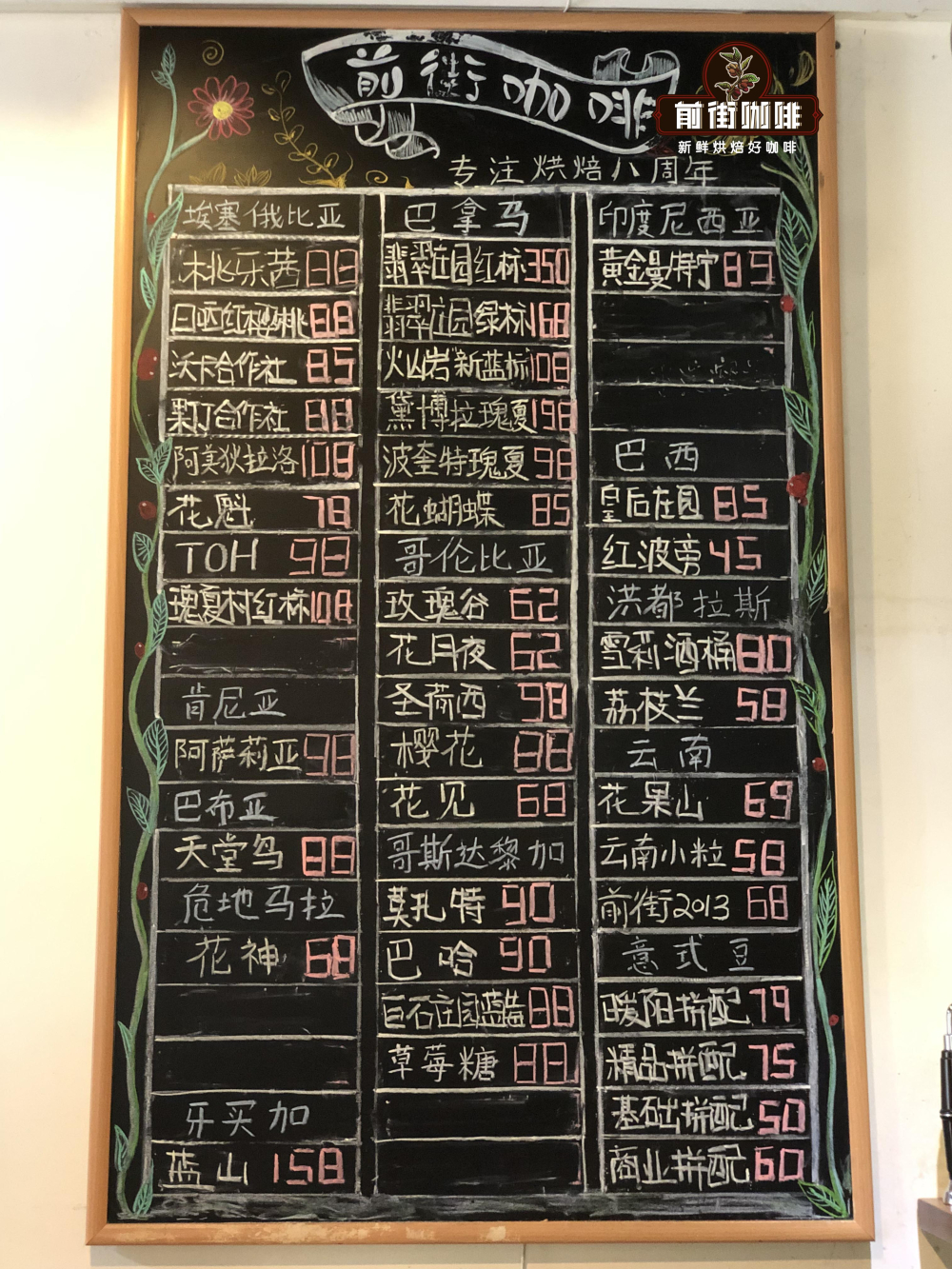
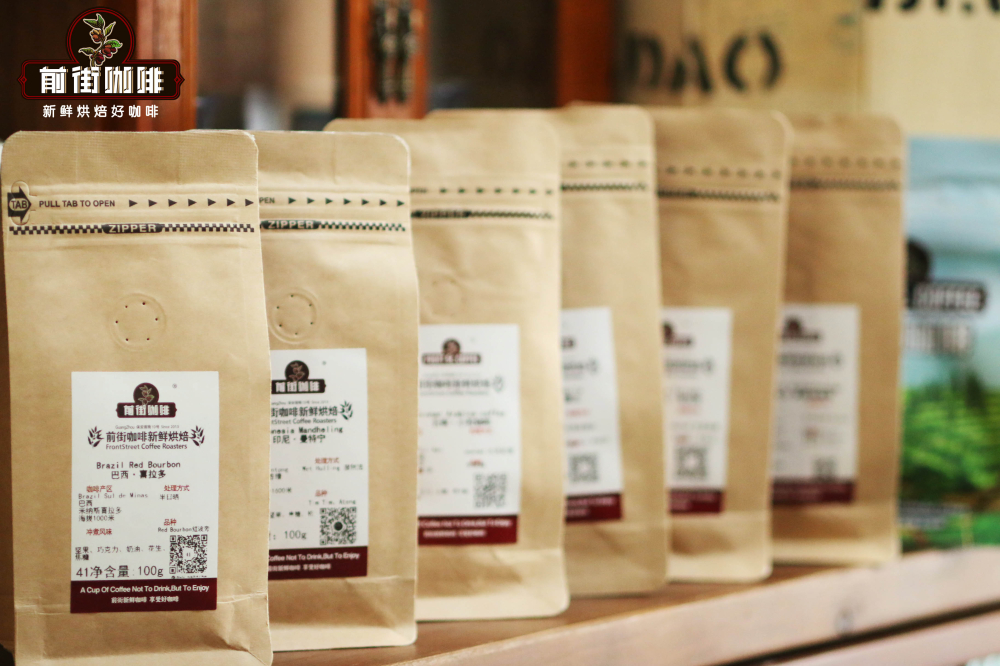
If the bean catalog feels overwhelming, start with the FrontStreet Coffee Daily Bean Series—our signature offering. Each entry picks the most regionally distinctive coffee from a major producing area and packages it in 100g sample sizes: think Ethiopian Yirgacheffe's citrus acidity or Indonesian Mandheling's herbal notes. Eight countries and regions are represented so far.
For the purest taste of what Arabica can be, Ethiopia is the treasure trove—it is, after all, coffee's birthplace, home to countless native varieties. The washed Yirgacheffe is the essential first cup: clear jasmine florals and bright citrus acidity from a cool, misty southern town where thousands of coffee trees thrive. The cup is light, elegant, and tea-like—like a refreshing, clean lemon tea. From the same region, the washed Banko Gotiti Cooperative (independent since 2012 with about 300 member farmers) shows even greater clarity after depulping before drying: citrus and lemon tones with elegant white florals, bright and delicate throughout.
If you prefer sweetness to acidity, the natural Red Cherry Yirgacheffe dries whole cherries in the sun until the fruit's sugars infuse the bean, moisture dropping to 12%, then sorts ruthlessly—density and color checks, plus hand-picking—so every bean is a keeper. Expect peach, cocoa, honey, and lemon. And for a deeper, wilder natural, the Huakui from Guji's Hambella in Sidamo—dried 21 days on raised beds and turned constantly—brings faint fermented wine notes, florals, citrus, and mango, with honeyed sweetness, cocoa, spice, a thick body, and a long finish.
FrontStreet Coffee Recommendation
Ethiopia is coffee's birthplace, and its countless native heirloom varieties are exactly why specialty drinkers keep coming back. Two more FrontStreet picks beyond the classics above: the Hamasho 74158, from a Sidamo washing station that is a fixture on Ethiopian green-bean competition shortlists — built on JARC 74-series disease-resistant varieties, with the small-beaned 74158 showing perfume-lemon, strawberry, and star-fruit sweetness on the nose, then vivid strawberry, star fruit, and green grape up front as gentle florals follow. And the Kaffa Forest coffee, the definitive taste of Ethiopia's wild coffee: trees grown under shade at 1400-2100 meters in virgin red soil with abundant rain and natural microclimates. Roasted medium-light and ground, it opens with distinct white florals, shows bright lemon acidity with sweet orange and bergamot, and finishes with a faint melon-and-nutty sweetness over a green-tea-like body.
Important Notice :
FrontStreet Coffee is a long-established specialty coffee roaster in Guangzhou China, selling freshly roasted beans from its own farm in Yunnan as well as dozens of carefully selected single-origin beans from around the world for both pour-over and espresso. The products deliver consistently excellent quality and great value, with shipping within 24 hours. Guangzhou's FrontStreet Coffee shop is recommended by many coffee lovers, and the beans are now available online at the Tmall 。
FrontStreet Coffee has moved to a new address:
FrontStreet Coffee Address: 315,Donghua East Road,GuangZhou
Tel:020 38364473
 Scan and follow the En Gafei WeChat official account. Please indicate that the reprint comes from "En Gafei".