Pawani Golden Mandheling Coffee Flavor Profile and Characteristics | Indonesian Mandheling Coffee Bean Origin and Variety Introduction
The Legend of Golden Mandheling Coffee

FrontStreet Coffee is a devoted fan of Mandheling coffee, and among FrontStreet Coffee's daily supply beans, Mandheling is one of the best-selling varieties. A first encounter with Mandheling can be intimidating, though, because of its herbal, intense flavors: the initial impression is often, how can it be so bitter? Perhaps we are simply not used to it, but FrontStreet Coffee has noticed an interesting pattern. Most friends who enjoy Mandheling are predominantly male, and Golden Mandheling in particular is especially popular with them, while women tend to prefer the fresh, bright flavors of Ethiopian coffee.
Mandheling is an Asian coffee, naturally carrying rich, herbal flavors, and it represents the finest of Indonesian coffee. It is produced on Sumatra in Indonesia. Thanks to the natural, unpolluted land and its special varieties, Mandheling has a round, full-bodied texture that becomes exceptionally divine when paired with milk. With its rich texture, heavy mouthfeel, excellent consistency, syrup-like smoothness and extremely low acidity, it has long been one of the most popular single origins in Asia. After dark roasting it reveals intense woody aromas and a cheese-like fragrance, with prominent bitterness complemented by mild acidity, and an aftertaste as rich and astringent as Bordeaux red wine.
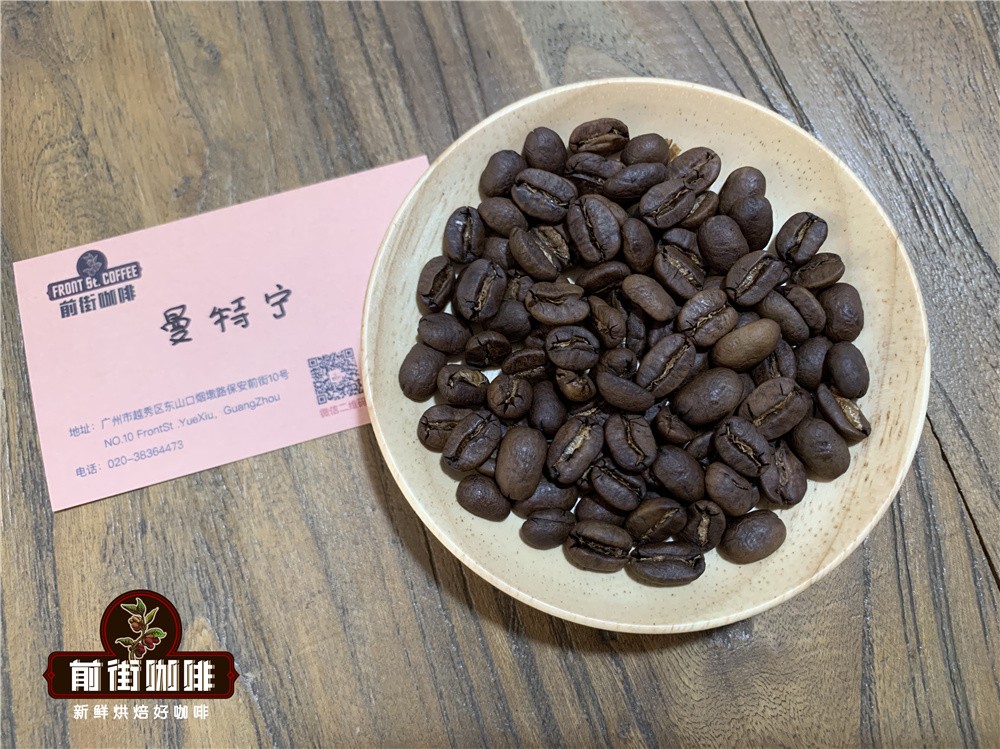
If regular Mandheling already offers such distinctive flavors, what about Golden Mandheling? Golden Mandheling represents the pinnacle of Indonesian specialty coffee, surpassing regular Mandheling in both quality and flavor, and its price is naturally considerably higher.
So how do we distinguish Golden Mandheling, and how do we identify it?
Golden Mandheling is produced in the Lintong region of northern Sumatra, Indonesia. Harvesting is limited to manual single-berry picking of fully ripe fruit, ensuring preliminary bean selection quality. The cherries are processed using the semi-washed method and naturally sun-dried, then hulled and dried again for refinement, followed by two rounds of green bean cleaning and four hand-pick manual selection procedures.

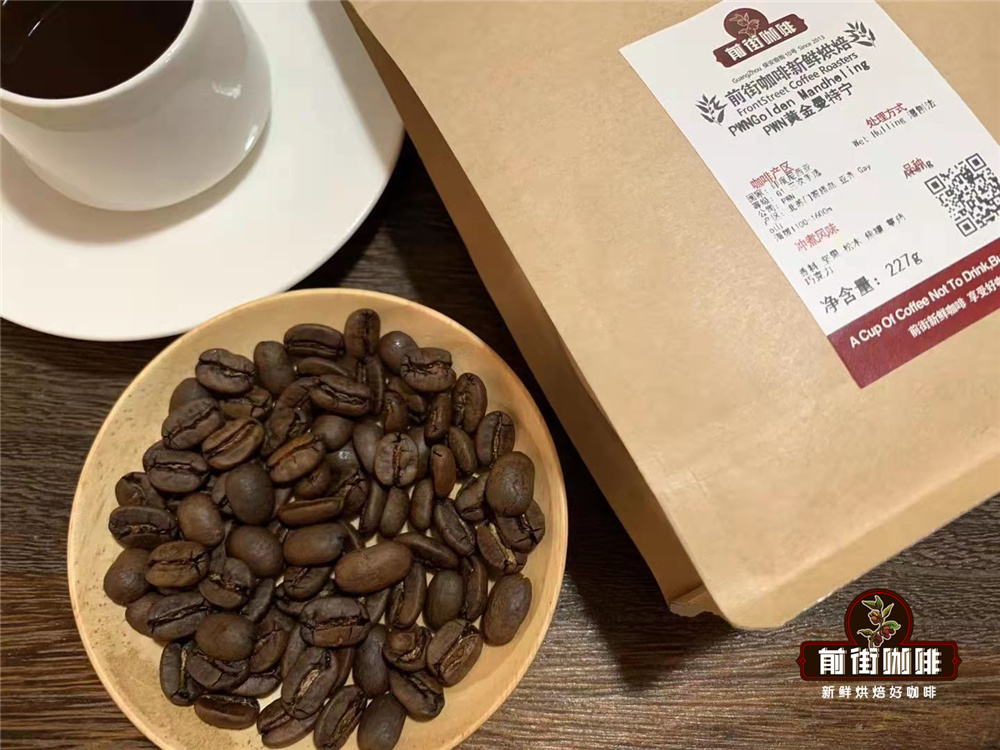
PWN applies extremely strict standards when producing Golden Mandheling beans. Under Indonesia's highest coffee grade, G1, they apply three additional manual selections, ensuring appearance quality and significantly reducing the defect rate. The PWN Golden Mandheling selected this way presents a uniform color and consistent bean shape. In the cup it not only lacks the earthy impurities typical of regular Mandheling but also offers a cleaner, brighter flavor with intensified sweetness.
The quality of PWN Golden Mandheling is also reflected in its price. Some merchants label their Mandheling beans "Golden Mandheling" to command higher prices without indicating whether they came from PWN. To make their products resemble PWN Golden Mandheling in appearance, some merchants select G1 grade beans of 18 mesh or larger from regular Mandheling and apply three additional manual selections to match the look as closely as possible. Even if the appearance can be made very similar, the flavor of PWN Golden Mandheling remains difficult to imitate.
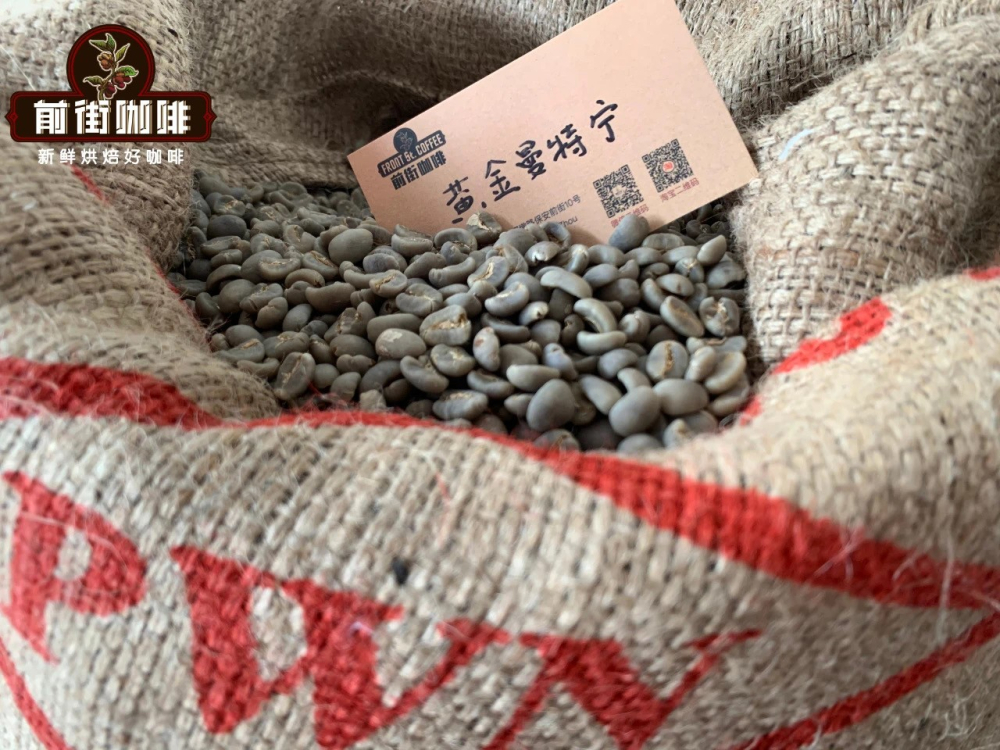
FrontStreet Coffee's baristas have conducted blind tastings of several Golden Mandheling coffees and were able to identify PWN's version accurately, because the clean flavor profile of PWN Golden Mandheling is unparalleled by other Golden Mandheling varieties.
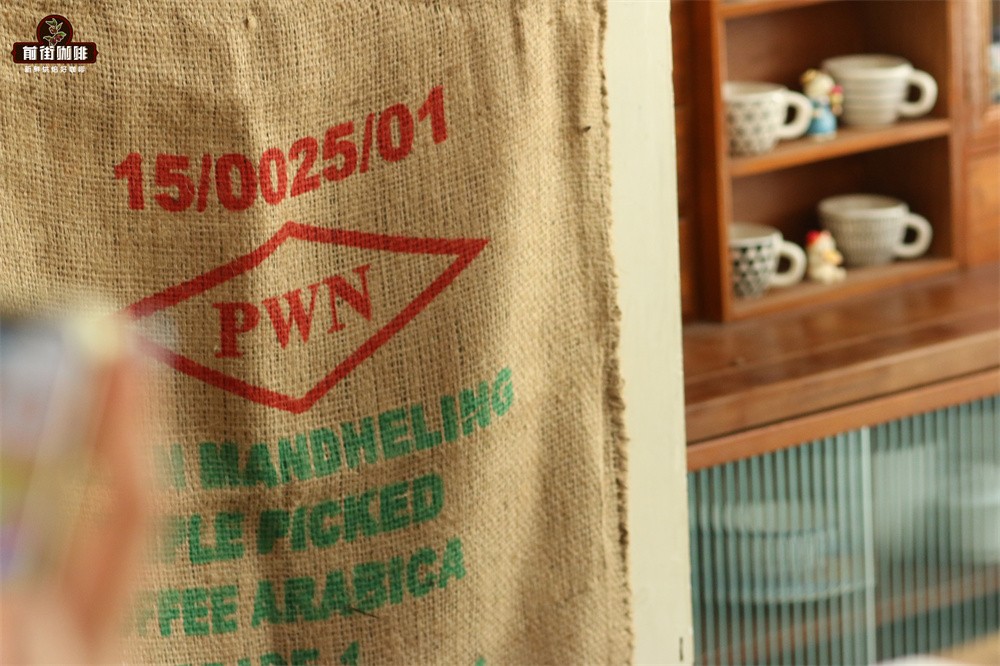
PWN's full name is Pawani, a renowned Indonesian green bean acquisition company that focuses mainly on Mandheling varieties. It has secured the finest coffee-growing regions in Indonesia, and high-quality Mandheling coffee comes from Pawani. The company was established in 1957, initially dealing in rubber. Because of frequent dealings with Japanese merchants, Japanese firms asked them to source the Mandheling they loved, which led them to collect fine Arabica sources in the Gayo region of Aceh province. After many sample trials they finally found Mandheling that met their requirements.
This means that only PWN's Golden Mandheling is truly Golden Mandheling in the authentic sense.
Golden Mandheling Coffee Varieties
Indonesia has a very long history of coffee cultivation. Arabica was grown first, but after leaf rust disease, 90% of Indonesia's exported beans today are Robusta, with only 10% Arabica. FrontStreet Coffee's new-season Golden Mandheling comes from Mount Gayo in the Aceh region of North Sumatra. The variety is Ateng, a hybrid between Arabica and Robusta widely cultivated in Sumatra and other Indonesian islands. Ateng is in fact the local name for Catimor coffee.
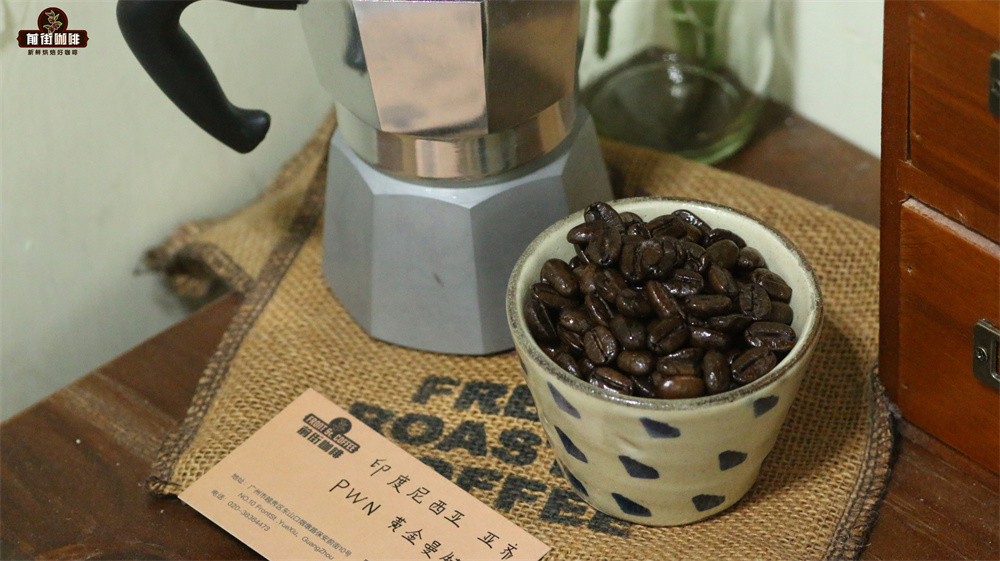
Mount Gayo in Aceh lies at the northernmost tip of Sumatra. Coffee cultivation in the Gayo Mountains mainly surrounds the town of Takegon and the hillside areas near Lake Tawar. The elevation in the production areas averages between 1100-1600 meters, and quality has always been excellent. Because of earlier political instability, coffee from this region was difficult to export, but with improved stability in recent years, Aceh's coffee cultivation has developed and its quality has surpassed that of the Lintong region.
Golden Mandheling Coffee Processing Method
FrontStreet Coffee believes that any coffee's flavor is inextricably linked to its processing method, which directly shapes the profile. Indonesia's perennially hot and humid climate, combined with water scarcity, led coffee farmers to develop a method that could strip and dry beans while conserving water: the wet-hulling method, also known as wet dehulling, which has become the standard for Mandheling beans.

The wet-hulling method is characterized by staged, rapid drying and removal of the parchment during drying. The teacher Han Huaizong described it as a rare processing method worldwide that accidentally created Mandheling's distinctive low-acidity, thick, mellow aromatic flavors. Golden Mandheling adopts this locally common wet-hulling method.
Why Most Mandheling Coffee is Medium-Dark Roasted
FrontStreet Coffee has noticed that Mandheling on the market once uniformly adopted medium-dark roasting, presenting a classic rich black coffee profile. As specialty coffee culture has developed, people have begun pursuing more unusual flavors, and many merchants now offer medium or even medium-light roasted Mandheling. The lighter the roast, the more acidity the beans retain, with fruit, herbal and tea notes dominating and body lower. Some customers have asked FrontStreet Coffee why, since medium-light roasted Mandheling is so refreshing, it is not roasted lighter still.
Anyone who drinks Mandheling regularly should be familiar with Sumatra's wet-hulling method. Before the final drying stage, the beans are poured into a huller that uses significant friction to tear off the semi-dry parchment layer tightly attached to the green beans. Through that friction and stirring, the beans are easily crushed or bruised. The "naked beans" without parchment dry very quickly but are also directly exposed to a humid environment, encouraging the growth of various bacteria.

Although wet hulling indeed creates Mandheling's unique herbal and woody aromas, it also results in a higher defect rate in green beans. Dark roasting masks those defects perfectly. In addition, Mandheling's fame originated with its early discovery by the Japanese, and by their flavor preferences nothing beats the Japanese-style dark roast. This is why most Mandheling is roasted so dark. FrontStreet Coffee wants everyone to experience the classic Mandheling flavor, so both of its regularly sold Mandheling varieties use medium-dark roasting: the Lintong region daily supply bean and the PWN Golden Mandheling from the Aceh region.

How to Brew Golden Mandheling Coffee Beans
So how should these Golden Mandheling beans be hand-brewed?
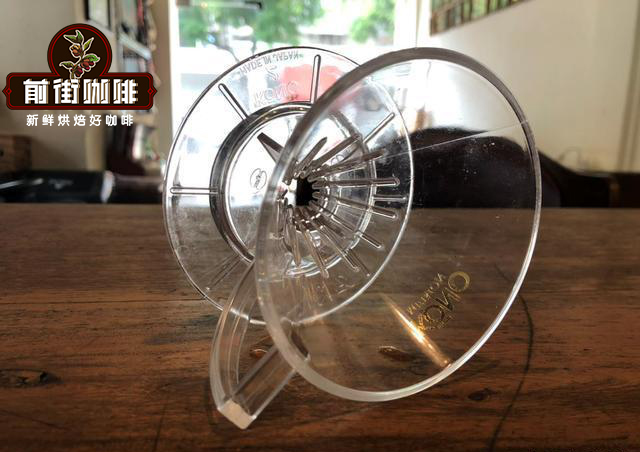
Coffee beans differ in roast level, and brewing technique should follow. Golden Mandheling belongs to the dark roast category, so the water temperature should not be too high and a Kono dripper should be used. A lower water temperature is chosen to avoid extracting excessive unwanted flavors. Dark roast coffee releases abundant aromatic compounds the moment water touches it, so continuing to use light-roast water temperatures would over-extract, making the coffee taste sour, bitter and astringent. FrontStreet Coffee therefore lowers the temperature slightly: for light roast coffee the brewing temperature is 91-93°C, while for medium-dark roast beans FrontStreet Coffee recommends 87-88°C.
FrontStreet Coffee chooses the Kono dripper because V60 drippers have too fast a flow rate, which can cause under-extraction at low temperatures. The Kono dripper has fewer ribs at the bottom, so the filter paper fits tightly against the dripper, restricting airflow and increasing contact time between water and grounds for fuller extraction and a richer mouthfeel.
FrontStreet Coffee's Golden Mandheling Brewing Parameters:
Water Temperature: 88°C, Bean Amount: 15g, Coffee-to-Water Ratio: 1:15, Grind Size: Medium-fine (70% pass-through rate on a No. 20 sieve).

Use segmented extraction, blooming with twice the coffee's weight in water, that is 30g of water for 30 seconds. Blooming is necessary to let the grounds release internal carbon dioxide, ensuring more stable extraction afterward. Using a small stream, pour in a circular motion to 125g, then continue to 225g and stop. Once the water has finished dripping through, remove the dripper. Timing from the start of the pour, the extraction takes 2'00". Next, pick up the pot and shake it gently, then pour into cups for tasting.
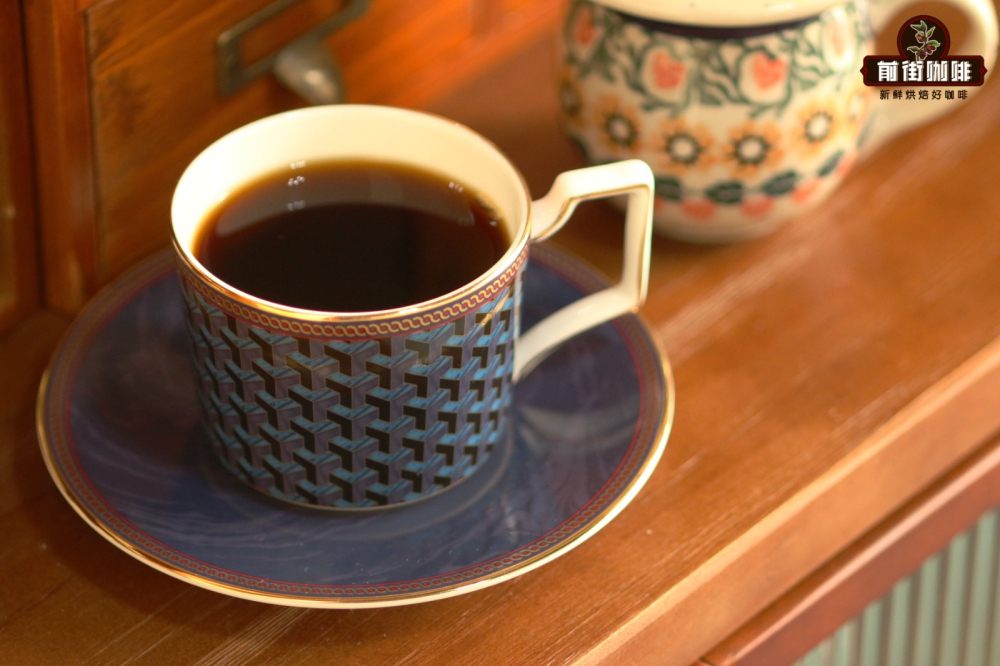
PWN Golden Mandheling Coffee Bean Flavor Profile:
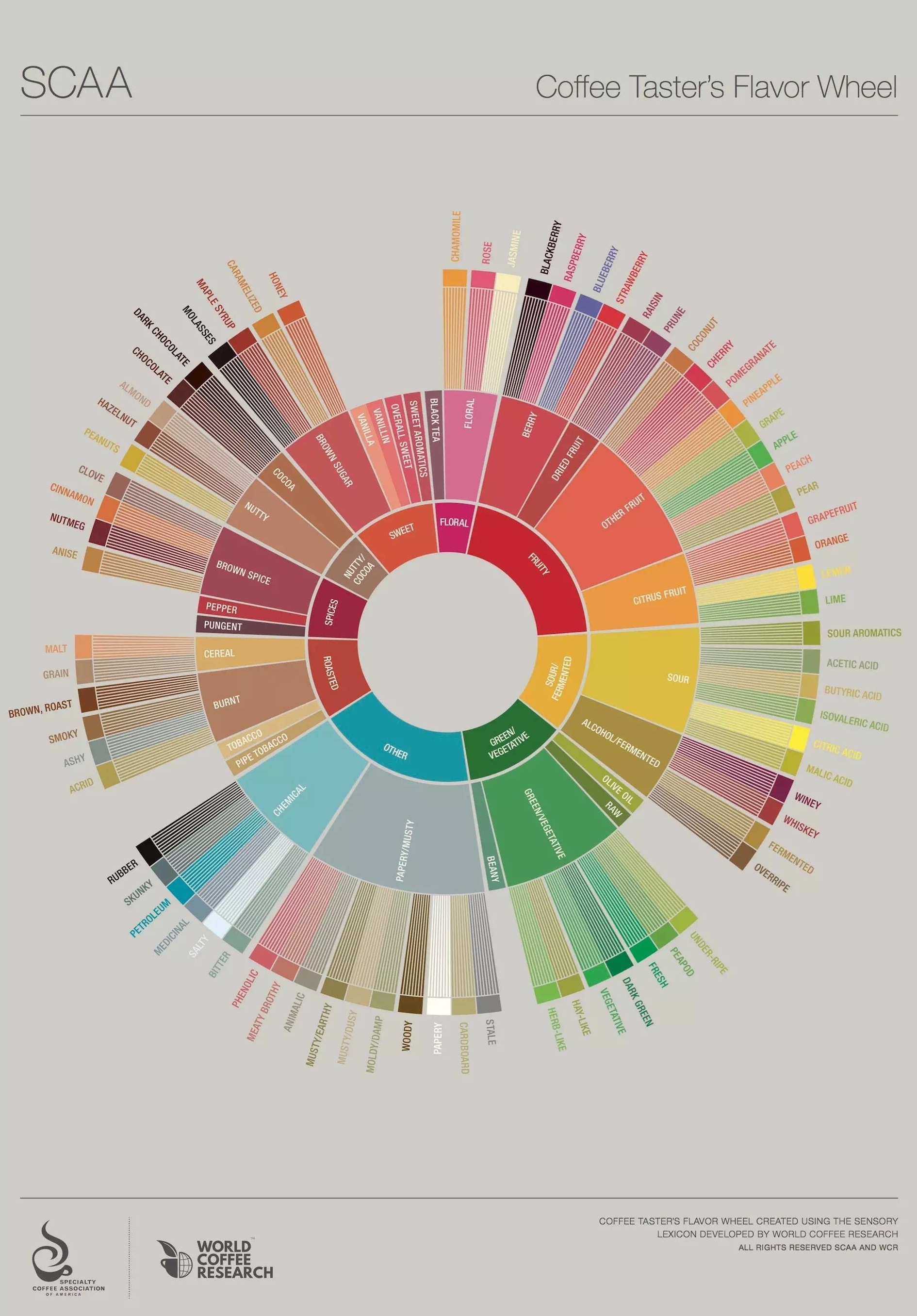
The coffee shows multi-layered complexity, rich yet clean, with intense nut and caramel aromas, chocolate notes, a persistent aftertaste and excellent balance.
FrontStreet Coffee offers over fifty different single-origin coffees from various regions, fully satisfying coffee enthusiasts' needs. Different regions, different flavors: you are welcome to explore and experience them at FrontStreet Coffee.
FrontStreet Coffee Recommendation
FrontStreet Coffee's two Mandheling coffees cover the two poles of the style. Lindong Mandheling, the daily drinking bean, comes from the Lintong area of Sumatra near Lake Toba and uses the same wet-hulled method, giving a low-acidity, full-bodied cup with a strong, stimulating entry, clove and woody aromas, and a persistent, thick sweetness. PWN Golden Mandheling is the higher grade: grown in the Gayo Mountain area of Aceh at 1100-1600 meters, sorted to 18 screen or larger with fewer than 3 defects in a 300g sample and then hand-selected three times plus machine-selected once, it delivers a cleaner, smoother cup with intensified sweetness and clearer chocolate, caramel and herb notes.
FrontStreet Coffee brews both with a Kono dripper at 87-88°C, 15g of coffee, a 1:15 ratio and a medium-fine grind of about 70% through a No. 20 sieve. Bloom with 30g of water for 30 seconds, pour in a small circular stream to 125g, then continue to 225g and stop, for an extraction time of 2'00". Shake the pot gently before serving. The cup is thick and full-bodied with caramel sweetness and chocolate and nut flavors, ideal for anyone who does not enjoy acidity.
Important Notice :
FrontStreet Coffee is a long-established specialty coffee roaster in Guangzhou China, selling freshly roasted beans from its own farm in Yunnan as well as dozens of carefully selected single-origin beans from around the world for both pour-over and espresso. The products deliver consistently excellent quality and great value, with shipping within 24 hours. Guangzhou's FrontStreet Coffee shop is recommended by many coffee lovers, and the beans are now available online at the Tmall 。
FrontStreet Coffee has moved to a new address:
FrontStreet Coffee Address: 315,Donghua East Road,GuangZhou
Tel:020 38364473
 Scan and follow the En Gafei WeChat official account. Please indicate that the reprint comes from "En Gafei".