Espresso Making: Coffee Grind Fineness - A Guide to Espresso Ground Size
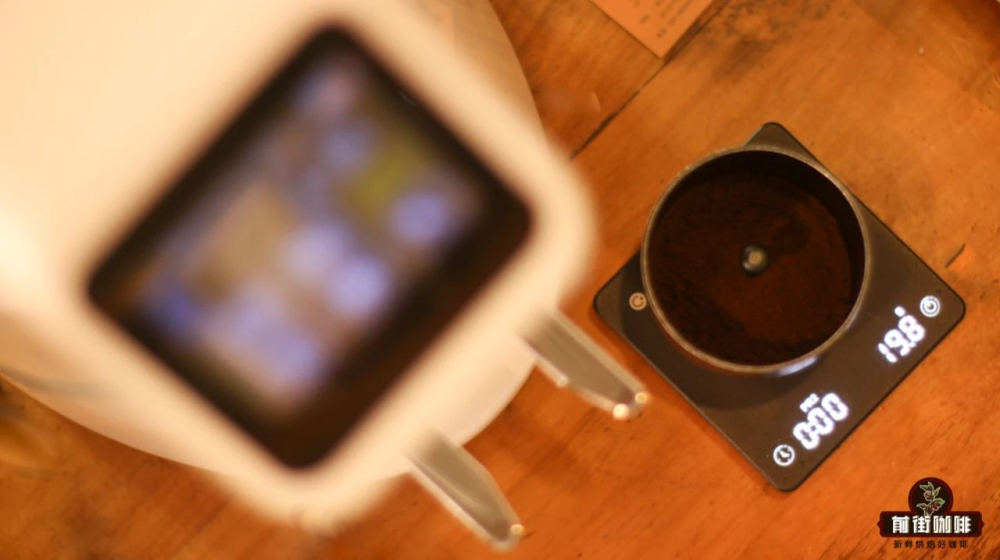
When brewing coffee, we all know that grind size is crucial. A slight error in grind size or uneven grinding can easily lead to under-extraction or over-extraction. Compared to pour-over, cold brew, and other methods, espresso requires a much finer grind and more precise adjustments to achieve the perfect flavor in espresso.
How Fine is Espresso Grind Size?
Regarding the fineness of pour-over coffee, FrontStreet Coffee uses China's No. 20 standard sieve to calibrate by observing how many coffee particles pass through fixed-size mesh holes. However, espresso extraction is pressurized and short-duration, which means it amplifies all characteristics - both positive flavors and defects are magnified. Therefore, the requirements for grinding are much more stringent. The coffee grounds are finer than fine salt, making it impossible to observe their fineness and uniformity with the naked eye, and using sieves becomes even more impractical.
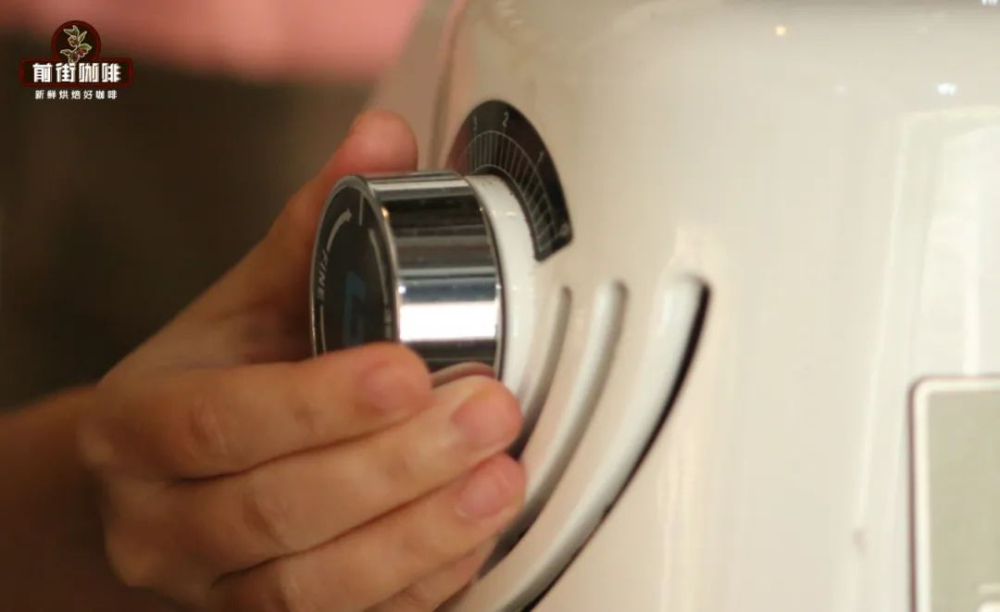
If the grind is slightly too fine, water passes through the coffee bed more slowly, leading to over-extraction. If the grind is slightly too coarse, water passes through too easily, causing under-extraction. Such deviation might result from just a 0.1 difference in grind setting. Therefore, we typically observe the flow rate and taste of the espresso during brewing to determine the appropriate fineness range.
How to First Determine the Appropriate Grind Size Range?
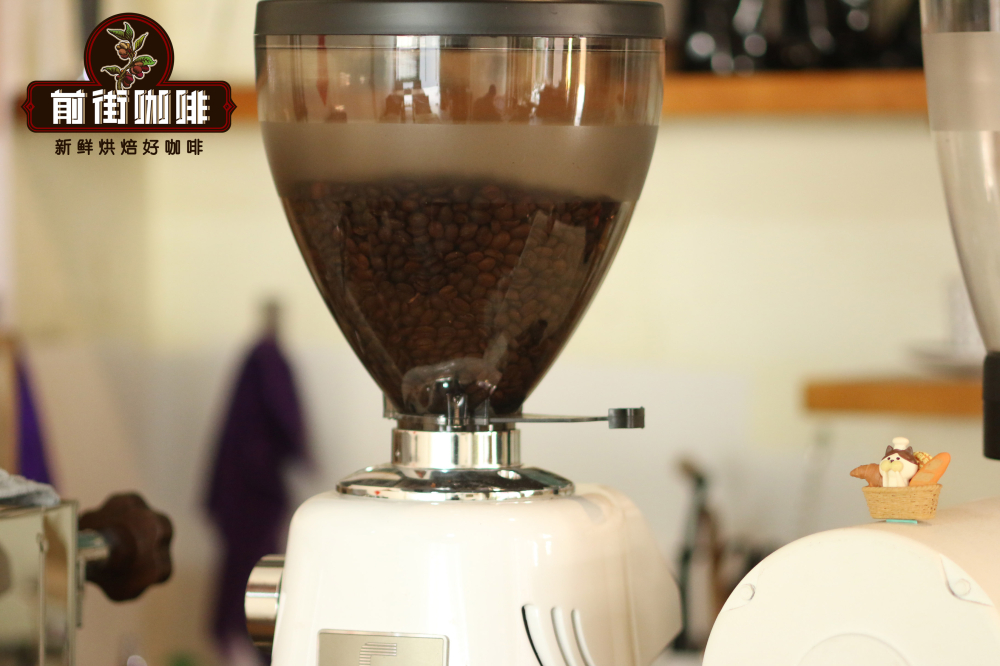
When we get a bag of unfamiliar coffee beans and want to brew delicious coffee, the first step is determining the grind size. If our grinding equipment hasn't been used before and we don't know how to determine the appropriate setting range, we can first test with small amounts of coffee beans at different setting ranges. When the coffee grounds are ground to a flour-like texture, you can feel them with your hands - they should be soft without any roughness.
At this point, we can apply the common espresso extraction formula. FrontStreet Coffee suggests using a liquid ratio of 1:2, meaning extracting about 2 grams of coffee liquid from 1 gram of coffee grounds, with a time between 20-30 seconds. For example, FrontStreet Coffee uses a 20-gram capacity portafilter, filling it with 20 grams of coffee grounds to extract 40 grams of coffee liquid. If the time is less than 20 seconds, it means the flow rate is too fast; when the espresso extraction exceeds 30 seconds, it indicates the flow rate is too slow.
A fast flow rate means water passes through the coffee grounds too quickly, and the coffee taste is often weak or overly acidic. In this case, you need to adjust to a finer grind. Adjusting grind settings usually relies on accumulated daily experience. If the time difference from the target is less than 5 seconds, you can adjust by 0.2 increments each time. If the time difference is too large, you can be bolder, adjusting by 0.5-1 increments. Even if you go from extraction time being too long to too short, you can lock in this grind setting range and gradually narrow it down. Similarly, if the flow rate is too slow, it means the coffee grounds are too fine, and water has difficulty passing through the coffee bed, making the coffee taste bitter. Therefore, you need to adjust to a coarser grind.
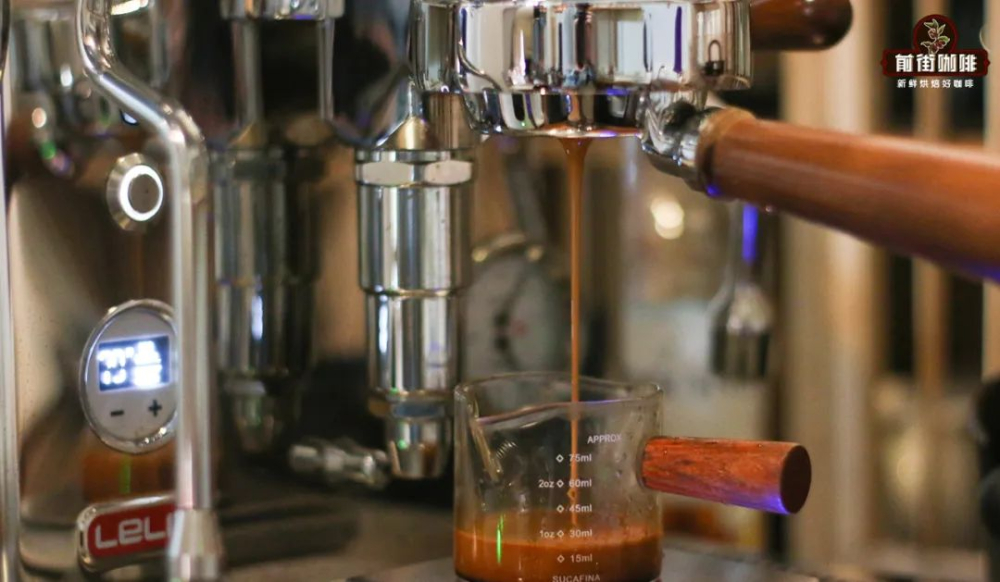
How to Find the Correct Grind Setting?
The formula mentioned above by FrontStreet Coffee is only meant to help us quickly find a suitable grind range and doesn't necessarily mean the espresso extracted this way will taste good. Ultimately, we still need to combine the characteristics and flavor of the coffee beans to determine if the extraction is qualified.
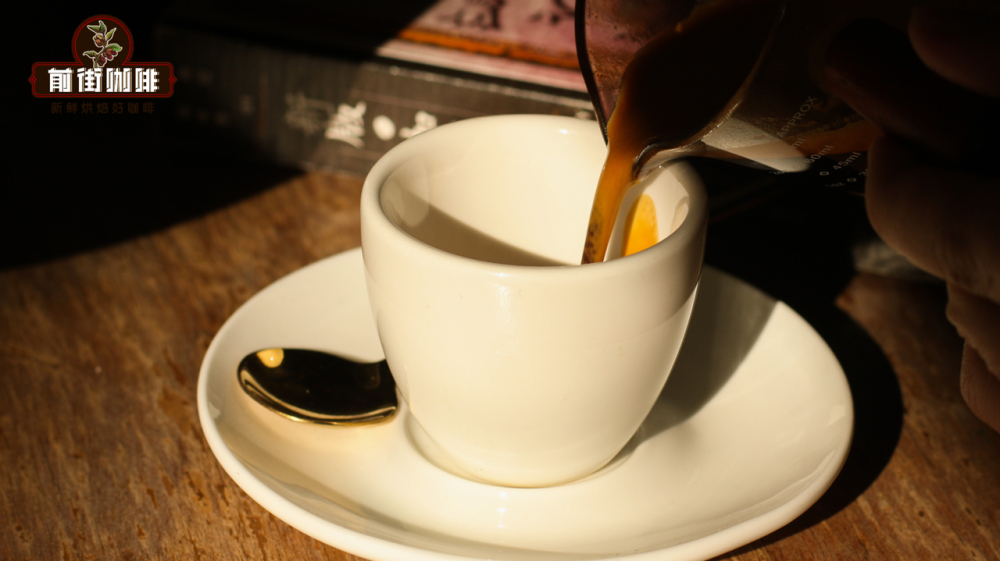
If the espresso has a distinct burnt bitterness but moderate concentration, it might be due to excessive extraction time releasing too many bitter compounds. You can slightly adjust to a coarser grind. If the crema color on top of the espresso is light and thin, it might be due to excessive tail-end extraction. You can reduce the coffee liquid weight, meaning extract less, and it's recommended to increase the coffee-to-liquid ratio to between 1:1.5-1:1.7. When the espresso flavor is rich but the aftertaste is short, you can appropriately extract more coffee liquid, trying to adjust the ratio to 1:2.5.
For professional coffee knowledge exchange and more coffee bean information, please follow Coffee Workshop (WeChat official account: cafe_style).
For more specialty coffee beans, please add FrontStreet Coffee on private WeChat (FrontStreet Coffee), WeChat ID: qjcoffeex
Important Notice :
FrontStreet Coffee is a long-established specialty coffee roaster in Guangzhou China, selling freshly roasted beans from its own farm in Yunnan as well as dozens of carefully selected single-origin beans from around the world for both pour-over and espresso. The products deliver consistently excellent quality and great value, with shipping within 24 hours. Guangzhou's FrontStreet Coffee shop is recommended by many coffee lovers, and the beans are now available online at the Tmall 。
前街咖啡 FrontStreet Coffee has moved to new addredd:
FrontStreet Coffee Address: 315,Donghua East Road,GuangZhou
Tel:020 38364473
 Scan and follow the En Gafei WeChat official account. Please indicate that the reprint comes from "En Gafei".