Indonesian Mandheling vs Blue Mountain Coffee: Flavor Profile Comparison - Which Coffee Bean Tastes Better?
Both Indonesian Mandheling and Jamaican Blue Mountain belong to the bitter-toned family of coffees built on chocolate and nutty flavors. Broadly speaking, if you want a balanced, refined cup, FrontStreet Coffee's baristas would point you to Jamaica Blue Mountain No. 1; if you favor a heavier, herbal and spicy coffee, FrontStreet Coffee suggests Indonesia's Golden Mandheling. Below, FrontStreet Coffee compares the defining traits of these two premium coffees.
Blue Mountain No. 1 Coffee Originates from Jamaica's High-Altitude Blue Mountains
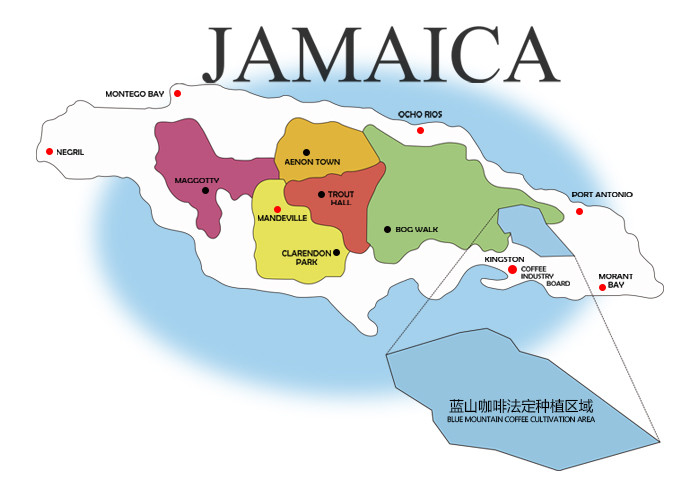
Jamaica's Blue Mountains form the highest terrain in the Caribbean and sit under a tropical rainforest climate. In the rainy season, annual precipitation reaches 1800-2000 mm. The steep, sloped land drains quickly while still giving local vegetation thorough irrigation. The Blue Mountain region enjoys stunning scenery, exceptionally clean air, and fertile volcanic soil that helps the trees bear flavor-rich fruit. Local growers practice mixed cultivation, planting coffee trees alongside banana and avocado trees. The high-altitude Blue Mountains are frequently wrapped in cloud and mist, which provides natural shade for the coffee trees.
To protect the Blue Mountain environment, Jamaican law stipulates that only land below 1700 meters elevation may be used for agriculture. It strictly requires that Arabica grown in specific areas between 910-1700 meters may be called Jamaica Blue Mountain Coffee. The region is divided into four producing areas—St. Mary, St. Thomas, St. Andrew, and Portland—covering one-third of the entire Blue Mountain cultivation area.
Unlike many producing regions that switched to higher-yielding varieties to boost volume, Blue Mountain has consistently cultivated the recognized high-quality traditional variety—Typica. After nearly 300 years of adaptation and propagation, Blue Mountain Typica has not only fused with the local island terroir but also developed better disease resistance, showing far stronger resistance to coffee berry disease than typical Typica. FrontStreet Coffee believes the refined, clean flavor of Blue Mountain is inseparable from Jamaica's careful stewardship of the Typica variety. FrontStreet Coffee's Blue Mountain No. 1 is produced by Jamaica's historic Clifton Mountain Estate using traditional washed processing.
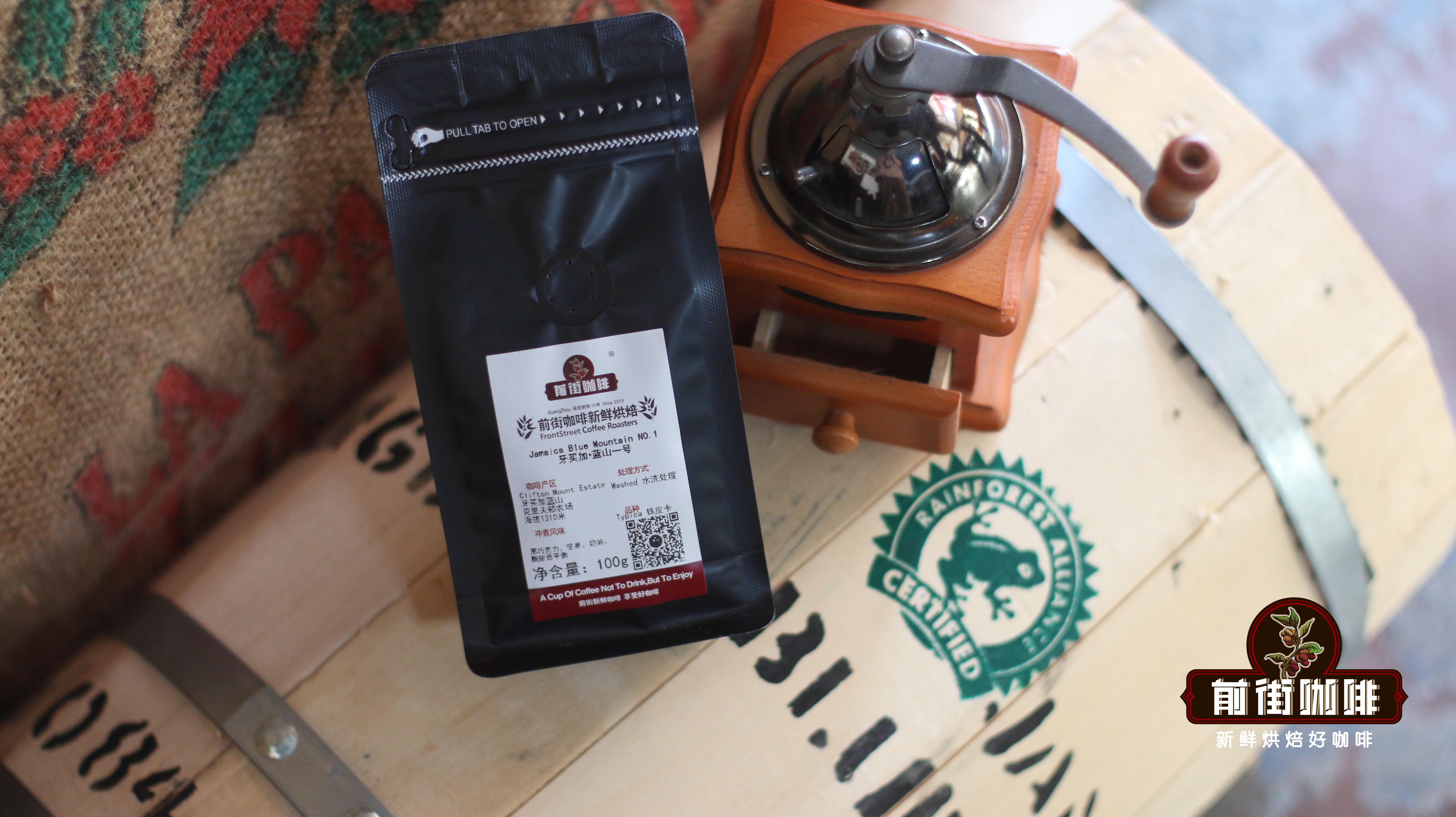
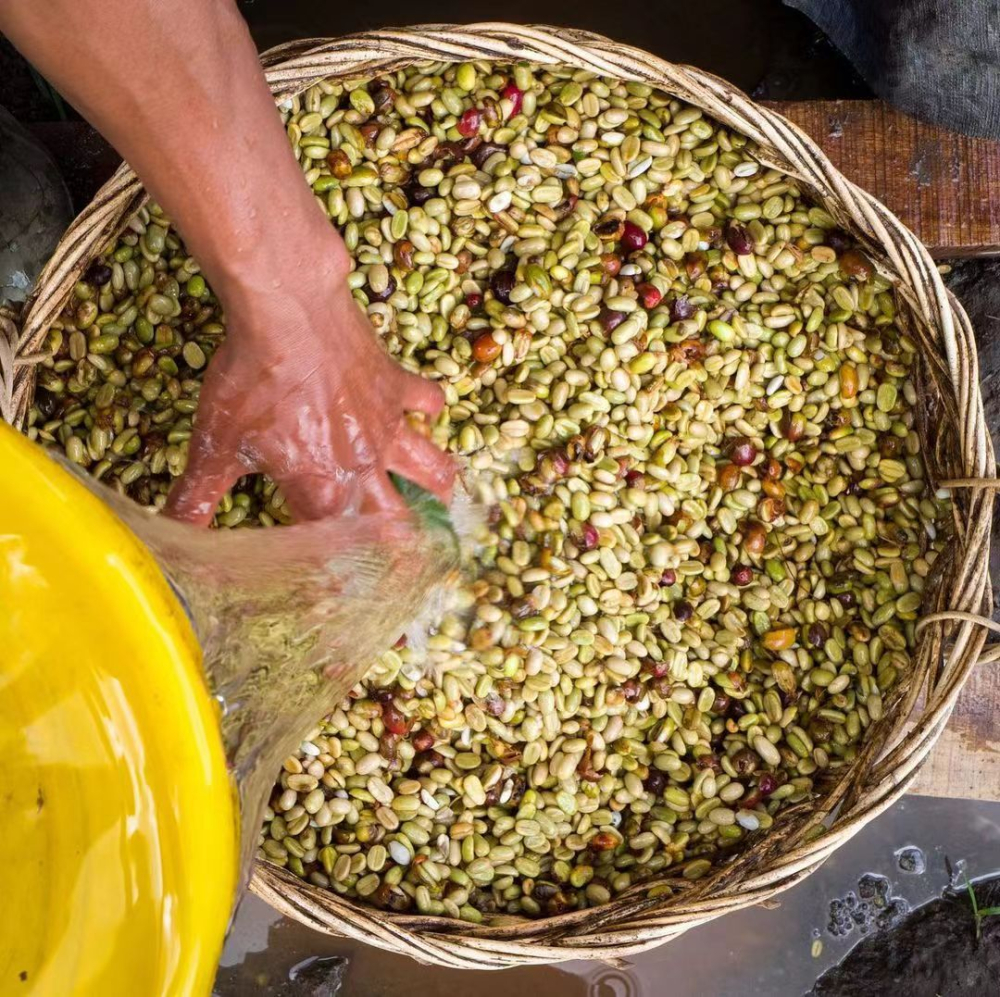
Clifton Mountain Estate places freshly picked coffee cherries into water tanks for flotation, removing the pulp and skin before fermentation. Overnight fermentation produces large amounts of acidic substances, causing the mucilage layer to separate from the surface. The parchment beans are then spread out in sunlight to dry until they reach the target moisture content, after which they are packaged, stored in warehouses, and sent for quality inspection. Washing makes the Blue Mountain bean's own flavor cleaner and more transparent, and the quality more stable.
Indonesian Golden Mandheling Comes from the Mysterious Island of Sumatra
Mandheling originates from Indonesia's mysterious island of Sumatra. The island is divided into eight provinces, yet only the high-altitude provinces of Aceh and North Sumatra cultivate Arabica on a large scale. Sumatra lies in the tropical rainforest zone, where the mountains are constantly shrouded in cloud and rain, adding a layer of mystery to the land. Local growers plant coffee trees around two major volcanic lakes: Lake Tawar and Lake Toba. The Gayo Mountains around Lake Tawar offer ideal growing conditions and have widely adopted organic farming. Combined with a long history of cultivation, the coffee produced here reaches higher quality and yield. Many green coffee suppliers value this region highly, including the locally famous Pwani Coffee Company (PWN). The Golden Mandheling on FrontStreet Coffee's menu is produced by PWN, using Indonesia's unique wet-hulled processing method.
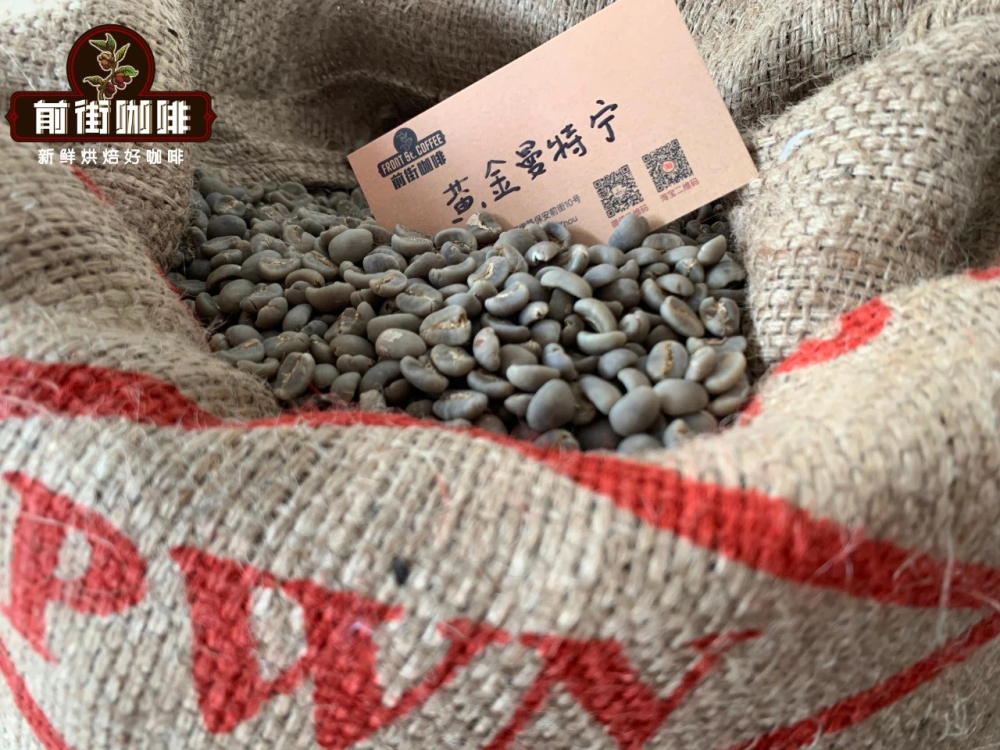
Wet hulling begins by removing the skin and pulp of the coffee cherries, followed by a brief fermentation and drying. While the beans are still semi-dry, the parchment layer is removed and drying continues until the moisture content drops to 12%. Because every step unfolds in a 70-90% humidity environment and the parchment layer is stripped away before final drying, the "exposed" green beans readily absorb moisture from the air. The result is a coffee with more woody, herbal, and spicy mellow aromas—flavor notes characteristic of Indonesian growing regions.
Both Blue Mountain No. 1 and Golden Mandheling Green Beans Belong to the Highest Local Grades
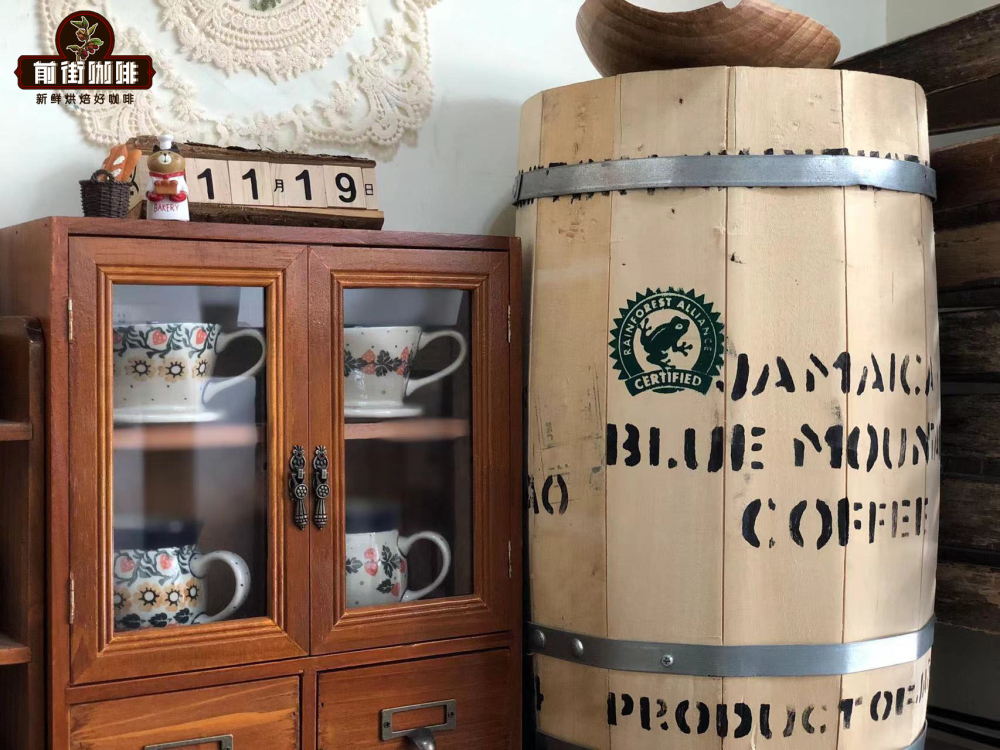
Jamaica grades Blue Mountain green coffee by specification, defect rate, cupping flavor, and other criteria. Blue Mountain is divided into four grades: Blue Mountain No. 1, Blue Mountain No. 2, Blue Mountain No. 3, and hand-selected Blue Mountain Peaberry. Blue Mountain No. 1 holds the highest grade, with green bean specifications above 17 screen size and moisture content around 10-12.5%. After roasting, it shows a perfect balance of acidity, sweetness, bitterness, body, and aroma, making it an exceptionally precious Blue Mountain lot. To ensure the beans keep better quality until roasting and to prevent moisture infiltration during transport, Jamaicans insist on handcrafted wooden barrels as containers for Blue Mountain green beans. Wooden barrels have also become one of the important symbols of Jamaican Blue Mountain coffee.
Golden Mandheling is PWN's exclusive signature product. Having registered the "Golden Mandheling" trademark early on, only Mandheling produced by PWN may be called "Golden Mandheling." Its hallmark lies in multiple screenings of the green beans, which deliver consistently high overall quality. PWN buys Mandheling green beans above 18 screen size at G1 grade—fewer than 3 defective beans per 300g sample, the highest grade for Indonesian green beans. They then strictly follow a standard of 1 machine selection plus 3 manual defect-bean selections, ensuring uniform color, shape, and size. As a result, PWN Golden Mandheling offers a cleaner, brighter taste with more prominent body and sweetness.
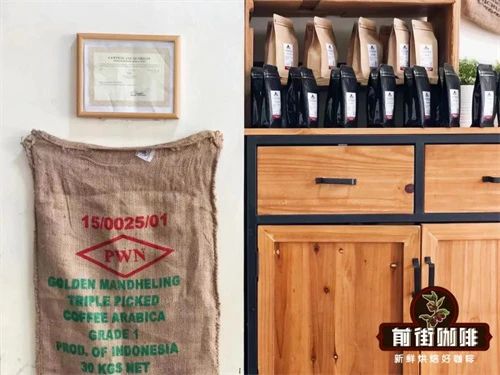
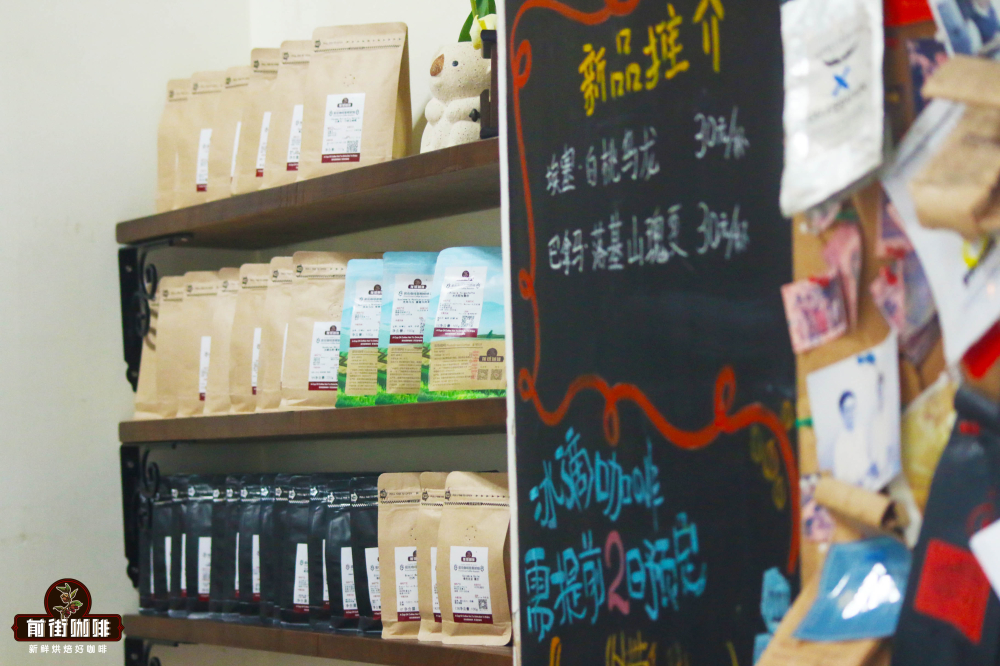
FrontStreet Coffee holds the corresponding certification documents for both coffees, including the wooden barrels and the gunny sacks that contained the green beans. FrontStreet Coffee displays these at the Dongshankou store, so everyone can observe them during a coffee break.
Cupping Flavors of Blue Mountain No. 1 and Golden Mandheling Coffee
Before launching any coffee bean, FrontStreet Coffee cups it to evaluate quality. Since both coffees emphasize rich nutty aromas, FrontStreet Coffee uses medium-dark roasting to preserve some acidity. Golden Mandheling has the more prominent body, so it is roasted darker than Blue Mountain No. 1.
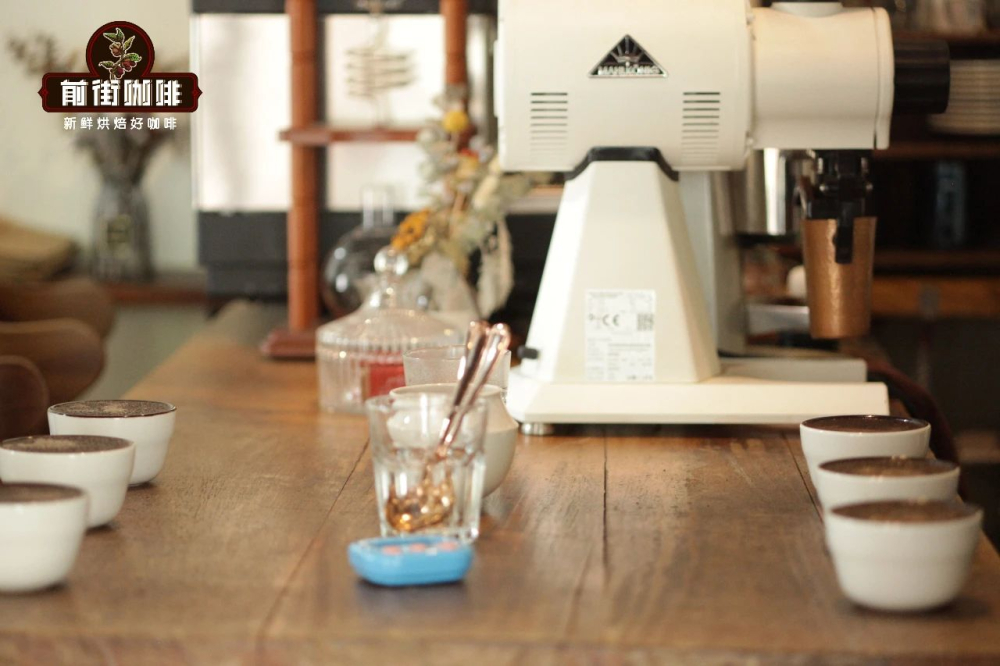
Cupping is an evaluation of coffee bean quality and flavor. Unified standards help objectively identify the strengths and weaknesses of the flavors the beans present, as well as their characteristics. Through cupping, FrontStreet Coffee found that PWN Golden Mandheling carries not only aromas of dark chocolate, nuts, and caramel but also herbal spice and pine, with a dark chocolate aftertaste, a full finish, high cleanliness, and light fruit acidity as the cup cools.
When FrontStreet Coffee received the Blue Mountain No. 1 green beans, they were uniform and full, consistent in size, and overall a translucent blue-green color. After roasting, FrontStreet Coffee cupped the coffee. The dry aroma showed nuts, sweet melon, and chocolate. After adding hot water, notes of oolong tea, caramel, honey, and dark chocolate emerged. The taste revealed rich dark chocolate, roasted hazelnuts, cream, and brown sugar, with clean and clear flavors, full body, and lingering aroma.

FrontStreet Coffee's Brewing Recommendations
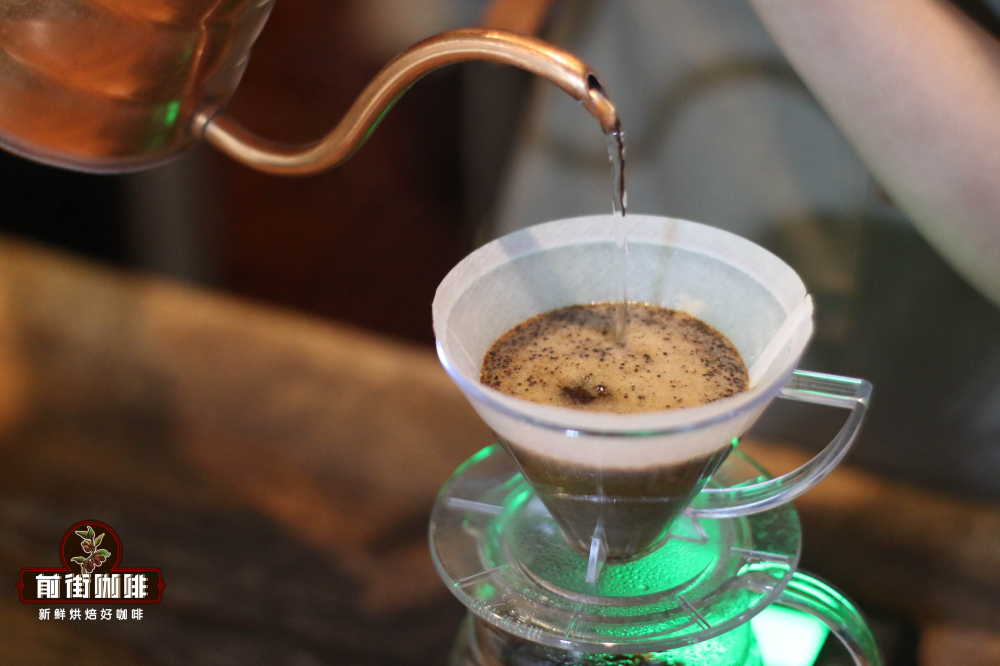
FrontStreet Coffee believes the greatest strength of these two coffees is their body and roundness, so FrontStreet Coffee's baristas consistently use the KONO dripper for extraction. The KONO dripper's only exhaust point is its one-quarter rib design. Once the water level rises above the rib area, the water volume in the dripper keeps increasing, creating pressure through the weight of the water. Because the outlet is relatively small, it can extend the contact time between coffee particles and water, effectively extracting soluble substances as water flows through and thereby enhancing the coffee's rich, full-bodied taste. FrontStreet Coffee wants every customer to enjoy the full aroma in their coffee, so it ships only coffee beans roasted within 5 days, ensuring everyone can enjoy the complete flavor window when their order arrives.
Dripper: KONO
Water Temperature: 87°C
Dose: 15g
Ratio: 1:15
Grind: 70% pass-through rate on Chinese standard #20 sieve
Pouring Method: Three-stage pour
First pour 30g of hot water for the bloom and wait 30 seconds. Then pour slowly in a spiral from the center to 125g. When the water level in the dripper drops to just above the coffee bed, continue pouring in a spiral to 225g. Total extraction time is approximately 2 minutes. Gently stir the coffee before tasting.
For professional coffee knowledge exchange and more coffee bean information, please follow Coffee Workshop (WeChat official account: cafe_style). For more premium coffee beans, please add FrontStreet Coffee on WeChat: qjcoffeex
FrontStreet Coffee Recommendation
If Blue Mountain's balance wins you over, Jamaica is the way to go; but if you lean toward a bold cup with herbal and spicy notes, FrontStreet Coffee recommends Indonesia's Golden Mandheling. FrontStreet Coffee's PWN Golden Mandheling is produced to Grade G1 standards—beans of 18 screen or larger, with fewer than 3 defective beans per 300g sample and triple hand-sorted after machine selection—then taken to a medium-dark roast.
Processed by the traditional Sumatran wet-hulled method, it delivers a heavier body, lower acidity, and pronounced dark chocolate and caramel sweetness alongside distinctive herbal and woody aromas—a striking contrast to Blue Mountain's mild, balanced profile. Because it is a single-origin coffee from the Gayo Mountains near Lake Tawar, it also works beautifully as a pour-over.
To bring out the best in it, FrontStreet Coffee's PWN Golden Mandheling shines as a pour-over: use a water temperature of 87-88°C, 15g of coffee, a 1:15 ratio, and a grind around coarse-sugar size, then pour in three stages to highlight its full body and caramel sweetness. If you prefer espresso, the buyback-favorite FrontStreet Classic Blend layers medium-dark Mandheling onto a creamy Brazilian base for butter, roasted chestnut, and caramel notes, with a little Robusta added to enrich the crema—easy for latte art or a layered Dirty.
Important Notice :
FrontStreet Coffee is a long-established specialty coffee roaster in Guangzhou China, selling freshly roasted beans from its own farm in Yunnan as well as dozens of carefully selected single-origin beans from around the world for both pour-over and espresso. The products deliver consistently excellent quality and great value, with shipping within 24 hours. Guangzhou's FrontStreet Coffee shop is recommended by many coffee lovers, and the beans are now available online at the Tmall 。
FrontStreet Coffee has moved to a new address:
FrontStreet Coffee Address: 315,Donghua East Road,GuangZhou
Tel:020 38364473
 Scan and follow the En Gafei WeChat official account. Please indicate that the reprint comes from "En Gafei".