Introduction to Robusta Coffee Beans Identifying Robusta vs. Arabica Differences Between Espresso and Single-Origin
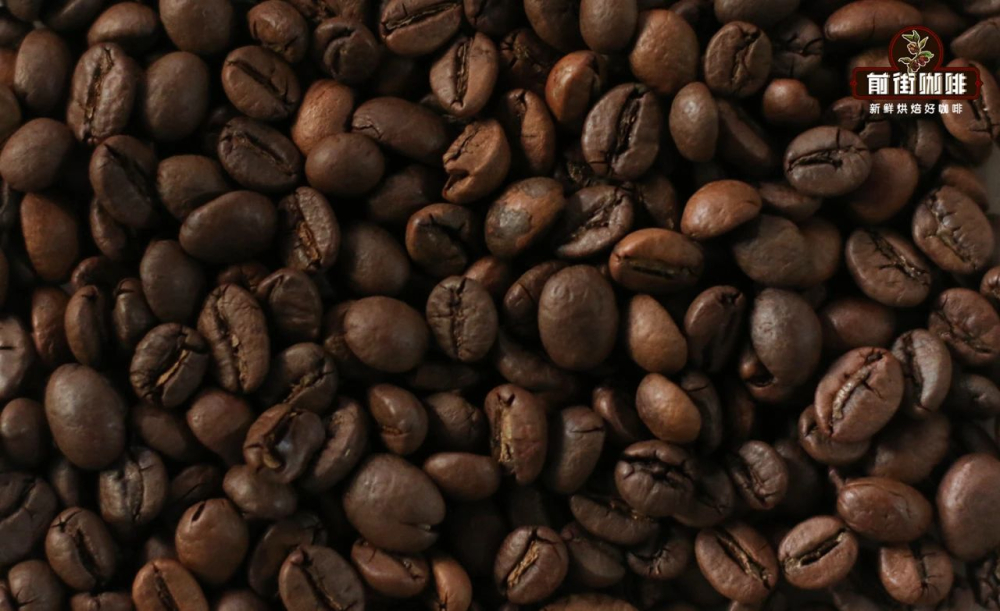
Robusta is one of the two popular coffee varieties on the market today, characterized by its strong, bitter, and robust flavor profile. Unlike Arabica's bright and uplifting flavors, Robusta is often used in dark-roasted espresso blends or as the raw material for instant coffee.
Robusta is Easier to Grow and Higher Yielding
In terms of varieties, Robusta and Arabica are the two most widely cultivated commercial types. The biggest difference between them lies in their taste. Arabica typically exhibits floral and fruit aromas with elegant flavors, better meeting consumer demands, thus occupying the largest market share—nearly 70% of coffee beans worldwide are Arabica.
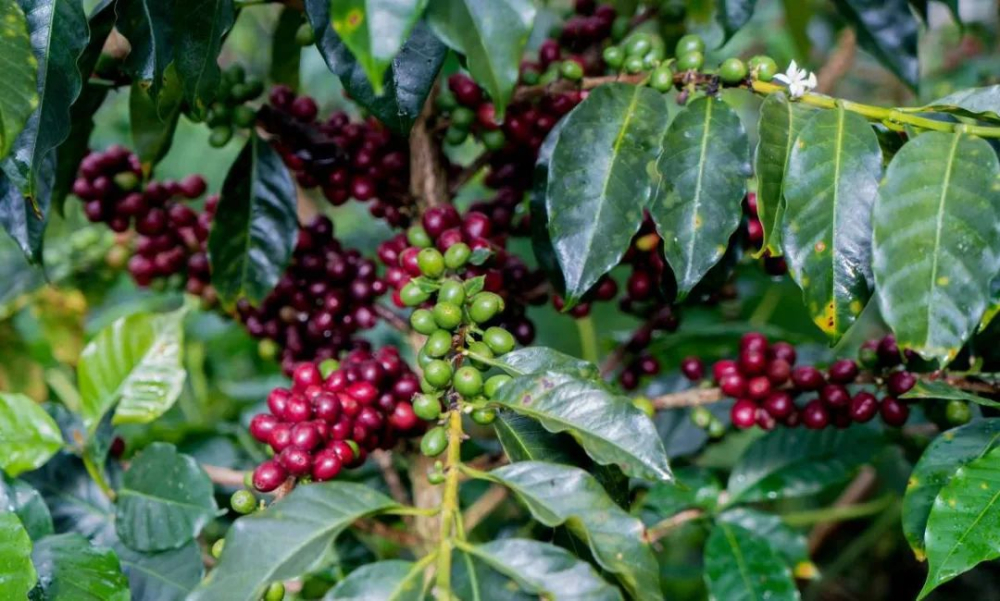
Compared to Arabica, Robusta varieties have higher caffeine content, approximately 2.7%-4%, which is double that of Arabica. Caffeine acts as a natural pesticide for plants, protecting them from most insect damage. From a cultivation perspective, Robusta coffee trees can withstand high temperatures, cold, drought, and humidity, with high survival rates. Additionally, single Robusta plants produce high yields and have strong environmental adaptability, typically growing in low-altitude plains where they can be managed and harvested mechanically, making them naturally cheaper. Therefore, Robusta requires lower production costs and is more suitable for commercial mass production.
The main reason Robusta is not well-regarded in coffee circles is that its taste is not as appealing as Arabica. Analysis shows that Robusta has very high chlorogenic acid content and low sucrose content. Chlorogenic acid is the source of bitterness in coffee, typically delivering mellow, deeper bitterness along with flavor notes of walnuts, peanuts, hazelnuts, barley tea, and grains. When not processed properly, it can also exhibit strong, earthy flavors and rubber-like negative taste characteristics.
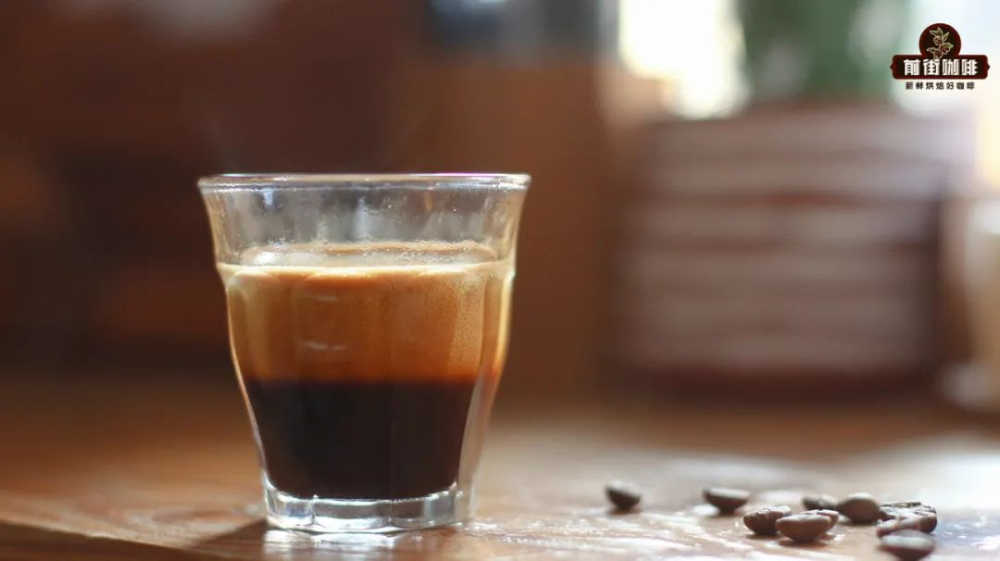
Deep-roasted Robusta beans accumulate large amounts of gas, releasing rich crema when extracted into espresso. The solid flavor profile also provides more body to the coffee. In Italy, locals pursue strong coffee flavors and rich crema, so many coffee shops add a certain proportion of Robusta beans when making espresso to enhance its "coffee taste."
Is Arabica Definitely Superior to Robusta?
Although most people currently prefer Arabica, this doesn't necessarily mean Robusta is inferior—it only indicates that Robusta's market acceptance is not as high as Arabica's. As we all know, coffee flavor is not solely related to variety but also influenced by factors such as regional climate, altitude, soil quality, as well as post-processing methods, roasting, and brewing techniques that can change the flavor direction of the coffee in our cups. In other words, with suitable cultivation and processing, Robusta beans can also exhibit positive flavors. India produces a Royal Robusta coffee bean that, through meticulous cultivation and processing, displays an extremely clean flavor profile.
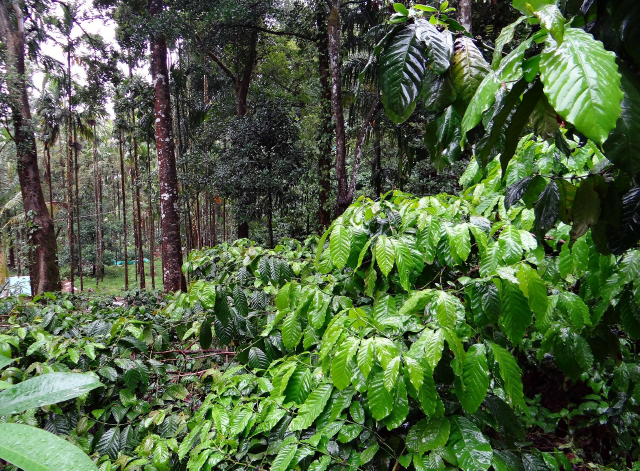
Conversely, Arabica varieties have poor disease resistance, are susceptible to illness, greatly affected by climate change, and are very "picky" about their growing environment. Therefore, growers need to invest more production costs for maintenance. Arabica's low caffeine content makes it more vulnerable to pests, requiring cultivation at altitudes above 800 meters in frost-free highlands. The higher the altitude, the more significant the temperature difference, which is more conducive to the accumulation of flavor substances in coffee fruits, and aroma development will be fuller. To express diverse positive flavors, in addition to high altitude, unique microclimates are essential—many well-known specialty coffees are produced under such conditions.
What Coffee is Robusta Suitable For?
Today, as the atmosphere for learning about coffee becomes increasingly popular, many friends also hope to taste Robusta coffee. However, top-tier Robusta coffee requires more investment in production, making it expensive. Moreover, Robusta's overall flavor is strong and intense, not acceptable to everyone, so FrontStreet Coffee suggests starting with Robusta-blended espresso.
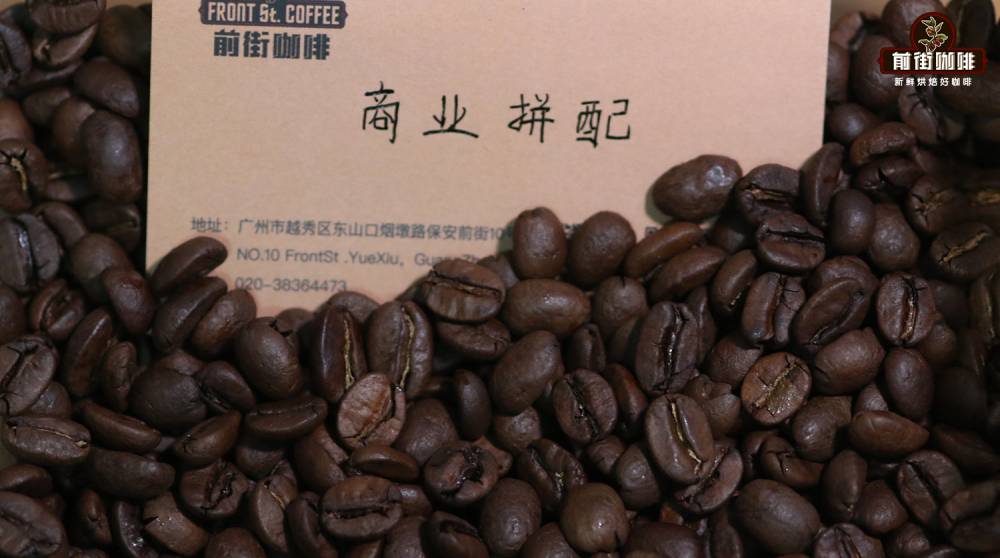
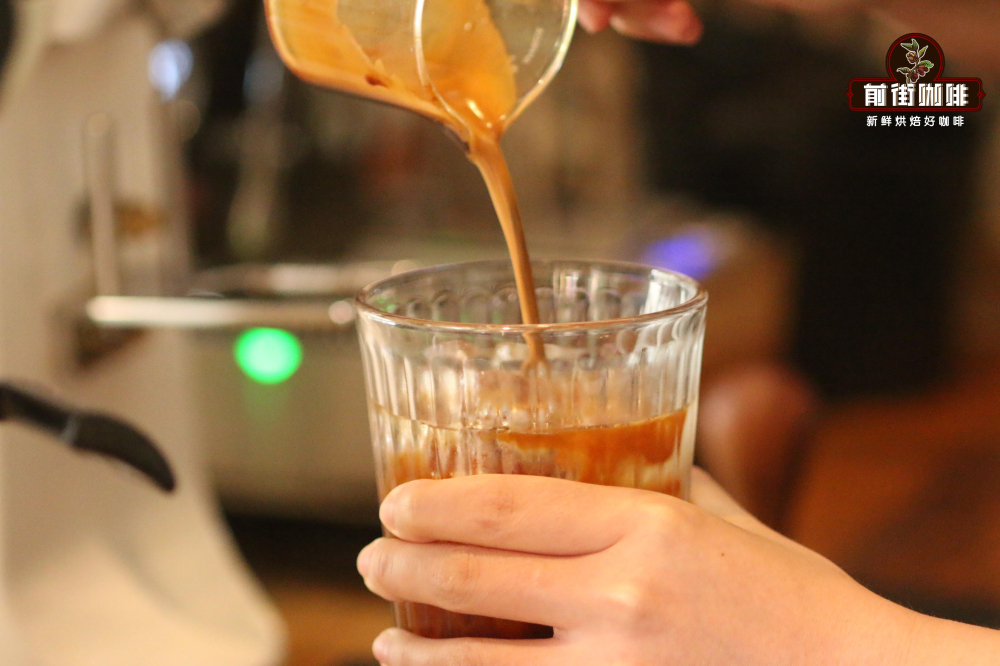
As FrontStreet Coffee mentioned above, deep-roasted Robusta produces abundant crema during extraction. Therefore, FrontStreet Coffee hopes that one of its espresso blend coffee beans will present rich, aromatic coffee crema, so it added 10% washed Robusta coffee beans. Combined with Colombian washed coffee beans (30%) + Brazilian semi-natural coffee (60%), it creates FrontStreet Coffee's commercial blend coffee beans. The resulting espresso has rich golden crema, nutty aroma, and can be consumed directly—it will have burnt coffee bitterness but is accompanied more by creamy, full-bodied texture. If we cannot accept the concentrated flavor of espresso, we can also add water according to our preferences to make refreshing Americano coffee, or incorporate milk to create latte coffee, still experiencing the charm of this espresso.
For professional coffee knowledge exchange and more coffee bean information, please follow Coffee Workshop (WeChat official account: cafe_style).
For more specialty coffee beans, please add FrontStreet Coffee's private WeChat (FrontStreet Coffee), WeChat ID: qjcoffeex
Important Notice :
FrontStreet Coffee is a long-established specialty coffee roaster in Guangzhou China, selling freshly roasted beans from its own farm in Yunnan as well as dozens of carefully selected single-origin beans from around the world for both pour-over and espresso. The products deliver consistently excellent quality and great value, with shipping within 24 hours. Guangzhou's FrontStreet Coffee shop is recommended by many coffee lovers, and the beans are now available online at the Tmall 。
前街咖啡 FrontStreet Coffee has moved to new addredd:
FrontStreet Coffee Address: 315,Donghua East Road,GuangZhou
Tel:020 38364473
 Scan and follow the En Gafei WeChat official account. Please indicate that the reprint comes from "En Gafei".