Flavor Characteristics and Processing Methods of Coffee Beans from the World's Three Major Coffee Regions
For professional coffee knowledge and more coffee bean information, follow Coffee Workshop (WeChat official account: cafe_style).
As the specialty coffee industry has grown, coffee lovers now have access to an almost endless range of single-origin coffees. FrontStreet Coffee's online store alone carries more than 200 different single-origin beans from regions and estates around the world, which can be daunting for anyone just starting out. In reality, though, nearly all of these beans fall into three major coffee-growing regions, each with its own signature flavor profile. In this article, FrontStreet Coffee walks through what makes each of the world's three major growing regions distinct.
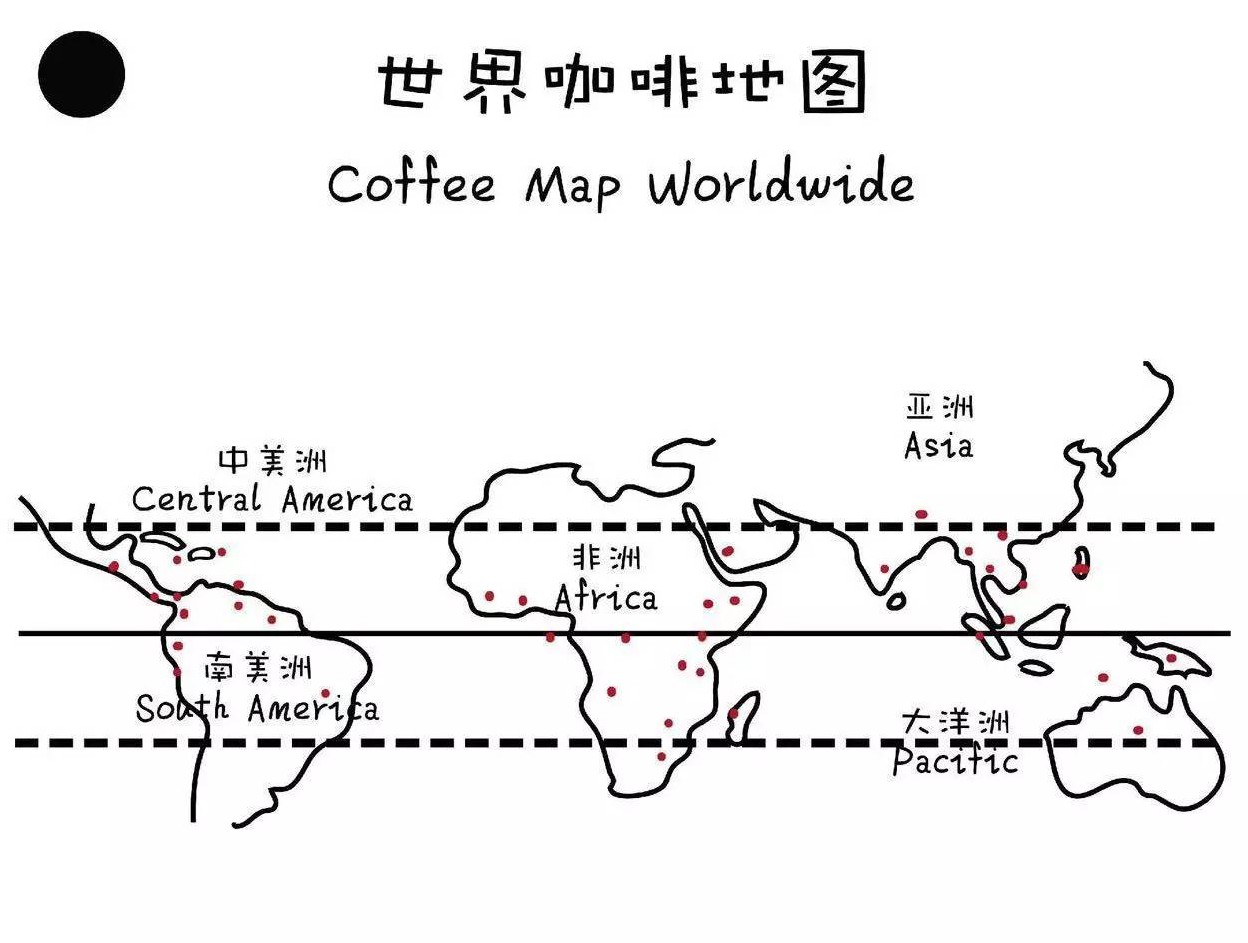
Distribution of the World's Three Major Coffee Growing Regions
The three major growing regions are Africa, Asia, and Latin America. African coffees, for example, tend toward bright, acidic profiles — such as FrontStreet Coffee's Ethiopian Yirgacheffe beans, famous for their distinctive citrus and lemon acidity. Asian coffees are prized for their herbal character and heavy, full body, with Indonesian Mandheling as the regional benchmark. Latin American beans typically show nutty and cocoa notes with a generally balanced overall profile.
As noted above, each of these three regions has its own flavor standard-bearers. Below, FrontStreet Coffee introduces the standout single-origin beans from each region.
African Coffee Beans
African coffees are defined above all by their outstanding acidity. FrontStreet Coffee considers Ethiopia — the birthplace of coffee — and its neighbor Kenya to be the region's most representative countries. Though both are known for pleasing acidity, their acid profiles are quite different: Ethiopia has long been celebrated for the citrus-and-lemon brightness of Yirgacheffe, while Kenyan beans are known for a cherry-tomato acidity. Let's look at each in turn.
Coffee Beans of the Ethiopian Region
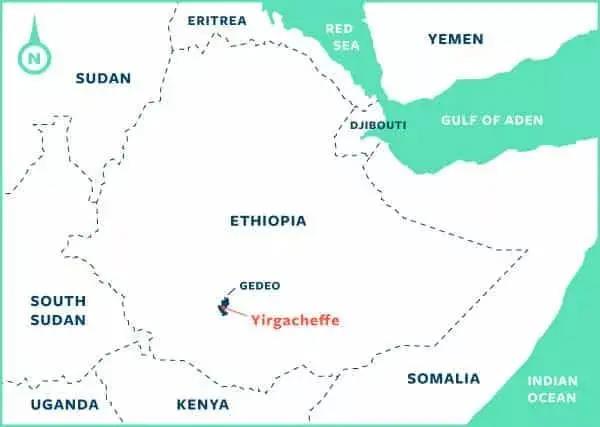
Ethiopia's most famous growing region is unquestionably Yirgacheffe. Within Yirgacheffe there are many smaller micro-regions, and because of differences in altitude and microclimate, beans from different cooperatives carry subtle flavor variations. That is why FrontStreet Coffee's store stocks beans from numerous Yirgacheffe micro-regions and processing methods, so coffee lovers can taste the differences for themselves.
FrontStreet Coffee Ethiopia Yirgacheffe Natural Red Cherry Coffee Beans
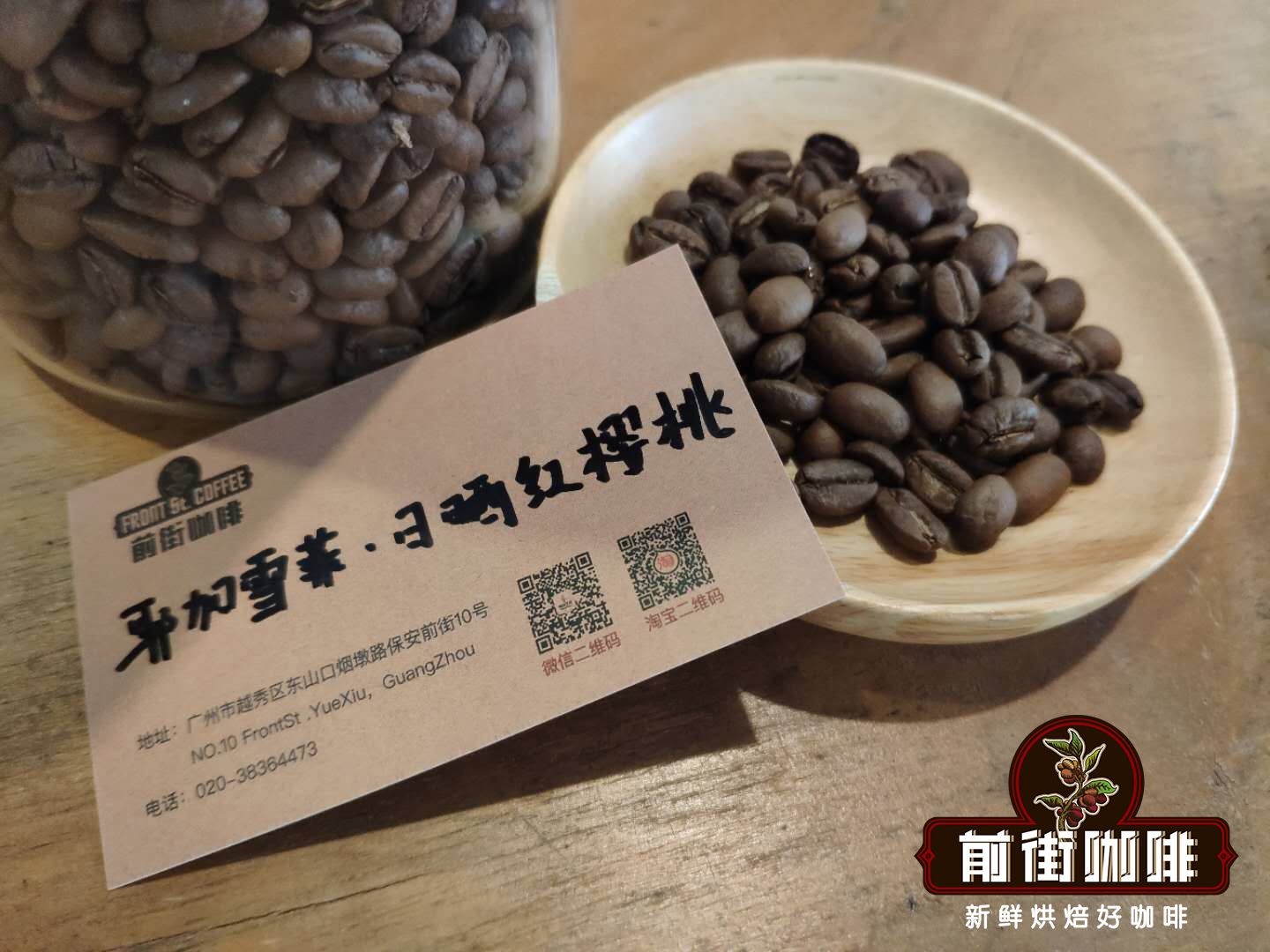
Country: Ethiopia
Region: Yirgacheffe
Altitude: 2300m
Variety: Local Landrace
Processing: Natural Process
Flavor: Berries, Lemon, Strawberry, Fermented Wine Aroma
FrontStreet Coffee's Natural Red Cherry beans are made entirely from fully ripe cherries using the natural process, giving them an intensely aromatic profile with rich sweetness and fermented tones.
These beans trace back to the "Red Cherry Project," a joint initiative by local Ethiopian coffee farmers and the Dutch trader Trabocca. The project aims to raise the quality of coffee from smallholders and, in turn, their income. Harvesting fully ripe fruit means picking only the completely red cherries — and doing so entirely by hand — as a bare minimum. There are equally strict requirements for how the beans are processed afterward.
FrontStreet Coffee Ethiopia Gedeb Cooperative Coffee Beans
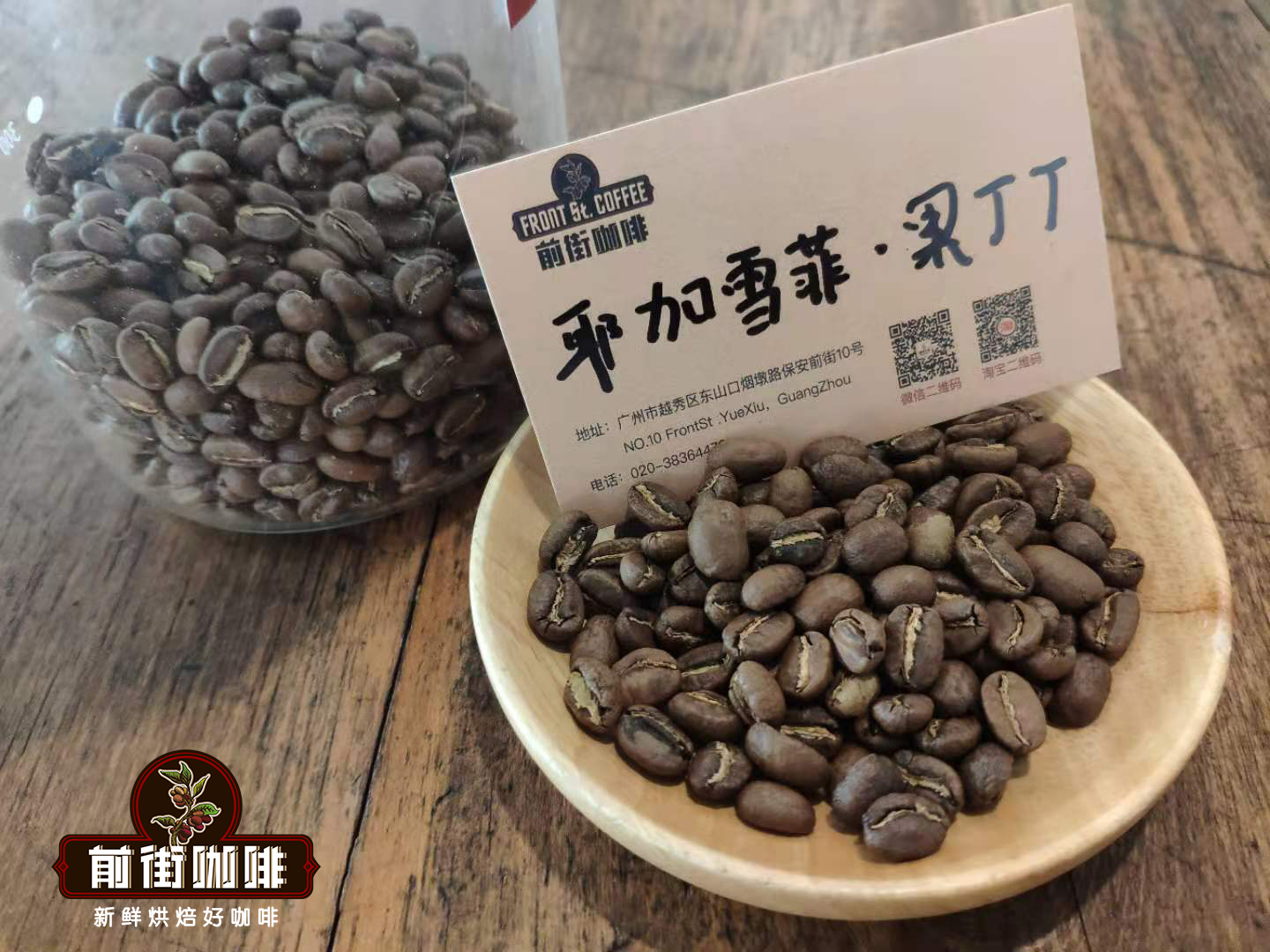
Country: Ethiopia
Region: Yirgacheffe
Altitude: 1900-2300m
Variety: Local Landrace
Processing: Washed Process
Flavor: Tropical Fruits, Cream, Honey, Berries, Citrus
As FrontStreet Coffee understands it, the Gedeb cooperative was originally part of the Werka cooperative under the Yirgacheffe Union (YCFCU) and became independent as the Gedeb cooperative in 2012. It currently has roughly 300 smallholder members. Because Gedeb village was among the first areas to be established independently, many of its smallholders were also members of the original Werka cooperative, so their production skills are excellent — and the coffee they produce has remarkable flavor.
FrontStreet Coffee Yirgacheffe Aricha Coffee Beans
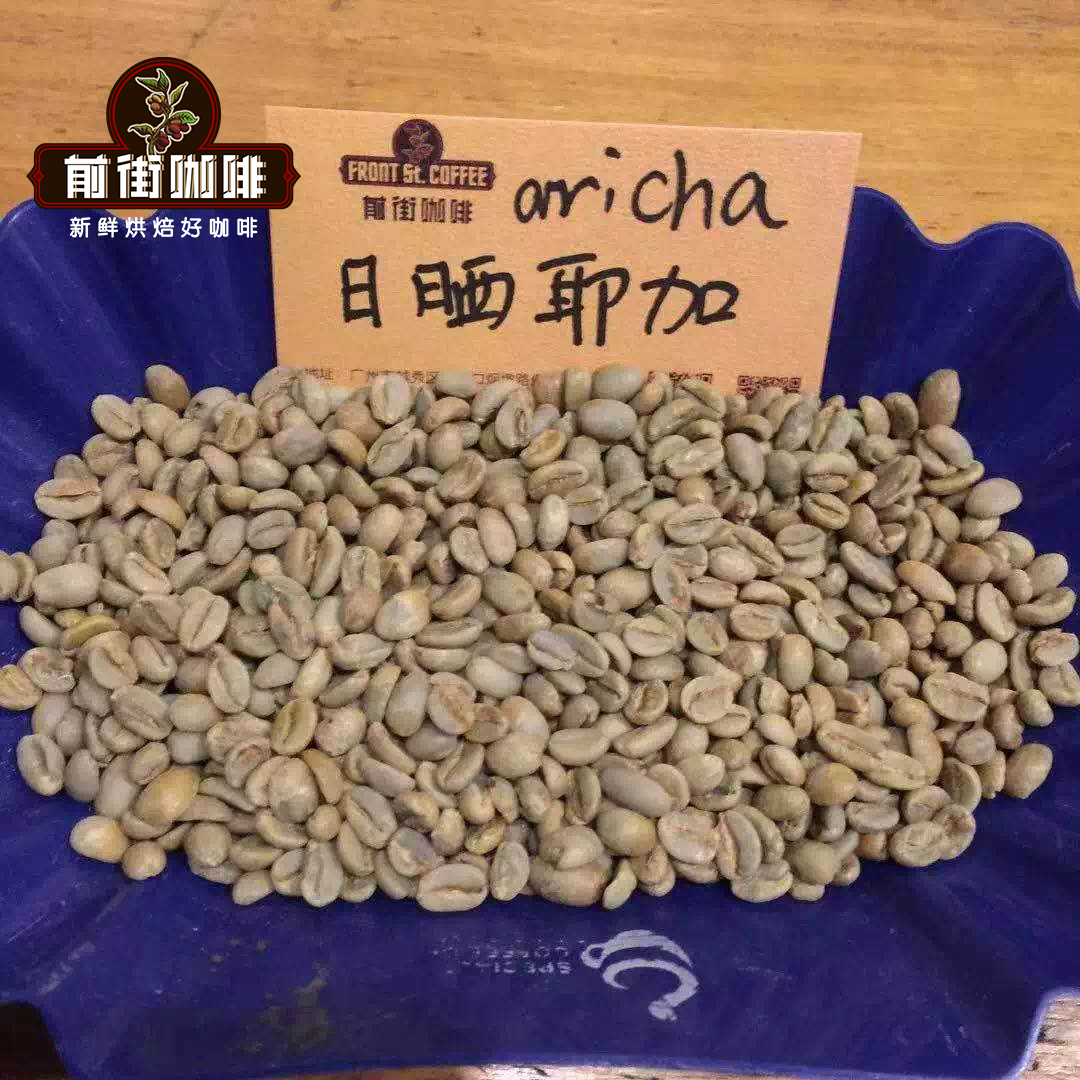
Country: Ethiopia
Region: Yirgacheffe
Altitude: 1900-2100m
Variety: Local Landrace
Processing: Natural Process
Flavor: Light Fermented Wine Aroma, Sweet Orange, Spices, Honey Sweetness
Aricha is produced at the Kebele Aricha processing station, where around 650-700 smallholder farmers deliver their ripe cherries in exchange for cash. Once the cherries are screened, the station lays them straight onto drying racks. For the first few days, they are turned every 2-3 hours to prevent over-fermentation. After four to six weeks of natural drying — depending on the weather and temperature — workers remove the outer fruit by machine and ship the beans to Addis Ababa for storage. Naturally processed beans are typically stored as parchment until export, when they are hulled to protect green bean quality.
Coffee Growing Region of Kenya
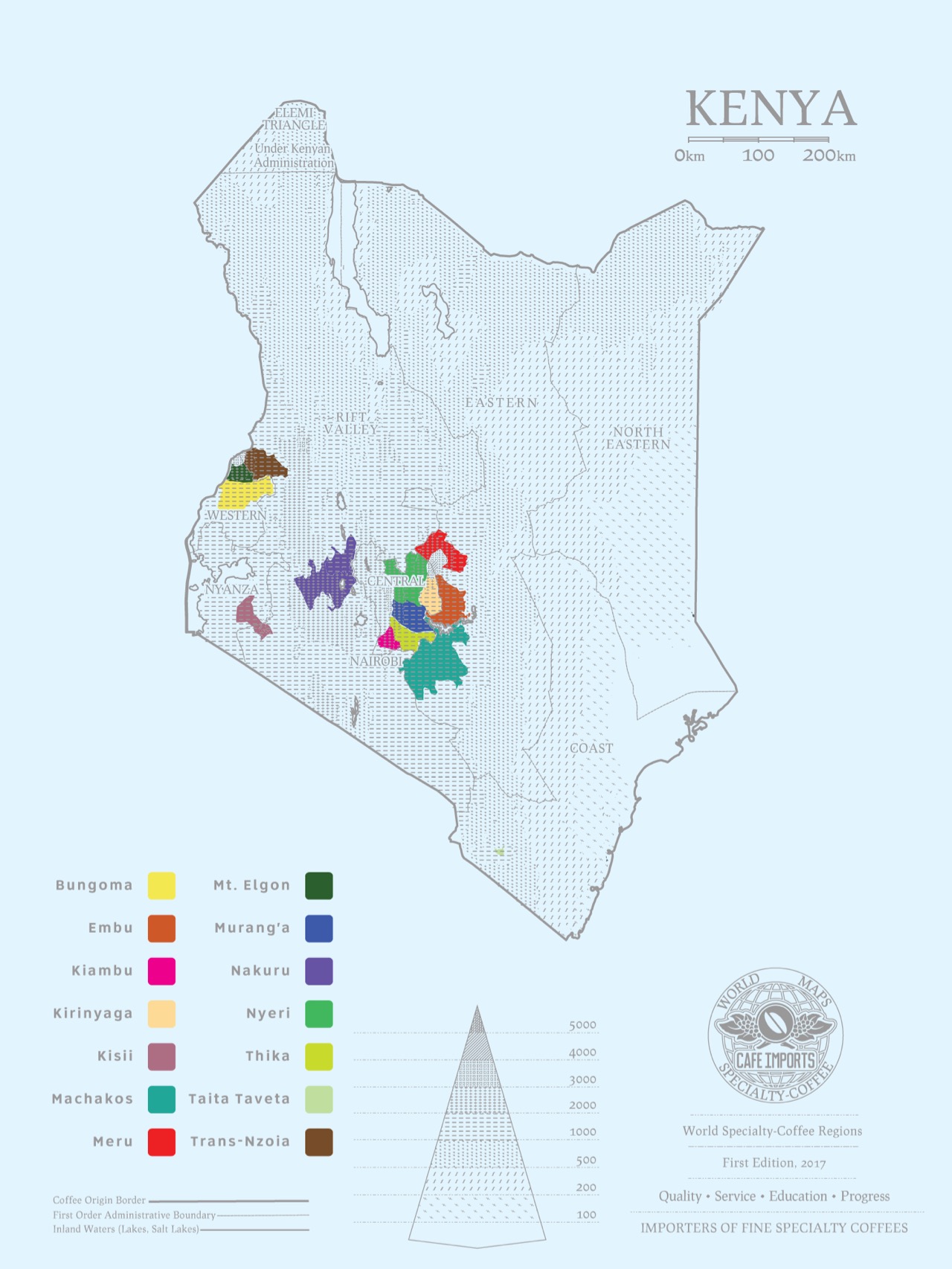
As mentioned above, Kenyan beans are known above all for their distinctive cherry-tomato acidity. This is thanks to the locally developed 72-hour washed method and Kenya's signature SL34 and SL28 varieties — all of which combine to give Kenyan coffee its unmistakable character.
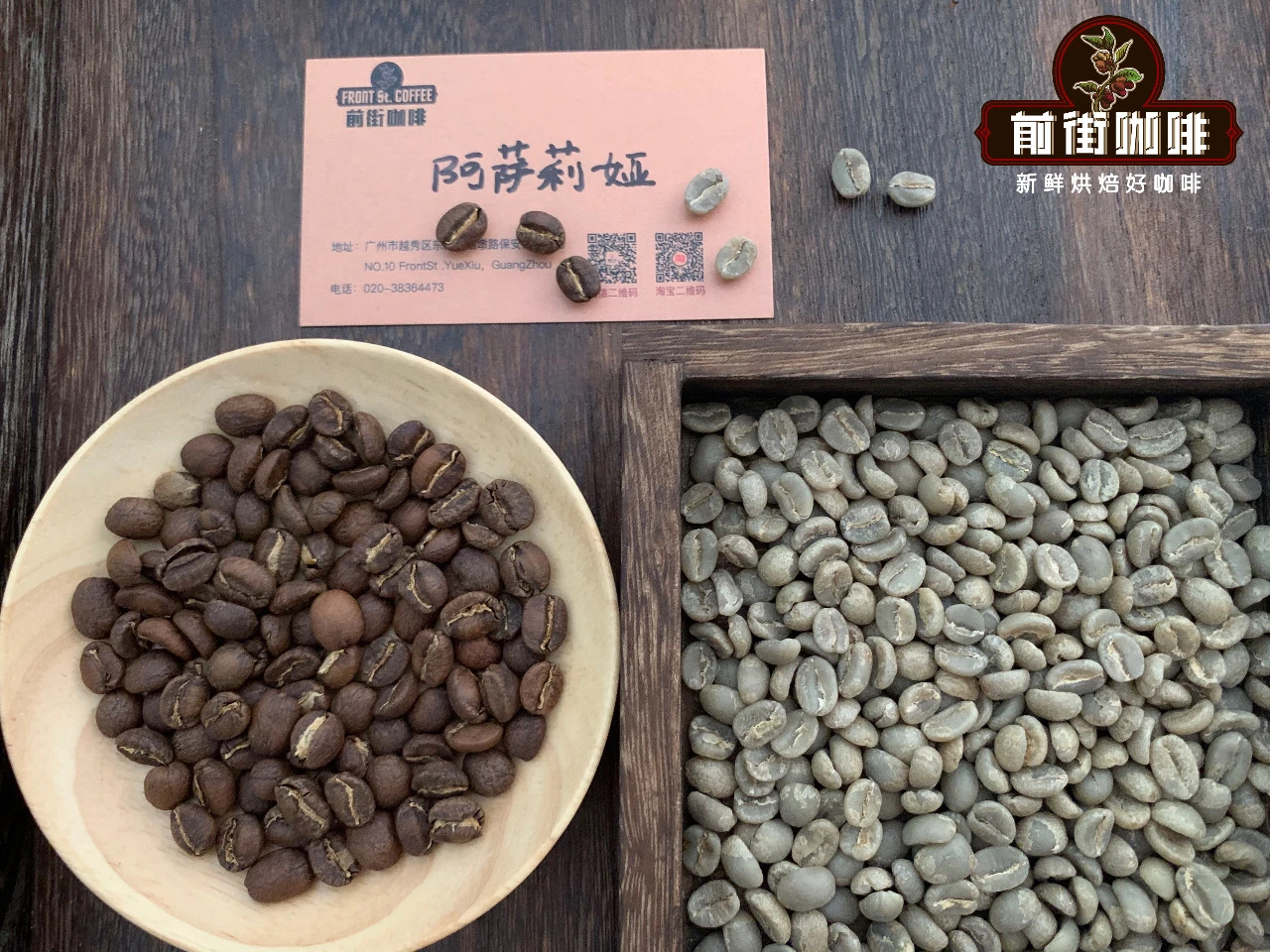
FrontStreet Coffee Kenya Assalia Coffee Beans
Country: Kenya
Region: Assalia (Honey Processing Station)
Altitude: 1550-1750m
Variety: SL28, SL34
Processing: 72-Hour Washed Process
Flavor: Pear, Dark Plum, Brown Sugar, Cherry Tomato, Plum
FrontStreet Coffee's Kenya Assalia beans use the 72-hour washed process developed in Kenya. It requires the beans to ferment at low temperature over an extended period, finishing with air-drying and dehydration. Beans processed this way end up brighter and cleaner, yet fuller in flavor.
Asian Coffee Beans
Asia's coffee representatives are, without question, Indonesian Mandheling and Yunnan coffee. Both carry the herbal character typical of the region. Let's look at each.
Coffee Beans of the Indonesian Region
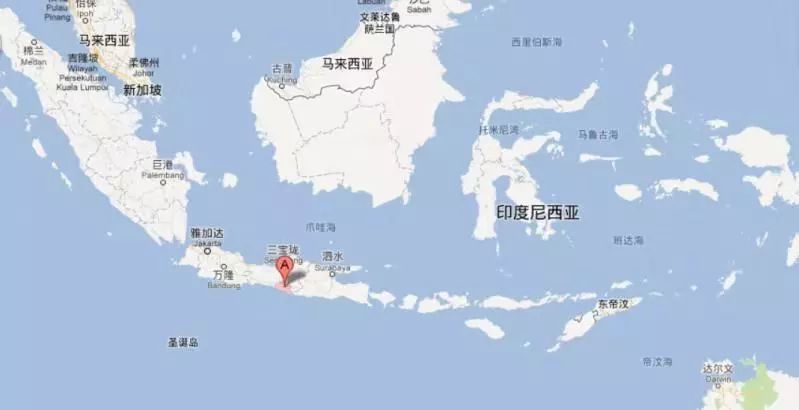
Indonesian Mandheling rose to fame because the local climate is so humid that farmers developed the wet-hulling method to handle their crop. The result is coffee with distinctive earthy and herbal notes and a very rich, full body — which is why Mandheling has won fans worldwide. Today, Mandheling is FrontStreet Coffee's most popular single-origin bean. FrontStreet Coffee believes wet-hulling is precisely what made Mandheling a global name: when coffee lovers say "Mandheling," they think of wet-hulling, and the two are now inseparable.
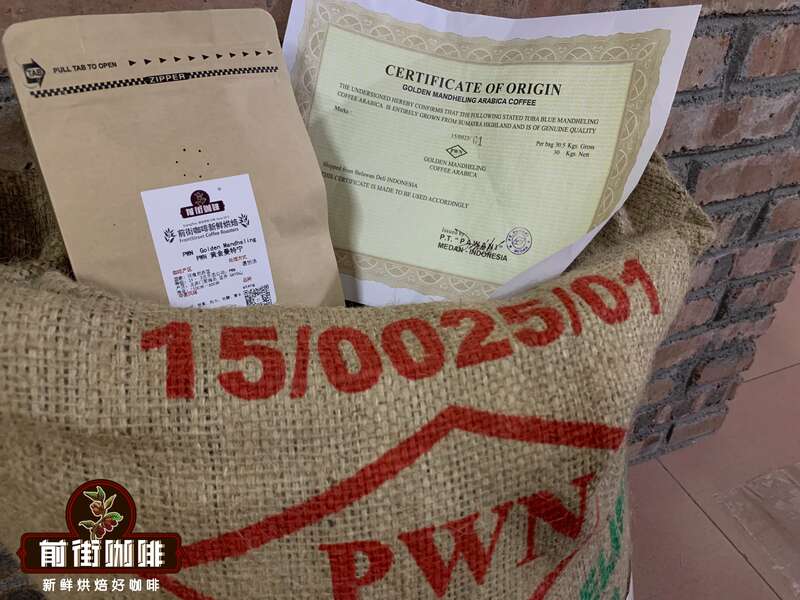
FrontStreet Coffee Indonesia Golden Mandheling Coffee Beans
Country: Indonesia
Region: Sumatra, Aceh, Gayo Mountain
Altitude: 1100-1600m
Variety: Ateng
Processing: Wet-Hulled
Flavor: Toasted Bread, Nuts, Pine, Caramel, Herbal
FrontStreet's Golden Mandheling is the most recent release from PWN in recent months. Unlike earlier PWN Golden Mandheling lots, this newest batch comes from the Gayo Mountain area of Aceh, Sumatra, whereas the previous one was sourced from Lake Tawa in Sumatra. After cupping and brew tests, FrontStreet Coffee found that this latest Golden Mandheling shows more toasted-bread flavor than earlier lots, making it taste richer and more full-bodied.
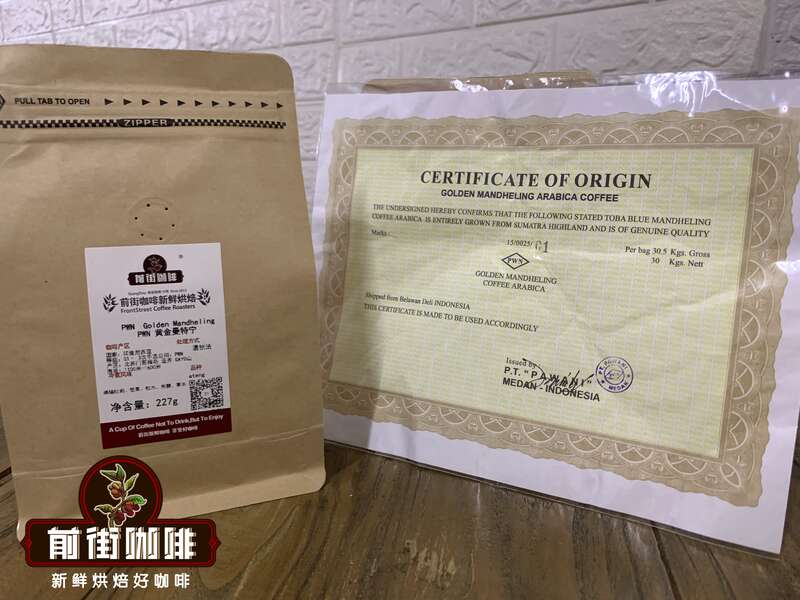
Golden Mandheling also has to meet strict specifications: screen size 18 or above and fewer than 3 defective beans in a 300g green bean sample, which places it in the top G1 grade. The beans are dark green with a neat, flat shape. After careful selection, FrontStreet Coffee found that Golden Mandheling not only avoids the earthy impurities typical of ordinary Mandheling but also tastes cleaner and brighter.
FrontStreet Coffee Indonesia Tiger Mandheling Coffee Beans
Country: Indonesia
Region: Sumatra
Altitude: 1500m
Variety: Caturra, Typica, Sidikalong
Processing: Wet-Hulled
Flavor: Cream, Dark Chocolate, Nuts, Balanced Taste
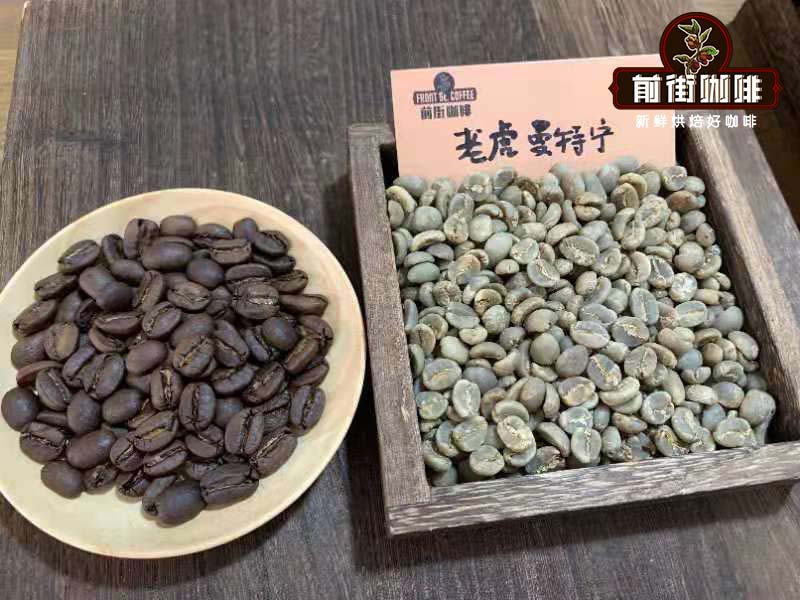
Tiger Mandheling requires screen size 17 or above with a defect rate below 4%. Its main varieties are Caturra and Typica: Caturra brings citrus and lemon acidity, while Typica offers a lingering sweet aftertaste, making Tiger Mandheling relatively uniform in taste and high in clarity.
FrontStreet Coffee Indonesia Aged Mandheling Coffee Beans
Country: Indonesia
Region: Sumatra
Altitude: 1500m
Variety: Caturra, Catuai
Processing: Wet-Hulled
Flavor: Ripe Pu-erh Tea, Caramel, Herbal, Chocolate, Low Acidity
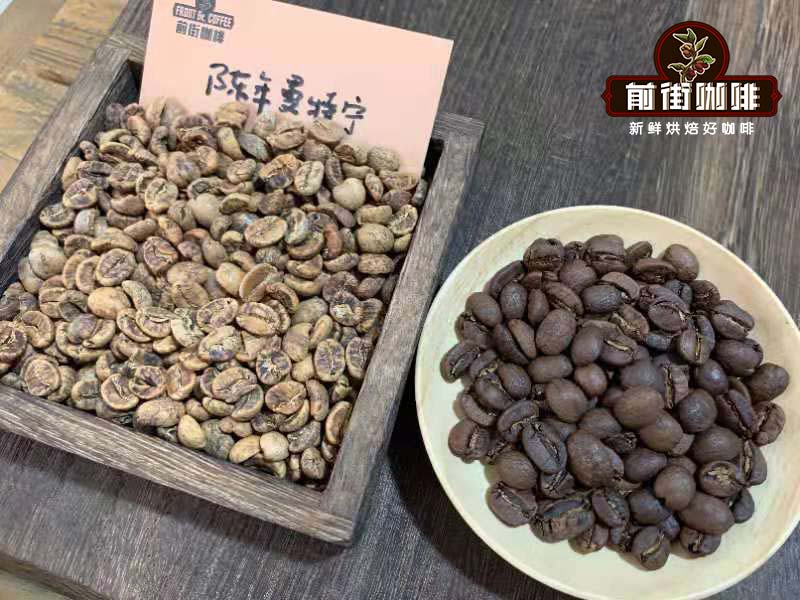
Aged Mandheling refers to Mandheling beans that have undergone aging, in which the green beans mature naturally through extended storage — usually 2-3 years. This lowers the coffee's acidity and changes the color of the green beans. Aged beans must be kept in cool, well-ventilated conditions to prevent mold and moisture. Because of the dim storage environment and the long time involved, poorly handled aged coffee often ends up with off-flavors reminiscent of mold, or what is often described as burlap or leather notes.
Coffee Beans of China's Yunnan Region
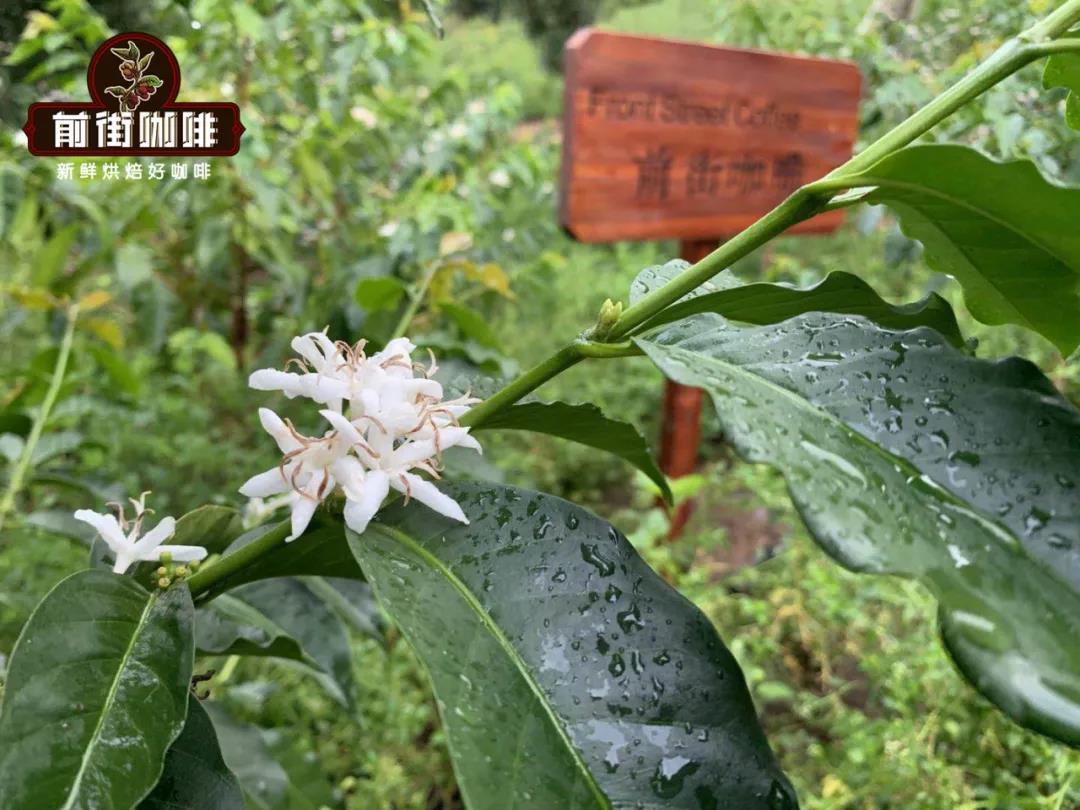
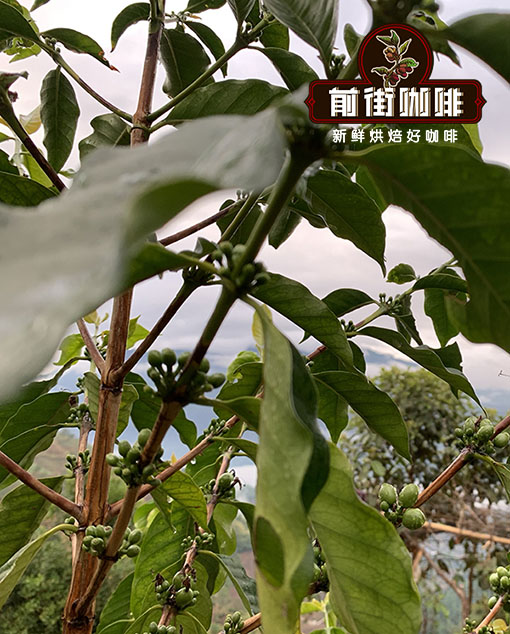
Yunnan has actually cultivated coffee for a long time, but it has only recently entered the specialty coffee market, so FrontStreet Coffee sees great potential in the region. For this reason, FrontStreet Coffee established its own plantation on the border between Yunnan's Baoshan and Myanmar, planting Typica-variety Yunnan coffee. Below are the Yunnan beans from that plantation.
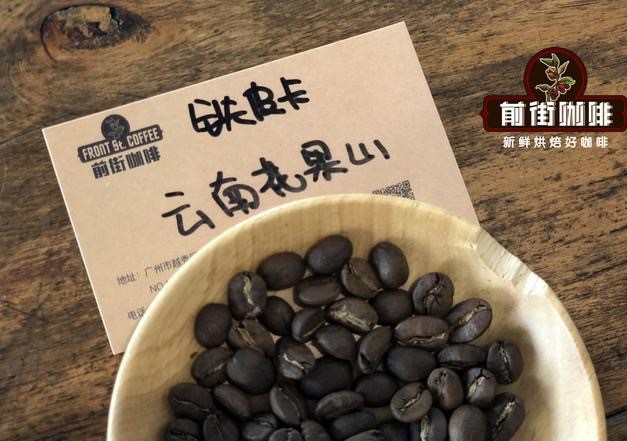
FrontStreet Coffee Yunnan Huaguoshan Coffee Beans
Country: China
Region: Yunnan, Baoshan
Altitude: 1450-1550m
Variety: Typica
Processing: Washed Process
Flavor: Citrus, Nuts, Plum, Melon Aroma, Brown Sugar, Black Tea Sensation
The difference between FrontStreet Coffee's Yunnan Huaguoshan beans and Yunnan Xiaoli beans is that Huaguoshan is Typica while Yunnan Xiaoli is Catimor. Both can be called small-grain coffee, but because Typica's floral and fruit acidity is gentler and richer, the name Huaguoshan was chosen specifically to distinguish the two varieties.
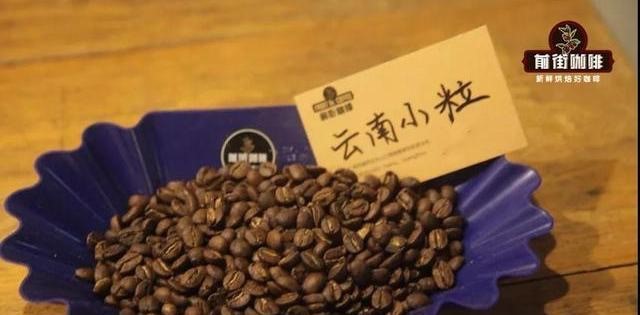
FrontStreet Coffee Yunnan Xiaoli Coffee Beans (Daily Beans)
Country: China
Region: Yunnan, Baoshan
Altitude: 1200m
Variety: Catimor
Processing: Washed Process
Flavor: Herbal, Nutty Aroma, Chocolate, Caramel
Yunnan Xiaoli refers to small-grain coffee cultivated in Yunnan. Coffee is an evergreen small tree in the Rubiaceae family, native to Africa. The main cultivated beverage species today are arabica and robusta. Traditionally, the small-grain coffee grown in China's Yunnan specifically denotes mixed populations of the Bourbon and Typica varieties.
Arabica is the most widely cultivated species in the Coffea genus. Thanks to its strong cold resistance and tolerance of short cold snaps, it can grow at altitudes up to 2,100 meters in tropical regions, but it is not drought-tolerant; its branches are relatively fragile and cannot withstand strong winds; its disease resistance is comparatively weak; its fruit drops easily once ripe; and after processing it yields a mellow cup with lower caffeine content.
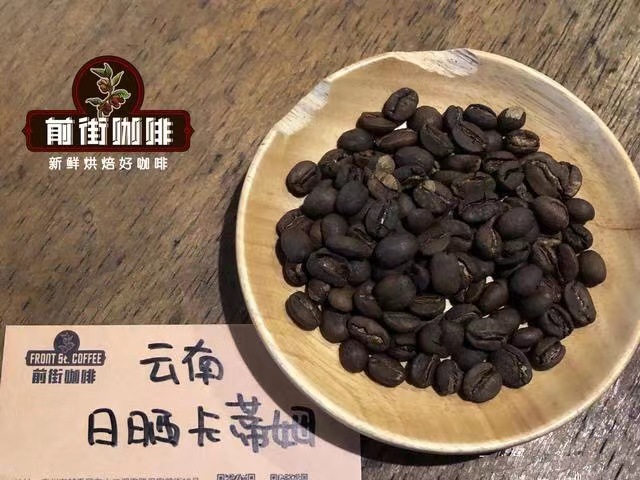
FrontStreet Coffee Yunnan Natural Catimor Coffee Beans
Country: China
Region: Yunnan (Baoshan)
Altitude: 1450-1550m
Variety: Catimor
Processing: Red Cherry Natural Process
Flavor: Caramel, Dried Fruit, Cocoa, Dark Chocolate, Herbal, Woody
Most of Yunnan now grows Catimor, a hybrid of Caturra (a Bourbon-lineage branch of arabica) and robusta. Farmers favor it because Catimor carries robusta genes, making it more disease-resistant and higher-yielding than the older, single varieties. Compared with delicate old varieties that resist disease poorly and yield little, Catimor is the natural choice — which is how a Catimor wave came to sweep across Yunnan.
Latin American Coffee Beans
As noted above, Latin American beans are known for their balance and nutty-cocoa flavors. This is because the terrain and climate across the region vary enormously, so the coffees never swing as extreme as their Asian and African counterparts — instead, they round off the edges. Among the most representative areas are Brazil, the world's largest coffee producer; Costa Rica, the birthplace of honey processing; and Colombia. Let's look at each.
Coffee Beans of the Brazilian Region
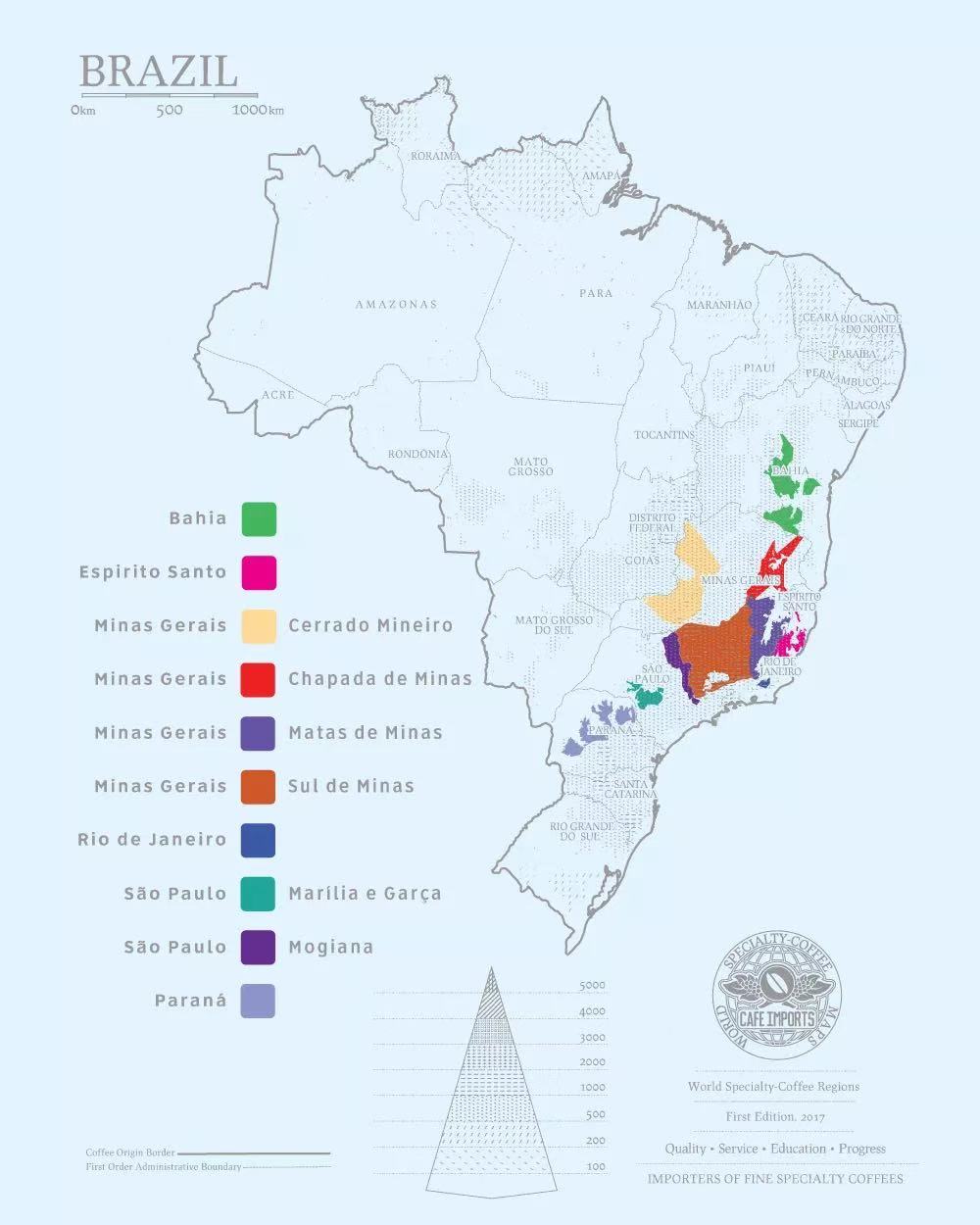
Brazil mainly grows Bourbon-variety beans, which is why its coffees show such excellent sweetness. The bean below is what FrontStreet considers the best expression of Brazilian coffee flavor.
FrontStreet Coffee Brazil Queen's Manor
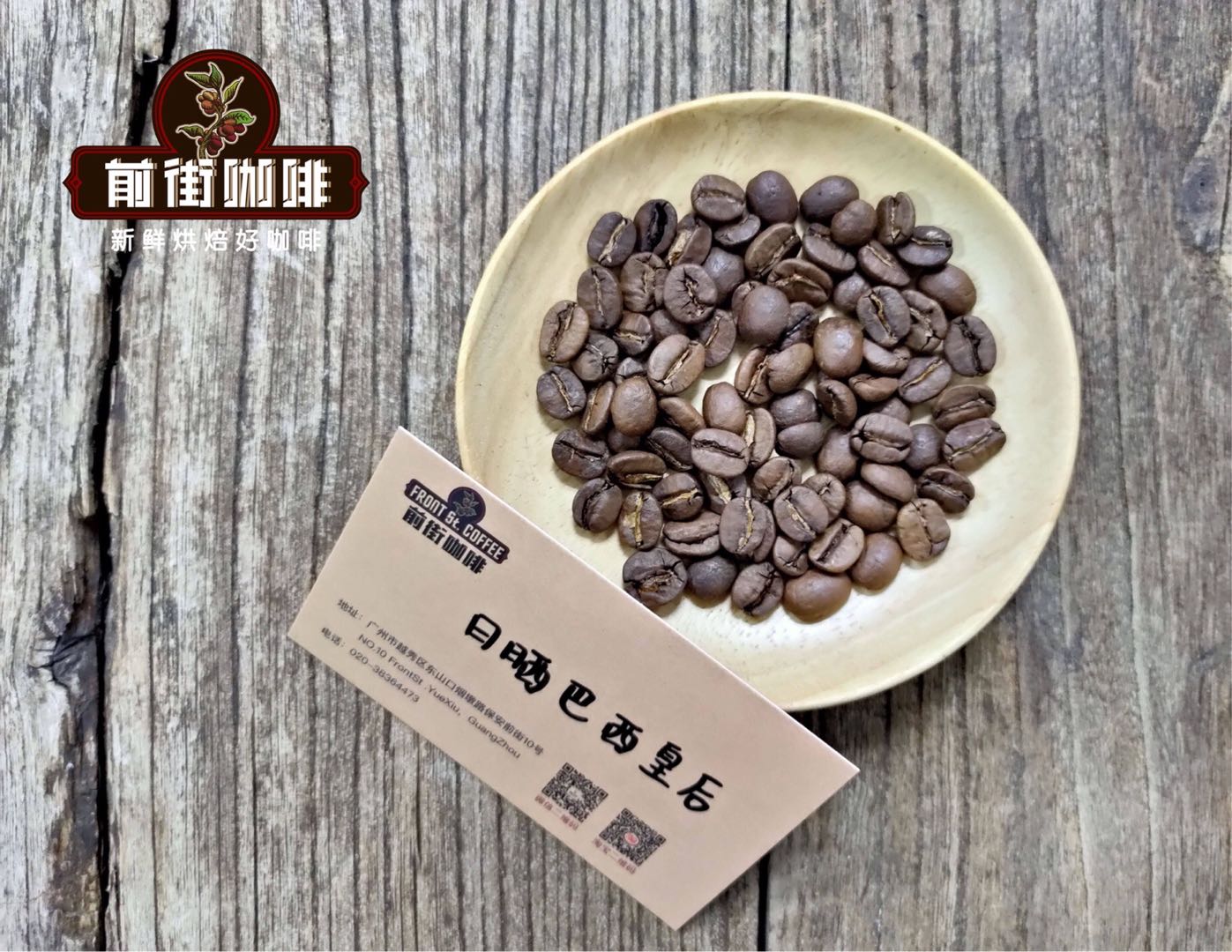
Country: Brazil
Region: Mogiana
Altitude: 1400-1950
Variety: Yellow Bourbon
Processing: Pulped Natural
Flavor: Nuts, Creamy Peanuts, Fermented Fruit Notes, Cane Sugar
Queen's Manor exports mostly specialty Bourbon-variety coffee and is run with a strong commitment to environmental care. Because of the higher altitude and non-flat terrain, machines cannot be used for harvesting — the fruit is picked entirely by hand. The estate also plants low-yield, high-quality Bourbon varieties, representing the essence of fine Brazilian coffee. That is why FrontStreet believes this estate's coffee best represents Brazil's quality coffee.
Coffee Growing Region of Costa Rica
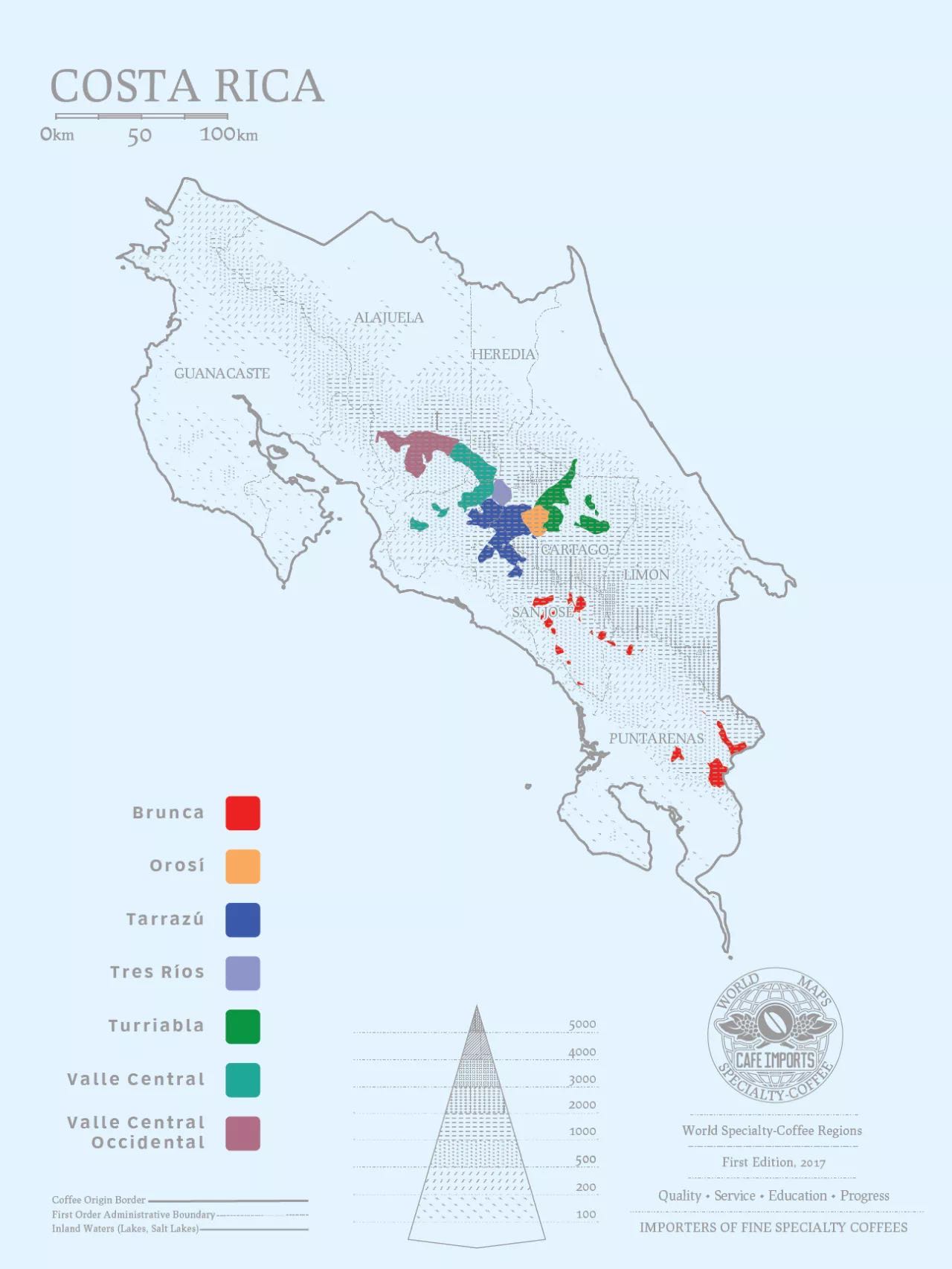
Costa Rican beans rely mainly on honey processing. Local coffee plantations sit high in the mountains, making it highly inconvenient to transport cherries downhill to processing stations, and the fruit is easily damaged in transit. On top of that, buyers often offer exploitative prices for the beans. So farmers developed their own distinct honey methods to process and sell their coffee directly, boosting their income.
As Costa Rican coffee technology has advanced, many distinctive honey-processed beans have appeared on the market. For instance, the Musician Series from Costa Rica's Canet Estate, available at FrontStreet Coffee's store, is very popular among coffee lovers.
FrontStreet Coffee Costa Rica Musician Series Bach Coffee Beans
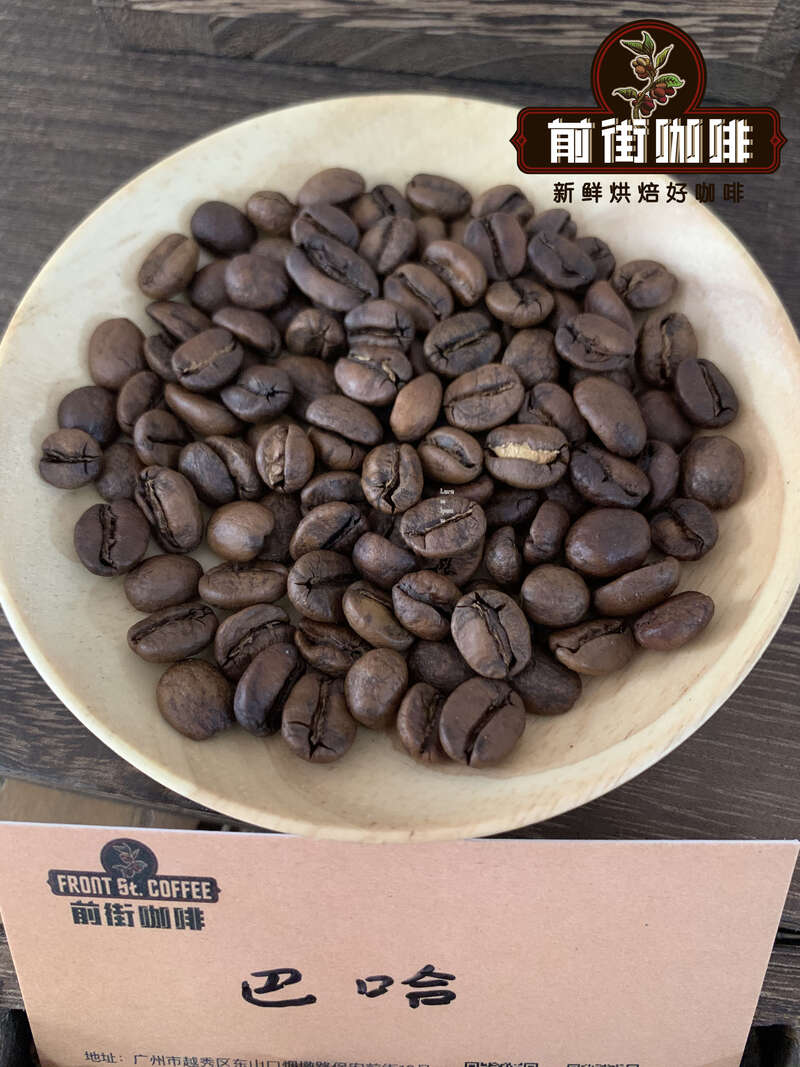
Country: Costa Rica
Region: Tarrazú
Altitude: 1950m
Variety: Caturra
Processing: Raisin Honey Process
Flavor: Tropical Fruits, Berries, Nuts, Cream, Caramel, Floral Notes
FrontStreet Coffee's Bach beans use raisin honey processing, retaining 100% of the coffee fruit's mucilage and employing a zero-water method, making for a very sweet cup. Bach shows a white-wine mouthfeel with balanced acidity and more pronounced fermented notes in the flavor.
FrontStreet Coffee Costa Rica Musician Series Beethoven Coffee Beans
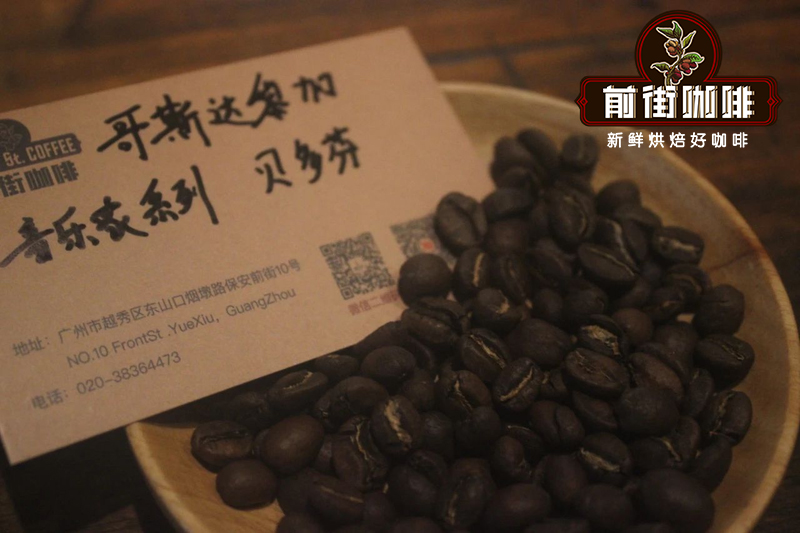
Country: Costa Rica
Region: Tarrazú
Altitude: 1800-1950m
Variety: Caturra, Catuai
Processing: Washed Process
Flavor: Citrus, Berries, Floral Notes, Light Fermented Wine Aroma
FrontStreet Coffee's Beethoven beans are the only washed coffee in the Musician Series, so their flavor is cleaner and brighter, with a citrus-toned aroma.
Coffee Growing Region of Colombia
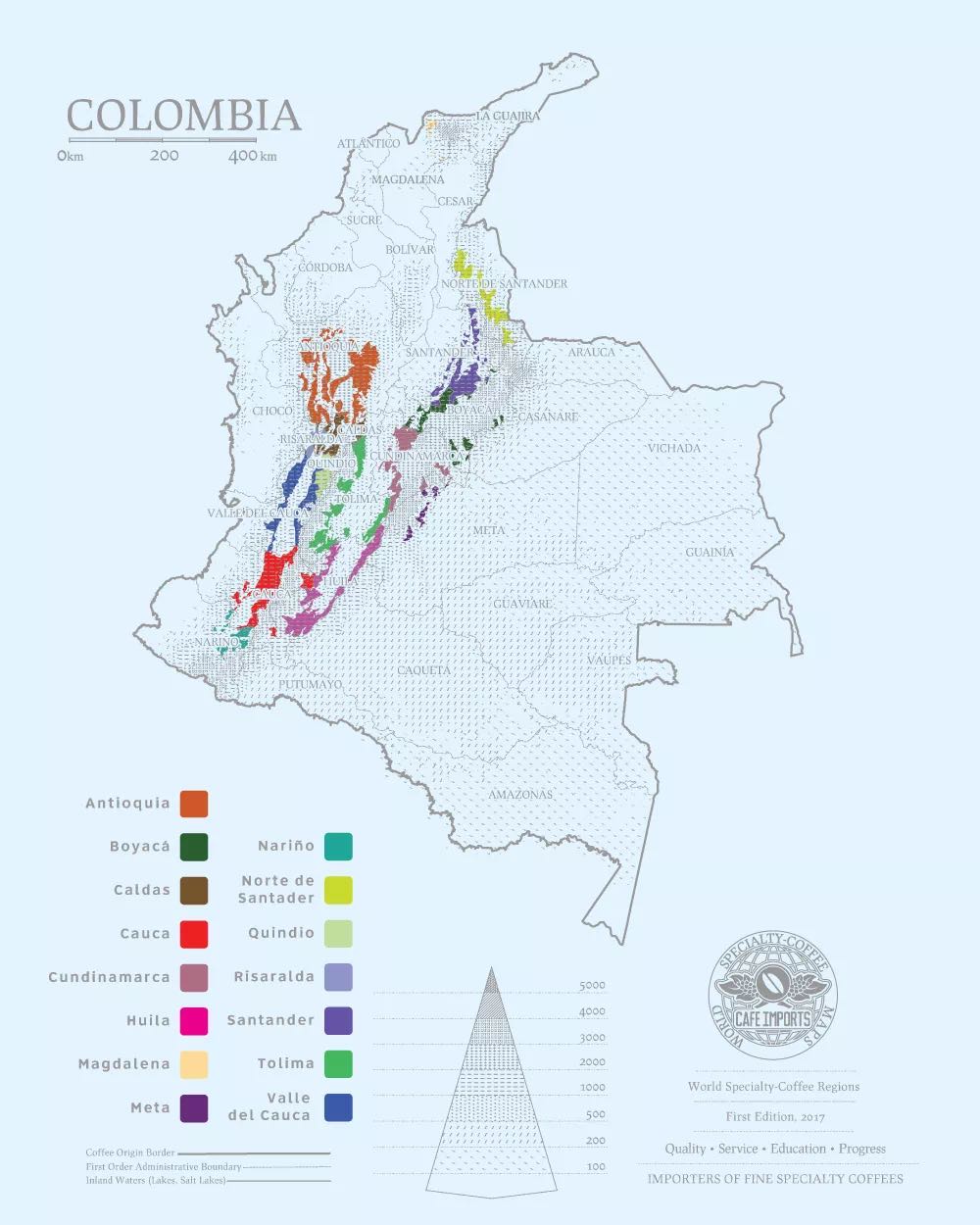
Colombia is the world's second-largest coffee exporter and the country that exports the most arabica beans. It also produces many specialty-method coffees with impressive flavor expression. Below, FrontStreet Coffee recommends a few standout Colombian beans.
FrontStreet Coffee Colombia San José Estate Coffee Beans
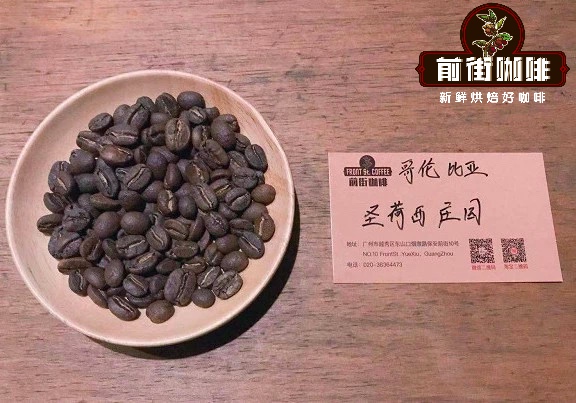
Country: Colombia
Region: Caldas
Altitude: 1750m
Variety: Castillo
Processing: Refined Washed Rum Barrel Fermentation Process
Flavor: Rum, Liquor Chocolate, Tropical Fruits, Maple Syrup
The owner of San José Estate could be called a founder of barrel-fermentation processing. As FrontStreet Coffee understands it, she is the third-generation female owner of the estate. Dedicated to promoting Colombian coffee, she set out to forge a path different from both traditional production and modern specialty trends. One day, while accompanying her husband as he made rum, she had an idea: if green coffee beans were placed in oak barrels, might they absorb the barrel's flavors the way wine does and achieve a barrel-aged effect?
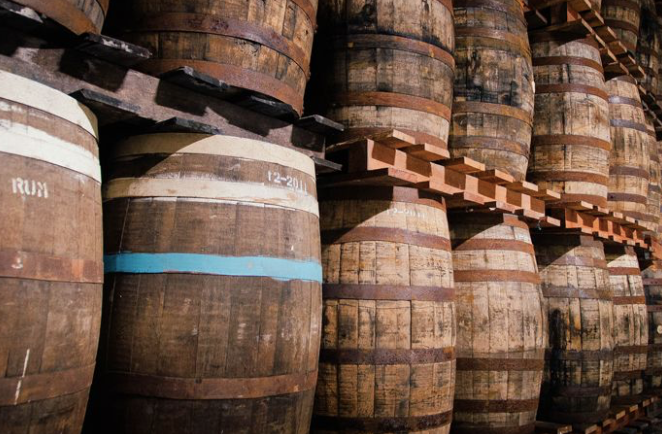
Starting from that idea, owner Monsalve Botero began placing green beans in rum barrels of different ages for winery-style low-temperature fermentation in 2013, comparing the flavors produced by different fermentation times. Through these experiments she selected the most suitable barrels and fermentation durations. In the end she found the optimal combination, achieving distinctive and satisfying flavors — and creating a rum-barrel-fermented coffee unlike anything from traditional washing.
FrontStreet Coffee Colombia Flower Moon Night Coffee Beans
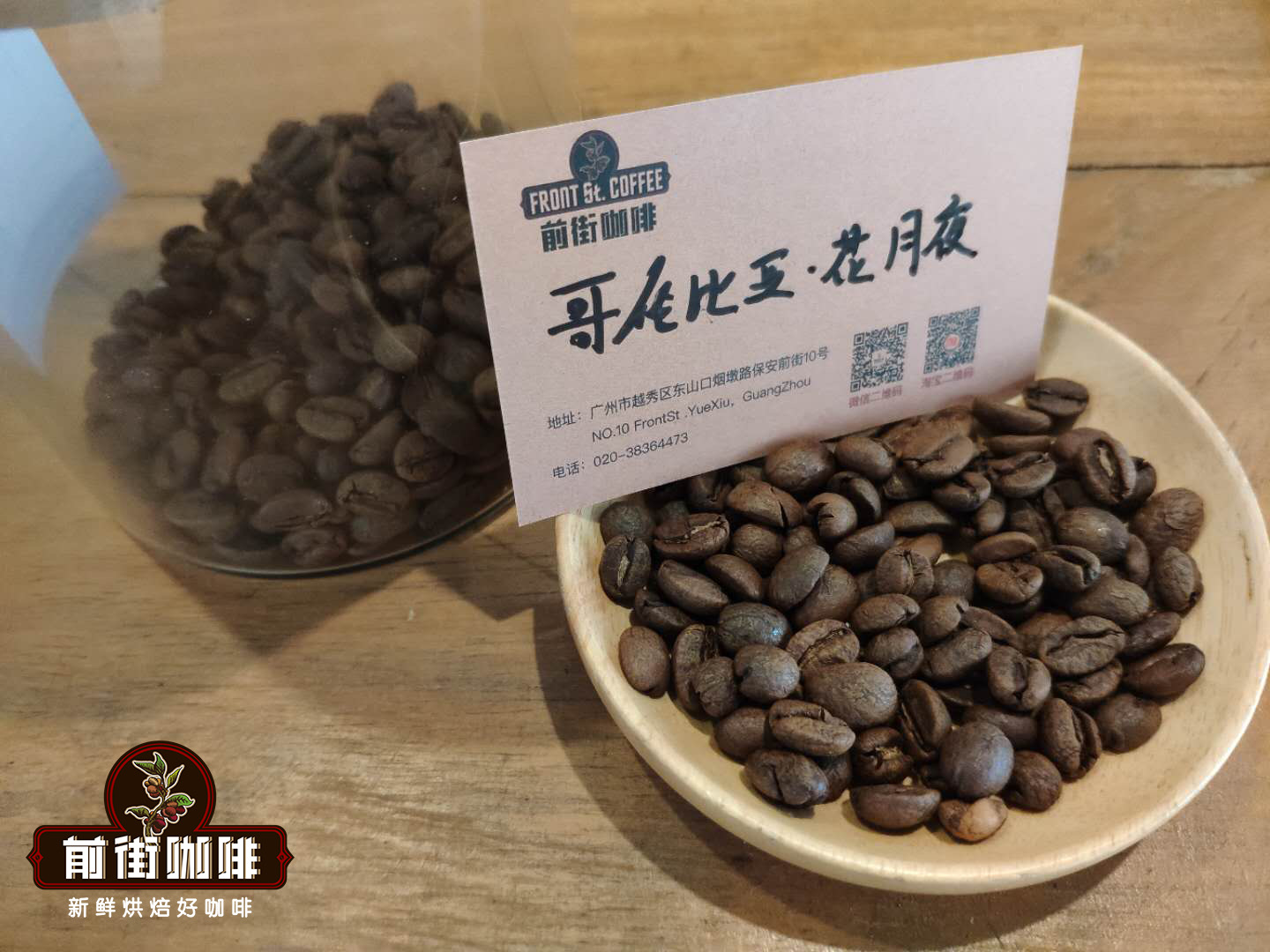
Country: Colombia
Region: Huila (El Espectador Farm)
Altitude: 1800m
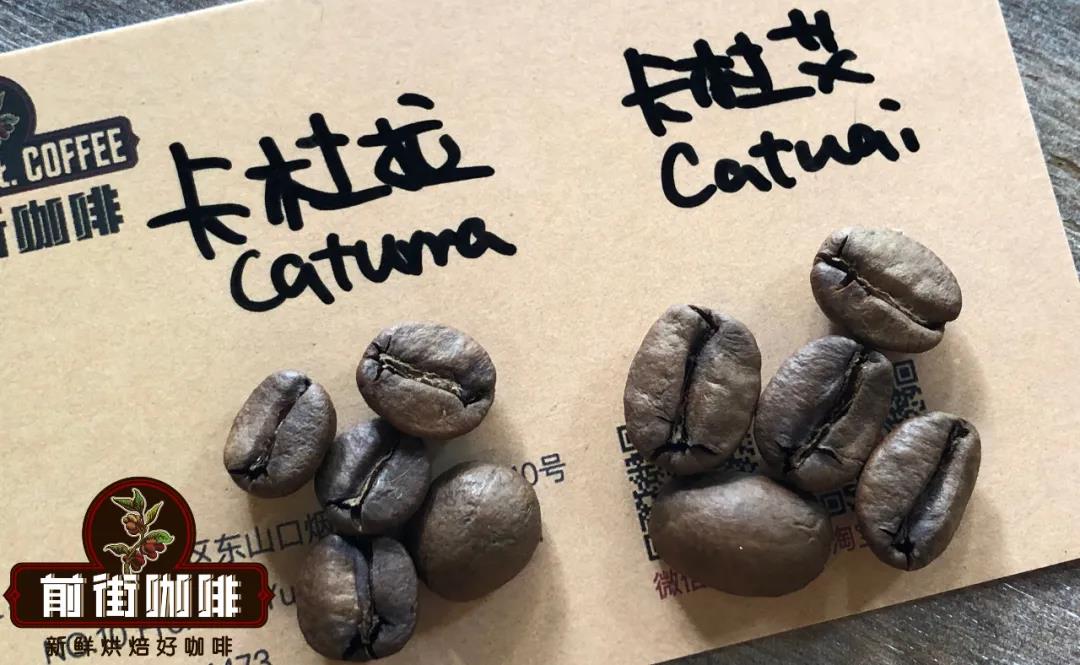
Variety: Caturra
Processing: Anaerobic Natural Process
Flavor: Strawberry, Honey Peach, Fermented Wine Aroma, Chocolate, Fruit Wine
FrontStreet Coffee's Flower Moon Night beans come from the anaerobic natural coffee developed by El Espectador farm owner Ramirez. As FrontStreet Coffee understands it, he comes from a coffee-growing family and began producing coffee at 18. He previously worked in professional coffee roles in the city of Acevedo before getting the chance to buy the farm called El Espectador.
The farm grows Caturra, a common variety. Caturra is a natural mutation of Bourbon that often brings refreshing fruit acidity and light sweetness, setting the tone for Flower Moon Night. In addition, the farm's previous owner had launched a special-processing program three years earlier and taught Ramirez how to carry it out. Driven by his passion for coffee growing, Ramirez reworked the fermentation process that had previously failed to deliver the results he wanted.
He places the coffee fruit in sealed fermentation tanks and uses low-temperature fermentation to stretch out the overall fermentation time. With 15-20 days of fermentation, the coffee's flavor gains more possibilities. Over time, slow drying lets the cherries develop optimal water activity through the process. This not only builds better flavor but also helps the green beans keep longer through the seasonal storage cycle. After fermentation, the fruit undergoes natural drying — the method FrontStreet Coffee now calls anaerobic natural processing.
FrontStreet Coffee Colombia Rose Valley Coffee Beans
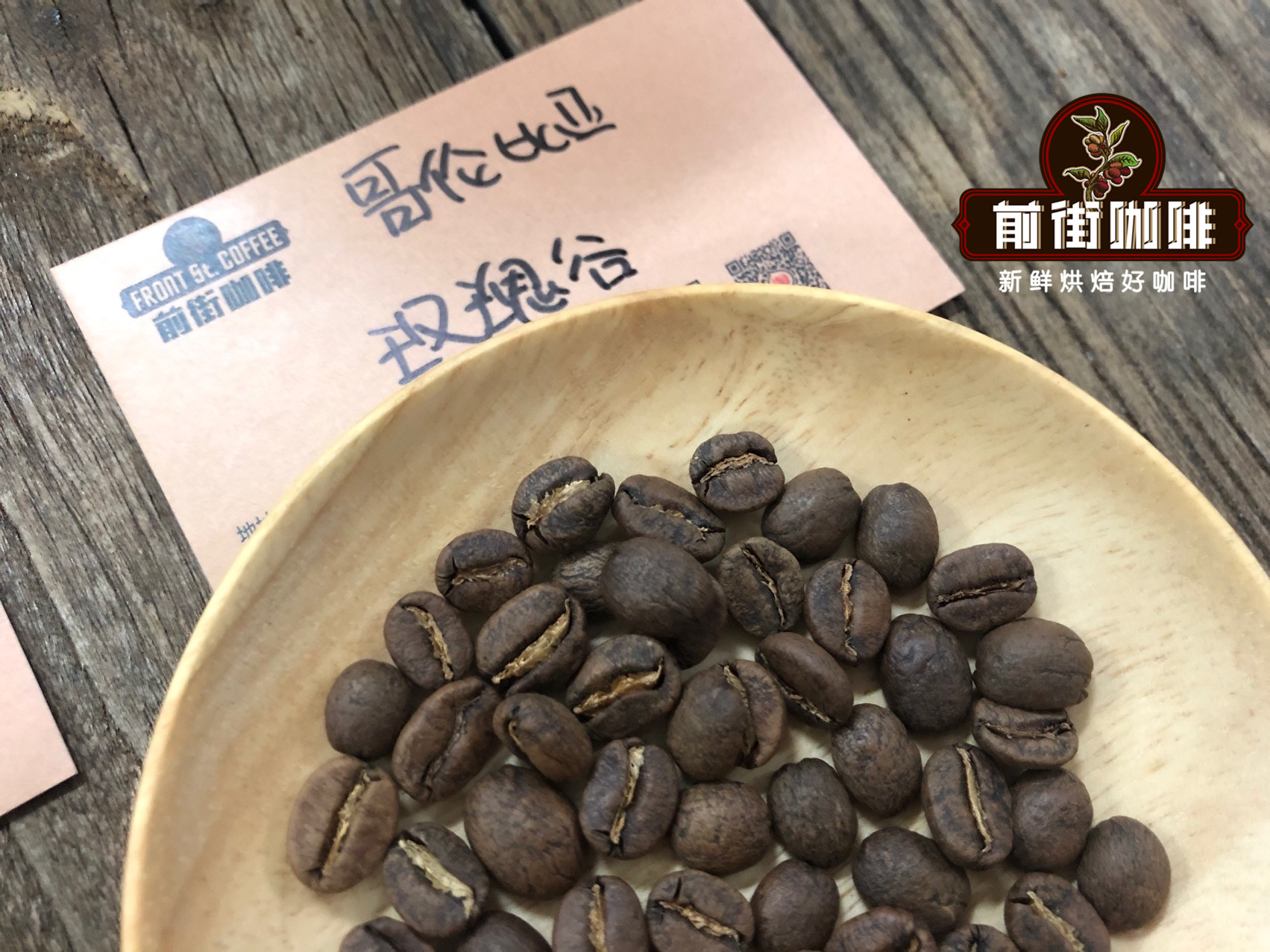
Country: Colombia
Region: Santander (Big Tree Estate)
Altitude: 1700m
Variety: Caturra
Processing: Anaerobic Double Enzyme Washed Processing Method
Flavor: Honey, Juicy Sensation, Strawberry
Rose Valley comes from Big Tree Estate in Colombia's Santander region. Owner Vargas has run Big Tree Farm for coffee cultivation for 20 years. At the farm, only fully ripe, bright red cherries are selected for picking. Defective floating beans are removed through washing, followed by two rounds of anaerobic fermentation and a special enzyme-group fermentation. The owner also pays close attention to drying, avoiding excessively high temperatures and using slow-drying methods. This is the double-enzyme anaerobic method mentioned above.

The process begins by washing to remove floating beans, after which the coffee is placed in a closed container and carbon dioxide is injected to displace the oxygen. In this oxygen-free environment, the sugars in the fruit mucilage break down more slowly and the pH falls more gradually, extending fermentation time to develop better sweetness and a more balanced flavor.
Those are the beans FrontStreet Coffee has gathered to represent the three major coffee-growing regions. We hope this article helps coffee lovers better understand regional flavor profiles and choose beans that suit their own taste.
For more specialty coffee beans, please add FrontStreet Coffee's private WeChat: kaixinguoguo0925
FrontStreet Coffee Recommendation
To taste the African profile described above, start with FrontStreet's classic washed Yirgacheffe daily beans — a go-to entry point into specialty coffee, known for its white jasmine florals, bright citrus and lemon acidity, and tea-like finish at an easy price. For a deeper look at Yirgacheffe's micro-regions, try the washed Gedeb cooperative beans, which bring clean citrus and lemon acidity along with jasmine fragrance and none of the traditional bitterness. If you prefer the fruit-forward side of the region, FrontStreet's Natural Red Cherry beans are made entirely from fully ripe fruit and deliver a citrus-like acidity with berry juiciness, honeyed sweetness, and a creamy smoothness.
For brewing Yirgacheffe at home, FrontStreet suggests a V60 with 15g of coffee, a 1:15 ratio, water at 90-91°C, and a grind around EK43s setting 10 (roughly fine table-sugar texture, or 80% passing a No. 20 sieve). Begin with a 30g bloom for 30 seconds, pour to 125g by about 1 minute, then add the remaining water to about 225g by 1:35, finishing the drawdown in 2:00-2:10.
Important Notice :
FrontStreet Coffee is a long-established specialty coffee roaster in Guangzhou China, selling freshly roasted beans from its own farm in Yunnan as well as dozens of carefully selected single-origin beans from around the world for both pour-over and espresso. The products deliver consistently excellent quality and great value, with shipping within 24 hours. Guangzhou's FrontStreet Coffee shop is recommended by many coffee lovers, and the beans are now available online at the Tmall 。
FrontStreet Coffee has moved to a new address:
FrontStreet Coffee Address: 315,Donghua East Road,GuangZhou
Tel:020 38364473
 Scan and follow the En Gafei WeChat official account. Please indicate that the reprint comes from "En Gafei".