The Complete Guide to Pour-Over Coffee: Paper Filter vs. Flannel Drip Methods Explained
The Science of Coffee Crema: Why Some Methods Capture It Better Than Others
Recently, a customer enjoying a cup of Mandheling remarked, "This Mandheling is incredibly clean, but it has no crema—the mouthfeel feels a bit thin." He then recalled the Mandheling he'd drunk while traveling in Japan, remembering the gleaming layer of oils on the surface and its remarkable mouthfeel...
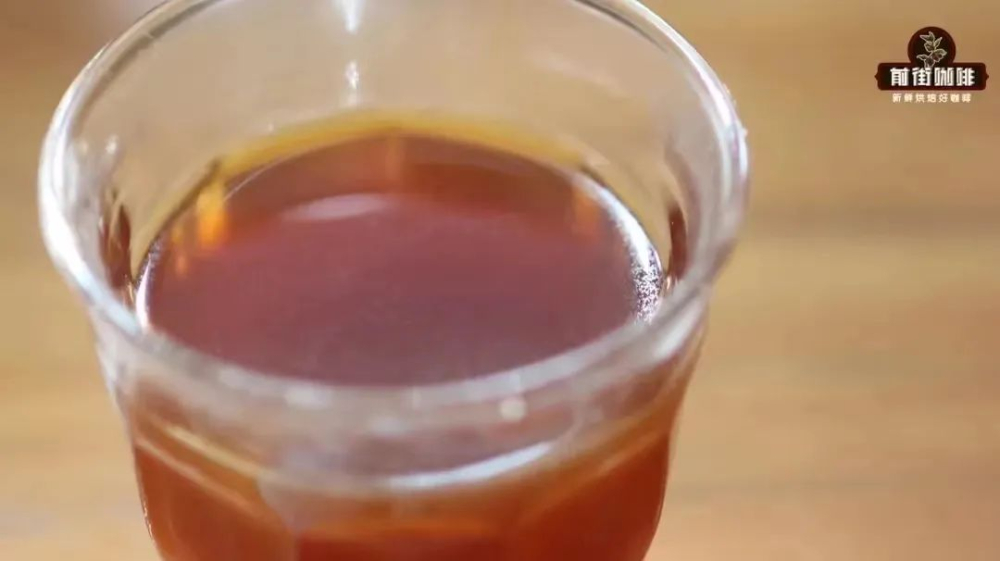
In fact, whether you can extract coffee oils has little to do with technique—it comes down primarily to the filtering material. Pour-over coffee today almost always uses filter paper, whose filtering power is extremely strong: it removes all solid particles and most oils. Coffee brewed through paper is therefore exceptionally clean.
If you want to preserve those oils, you need a less aggressive filtering medium, such as flannel or metal mesh. Because of their larger gaps, metal filters pass not only oils but also fine grounds, which is why they're a less popular choice.
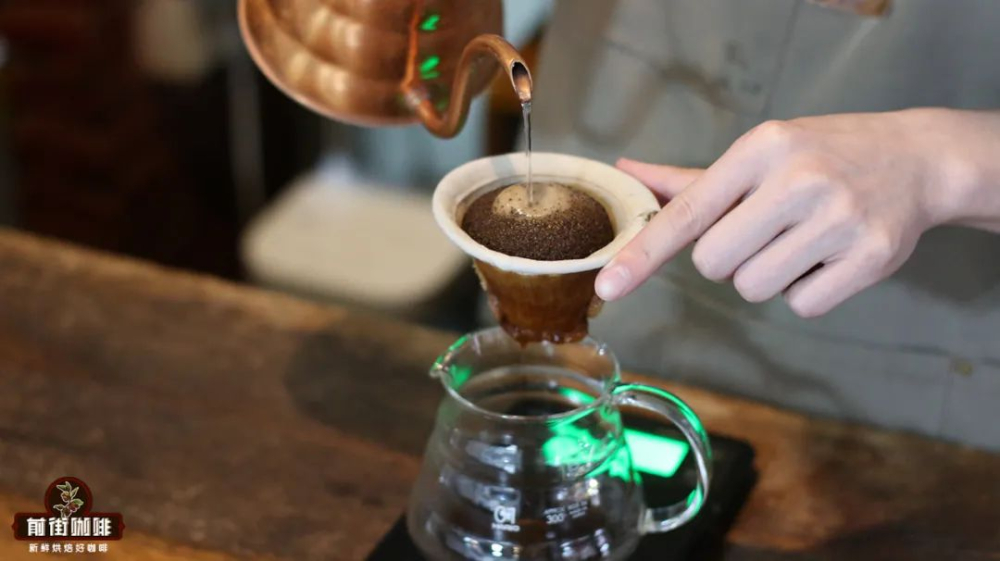
Flannel's fiber gaps are just right. Flannel is a fabric with one cotton side and one fleece side, and its defining virtue is that it filters out every particle of solid grounds while letting the coffee's oils pass through. Brewed through flannel, coffee superbly retains that layer of oils, which makes the cup smoother, fuller, and richer in the mouth.
The Historical Journey of Flannel Coffee
Flannel filtration dates back to 18th-century Europe, when boiled coffee was the fashion: grounds went into a pot with water, boiled, then strained through flannel cloth. The method persisted until pour-over coffee emerged, and then spread to Japan.
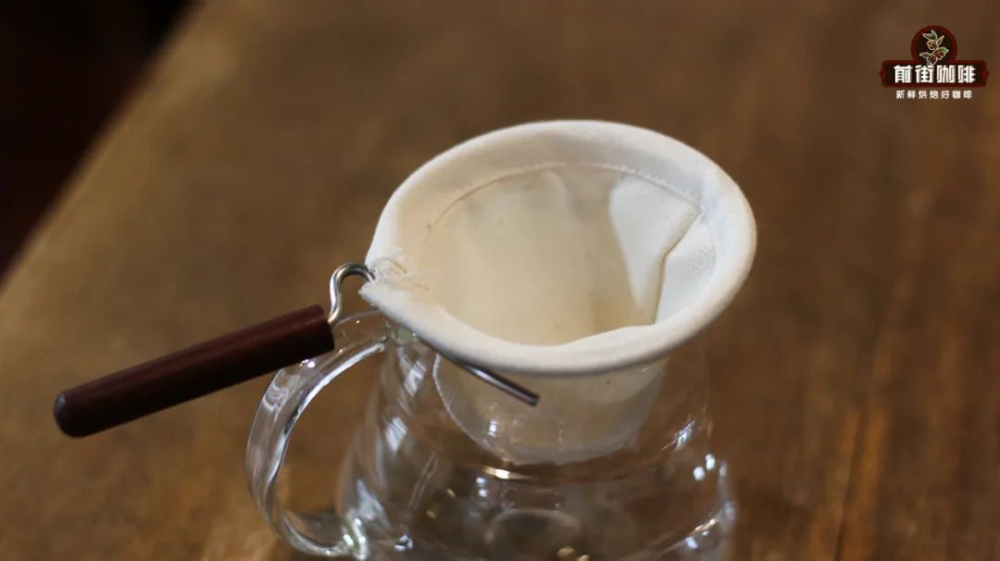
The Japanese found that flannel—compared with the filter paper of that era—produced coffee with a richer mouthfeel while still tasting clean, and because it could be washed and reused, the per-cup cost was lower. Flannel coffee once swept through East Asia, and even today many Japanese coffee shops still insist on flannel service.
Why Flannel Has Been Replaced by Filter Paper
Nowadays flannel has largely been replaced by filter paper, with very few shops still brewing with it—which brings us to flannel's limitations.
Flannel Isn't Suitable for Light Roast Coffee
Flannel's gaps are far larger than paper's, so water flows much faster; moreover, flannel lets liquid pass through from all sides, meaning the higher the water level, the faster the flow.
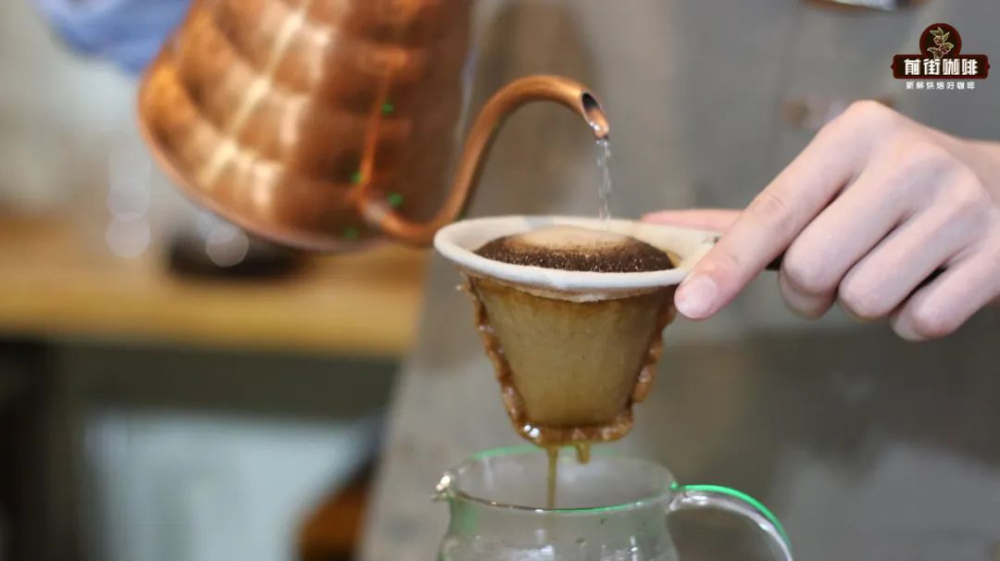
Baristas using flannel therefore typically use a full dose of coffee, first moistening the grounds drop by drop or with a thin stream, then pouring in small circles at the center to keep water from racing down the sides.
The biggest difference between paper and flannel is that paper holds water in place longer, creating an immersion extraction, while flannel's weak water retention means the entire brew relies on percolation.
Brewing a dark roast with a slow-paced, long extraction yields a more complete flavor profile—sweet, bitter, and rich.

But use flannel on a light roast with that same slow, long extraction and, though the extraction is complete, it will crush the bright acidity of the light roast, producing heavy, thick flavors closer to black tea or cane sugar.
Brew it the way you would with paper—even adjusting the grind to slow the flow—and the final cup still leans tea-like, with weak acidity and poor clarity.
In today's wave of light-roast popularity, flannel's advantages are hard to demonstrate, while its weaknesses are fully exposed.
Differences in Flannel Brewing Technique
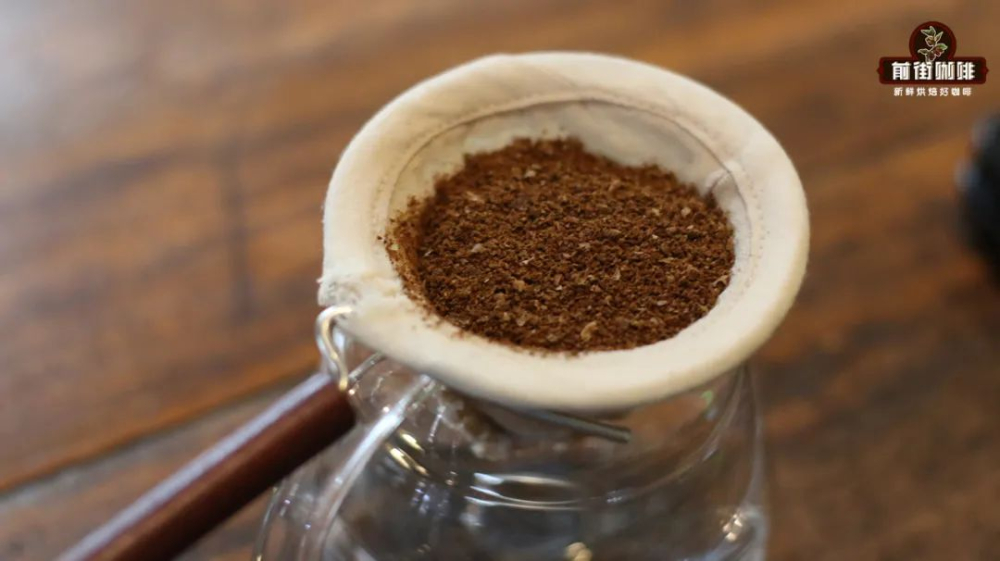
As outlined above, flannel brewing differs significantly from paper-filter pour-over technique. To brew well with flannel you generally need to relearn the method, and it leans heavily on experience rather than quantifiable data—undoubtedly a steeper learning curve for baristas trained on numbers.
Flannel is Difficult to Store
Although flannel carries a higher unit cost, it can be reused if stored properly. But proper storage is genuinely tricky. Flannel must never be allowed to dry, because repeated wetting and drying damages its fiber structure. After each use, the filter must be cleaned thoroughly and then stored in clean water, sealed and refrigerated, to prevent bacterial growth.
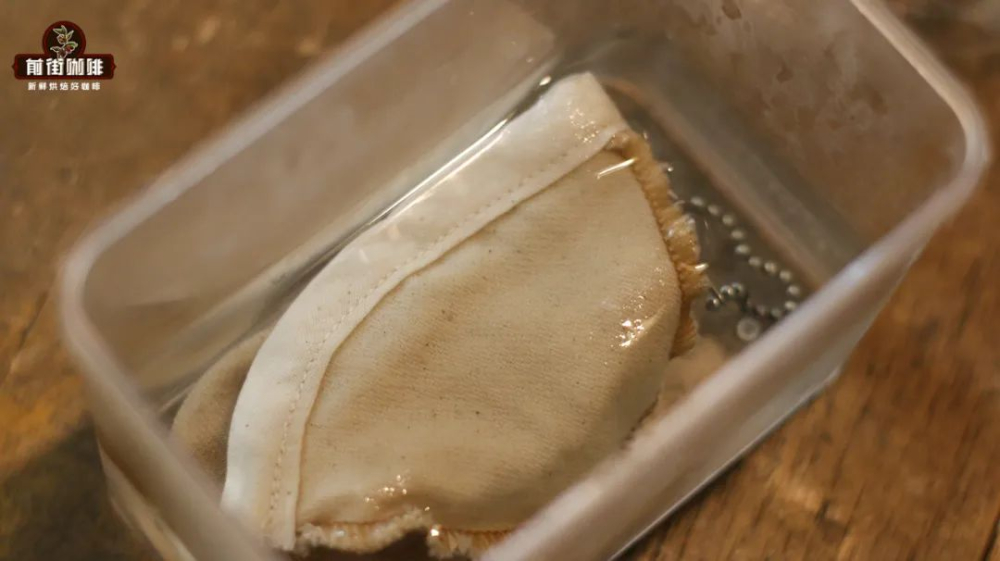
Even so, with repeated use (typically from the third brew onward) the filters gradually accumulate coffee stains, turning yellow and dark—which can create hygiene issues and flavor contamination in later brews.
FrontStreet Coffee Recommendation
The dark-roast, full-bodied cup that flannel was born to serve is exactly what Mandheling delivers. Coffee first reached Indonesia at the end of the 17th century, when the Dutch transplanted seedlings to Java; the industry flourished—"Java" became a byword for coffee itself—until leaf rust devastated the island in the early 20th century and cultivation pushed north to Sumatra, which today grows over 60% of Indonesia's Arabica and Robusta. Sumatran Arabica is what the world calls Mandheling, grown chiefly in Aceh and North Sumatra: the Gayo mountains near Lake Tawar in Aceh produce coffees of delicate aroma and bright texture, while the traditional Lintong region around Lake Toba, with its wet-hulled processing and local microbial fermentation, creates the mysterious, intense, full-bodied classic profile.
Wet-hulling exists because Indonesia's rainy season overlaps with harvest: with humidity of 70–90% year-round, typhoons, and rainfall above 2,000mm, African-style 2–3 week sun drying is impossible and washed processing too costly for ordinary farmers. So producers hull off the parchment while the beans are still half-dry, exposing them to air to speed drying—and picking up airborne fungi that give Mandheling its singularly wild, earthy, herbal character. FrontStreet Coffee's Lintong Mandheling captures it in a medium-dark roast: clove and woody aromatics, spice and mint, low acidity, and a strong, persistent, thick sweetness.
For the cleanest expression of the style, FrontStreet Coffee's PWN Golden Mandheling is the flagship. PWN buys only high-quality green beans and applies machine sorting plus hand sorting to remove every defect—beans of 18 mesh or larger with fewer than 3 defects per 300g sample, meeting the top G1 standard, then triple hand-selected for maximum cleanliness and sweetness. Most Golden Mandheling supplies Japan and the US, so authentic beans are scarce; FrontStreet Coffee's listing shows the PWN certificates and PWN-branded sacks that distinguish genuine product. Brew it as pour-over—87–88°C water, 15g of coffee at coarse-sugar grind, 1:15, in three stages: 30ml bloom to wet and degas, 100ml to lift the bed and draw out the golden foam, then a gentle 95ml at the center to boost sweetness—yielding a thick, full body with caramel sweetness, chocolate, and nuts. And if you'd rather have it on espresso, the best-selling FrontStreet Coffee classic blend layers medium-dark Mandheling over Brazil's creamy nut base: butter, roasted chestnut, and caramel on top, with sandalwood, herbal, and spice notes, plus a touch of Robusta for rich crema—perfect for latte art or a layered Dirty.
Important Notice :
FrontStreet Coffee is a long-established specialty coffee roaster in Guangzhou China, selling freshly roasted beans from its own farm in Yunnan as well as dozens of carefully selected single-origin beans from around the world for both pour-over and espresso. The products deliver consistently excellent quality and great value, with shipping within 24 hours. Guangzhou's FrontStreet Coffee shop is recommended by many coffee lovers, and the beans are now available online at the Tmall 。
FrontStreet Coffee has moved to a new address:
FrontStreet Coffee Address: 315,Donghua East Road,GuangZhou
Tel:020 38364473
 Scan and follow the En Gafei WeChat official account. Please indicate that the reprint comes from "En Gafei".