Where Do the Best Coffee Beans Come From? Top 10 Best Coffee Bean Brands Recommended
Introduction
Coffee can only be grown in a fairly narrow band of the planet. The trees are generally planted between the Tropic of Cancer and the Tropic of Capricorn, a zone we call the Coffee Belt. Within it sit three great regions: Africa, the Americas, and Asia. The old shorthand described African coffee as acidic, American coffee as balanced with dark cocoa notes, and Asian coffee as mostly herbal and very rich.
Zoom in from continents to countries, and each producing country breaks down further into distinct coffee regions. Every region has its own climate, and combined with the influence of variety and processing method, that is how we ended up with today's remarkable diversity of styles.
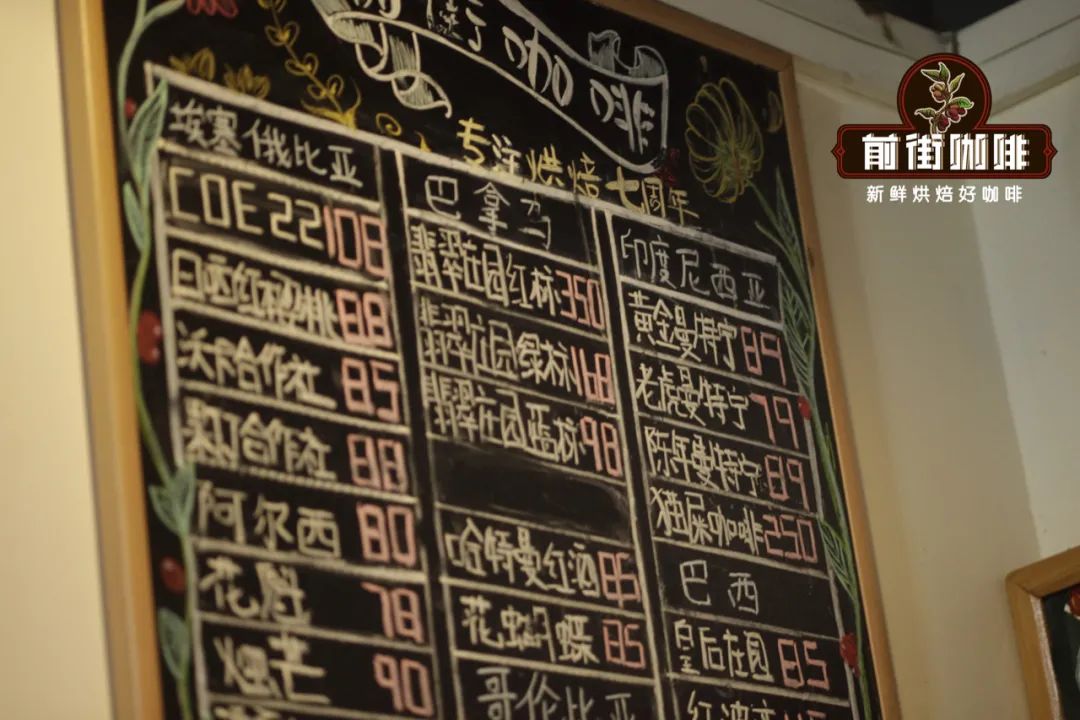
Every producing country tastes different. FrontStreet Coffee has picked ten representative origins to show how those differences play out in the cup.
Ethiopia
Ethiopia may be the most beloved coffee origin of all. As the birthplace of coffee, it holds an enormous number of varieties and can fairly be called a treasure house of coffee genetics. Identifying those varieties is slow and painstaking, however, and most are grown by smallholders, harvested, and processed together, which makes subdivision impractical. That is why exported Ethiopian beans are generally labeled simply as "heirloom varieties."
The most representative Ethiopian beans are undoubtedly the washed coffees of Yirgacheffe. Ethiopia mostly uses natural processing, and the common natural methods were often crude and carried defective flavors. So last century the Yirgacheffe region adopted washed processing from the Americas, and that is what made its coffee famous.
Among the beans FrontStreet Coffee selects, the Yirgacheffe Koke Cooperative is the one most worth recommending. Koke was originally part of the well-known Worka Cooperative before becoming independent. Its washed coffee carries the classic Yirgacheffe citrus acidity, delicate white florals, yellow fruit, and a tea-like finish.
Kenya
Kenya is Africa's other flagship origin, with highly recognizable berry tones reminiscent of grapefruit, blackberry, and plum. Its very high acidity makes Kenyan coffee one of the most popular iced coffees of summer. That flavor foundation comes largely from the SL28 and SL34 varieties and from mature washing techniques.
Panama
Panama is arguably the most fashionable specialty origin today, home to estates like Hacienda La Esmeralda, Deborah Estate, and Ninety Plus. The varieties grown there include Geisha, Caturra, and Catuai, but the one that defines Panama is Geisha. Among the many estates, FrontStreet Coffee believes the Geisha from Hacienda La Esmeralda is the most representative.
Early this century, Hacienda La Esmeralda recognized Geisha's potential through extensive cupping. At the time the variety yielded little, was hard to harvest, and was used mainly as a windbreak for other coffee. The estate then separated and selected it, and in 2004 won the Best of Panama (BOP) green bean competition with Geisha. Geisha coffee has been a global phenomenon ever since.
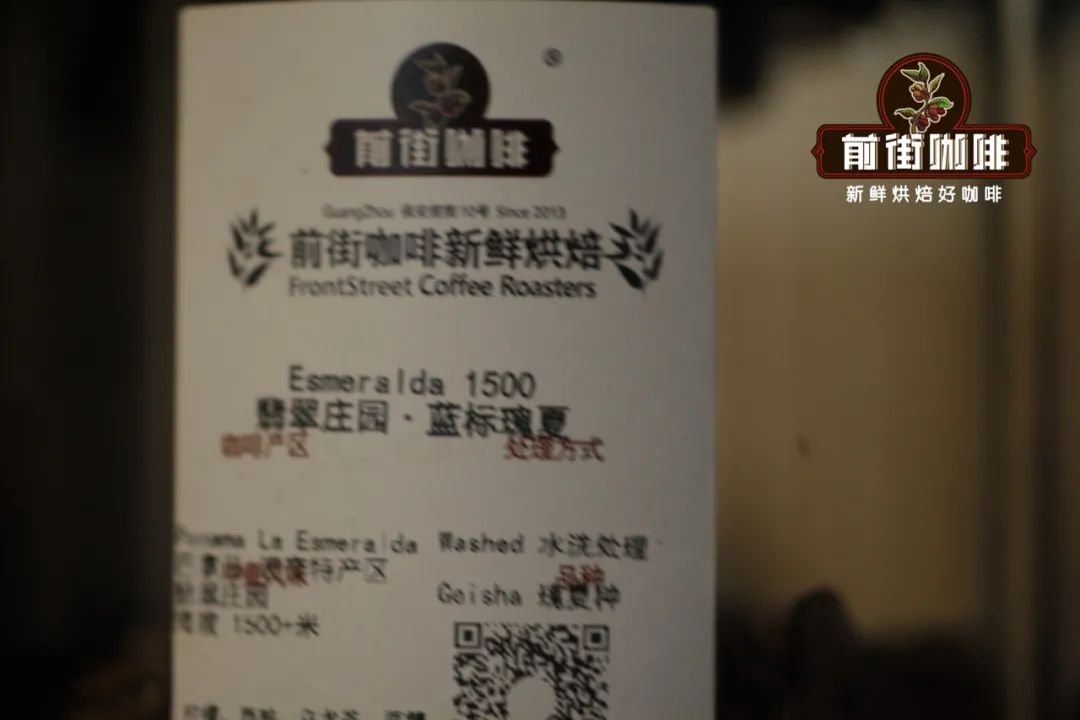
Today Hacienda La Esmeralda Geisha is divided into three grades: Red Label, Green Label, and Blue Label. The Red and Green Labels come from slightly higher altitudes, and Red Label lots are drawn from single plots. Blue Label is grown a little lower but offers strong value, which is why FrontStreet Coffee's baristas often steer customers who want to try Geisha toward it. For the 2020 season, Blue Label was available in both washed and natural versions: the washed is clean, the natural leans fruity.
Colombia
Colombia is perhaps the most characteristic producing country in the Americas. Specialty-grade Colombian coffee, almost always washed, tends toward citrus, nuts, and dark cocoa with an overall smooth, rich profile. Dark cocoa is one of its hallmarks, and high altitude lends it a refined acidity, making Colombia a rare combination of quality and consistency.
Guatemala
Guatemala is a thoroughly volcanic country. Its famous Antigua region is ringed by three volcanoes, and the volcanic ash soil feeds the coffee trees generously. Guatemala has multiple coffee regions beyond Antigua, each with its own growing environment and therefore its own regional flavor, but FrontStreet Coffee believes Antigua remains the most representative.
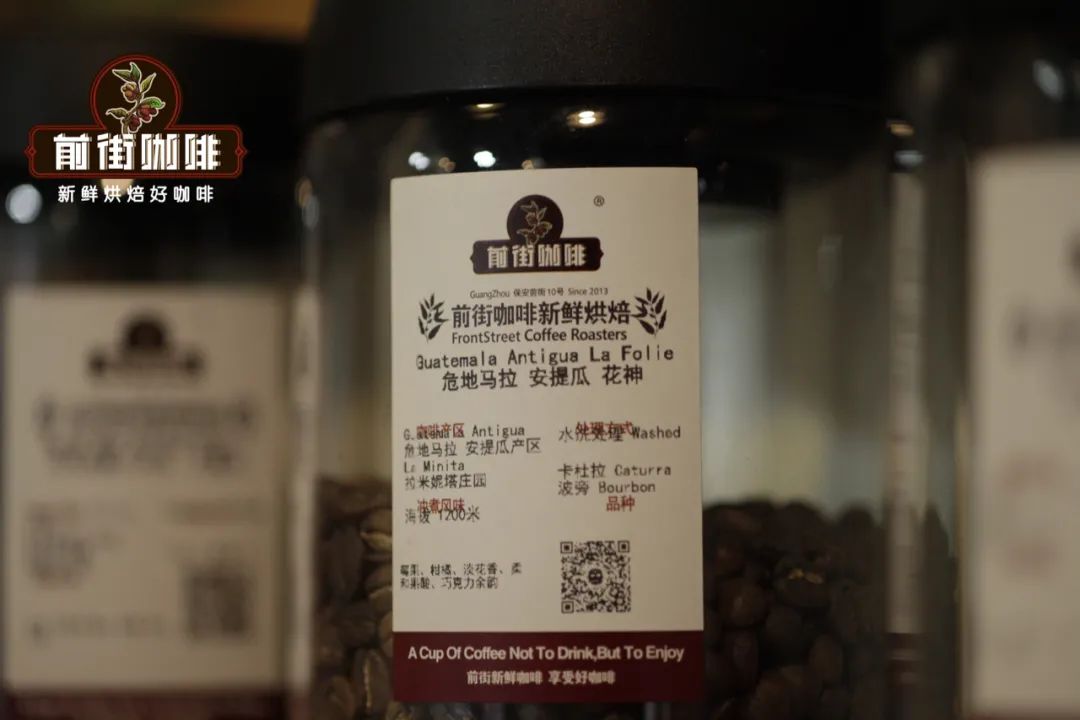
From the Antigua region, FrontStreet Coffee selected a Flor de Café bean. Flor de Café belongs to the La Minita company, which is known for excellent cultivation, processing technique, and unusually strict quality control. La Minita commissions Antigua's largest washing mill, Las Pastores, to process the green beans to its standards and names the result Flor de Café. Beyond the original regional flavors, the dry aroma carries rich floral and tea notes. In the cup, lime acidity and berry flavors emerge and then turn into a honeyed finish. Excellent cleanliness and layered complexity are what define this Flor de Café.
Costa Rica
Costa Rica has been growing coffee for more than two hundred years and its industry is highly mature. It is also one of the few countries in the world that prohibits cultivating Robusta, and even Catimor is not allowed, which says a lot about how seriously quality is taken. Costa Rica's signature comes from its honey processing, in which some mucilage is left on the bean during drying. That gives the coffee both the cleanliness of a washed coffee and a touch of the sweetness of a natural. Nuts form the base, shot through with a refreshing acidity, substantial yet carrying a sugar-like sweetness.
Brazil
As the world's largest producer of Arabica, Brazil cannot be ignored. Located in Latin America in the Western Hemisphere, its tropical conditions suit coffee and other tropical cash crops extremely well.
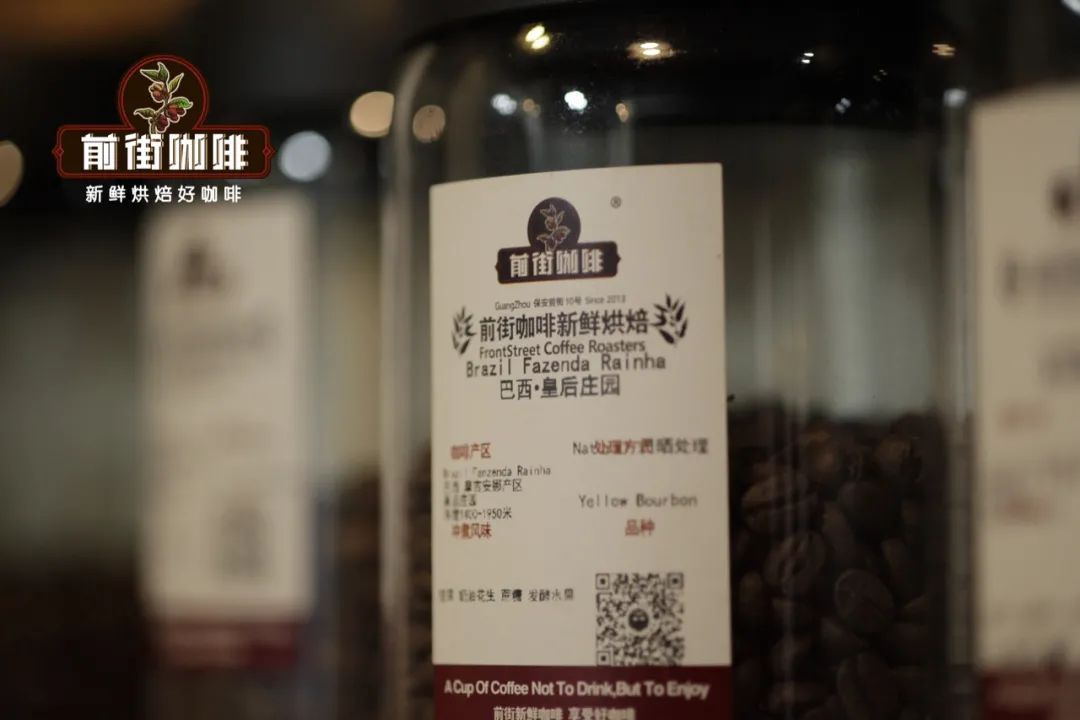
Most Brazilian coffee has lower acidity, and the sweet-bitter balance makes it exceptionally smooth on the palate with a faint grassy aroma. It is lightly fragrant, slightly bitter, sweet, and smooth, with a refreshing finish. FrontStreet Coffee selected a Queen's Estate Bourbon as Brazil's representative. It shows obvious nuts and chocolate, medium caramel sweetness, a smooth mouthfeel, and overall balance.
Jamaica
Alongside Brazil, Jamaica's Blue Mountain is another famously balanced coffee. The Blue Mountains lie in the east of Jamaica. Because the range is surrounded by the Caribbean Sea, on clear days when sunlight strikes the azure water, the peaks reflect that brilliant blue, which is where the name comes from.
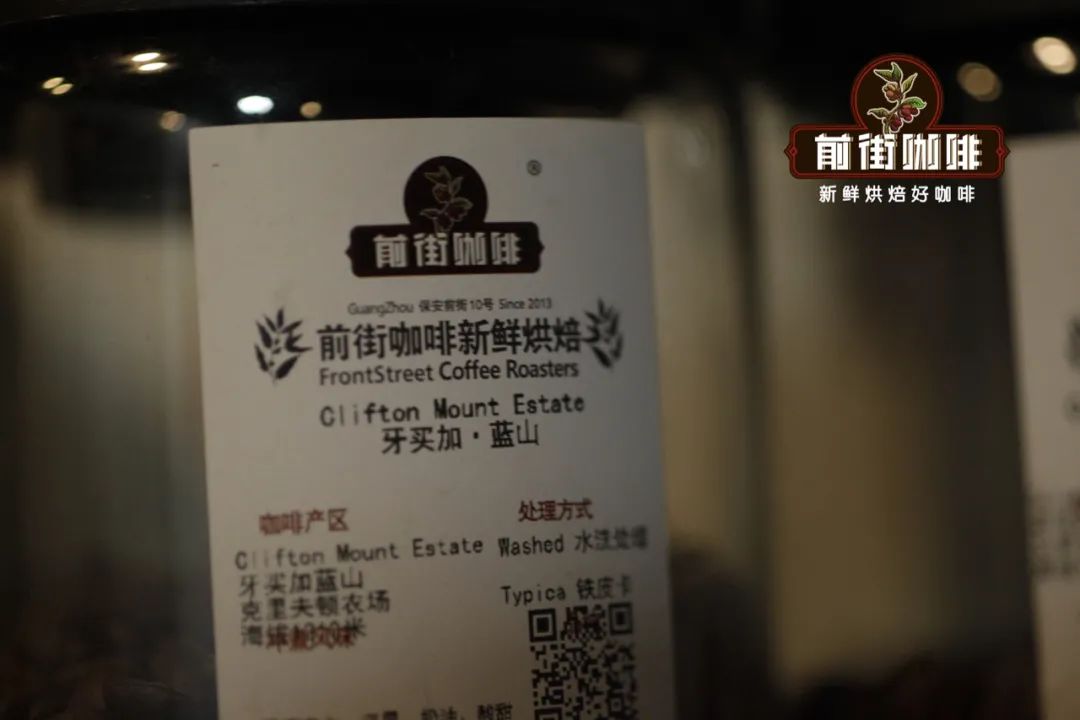
For many years Blue Mountain was tightly controlled for export, shipping only washed Typica to markets such as Japan. Only last year did FrontStreet Coffee begin tasting natural Typica beyond the washed version, and even Geisha grown in the Blue Mountains. Even so, FrontStreet Coffee still holds that washed Typica defines Blue Mountain's flavor. Washed Blue Mountain has citrus acidity, but its balance is the real story: nuts and dark cocoa in the middle, a persistent finish, and a mellow body.
Honduras
Honduras has become a very popular origin in recent years, and what stands out most is its wine barrel fermentation.
As an American origin, Honduran coffee mostly carries the classic American profile, with citrus and cocoa as the base and an overall balance and richness. It resembles Colombia's specialty washed beans, though production and quality have struggled to surpass Colombia. Honduras's recent rise is mostly due to its distinctive wine barrel processing.
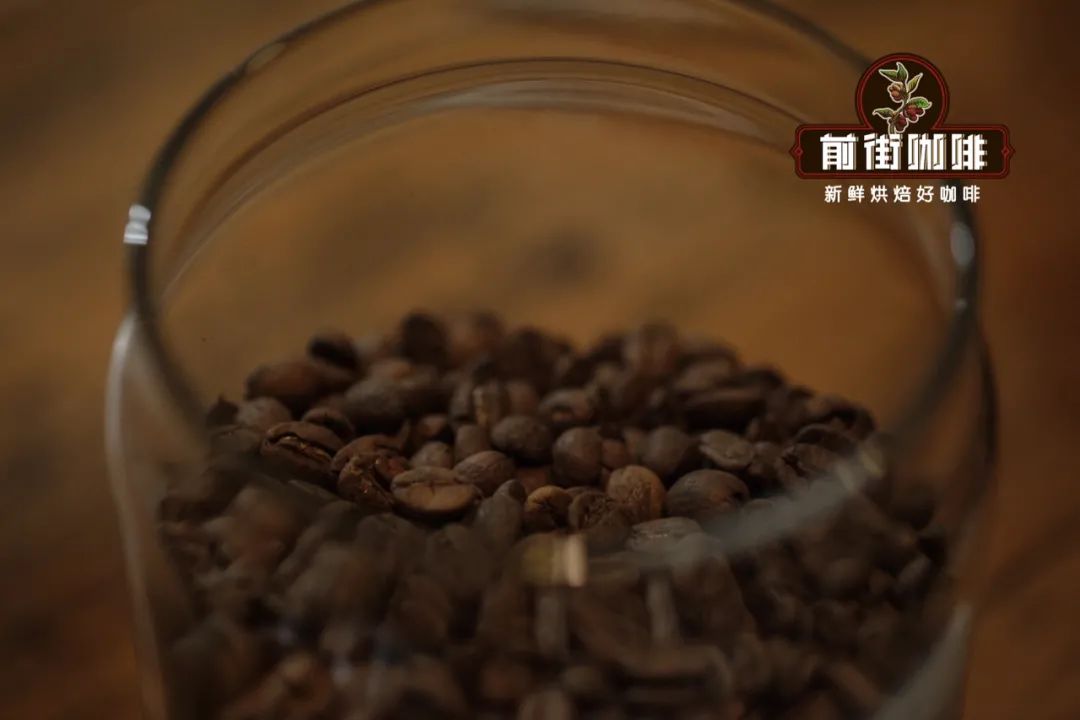
After the cherries are harvested, they are pulped and placed in oak wine barrels for low-temperature fermentation, which lends the beans unusual wine notes. One of FrontStreet Coffee's Honduran beans is fermented at low temperature in sherry barrels, picking up vanilla, cream, and caramel aromas.
Indonesia
Any discussion of Asian coffee has to include Indonesia, and Sumatra's Mandheling is its representative. Mandheling's flavor comes from the world-rare wet-hulling method. Indonesia is humid and rainy, which rules out long natural drying, and the smallholder model encouraged the development of wet hulling, characterized by repeated drying stages and hulling the parchment while the bean is still drying.
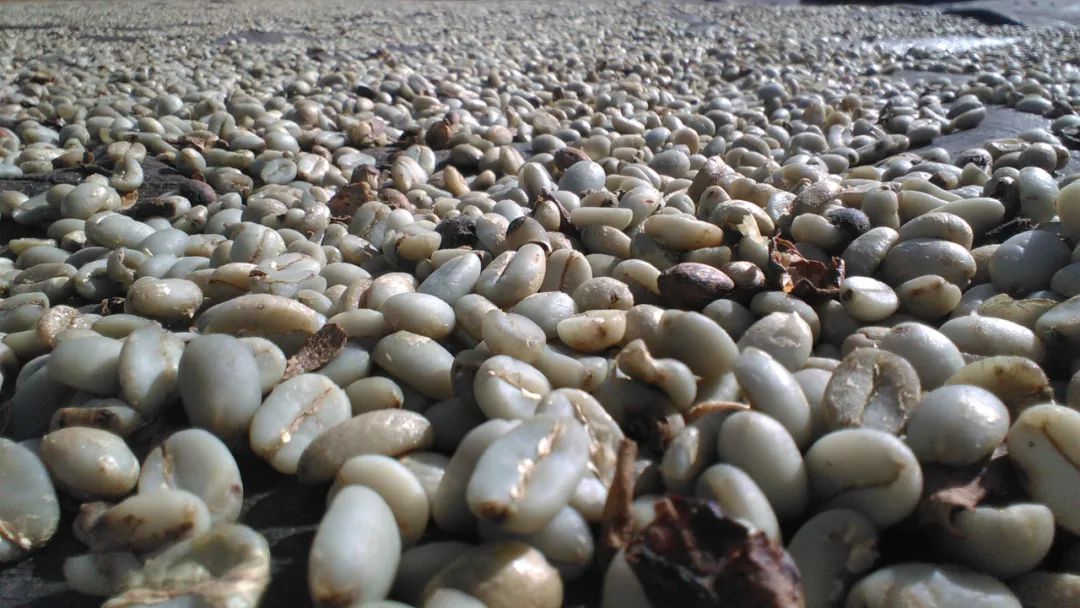
The result, almost by accident, is a rich, thick, herbal, and spicy flavor. Among the beans FrontStreet Coffee selects, Golden Mandheling is the one most worth recommending. Because hulling the parchment during drying tends to crack the beans, producing the so-called "goat hoof" defect, Golden Mandheling's repeated manual sorting removes many defective and misshapen beans. Beyond the classic herbal spice, then, Golden Mandheling is cleaner and notably smoother in the mouth.
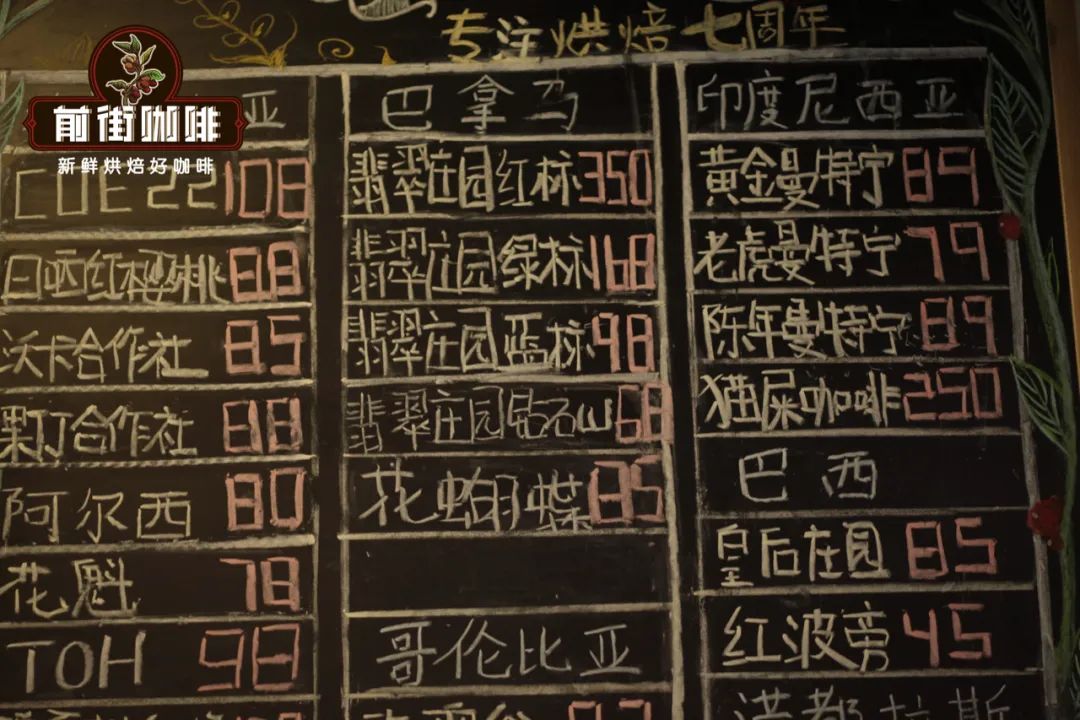
FrontStreet Coffee Recommendation
Ethiopia is where this list begins, and it is also the easiest origin to fall in love with. These three FrontStreet Yirgacheffe coffees cover the region's full range, from the classic washed profile to a fruit-forward natural.
FrontStreet Washed Yirgacheffe - The archetypal introduction to Ethiopia: white jasmine, bright citrus and lemon acidity, and a clean tea-like body, at a price that makes it a natural first specialty bean.
FrontStreet Washed Yirgacheffe Gotiti Cooperative - From the Worka area at the southeastern edge of Yirgacheffe, washed in the traditional way. No bitterness, just fresh, bright citrus and lemon acidity and a jasmine fragrance.
FrontStreet Natural Yirgacheffe Red Cherry - Fully ripe red cherries dried in the sun on raised beds, with the fruit turned every 2-3 hours early on and a drying period of three to five weeks. Classic Yirgacheffe character plus tropical fruit: citrus acidity, berry juice, honey sweetness, and a creamy finish.
Important Notice :
FrontStreet Coffee is a long-established specialty coffee roaster in Guangzhou China, selling freshly roasted beans from its own farm in Yunnan as well as dozens of carefully selected single-origin beans from around the world for both pour-over and espresso. The products deliver consistently excellent quality and great value, with shipping within 24 hours. Guangzhou's FrontStreet Coffee shop is recommended by many coffee lovers, and the beans are now available online at the Tmall 。
FrontStreet Coffee has moved to a new address:
FrontStreet Coffee Address: 315,Donghua East Road,GuangZhou
Tel:020 38364473
 Scan and follow the En Gafei WeChat official account. Please indicate that the reprint comes from "En Gafei".