Introduction to the Grade and Characteristics of Ethiopian Yirgacheffe Coffee Beans - Flavor Profile and Taste Description of Hand-Dripped Yirgacheffe
The Rise of Single-Origin Coffee Culture
As specialty coffee culture reaches everyday consumers, more and more people are ordering single-origin coffee when they visit a cafe — curious how hand-drip, cold drip, and cold brew made from specialty beans differ from espresso-based drinks.
Why Yirgacheffe Coffee Is So Popular
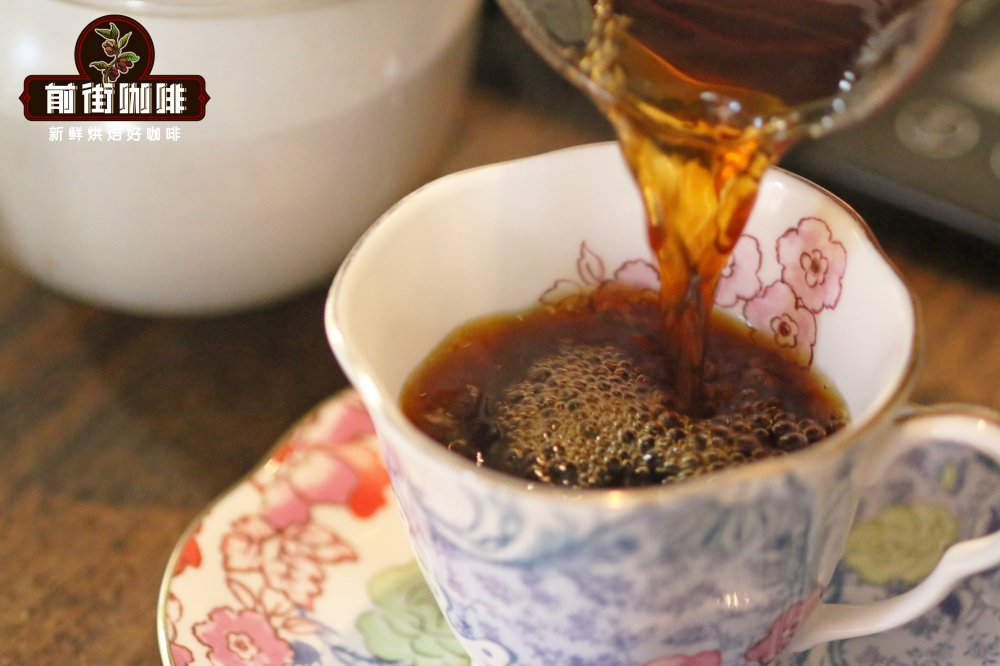
When it comes to single-origin menus, over 90% of shops that offer single-origin coffee carry at least one bean from Yirgacheffe. Why is coffee from this region so universally loved? What gives FrontStreet Coffee's Yirgacheffe beans their charm? In this article, FrontStreet Coffee introduces this treasured Ethiopian town.
The Geographic Origins of Yirgacheffe
Yirgacheffe is a small town in southern Ethiopia, within the Sidamo region, at an elevation of 1700-2100 meters, with coffee planted above 1800m. That makes it one of the world's highest-altitude coffee-growing regions — and a byword for Ethiopian specialty coffee.

A Distinctive Flavor Profile
The region's coffee is known for fresh tones, bright citrus acidity, subtle floral notes, and a green-tea-like sweetness, winning over wave after wave of coffee lovers. The profile is so distinctive that in 2010 the Ethiopia Commodity Exchange formally separated Yirgacheffe from Sidamo, creating the Yirgacheffe region we know today.
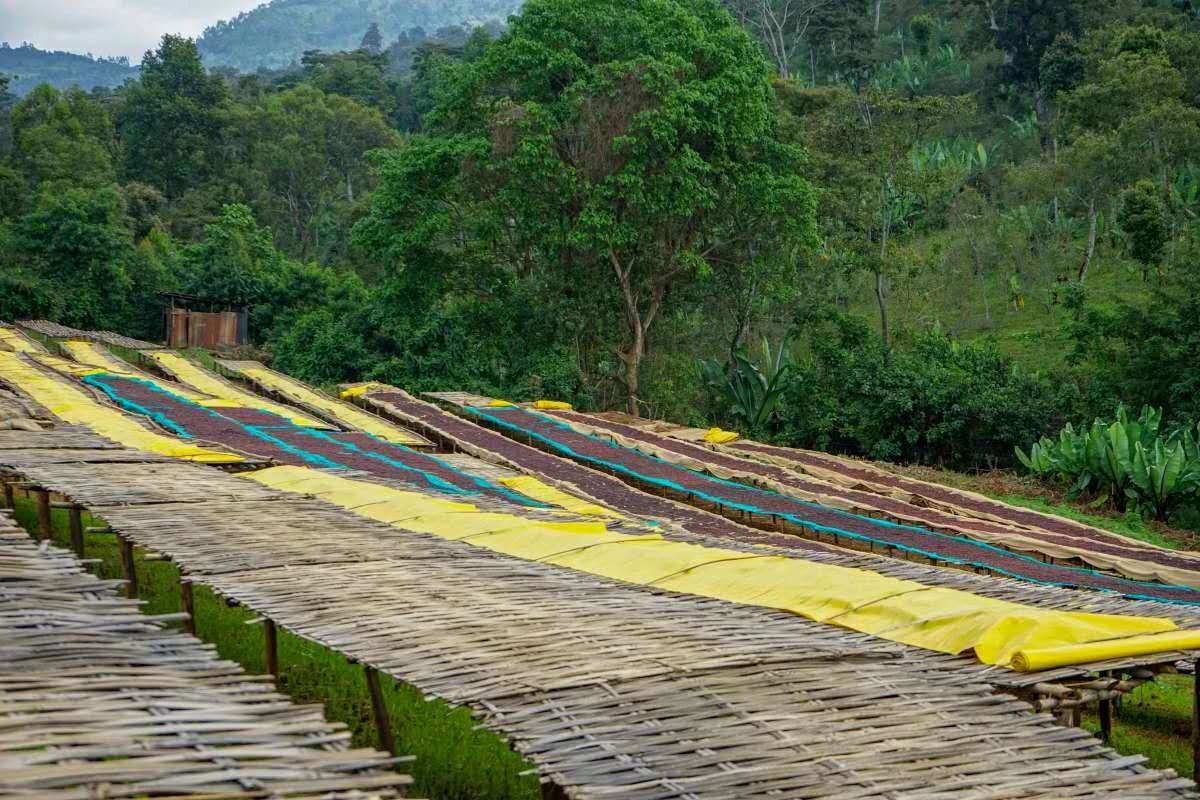
Yirgacheffe town sits shrouded in mist year-round, with spring-like seasons, gentle breezes, and cool humidity. Thousands of coffee tree varieties thrive and multiply here, nurturing a terroir where floral and fruity aromas intertwine in an ever-shifting dance. The high altitude also creates large day-night temperature swings that stretch the coffee's growth and maturation, letting beans from this region express rich flavor layers.
Coffee Varieties and Their Characteristics
Although beans from this region are all called Yirgacheffe coffee, that is a regional name, not a variety. Ethiopia is the birthplace of coffee, and many local wild varieties remain unnamed and unclassified, so most farmers simply plant whatever they have, and different varieties grow intermixed.
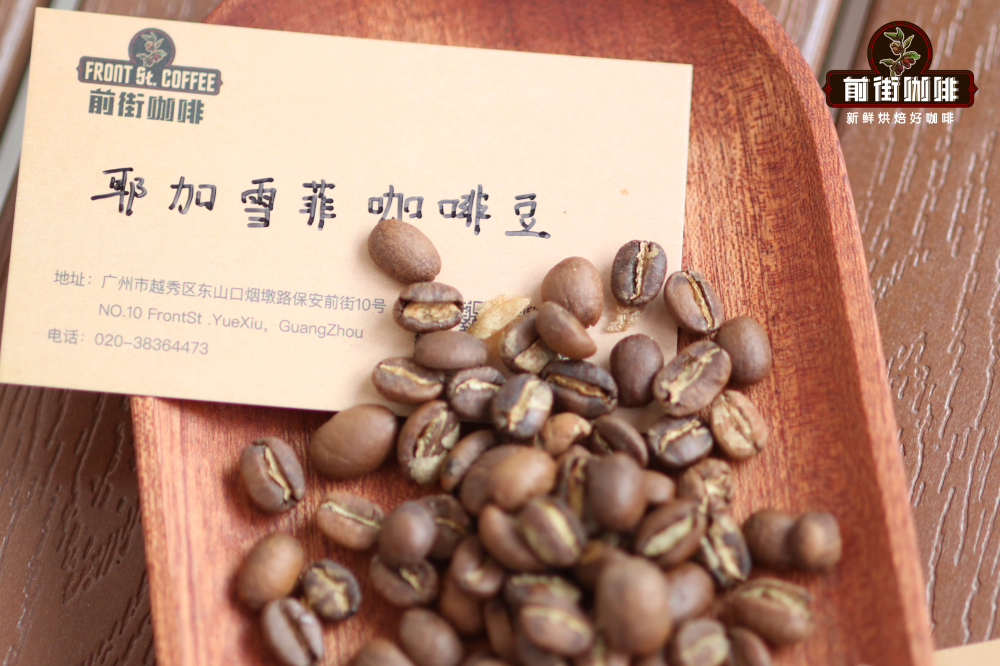
Because detailed variety names are lacking, traders use "Ethiopian Heirloom" as a catch-all label for unclassified Ethiopian beans. Since each variety's beans differ in size, Yirgacheffe coffee shows an uneven particle size — itself a hallmark of Ethiopian coffee.
The Cooperative System and Processing
As a traditional coffee-growing region, Yirgacheffe's farmers deliver their harvest to nearby cooperatives for unified processing, then trade under the processing station's name. That is why so many Yirgacheffe beans carry names like "Yirgacheffe such-and-such Cooperative, such-and-such processing station." Famous cooperatives today include Gedeb, Aricha, Worka, and Kochere. A washed Yirgacheffe sold by FrontStreet Coffee comes from Gedeb Cooperative, while our natural processed Yirgacheffe comes from Aletaland Cooperative.

The Red Cherry Project
Aletaland Cooperative encourages farmers to pick fully ripe cherries for unified natural processing at the station — those fully ripe cherries are called "Red Cherries." The Red Cherry project was proposed in 2007 by Trabocca, the Netherlands' largest green coffee supplier, to lift quality and farmers' incomes alike: better beans earn more, and the extra funds go back into growing better coffee, breaking the vicious cycle in which green buyers squeeze prices and farmers chase quantity over quality.
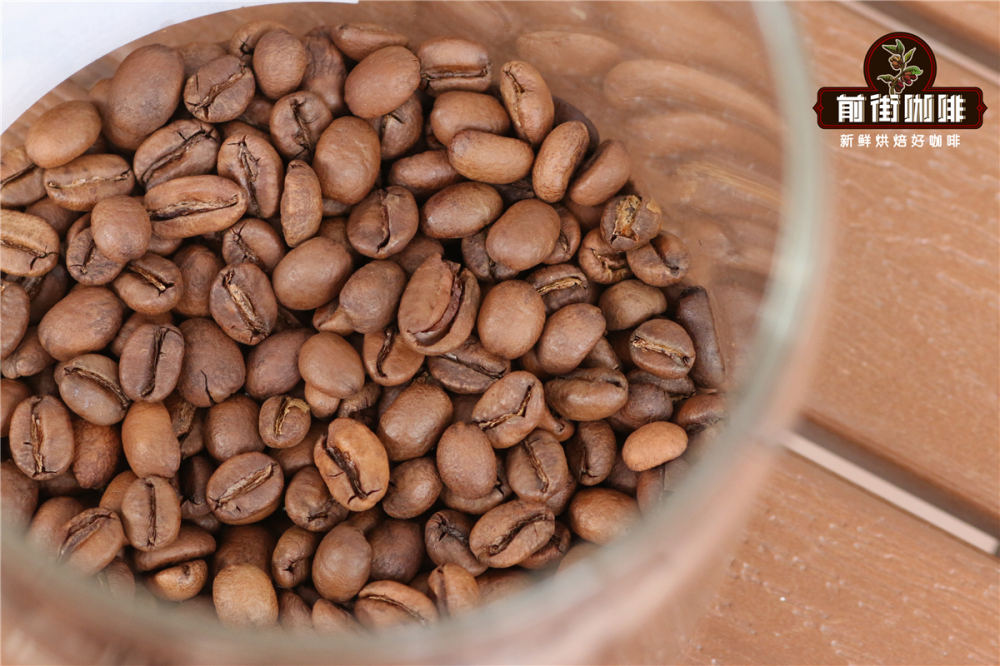
Washed vs. Natural Processing
The biggest difference between the two processes: washed coffee has its skin and pulp removed, ferments in clean water pools to strip residual mucilage, and is then sun-dried. With the shorter drying time, washed coffee tastes cleaner overall with more pronounced acidity.
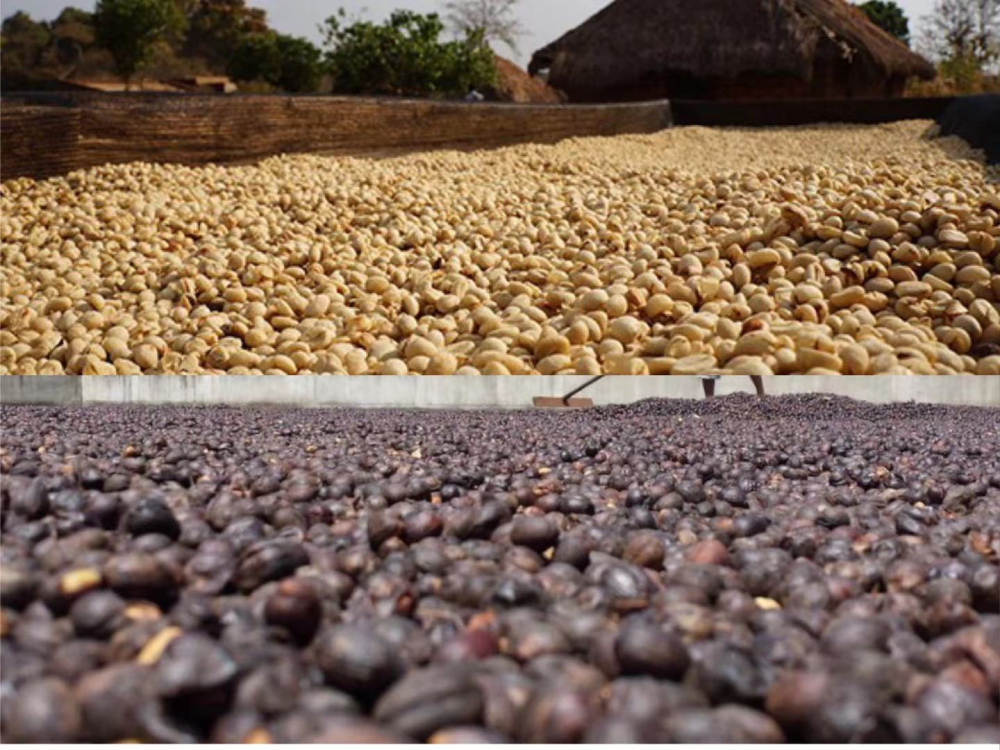
Natural coffee dries with skin and pulp intact, letting the fruit's sugars ferment in the heat. The beans absorb those fermented flavors, and the pulp's sugars transfer into them to some degree — so naturals show subtle fermented aromas and more pronounced sweetness.
Brewing Recommendations
For FrontStreet Coffee's Yirgacheffe beans, we recommend higher water temperature and a grind similar to fine sugar (80% retention on the China #20 standard sieve). The high altitude makes these beans denser and harder, and most roasters — FrontStreet Coffee included — roast them light to preserve their fresh tones and bright acidity, so solubles release slowly during extraction. Use 90-92°C water with a medium-fine grind.
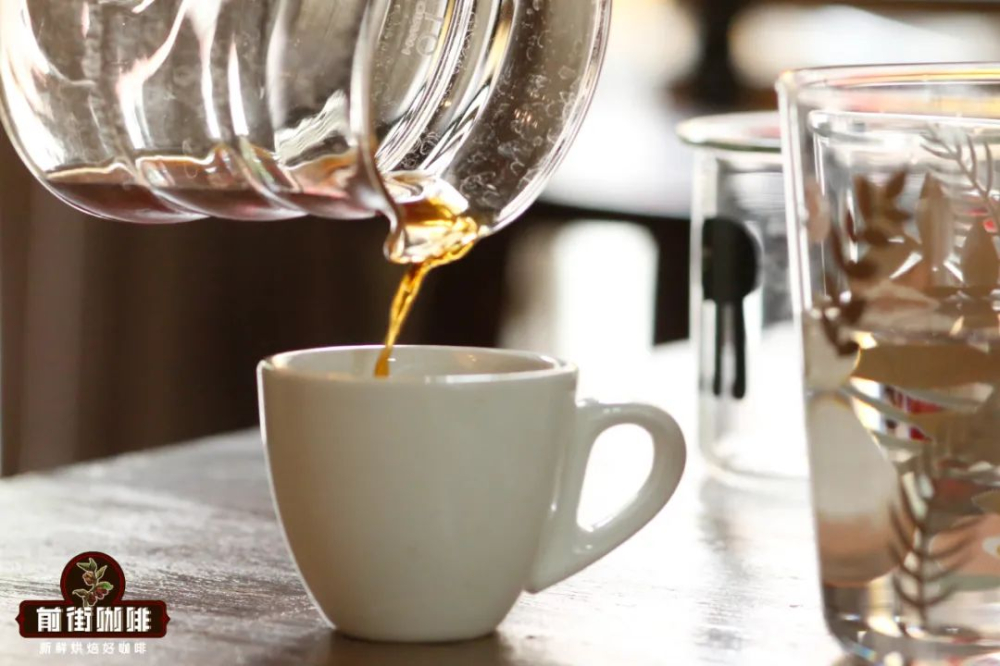
FrontStreet Coffee suggests a 1:15 ratio and a three-stage pour: start timing and pour to 30g for a 30-second bloom; then, with a small flow in circles, pour to 125g and wait until the coffee bed drops to half; continue in small circles up to 225g. Once dripping finishes, total extraction time should be around 2 minutes 00 seconds to 2 minutes 10 seconds.
FrontStreet Coffee Recommendation
To taste exactly what this article describes, start with FrontStreet Coffee's washed Yirgacheffe daily bean. It is prized for its white jasmine florals and bright citrus-lemon acidity with a tea-like finish — a clean, elegant cup, like lemon tea with the volume turned up — and its approachable price makes it the first bean for countless people entering specialty coffee. Yirgacheffe's coffee grows above 1800 meters in southern Ethiopia's Sidama zone, and the town's cool, misty, spring-like climate is what gives the beans their signature interplay of florals and fruit.
For the next step, try the FrontStreet Guodingding Cooperative washed lot from the Worka area at Yirgacheffe's southeastern tip: freed from any traditional bitterness, it pours out fresh, bright citrus-lemon acidity wrapped in jasmine. If you would rather taste what natural processing does here, the FrontStreet Red Cherry dries whole ripe cherries for three to five weeks, turning them every 2-3 hours to prevent uneven fermentation, then hulls and rests the beans — yielding typical Yirgacheffe character layered with tropical fruit: citrus acidity, a berry-juice feel, honeyed sweetness, and a creamy smoothness. Brew either one with 15g of coffee at 1:15 and 90-91°C water, ground to a fine-sugar texture (80% pass on a #20 sieve), and you will taste the region exactly as described above.
Important Notice :
FrontStreet Coffee is a long-established specialty coffee roaster in Guangzhou China, selling freshly roasted beans from its own farm in Yunnan as well as dozens of carefully selected single-origin beans from around the world for both pour-over and espresso. The products deliver consistently excellent quality and great value, with shipping within 24 hours. Guangzhou's FrontStreet Coffee shop is recommended by many coffee lovers, and the beans are now available online at the Tmall 。
FrontStreet Coffee has moved to a new address:
FrontStreet Coffee Address: 315,Donghua East Road,GuangZhou
Tel:020 38364473
 Scan and follow the En Gafei WeChat official account. Please indicate that the reprint comes from "En Gafei".