Coffee Roasting Principles Detailed Guide to Specialty Coffee Bean Roasting Steps and Coffee Roaster Recommendations
Introduction
Following the previous lesson, in which we covered the "ingredients," this lesson turns to the principles of coffee roasting and some of the terminology that goes with it.
Coffee roasting is very much like cooking food - it uses heat to make food more delicious, more aromatic and more visually appealing. Our purpose in learning to roast is to find the most suitable roasting approach for each coffee bean.
Understanding Roasting Machines
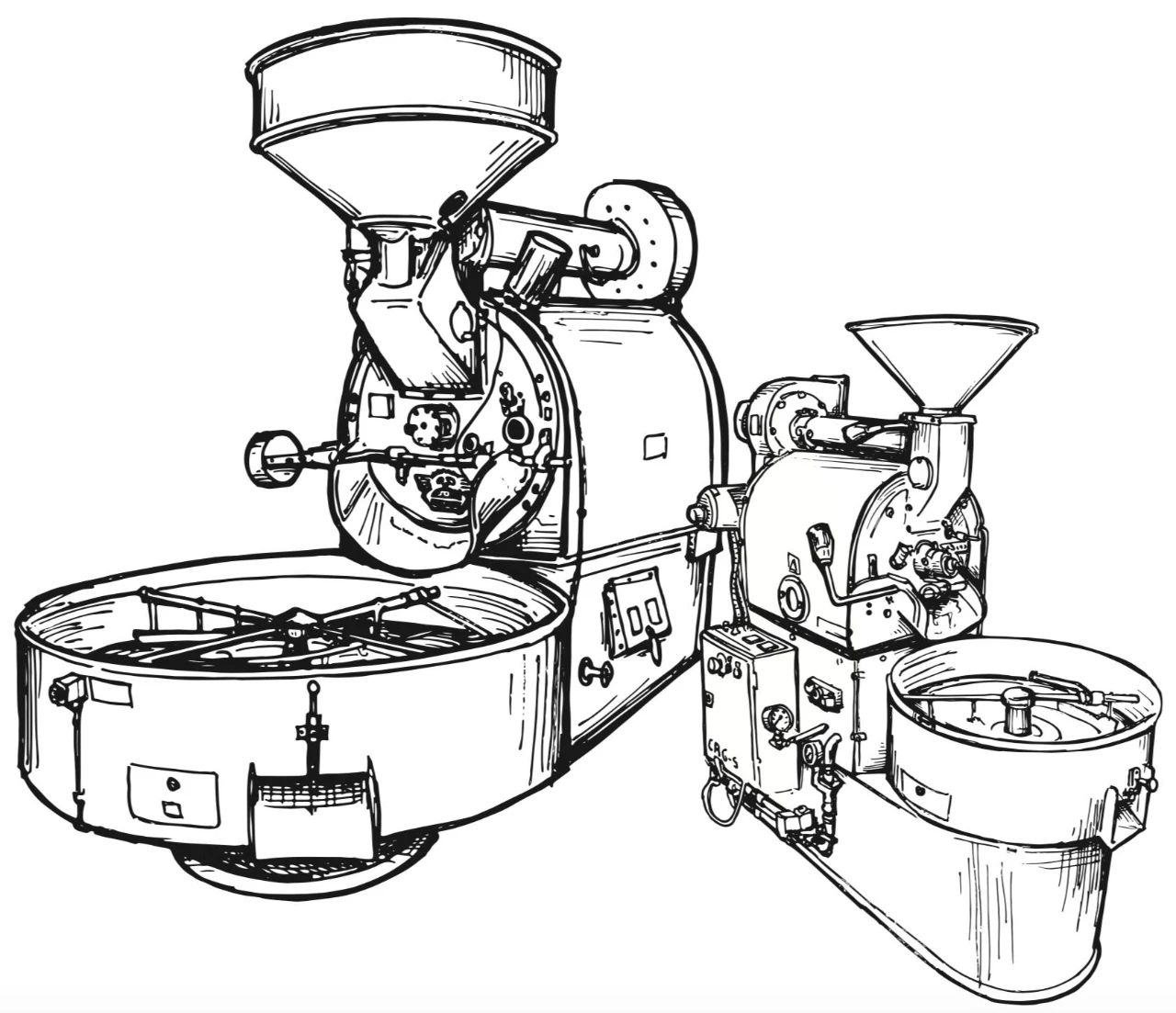
Roasting equipment comes in many forms - hand nets, iron pots and even popcorn machines can be used to roast coffee. Today, though, we will focus on professional roasting machines, which fall into direct-fire, semi-direct-fire (semi-hot-air) and hot-air types.
Direct-Fire Type
Uses a flame to transfer heat directly to the coffee beans. The advantage is excellent expression of coffee flavor and aroma; the disadvantage is difficulty of control, which can easily scorch the beans and produce uneven roasts. It greatly tests the roaster's skill.
Semi-Direct-Fire Type
Uses a flame to heat a perforated drum. The flame cannot contact the beans directly; instead it heats them through the hot metal drum and the conduction of air through the vents. The advantage is stability, and most coffee roasters use semi-direct-fire machines to produce roasted beans.
Hot-Air Type
Uses a blower to draw in air, which then passes through a heating coil to raise its temperature, using hot air as the heat source to roast the beans. The advantage is easy temperature control and less likelihood of scorching. The disadvantage is weaker flavor and aroma expression than the previous two types.
Key Terms to Understand in Roasting
Key milestones occur throughout the roasting process. Let's look at the names and meanings of these points.
Dropping Point
This is the moment the green coffee beans enter the roasting drum, and it is also the starting point for calculating the roast curve. Generally the initial drum temperature is set relatively high, varying with the amount of green beans and their origin. The dropping temperature is typically controlled between 160-200°C.
Turning Point
After entering the drum, the beans rapidly absorb heat, causing the drum temperature to keep falling. When it drops to a certain temperature, stabilizes, and then begins to rise again, that low point is called the turning point.
Yellowing Point
At around 6 minutes, the high-moisture green beans begin to turn yellow and wrinkles slowly appear on the bean surface. This point is called the yellowing point.
First Crack
Commonly known as "first crack." Before it occurs, the beans are in a state of heat absorption. When enough energy accumulates inside and the beans expand, they crack and release heat. The beginning of first crack is generally determined by hearing 4-5 sporadic cracking sounds.
Second Crack
If we don't discharge the beans and continue development, there will be a 1-2 minute quiet period after first crack ends, followed by second crack. The beginning of second crack is also determined by 4-5 cracking sounds. The second crack sounds are not as intense as the first, coming through as deeper, lower-pitched tones.
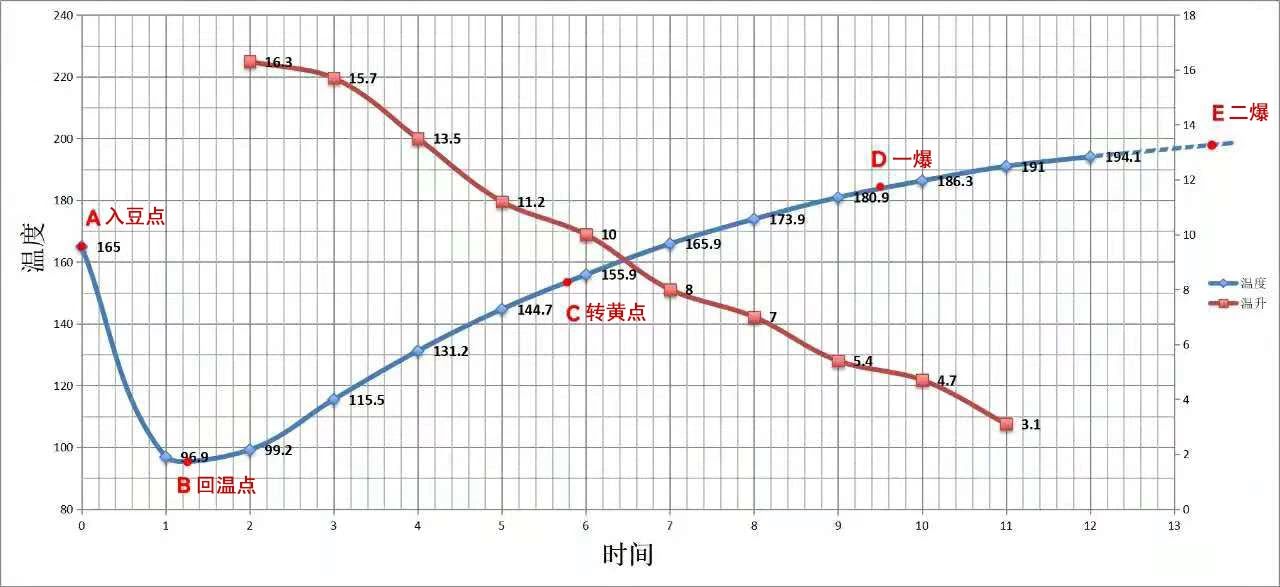
Between these milestones there are also time periods with specific names.
Drying Phase
Refers to the period from dropping to the yellowing point. Although dehydration occurs throughout the entire roast, this is the period in which the most water evaporates from the green beans. The length of the drying phase depends on the moisture content and hardness of the green coffee.
Intermediary Phase
Refers to the period from the yellowing point to the beginning of first crack. During this period the bean surface becomes light brown, begins to expand and releases steam, emitting a toast-like aroma.
Development Phase
Refers to the period from the beginning of first crack to discharge. Only after first crack are the beans truly "cooked" in the physical sense, and the length of development time determines the flavor direction of the coffee. Put simply, insufficient development can result in under-roasted flavors and a lack of character. Short development time tends toward acidity, while long development time tends toward bitterness. Over-extending development can also flatten the coffee's flavor.
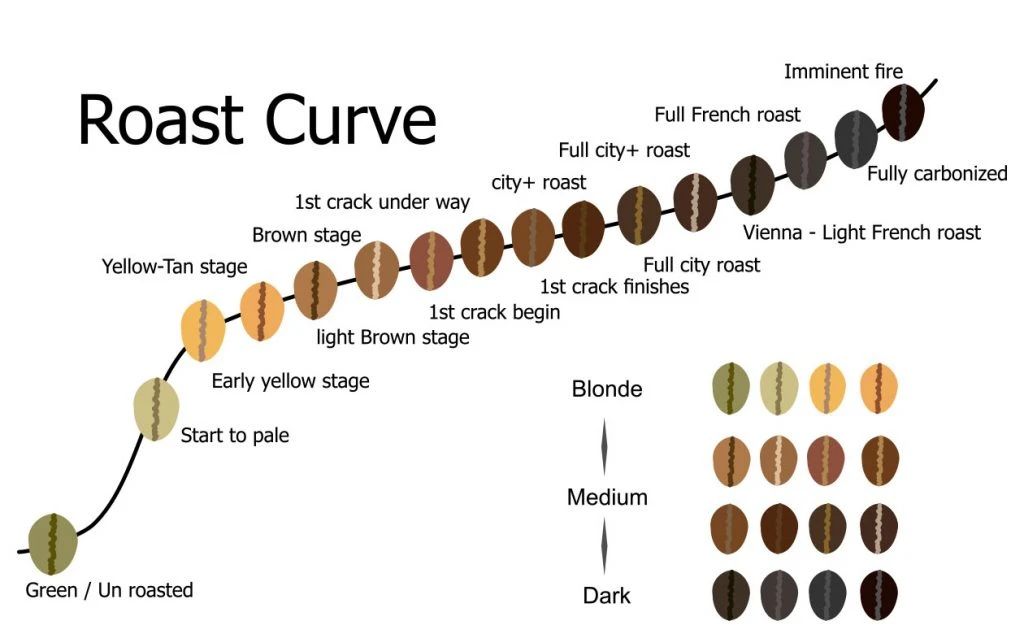
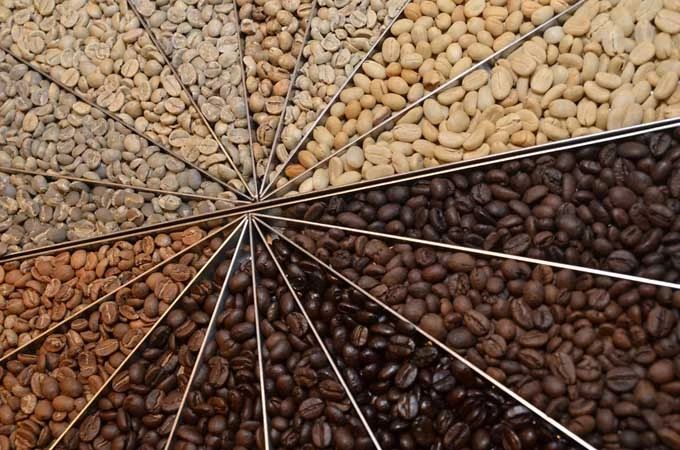
Because beans develop to different degrees, they exhibit different roast levels. Based on the color value of the beans, roasting is divided into eight major levels.
Agtron #95: Light Roast
Discharge time: When first crack is about to end and intensifies
Agtron #85: Cinnamon Roast
Discharge time: Around the end of first crack
Agtron #75: Medium Roast
Discharge time: After first crack ends
Agtron #65: High Roast
Discharge time: During the quiet period between first and second crack
Agtron #55: City Roast
Discharge time: At the beginning of second crack
Agtron #45: Full City Roast
Discharge time: Before second crack becomes intense
Agtron #35: French Roast
Discharge time: When second crack becomes intense
Agtron #25: Italian Roast
Discharge time: When oil begins to seep onto the bean surface
What Can We Actually Control in Roasting?
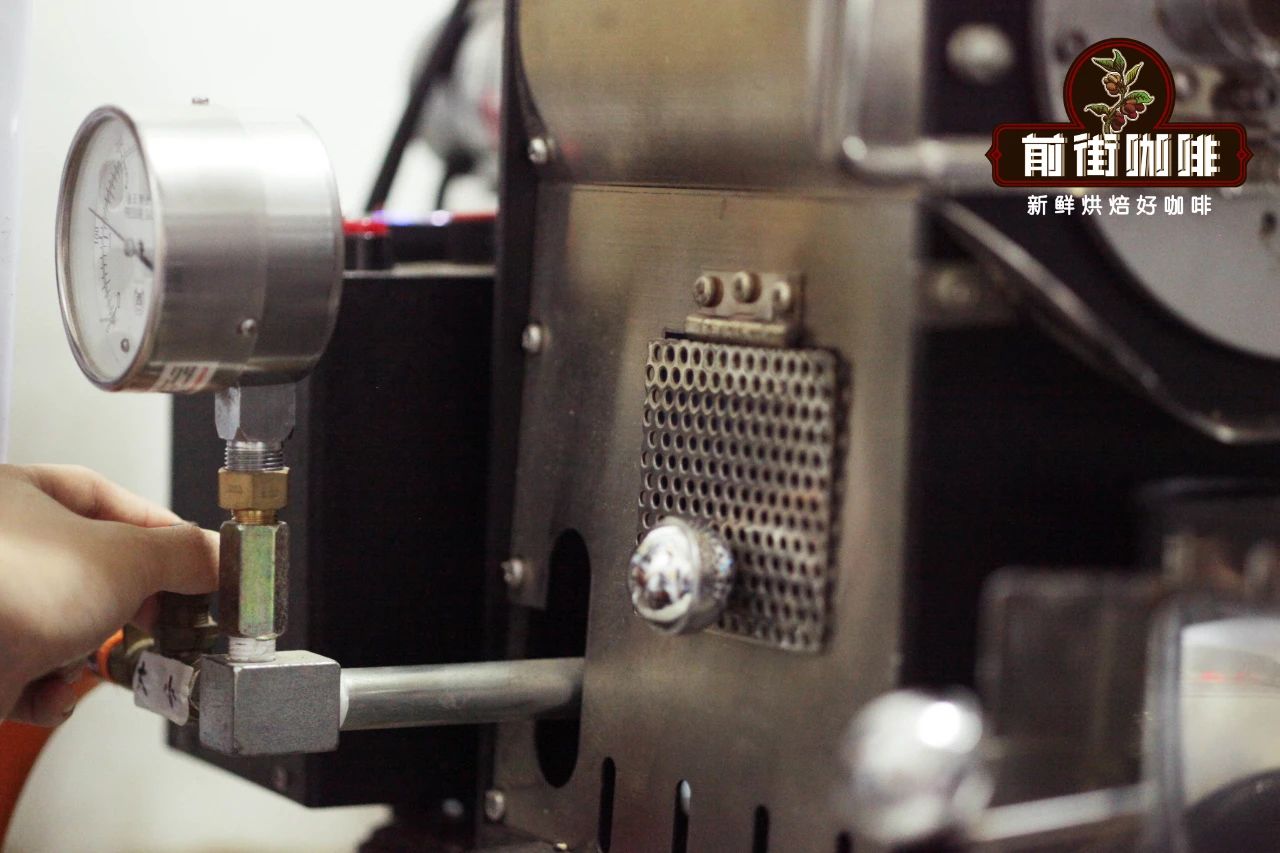
Taking a semi-direct-fire roasting machine as an example, we can only control the dropping point (time and temperature), heat adjustment, damper control and discharge time.
Heat adjustment is similar to using low or high heat in cooking. Increasing heat accelerates the rise in temperature, while reducing heat slows it down. Different periods during roasting require different rates of temperature rise, which means we must adjust the heat accordingly.
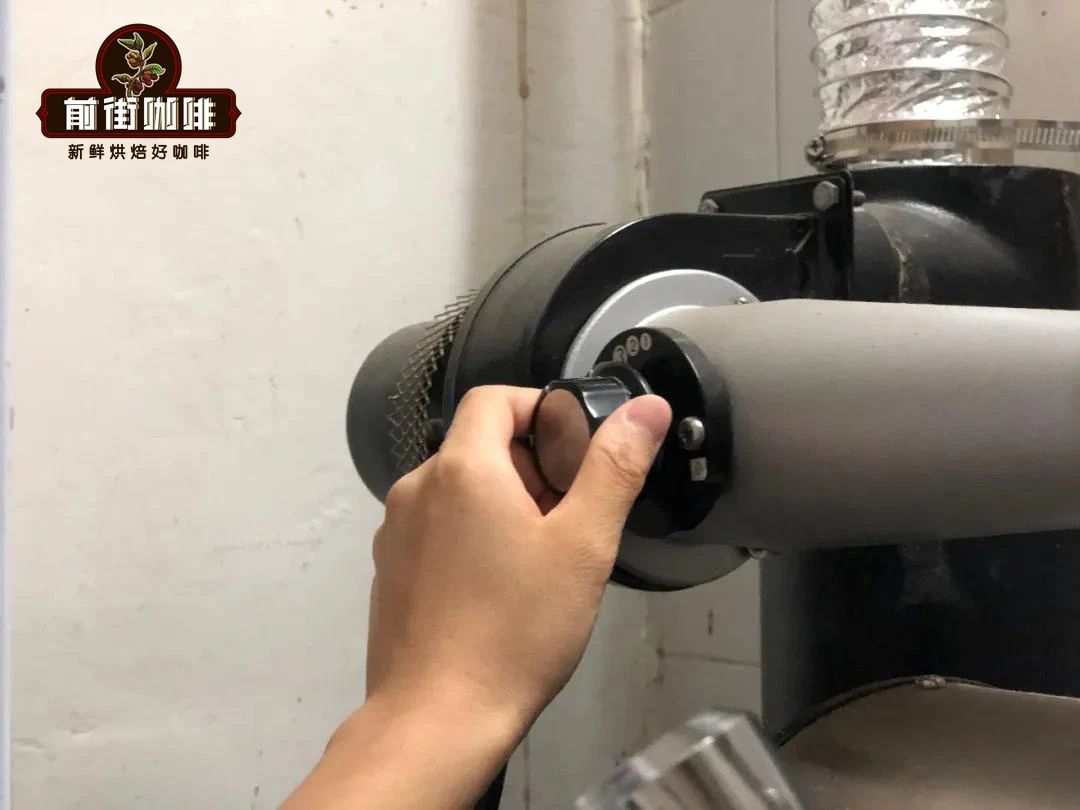
The damper extracts water vapor and silver skin from the drum and also assists heat adjustment in controlling temperature. At the beginning of first crack more smoke is produced, so the damper should be opened wider to pull the smoke out, which avoids smoky flavors in the coffee. If heat is insufficient, however, and the damper is opened too wide, it can lead to heat loss and diminish the coffee's flavor.
Learning coffee roasting is a long and challenging journey. Only by practicing on solid theoretical foundations will you avoid being caught unprepared. That process, though, is often tedious and uninteresting!
FrontStreet Coffee Recommendation
Three factors decide the final flavor of a coffee and must be kept in balance through the roast: acidity, sweetness and bitterness. The darker the roast, the more bitter and full-bodied the cup; the lighter the roast, the more acidic and delicate. So if you are after a balanced profile, a medium roast is the best starting point.
FrontStreet's Brazil Queen Estate is a fine example. Grown in Brazil - the world's largest coffee-producing country - from the distinctive local Yellow Bourbon variety, it is gentle and sweet, and after a medium roast it shows aromas and sweetness of creamy peanut, chocolate, toasted bread and sugarcane. It works beautifully as pour-over and is equally at home in a moka pot or espresso machine. If you prefer something sweeter, FrontStreet's Strawberry Candy Geisha blend combines a Costa Rican honey-process coffee with a Panamanian washed Geisha, medium-roasted to preserve both its orange-blossom honey character and a rounded sweetness - ideal for cold brew, pour-over or espresso. Whichever you choose, a well-executed medium roast is where balance lives.
Important Notice :
FrontStreet Coffee is a long-established specialty coffee roaster in Guangzhou China, selling freshly roasted beans from its own farm in Yunnan as well as dozens of carefully selected single-origin beans from around the world for both pour-over and espresso. The products deliver consistently excellent quality and great value, with shipping within 24 hours. Guangzhou's FrontStreet Coffee shop is recommended by many coffee lovers, and the beans are now available online at the Tmall 。
FrontStreet Coffee has moved to a new address:
FrontStreet Coffee Address: 315,Donghua East Road,GuangZhou
Tel:020 38364473
 Scan and follow the En Gafei WeChat official account. Please indicate that the reprint comes from "En Gafei".