Adjusting Espresso Grind Size - The Correct Espresso Bean Grind Setting
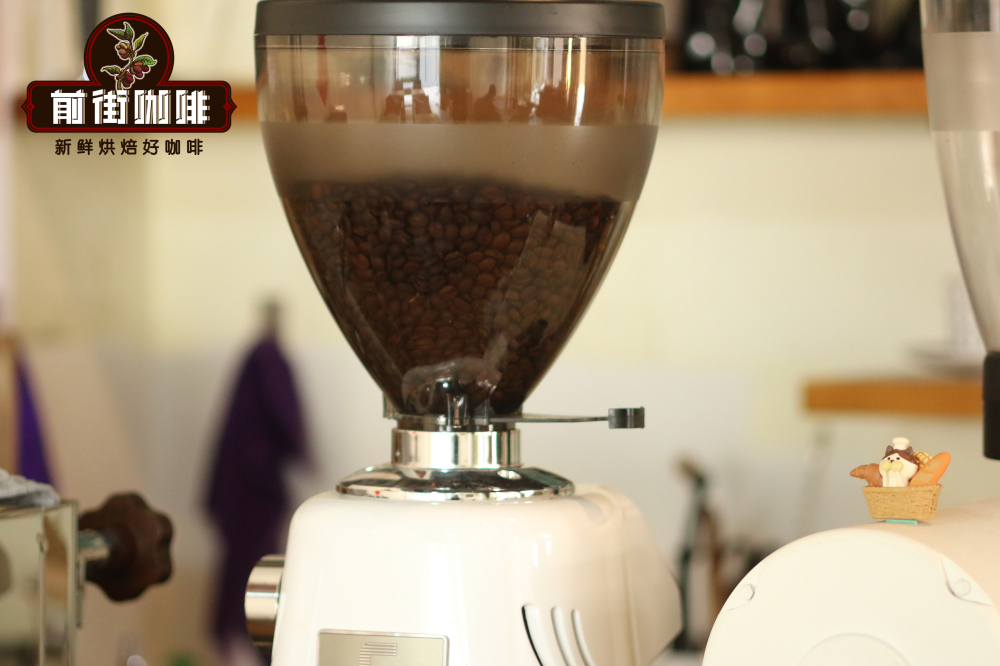
Every coffee brewer knows grind size is everything. A slight miss in finding the right setting — or an uneven grind — easily tips a shot into under- or over-extraction. And compared with pour-over, cold brew, and other methods, espresso demands a far finer grind and far more precise adjustments to hit that perfect flavor.
How Fine Is Espresso Grind Size?
For pour-over grind calibration, FrontStreet Coffee uses the Chinese No. 20 standard sieve, measuring how many particles pass through fixed-size mesh holes. Espresso, however, is a pressurized, short-duration extraction method — it amplifies everything, both the good flavors and the defects. That makes its grinding requirements far stricter. Espresso grounds are finer than fine salt, too fine to judge by eye, and sieving at this particle size is simply impractical.
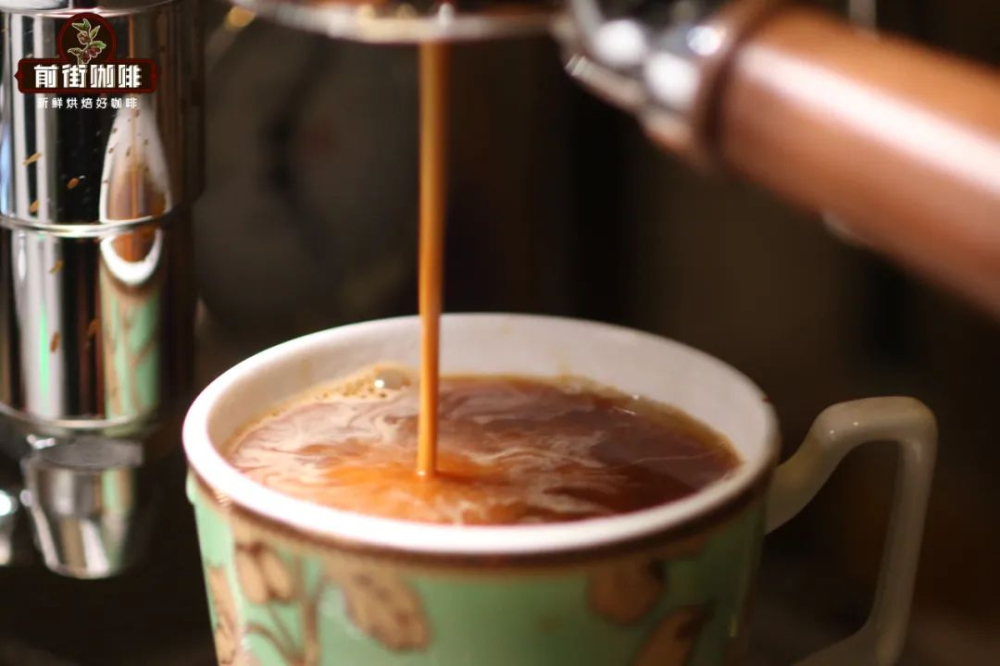
If the grind is even slightly too fine, water crawls through the coffee bed and the shot slides into over-extraction. If it is slightly too coarse, water rushes through and under-extracts. A deviation this small can come from a single 0.1 step on the grinder. That is why we usually judge the appropriate fineness range by watching the flow rate and tasting the shot as we brew.
How Do You First Find the Right Grind Range?
Confronted with a bag of unfamiliar beans, the first task is determining the grind. If your grinder is new and you have no reference point, run small samples of beans at different settings and feel the grounds. When the coffee powder feels as fine as flour — soft to the touch, with no roughness at all — you are in the right neighborhood.
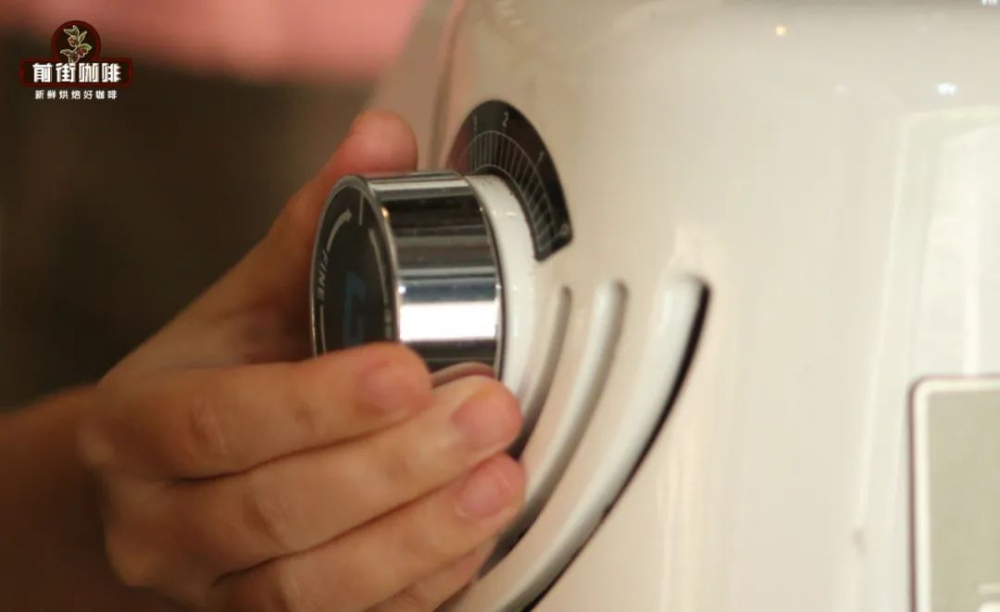
From there, apply the standard espresso formula. FrontStreet Coffee suggests a liquid ratio of 1:2 — extracting 2 grams of espresso from every 1 gram of grounds within 20-30 seconds. For example, with a 20-gram portafilter, dose 20 grams of coffee and extract 40 grams of liquid. If the shot finishes in under 20 seconds, the flow is too fast; if it runs past 30 seconds, the flow is too slow.
Fast flow means the water spends too little time in the grounds, and the cup typically tastes thin or sour. Adjust finer. Dialing in rests on accumulated experience: if you are within 5 seconds of your target, adjust in 0.2 steps; if you are far off, be bolder and move 0.5-1 steps. Even if you overshoot from too slow to too fast, you have bracketed the range — lock in that interval and narrow it down. The same logic applies in reverse: if the flow is too slow, the grounds are too fine and water is struggling through the bed, producing a bitter cup. Adjust coarser.
How Do You Find the Correct Grind Setting?
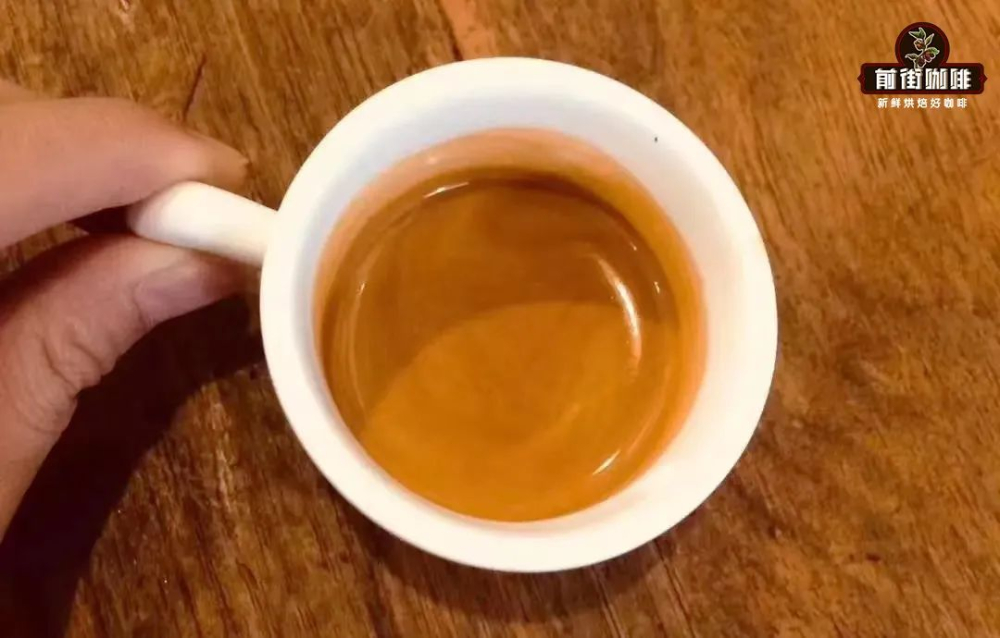
The formula above exists only to get you quickly into the right range — it does not guarantee the espresso will taste good. In the end, you judge the extraction by the character and taste of the beans themselves.
If the shot shows a distinct burnt bitterness but the concentration is moderate, the long extraction time is probably pulling out too many bitter compounds — nudge the grind coarser. If the crema is pale and thin, the tail end of the extraction is likely running too long; cut the yield back by raising the coffee-to-liquid ratio to between 1:1.5 and 1:1.7. If the flavor is rich but the aftertaste is short, extract a little more, trying a ratio of 1:2.5.
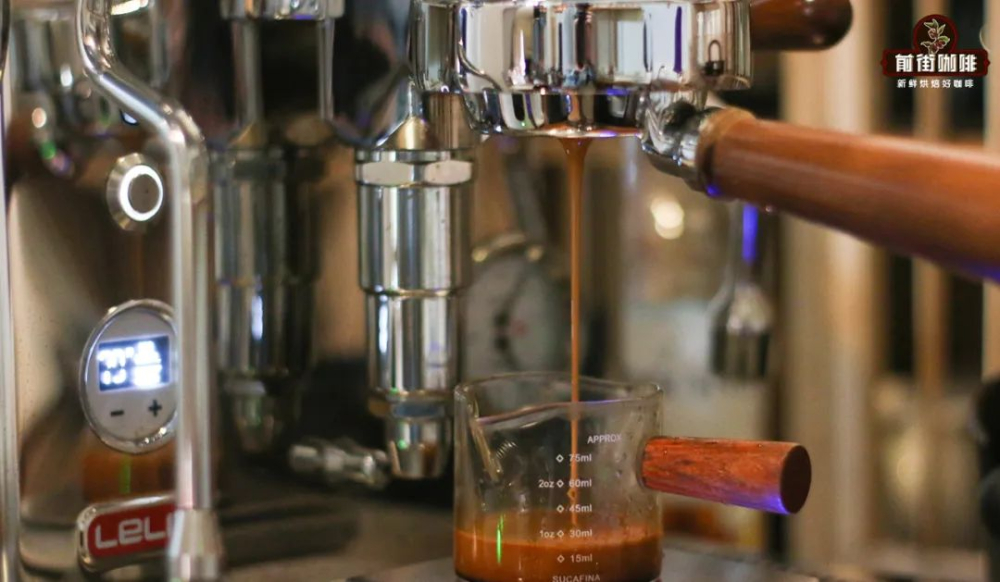
Finally, extraction formulas are only references. If you let them constrain you, dialing in good flavor becomes difficult and you burn through beans chasing numbers. The 1:2 ratio is not necessarily the golden ratio for a given coffee — sometimes 1:1.7 tastes better, sometimes 1:2.5. And the time does not have to stay inside 25-30 seconds either; sometimes 36 seconds or 24 seconds is where a particular bean tastes its best. FrontStreet Coffee adjusts its parameters for daily shop production based on experience built up over thousands of shots. If you brew less often at home and find dialing in hard to grasp, FrontStreet Coffee suggests recording and summarizing the relationship between extraction parameters and flavor — it will help you adjust faster and waste less.
FrontStreet Coffee Recommendation
Once your grinder is dialed in, it deserves beans worth the effort. A great candidate for espresso is FrontStreet Coffee's Colombia Sidra from the Fenjixian Estate, grown at 1650-1800 meters — the same variety that has won competitions — given a double anaerobic natural process and a medium-light roast to preserve its native fruit character. Jasmine and citrus on the dry aroma give way to a dense fruit-juice palate of passion fruit, blueberry, grape, and apricot, with a light spiced note in the middle and a lingering cocoa finish; it suits pour-over, espresso SOE, and cold drip alike, and an iced pour-over brings out an especially fresh, smooth grape-juice character.
If you prefer a more classic, crowd-pleasing shot, the FrontStreet Kenya Little Tomato is a washed specialty lot from Thika grown at 1550-1750 meters on the classic SL28 and SL34 varieties, reaching AA TOP grade and given Kenya's signature 72-hour double fermented wash. Light-roasted, it delivers bright cherry-tomato and dark-plum acidity with a full juice-like body and a clean, long finish of yellow sugar and green tea. And since brewing espresso at home goes through beans quickly, a practical trick from the cold-brew playbook also applies here: blend the aromatic Sidra with a more affordable lot — FrontStreet's Costa Rica Tarrazu, at a 1:2 ratio — to keep its floral-fruit character while adding the Tarrazu's crisp citrus acidity and stretching your budget further.
Important Notice :
FrontStreet Coffee is a long-established specialty coffee roaster in Guangzhou China, selling freshly roasted beans from its own farm in Yunnan as well as dozens of carefully selected single-origin beans from around the world for both pour-over and espresso. The products deliver consistently excellent quality and great value, with shipping within 24 hours. Guangzhou's FrontStreet Coffee shop is recommended by many coffee lovers, and the beans are now available online at the Tmall 。
FrontStreet Coffee has moved to a new address:
FrontStreet Coffee Address: 315,Donghua East Road,GuangZhou
Tel:020 38364473
 Scan and follow the En Gafei WeChat official account. Please indicate that the reprint comes from "En Gafei".