What is Espresso: Introduction, Definition of Italian Espresso Coffee, and How to Drink Espresso
In the Italian coffee system there exists a soul-core element: espresso. Latte, Americano, cappuccino—all are Italian coffee drinks built on an espresso base. Here, FrontStreet Coffee guides you through what espresso really is.
What is Espresso?
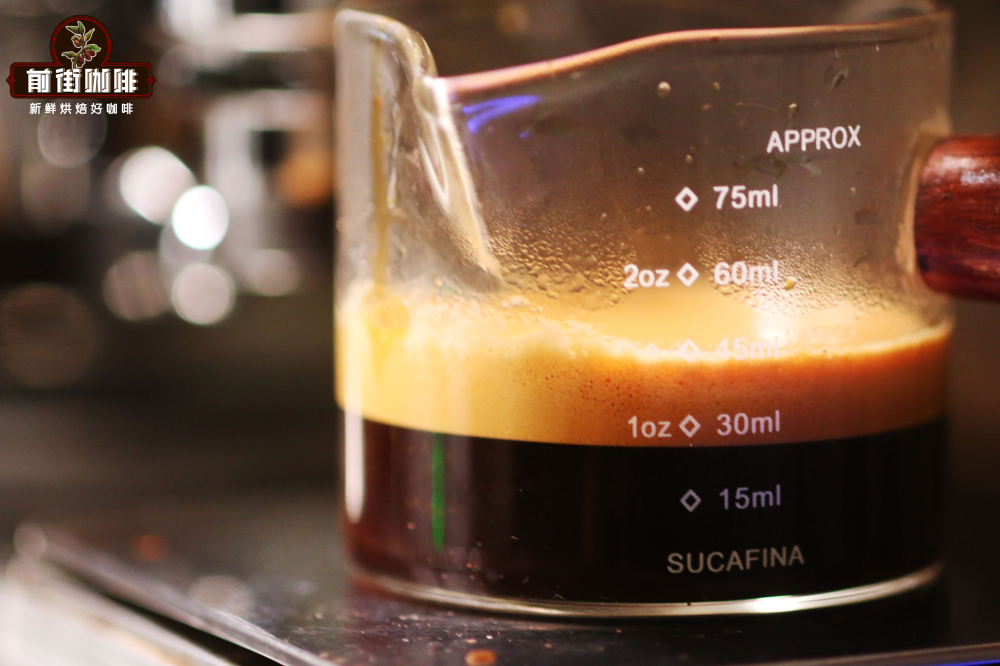
Espresso is a concentrated coffee extract of about one ounce, drawn from a pressurized coffee machine, and it is wildly popular in Italy. The name echoes the English "Express," and espresso indeed shares that quality of speed: a single shot takes only 30 seconds to extract. In Italy, a customer leans against the bar, orders a shot, downs it in one or two sips when the barista hands it over, pays, and leaves—the whole ritual takes no more than 2 minutes.
What is Crema in Espresso?
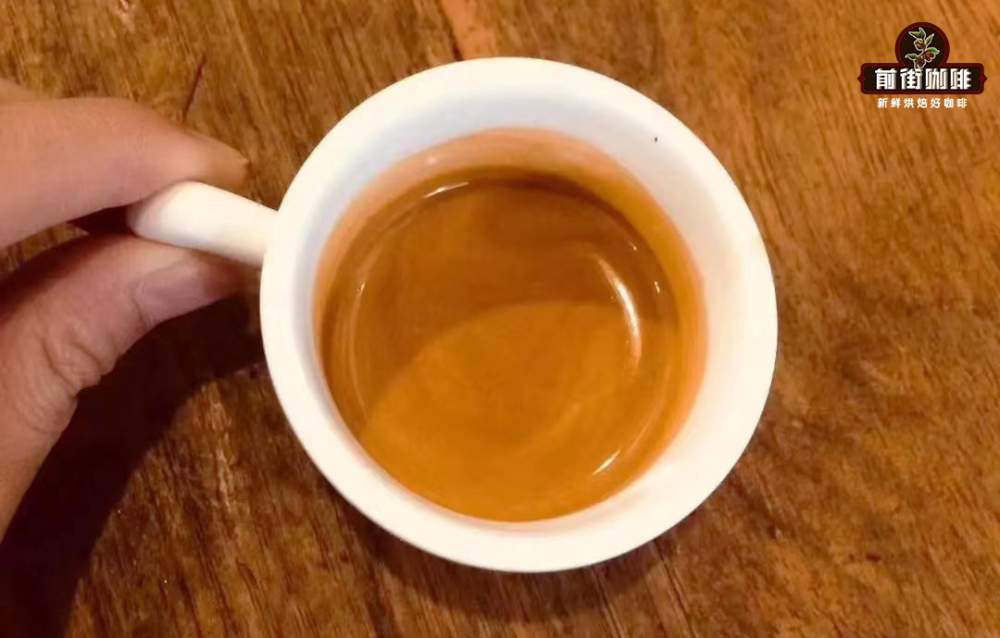
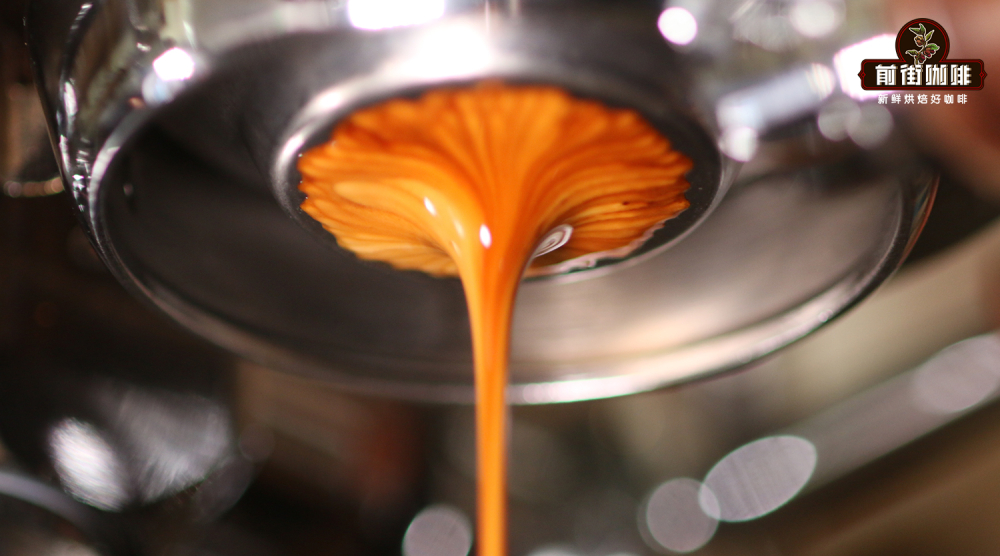
When a machine extracts espresso, the coffee is ground extremely fine and pushed under pressures of up to 9 bar. As hot water passes through the puck, the carbon dioxide in the grounds is compressed beyond its capacity to escape—the water becomes supersaturated with CO2, which can no longer be released and instead dissolves directly into the coffee liquid. The pressure also forces the coffee's oils out of the puck, carrying them into the hot water.
Then, as the coffee leaves the machine, the pressure returns to normal. The carbon dioxide still dissolved in the liquid tries to escape back into the air—but when it meets the coffee's oils, the oils trap it. That golden layer of crema is the soul of the entire espresso.
How to Make Espresso?
Step 1: Clean the Portafilter
Before extracting, remove the portafilter and wipe the basket with a dedicated cloth until it is clean and free of water stains.
Step 2: Grind Coffee and Collect
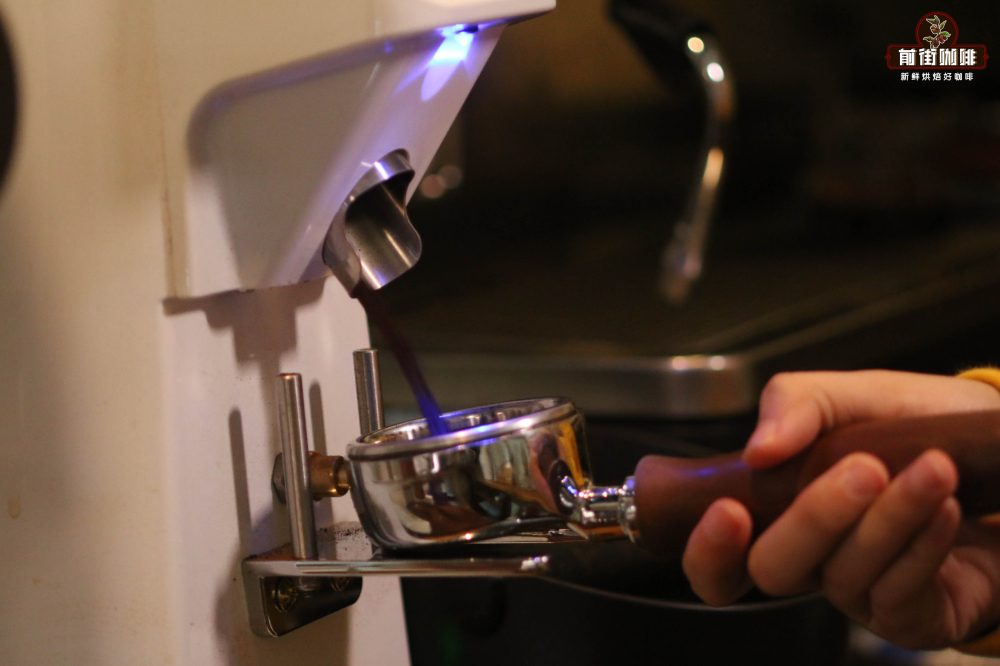
Switch on the grinder and start grinding. Before collecting the grounds, place the portafilter on an electronic scale and tare it, then collect so each dose is consistent in weight. As you collect, watch where the grounds land so they distribute evenly across the whole basket.
Step 3: Distribute Grounds
After collecting, distribute the grounds with your fingers or a distribution tool, aiming for even density so tamping doesn't create inconsistencies.
Step 4: Tamp
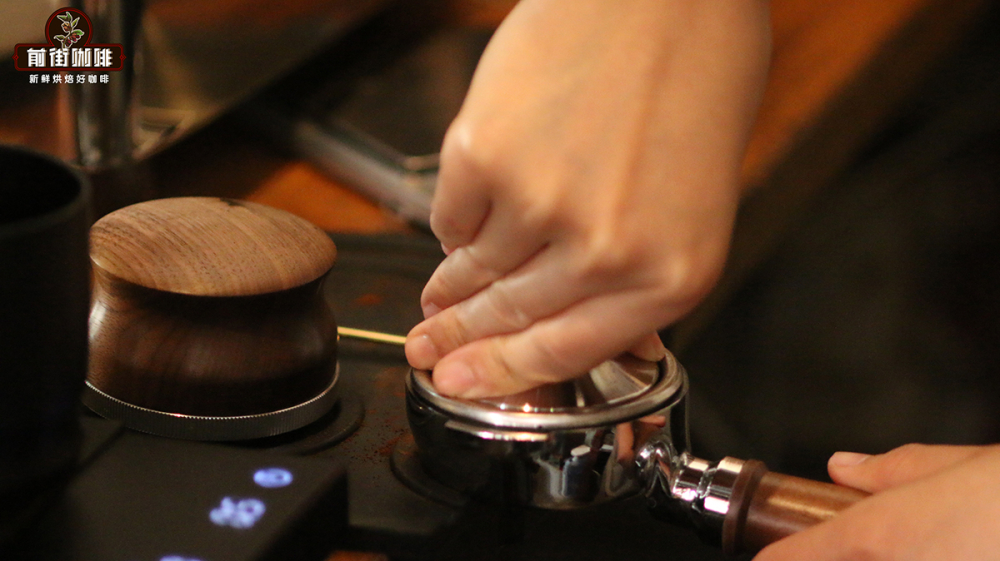
Then tamp. Keep the tamper perpendicular to the basket and apply moderate pressure—not too light, not too heavy. Too light and the puck stays loose; too heavy and it compacts so densely that water struggles through, leading to over-extraction.
Step 5: Lock Portafilter and Extract Espresso
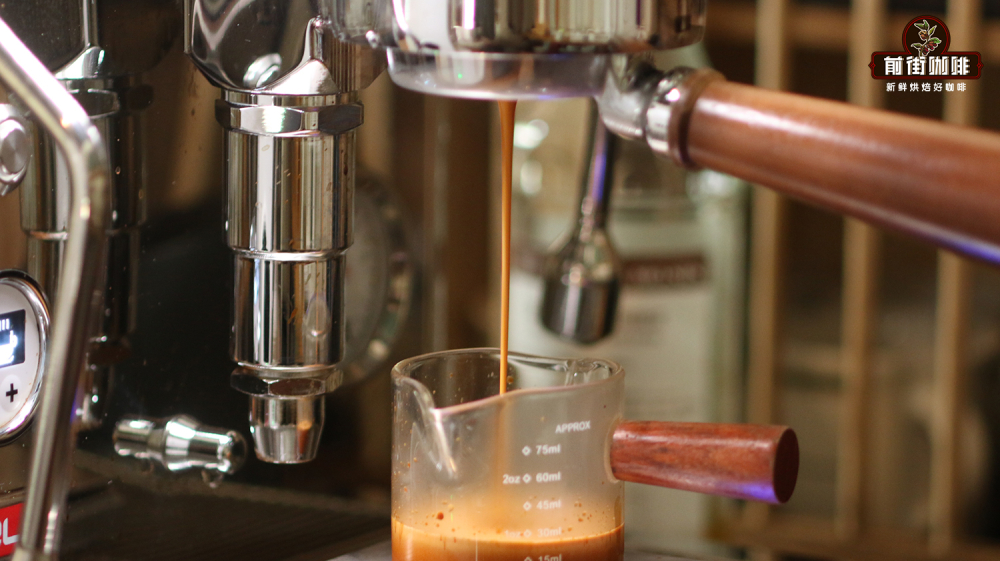
Gently lock the portafilter into the machine—knocking it can crack the puck and cause channeling, which leads to under- and uneven extraction. Turn on the extraction switch immediately after locking. As the shot runs, weigh the liquid on a scale while watching the extraction time and the color of the coffee stream.
FrontStreet Coffee's espresso parameters: 20g of grounds to extract 40g of liquid, in 25–30 seconds.
Step 6: Extraction Complete, Clean Portafilter
Knock the puck into the knock box, wipe the basket with the dedicated cloth, and lock the portafilter back onto the machine.
Flavor Characteristics of Espresso
Aroma
Judging food starts with "color, aroma, and taste": the visual first impression matters, but aroma is the "entry ticket" that decides whether you'll try something at all. Coffee's aroma is precisely the impression that draws people in.
Espresso's aroma is relatively compact—you generally need to bring your nose close. Traditional espresso offers rich cream and nutty aromas, conjuring almond cream cake. Choose a lighter-roasted SOE instead and the aroma turns lighter and more elegant, with enticing floral and fruit notes.
Body
This is espresso's most attractive quality. The crema is the soul of the shot and the source of its rich body—which is why, unlike slow-sipped pour-over, espresso should be drunk in generous gulps, letting the coffee and its oils coat your tongue and mouth in silky smoothness. Traditional espresso has a texture reminiscent of cream and honey; a single-origin SOE will feel relatively lighter.
Taste
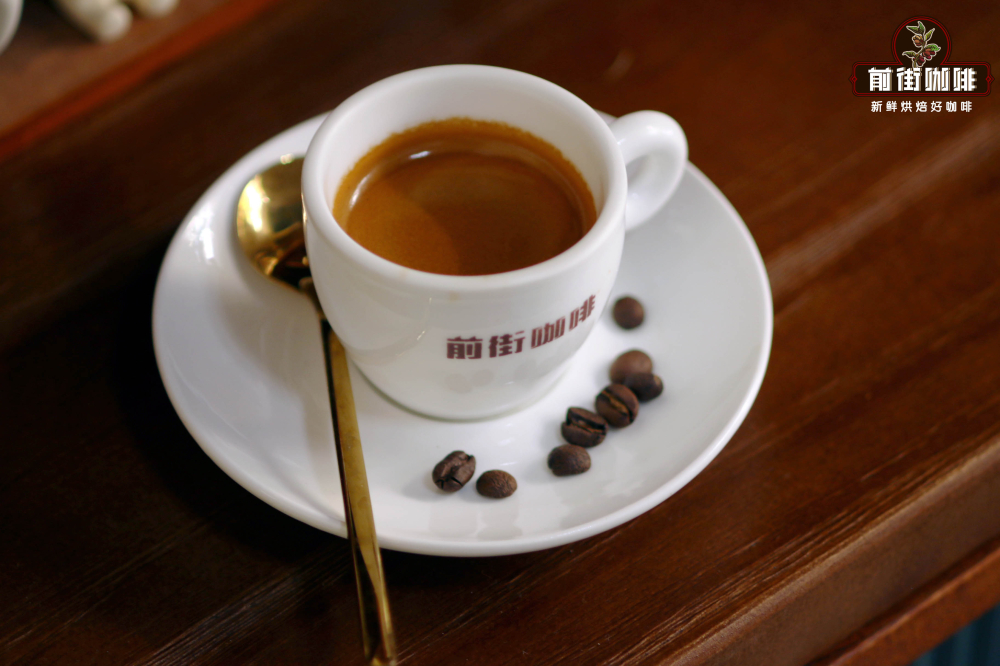
Traditional espresso expresses bitterness, which is why many people can't accept it. If FrontStreet Coffee had to describe espresso's flavor, it would be "a village that emerges after dark willows and bright flowers." We might describe the notes as nuts, dark chocolate, and caramel—"colorful bitterness"—yet as you swallow, the coffee lingering in your mouth returns a lasting sweetness and aroma. That is the aftertaste, and it is an essential category of espresso tasting.
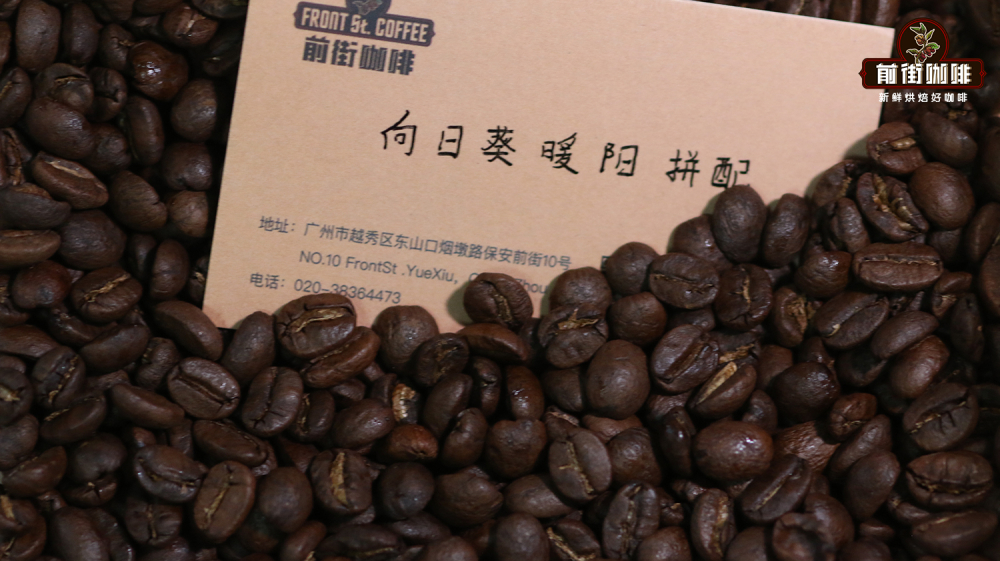
Of course, espresso's flavor depends closely on the beans. FrontStreet Coffee's house blend, "Sunflower Warmth," for instance, produces espresso with vanilla cream, sherry wine notes, caramel, and chocolate.
Correct Way to Drink Espresso
- First, take a sip of ice water to cleanse your palate.
- Stir with a spoon or swirl the cup to even out the espresso.
- Lift the cup and take in the coffee's aroma.
- Drink in large gulps, rubbing the liquid against your upper palate with your tongue to feel the texture. One shot should generally be finished in 2–3 sips.
- After swallowing, close your mouth and exhale through your nose to savor the espresso's aroma and aftertaste.
FrontStreet Coffee Recommendation
Nothing showcases espresso like a cappuccino: espresso as the base, milk steamed into a dense foam in place of cream, and the foam sculpted with a spoon into a peaked cap or dome. Because the milk ratio is small, the drink is rich and fragrant with a plush, airy texture—aromatic intensity and velvety smoothness are the two impressions cappuccino leaves above all else. FrontStreet Coffee extracts its cappuccino base with 20g of coffee at a 1:2 ratio in about 30 seconds, giving enough concentration and full extraction for outstanding flavor and mouthfeel.
Compared to a flat white or latte with their delicate latte art, cappuccino's signature is that thick, fluffy foam over an intensely flavored coffee—so it pairs best with FrontStreet Coffee's espresso-blend series. For beginners at home, choose the crema bomb of the FrontStreet Coffee classic blend or the superb value of the FrontStreet Coffee black cocoa basic blend. To try a floral-fruit cappuccino, the first choice is FrontStreet Coffee's Strawberry Candy espresso blend, which produces aromas of berry, rose, raisin, and fruit candy; for something fresher and less bitter, the FrontStreet Coffee Granada Geisha SOE—natural processed and medium roasted—brings berry, orange, and persimmon notes that turn milky-sweet like milk candy with steamed milk.
Cappuccino's "golden ring" is its most comforting feature: the outer ring colored by the espresso, the inner circle filled by the foam, and it's easier to make than it looks. Extract the shot first—FrontStreet Coffee uses 20g of grounds for 40ml of liquid in 32 seconds—pour it into the warmed cup, and while it runs, steam your milk thicker and denser than for latte art. Spoon a dollop of foam dead center to fill in a circle, then swirl the pitcher to recombine foam and milk and pour into the very center; with the surface covered in foam there's no fear of overflow, so pour boldly to eleven-tenths full and finish.
Important Notice :
FrontStreet Coffee is a long-established specialty coffee roaster in Guangzhou China, selling freshly roasted beans from its own farm in Yunnan as well as dozens of carefully selected single-origin beans from around the world for both pour-over and espresso. The products deliver consistently excellent quality and great value, with shipping within 24 hours. Guangzhou's FrontStreet Coffee shop is recommended by many coffee lovers, and the beans are now available online at the Tmall 。
FrontStreet Coffee has moved to a new address:
FrontStreet Coffee Address: 315,Donghua East Road,GuangZhou
Tel:020 38364473
 Scan and follow the En Gafei WeChat official account. Please indicate that the reprint comes from "En Gafei".