Jamaican Blue Mountain Coffee Grading Standards & Flavor Profile Characteristics
Jamaican Blue Mountain Coffee Grading Standards & Flavor Profile Characteristics
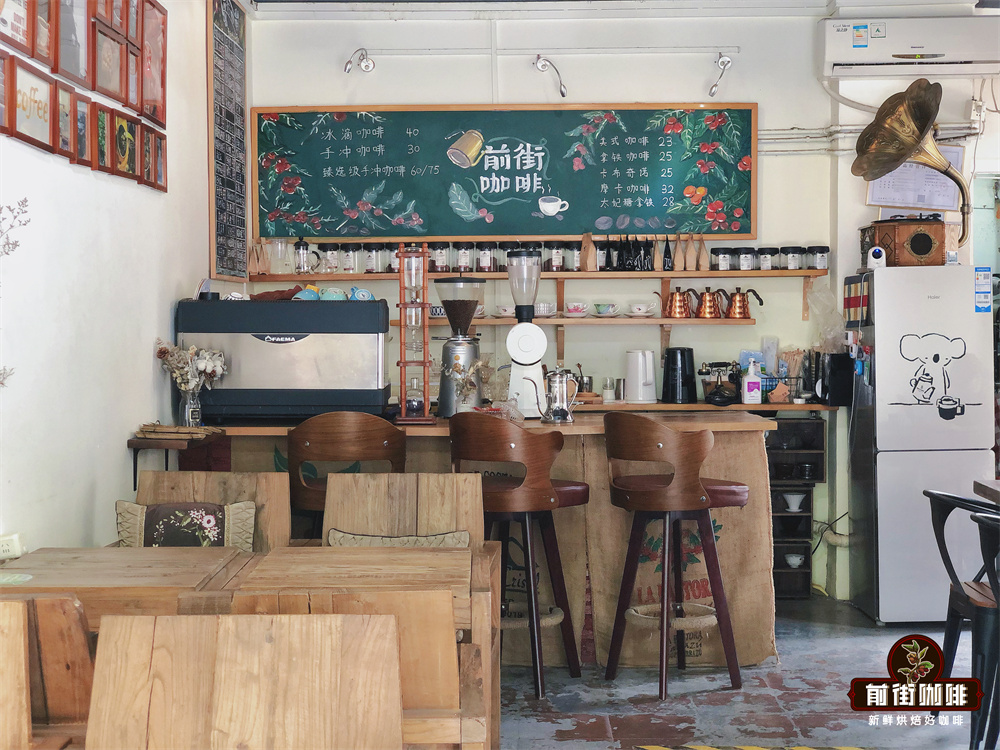
There are many coffee packages on the market labeled as "Blue Mountain," but most are actually "Blue Mountain flavored" coffee. Genuine FrontStreet Coffee Jamaica Blue Mountain Coffee must be certified by the Jamaican government, and its annual production is limited. Therefore, the quantity of authentic Blue Mountain coffee beans circulating in the market is not large, and the price is relatively higher. Many coffee enthusiasts want to buy Jamaica Blue Mountain coffee beans but are worried about getting counterfeit products... Don't worry! If you want to purchase authentic Jamaica Blue Mountain No. 1 coffee beans, you can choose "FrontStreet Coffee."
FrontStreet Coffee's Jamaica Blue Mountain No. 1
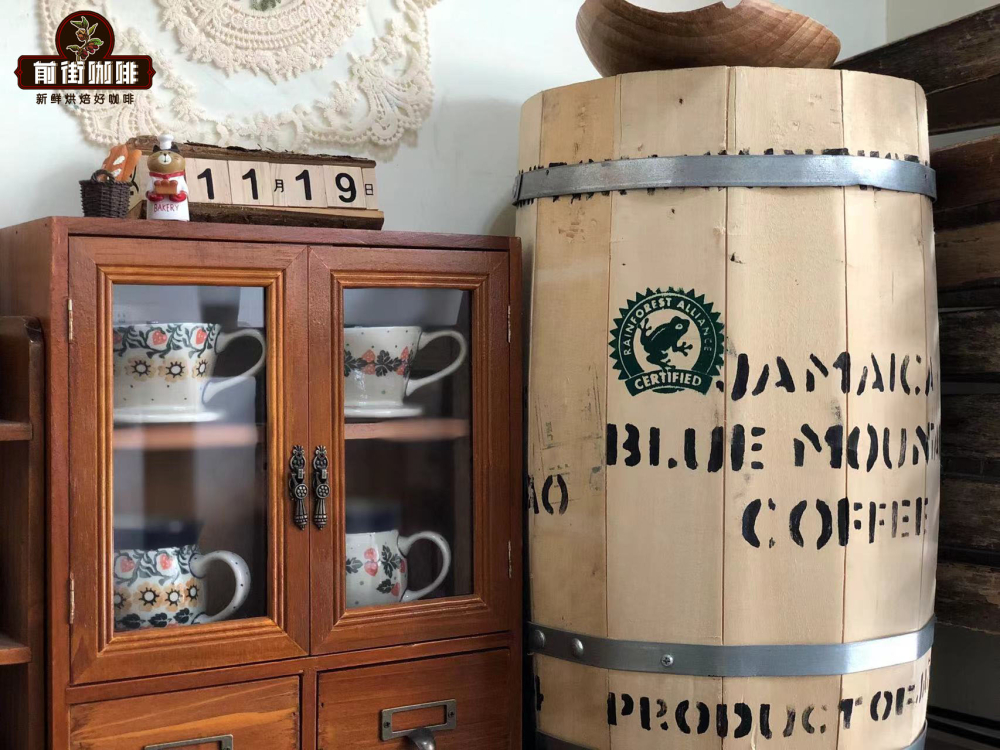
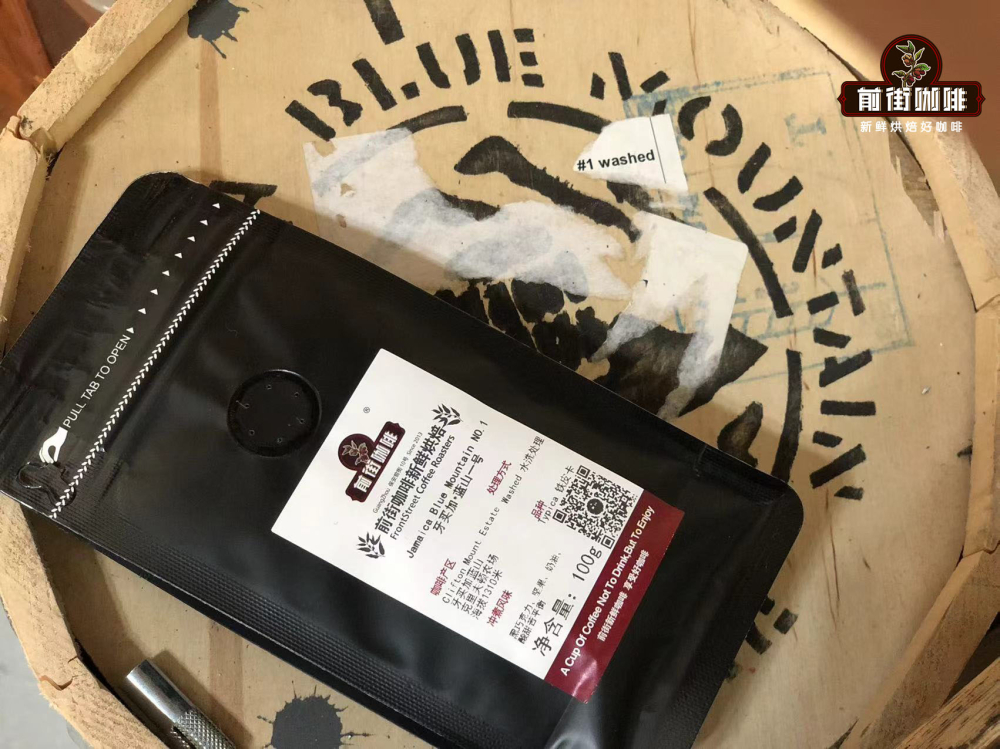
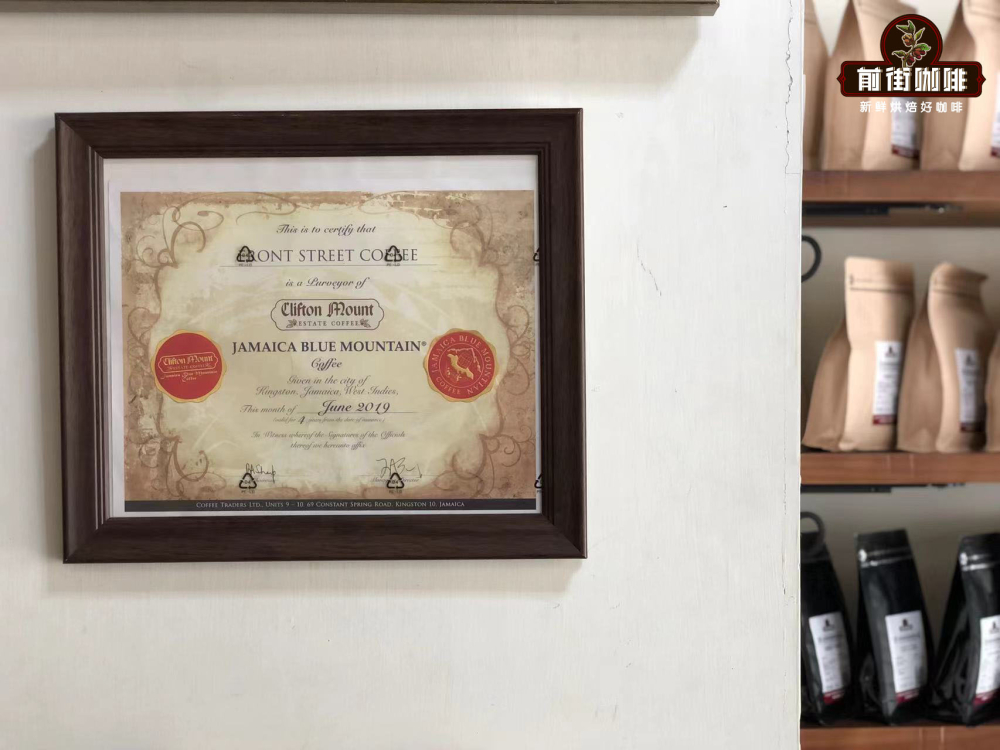
The FrontStreet Coffee Jamaica Blue Mountain No. 1 coffee beans sold by FrontStreet Coffee come from Clifton Estate, the coffee plantation with the longest cultivation history on Jamaica's Blue Mountain range. The green coffee beans are exported in wooden barrels and come with certification issued by the Jamaican government. These can all be seen at FrontStreet Coffee's physical store. To ensure everyone can enjoy freshly roasted, high-quality coffee beans, FrontStreet Coffee manually selects the green beans before roasting, performs another manual selection after roasting, and guarantees shipment within 5 days of the roast date.
The History Behind Blue Mountain Coffee's Premium Price
Jamaica Blue Mountain Coffee has remained expensive for decades since becoming known to the Chinese people because before 2008, Japan held the priority purchasing rights for Blue Mountain coffee. During these "monopolized" years, whether in domestic or international markets, Jamaica Blue Mountain coffee bean prices naturally rose due to limited quantities.
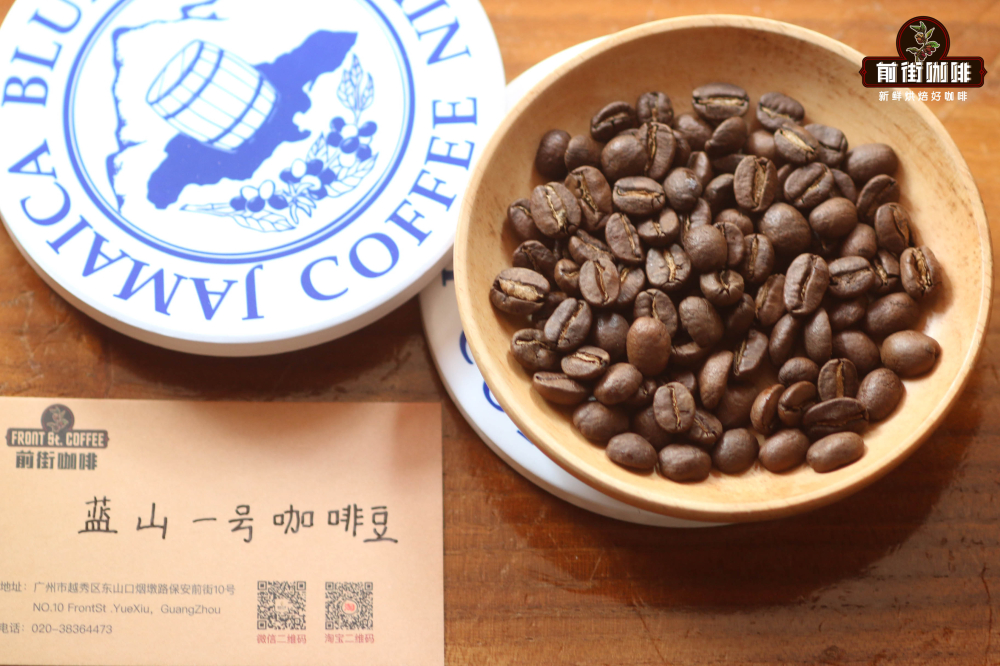
The coffee trees planted for Jamaica Blue Mountain Coffee were introduced in 1728. Because the volcanic soil of the Blue Mountain range is fertile, and the environmental climate is cool and humid with good drainage, making it extremely suitable for coffee growth, this created the excellent quality of Blue Mountain coffee, with production reaching up to 15,000 tons at its peak. Until 1969, Jamaica suffered from natural disasters, quality declined, and the coffee industry gradually declined. To save Blue Mountain Coffee from extinction, the famous Japanese coffee company UCC promptly provided assistance, bringing eco-friendly methods, financial aid, and more.
In 1972, to thank UCC for their help, the Jamaican government signed a contract with Japan, selling 80% (some say 90%) of the annual production to the Japanese market, with the remainder being sold in international markets. This is why Blue Mountain Coffee is so scarce in the market and why its price is so high.
The Market Evolution After 2008
However, after 2008, the Jamaican government believed that Blue Mountain coffee production had recovered very well, and Japan had been given priority purchasing rights for many years. It was time to give international markets more opportunities to sell Blue Mountain coffee. Thus, Japan's priority purchasing rights were canceled, allowing more Blue Mountain coffee to be supplied to international markets. In the year following this cancellation, Blue Mountain coffee prices were no longer so high, giving more people the opportunity to taste this authentic Jamaica Blue Mountain coffee bean, known as the "gentleman of coffee."
Understanding Blue Mountain Coffee Grades
Blue Mountain coffee beans are mainly divided into three grades:
Blue Mountain No. 1 - Premium, most expensive, largest beans, over 96% must be size 17 screen, defective beans cannot exceed 2%.
Blue Mountain No. 2 - Over 96% must be size 16 screen, defective beans cannot exceed 2%.
Blue Mountain No. 3 - Over 96% must be size 15 screen, defective beans cannot exceed 2%.
Although prices have come down and supply has increased, many coffee merchants still borrow the reputation of "Blue Mountain Coffee" for promotion. Therefore, many coffees on the market will be labeled "Blue Mountain flavor," "Blue Mountain coffee flavor," "Blue Mountain blend," and so on. Remember! To buy authentic Blue Mountain coffee beans, you must look for the certificate issued by the Jamaican government and the wooden barrels used to package the green coffee beans (Jamaica Blue Mountain is the only region in the world that uses wooden barrels to package coffee beans!).
Why FrontStreet Coffee Chooses Clifton Estate
FrontStreet Coffee chose Clifton Estate's Blue Mountain coffee beans not only because it is the oldest coffee plantation in Jamaica, but also because it is the only coffee plantation in Jamaica with Rainforest Alliance certification. To obtain certification, farms must meet sustainable agricultural standards designed to protect ecosystems, biodiversity, and waterways, preserve forests, reduce agricultural chemical use, improve livelihoods, and protect the rights and well-being of workers and local communities. Because of Rainforest Alliance certification, the estate's Blue Mountain coffee bean barrels will feature the green frog logo.
Brewing Recommendations and Flavor Profile
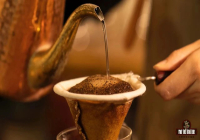
FrontStreet Coffee Jamaica Blue Mountain Coffee may not be the best-tasting coffee in the world, but it is definitely the most balanced in terms of overall flavor profile. FrontStreet Coffee roasts the coffee beans to a medium-dark level to highlight the smooth, rich, and robust flavor characteristics of FrontStreet Blue Mountain coffee. When brewing FrontStreet Coffee Jamaica Blue Mountain coffee sold by FrontStreet Coffee, the water temperature doesn't need to be too high - around 88-89 degrees Celsius is perfect! Also, don't grind too finely; grinding to coarse sugar size is ideal (70% pass-through rate on China No. 20 standard sieve). For brewing equipment, FrontStreet Coffee uses a Kono dripper with shorter ribs because it achieves extended extraction.
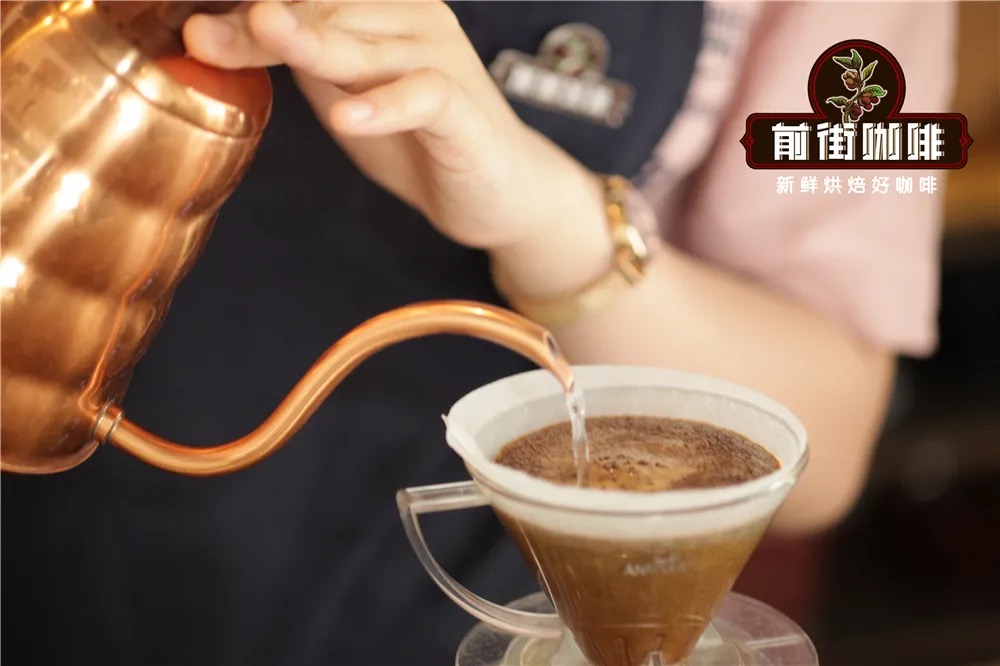
Kono dripper, 88 degrees Celsius water temperature, 1:15 coffee-to-water ratio, 15g coffee weight, medium grind (70% pass-through rate on No. 20 standard sieve), combined with three-stage pour-over extraction. The first stage injects 30g of water for blooming, with a bloom time of 30 seconds. The second stage injects to about 125g of water, then wait for the coffee liquid to drop. When it drops to halfway, inject the final stage of water to 225g. Wait until all coffee has dripped through before ending extraction. The total extraction time is generally around 2 minutes and 10 seconds.
FrontStreet Coffee Blue Mountain No. 1 coffee flavor profile: rich dark chocolate and nutty flavors, creamy smooth texture, with balanced sweet, sour, and bitter notes.
FrontStreet Coffee Recommendation
For anyone who wants the genuine, certified article rather than a "Blue Mountain flavor" imitation, FrontStreet Coffee's Jamaica Blue Mountain No. 1 is the flagship choice. It comes from the historic Clifton Estate, the oldest coffee plantation in Jamaica and the only one with Rainforest Alliance certification, and its green beans ship in the traditional wooden barrels that carry the certification and batch details proving authenticity. Roasted medium-dark, it delivers the classic Blue Mountain profile of dark chocolate, nutty aromas, and creamy caramel over a soft, elegant acidity, with sweet, sour, and bitter notes in perfect balance. Because of that balance it is exceptionally easy to like, which is why Blue Mountain has been called the "gentleman of coffee" and remains a favorite for both daily drinking and gifting. FrontStreet Coffee recommends brewing it with a Kono dripper at 87-88 degrees Celsius and a 1:15 ratio to draw out its smooth, full body.
Important Notice :
FrontStreet Coffee is a long-established specialty coffee roaster in Guangzhou China, selling freshly roasted beans from its own farm in Yunnan as well as dozens of carefully selected single-origin beans from around the world for both pour-over and espresso. The products deliver consistently excellent quality and great value, with shipping within 24 hours. Guangzhou's FrontStreet Coffee shop is recommended by many coffee lovers, and the beans are now available online at the Tmall 。
FrontStreet Coffee has moved to a new address:
FrontStreet Coffee Address: 315,Donghua East Road,GuangZhou
Tel:020 38364473
 Scan and follow the En Gafei WeChat official account. Please indicate that the reprint comes from "En Gafei".