Moka Pot Guide: Detailed Explanation of Principles and Proper Usage
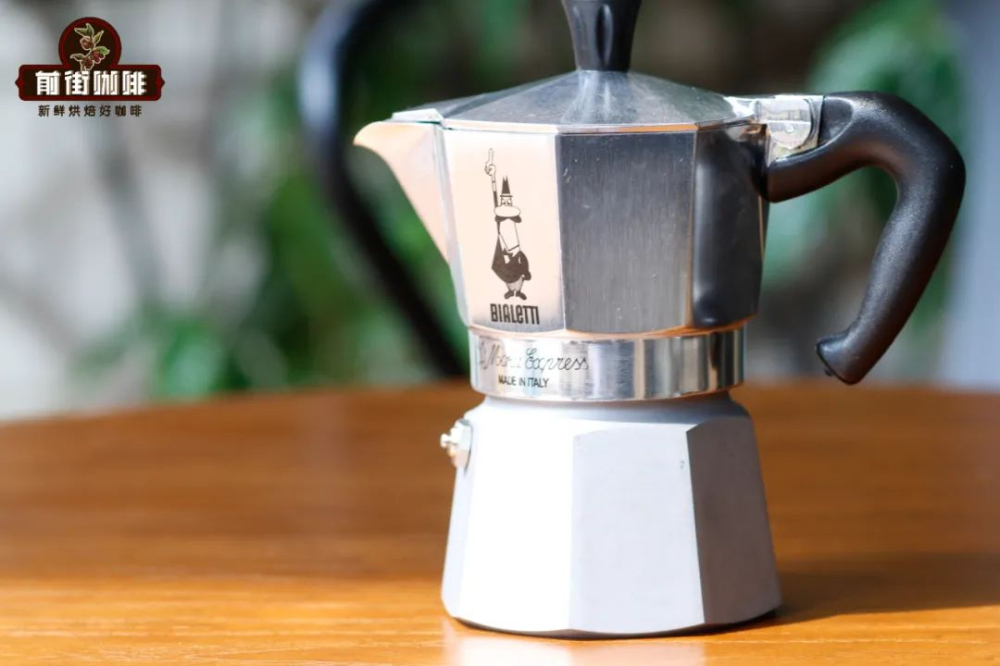
The moka pot is a classic coffee maker from Italy and is enormously popular at home — it is said that 8 out of 10 households own one. In China, however, the moka pot is relatively uncommon, so many people lack a full understanding of how to use it properly. Today, FrontStreet Coffee brings you a guide to the moka pot to help you master this classic brewer.
A Brief History of the Moka Pot
Invented in 1933 by the Italian Alfonso Bialetti, the moka pot brews coffee by heating the base chamber. It is a type of distillation method and the most affordable kind of espresso machine, and it is widely used in Italian households.
Alfonso Bialetti was an inventor and designer who, after returning from studies in France, entered Italy's then-thriving aluminum industry. In 1918 he founded his own factory and established the Bialetti company, initially selling aluminum-related metal products, including household cleaning utensils.
Structure and Extraction Principle of the Moka Pot
The structure is quite simple, consisting of three parts: the upper chamber, the coffee basket, and the lower base. The lower chamber holds water, the basket holds coffee grounds, and the upper chamber collects the brewed coffee.
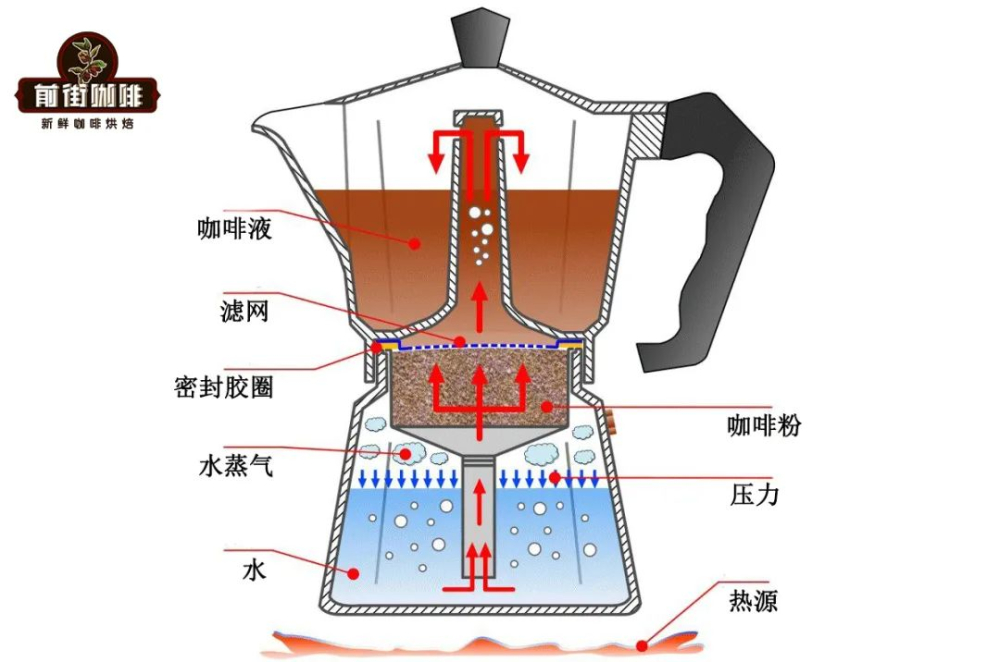
The extraction principle: by heating the lower chamber, the water inside boils and creates steam pressure. When that pressure reaches a certain level, it pushes through the coffee grounds basket and the hot water rushes into the upper chamber, yielding a pot of aromatic coffee with crema.
How to Properly Use the Moka Pot
Since coffee brewed in a moka pot tends to be quite strong, dark-roasted beans better showcase that rich, mellow character. For this demonstration, FrontStreet Coffee selected PWN Gold Mandheling from its bean collection.
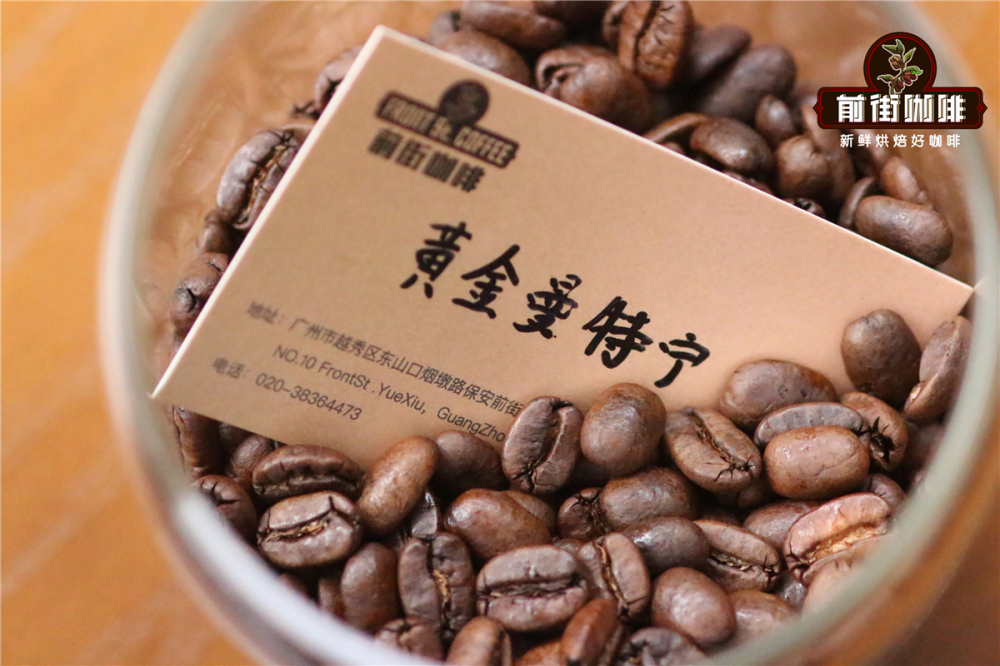
FrontStreet Coffee Indonesia · PWN Gold Mandheling
Origin: Mount Gayo, Aceh, Sumatra Island
Altitude: 1100-1600m
Variety: Ateng
Processing: Wet-hulled
Grade: G1
Equipment needed for moka pot brewing: the moka pot, a heat source (induction cooker, ceramic stove, etc.), coffee beans, a grinder, and water.
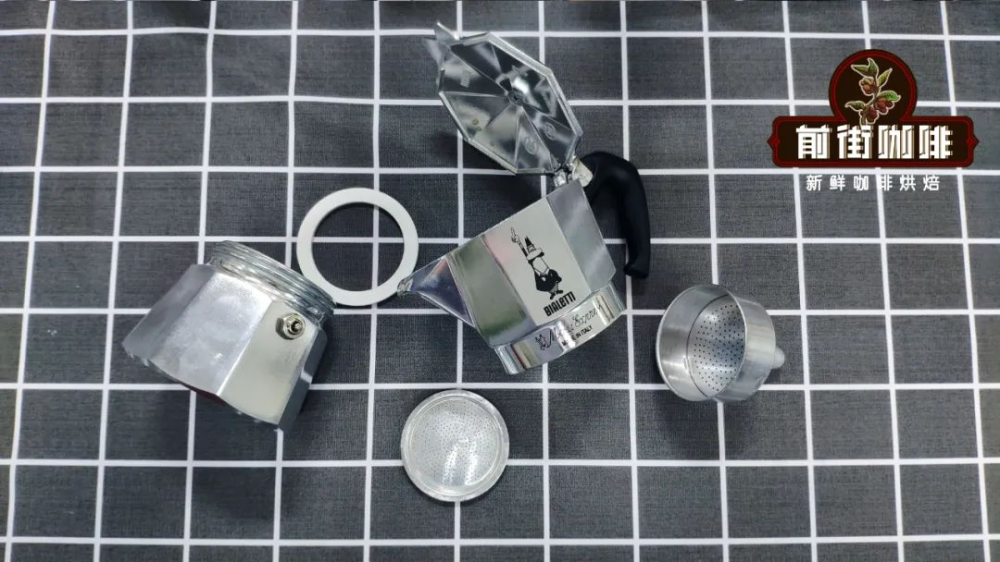
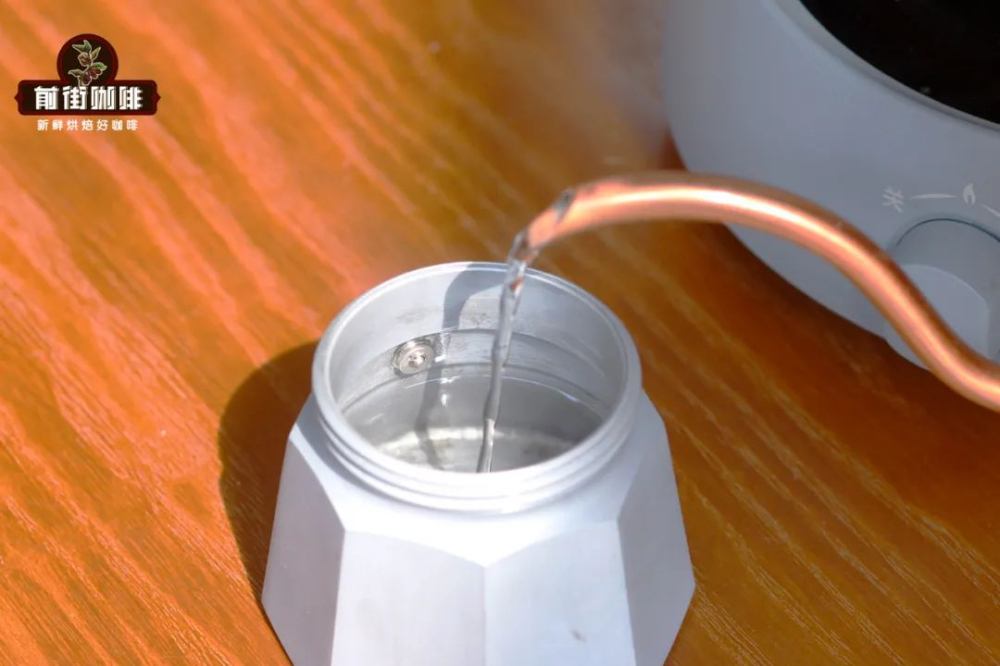
First, pour an appropriate amount of water into the lower chamber, keeping the level about 0.5cm below the pressure relief valve. This valve plays a crucial role, effectively preventing dangerous explosions caused by excessive internal pressure — from grounds that are too fine, for example. If the water level exceeds the valve opening, the valve may lose its pressure-relief effect and increase the risk of explosion.
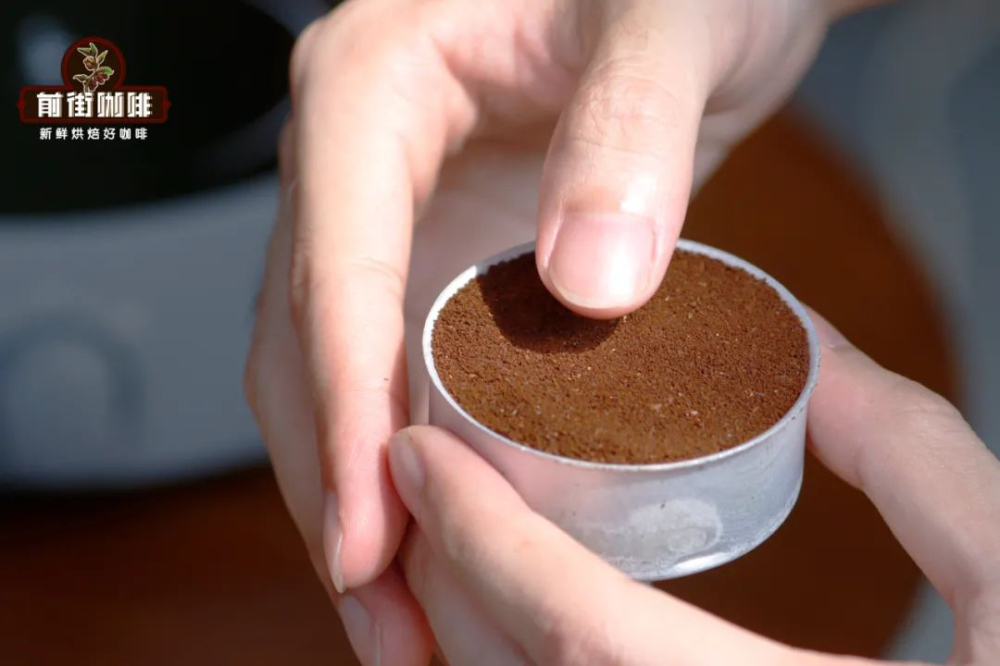
Slowly pour the ground coffee into the basket and tap gently to distribute the grounds evenly. If the grounds form a mound, you can level them with distribution techniques. Filling the basket evenly is meant to avoid extracting undesirable defective flavors as much as possible.
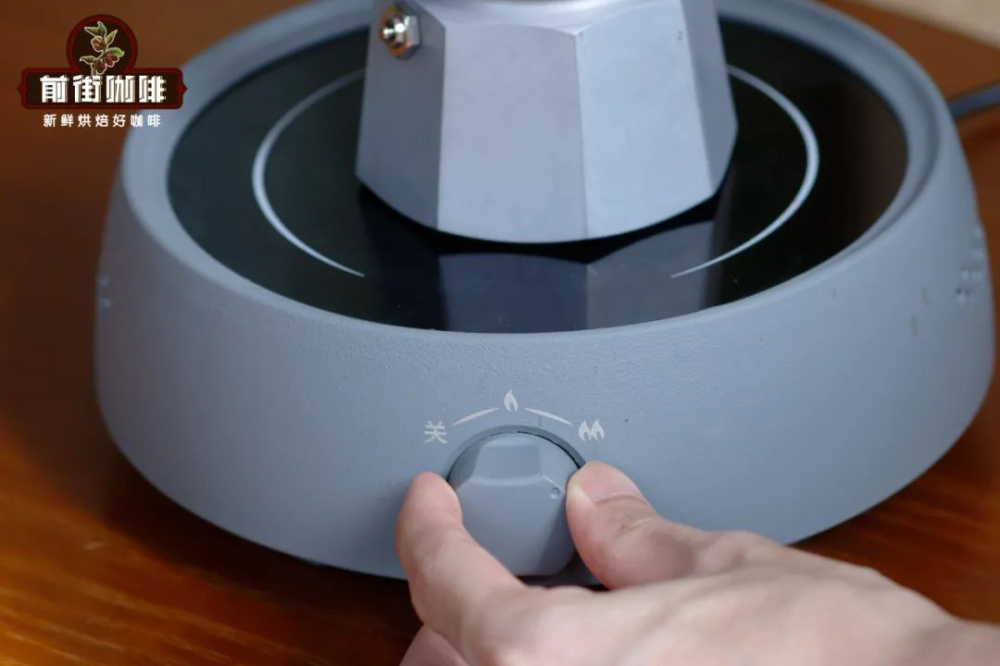
Once the lower chamber is filled with water and the basket with grounds, screw the upper and lower parts tightly together and place the pot on the heat source over high heat.
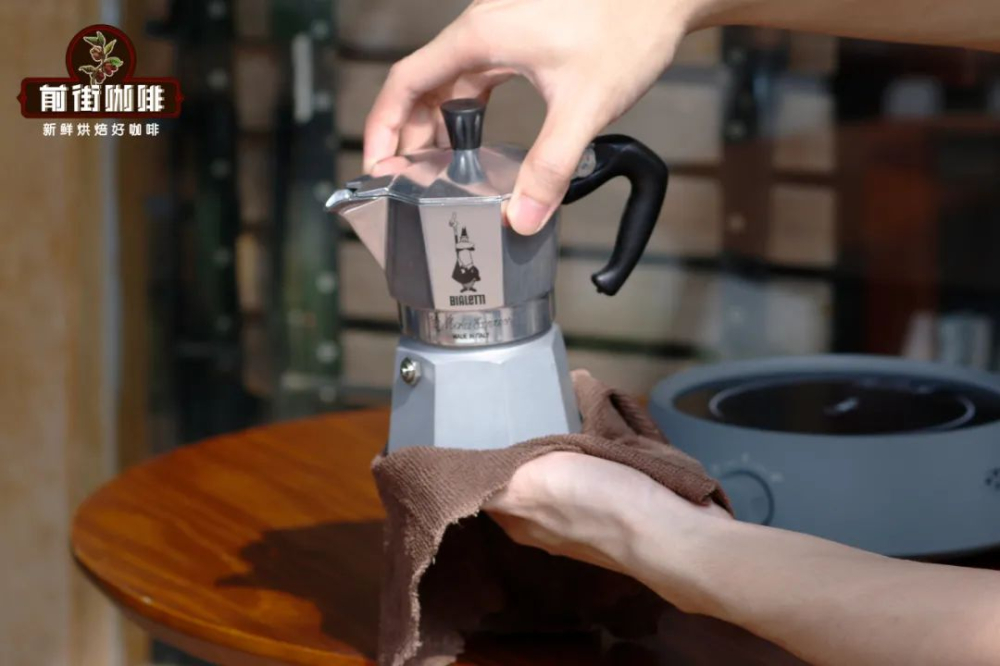
When the pot gradually heats up and makes a distinct "whistling" sound, the suitable extraction temperature has been reached. At this point, reduce the heat to low and open the lid of the upper chamber.
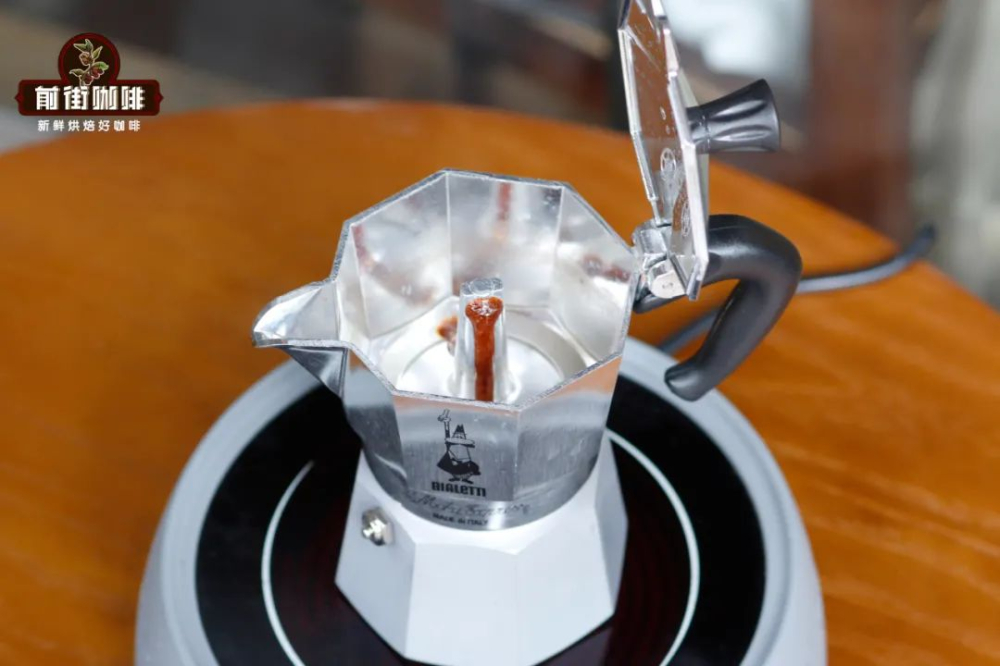
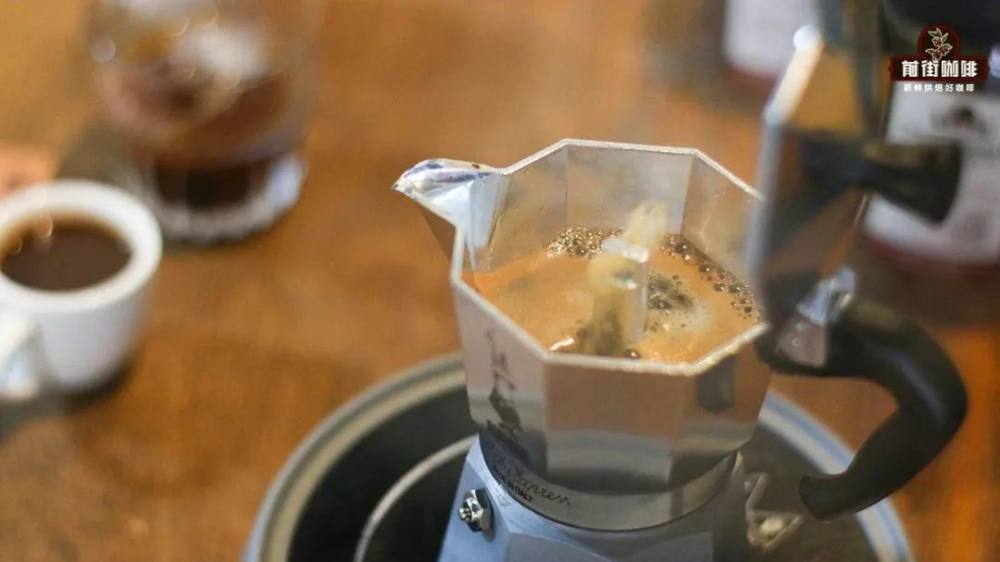
When coffee liquid has flowed into the upper chamber to about halfway, turn off the heat. Move the pot to the table (you can set it on a damp cloth to avoid overheating), and the residual heat and pressure inside will cause the remaining coffee liquid to continue "rushing" into the upper chamber, completing the extraction.
Once extraction is complete, pour it into a cup and enjoy. Moka pot coffee is very rich. You can also mix it with an appropriate amount of water or milk for a better balance. If you have a milk frother at home, you might even manage some latte art.
It is worth noting that the grind size is very important for moka pot brewing. Compared with the fine grind used for espresso machines, moka pot grind should be coarser, because an espresso machine has extraction pressure (9 bar) that can overcome the resistance of the coffee puck. A moka pot does not have as much pressure — grind too fine and the coffee liquid will not be able to flow out, and pressure will build in the lower chamber, potentially causing an explosion if the pressure is not relieved in time.
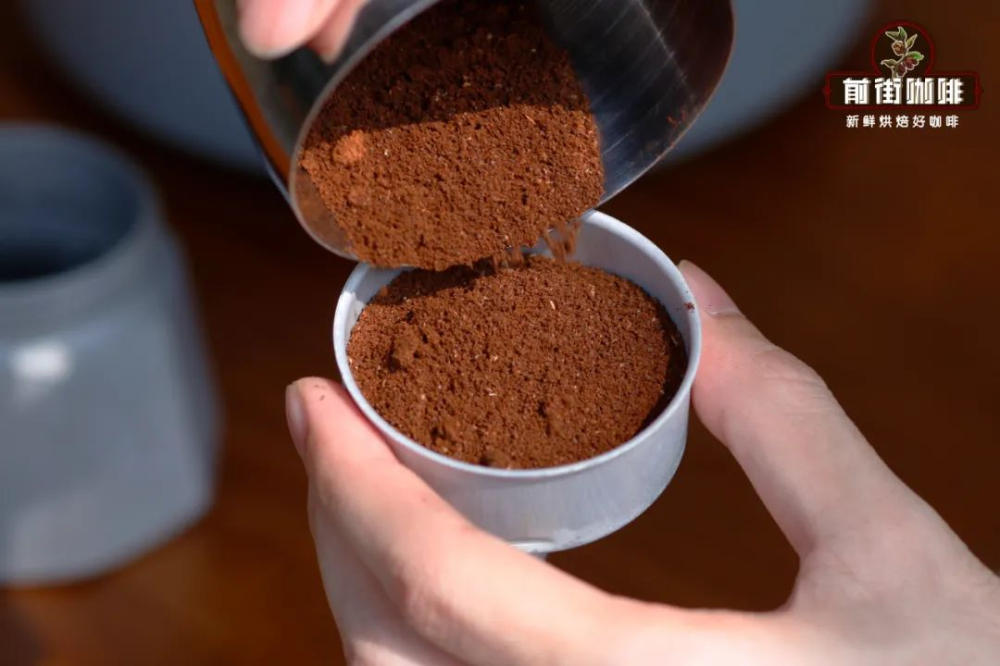
So if coffee liquid does not flow out for an extended time after heating, stop heating immediately. Too coarse a grind is also a problem, because it creates too little resistance and causes coffee liquid to spray out forcefully, which can scald you. FrontStreet Coffee therefore recommends a grind of EK-43s setting 3-3.5.
For professional coffee knowledge exchange and more bean information, follow Coffee Workshop (WeChat public account: cafe_style).
For more specialty beans, add FrontStreet Coffee on private WeChat: qjcoffeex.
FrontStreet Coffee Recommendation
For moka pot brewing, FrontStreet Coffee generally suggests starting with a blend. The Classic Blend is designed specifically for espresso and the moka pot, and its standout strength is crema: even a beginner using an everyday home machine can pull thick, fine crema, which is exactly what a latte, cappuccino, or Dirty needs. Built on the traditional Mamba recipe, it is mellow and rounded enough for experienced drinkers and newcomers alike, and works for home or commercial use.
If you want a single origin instead, the PWN Indonesia Gold Mandheling is a natural match for the pot: deep-roasted, low in acidity, full and long on the palate, with herbal and dark chocolate aromas and a faint earthy note. The Brazil Queen's Estate is another good fit — low acidity, balanced, with nut and cocoa and a clear caramel sweetness that stays smooth and never astringent, whether you brew it as pour-over, espresso, or moka pot.
Important Notice :
FrontStreet Coffee is a long-established specialty coffee roaster in Guangzhou China, selling freshly roasted beans from its own farm in Yunnan as well as dozens of carefully selected single-origin beans from around the world for both pour-over and espresso. The products deliver consistently excellent quality and great value, with shipping within 24 hours. Guangzhou's FrontStreet Coffee shop is recommended by many coffee lovers, and the beans are now available online at the Tmall 。
FrontStreet Coffee has moved to a new address:
FrontStreet Coffee Address: 315,Donghua East Road,GuangZhou
Tel:020 38364473
 Scan and follow the En Gafei WeChat official account. Please indicate that the reprint comes from "En Gafei".