How Much Does Golden Mandheling Coffee Cost? A Guide to Indonesian Mandheling Coffee Flavor, Taste Profile, Stories, and Proper Brewing Methods
Mandheling: A Rich and Complex Coffee Experience
Mandheling delivers a rich, solid flavor with a pleasing acidity. The aroma is mellow and fragrant, the acidity moderate, and the sweetness abundant enough to leave a lasting impression. It is built for dark roasting, which unlocks a deep, intense fragrance. Known as the gentleman of coffees, Sumatra Mandheling is a premium bean grown on highland plateaus at elevations of 750-1500 meters, with the finest lots coming from the Takengon and Sidikalang regions. Its mellow profile is so hard to replace that Japan's largest coffee company, UCC Ueshima Coffee Co., established its first Asian coffee plantation in 1995 in cooperation with the renowned Sumatra coffee merchant PT Gunung Lintong, a clear sign of Mandheling's standing in the coffee world.
Mandheling carries a masculine quality. Drinking it feels exhilarating and unrestrained, like roaming freely across the world, and that character has long appealed to men as a symbol of tenacity and courage. Some describe it as heavy and intense, the Caesar of coffees; others find it gentle and approachable. However it is described, Mandheling tends to make men greater and women more charming.
Mandheling has always expressed its most distinctive sweetness through its most distinctive bitterness, much as life itself is bittersweet. No amount of sugar hides that bitterness, which can come as a shock at first sip, yet the aroma it releases makes it impossible to resist. The bitterness is like the thorns beside a flower, keeping us awake, while the fragrance refreshes us. It does not leave you restless; it leaves you clearer-headed. Before you have met real hardship, Mandheling is simply an ordinary bitter drink, something to wake you up and make you pause. When you do face pain, it smiles and tells you that love is refined through bitterness. It helps you settle down and sip slowly.
FrontStreet Coffee's Brewing Recommendations for Mandheling
Before brewing with any device, it is worth understanding both the character of Mandheling and the design of your equipment, so that grind size and water temperature can be set for the extraction you actually want.
The Origins and Characteristics of Mandheling
Mandheling is grown in Indonesia, with the main producing regions on Sumatra, Java, and Sulawesi. Northern Sumatra sits relatively high. Aceh Province, where Lake Tawa lies, and North Sumatra, where Lake Toba sits, are the principal Arabica areas. Lake Tawa is in the Gayo Highlands of northern Aceh. Indonesia straddles the equator, and its humid tropical rainforest climate, abundant rainfall, and fertile volcanic soil feed the coffee richly. Because the region was remote and hard to reach, cultivation only began in 1924, and mostly followed traditional shade-grown, pesticide-free organic methods.
Indonesia's humidity holds between 70-90% all year, annual rainfall reaches up to 2,000mm, and typhoons are frequent, so farmers chase faster returns and use the wet-hulled method. In a typical washed process, beans still in parchment are sun-dried for 2-3 days to 20-24% moisture content, after which the parchment is removed and drying continues to 10-13% moisture content. Wet hulling makes the beans far more susceptible to compression damage, forming small cracks. These are the beans commonly called "horse hoof" or "goat hoof," with a higher defect rate but a mellow, intense flavor and a very distinct personality.
Mandheling's main varieties include Catuai, Typica, and Sidikalong. The flavor carries lemon or citrus acidity, clean lemon notes, and a sweet aftertaste. This Mandheling is comparatively balanced with high cleanliness, showing prominent cream, dark chocolate, caramel, and nutty flavors. The green beans are plump and greenish-yellow, well graded and high in moisture. The roasting target is medium-dark, which trims excess acidity while building body and balance.
Brewing Methods and Flavor Profiles
So what subtle differences appear when Mandheling meets different equipment? FrontStreet Coffee walks through the flavor profiles that emerge from each method.
V60 Pour-Over
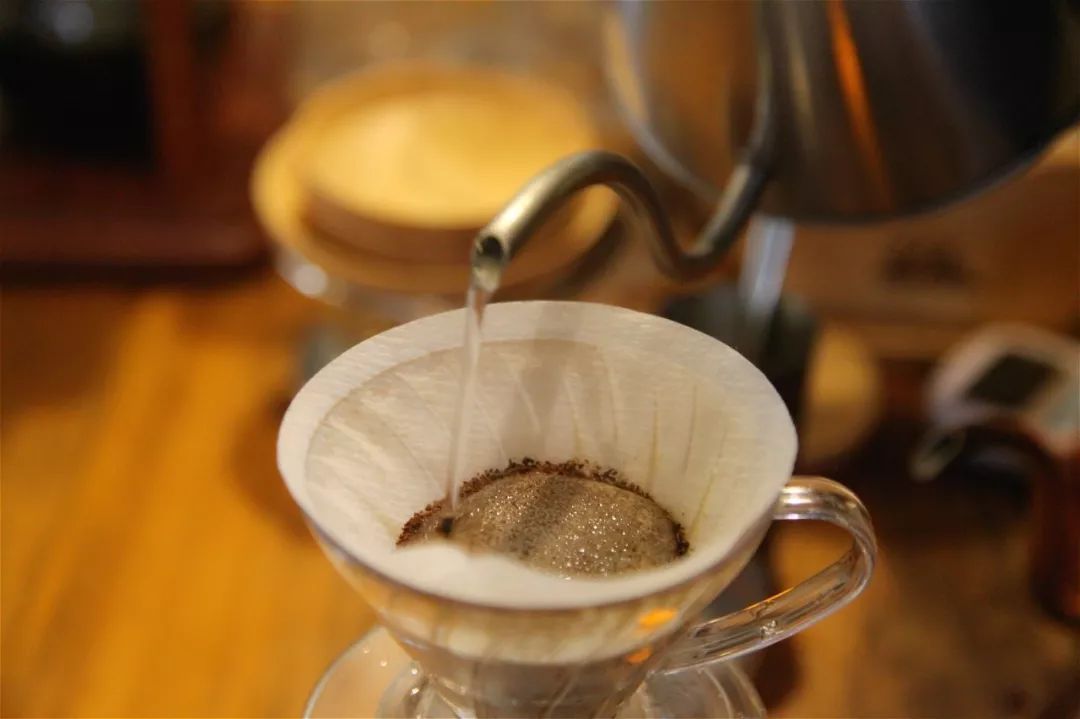
Dripper: Hario V60
Water Temperature: 88 degrees Celsius
Grind Size: Fuji Royal grinder setting 4
Brewing Method: 1:15 ratio, 15g coffee. First infusion with 25g water, bloom for 25 seconds. Second infusion to 120g, pause until the water level drops to half, then slowly continue to 225g total. Extraction time around 2:00.
Analysis: A three-stage infusion clearly expresses the front, middle, and back of the flavor profile. Because the V60 has many ribs and drains quickly, pausing during pouring extends contact time and draws out the late nutty and chocolate notes.
Flavor: Multi-layered, clean overall, relatively light body, persistent caramel sweetness in the aftertaste, with a hint of bitterness.
KONO Pour-Over
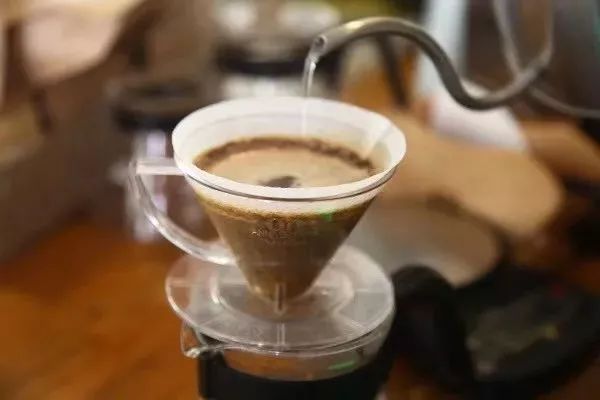
Dripper: KONO dripper
Water Temperature: 88 degrees Celsius
Grind Size: Fuji Royal grinder setting 4
Brewing Method: 1:14 ratio, 17g coffee. First infusion with 25g water, bloom for 30 seconds. Second infusion to 238g total. Extraction time around 2:30.
Analysis: The KONO has few ribs at the bottom, and the filter paper sits tightly against the wall, restricting airflow. Water and grounds therefore stay in contact longer, giving a coarse grind the time and rate it needs. The grounds are fully extracted, deepening the mellow mouthfeel and concentrating flavor.
Flavor: High balance, clean, thick and solid body, persistent dark chocolate aftertaste.
Siphon Brewing
Equipment: Hario siphon
Water Temperature: 89 degrees Celsius
Grind Size: Fuji Royal grinder setting 3.5
Method: 20g for 2 servings, 1:12 ratio. Add 240g hot water to the bottom chamber. Use the post-addition method: add the coffee once the temperature reaches 89 degrees Celsius and bubbling begins. Stir 4-5 times, bloom for 30 seconds, extract for about 30 seconds, then turn off the heat. Finally, stir quickly 2-3 times and let the coffee flow down naturally.
Analysis: Siphon coffee is heated by flame, so the brew passes through high, medium, and low temperatures, which produces rich shifts in flavor. At high temperature, Mandheling's aroma is intense with fine herbal notes. As the temperature falls to 70 degrees Celsius, full nutty flavors appear and the caramel sweetness comes through completely.
Flavor: Round texture, intense mouthfeel, prominent herbal and dark chocolate notes with outstanding caramel sweetness.
AeroPress Brewing
Equipment: AeroPress
Water Temperature: 85 degrees Celsius
Grind Size: Fuji Royal grinder setting 3.5
Method: Inverted preparation. Add 20g coffee grounds, 1:15 ratio. First pour 100g of 85 degrees Celsius water, stir 3-5 times to wet the grounds fully, and let sit for 30 seconds. Add remaining hot water to 300g, let sit for 30 seconds, stir for 5 seconds. At 1:50, flip and press down vertically at an even speed. Total time around 2:30.
Analysis: AeroPress plastic holds heat well and loses very little temperature. Water at 85 degrees Celsius with appropriate pressure produces low acidity without bitterness and a clean, smooth mouthfeel. Full immersion brewing maximizes and evens out extraction, preserving Mandheling's flavors completely, and the pressure applied at the end builds a richer body than other immersion methods. The dense filter paper yields a very clean cup, lifting sweetness and smoothing texture.
Flavor: Relatively intense mouthfeel, refreshing herbal notes, medium caramel sweetness and nutty chocolate flavors.
French Press Brewing
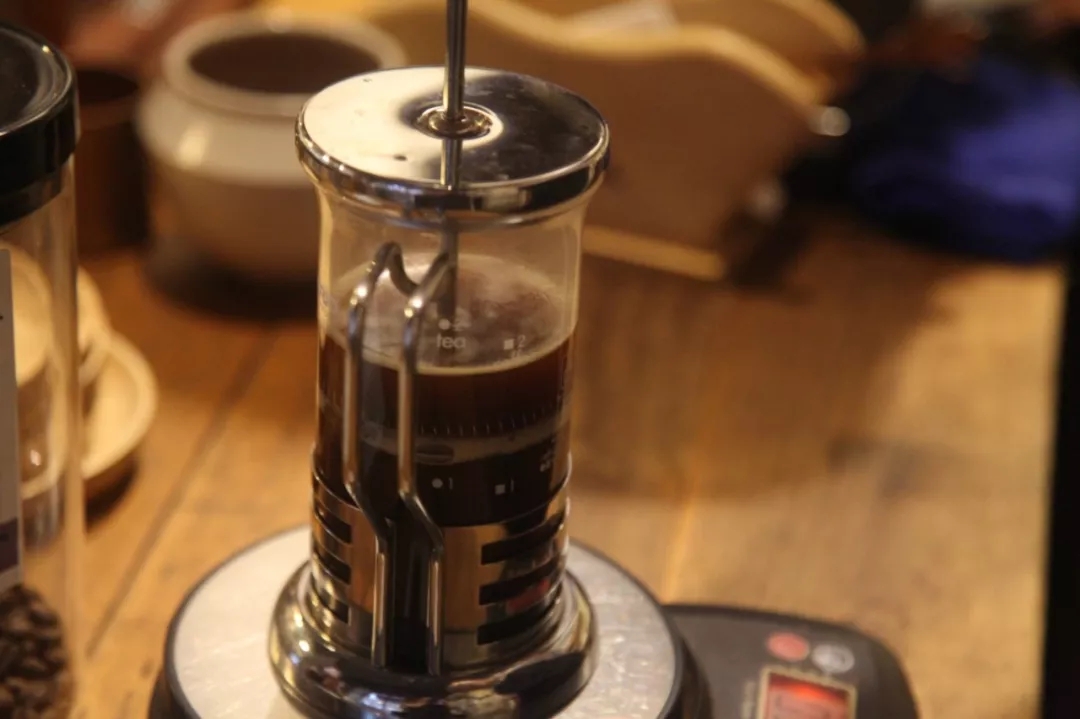
Equipment: French press
Water Temperature: 88-89 degrees Celsius
Grind Size: Fuji Royal grinder setting 4
Method: 20g coffee beans, 1:14 ratio. Pour 88 degrees Celsius water into the French press to 280g and start timing. Put the lid on with the filter stopped at the highest position. Wait 2.5 minutes, then press the filter to the bottom.
Analysis: Immersion extraction runs fast at the beginning and slower later. The grounds stay fully immersed for even extraction, so Mandheling tastes balanced and is less likely to turn bitter. The metal mesh retains rich oils, increasing smoothness and building body and caramel sweetness.
Flavor: Balanced flavor, rich texture, good oils, with slight sweetness.
Conclusion
FrontStreet Coffee believes that even the same beans express different flavors when brewed on different equipment, provided the parameters and technique suit the device. Mandheling is medium-dark roasted, and a 1:14 ratio, water at 88-89 degrees Celsius, a coarse sugar-sized grind, and immersion extraction for about 2.5 minutes will build body and a solid texture. Pull the extraction too long, push the water too hot, or grind too fine, and unpleasant bitterness follows.
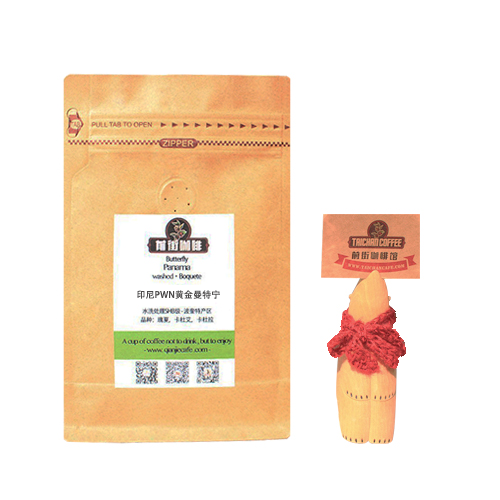
FrontStreet Coffee Recommendation
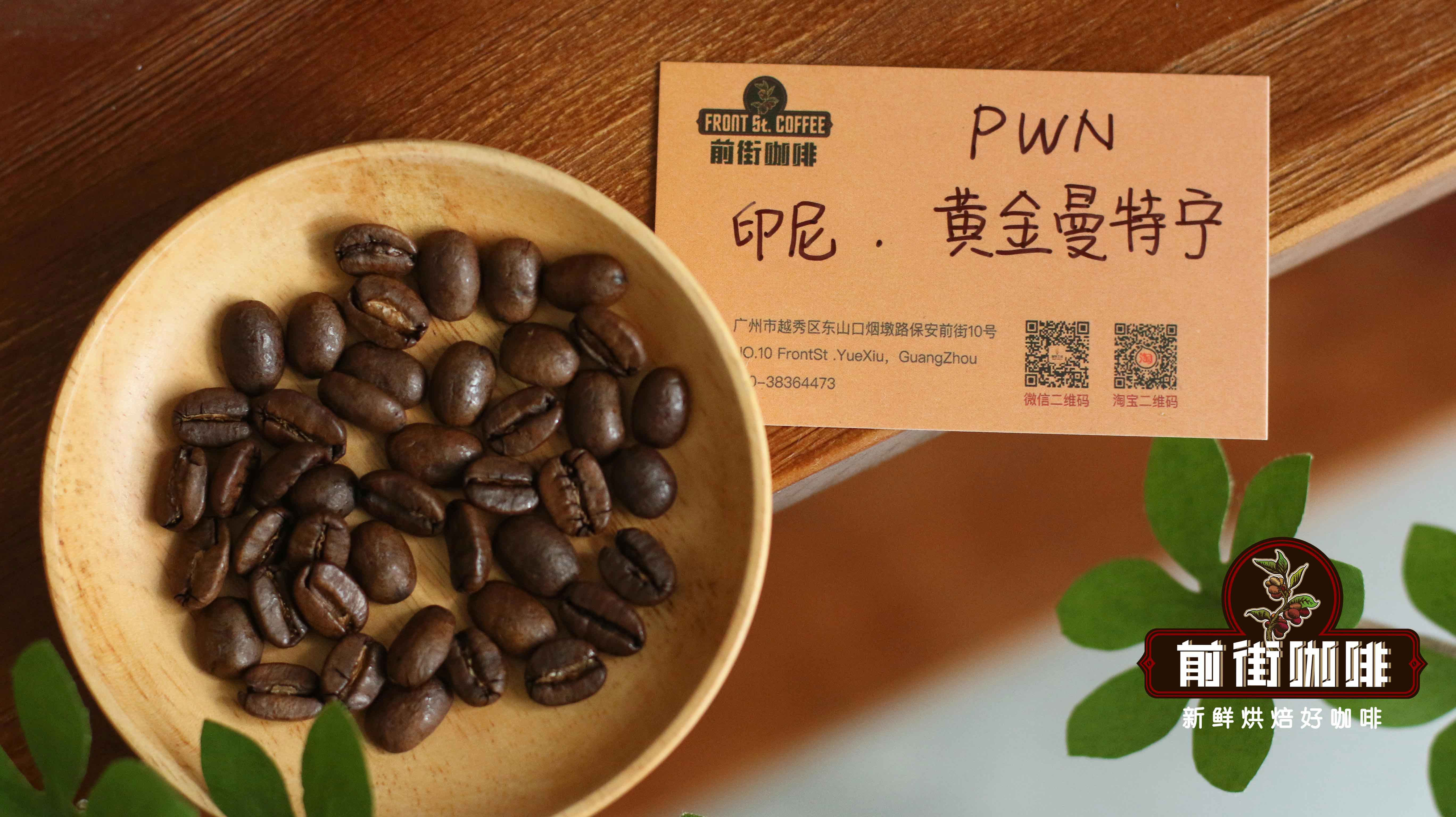
To taste wet-hulled Mandheling at its cleanest and sweetest, start with FrontStreet PWN Golden Mandheling, sourced from the PWN company in Indonesia. PWN applies unusually strict standards to this lot: beans must be 18 mesh or larger, and any 300g green bean sample must contain fewer than 3 defective beans in order to meet the top G1 grade. On top of that, the beans pass through three rounds of hand sorting, which strips out every remaining defect and lifts both the cleanliness of the cup and the intensity of its sweetness. Those standards also explain why the lot is limited in volume and why it sits at the top of the Mandheling category. Because Golden Mandheling is mostly supplied to Japan and the United States, genuinely authentic Golden Mandheling imported elsewhere each year is strictly limited.
FrontStreet Lintong Mandheling offers the same distinctive wet-hulled character from the traditional Lintong area around Lake Toba in North Sumatra. It is medium-dark roasted for a heavy body with the wild earthy and herbal notes that made Mandheling famous: rich and full on entry, with clove and woody aromas, low acidity, spice and mint impressions, and a strong, lasting, solid sweetness.
If you would rather have Mandheling in a blend built for milk drinks, FrontStreet Classic Blend is the one to look for. It takes the creamy, nutty base of Brazilian coffee and adds medium-dark roasted Mandheling, which brings butter, roasted chestnut, and caramel to the front while raising the body of the whole cup and lending it sandalwood, herbal, and spice notes. A small proportion of Robusta is included to enrich the crema, so latte art and layered Dirty drinks are both straightforward.
Important Notice :
FrontStreet Coffee is a long-established specialty coffee roaster in Guangzhou China, selling freshly roasted beans from its own farm in Yunnan as well as dozens of carefully selected single-origin beans from around the world for both pour-over and espresso. The products deliver consistently excellent quality and great value, with shipping within 24 hours. Guangzhou's FrontStreet Coffee shop is recommended by many coffee lovers, and the beans are now available online at the Tmall 。
FrontStreet Coffee has moved to a new address:
FrontStreet Coffee Address: 315,Donghua East Road,GuangZhou
Tel:020 38364473
 Scan and follow the En Gafei WeChat official account. Please indicate that the reprint comes from "En Gafei".