Is Drip Bag Coffee Specialty Coffee? Is There a Big Difference Between Drip Bag Coffee and Pour-Over Coffee?
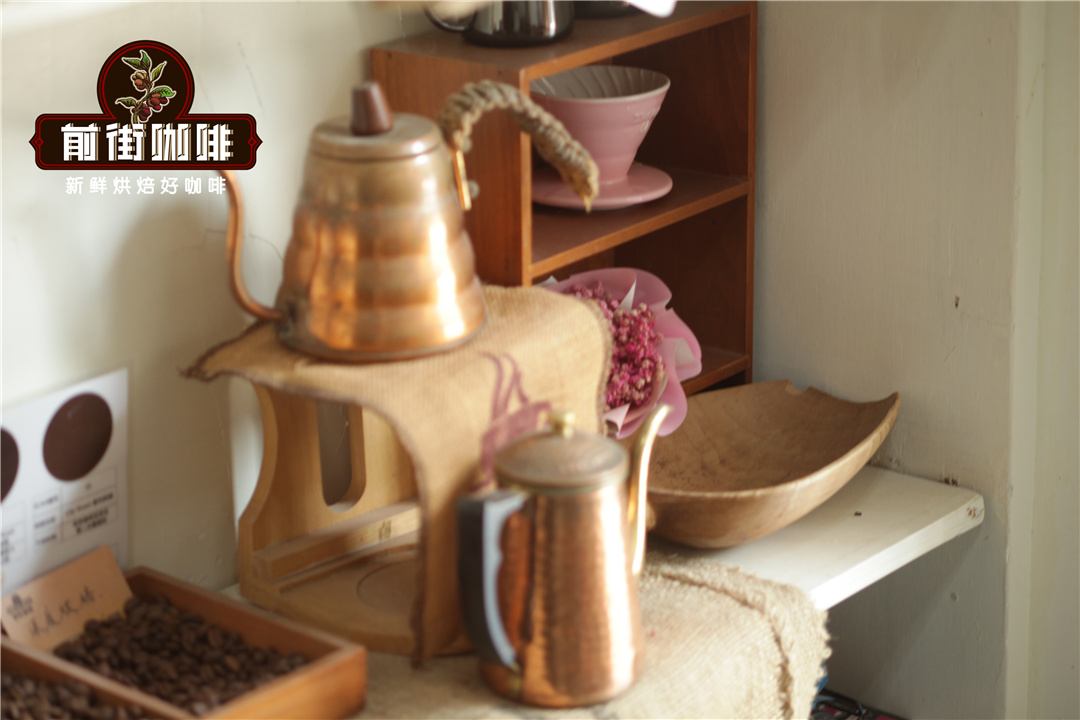
Do people who drink pour-over never drink drip bag coffee? Do drip bag drinkers not understand pour-over? If you think that, you are quite wrong. In reality there is no essential difference between pour-over coffee and drip bag coffee. At FrontStreet Coffee, many regulars both buy pour-over beans to brew at home and sometimes pick up drip bag coffee packets. Looked at another way, drip bag coffee is simply pour-over coffee in its convenient form.
What is Pour-Over Coffee?
Anyone who has visited FrontStreet Coffee and watched the pour-over process knows that single-origin pour-over needs a dripper, filter paper, weighing and grinding the beans to get a precise dose, water temperature measured with a thermometer and a measured quantity of water. Most importantly there is the barista's steady pouring technique, and none of these can be left out, because grind size, water temperature, pouring method and brewing time all affect extraction. Pour-over is a brewing method that demands real attention to technique and professional knowledge.
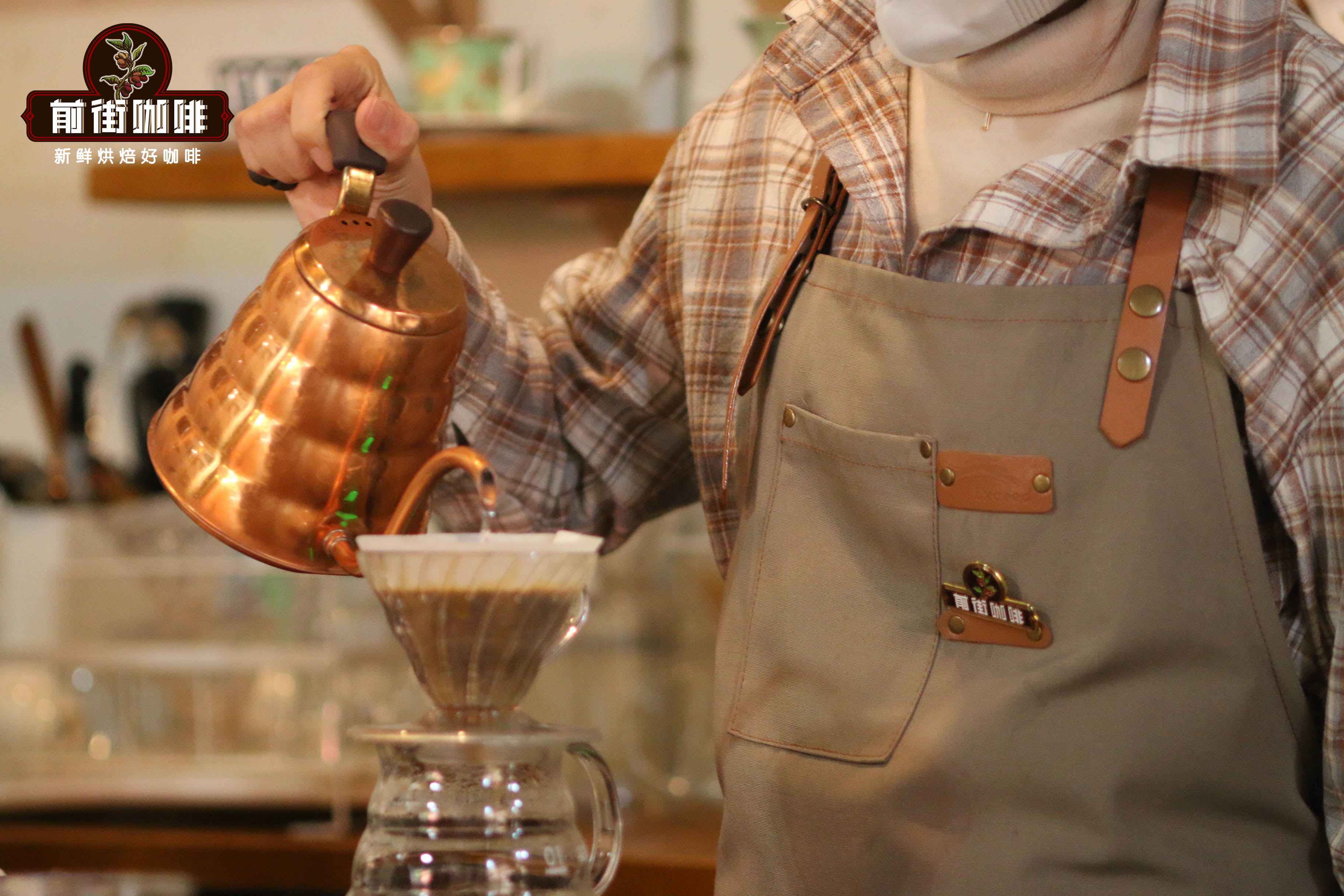
Put simply, when people drink pour-over they care about the atmosphere and the enjoyment of the process itself. So equipment, setting, technique and manner all matter, and of course so does the coffee.
What is Drip Bag Coffee?
Drip bag coffee was invented precisely because some people love the taste of pour-over but have no time, or cannot be bothered, to go through that elaborate process. Drip bags solve many of the tedious problems of pour-over. Take grinding: at the very least, pour-over usually needs a hand grinder, and anyone who has used one knows it is practically exercise equipment, while electric grinders can only be used in one place. Drip bags come already filled with coffee powder, which removes that chore. The trade-off is flavour, since nothing in this world is perfect.

The second simplification is that you no longer need an electronic scale, pour-over kettle, dripper, filter paper and the rest of the kit. By international convention a drip bag holds 10g of coffee powder, and brands that break that convention generally do not grow very large. So all you need is your familiar cup: watch the water level reach the right point, take out the bag and you are done.
As for the kettle, any kettle that can pour water will do. You can of course be particular and use a gooseneck kettle for elegant pouring, but if the coffee is what you are after, that is not necessary. As long as the temperature and ratio are right, how you pour makes little difference. Even a thermos can brew very good coffee.

Coffee Brewing Equipment Needed for Pour-Over Coffee
As FrontStreet Coffee said above, pour-over coffee needs quite a bit of equipment. What exactly is it? FrontStreet Coffee shares the list with our coffee-loving friends.
1. Pour-Over Kettle
Pour-over kettles come in various sizes and materials, and you can choose according to your needs. What affects the brew most is the size of the spout, since it relates to the flow rate. Beginners are generally advised to use narrow-spout kettles, which are easier to control. Each type of kettle also suits different heating methods, induction or gas, so pay attention when buying.

2. Dripper
Drippers also come in different sizes and materials, mainly divided into three shapes: fan-shaped, conical and wave. The size of the hole at the bottom of the dripper affects the flow rate of the extracted coffee and therefore the flavour. Fan-shaped drippers have small holes and a slow flow for a richer body; conical drippers have large holes and a fast flow for a lighter body; wave drippers have flat bottoms and special wave filter papers for the most uniform texture. One special case is the metal mesh dripper, which needs no filter paper and keeps more coffee oils for a stronger flavour, though some very fine powder may not be filtered out.

3. Filter Paper
Filter paper comes bleached and unbleached. Bleached paper looks whiter, while unbleached paper looks light brown. Its job is to use very dense fibres to hold back the ground coffee while letting the extracted liquid through into the cup. When buying, match the paper to your dripper.

4. Coffee Grinder
Good pour-over needs a good grinder. There are three types on the market:
- Ghost tooth grinder
- Flat burr grinder
- Conical burr grinder

5. Thermometer
Thermometers measure the water temperature. Models on the market include Tiamo, Hero and Cafede Kona thermometers.

6. Electronic Scale
An electronic scale lets us control the coffee-to-water ratio more precisely, reducing unstable factors and increasing error tolerance. Scales range from several hundred yuan down to a few dozen yuan, and brands include Yami, Hero smart scales and Timemore. FrontStreet Coffee suggests buying a scale with physical buttons, which is easier to use, priced around 80-100 yuan. You can compare them on Taobao.
7. Flour Sieve

FrontStreet Coffee uses the pass rate through China's standard No. 20 sieve as the benchmark for calibrating grind size. Pour-over grind has an 80% pass rate through the No. 20 sieve, while cupping grind has a 70-75% pass rate.
8. Server Pot
If you are drinking alone you can skip the server pot and brew straight into a mug. For brewing several cups you will need one. With its scale markings and transparent body, a server pot makes the extraction easier to read and control, so it is more than a serving vessel. FrontStreet Coffee recommends HARIO V60 cloud server pots and Kalita server pots.

Coffee Brewing Equipment Needed for Drip Bag Coffee
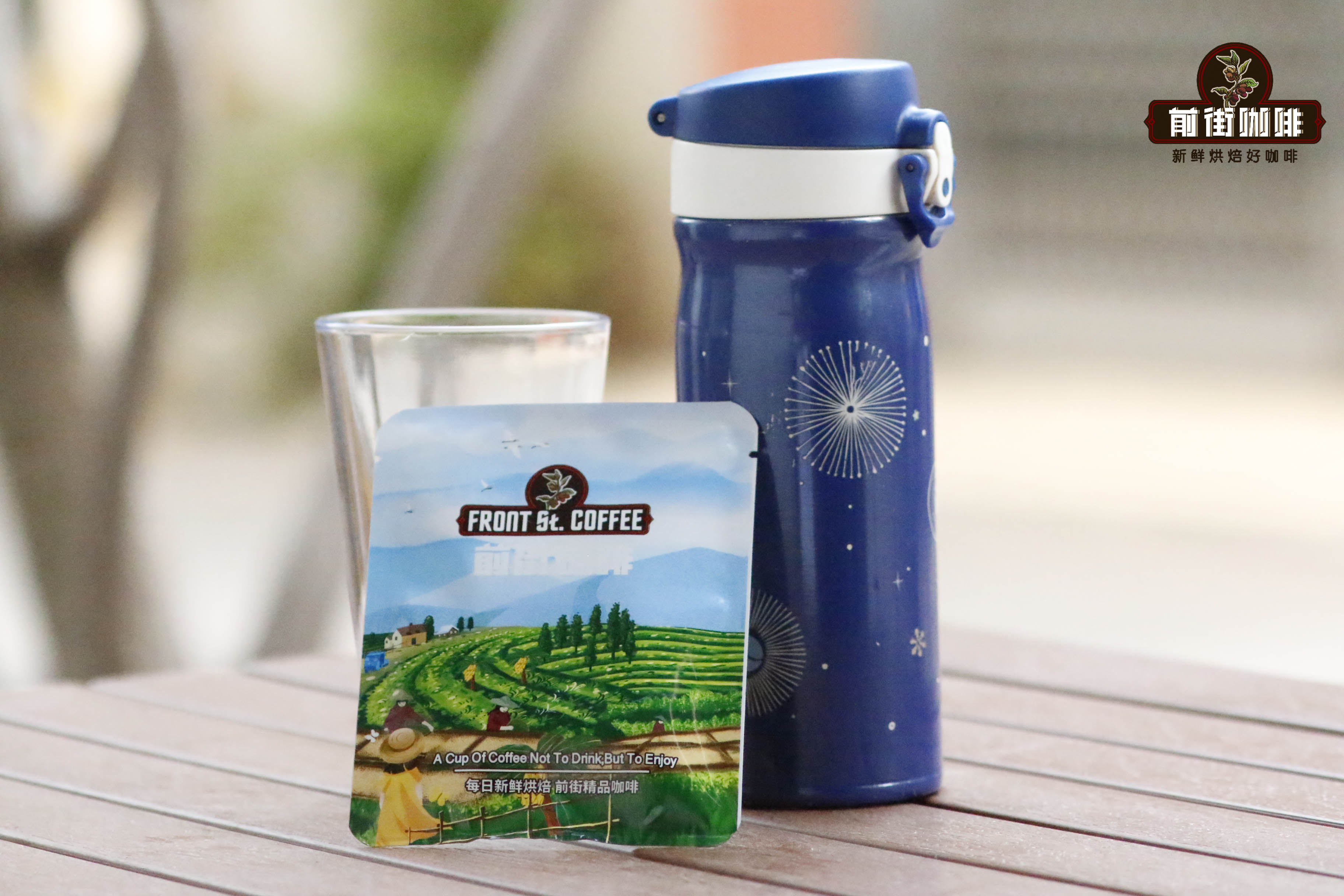
As FrontStreet Coffee said above, drip bag coffee is simply filter-bag coffee made from single-origin beans ground to powder. In terms of equipment, and with convenience in mind, you need only the following, referring back to the pour-over list above:
Drip bag, hot water kettle, your cup.
Differences Between Pour-Over Coffee and Drip Bag Coffee
As FrontStreet Coffee has set out above, drip bag coffee and pour-over coffee differ in the following ways:
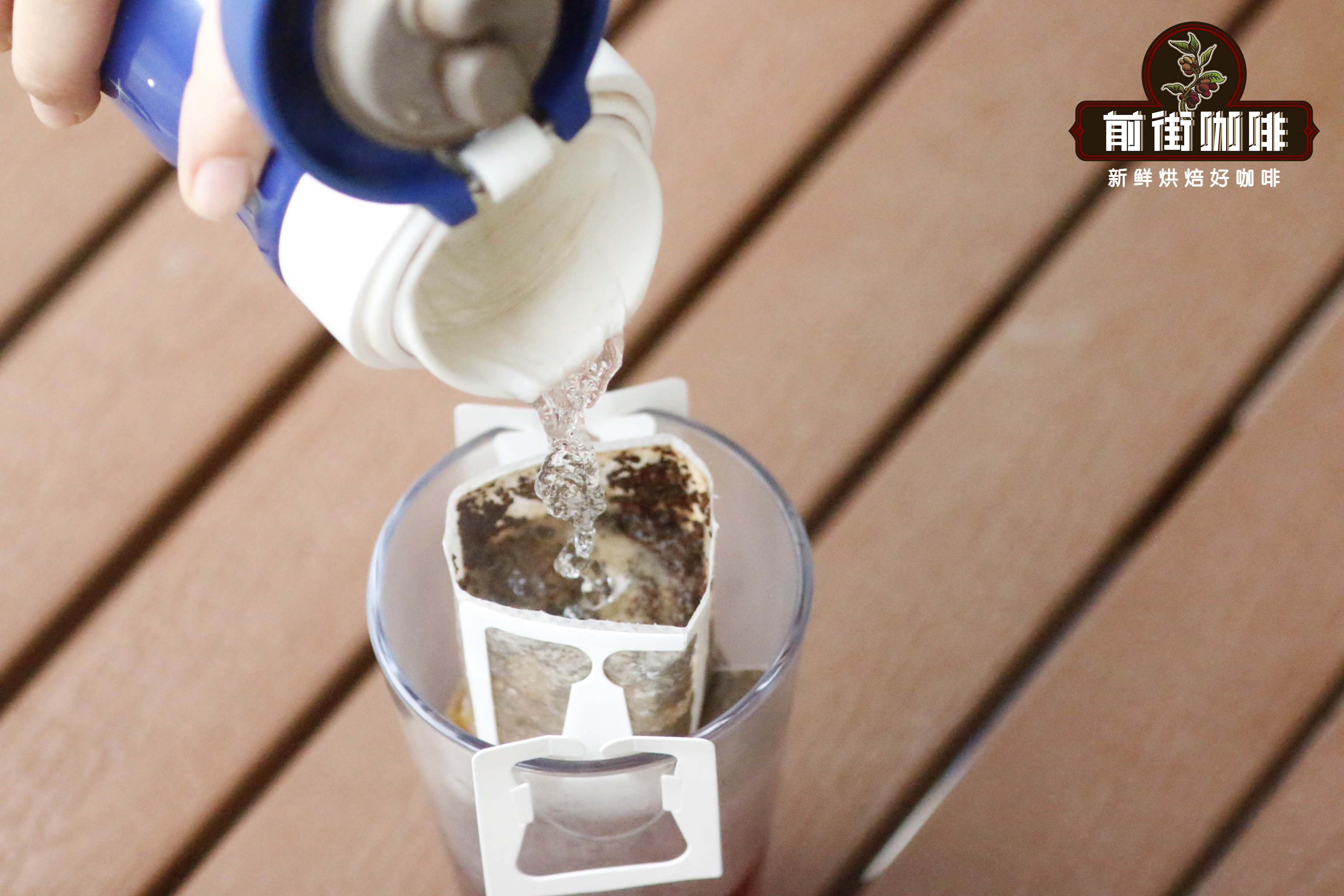
- Pour-over requires more brewing equipment and needs skilled experience and coffee knowledge. Drip bag coffee removes many brewing steps.
- Pour-over has too much equipment and is inconvenient to carry when going out. Drip bag packets are lightweight, convenient and easy to carry.
- Brewing times differ: drip bag coffee generally takes within 4 minutes to brew, while pour-over takes within 2 minutes.
- The flavour window of drip bag coffee is shorter than that of pour-over beans, because once ground the surface area exposed to air increases and the aroma escapes easily, affecting flavour.
That is what FrontStreet Coffee has compiled on the differences between pour-over and drip bag coffee. We hope readers gain the knowledge to choose beans that suit their taste. Next, FrontStreet Coffee shares the correct method for brewing drip bag coffee.

Correct Method for Brewing Drip Bag Coffee
FrontStreet Coffee knows that many drinkers new to drip bags are unsure how to use them, and brewing mistakes make the coffee disappointing. So how do you brew a delicious cup? FrontStreet Coffee shares the method:
1. Warm the Cup
Prepare the cup you will brew into and first pour in some hot water to warm it. The purpose is to keep the brewed coffee from cooling too quickly, because as the temperature drops coffee produces different flavours and layers. If it cools too fast you will miss much of that range.

2. Water Temperature
Brewing water temperature matters a great deal. Keep it between 85 and 90 degrees Celsius. If the brewed coffee is too bitter, try lowering the water temperature; if it is too weak or too astringent, raise it, but stay within the 85 to 90 degree range.
3. Hang the Ears
First shake the drip bag gently so the coffee powder settles, which stops it scattering when you tear it open. Pour out the hot water from the cup, tear open the seal on the drip bag, unfold the paper ears on both sides, shake to level the powder and hang the bag on the cup rim.
4. Pre-wet the Drip Bag
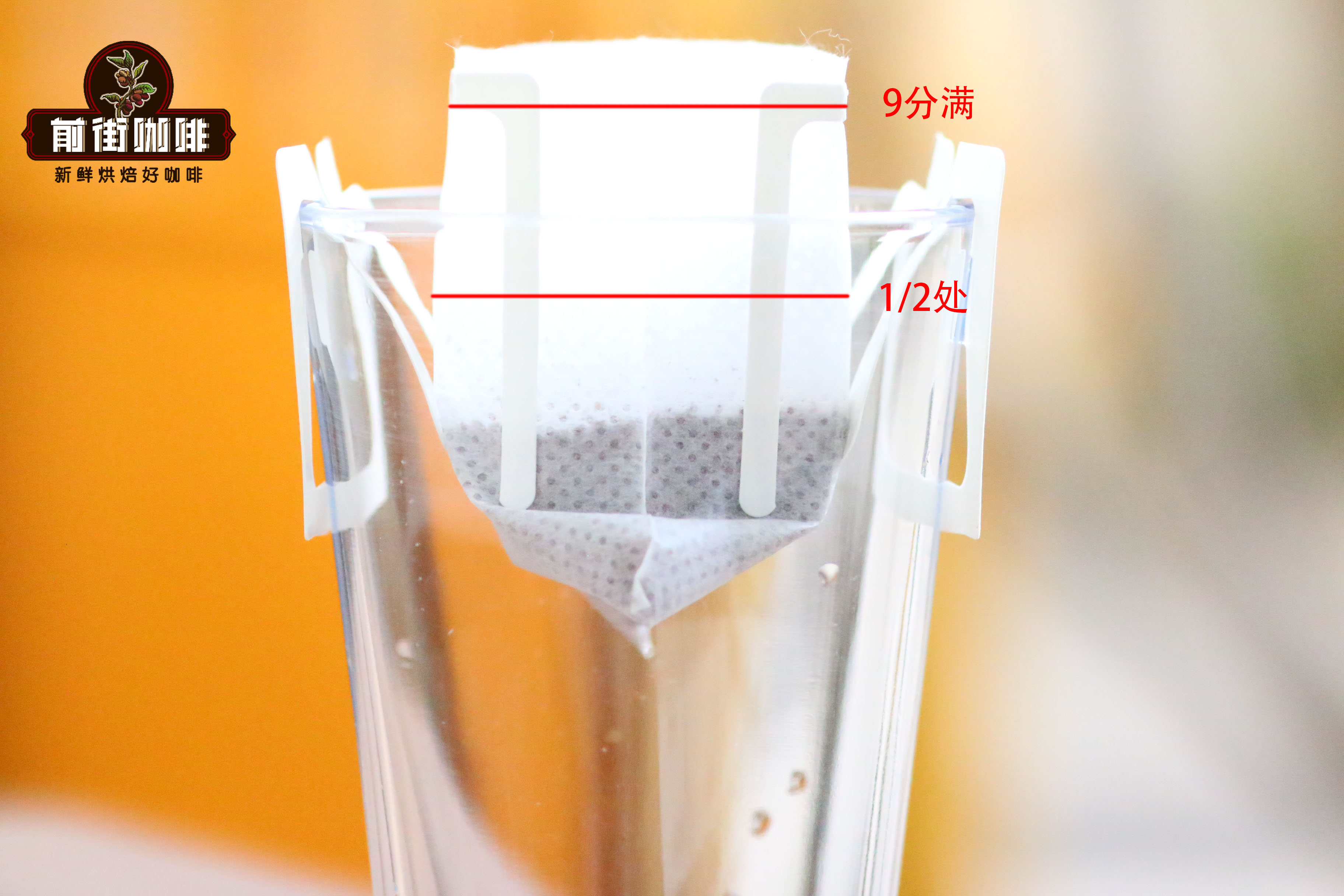
The first pour of water should be just enough to wet the coffee powder; too much or too little affects the flavour. Then wait 20 seconds so the powder absorbs the water fully. The strength can be adjusted through the pre-wetting time: extending it to 40 seconds yields a stronger cup.
5. Pour Water
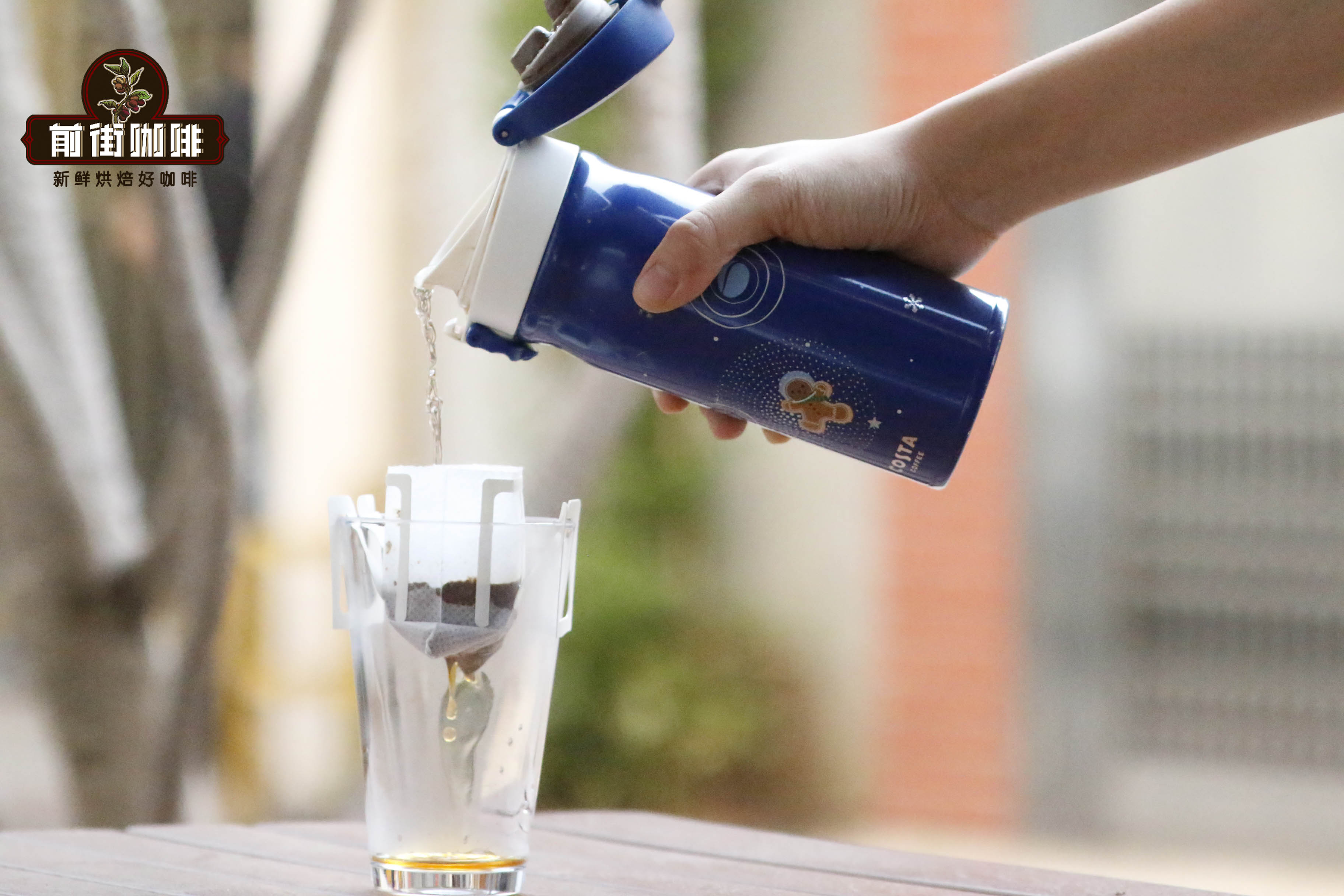
The second pour can fill the filter to 80% full. Use a thin, steady stream. When the water level drops to the pre-wet height, continue pouring to 80% full until you have extracted 150-180cc. Once extraction is complete you need not wait for all the water in the filter to drain out; simply discard the bag.
Important Notes for Drip Bag Coffee Brewing
- Do not brew repeatedly.
- After brewing, do not leave the coffee powder soaking in the cup, which causes over-extraction.
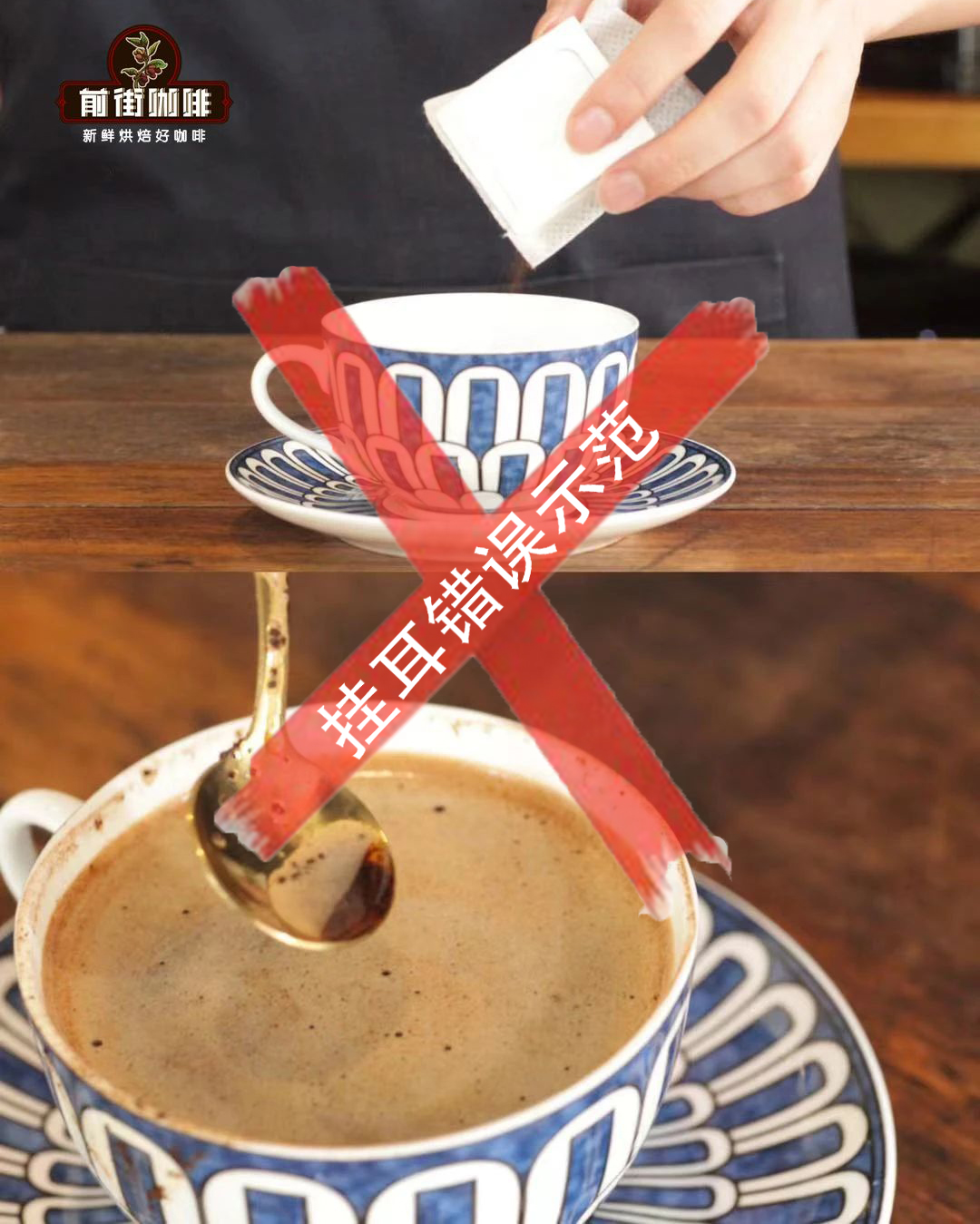
- Do not simply drop the drip bag into the cup. It is convenient, but before the hot water has fully soaked the packet the water temperature begins to fall, leading to under-extraction and affecting the taste and flavour.
That is what FrontStreet Coffee has compiled on drip bag brewing and the points to watch.
FrontStreet Coffee Recommendation
Drip bags and pour-over share the same beans, so the grinder and the dripper still matter if you want the most from them. The V60 is the classic choice. Hario, the Japanese glassmaker, was founded in Tokyo in 1921 and began by making heat-resistant glassware for scientific use, and the glass server that often accompanies pour-over is one of its products. In 2004 Hario redesigned the V60 prototype into the shape we know, named for its 60-degree cone and V shape, and launched it the following year. Its 60-degree cone forces water to the centre before dripping through, lengthening contact with the coffee, while the single large hole lets the flow run freely, so the speed depends almost entirely on how steadily you pour.
That fast extraction suits delicate aromatics. Among FrontStreet Coffee's light-roast options, the washed Yirgacheffe Gedeb from the Woka area gives citrus, berry and white floral notes with a green-tea sweetness, and its acidity is soft and bright rather than sharp, so it appeals even to drinkers who usually avoid acidic coffee. The Ethiopia Huakui is fruitier still, with strawberry, passion fruit, jackfruit and lychee, obvious sweetness and almost no bitterness. For something more delicate, the Panama Boquete washed Geisha brings jasmine, green tea, honey and citrus at a far gentler price than the famous estate lots.
If you prefer a heavier, low-acid cup, FrontStreet Coffee's PWN Indonesian Golden Mandheling and Brazil Queen Estate both work in a V60 and in a drip bag. Old-style blends aside, the V60's fast flow is what let those delicate floral, fruity and tea notes come through in the first place, which is exactly why the dripper has stayed popular since Hario launched it in 2005.
Important Notice :
FrontStreet Coffee is a long-established specialty coffee roaster in Guangzhou China, selling freshly roasted beans from its own farm in Yunnan as well as dozens of carefully selected single-origin beans from around the world for both pour-over and espresso. The products deliver consistently excellent quality and great value, with shipping within 24 hours. Guangzhou's FrontStreet Coffee shop is recommended by many coffee lovers, and the beans are now available online at the Tmall 。
FrontStreet Coffee has moved to a new address:
FrontStreet Coffee Address: 315,Donghua East Road,GuangZhou
Tel:020 38364473
 Scan and follow the En Gafei WeChat official account. Please indicate that the reprint comes from "En Gafei".