Coffee Basics: Why Cappuccino Cannot Be Brewed with a Siphon Pot

Cappuccino belongs to the family of specialty milk coffees: a drink that marries the sweetness of milk with the strength of coffee. That signature character comes from espresso pulled on an espresso machine, combined with fresh milk steamed into a thick, dense foam. When the two elements are blended just right, you get the intense, distinctive coffee flavor that defines a cappuccino.
The siphon brewer, for all its theatrical charm, has real functional limits: it extracts black coffee only. It can never reach the concentration and intensity of an espresso machine, and it has no way to froth milk. That is why a siphon pot simply cannot produce milk-based specialty drinks like cappuccinos or lattes. If you are set on a "siphon latte" nonetheless, FrontStreet Coffee suggests brewing a dark-roasted bean - such as FrontStreet Coffee's Golden Mandheling, FrontStreet Coffee's Huilan, or FrontStreet Coffee's Queen Estate - into a high-concentration black coffee, then adding milk to taste to soften the bitterness.

The Origin of Cappuccino
Cappuccino is a phonetic borrowing, and the word traces back to the Italian "Cappuccio," meaning hood. As a coffee drink, however, it is tied to Italy's Capuchin religious order.
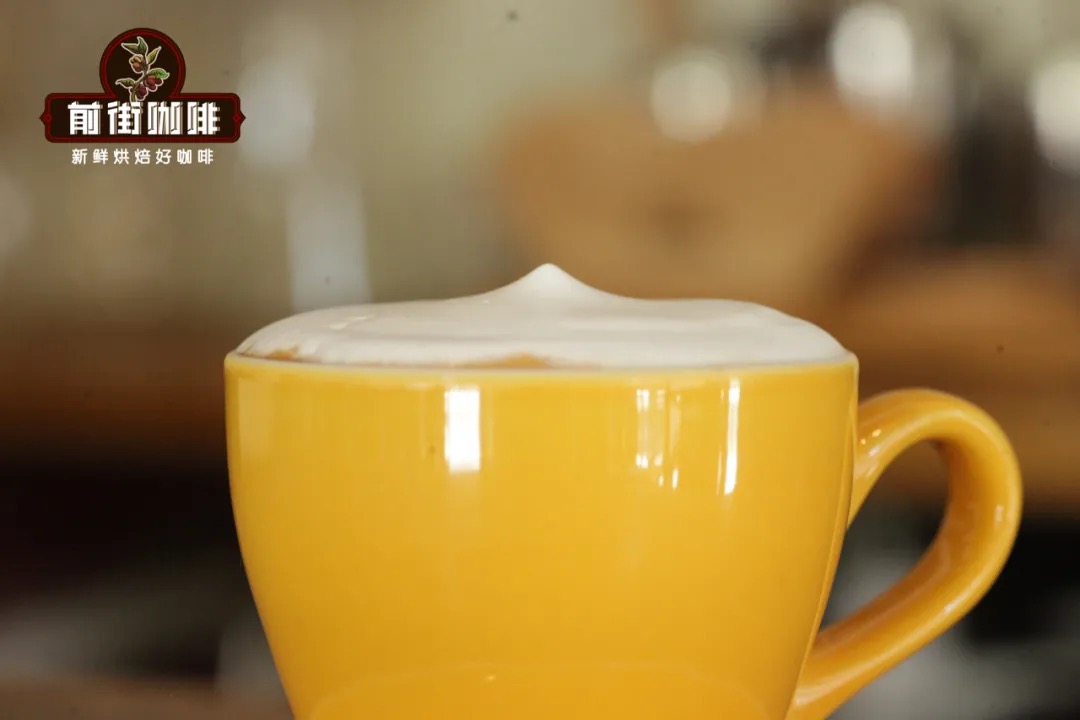
When members of that order came to Italy on their missions, they wore dark brown robes and small pointed hoods. Italians saw a creative opportunity: they steamed milk into a dense, stable foam and poured it onto espresso, so the drink showed a ring of brown like the friars' robes, then used a spoon to sculpt the foam into a little pointed cap. Because "Capuchin" sounded so close to "Cappuccio," Italians folded the "n" into the word without breaking its rhythm, and the milk coffee became "Cappuccino."
How to Make a Standard Cappuccino
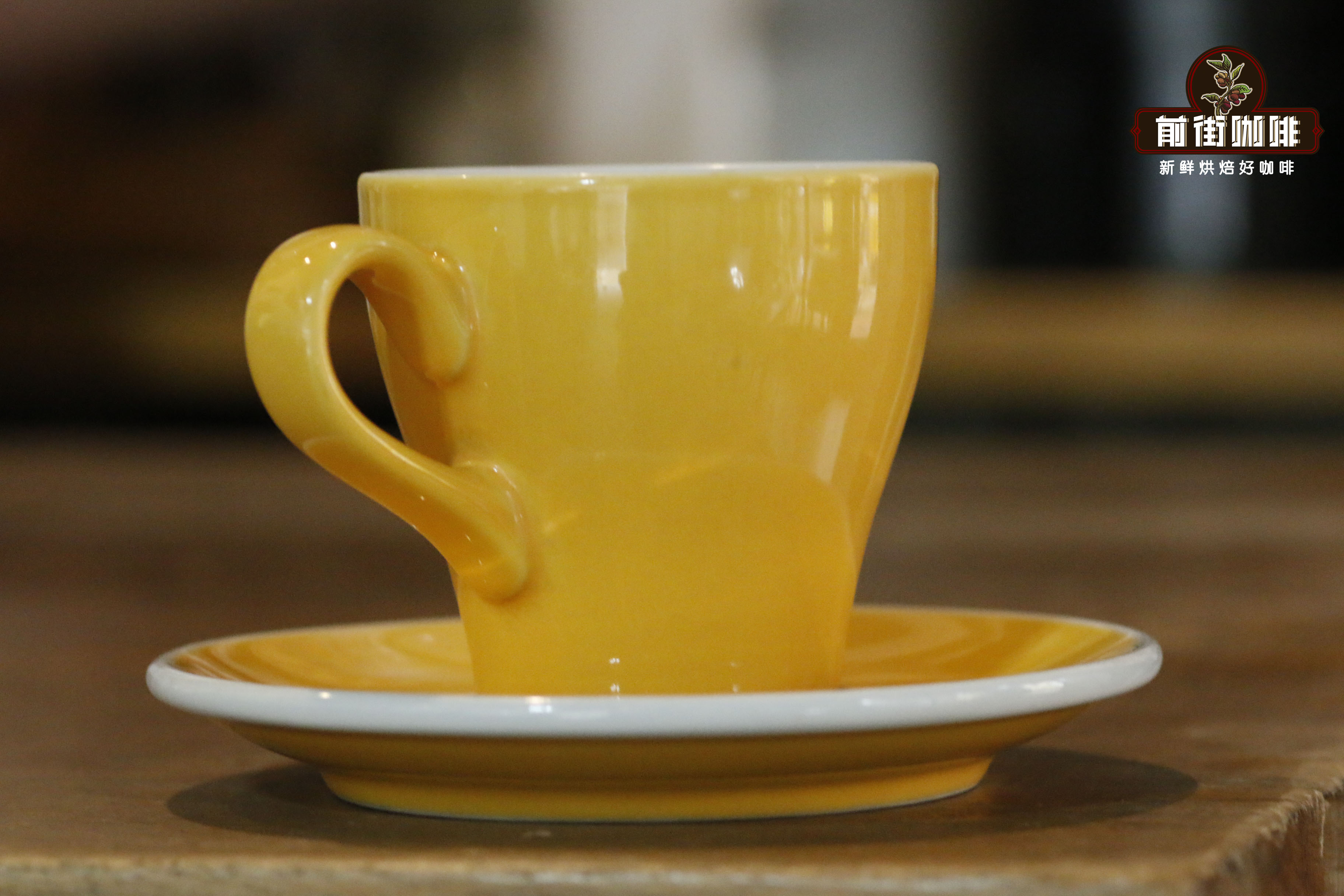
FrontStreet Coffee builds its cappuccinos in 180ml tulip cups. Compared with round-bottomed cups, the tulip's tall profile - narrow at the base, flaring at the rim - shows off the drink's signature "hat" of foam to best effect.
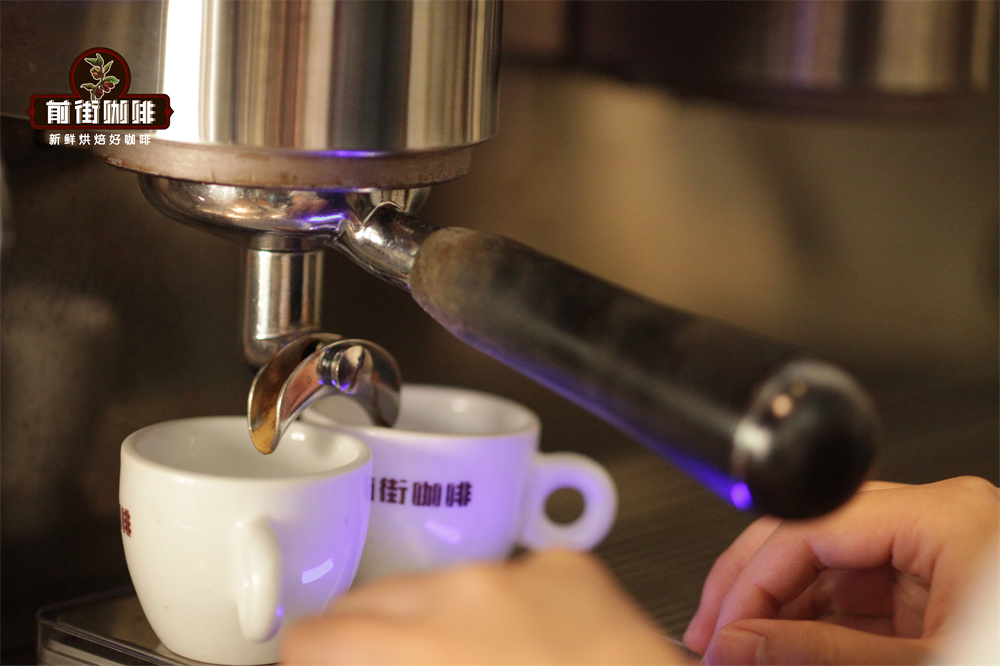
Espresso Extraction
FrontStreet Coffee pulls its espresso from a house blend called "Sunflower Warm Sunshine," composed of sherry cask-aged beans and sun-dried Yirgacheffe. For a double cappuccino the recipe is 20g of grounds yielding 35g of liquid, split into two servings, in 27 seconds. (For a single shot, use FrontStreet Coffee's parameters directly: 12g of grounds yielding 30g of liquid in 23 seconds.)
Using Chilled Fresh Milk
Fresh, chilled milk preserves both protein and milk fat. Protein is what builds the foam; milk fat stabilizes it, slows its collapse, and adds richness to the drink's texture.
Milk Frothing
Choose a small pitcher and pour in 150ml of chilled fresh milk. Before inserting the steam wand, purge it to clear any condensed water from the tip. Place the wand tip about 1cm below the milk surface and open the steam. When steam meets the surface you will hear a soft "squeaking" - this stage is aeration, and it is essential for building foam.
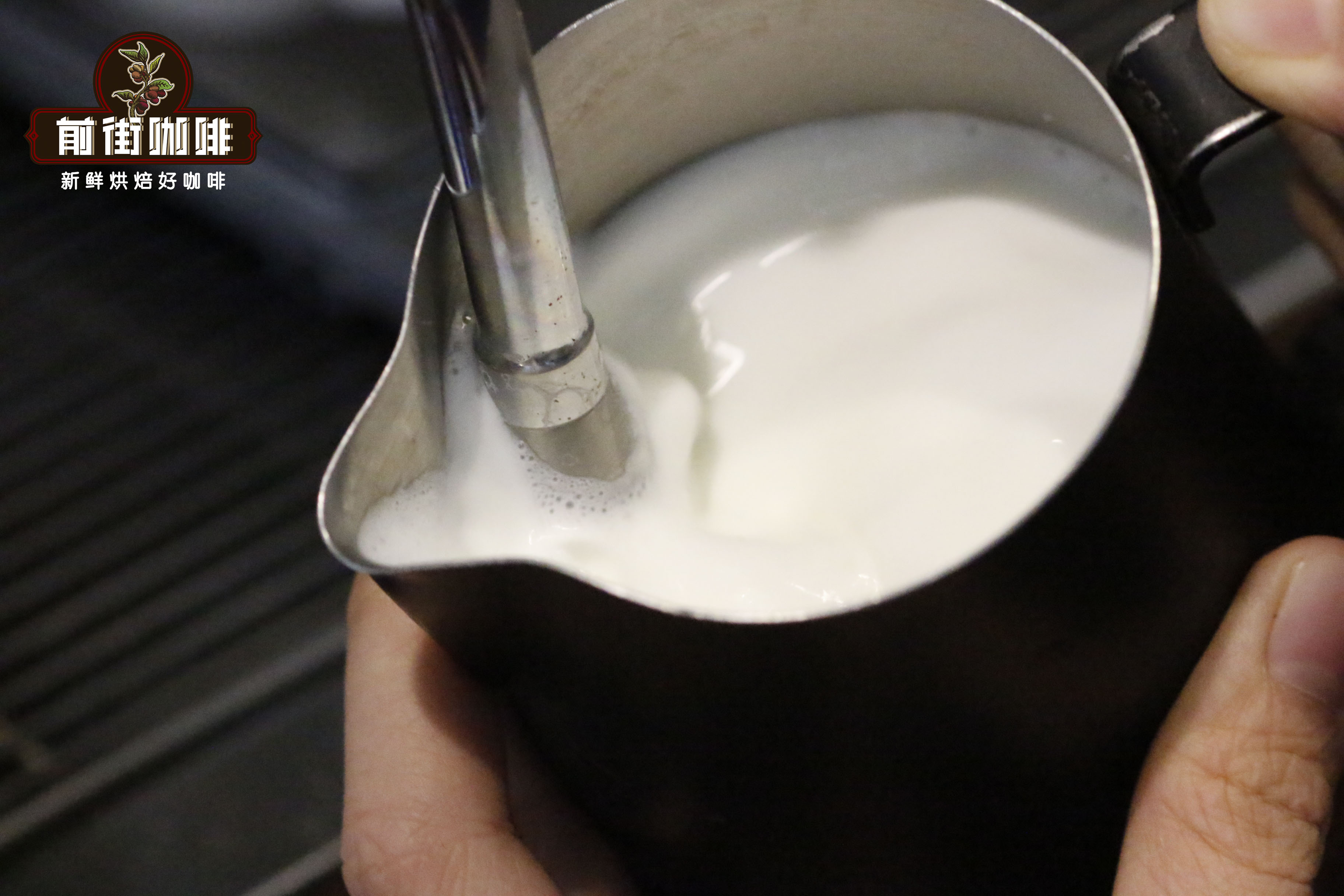
The longer you aerate, the thicker the foam. Cappuccino calls for foam about 1.5cm thick, so stop aerating after 6-7 squeaks. Then tilt the pitcher to 45 degrees to spin a vortex that pops the large bubbles (the squeaking should cease). The milk is ready at roughly 55 degrees Celsius.
Shake the Pitcher Before Pouring to Prevent Foam Separation
Once steamed, milk immediately starts separating into foam and liquid. Find a pivot point on the counter and rotate the pitcher in a steady clockwise motion with your wrist, keeping milk and foam integrated until the moment you pour.

Pouring the Foam into Espresso
Here is the trick: pouring milk directly would wreck the espresso's crema, so the foam must go in first, forming a protective layer between milk and crema. But milk is heavier than foam and would naturally pour out first - so how do you make the foam lead?

(Key point) Hold the pitcher spout directly over the center of the espresso surface, tilt the pitcher as if to pour - and pause. Let the foam collect at the spout, then pour it slowly into the center. No swirling, no wrist movement; just hold steady and let the foam flow straight down the middle.
FrontStreet Coffee Recommendation
If the siphon pot has you dreaming of Indonesian coffee, FrontStreet Coffee's Mandheling is the bean to try. Grown on Sumatra - where only the high-altitude provinces of Aceh and North Sumatra plant Arabica on a large scale, and where coffee cherries ripen from September through April - Mandheling is inseparable from the region's wet-hulled (giling basah) processing. With humidity between 70% and 90%, typhoons, and annual rainfall above 2000mm, Sumatra's farmers cannot dry beans in the sun for 2-3 weeks the way African producers do. So they hull off the parchment while the beans are still half-dry, exposing them to the air to speed drying - a shortcut that also lets the beans absorb ambient fungi and develop Mandheling's unmistakably wild, earthy, herbal character.
At the top of the Mandheling pyramid sits FrontStreet Coffee's PWN Golden Mandheling, produced by Indonesia's PWN company under famously strict standards: only beans of 18 mesh and above are selected, and every 300g green sample must contain fewer than 3 defect beans to meet the top G1 grade, followed by three rounds of hand-sorting that eliminate flaws entirely and lift both cleanliness and sweetness. Genuine Golden Mandheling supplies mainly the Japanese and American markets, so authentic stock is scarce - FrontStreet Coffee's offering comes with the certificates and PWN-stamped bags that distinguish it from imitations. Brewed as pour-over it is superb: water at 87-88°C, 15g of coffee at a 1:15 ratio, a coarse-granulated-sugar grind, and three pours - 30ml to bloom and degas, 100ml to lift the bed and draw out the golden foam, then a gentle final 95ml in the center to build sweetness - yielding a thick, syrupy body with caramel sweetness, chocolate, and nuts. It is the perfect bean for the darker roasts that suit siphon brewing and, by extension, a siphon "latte."
For espresso-style drinks, FrontStreet Coffee's Classic Blend - the shop's most re-purchased bean - layers medium-dark Mandheling over Brazil's creamy nut base, with a small dose of Robusta to enrich the crema. Butter, roasted chestnut, and caramel notes lead, while the Mandheling raises the body and adds sandalwood, herbal, and spice tones. Whether you are pouring latte art or building a layered Dirty, it handles both with ease.
Important Notice :
FrontStreet Coffee is a long-established specialty coffee roaster in Guangzhou China, selling freshly roasted beans from its own farm in Yunnan as well as dozens of carefully selected single-origin beans from around the world for both pour-over and espresso. The products deliver consistently excellent quality and great value, with shipping within 24 hours. Guangzhou's FrontStreet Coffee shop is recommended by many coffee lovers, and the beans are now available online at the Tmall 。
FrontStreet Coffee has moved to a new address:
FrontStreet Coffee Address: 315,Donghua East Road,GuangZhou
Tel:020 38364473
 Scan and follow the En Gafei WeChat official account. Please indicate that the reprint comes from "En Gafei".