
Why Does Brazilian Coffee Have a Strong Nutty Flavor? An Introduction to Brazil Cerrado Red Bourbon Coffee Beans

Where does most of the world's coffee come from? Brazil, of course. Brazil is currently the largest coffee producer on earth, with both large-scale commercial coffee treated as a commodity and specialty coffee led by the Cup of Excellence. Despite that enormous output, FrontStreet Coffee's Brazilian offerings, online and in store, occupy only two "spots" on the list. Why? Study the bean list carefully and you will see that each coffee carries a certain uniqueness. FrontStreet Coffee wants customers to treat its physical stores as tasting rooms, offering as many regional flavors as possible, so the coffees it selects generally represent the classic flavors of their regions. Brazilian coffee, FrontStreet Coffee believes, has a stable flavor but also a certain uniformity, closely tied to Brazil's highly mechanized production.
So let's meet FrontStreet Coffee's two Brazilian beans. First to take the stage is the everyday drinker.
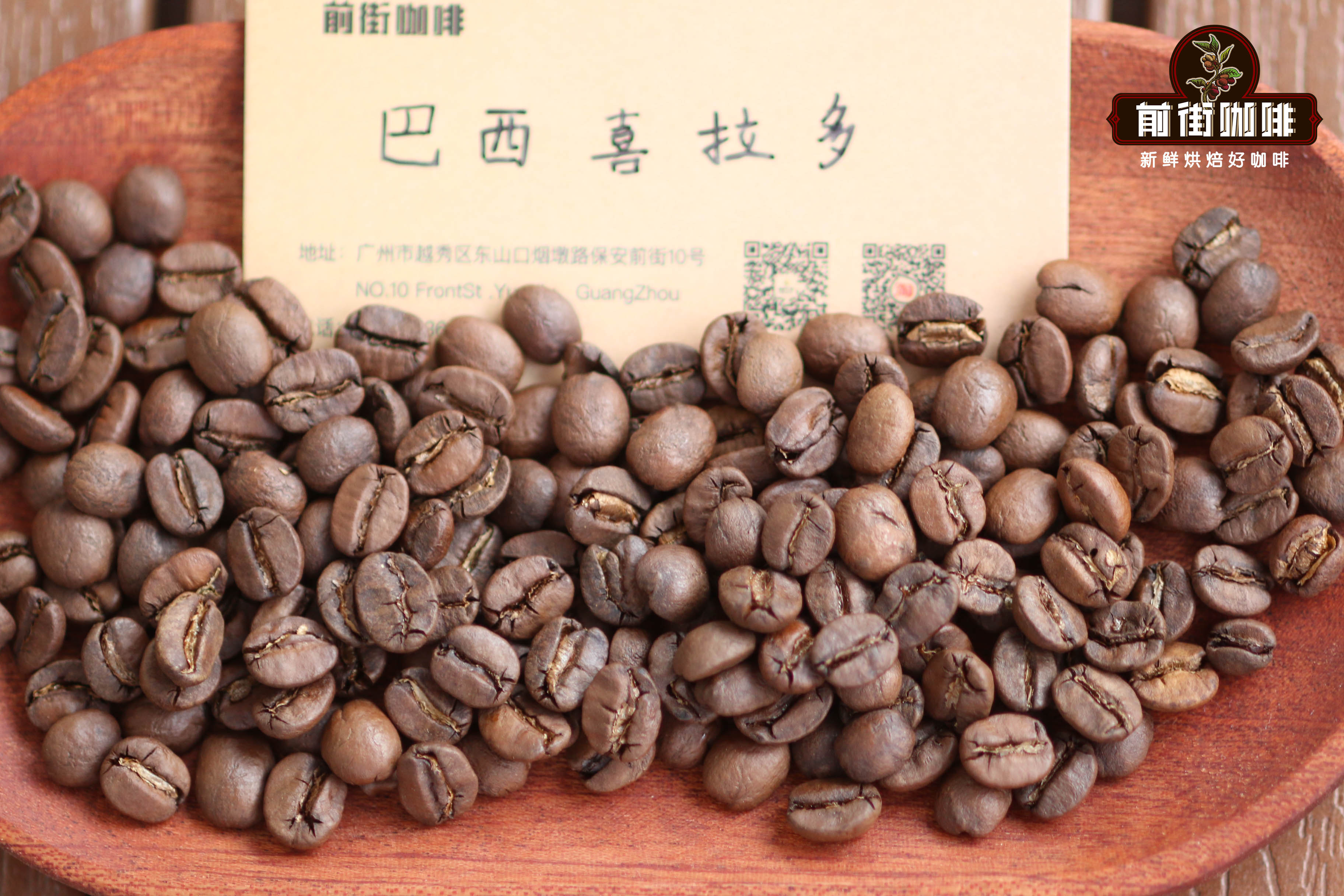
Brazil Cerrado
Country: Brazil
Region: South Minas
Altitude: 1000 meters
Variety: Red Bourbon
Processing Method: Pulped Natural
Flavor: Nuts, chocolate, cream, peanut, caramel
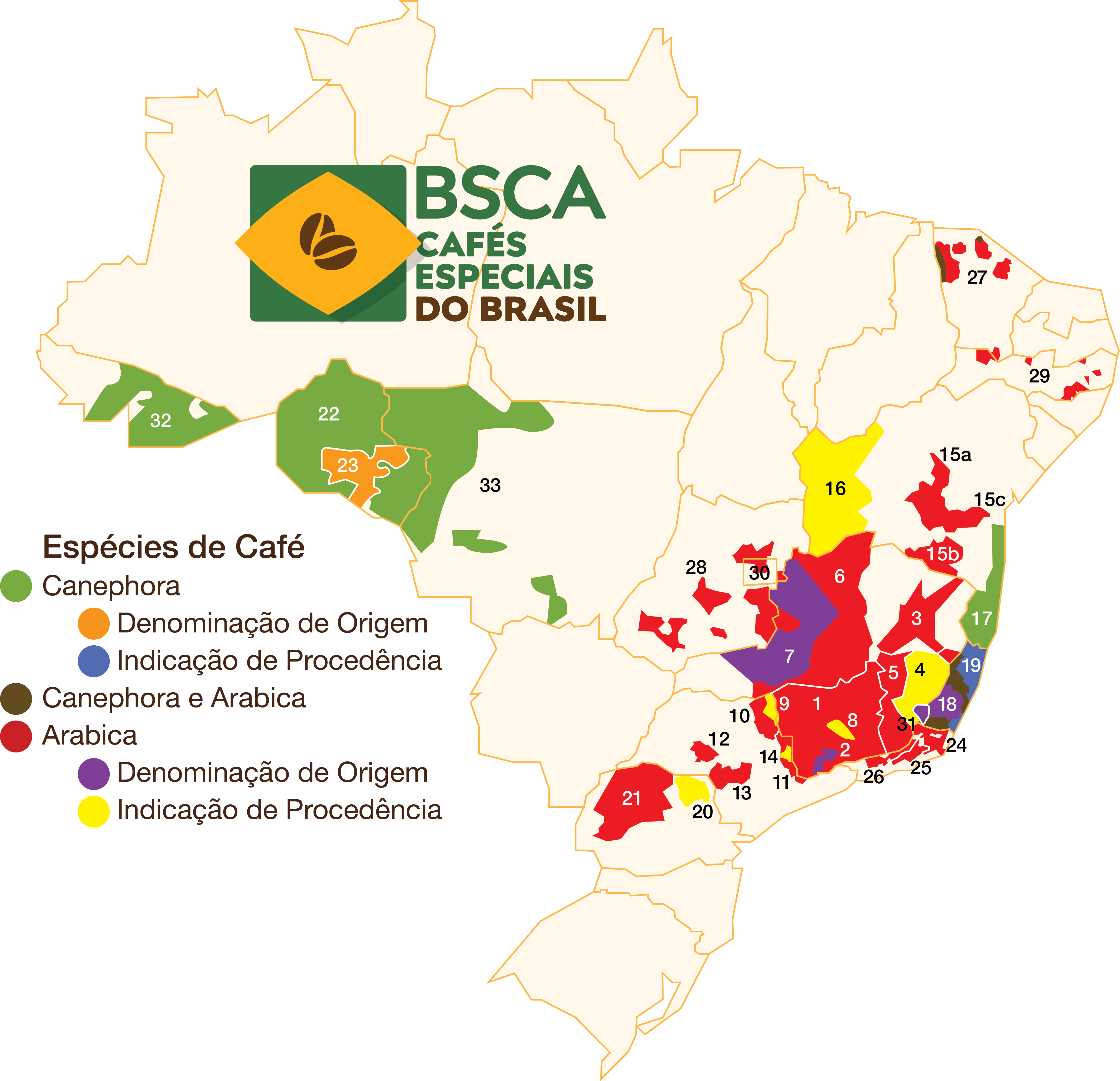
This coffee comes from Minas Gerais state, whose representative producing regions are Cerrado and South Minas, both high-altitude areas. Cerrado lies in the western part of Minas Gerais, a flat plateau at 750 to 1,200 meters. South Minas is hilly terrain at 700 to 1,200 meters. Among the estates that have won Brazil's Cup of Excellence since 1999, South Minas accounts for the highest number, and FrontStreet Coffee recognized the region's capacity for high-quality beans, so it anchored its everyday drinker there.
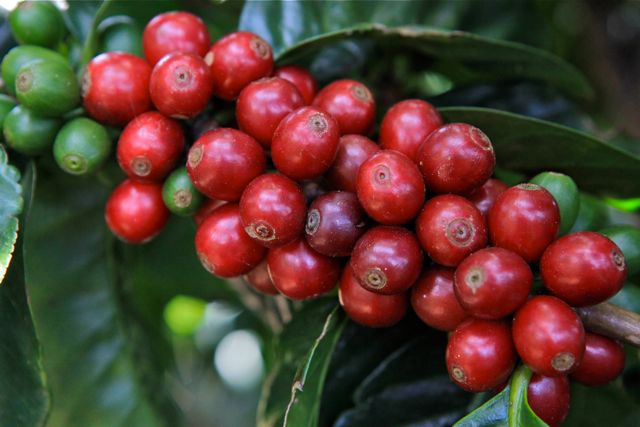
Flavor is tied to variety. Red Bourbon is what we generally call the Bourbon variety: the coffee cherries ripen to a wine-red color and the beans are relatively round. Bourbon grown at high altitude typically has a finer aroma and bright acidity, with flavors reminiscent of red wine. Fermented notes, however, come not only from the variety but also from the pulped natural method.
Before 1990, almost all Brazilian coffee used rough natural processing, which left beans easily tainted with rotten wood or earthy flavors, because cherries had to sun-dry for two to three weeks and mold could set in when rain re-wetted them. To escape the mercy of the weather, Brazil took advantage of its relatively dry climate in 1990 and developed the pulped natural method to shorten processing time.
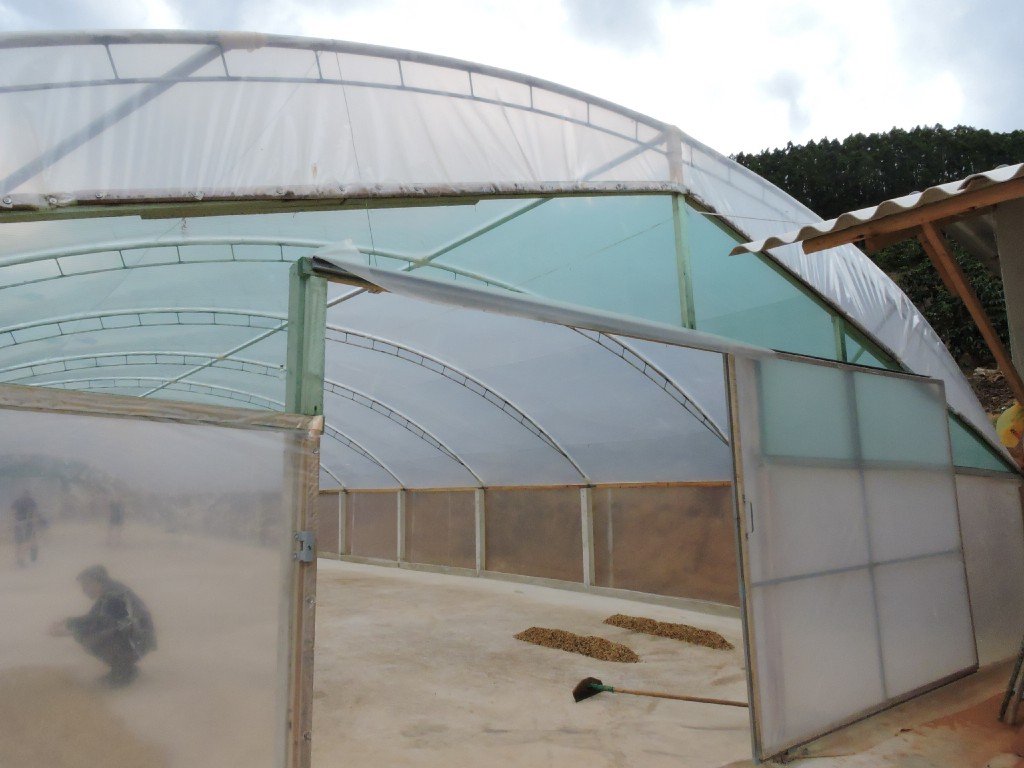
Pulped natural processing removes the skin and pulp of the cherry, allowing the fermentation of the mucilage-coated beans to be controlled after depulping. Traditional natural processing dries the fruit with skin and pulp intact, making the mucilage fermentation impossible to observe. Pulped natural sits between the natural and washed methods, but without the tank fermentation and clear-water rinsing of the washed method, going straight to sun drying instead. The methods may look similar, but without the fermentation step the flavor is completely different. In pulped natural processing, ripe pulp separates easily during depulping while the skin of unripe green cherries does not, allowing a second screening that filters out unripe fruit and unifies ripeness. Compared with the natural method, FrontStreet Coffee believes this improves the cleanliness and maturity of the selected beans and brings a more uniform taste.

The arrival of pulped natural does not mean every Brazilian region uses it. The drier Cerrado region still relies mainly on natural processing, where pulped natural is actually a supporting role. The Cerrado Red Bourbon that FrontStreet Coffee carries is pulped natural, chosen to shorten drying time while avoiding contamination from external factors.
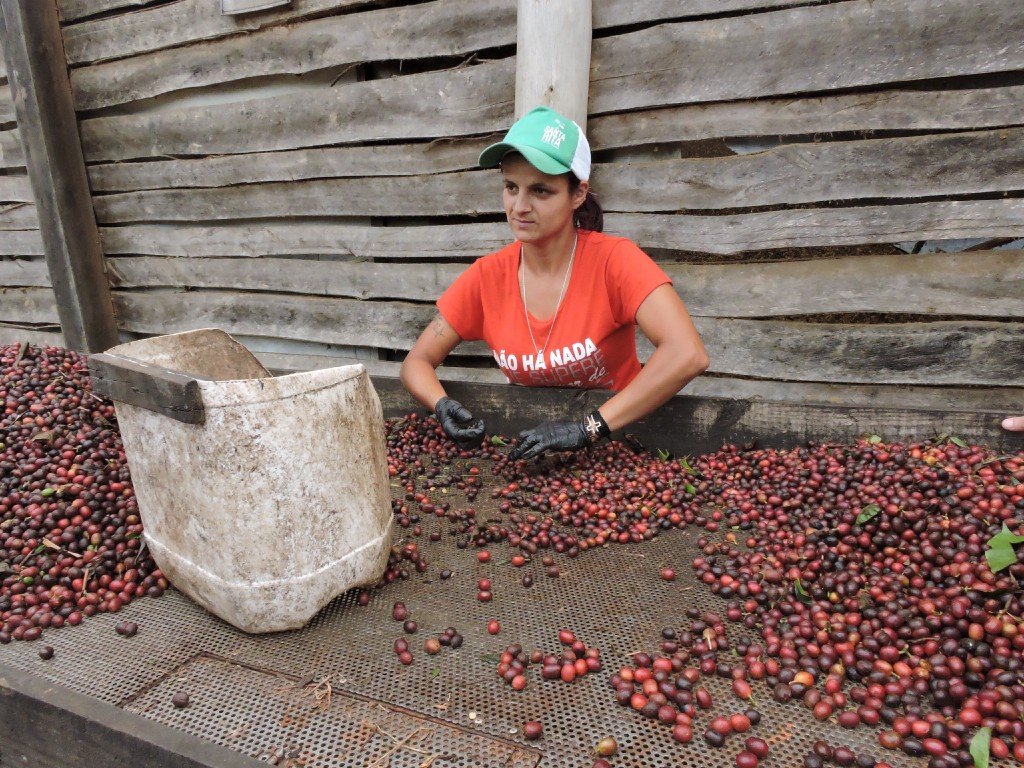
FrontStreet Coffee's other Brazilian bean is the Queen's Estate. It comes from Brazil's Mogiana region, very close to southern Minas, where coffee grows among shrubs and grassland. Many coffee-growing families live here, some running traditional large farms and others small modern operations, and the mix of modern technology with mountain coffee culture has produced top-quality green beans. Through cupping, FrontStreet Coffee found a sugar-like sweetness in coffees from this region. Here is the green bean information:
Brazil Queen's Estate
Region: Brazil Mogiana Region
Estate: Queen's Estate
Altitude: 1400-1950m
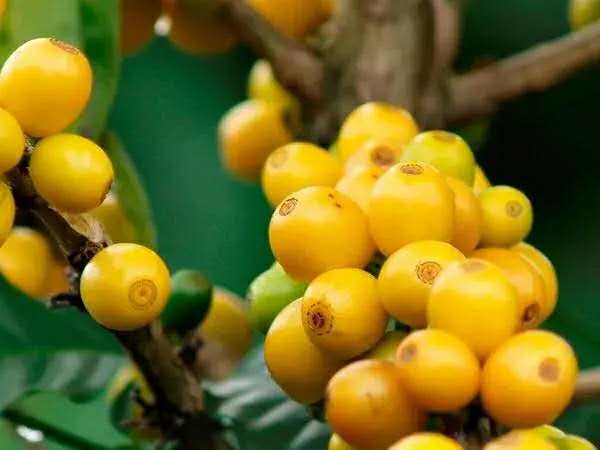
Variety: Yellow Bourbon
Processing Method: Natural Processing
Unlike Brazil's large-scale harvesting and processing, Queen's Estate uses refined natural processing, solving the quality loss caused by large-scale centralized processing.
FrontStreet Coffee chose Yellow Bourbon here, which differs from the Cerrado bean. This variety does not turn red when ripe like ordinary cherries but yellow. It was first discovered in Brazil in 1930 and is mainly grown there today. It is generally thought to have mutated from a cross between the red-fruited Bourbon and a yellow-fruited Typica variant called "Amerelo de Botocatu," discovered in Sao Paulo state in 1871. Because of lower yield and poor resistance to wind and rain, it was never widely cultivated, but in high-altitude areas it shows excellent flavor and has become more common in recent years.
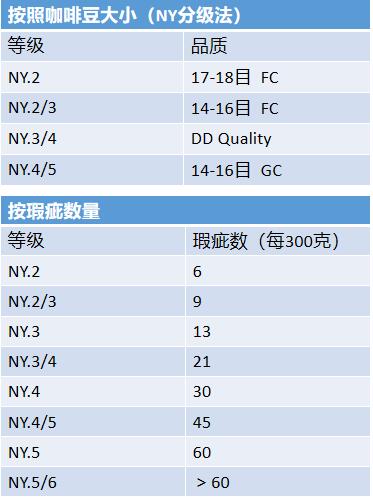
FrontStreet Coffee noticed something interesting when receiving Brazilian green beans: sacks often carry information like "Brazil NY.2 SC - 17/18 FC." This is Brazil's unique three-tier grading system, not adopted by other countries. Because the producing area is so large and output so high, beans are often blended to prepare flavors for export, resulting in uneven quality that must be graded by cupping. This lets buyers judge quality at a glance from the green bean information.
Brazilian grading is genuinely complex. Generally it must be considered from three angles: defect rate, screen size, and cup quality.

1. Grading by Defect Rate
Brazil uses a deduction method, grading on how many defective beans appear in every 300 grams of main beans. There are seven levels, from No. 2 to No. 8. A deduction below 4 qualifies as No. 2. Beans with no defects could be called No. 1, but that is rare and impossible to supply consistently, so Brazil sets No. 2 as its highest grade, not No. 1.
2. Grading by Bean Size
Screen size is measured with a mesh sieve using 1/64 inch as the standard, with screens usually between 14 and 20. Note that the size corresponds to the short side, or width, of the bean. The largest screen size for Brazilian beans is 19, but its volume is low, so 17/18 is considered the highest grade.
3. Cup Quality
fine cup | fine | good cup | fair cup | poor cup | bad cup | FC (Fine Cup) and GC (Good Cup) are the more common grades. Many companies and platforms also add the processing method (natural, washed, or honey) and estate information.
It is worth knowing that Brazilian coffee was once synonymous with "inferior coffee." Farmers pursued quantity over quality and even mixed in soybeans, small stones, and other debris. Because Brazilian coffee was named after its export port, the largest port, Rio de Janeiro, also became a "notoriously stinky" bean. The arrival of COE was meant precisely to change the quality of Brazilian beans, and the NY grading system standardized those standards, so Brazilian coffee was later removed from the list of inferior beans.
So what flavors do today's Brazilian beans present? Follow FrontStreet Coffee into the mysteries of brewing.
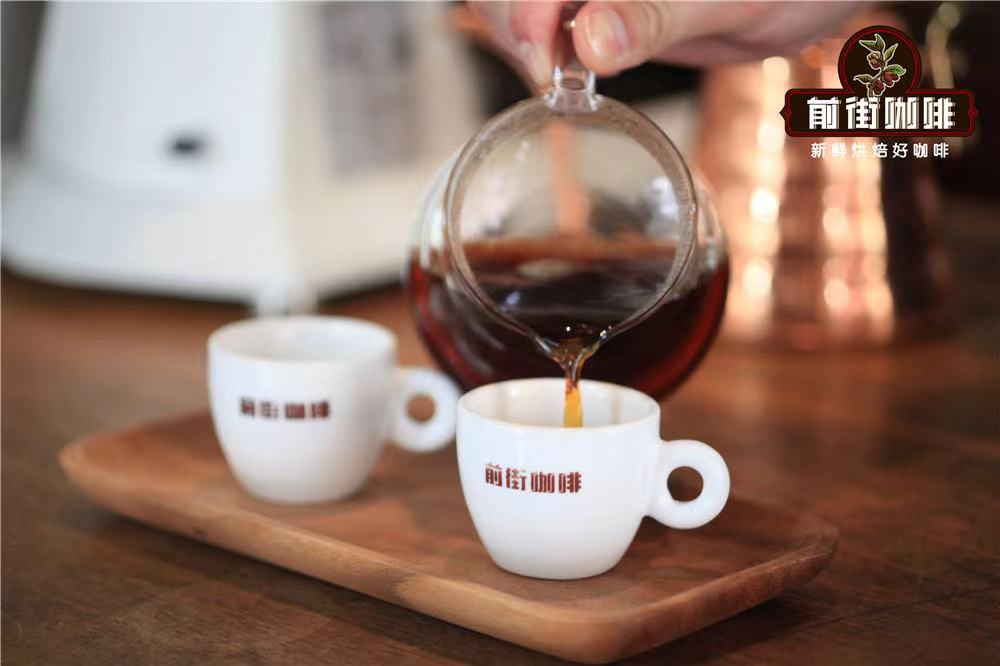
FrontStreet Coffee Brewing Recommendations:
Filter: KONO
Dose: 15g
Water Temperature: 90C
Grind Size: Medium grind, 70% passing through a No. 20 standard sieve
Water-to-coffee ratio: 1:15
FrontStreet Coffee uses segmented extraction, with the bloom water equal to twice the coffee dose, that is, 30 grams of water for a 30-second bloom. After a small-stream circular pour to 125 grams, pause when the water level drops and is about to expose the coffee bed, then continue pouring to 225 grams and stop. The entire extraction takes 2 minutes.

Brazil Cerrado flavor: high sweetness, clean, smooth, low acidity, with flavors of peanut, almond, nuts, and chocolate.
Brazil Queen's Estate flavor: balanced mouthfeel, with sugarcane sweetness standing out over a base of almond and cocoa, a coffee with good fullness and abundant sweetness.
FrontStreet Coffee Recommendation
If you want a first taste of Brazil, FrontStreet Half-Sun-Dried Cerrado is a classic single-origin Brazilian bean. Cerrado is a well-known producing region prized for high-quality beans, and this Red Bourbon from South America shows cream peanut, toast, caramel, and hazelnut aromas under a medium roast, with a round, low-acid body and a light bitterness. It works for pour-over and equally well in a moka pot, espresso SOE, siphon, or French press.
FrontStreet Brazil Queen's Estate comes from Mogiana, near South Minas, where fertile red volcanic soil lets the fruit develop a full aroma. Its rare Yellow Bourbon variety, mutated from Red Bourbon, has a cleaner fruit character, and across pour-over, moka pot, or a home espresso machine it shows a sugarcane sweetness that other regions lack, alongside fruit and chocolate notes.
Brazilian beans also anchor FrontStreet Coffee's espresso blends: the rich-crema Classic Blend, the nutty Specialty Blend, the balanced Black Cocoa Blend that many baristas recommend, and FrontStreet Coffee's Commercial Blend built for cafes all contain Brazilian coffee, which contributes chocolate and cream aromas plus a soft sweet-sour-bitter balance that helps keep extraction stable.
Important Notice :
FrontStreet Coffee is a long-established specialty coffee roaster in Guangzhou China, selling freshly roasted beans from its own farm in Yunnan as well as dozens of carefully selected single-origin beans from around the world for both pour-over and espresso. The products deliver consistently excellent quality and great value, with shipping within 24 hours. Guangzhou's FrontStreet Coffee shop is recommended by many coffee lovers, and the beans are now available online at the Tmall 。
FrontStreet Coffee has moved to a new address:
FrontStreet Coffee Address: 315,Donghua East Road,GuangZhou
Tel:020 38364473
 Scan and follow the En Gafei WeChat official account. Please indicate that the reprint comes from "En Gafei".

