What Are the Flavor Differences Between Various Coffee Brewing Methods? How Do Cold Brew and Cold Drip Coffee Differ?
A Comparative Review of Cold Coffee Brewing Methods
Hot coffee may offer more complexity, but in weather this scorching… sorry, hot coffee, I am still choosing iced.

As the temperature keeps climbing, plenty of people have dived headfirst into iced coffee. That naturally raises a question: with so many kinds of iced coffee, how do they actually differ in taste? So today FrontStreet Coffee is here to compare how the same beans, prepared by different methods, turn into different iced coffees.
First, the beans used in this article: FrontStreet Coffee's Anaerobic Natural Santa Teresa. They come from the Santa Teresa processing plant in the Sidamo region of Ethiopia, and cupping reveals pineapple, citrus, blueberry, mango, and red wine. The reason for choosing them is simple — yesterday's cold drip was made with the same beans, which saves FrontStreet Coffee the trouble of making cold drip from scratch today. Why not?

So let's see how FrontStreet Coffee's Santa Teresa performs under different brewing methods.

1. Iced Pour-Over (Drip Extraction)
FrontStreet Coffee's iced pour-over is a Japanese-style method adapted from hot brewing. Part of the hot water used for extraction is replaced with ice for the cooling effect, while the grind is set finer to compensate for the lower extraction efficiency caused by using less hot water.
Extraction parameters:
- Coffee dose: 15g
- Coffee:water:ice ratio: 1:10:6 (15g coffee, 150ml hot water, 90g ice)
- Grind setting: EK43 setting 9, with 85% passing through a #20 sieve
- Brewing temperature: 92°C
- Dripper used: V60
- Brewing method: Three-stage pour
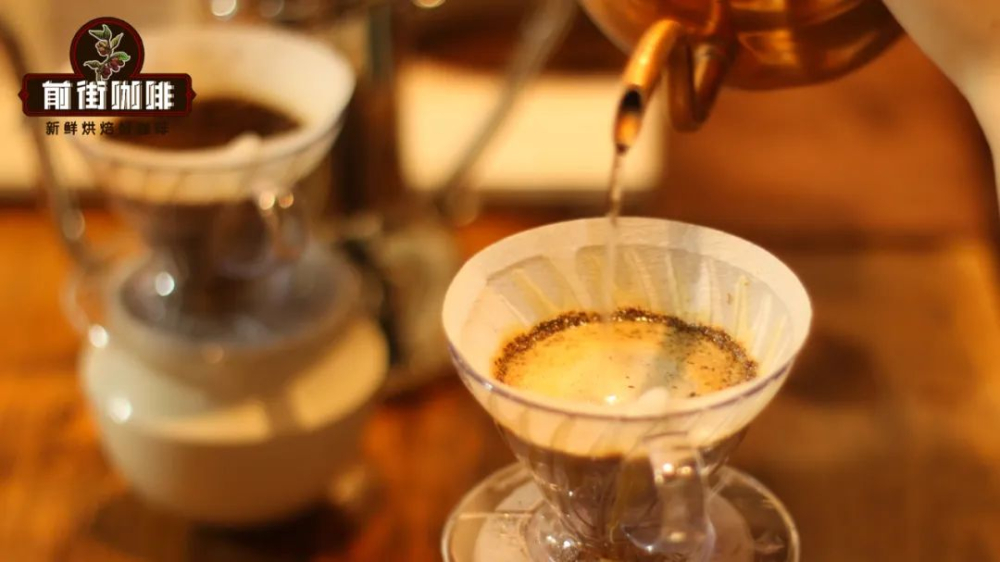
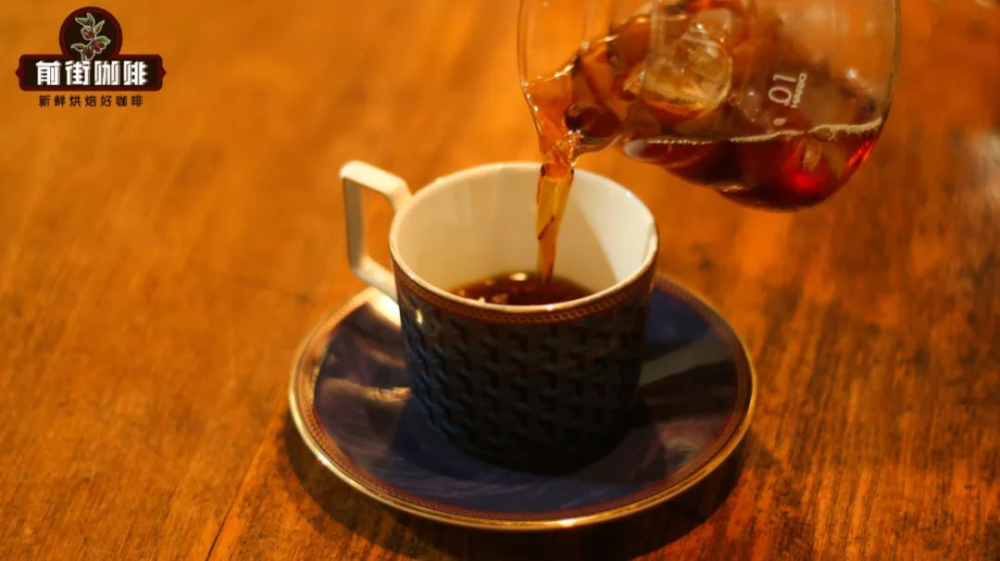
Total extraction time was 1 minute and 35 seconds. The Santa Teresa brewed with ice has lively acidity, with prominent citrus and pineapple flavours along with subtle mango and red wine notes. It tastes very much like tropical fruit juice — and extremely clean.
2. Iced Americano (Pressurized Extraction)
Because FrontStreet Coffee's Santa Teresa is anaerobically processed, replacing the Sunny Blend in the espresso grinder's hopper with these beans needed only a small adjustment to grind finer before shots could be pulled.
The extraction parameters are quite simple:
- Coffee dose: 20g
- Coffee:liquid ratio: 1:2
- Total extraction time: 31 seconds
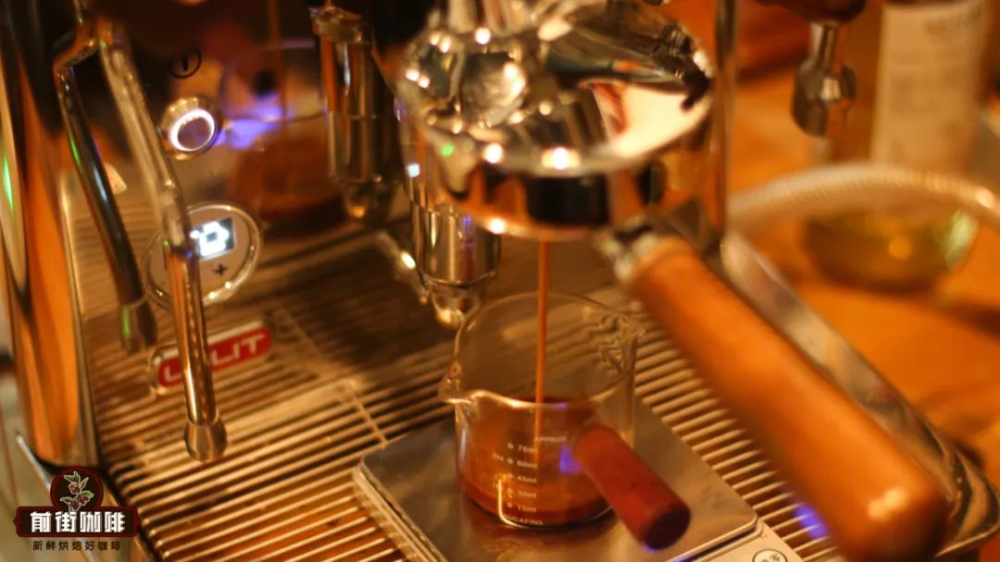
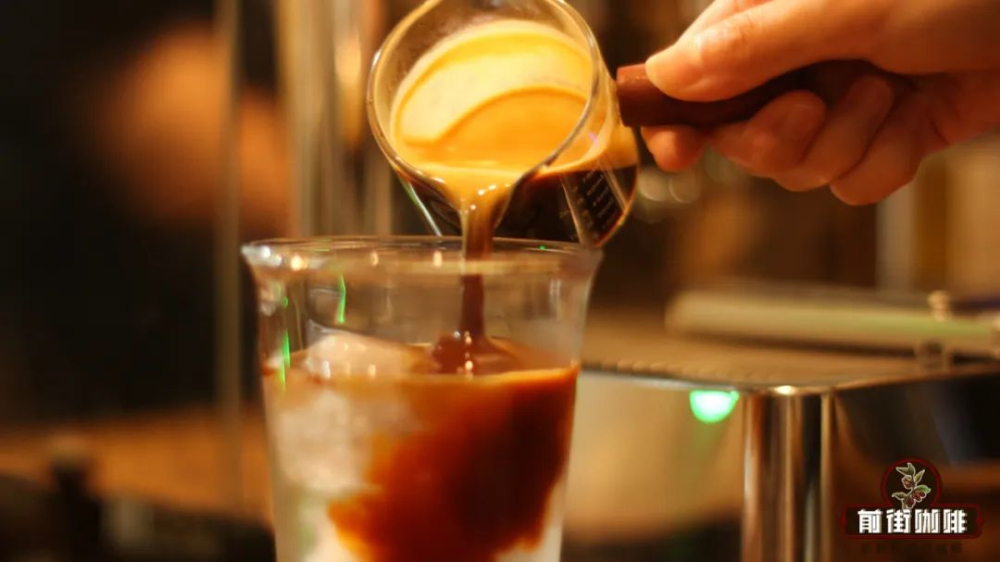
But since we are making an iced Americano, the process does not end there. The preparation parameters are:
- SOE: 40ml
- Ice: 100g
- Water: 160ml
Pour the ingredients into the cup in order, then stir with a spoon or straw before drinking.
The iced Americano is equally delightful: bright acidity, with mango, pineapple, and some citrus. The red wine aroma in the aftertaste is long-lasting, and the espresso oils give the whole drink a richer, more mellow mouthfeel.
3. Cold Drip Coffee (Low-Temperature Drip)
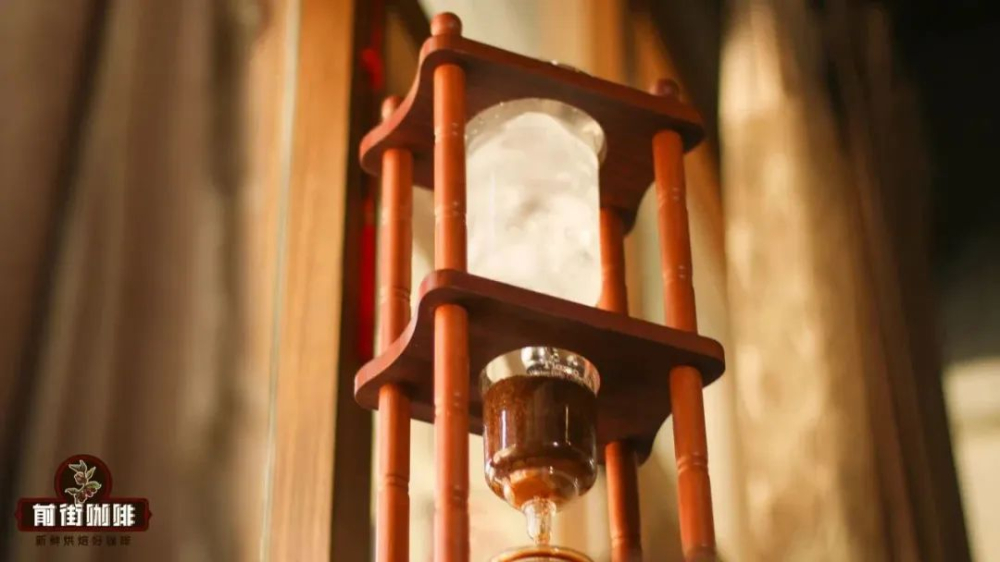
Cold drip is the most time-consuming method in today's review. With the right grind and the right amount of ice water, extraction drips slowly for hours, followed by extended refrigerated fermentation. FrontStreet Coffee's parameters are:
- Coffee grounds: 60g
- Ice water: 600ml
- Drip rate: 5 drops per 10 seconds
- Extraction time: 6 hours
- Fermentation time: 8 hours
To serve, prepare 80g of ice, then pour over 200ml of the fermented cold drip coffee. The experience is quite different from the previous two: the acidity is soft and rounded, the flavour is dominated by the sweet-sourness of mango and blueberry, the red wine aroma is rich, and a subtle pineapple sweetness lingers in the finish. It is a very rich, clean, delicious coffee.
4. Cold Brew Coffee (Low-Temperature Immersion)
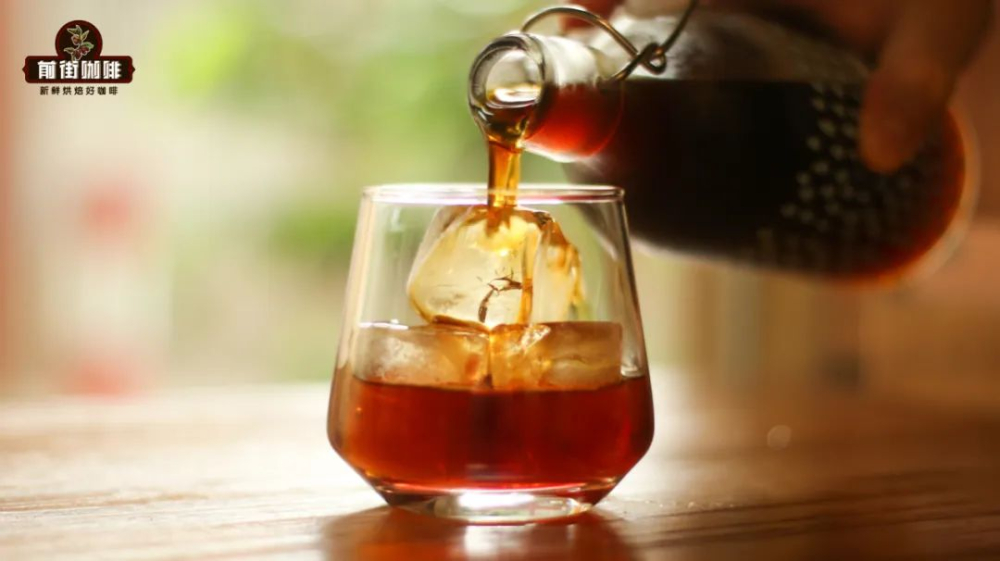
Honestly, cold brew is FrontStreet Coffee's favourite to make. It could hardly be simpler: grind the coffee, add water, refrigerate to steep, filter, and you are done.
The cold brew parameters are:
- Coffee grounds: 60g
- Coffee:water ratio: 1:10 (60g coffee, 600ml water)
- Steeping time: 8 hours
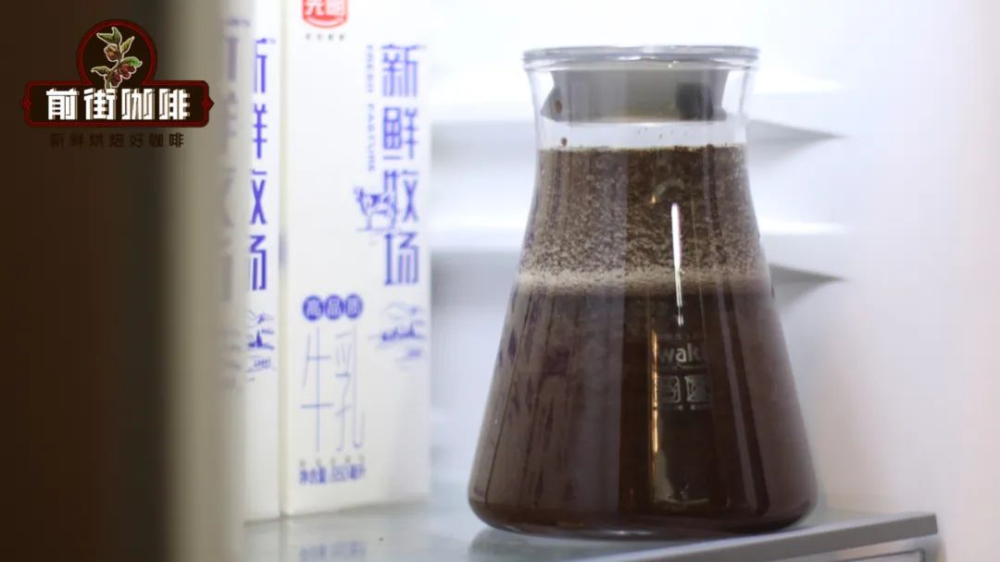
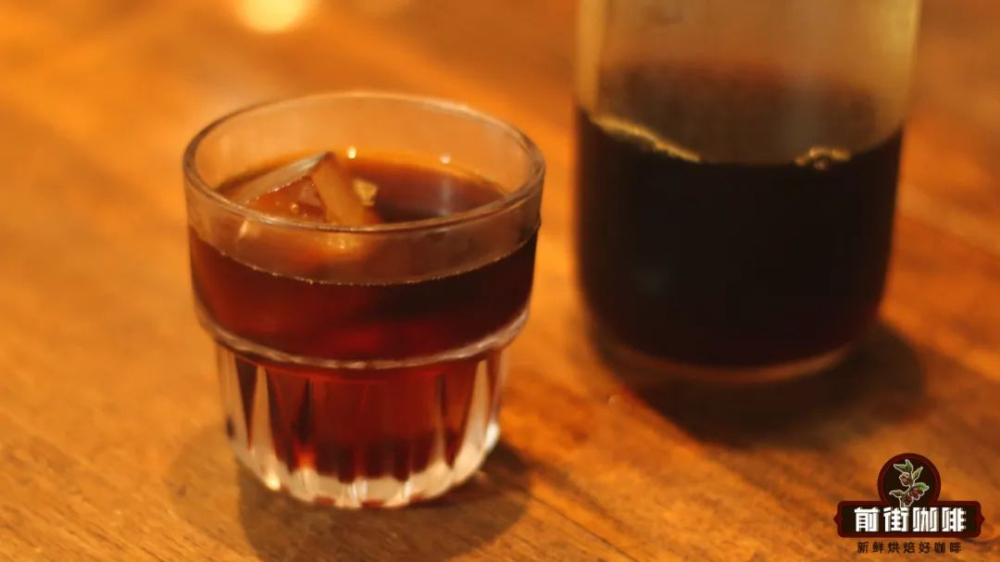
Before drinking, add 80g of ice to dilute the cold brew a little. Cold brew is just as rich. The pineapple and mango acidity is gentle, and the red wine aroma is substantial. What sets it apart from cold drip is that, because it is an immersion extraction, it gives up some clarity but ends up fuller than cold drip.
Conclusion
So the same beans, brewed four different ways, show four completely different characters. Each has its own strength — there is no good or bad, just different kinds of delicious. So which iced coffee do you prefer?
- END -
FrontStreet Coffee (FrontStreet Coffee)
No. 10, Bao'an Front Street, Yandun Road, Dongshankou, Yuexiu District, Guangzhou, Guangdong Province

FrontStreet Coffee Recommendation
Cold methods reward beans that stay juicy when the temperature drops, and a natural Ethiopian is a fine place to start. FrontStreet Coffee's sun-dried Huakui comes from the Hambella area of Guji in Sidamo, from a 200-hectare farm that uses the traditional natural method: ripe cherries are dried on raised beds for 21 days, turned constantly so they dry evenly, and screened by hand every three to five days to remove flawed or mouldy beans. Roasted medium-light, it gives a light fermented wine aroma with florals, citrus, and mango, plus honey sweetness and cocoa with a touch of spice, a thick body, and a long finish.
For a cleaner, tea-like cold drip, FrontStreet Coffee's Kaffa Forest coffee is a good contrast. It comes from a wild-coffee area rather than backyard plots, with trees growing in shade between 1,400 and 2,100 metres; the pristine setting, microclimate, red soil, and ample rainfall shape the cup. Roasted medium-light, it shows clear white florals on the grind, bright lemon acidity and sweet orange and bergamot on the palate, with a melon-and-nut sweetness in the aftertaste and a body like green tea.
Important Notice :
FrontStreet Coffee is a long-established specialty coffee roaster in Guangzhou China, selling freshly roasted beans from its own farm in Yunnan as well as dozens of carefully selected single-origin beans from around the world for both pour-over and espresso. The products deliver consistently excellent quality and great value, with shipping within 24 hours. Guangzhou's FrontStreet Coffee shop is recommended by many coffee lovers, and the beans are now available online at the Tmall 。
FrontStreet Coffee has moved to a new address:
FrontStreet Coffee Address: 315,Donghua East Road,GuangZhou
Tel:020 38364473
 Scan and follow the En Gafei WeChat official account. Please indicate that the reprint comes from "En Gafei".