
Can You Make Latte Art on Iced Lattes? Why Do You Need Hot Milk for Latte Art?

Customer: "I'd like a latte—can you do latte art?"
FrontStreet Coffee barista: "Sure—but only on hot lattes!"
Customer: "Oh? Why can't you do latte art on iced lattes?"
FrontStreet Coffee barista: "Well..."
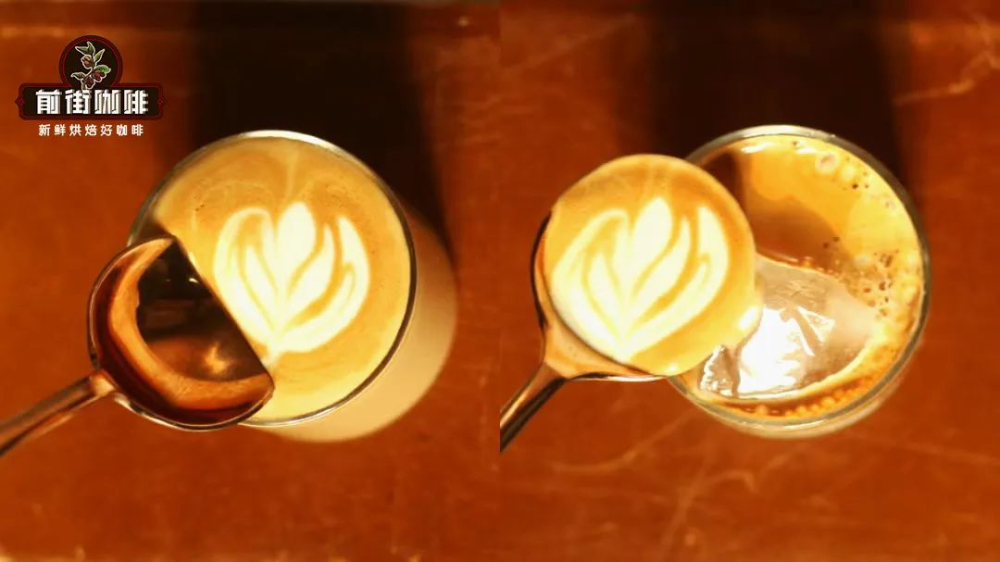
(The barista's inner monologue: Are they seriously asking me to try?)
In our experience, a hot latte usually arrives crowned with an eye-catching pattern that sometimes survives all the way to the bottom of the cup. But its equally classic sibling, the iced latte, shows nothing more than espresso poured over ice and milk—and the barista will kindly remind you to stir first. As coffee, milk, and ice mingle, the drink settles into a uniform milk-tea brown.
Which naturally raises the question: both are espresso plus milk, so why do baristas only pour art on the hot version?
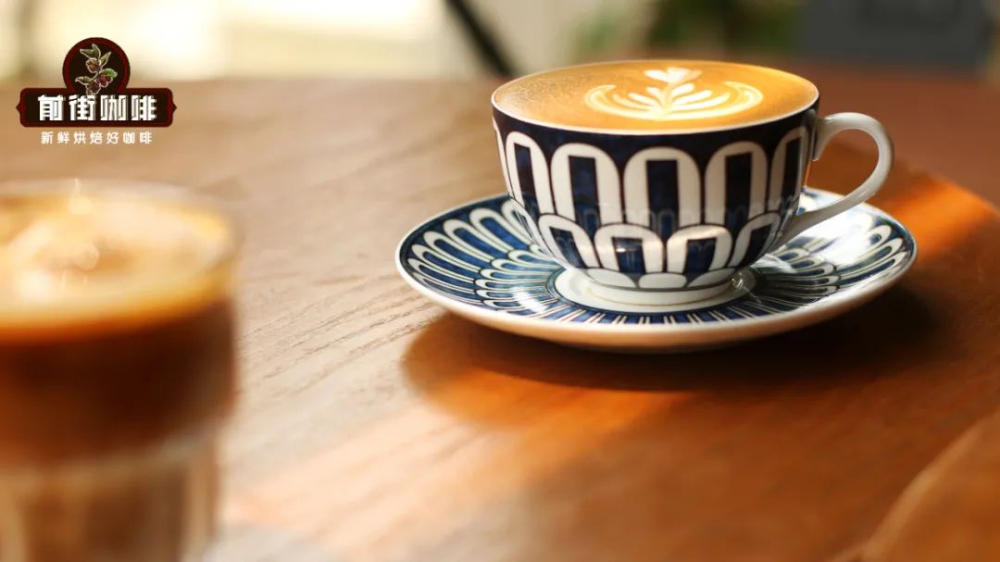
How is latte art formed?
Latte art is exactly what the English name says: the art of the latte—drawing floral patterns on coffee with milk. During frothing, milk produces foam (air wrapped in protein), which floats on the liquid surface thanks to its lower density. When combined with espresso, the liquid milk and coffee sink while the crema and foam rise, and the stark color contrast between the two layers is what renders the pattern. Theoretically, no milk, no latte art.
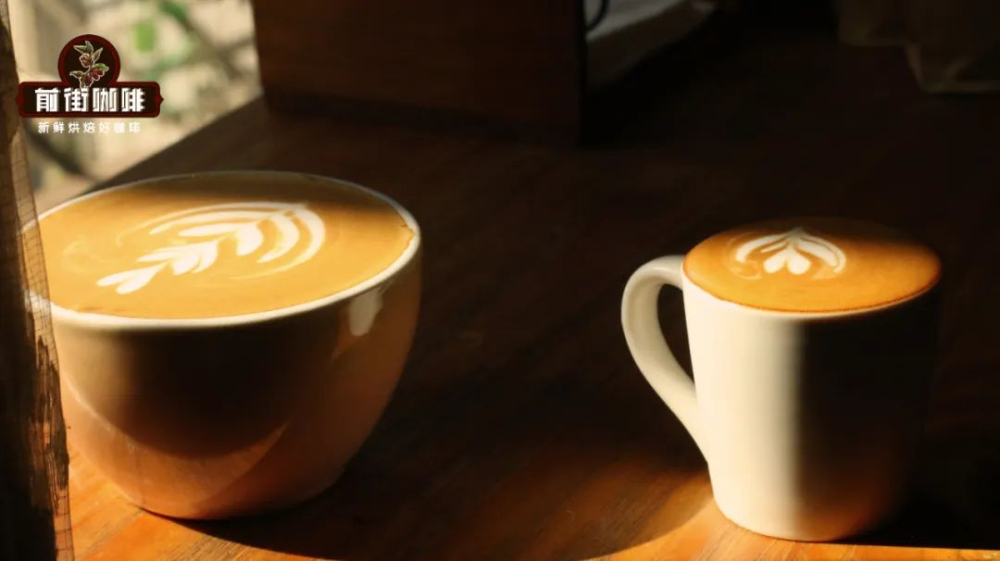
(PS: To some extent, "latte art" on an Americano is possible using frothing tricks, but that foam is just water and espresso—highly unstable and not pleasant in texture—so it's generally not considered real latte art, and few cafés would serve such a novelty routinely.)
Back on track. The ability to draw intricate patterns on a hot latte rests on three things. Good latte art first requires fine microfoam as its raw material; second, the warmth of espresso and milk gives them the fluidity and stability to merge smoothly; and third, a practiced barista uses pouring, swinging, and line-drawing techniques to lay down clean, beautiful patterns on the surface.
Why don't iced lattes have latte art?
An iced latte is, as the name says, a cold latte: espresso plus plenty of iced milk. Its biggest difference from the hot version is that there's no steamed, frothed milk at all. Instead, ice cubes play the supporting role that keeps everything cold. The ice does dilute the coffee somewhat, but in exchange you get refreshing comfort and the subtle sweetness unique to chilled coffee—finish a whole cup and you won't feel heavy.
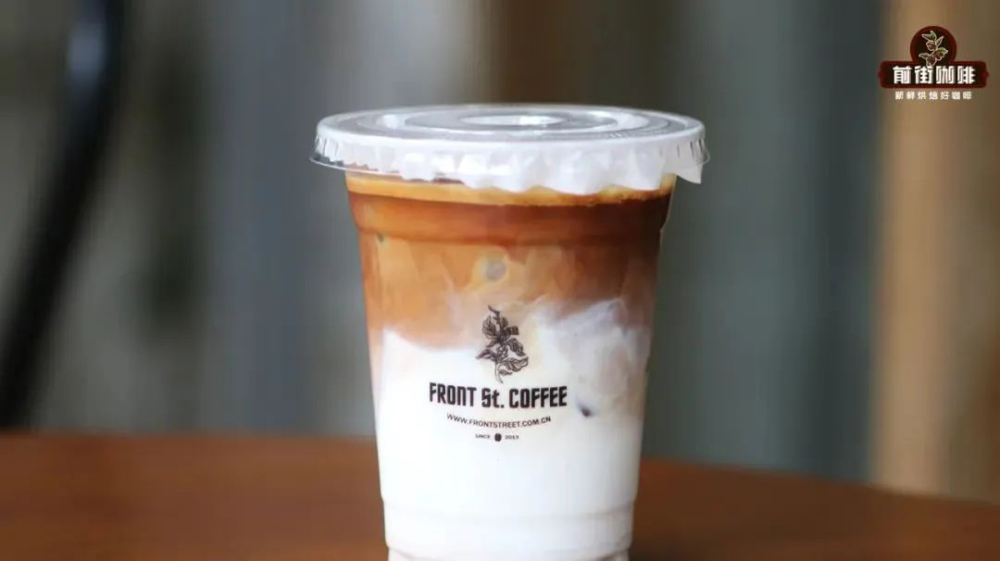
Normally, following the hot-latte procedure, an iced latte would be stirred thoroughly before serving. But to "accommodate" everyone's photo needs—and to keep that striking layered look when it lands on the table—modern iced lattes typically get espresso poured straight over the ice and milk, with stirring left to the customer. And once milk skips the frothing step, latte art becomes impossible: combined, the two liquids inevitably just blend.
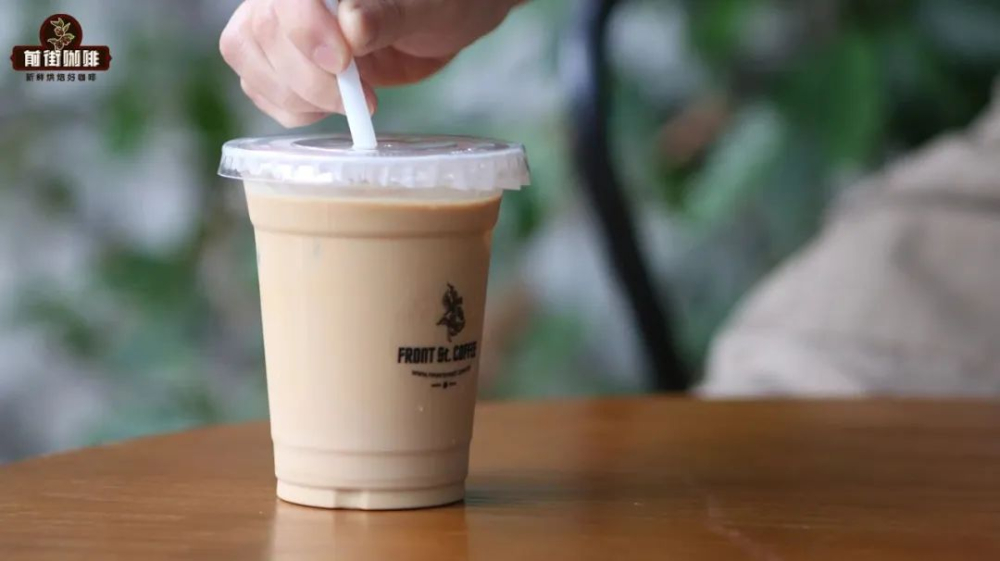
FrontStreet Coffee's attempts with cold milk foam
Making latte art on an iced latte isn't entirely impossible, though. Some enthusiasts have reasoned: if latte art needs foam, why not substitute cold foam for hot, then pour exactly as usual?
Since a steam wand is inherently hot, the challenge is producing silky, fluid, fine cold foam without one. The simplest tool is a handheld electric frother, which spins a fine mesh to break the air drawn into the milk into microbubbles—separating heating from frothing turns cold milk into cold foam.
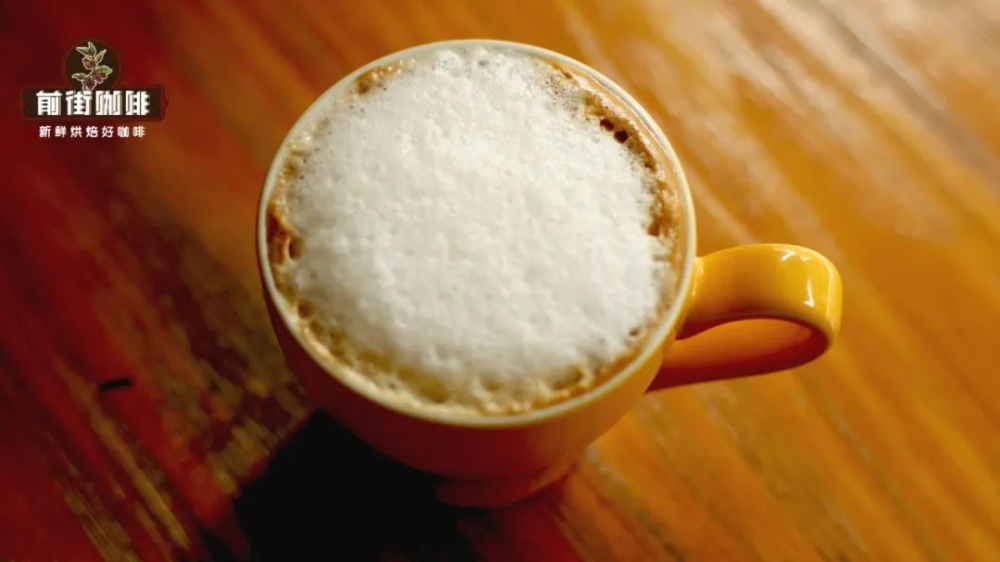
In our experiments, though, we ran into awkward problems. With the handheld frother, we had to hold the "vortex" much longer to shrink all the incorporated air into fine bubbles, and it was easy to gulp in too much air (that telltale whoosh), ruining the final texture. The resulting cold foam was not only stiff and thick but refused to blend evenly with the espresso—drinking it, the rigid foam sat unmoved on top, nothing like the silkiness of a hot latte. Worse, its coarse structure was extremely unstable: more than half of it dissipated in under two minutes.
So FrontStreet Coffee borrowed the approach used for iced cappuccinos and switched to a French press for the cold foam. Unlike a straight iced cappuccino replication, we tried to keep the mesh from leaving the liquid surface while plunging, to limit air intake and improve fluidity. The press-made foam was still fairly thick, but it stayed silky and glossy.
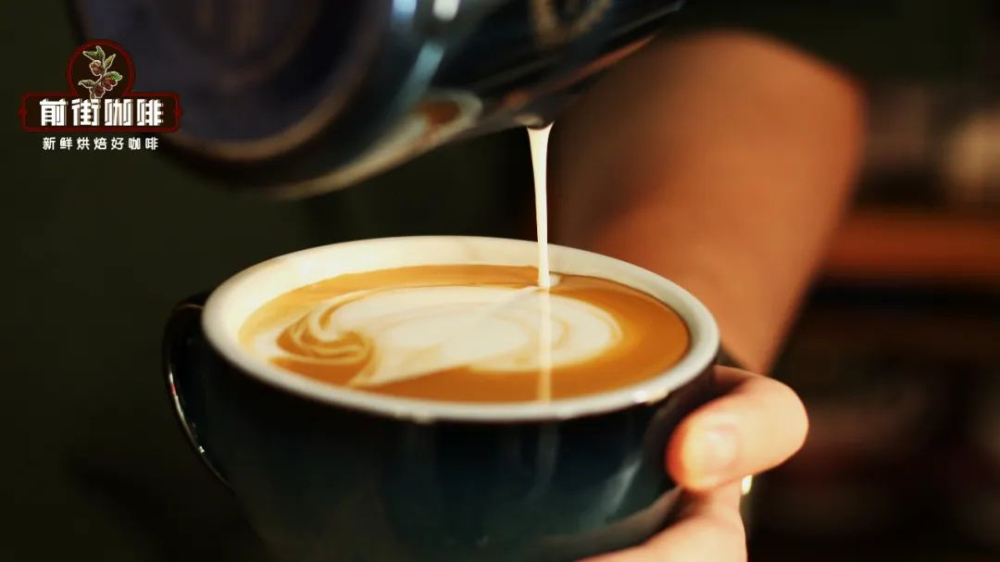
With real effort from the barista, this "iced latte" did manage a small, somewhat blurry flower pattern. The foam was dense, the espresso's nutty crema came through, and the slightly cool sip was surprisingly smooth.
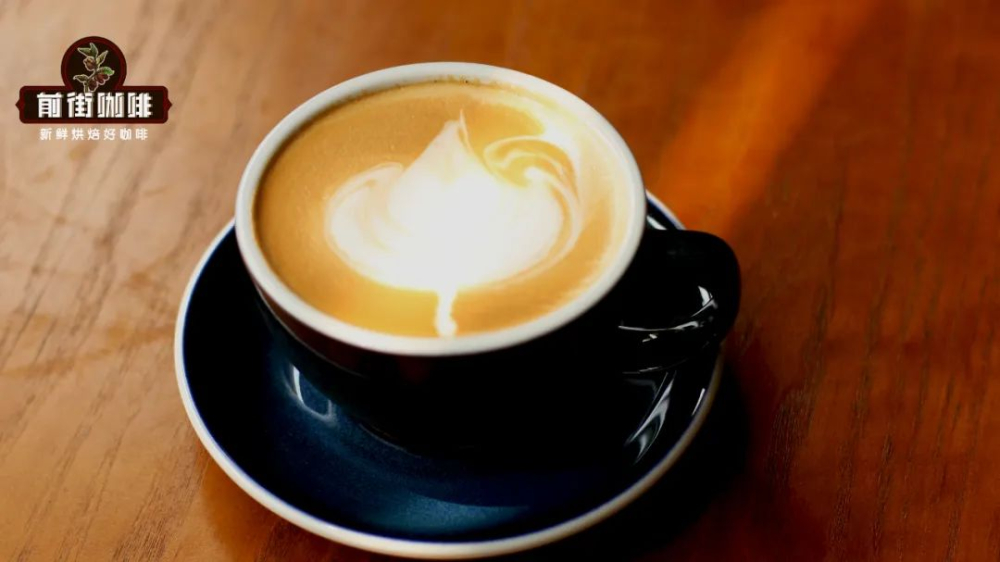
But then again—can this ice-free "iced latte" really be called an iced latte?
- END -
FrontStreet Coffee
No. 10, Bao'an Qianjie, Yandun Road, Dongshankou, Yuexiu District, Guangzhou, Guangdong Province
FrontStreet Coffee Recommendation
However you take your latte—hot with art or iced with layers—espresso quality decides everything. If you're learning latte art at home, start with FrontStreet Coffee's Classic Blend: a medium-dark espresso formula from three origins, inspired by the old-school Mandheling-and-Brazil pairing with a touch of Robusta for aroma and body. It shows butter, roasted toast, and caramel biscuit notes with a solid mouthfeel, fine crema, and rock-steady extraction—an essential home bean for beginners. The FrontStreet Premium Blend, built on washed Colombia and pulped-natural Brazil, adds nut, dark chocolate, and caramel, and in milk drinks brings out cream, almond, and cocoa—crema rivaling café output and more than enough for practicing pours, ideal whether you dream of opening a shop or just studying at home.
If your iced latte leans sweeter and fruitier, pull a single-origin shot instead. The FrontStreet Natural Huakui (Flower Witch) SOE—from Hambella, Guji, Ethiopia, grown at up to 2,300 meters and processed as a natural—roasted medium gives an iced latte notes of cream, cocoa, berries, gentle florals, and black tea. And the FrontStreet Blackberry SOE, a honey-processed Costa Rica whose blackberry sweetness comes from drying in its own mucilage, pairs with milk into cranberry cookie, raisin, and nut flavors—a gorgeous cold drink.
Important Notice :
FrontStreet Coffee is a long-established specialty coffee roaster in Guangzhou China, selling freshly roasted beans from its own farm in Yunnan as well as dozens of carefully selected single-origin beans from around the world for both pour-over and espresso. The products deliver consistently excellent quality and great value, with shipping within 24 hours. Guangzhou's FrontStreet Coffee shop is recommended by many coffee lovers, and the beans are now available online at the Tmall 。
FrontStreet Coffee has moved to a new address:
FrontStreet Coffee Address: 315,Donghua East Road,GuangZhou
Tel:020 38364473
 Scan and follow the En Gafei WeChat official account. Please indicate that the reprint comes from "En Gafei".

