
What is Lungo? How does it differ from Long Black, Ristretto, and Espresso?
Because "Lungo" so often appears alongside "Long Black," it causes endless confusion! FrontStreet Coffee has recently spotted claims online like "the difference between Lungo and Americano is the order of adding espresso and water," or "a Long Black is an Americano built on a lungo base."

Clearly, many people aren't quite sure what Lungo actually is. So today, let's sort it out.
Long Black vs. Americano
The drink that genuinely differs from the Americano by preparation order is the Long Black: espresso first, then water added over it makes a Long Black; water first, espresso poured on top makes an Americano!
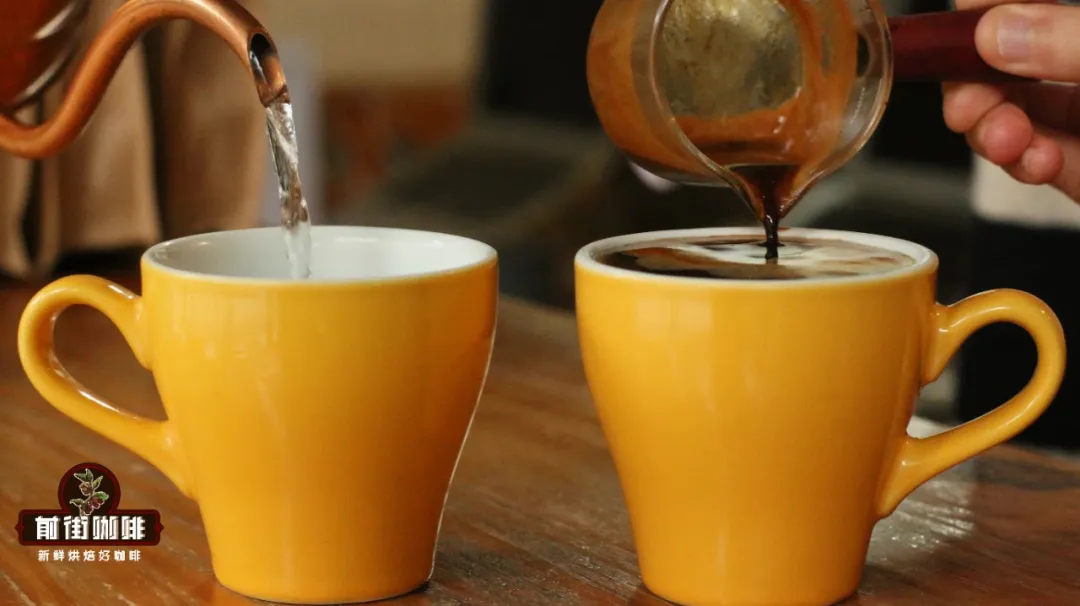
They also differ meaningfully in strength: an Americano gets more water, a Long Black less — so the Long Black is more concentrated. (FrontStreet Coffee has covered Long Black in detail before; see "What is Australian Black?" for more.) But Lungo is a completely different creature from both.
What is Lungo?
Though it departs from traditional espresso practice, Lungo — like Ristretto — belongs to the espresso family: it's made entirely with the espresso machine, with no ingredients added afterward.
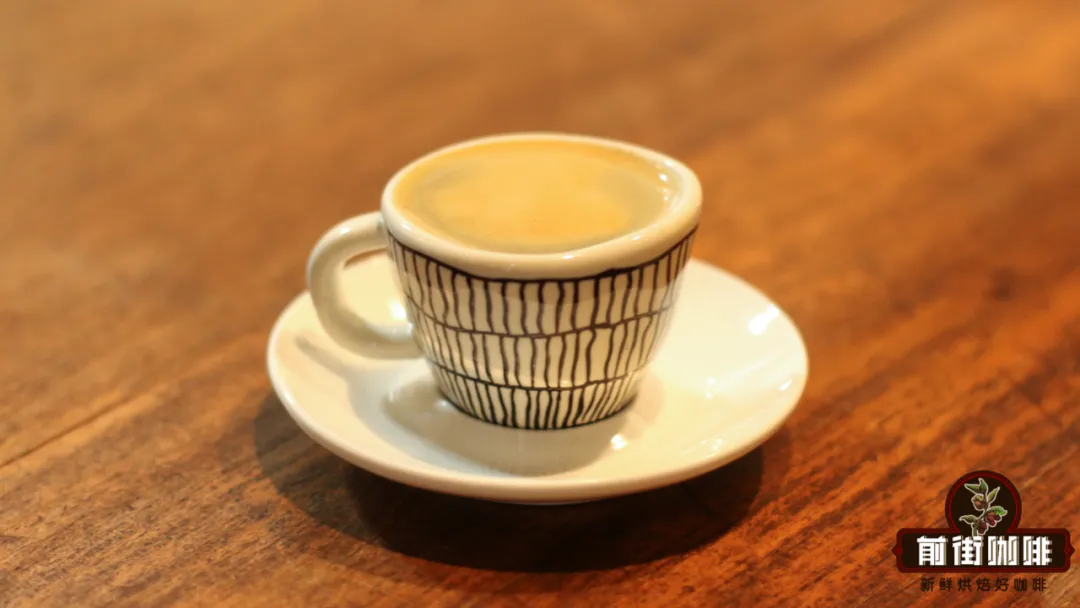
If a traditional espresso extracts an appropriate amount from the coffee (using 20g of grounds as the example, about 40ml of liquid), then Ristretto deliberately limits it — same dose, less liquid, higher concentration (about 30ml from 20g). Lungo goes the other way, extending the extraction to obtain far more liquid at lower concentration (about 100ml from the same 20g).
To modern eyes this makes no sense — with an espresso machine's efficient extraction, pulling five times the liquid would surely be brutally bitter! "Of course it would! Extract everything and the full release of bitter compounds would make anyone wince!" Yet in the era when espresso machines were first invented, this approach was actually the correct choice.
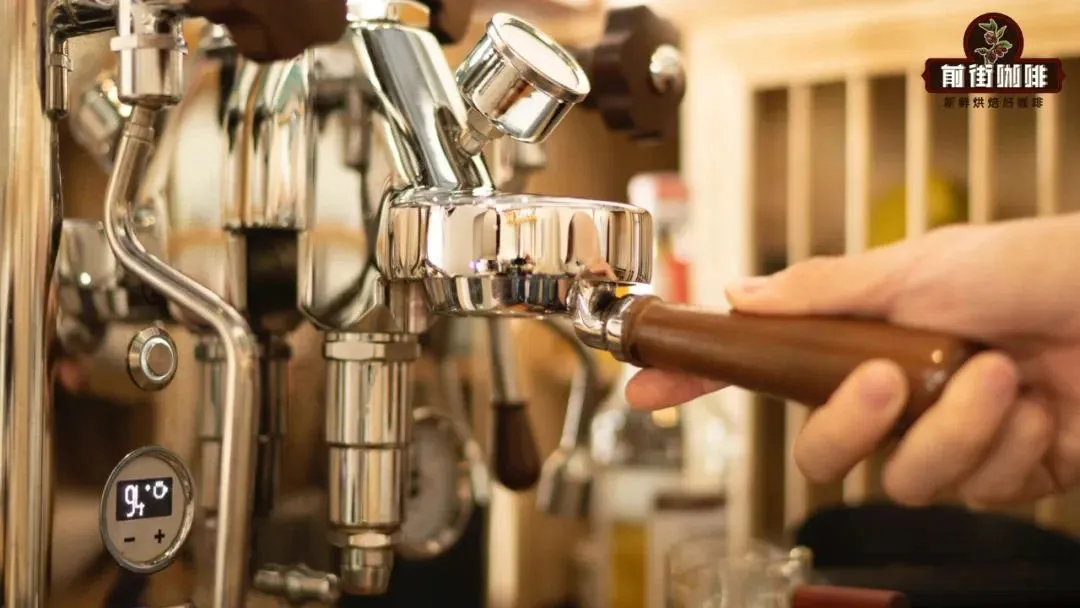
The earliest espresso machines had nothing like today's pressure — only 1.5–3 bar. That low pressure simply couldn't extract coffee's flavor compounds quickly, so to raise the extraction rate, people found a workaround: extend the extraction and use large volumes of hot water to pull everything out. The result was predictable — low concentration and bitter! But the extraction target was met, and with so much liquid diluting the bitterness, the drink still performed decently (by the standards of the time).
As machines grew more advanced and efficient, no one needed marathon extractions anymore — but the method didn't vanish. To distinguish it from modern espresso, it was named "Lungo," Italian for "long." Lungo, then, is the stretched-out espresso.
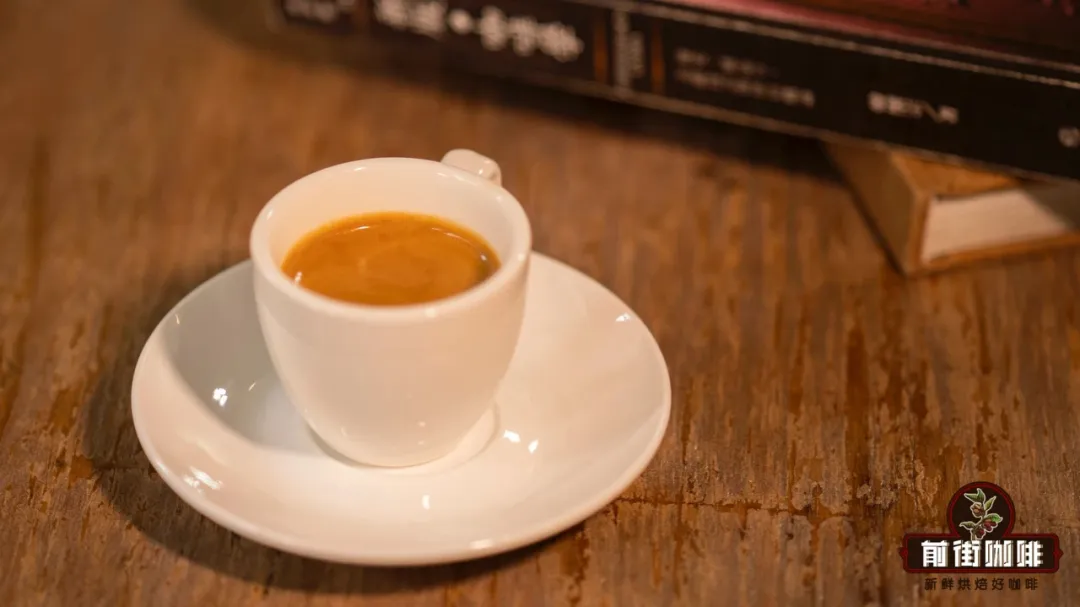
Limited in its uses, Lungo gradually faded from memory — which is why so many people today mix it up with Long Black. Made with current espresso parameters, it would be unavoidably bitter. But espresso and tastes keep evolving, so we can "iterate" Lungo too — tweak the parameters and you get a non-bitter Lungo that suits modern palates.
How to Extract a "Modern Lungo"
It's simple in principle: if long-duration, high-efficiency extraction over-extracts, reduce the extraction efficiency so the long extraction won't push the coffee over the edge.

Pressure, water temperature, and grind size all change extraction efficiency — and for most people, the grind is the easiest to adjust. FrontStreet Coffee's baseline espresso parameters: 20g of grounds (Warm Sun Blend), Galileo Q18 at grind setting 1.2, 94°C water, 9 bar pressure, 30 seconds, yielding 40ml (a 1:2 ratio). Measured: 9.7% concentration, 20% extraction yield. For Lungo we need a 1:5 ratio, so to avoid over-extraction FrontStreet Coffee coarsened the grind — 0.4 settings back — and pulled a Lungo with a suitable taste: 44 seconds, 4.3% concentration, 21.56% extraction yield.
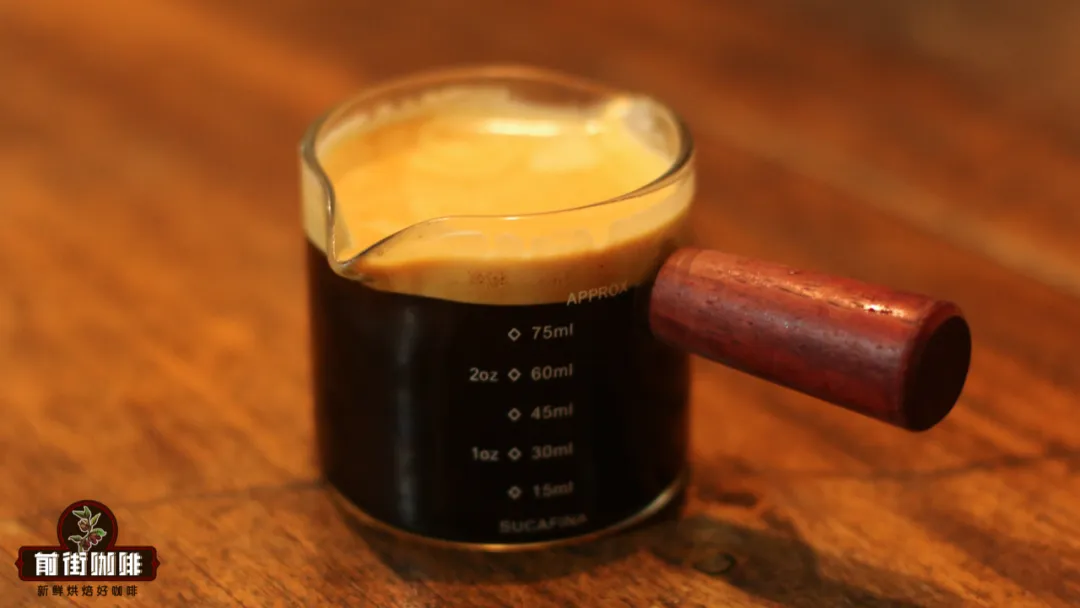
It's less concentrated, but the proper flavors show beautifully — an evident whiskey-like aroma and light berry acidity, with crema that isn't thin at all. Overall, quite good. Even with efficiency dialed down, though, a Lungo still drifts easily toward over-extraction — so if you want to try one, be prepared for some bitterness.
FrontStreet Coffee Recommendation
Lungo and Long Black both stretch coffee with water, so the base espresso determines everything. Three FrontStreet Coffee picks for americano-style drinks:
FrontStreet Classic Blend: The foolproof choice for home machines. A traditional Italian-style formula of Indonesian Mandheling, Brazilian Red Bourbon, and Vietnamese washed coffee — Asian low-acid richness and herbal-woody tones meets American smoothness and creaminess. Butter, nuts, spice, and dark chocolate on extraction, with wild character and bursting crema for americanos or lattes alike.
FrontStreet Black Cocoa Blend: The value pick. Yunnan arabica meets Brazil Cerrado for an americano with nuts, chocolate, and cream plus a pleasant ripe-plum acidity — gentle, affordable, and versatile enough to be a café's first choice as well.
FrontStreet Ethiopia Guji (Hua Kui) SOE: A natural-process lot from the Buku Abel washing station in Hambella, Sidamo — a champion-track bean. As an SOE americano it has no bitterness at all: sweet, tart, and refreshing, with lush tropical fruit aromas and notes of creamy strawberry, guava, dried mango, black tea, and citrus. A genuinely special cup.
Important Notice :
FrontStreet Coffee is a long-established specialty coffee roaster in Guangzhou China, selling freshly roasted beans from its own farm in Yunnan as well as dozens of carefully selected single-origin beans from around the world for both pour-over and espresso. The products deliver consistently excellent quality and great value, with shipping within 24 hours. Guangzhou's FrontStreet Coffee shop is recommended by many coffee lovers, and the beans are now available online at the Tmall 。
FrontStreet Coffee has moved to a new address:
FrontStreet Coffee Address: 315,Donghua East Road,GuangZhou
Tel:020 38364473
 Scan and follow the En Gafei WeChat official account. Please indicate that the reprint comes from "En Gafei".

