
How is the Double Tail from a Moka Pot Brewed? Precautions for Using a Moka Pot!
Understanding the "Double Ponytail" Phenomenon in Moka Pot Brewing
If you brew with a moka pot often, you have probably heard of—or seen with your own eyes—the "double ponytail" phenomenon. Mid-extraction, the coffee stream that has been flowing in a thin, steady ribbon suddenly turns into a forceful jet, and because a moka pot has two spouts, the liquid splits into two streams, one from each side. The two twin flows hang off the pot like a pair of ponytails, which is exactly where the name comes from.
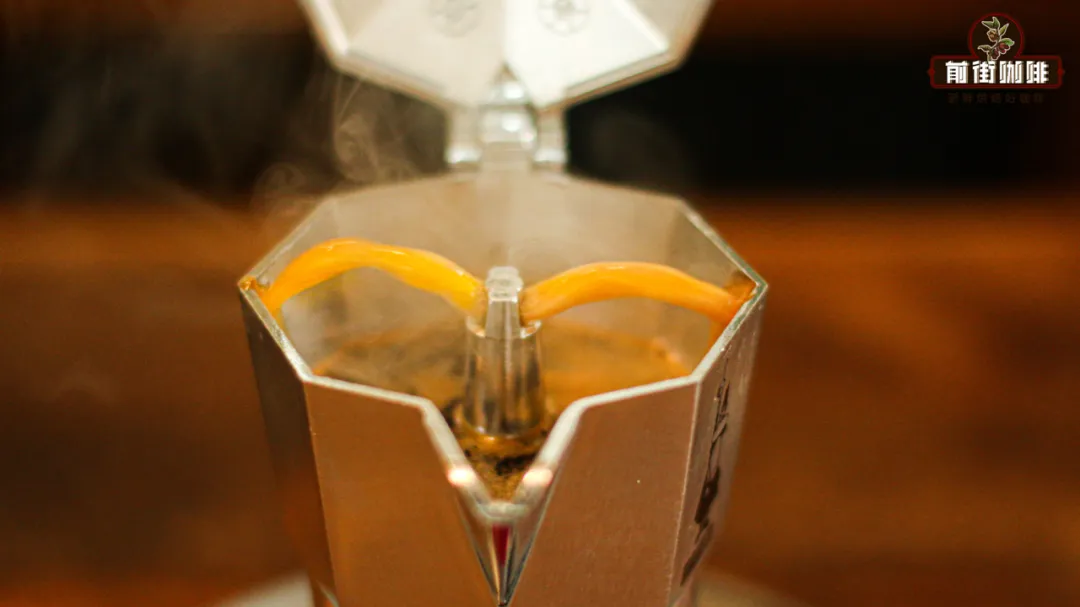
This phenomenon is a warning sign: something in your brewing process has gone wrong, and quite possibly in more than one place. A "double ponytail" brew usually means uneven extraction, and it often drags harsh, over-extracted bitterness along with it. Below, FrontStreet Coffee walks through what causes it and how to prevent it.
How a Moka Pot Works
To diagnose the problem, it helps to understand the machine. A moka pot extracts with pressure, much like an espresso machine, though the pressure it generates is far gentler. When the water in the lower chamber is heated, it evaporates into steam. As steam builds up, it compresses the air space in the lower chamber and raises the pressure, pushing hot water up through the coffee bed. The liquid then rises as brewed coffee and emerges from the spout at the top.
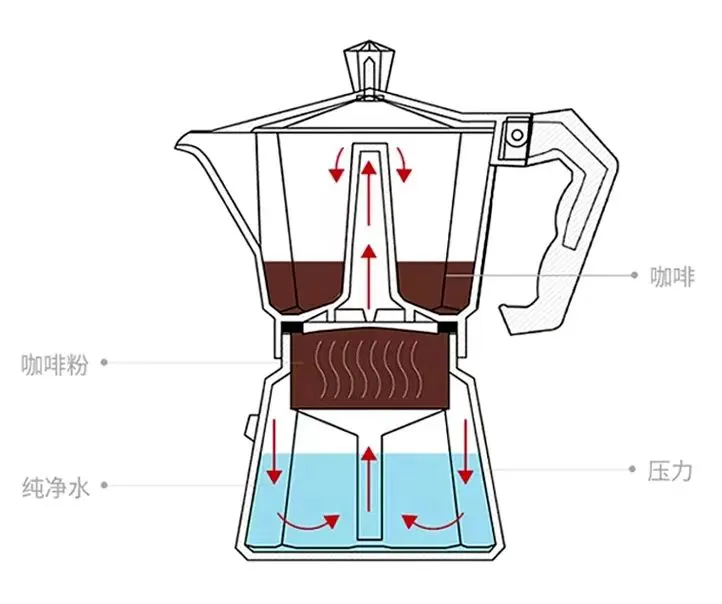
The rule of thumb is simple: the higher the pressure, the faster the flow—and when pressure spikes, the coffee gushes. Preventing the double ponytail, therefore, means keeping pressure in check. Four factors in particular affect the pressure inside a moka pot.
1. Filling the Water Past the Safety Line
The water reservoir has a pressure relief valve that doubles as a fill line, marking the correct water level. Once the water rises above that line, the air pocket above it shrinks. When the water heats up and starts to evaporate, there is no buffer left to absorb the expanding steam, so all of that pressure has nowhere to go but up through the coffee.
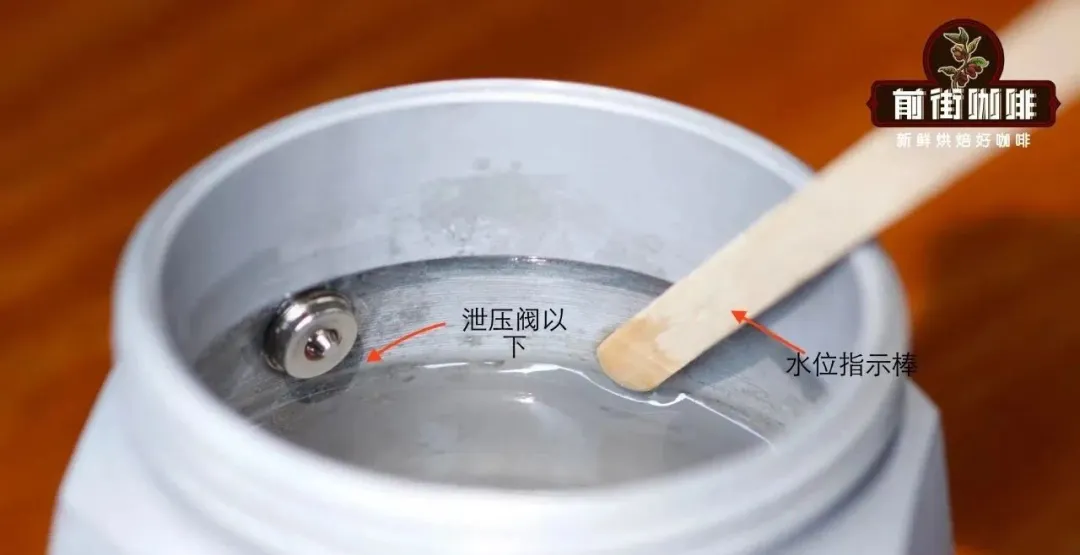
Keep in mind that a moka pot is not an espresso machine. Its compact construction cannot tolerate excessive pressure. In the best case, too much water gives you a sputtering, lopsided double ponytail; in the worst case, the pot cannot contain the pressure at all and the safety valve blows. Fill to the line—no higher—and treat this step seriously.
2. Grinding Too Coarse
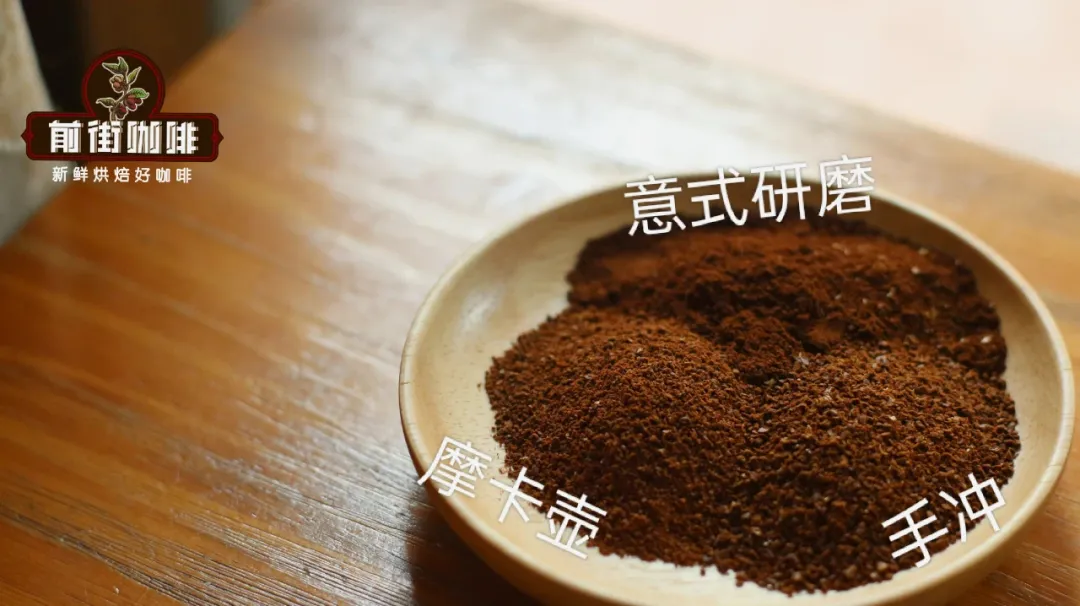
The right grind for a moka pot sits between espresso and pour-over—closer to the fine, flour-like texture of espresso. A fine grind packs the basket densely, narrows the paths water can take, and slows the flow enough for a complete extraction. If you grind too coarse (say, close to the fine-sugar texture used for single-origin pour-overs), the bed offers almost no resistance and the coffee gushes out. Worse, because the water races through the grounds, it never picks up enough soluble material, leaving the cup thin and bland.
3. Uneven Distribution of the Grounds
Whether the extraction is gravity-driven or pressure-driven, an unevenly distributed coffee bed always pushes water toward the paths of least resistance, creating channeling. Channeled water bypasses large portions of the grounds, so some areas over-extract while others barely extract at all—and the resulting flavor is exactly as unbalanced as you would expect.
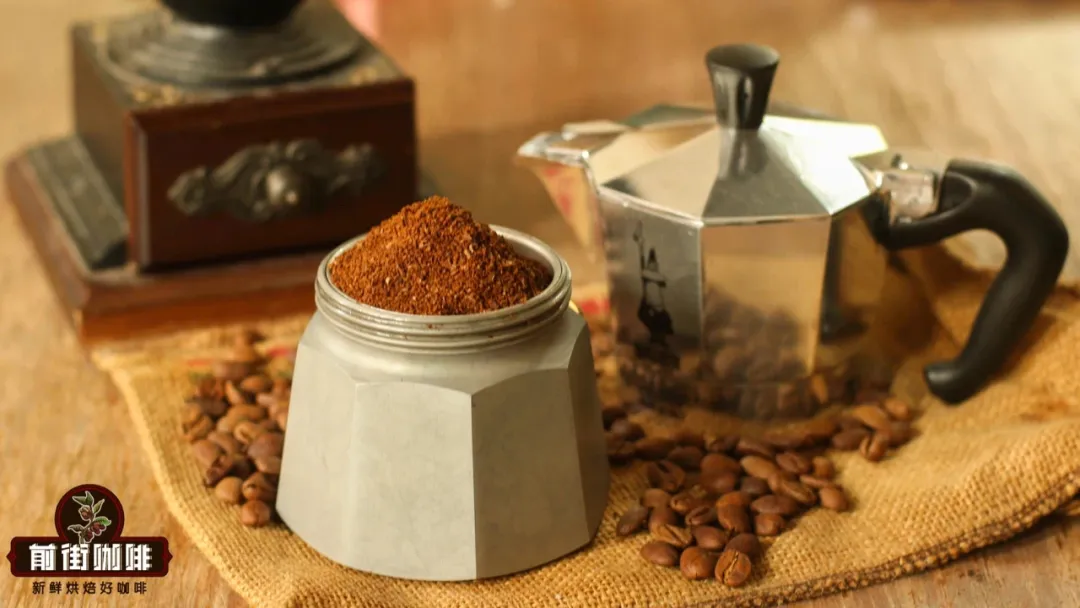
After filling the basket, tap its sides gently so the grounds settle evenly into every corner. Then level the bed with a distribution tool and press lightly. A light tamp strengthens the structure of the coffee bed and makes channeling far less likely—no need to tamp hard the way you would for espresso.
4. Heat That Is Too High
When brewed coffee begins to emerge from the spout, the water in the lower chamber has essentially reached boiling point, and boiling water evaporates rapidly. If you leave the burner on full blast at this stage, steam production surges, pressure climbs steeply, and the liquid erupts in a column—your double ponytail, in living color.
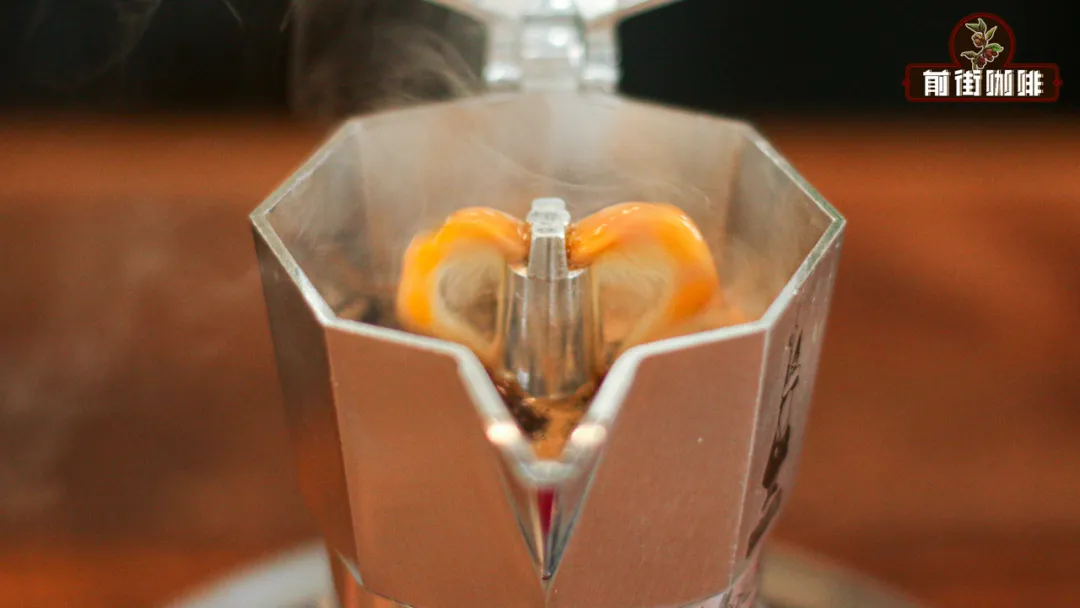
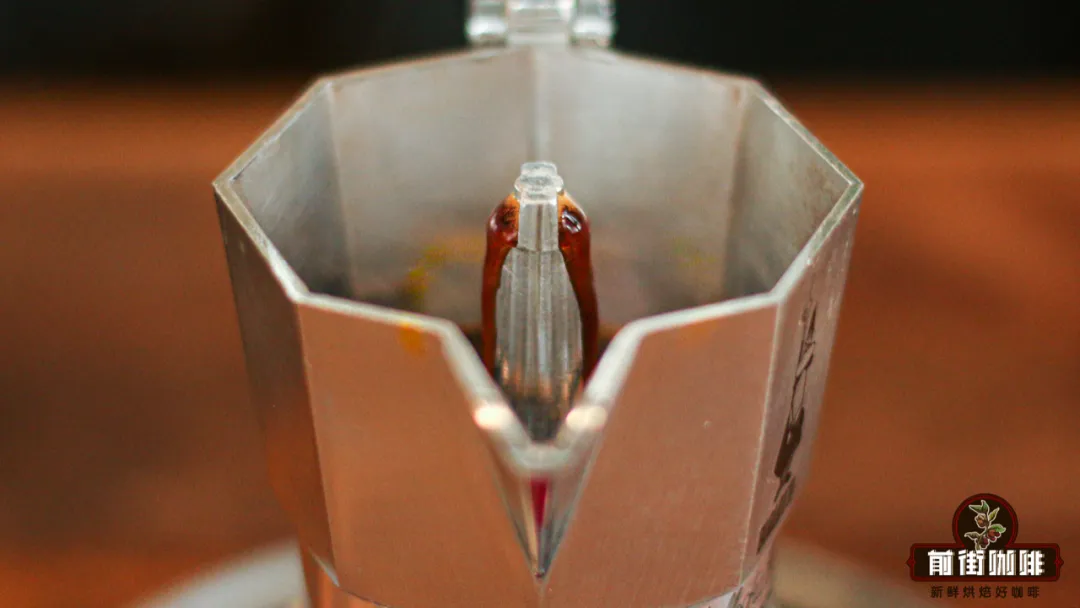
So the moment coffee starts to flow (as in the picture below), FrontStreet Coffee recommends turning the heat down to low—or simply lifting the pot off the flame entirely. Less heat means less steam, and less steam means a gentle, steady stream instead of a jet.

FrontStreet Coffee Recommendation
Moka pots shine with blends and full-bodied single origins that forgive their pressure-based, high-heat extraction. Here are three picks from the FrontStreet Coffee range that suit the pot well:
FrontStreet Classic Blend — Purpose-built for espresso-style brewing and the moka pot, this blend's greatest strength is its abundant, velvety crema. It follows the traditional Mandheling-and-Brazil blend formula, delivering a mellow, rounded body that both longtime coffee drinkers and complete beginners can enjoy. A dependable first choice for home and cafe use alike.
FrontStreet Brazil Fazenda Rainha — Low acidity with a very balanced cup, rich in nut and cocoa aromatics and a distinct caramel sweetness. Smooth on the palate with no astringency, it performs beautifully whether you brew it as a pour-over, on an espresso machine, or—especially—in a moka pot.
FrontStreet PWN Indonesia Golden Mandheling — Roasted dark for very low acidity and a long, full-bodied finish, opening with herbal notes and dark chocolate, plus a faint earthy undertone that adds depth. An excellent match for moka pot drinkers who love heavy, bold flavors and want nothing sour in the cup.
Important Notice :
FrontStreet Coffee is a long-established specialty coffee roaster in Guangzhou China, selling freshly roasted beans from its own farm in Yunnan as well as dozens of carefully selected single-origin beans from around the world for both pour-over and espresso. The products deliver consistently excellent quality and great value, with shipping within 24 hours. Guangzhou's FrontStreet Coffee shop is recommended by many coffee lovers, and the beans are now available online at the Tmall 。
FrontStreet Coffee has moved to a new address:
FrontStreet Coffee Address: 315,Donghua East Road,GuangZhou
Tel:020 38364473
 Scan and follow the En Gafei WeChat official account. Please indicate that the reprint comes from "En Gafei".

