
Panama Coffee Beans | Introduction to Boquete Region Coffee Beans
Panamanian Coffee
Panamanian coffee enjoys high recognition in the global coffee market, above all for the Geisha variety. In 2005, the Geisha grown by Hacienda La Esmeralda won the Best of Panama (BOP) competition and fetched high prices at auction, making its name in the coffee world.
Panama lies in Central America, bordering Colombia and Costa Rica, with the Pacific Ocean to the south and the Caribbean Sea to the north. It forms an S-shape connecting North and South America, which earned it the nickname "World's Bridge."
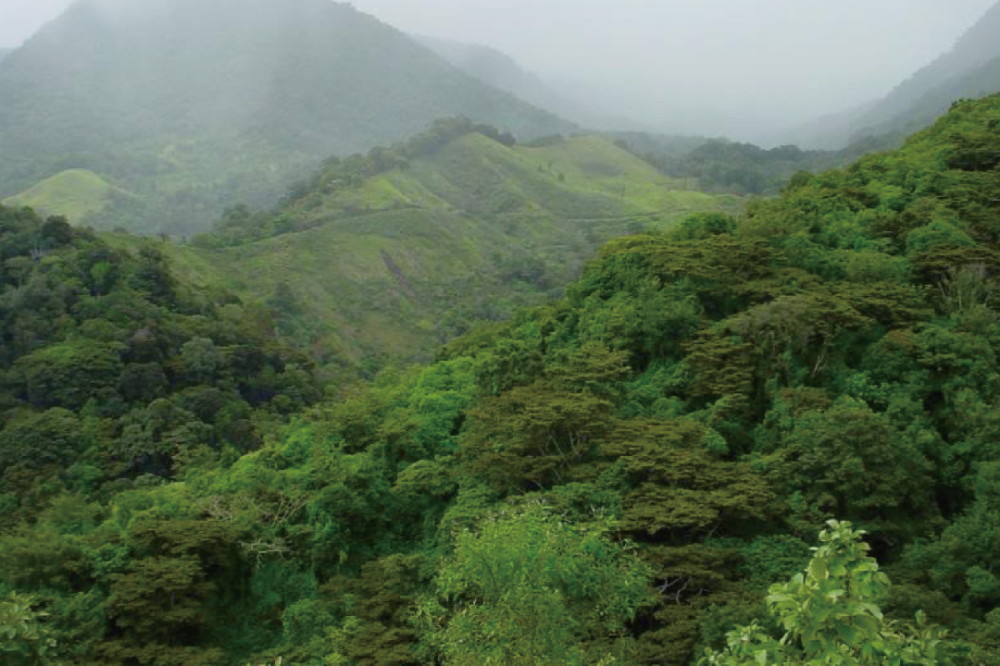
Panama's entire territory has varied terrain and numerous valleys. Apart from the coastal plains in the north and south, most areas are mountainous. Located near the equator, Panama has a tropical maritime climate with humid days and cool nights, and an average annual temperature of 23-27°C. The year divides into a dry season and a rainy season, with average annual precipitation of 1,500-2,500 millimeters. Panama is also rich in natural resources, with multiple rivers and forests covering 57% of the land area thanks to conservation efforts. Coffee is grown mainly in the volcanic regions near Chiriquí Province in western Panama, where fertile volcanic soil, high altitude, moderate rainfall, and microclimates make for an excellent coffee-producing area. Agriculture, like tourism, has become one of Panama's important industries.
Boquete Region
The main coffee-producing regions are Boquete, Volcán-Candela, and Renacimiento. All three sit around three of the country's volcanoes: Volcán Barú, El Valle, and La Yeguada. The volcanic ash from these volcanoes makes the soil more fertile and better suited to coffee.
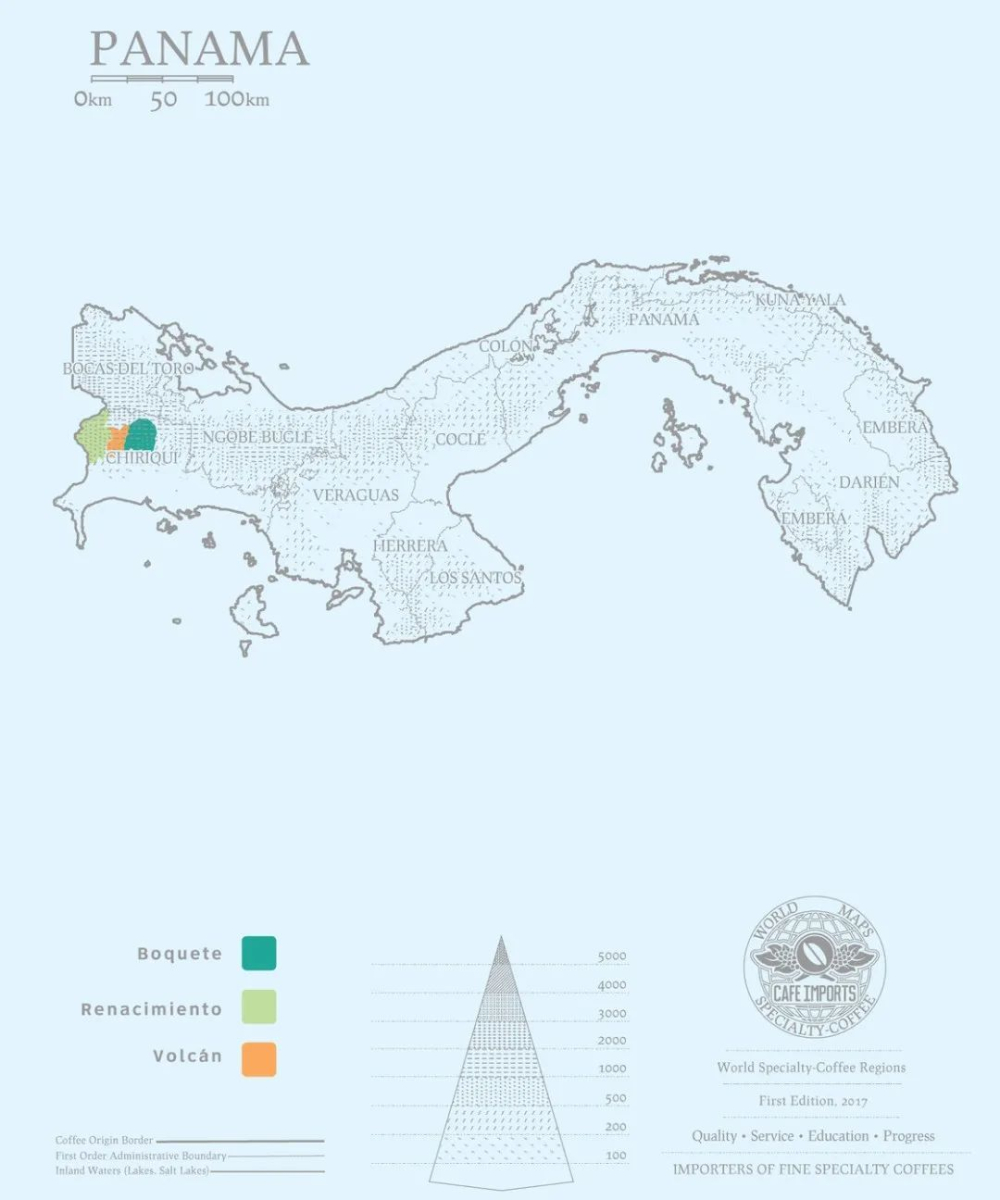
Boquete is the best-known coffee-producing region in Panama, home to renowned estates such as Hacienda La Esmeralda, Elida Estate, and Duncan Estate. That, too, comes down to the region's excellent growing conditions. Here coffee is grown at altitudes between 1,200 and 2,000 meters, with temperatures ranging from 11°C to 27°C - neither too cold nor excessively hot - and marked temperature swings that let the cherries develop their flavors slowly. Add moderate rainfall, land enriched by volcanic ash, abundant sunlight, and special local microclimates, and the region reliably produces high-quality coffee.
Geisha Blends
FrontStreet Coffee currently offers two Geisha blend coffees. One is Strawberry Candy from the Mirasu Estate in Costa Rica, a blend of Geisha, ET47, SL28, and Maico varieties. The other is Mariposa from Panama's Boquete region, composed of 70% Geisha along with Caturra and Catuai.
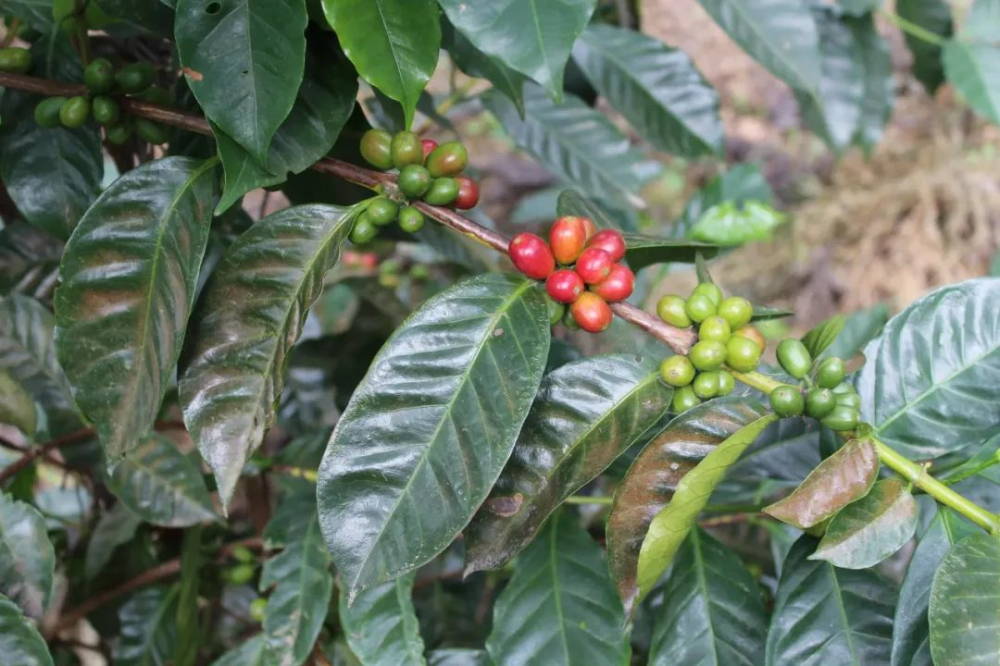
At first Panama mainly cultivated Caturra and Catuai. When Geisha arrived in Panama in 1970, its fragile nature kept it from being widely planted, until Hacienda La Esmeralda happened upon it and it rose to fame through competition wins. Previously, in pursuit of higher yields, Geisha was planted mixed in with Caturra and Catuai trees. Harvesting Geisha separately was quite difficult, so the three were picked together. Later, to highlight Geisha's character, the three varieties began to be collected separately and then blended in set proportions before export.
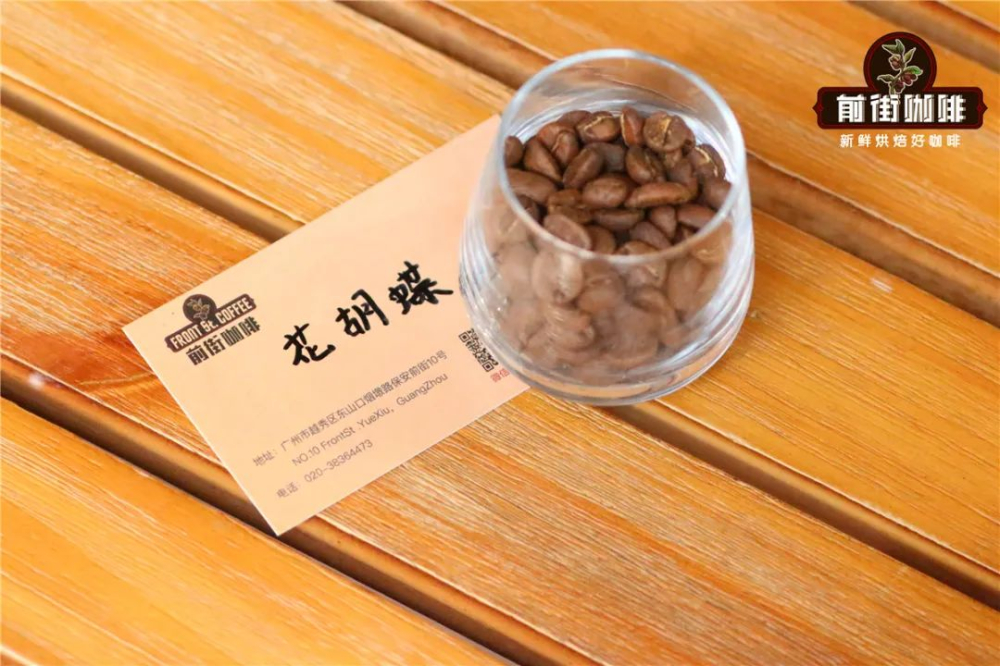
FrontStreet Coffee Panama Boquete Mariposa Coffee Beans
Region: Boquete region
Altitude: 1,400-1,700 meters
Varieties: Geisha, Caturra, Catuai
Processing: Washed
Flavor: White floral notes, lemon, berries, hazelnut, honey
This Mariposa bean from Panama's Boquete region is washed processed and medium-light roasted. FrontStreet Coffee brews it on a V60 at a 1:15 ratio and 92°C. Brewed, you notice white floral aromas, with lemon-like acidity on the palate, along with berry and grape flavors and a hazelnut-like aftertaste. The mouthfeel is as smooth and clean as honey.
FrontStreet Coffee Recommendation
If Boquete's Geisha blends have you curious about the pure expression of the variety, the top of the range is FrontStreet Panama Esmeralda Red Label Geisha. Officially "Esmeralda Special," it grows at 1,600-1,800 meters, and each lot must cup above 90 points and carries its own number. Every lot comes from a single small plot - the Red Label FrontStreet offers, for example, is from the Jaramillo plot - so buyers can choose the lot whose subtler flavors suit them best.
For an easier route into the same estate, choose FrontStreet Panama Esmeralda Green Label Geisha. Known as "Private Collection," it blends lots from several plots rather than emphasizing a single one, and it concentrates on the estate's signature high-altitude Geisha character. Think of it as a Geisha without the plot designation, sold at a far more accessible price, which makes it outstanding value.
And if a Geisha blend is exactly what you were after in the first place, FrontStreet Strawberry Candy is the one to try. It blends Costa Rica's honey-processed coffee with Panamanian Geisha, combining the strengths of both for delicate florals alongside sweet fruit flavors. Beyond pour-over it also works in a moka pot, on a home espresso machine, and as a refreshing cold brew - a very versatile everyday coffee.
Important Notice :
FrontStreet Coffee is a long-established specialty coffee roaster in Guangzhou China, selling freshly roasted beans from its own farm in Yunnan as well as dozens of carefully selected single-origin beans from around the world for both pour-over and espresso. The products deliver consistently excellent quality and great value, with shipping within 24 hours. Guangzhou's FrontStreet Coffee shop is recommended by many coffee lovers, and the beans are now available online at the Tmall 。
FrontStreet Coffee has moved to a new address:
FrontStreet Coffee Address: 315,Donghua East Road,GuangZhou
Tel:020 38364473
 Scan and follow the En Gafei WeChat official account. Please indicate that the reprint comes from "En Gafei".

