
Essential Coffee Terminology Every Beginner Must Know! What are By-pass, Crema, Geisha, and Guanhua?
Every industry has its own agreed vocabulary for specific things, and we call that vocabulary "professional terminology." Coffee is no exception. Many baristas and enthusiasts use these terms fluently in conversation, and if the rest of us do not know what they mean, misunderstandings follow easily.
So today FrontStreet Coffee is here to explain some of the more common terms in our industry. Each heading also links to a more detailed article, in the hope of making coffee easier to learn and talk about.
Coffee Bean Section
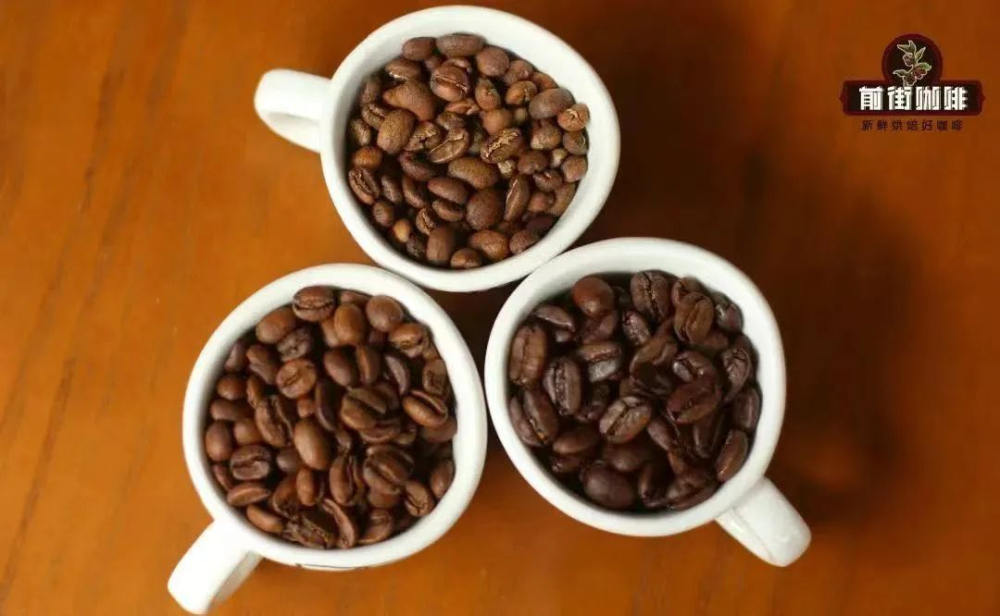
Arabica: One of the world's three major coffee varieties, and the small-bean species. It originates in Ethiopia, yet before the 18th century people always assumed it came from Arabia, because Arabians held a monopoly on it at the time. So when the botanist Linnaeus named it using binomial nomenclature, he set Arabia as its place of origin and named it "Coffea arabica L." Had Linnaeus known it came from Ethiopia before naming it, the variety probably would not be called Arabica at all.
Robusta: One of the three major varieties, the medium-bean species, originating in the Congo Basin on the west coast of Africa and commonly shortened to "Robusta beans." Its extremely strong resistance to disease and pests means it is widely cultivated. Because its caffeine content is very high, however, its flavour is poor, so it is mostly used for commercial beans or as raw material for instant coffee, freeze-dried coffee, and similar products.
G1/G2/G3: Green bean grade identifiers used in most coffee-producing regions. Note that these grades do not describe flavour differences; they describe the number of defects. In a 300g sample, the grade is assigned according to how many defective beans are found.
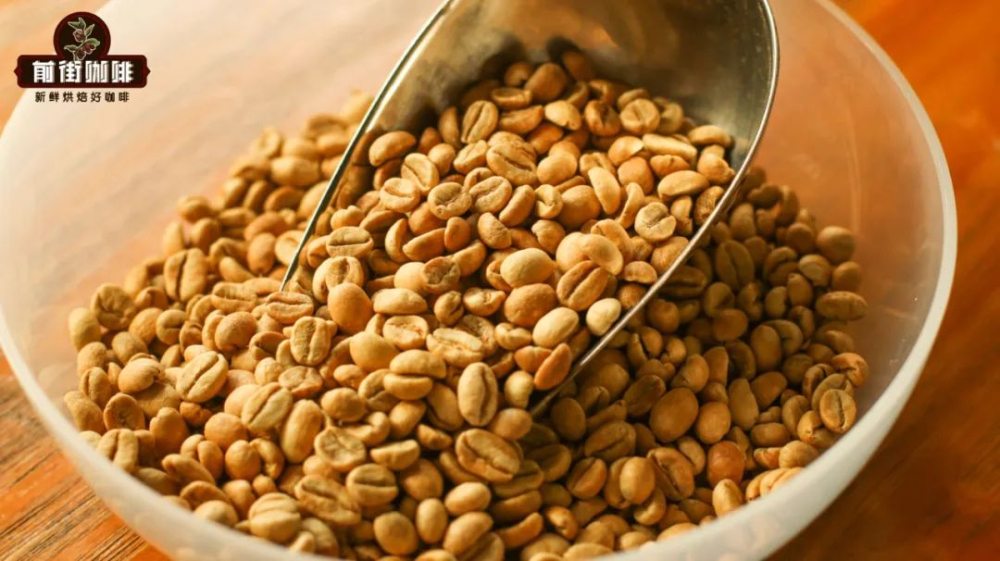
PB (Peaberry): A bean shape with a rather special look. Normally one coffee fruit holds two beans, but some undernourished fruits can only nurture a single specially shaped bean. Because of that distinctive appearance, peaberries are sorted out separately and sold at a premium as PB grade.
Processing Method: The post-harvest handling of coffee beans — specifically, removing everything other than the bean from the coffee fruit. It is also a crucial step that shapes coffee flavour.
Geisha: The current king of the coffee kingdom. This variety has exceptionally rich floral and fruity aromas, with both high recognisability and high quality, and its price has climbed accordingly. Two naming conventions exist on the market: Ethiopia's "Gesha," and Central America's "Geisha," represented by Panama.
Hua Kui: A native variety from remote parts of Ethiopia that beat many Geishas and placed highly in a competition. When it was introduced to China, the green bean supplier named it "Hua Kui" — the top performer in Japanese geisha culture — as an attempt to become the first bean to defeat the "Geisha."
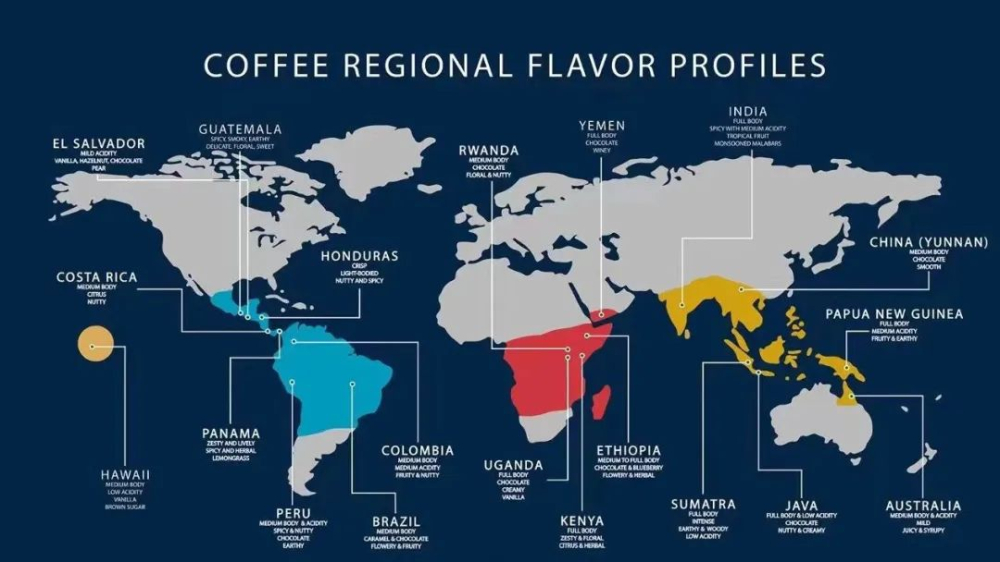
Coffee Cultivation Belt: Coffee has very demanding requirements for climate and environment, so not all land can grow it. The areas between 25° south latitude and 25° north latitude have suitable climates, no frost, and very abundant annual rainfall, making them well suited to coffee. This band is known as coffee's "Golden Cultivation Belt."
Heirloom: A collective name for the thousands of Ethiopian coffee varieties that have not yet been identified. It is a designation the Ethiopian government created specifically to keep people from taking coffee varieties out of the country. A bag of Heirloom beans on the market contains countless different varieties, which is why their sizes often vary considerably.
Coffee Sensory Section

Cupping: A method of coffee tasting. It uses the extraction approach with the least human intervention to release the coffee's flavour, which allows the taster to appreciate the coffee's most original character.
Slurping: A way of drinking coffee. Coffee is drawn in quickly through closed lips and atomised, which cools it as fast as possible and lets the senses take in the full flavour.
Dry Aroma: The aroma given off by coffee beans after grinding, which is more pronounced than the aroma of unground beans.
Wet Aroma: The aroma released when ground coffee comes into contact with water and becomes coffee liquid.
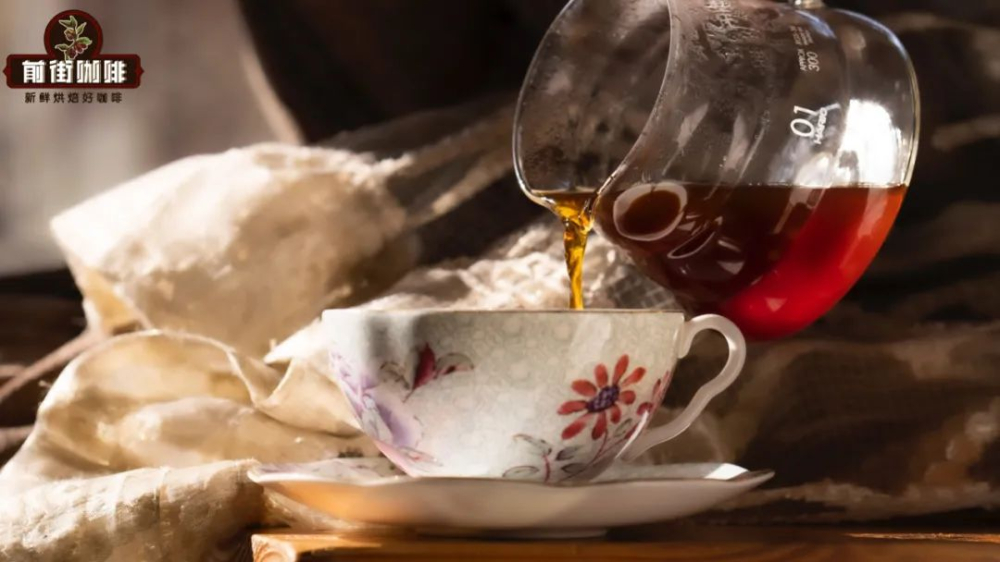
Flavour: The aromas and tastes we can perceive, and associate with concrete foods, while tasting coffee.
Aftertaste: The coffee aroma and taste that remain in the mouth after swallowing.
Body: The mouthfeel of coffee — the "weight" of the coffee liquid in the mouth.
Pour-Over Coffee Section
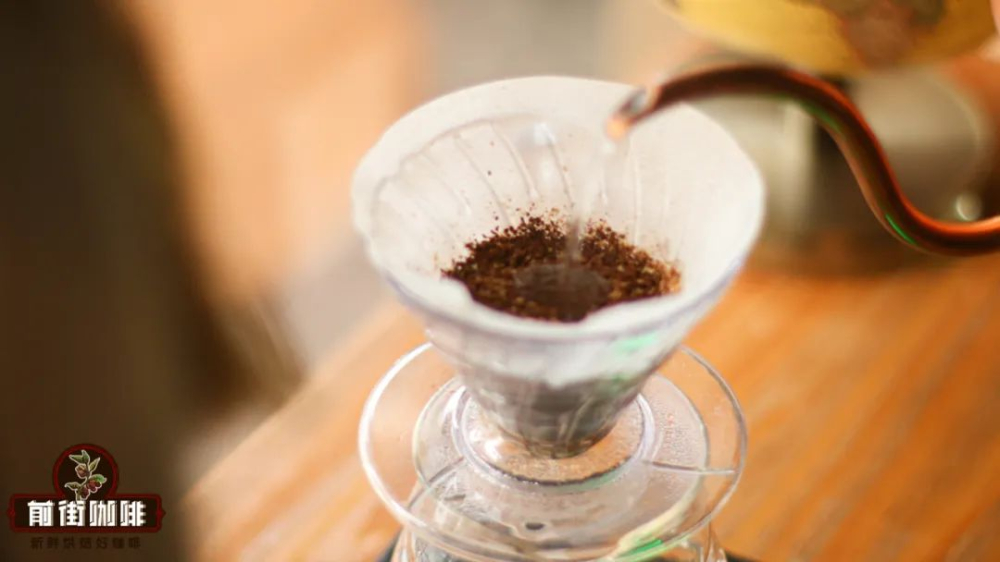
Pour-over ABC Set: The Acaia electronic scale, the Brewista pour-over kettle, and the C40 Commander hand grinder. Their quality is so good that coffee enthusiasts call them the three giants of the pour-over world.
Extraction: Using water as a medium to dissolve the aromatic substances out of coffee. Brewing, steeping, and drip filtering are all different methods of coffee extraction.
Under-extraction / Over-extraction: Two negative outcomes of the extraction process. The Golden Cup research indicates that good coffee extraction rates generally fall in the range of 18%-22%. Below 18% is under-extraction, and above 22% is over-extraction. That figure cannot really tell you whether a cup tastes good, of course, because whether a coffee tastes good still comes down to our own tasting.
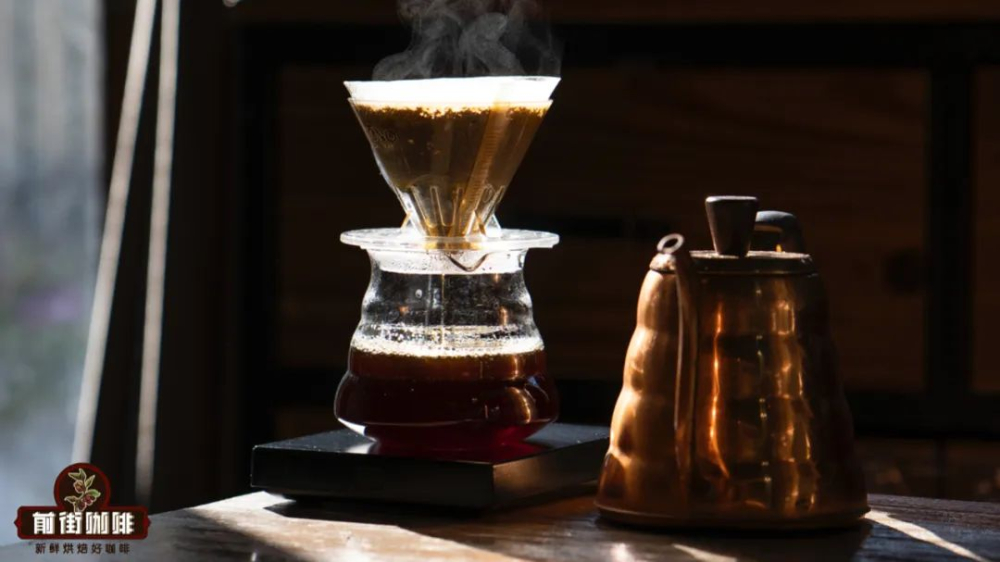
Brew Ratio: Unless stated otherwise, the ratio of coffee grounds to water used during extraction — what we commonly call the grounds-to-water ratio. A ratio of 1:15, for example, means that for every 1g of coffee grounds, 15ml of water is used.
Bloom: Moistening the coffee bed with a small amount of hot water at the start of extraction so it can release gas, which gives the hot water that follows better extraction conditions. Generally, water equal to twice the weight of the grounds is poured, and the bloom lasts 30 seconds.
By-pass: Bypass water, a rather special extraction method. The idea is that during brewing, some water does not take part in extraction but is mixed directly into the already-extracted coffee liquid. Put more simply, it dilutes with water. Its purpose changes with the situation.
Espresso Section
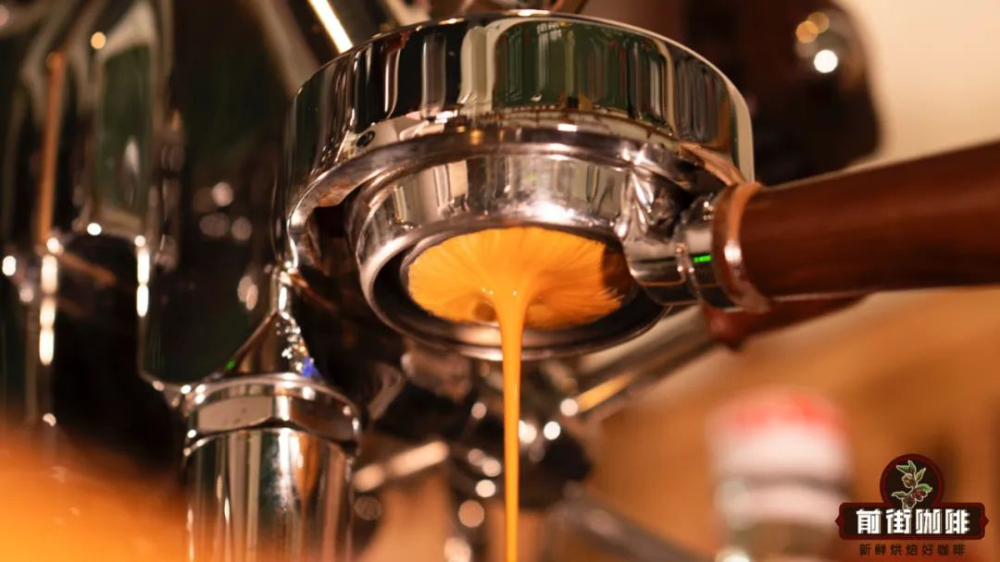
Espresso: Coffee extracted through an espresso machine, and also the various coffee drinks built on it as a base.
Combo: Meaning combination or set. In coffee, a Combo means making two or more different drinks from one type of bean and serving them together.
SOE: Short for "Single Origin Espresso," espresso made from beans of a single origin — so there is no need to ask whether SOE can be used for pour-over.
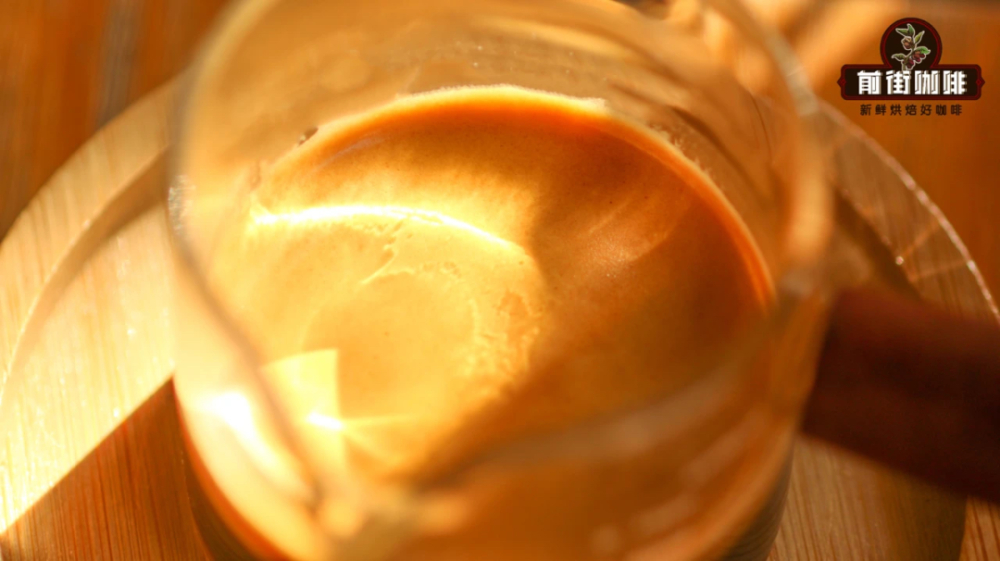
Crema: The golden-yellow foam floating on the surface after espresso extraction, often called "oil." It consists mainly of carbon dioxide and the coffee's aromatic substances. Because it contains extremely fine powder, tasting it on its own reveals a certain bitterness.
Blend Coffee: Bean products made by combining coffees from more than two producing regions. The usual reasons for blending are high cost-effectiveness, high stability, and high versatility.
Coffee Resting: Letting coffee beans sit so the abundant carbon dioxide inside can escape naturally. Beans that have released a good amount of gas can be extracted better by hot water, giving a fuller flavour. Generally, pour-over beans rest for 4-7 days, while espresso beans rest for 7-15 days.
- END -
FrontStreet Coffee
No. 10, Bao'an Qianjie, Yandun Road, Dongshankou, Yuexiu District, Guangzhou, Guangdong Province

FrontStreet Coffee Recommendation
Since Geisha came up in the glossary, it is worth knowing where to taste it. FrontStreet Coffee's Gesha Village Gold Label is a good choice: it belongs to the Geisha 1931 variety and makes up 10% of Geisha Village's total output, making it the village's top coffee outside its auctions. It is often chosen by competitors on the international stage, and FrontStreet Coffee's Gold Label lot is given a refined natural process that yields complex, layered flavour — remarkable in the dry aroma, the sip, and the aftertaste alike.
If you want the Panama benchmark, FrontStreet Coffee's Esmeralda Green Label, known as Private Collection, is the more affordable way in. Rather than stressing detailed plot information the way the Red Label does, it blends batches from several plots, yet still expresses Hacienda La Esmeralda's signature high-altitude Geisha character — which is why its value is so strong.
Important Notice :
FrontStreet Coffee is a long-established specialty coffee roaster in Guangzhou China, selling freshly roasted beans from its own farm in Yunnan as well as dozens of carefully selected single-origin beans from around the world for both pour-over and espresso. The products deliver consistently excellent quality and great value, with shipping within 24 hours. Guangzhou's FrontStreet Coffee shop is recommended by many coffee lovers, and the beans are now available online at the Tmall 。
FrontStreet Coffee has moved to a new address:
FrontStreet Coffee Address: 315,Donghua East Road,GuangZhou
Tel:020 38364473
 Scan and follow the En Gafei WeChat official account. Please indicate that the reprint comes from "En Gafei".

