Ethiopian Coffee Beans | Red Label Gold Label Goré Gesha Gesha Village Coffee Bean Grading Varieties Introduction
Mention Geisha and many people immediately think of Panama. After all, the variety was once unpopular with farmers because of its fragility, its demanding cultivation, and its need for long-term care. It was not until 2005, when Hacienda La Esmeralda entered Geisha in the Best of Panama (BOP) competition and auction and took first place, that the variety became famous overnight. Geisha actually originates in Ethiopia, however, and today the most renowned source is Ethiopian Gesha Village coffee.
Gesha Village Coffee Estate
Gesha Village sits in the westernmost part of Ethiopia, just a few kilometers from South Sudan, nestled in the wilderness of Bench Maji. The estate primarily grows Gesha 1931, Gori Gesha, and the disease-resistant variety Illubabor.

Gesha Village Coffee Estate was founded by documentary director Adam Overton and his photographer wife Rachel Samuel. In 2007, while filming a documentary about coffee for the Ethiopian government, the couple discovered the Gori Gesha Forest in the Bench Maji region and began to think about establishing their own coffee estate. In 2009 they met Willem, owner of Panama's Don Pachi Estate, and together they returned to Ethiopia in search of Geisha's birthplace. They arrived in Bench Maji at a place called Gesha Village, where they found what was most likely the original Geisha habitat. After locating wild Geisha, they collected seeds from the native trees, screened them, and planted them at Gesha Village. They decided to establish the estate there and named it Gesha Village Coffee Estate.
Gesha 1931 and Gori Gesha
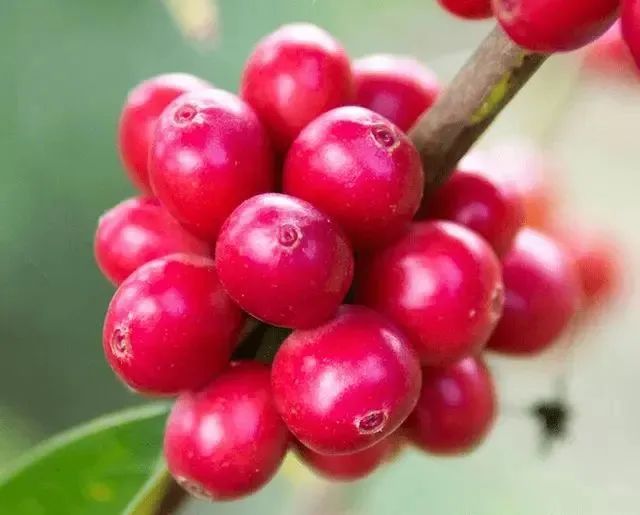
Gesha 1931: The Geisha variety was discovered in Ethiopia's coffee forests in 1931 and was later transferred to Panama for its resistance to coffee leaf rust, where it went on to become famous. This is the native Geisha that the owners of Gesha Village found in the Gesha forest. Genetic comparison showed it to be very similar to the Panamanian Geisha variety, hence the name Gesha 1931.
Gori Gesha: Gori Gesha was discovered in 2011. After establishing Gesha Village, a coffee variety very similar to Geisha was found in the Gori Forest, 12 miles away, and was named Gori Gesha after the site.
Illubabor Forest 1974: Discovered during an expedition in the Illubabor Forest in 1974, it was later developed by the Ethiopian research center into a disease-resistant variety. Today only Gesha Village cultivates it.
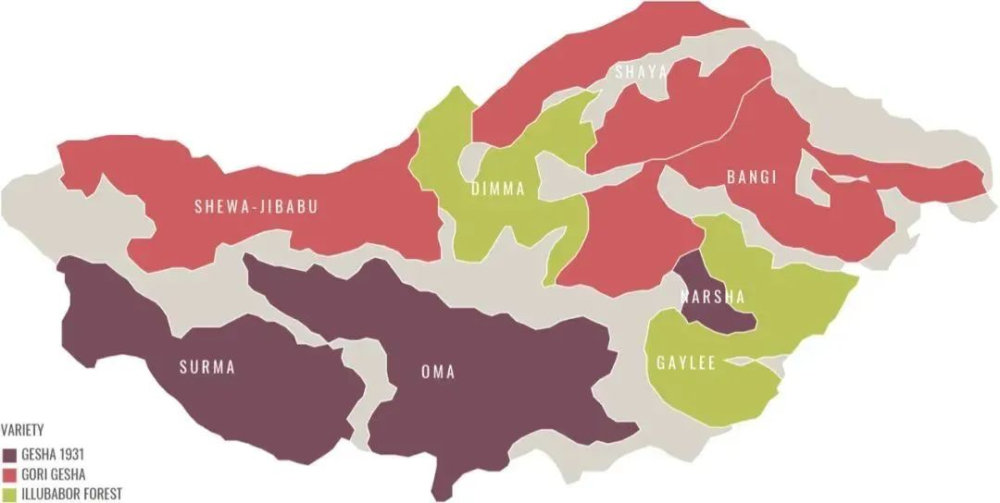
Block Planting
Gesha Village is divided into different blocks, each planted with a single variety, so the variety can be identified by block location. The Oma, Surma, and Narsha blocks grow Gesha 1931; the Bangi, Shewa-Jibabu, and Shaya blocks grow Gori Gesha; and the Gaylee and Dimma blocks grow Illubabor. Cherries harvested from each block are labeled to indicate their origin, and an internal tracking system follows them from the factory to export.
Coffee Classification
Gesha Village's grading system borrows from certain Panamanian business models and is quite different from Ethiopia's traditional system. It roughly divides coffee into 5 categories:
Auction Lots: Selected from the estate's top-tier beans, with cupping scores between 88 and 92, and available only through Gesha Village Coffee Estate's global auction.
Gold Label: The top-tier coffee from Gesha Village outside the auction, and often chosen by baristas for international competitions.
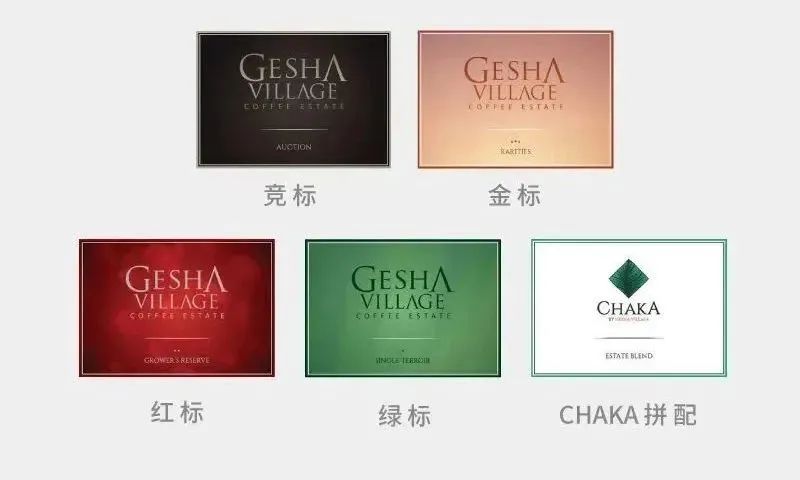
Red Label: High-value lots whose flavor intensity and complexity are slightly less intense than Gold Label, requiring cupping scores above 88.
Green Label: Lots that provide only block traceability information, with no cupping score requirement.
Shakiso Lots: Gesha blends built from three varieties grown in the estate's mixed blocks: Gori Gesha, Gesha 1931, and Illubabor.
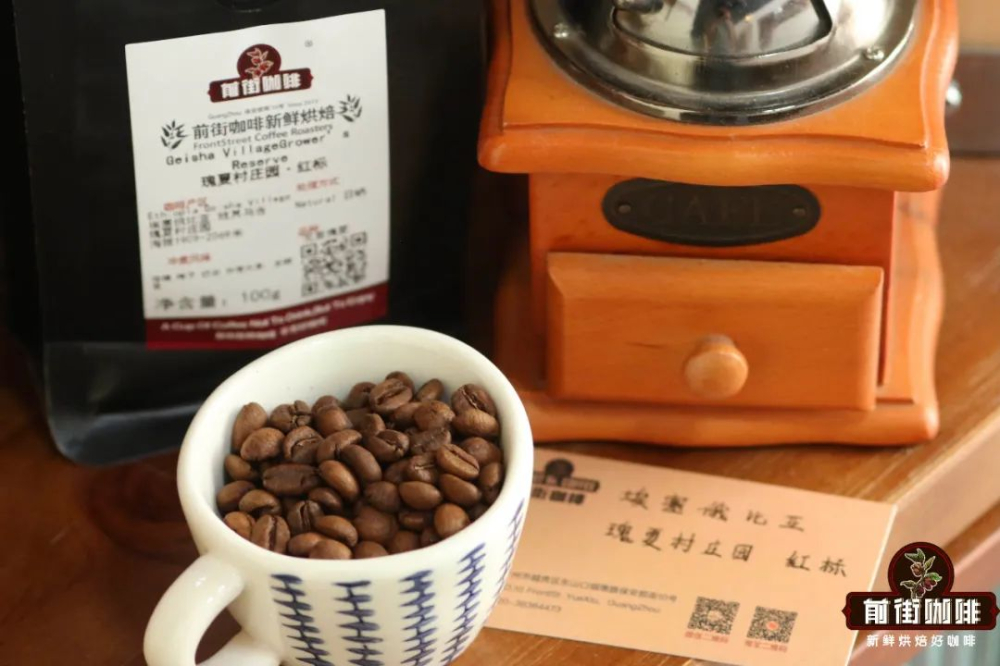
FrontStreet Coffee Ethiopian Gesha Village Red Label Coffee
Region: Bench Maji
Estate/Processing Station: Gesha Village Coffee Estate
Altitude: 1,900-2,100 meters
Variety: Gori Gesha
Processing: Natural
Flavor: Citrus, tropical fruits, berries, maple syrup, wild ginger
Roasted from naturally processed Gesha Village beans, this coffee is brewed at FrontStreet Coffee with a V60 at a 1:15 ratio and 92°C. You smell jasmine and ripe fruit aromas, and taste citrus, grape, and wild ginger. It has delicate fruit acidity with a sweet, fruity aftertaste and a clean, balanced mouthfeel.
FrontStreet Coffee Recommendation
If this look at Gesha Village has you wanting to explore more of what Ethiopia's Geisha heritage has to offer, FrontStreet Coffee Gesha Village Gold Label belongs to the Gesha 1931 variety and makes up about 10% of the estate's total production; it is the estate's finest coffee outside the auction, prized for its complexity and often chosen by competing baristas.
FrontStreet Coffee Gesha Village Red Label, by contrast, is a Gori Gesha lot accounting for about 15% of production, scoring 88 or above on the 100-point SCA scale, and released as a single-terroir series in which every lot carries full traceability, including farm block name, variety, and processing date. For an entry point to the classic Panama expression, FrontStreet Coffee Boquete Geisha offers the signature orange-blossom honey sweetness, oolong tea character, and delicate layered fruit-acidity at a friendlier price.
Important Notice :
FrontStreet Coffee is a long-established specialty coffee roaster in Guangzhou China, selling freshly roasted beans from its own farm in Yunnan as well as dozens of carefully selected single-origin beans from around the world for both pour-over and espresso. The products deliver consistently excellent quality and great value, with shipping within 24 hours. Guangzhou's FrontStreet Coffee shop is recommended by many coffee lovers, and the beans are now available online at the Tmall 。
FrontStreet Coffee has moved to a new address:
FrontStreet Coffee Address: 315,Donghua East Road,GuangZhou
Tel:020 38364473
 Scan and follow the En Gafei WeChat official account. Please indicate that the reprint comes from "En Gafei".