An Article to Help You Understand the Origins of Espresso on the Coffee Shop Menu! What Are the Differences Between the Origins of Latte, Cappuccino, and Flat White?
The Origins of Popular Espresso Drinks
Coffee shop menus are remarkably rich. Within the espresso category alone there are dozens of named drinks, and most of us have tasted several and know their flavor profiles. What far fewer people know is where they came from. Today FrontStreet Coffee shares how these menu regulars were born and how they got their names.
Espresso
Espresso is the foundational Italian coffee — the base for every other drink on this list. Without it, there would be no lattes, americanos, or flat whites.
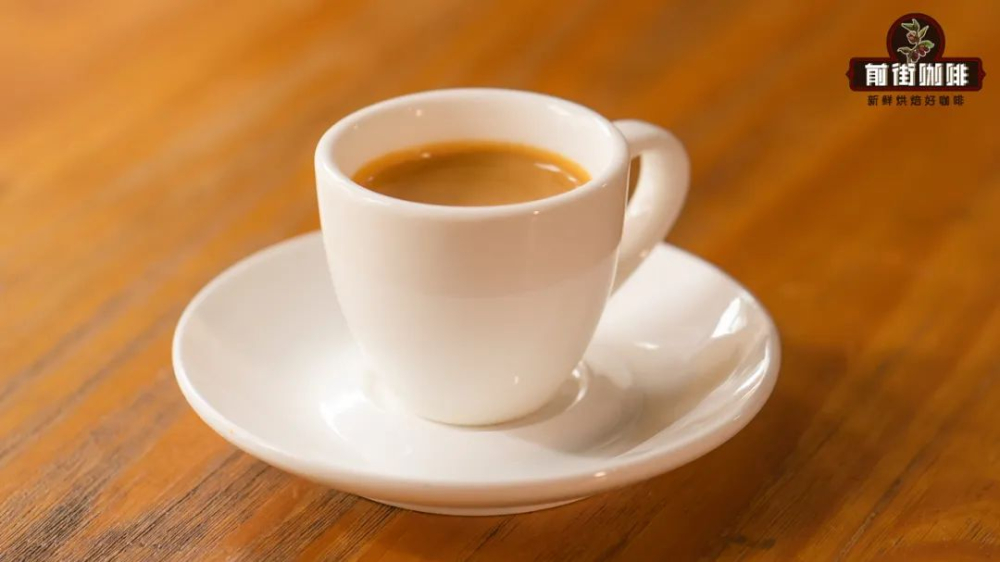
In Italian, "espresso" means "fast." Before the 20th century, making coffee was a slow affair — anyone wanting a caffeine kick had to sit through a lengthy preparation. Some people, clearly, could not abide the wait. So in the early 20th century, driven by Europe's Industrial Revolution, the espresso machine was invented, and for the first time people experienced just how quickly coffee could be made. Neither the machine's precision nor its extraction pressure matched modern equipment, but by the standards of the day it was cheetah-fast. People named this quickly made coffee "espresso" — very fast. Espresso caught on rapidly, and cafés spread across Italy serving it.
Americano
Fast forward to World War II. American soldiers walked into an Italian café and found the espresso far too strong and concentrated — nothing like the instant coffee they knew — and simply too bitter to accept.

So they asked the café to pour the espresso into hot water to dilute it. The diluted cup went over well — far better than instant — and as more and more soldiers ordered "espresso with water," cafés started calling the drink Americano for convenience.
Cappuccino
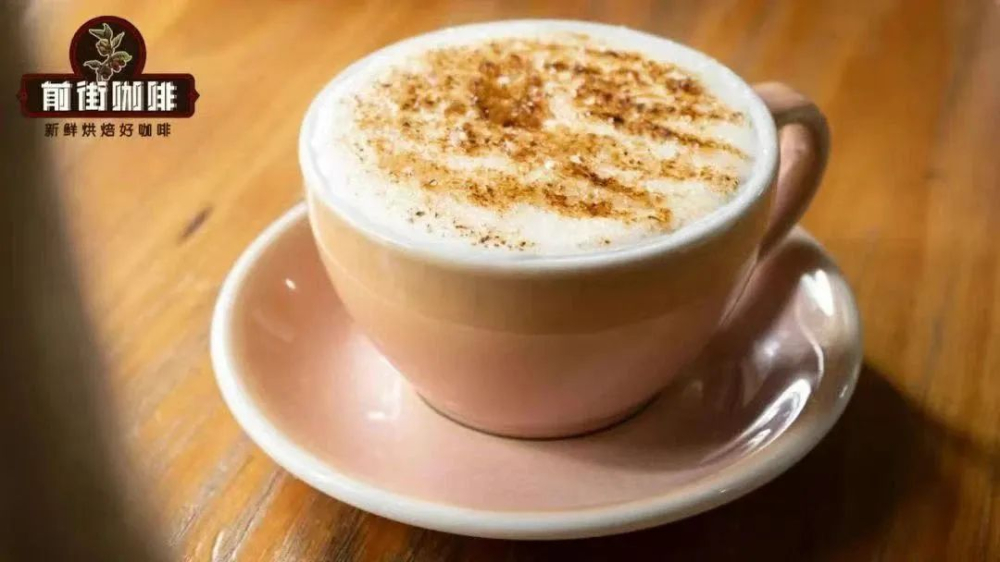
Cappuccino and latte both belong to the milk-coffee family, but because latte is so famous, many assume it came first. In fact, cappuccino was born earlier.
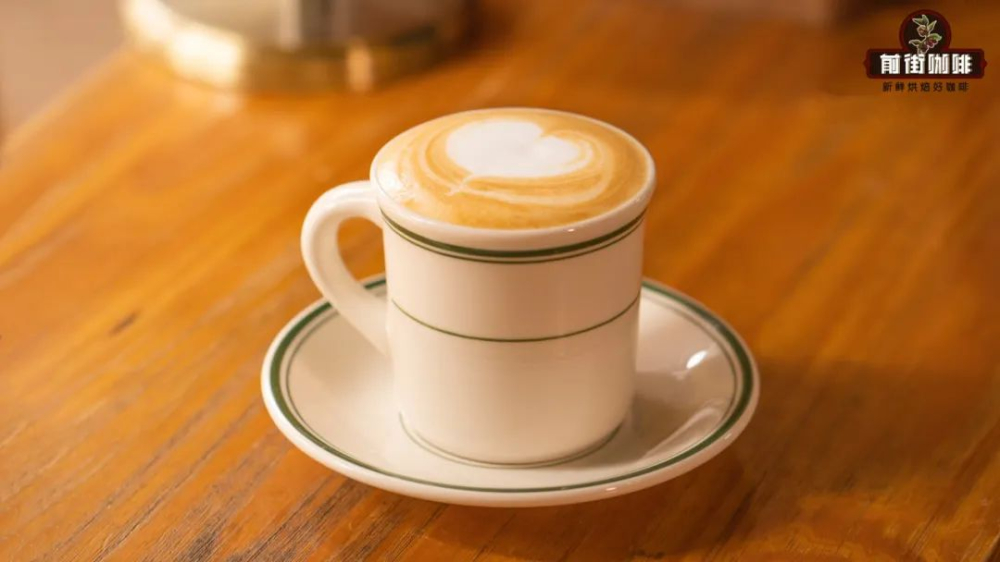
The name is a direct borrowing of the Italian "Cappuccino" — hood or cap. When people first added steamed milk to coffee, they noticed the mixed color closely resembled the robes of the Capuchin friars, and the milk foam sitting on top looked like their hoods. The drink took its name from that hood-like appearance.
Latte
Latte is the most popular milk coffee, no contest. In Italian, "latte" simply means milk. Because the drink contains a great deal of it, Italians called it "caffè latte" — coffee with milk. Outside Italy, people shortened it to "latte," and the name stuck. Be warned, though: if you order by saying just "latte" in an Italian café, you will very likely be handed a glass of milk.
Mocha Café
Originally, Mocha referred to the port city of Mocha in Yemen. From the 17th century onward, for over 300 years, the Port of Mocha was a crucial hub of the coffee trade — nearly all the world's coffee passed through it. To certify the beans had legitimately come from Mocha, every bag shipped out was stamped "Mocha." But as coffee cultivation spread around the world, the port lost its dominance in the trade, and under Ottoman rule beans from Mocha itself became scarce. To recapture that remembered flavor, people used chocolate to imitate the chocolate notes of Mocha coffee — and "Mocha Café" was born.
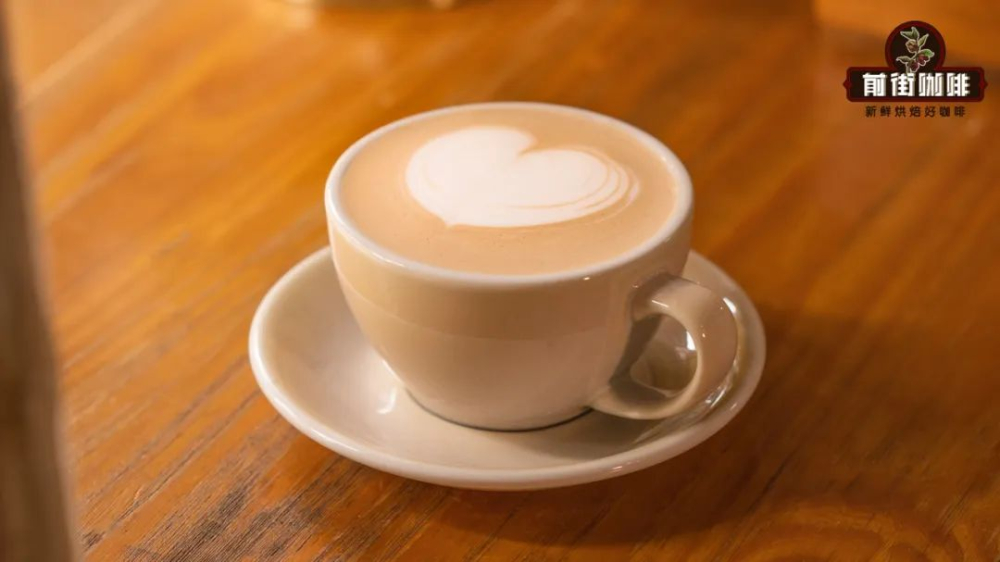
Macchiato
"Macchiato" means "marked" or "stained" in Italian. Before specialty coffee, coffee did not taste as good as what we drink today, and many found it punishingly bitter. People began adding a little milk to soften it — but such a small amount barely changed the cup's appearance, so baristas could not tell whether milk had been added. To mark the difference, they crowned the espresso-and-milk with a small dollop of milk foam. That is how the Macchiato got its name.
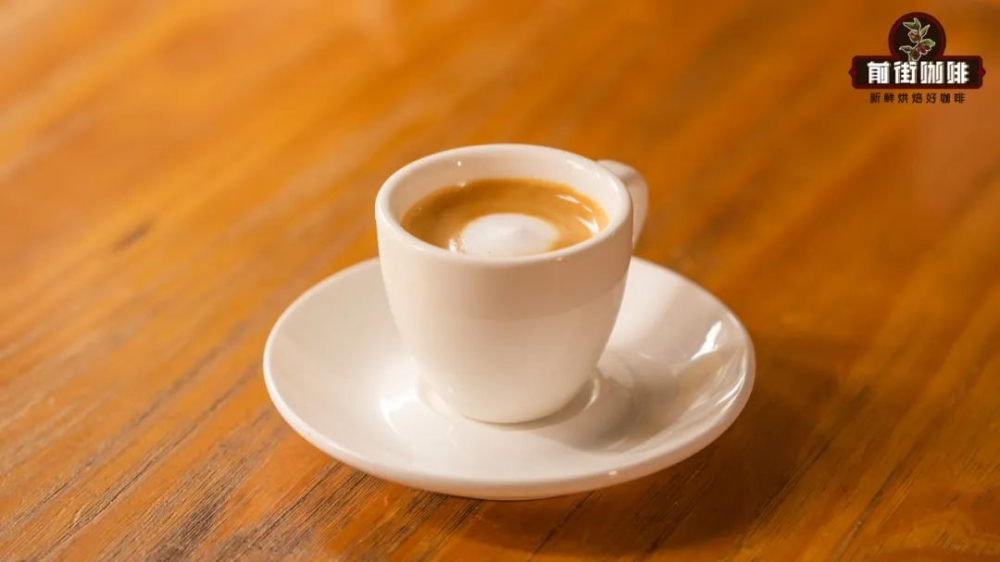
As coffee grew more specialized, it stopped being "just bitter" — quality beans cloaked bitterness in aroma, sweetness, and body. With milk no longer needed to soften the cup, the classic Macchiato faded from view.
Caramel Macchiato
Years later, a "Caramel Macchiato" appeared on the market. It is not a descendant of the Macchiato but an entirely new fancy drink: a latte base dressed with caramel, vanilla syrup, and more. It borrowed only the word, not the method — and with all that syrup, the "mark" became a sweet one.
Flat White
Australians generally prefer stronger coffee, and traditional Italian coffee dilutes too much for their taste. So they developed their own concentrated drinks: the Long Black FrontStreet Coffee often mentions is a punchier Americano, and the Flat White is the concentrated version of the milk coffee.
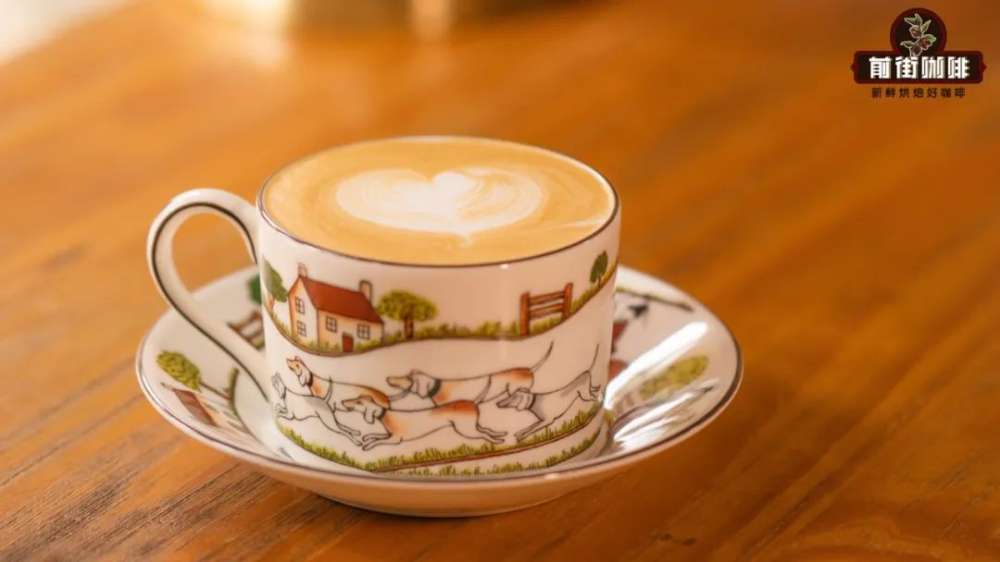
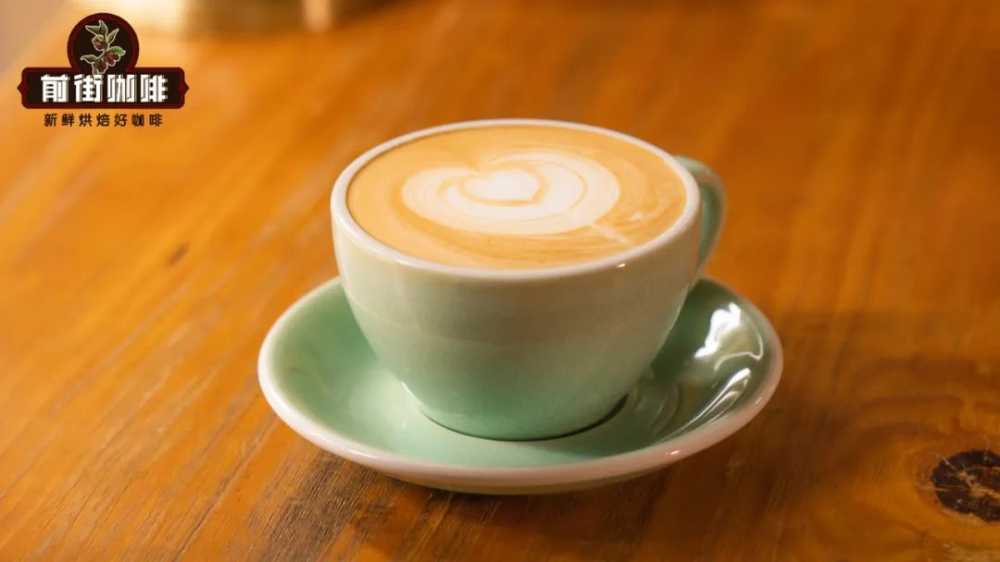
Traditional Italian coffee already had strong milk drinks like cappuccino, but for Australians the thick, dense foam was not the texture they wanted. So they raised the concentration, flattened the foam — and the Flat White was born.
Dirty
Dirty is the only drink here that was iced from birth. It was created by Katsuyuki Tanaka of Japan, who wrote that its core is the pairing of iced milk with hot espresso: the iced milk's pronounced sweetness meets the dense body and intense coffee flavor of hot espresso. The contrast is striking but never jarring.
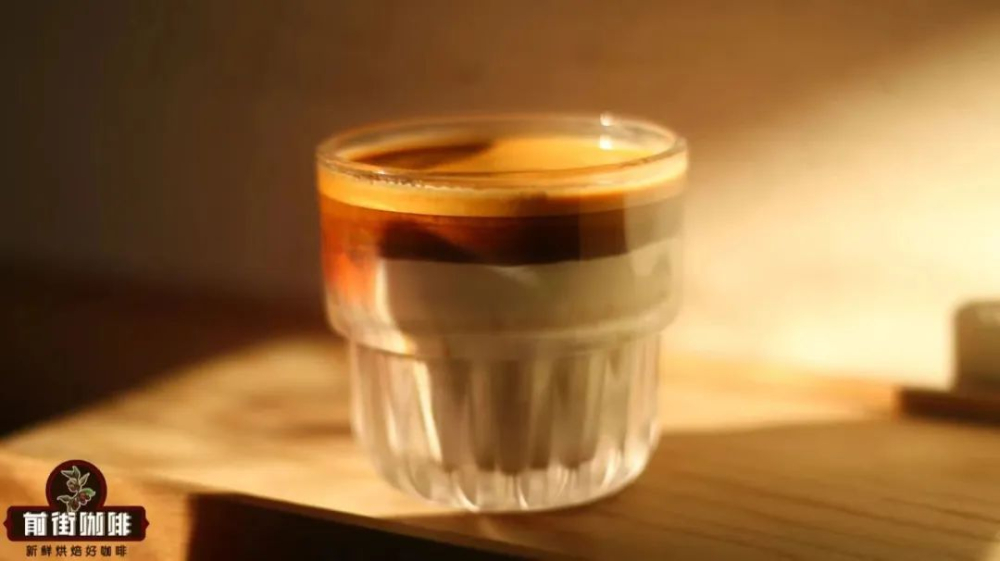
When the iced milk catches the hot espresso, the espresso's gradual descent looks like an angel's trail of tears — so Tanaka named it "Angel Stain." By the time it reached China, the name had evolved into "Dirty."
Conclusion
These are the more common Italian coffees you will find on any coffee shop menu. Knowing where they came from makes each sip a little more interesting.
- END -

FrontStreet Coffee Recommendation
Whether it is a latte, cappuccino, or Flat White, the drink is only as good as its espresso base and its milk. For home brewing, FrontStreet Coffee recommends the butter-and-cheese-toned Classic Blend: mellow, low-acid, with rich, silky crema that pairs beautifully with milk. Those who prefer floral and fruit notes should reach for the low-bitterness Strawberry Candy Blend, whose grape and blueberry character turns into something like a strawberry milkshake when combined with fresh milk.
For an authentic Flat White, extract a ristretto base — 20g of grounds yielding 32g of espresso in 22–25 seconds — then pair it with 160ml of fresh milk textured to a foam just 0.3cm thick, so the crema's aroma comes through in the very first sip.
Important Notice :
FrontStreet Coffee is a long-established specialty coffee roaster in Guangzhou China, selling freshly roasted beans from its own farm in Yunnan as well as dozens of carefully selected single-origin beans from around the world for both pour-over and espresso. The products deliver consistently excellent quality and great value, with shipping within 24 hours. Guangzhou's FrontStreet Coffee shop is recommended by many coffee lovers, and the beans are now available online at the Tmall 。
FrontStreet Coffee has moved to a new address:
FrontStreet Coffee Address: 315,Donghua East Road,GuangZhou
Tel:020 38364473
 Scan and follow the En Gafei WeChat official account. Please indicate that the reprint comes from "En Gafei".