
What Techniques Matter in Coffee Brewing? Are Coffee Beans More Important Than Extraction Methods?

Thanks to social media, learning any brewing method today is remarkably easy. From illustrated tutorials to video walkthroughs, there's no shortage of resources, giving beginners plenty of ways into coffee. But as these quick-fix tutorials have multiplied, many newcomers have fallen into a misconception: when coffee doesn't taste right, the first instinct is to change the brewing technique.
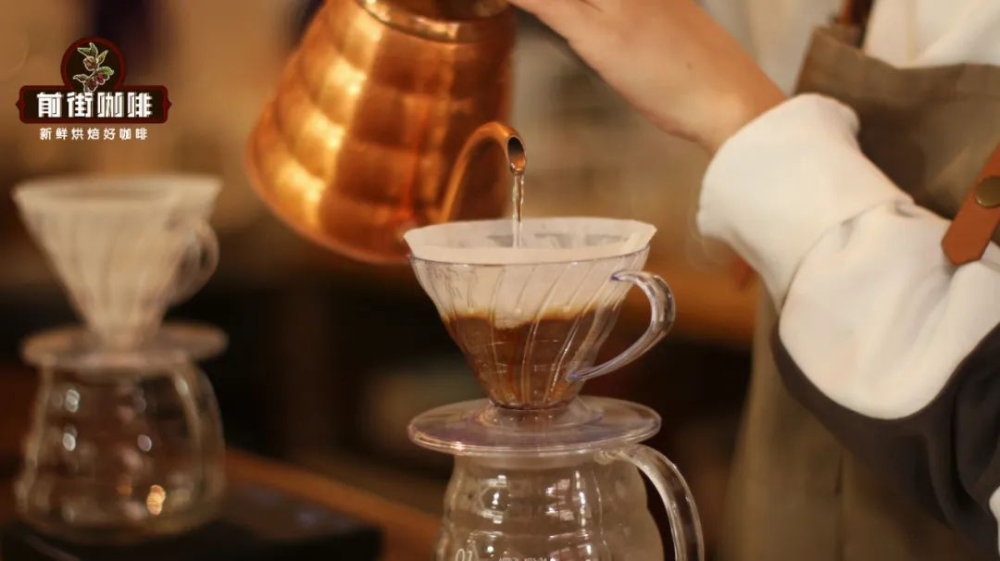
"Fine-grind fast-stir method," "Japanese drop-by-drop method," "high-fineness fast brewing," "world champion method," "single-pour tornado technique" — notice anything? However different these approaches are, they share one trait: they all treat the "brewing" as the key to expressing flavor, trying to bring out particular pleasing qualities, such as sweetness, body, or juiciness, by changing technique.
In truth, the flavor differences produced through brewing are really extraction frameworks that brewers have built from their understanding of various parameters and specific beans.
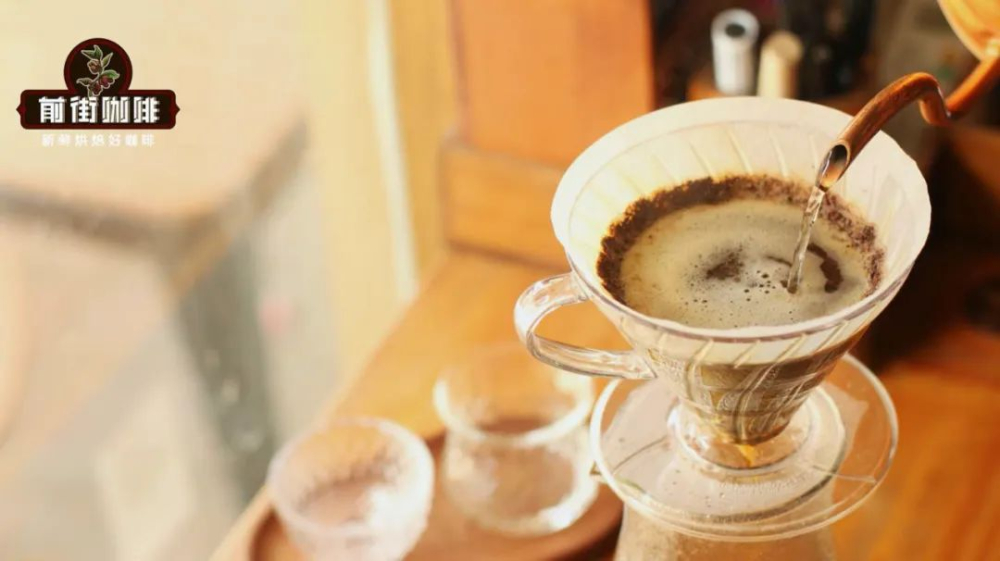
As we know, during brewing the dissolution of flavor compounds follows a rough order: acids emerge first, then sweet components, and finally bitter compounds. To better "steer" the flavors they want, experienced brewers vary water temperature, grind size, extraction time, and even pouring methods and drippers to indirectly control the release of these compounds, coaxing two different experiences out of the same bean.
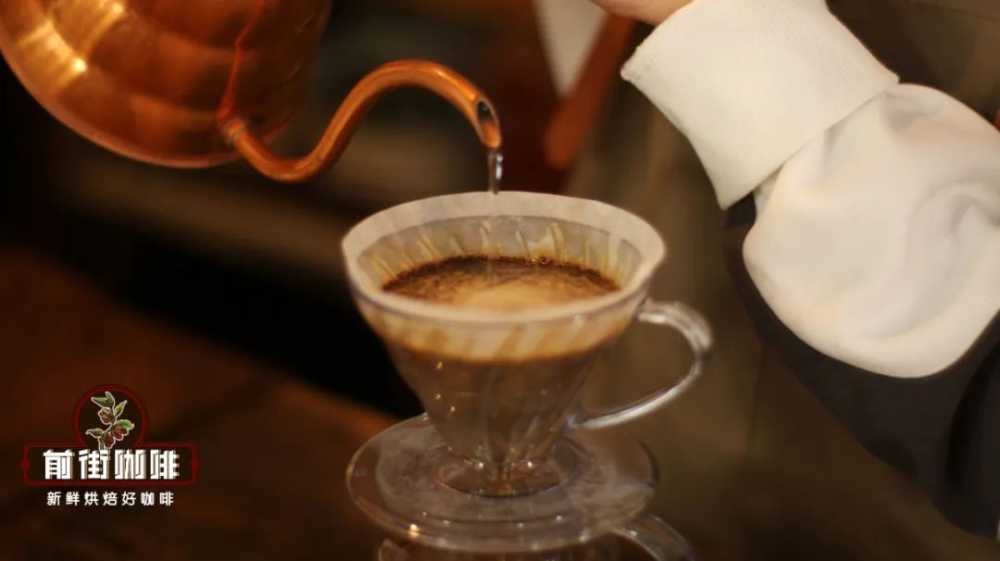
In pour-over, water flowing through the bed mainly washes and extracts. When the pour stops, the water level gradually drops with the flow rate, but water keeps acting on the coffee particles, now providing an immersion effect. Generally, more pours mean more washing cycles and higher extraction efficiency. The alternation between washing and immersion also increases, which in turn stretches the total extraction time.
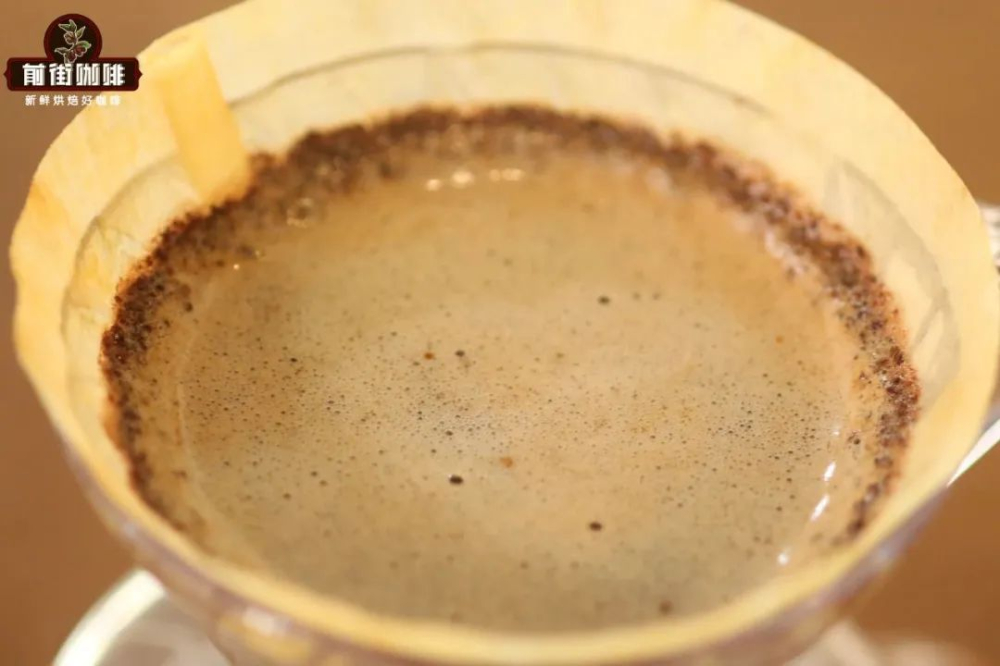
For example, a three-stage pour can be seen as wash-soak-wash-soak after the bloom. Compared with a single-pour method that only delivers "wash + soak," the bed is agitated more often and for longer, extracting mid-range compounds more efficiently and producing richer sweetness than single-pour brewing.
Take FrontStreet Coffee's recently brewed Santa Vinny beans. Without changing any other parameter, a single pour presents bright, clean citrus acidity, while the everyday three-stage method adds full, ripe berry and apricot-like sweetness.
The Foundation of Flavor
FrontStreet Coffee understands that a delicious cup is shaped profoundly by origin, variety, processing, roast, and extraction — which is also why single-origin coffee captivates so many people. Brewing sits at the very end of the coffee chain, so there's actually limited room to adjust. Changes in technique, parameters, or equipment can at most create relatively minor flavor differences, mainly in body, sweetness, cleanliness, and aftertaste.
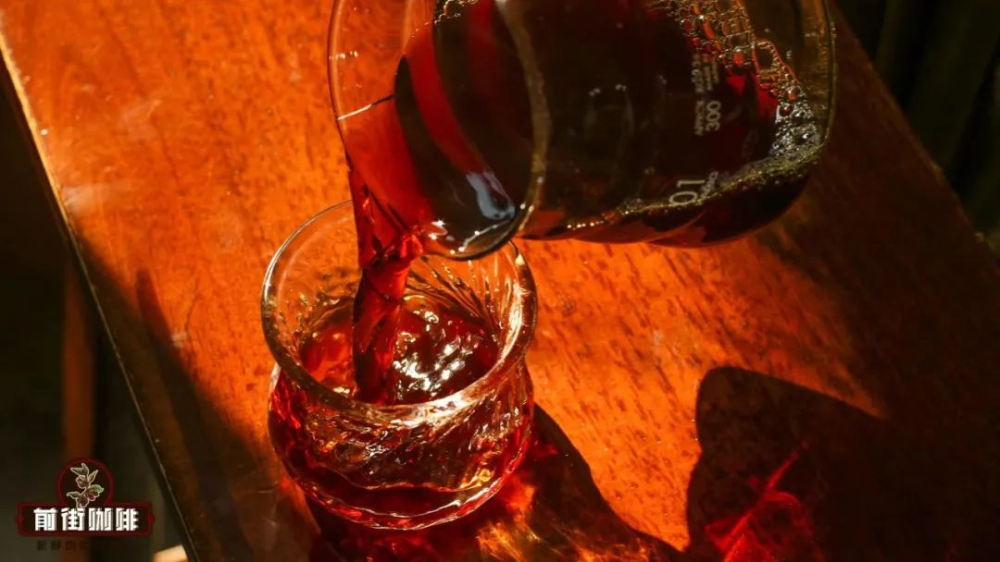
Without revealing any bean information, FrontStreet Coffee had its writing baristas blind-taste the two cups above. Everyone detected subtle flavor differences, but in the end all guessed they came from the same "ingredient." That shows that while pouring technique shapes how a coffee's best qualities are expressed, the primary credit still belongs to the bean itself.
The Limits of Technique
Another example: when FrontStreet Coffee brews a dark roast with unappealing flavors, if the aroma itself lacks complexity and the taste runs mostly to caramelized notes, then no amount of elaborate technique or clever parameters will make it noticeably more enjoyable. Simply put, brewing technique can enhance good coffee but cannot turn poor quality into excellence.
A Conservative Approach
For this reason, when FrontStreet Coffee teaches brewing, it usually favors more conservative extraction frameworks — the simplest methods, with as few variables as possible and the most stable techniques and parameters, to express what the bean has to offer. If you're chasing higher sweetness, more acidity, or particular aromas, consider choosing different beans instead, because the flavor difference will far exceed anything you can create by varying the brew method.

FrontStreet Coffee Recommendation
If technique can only polish what the bean already gives, then the surest way to drink more sweetness and acidity is to start with a light roast built around those qualities. FrontStreet Coffee's Kenya Cherry Tomato is a striking choice: a specialty washed lot from Kenya's Sika region, grown at 1,550-1,750 meters from the classic SL28 and SL34 varieties, and given Kenya's signature 72-hour double washed fermentation. Light-roasted to protect its lively acidity, it opens with dried cherry-tomato and floral aromas, then delivers clear cherry-tomato and smoked-plum notes, a bright, firm acidity, and a clean, long finish of yellow sugar and a whisper of green tea.
For a gentler, easier drinking entry, FrontStreet Coffee's washed Yirgacheffe Guodingding leads with citrus, berry, and florals over a green-tea-like finish — its soft, bright acidity feels more like fruit's own sweetness than a sharp tang, which makes it the ideal first bean for anyone learning to brew light roasts.
Important Notice :
FrontStreet Coffee is a long-established specialty coffee roaster in Guangzhou China, selling freshly roasted beans from its own farm in Yunnan as well as dozens of carefully selected single-origin beans from around the world for both pour-over and espresso. The products deliver consistently excellent quality and great value, with shipping within 24 hours. Guangzhou's FrontStreet Coffee shop is recommended by many coffee lovers, and the beans are now available online at the Tmall 。
FrontStreet Coffee has moved to a new address:
FrontStreet Coffee Address: 315,Donghua East Road,GuangZhou
Tel:020 38364473
 Scan and follow the En Gafei WeChat official account. Please indicate that the reprint comes from "En Gafei".

