How to Enhance Coffee Tasting Skills? Introduction to Professional Flavor Expression for Pour-Over Coffee

Ever shared a pot of coffee with friends while they talked endlessly about the cup's every characteristic—and all you could manage was...

...a mumbled "hmm... this coffee tastes very coffee-y!" That's not a failure of expression—it's just that you haven't grasped how coffee description works, so you don't know where to start. And that's closely tied to tasting: once you learn how to taste coffee, you'll know how to describe it. So today FrontStreet Coffee shares how baristas—those self-styled "great writers"—describe coffee through tasting.
Describing coffee is simpler than it looks. Break down your impressions of the cup into distinct characteristics, describe each one, then string them together into a sentence.

The Five Elements of Coffee Tasting
We generally taste coffee along five dimensions: aroma, taste, flavor, body, and aftertaste. Starting from these five points not only makes describing coffee easier—it makes tasting genuinely fun.
Aroma
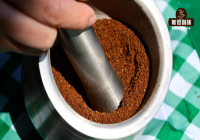
Tasting begins the moment the beans hit the grinder. First, take in the aromas: the dry aroma of the freshly ground coffee and the wet aroma that blooms when the grounds meet water.

As a rule, light-to-medium roasts release florals and various fruit scents, while medium-to-dark roasts give heavier, richer aromas like chocolate, caramel, and spice.
Taste
Next is the drinking phase, where your taste buds encounter coffee's aromatic compounds. First come the three tastes that form flavor: sour, sweet, and bitter. How those tastes feel to you is exactly what you need to describe.

Take acidity. If the coffee's acidity is strong and harsh—hard to accept—words like "sharp, stimulating, astringent" fit. If the acidity feels comfortable and pleasant, describe it by intensity: "bright, uplifting, lively," or "gentle." Just say what you feel.
Flavor
When taste becomes concrete, it turns into what we call coffee flavor—one of tasting's great pleasures. For beginners, though, flavor association can be hard. Most people can only place a taste into a broad category: something sweet and sour and fruity, but which fruit exactly? It stays vague. That's where a flavor wheel helps you find the closest concrete match.

First ask what family the fruit flavor belongs to. High acidity with a fresh, tangy fragrance points to citrus; gentler acidity with more sweetness suggests another fruit category. Then find the fruit within that family whose taste matches best—that's the concrete flavor you couldn't name.
Body
Body is the weight of the coffee liquid in your mouth. Higher concentration and more dissolved substances mean a heavier feel; lower concentration means a lighter one.

Compare milk and water. Water feels light in the mouth because it contains so little; milk is rich in solids, so it tastes thicker than water. That weight is what the coffee world calls "body."
Aftertaste
Finally, aftertaste: the flavors that linger in your mouth after you swallow. It can be good or bad. A bad aftertaste leaves astringency and bitterness hanging around; a good one delivers pleasant notes after the swallow—florals, honey sweetness, tea notes, intensely sweet fruit juices, and the like.

Putting It All Together
Those are the five elements of tasting. Once you can move through them one by one, you've stepped through tasting's front door, and describing coffee becomes effortless. For example: "This coffee smells of rich jasmine, has lively, uplifting berry acidity, sweet-sour notes of strawberry and citrus, and a rose-tea aftertaste that lasts forever." And once you're truly experienced, you'll probably describe a great cup far more simply: "So sweet."

FrontStreet Coffee Recommendation
Want beans that train your palate? Start with coffees whose flavors are unmistakable. FrontStreet Coffee's Ethiopia Yirgacheffe Guodingding practically narrates itself—citrus, berry, and jasmine with a green-tea finish—and the washed processing keeps every descriptor clean and easy to pick out.
For the opposite end of the spectrum, FrontStreet Coffee's PWN Golden Mandheling exercises your dark-roast vocabulary: herbal notes, dark chocolate, a whisper of earth, and a long, low-acid finish—perfect for practicing body and aftertaste descriptions.
Important Notice :
FrontStreet Coffee is a long-established specialty coffee roaster in Guangzhou China, selling freshly roasted beans from its own farm in Yunnan as well as dozens of carefully selected single-origin beans from around the world for both pour-over and espresso. The products deliver consistently excellent quality and great value, with shipping within 24 hours. Guangzhou's FrontStreet Coffee shop is recommended by many coffee lovers, and the beans are now available online at the Tmall 。
FrontStreet Coffee has moved to a new address:
FrontStreet Coffee Address: 315,Donghua East Road,GuangZhou
Tel:020 38364473
 Scan and follow the En Gafei WeChat official account. Please indicate that the reprint comes from "En Gafei".