
Red Cherry Project, Ethiopian Yirgacheffe Natural Red Cherry Coffee Introduction
Ethiopia: The Birthplace of Coffee
For coffee enthusiasts, Ethiopia is sacred ground. The country is not only where coffee was born, but remains a major exporter of specialty coffee today. Ethiopia currently holds an estimated 10,000 to 15,000 coffee varieties, most of them not yet formally identified genetically. Its renowned producing regions include Sidamo, Guji, Yirgacheffe, Jima, and Harar.
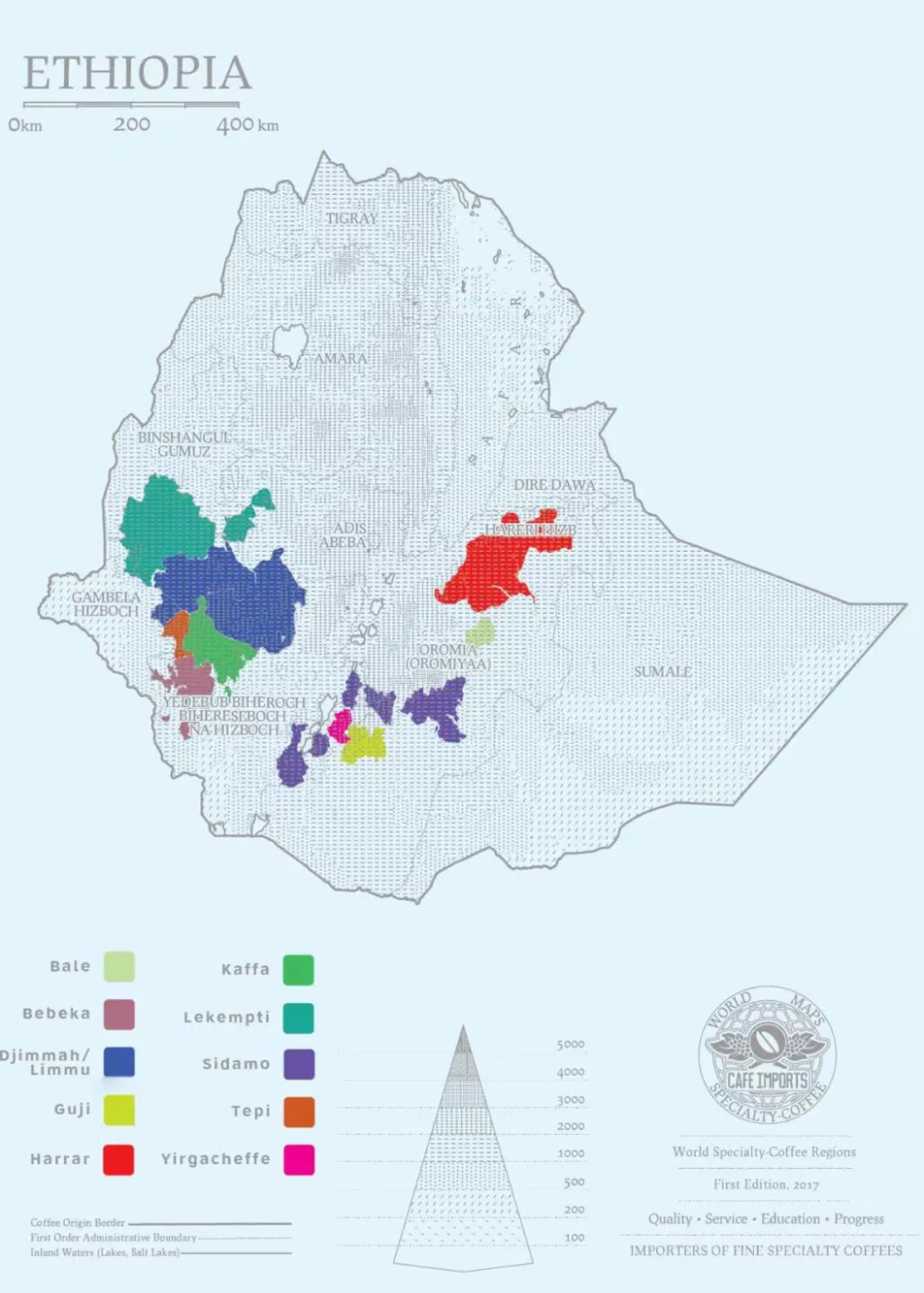
Yirgacheffe Region
Yirgacheffe lies on the eastern edge of the East African Rift Valley at 1,700–2,100 meters. Administratively it is a small town within the Sidamo region. It was once merely a sub-region of Sidamo, but its coffee's distinctive character — bright lemon acidity, fresh citrus, and uplifting jasmine — earned it status as an independent region. While related to Sidamo, Yirgacheffe's clearly different qualities justified the separation.
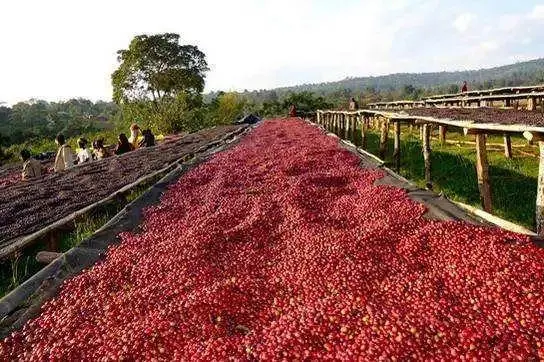
The region has also been granted a registered trademark held by the Ethiopian Commodity Exchange (ECX). Under the trademark rules, only coffee produced in Yirgacheffe and certified through ECX cupping may carry the Yirgacheffe name.
Heirloom Varieties
Ethiopian coffee cultivation is dominated by garden coffee: plants grow alongside other crops near farmers' homes, tended by the farmers themselves and harvested each picking season, after which the cherry goes to middlemen or processing stations. This model accounts for more than half of Ethiopia's total coffee production.
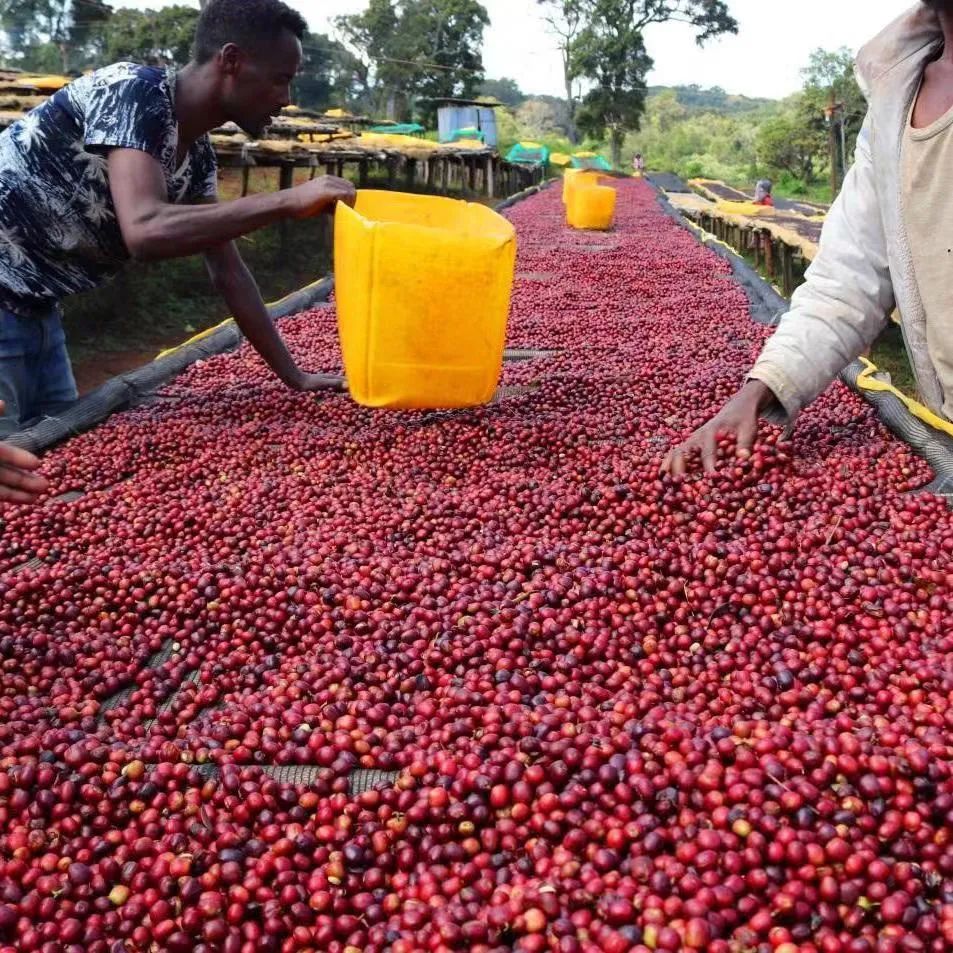
By official counts, roughly 15,000 Ethiopian varieties have never been genetically identified, and cataloging, identifying, and classifying them is a monumental task. Given this cultivation model, the lots a processing station receives may contain many varieties at once. Ethiopian beans are therefore collectively labeled "Heirloom" — native or heirloom varieties — which also explains why the beans often vary so much in size and appearance.
The Red Cherry Project
Before specialty coffee took hold, coffee farming chased yield rather than quality to maximize profit. At harvest, overripe and unripe cherries were picked together, and the brewed coffee paid the price in flavor.
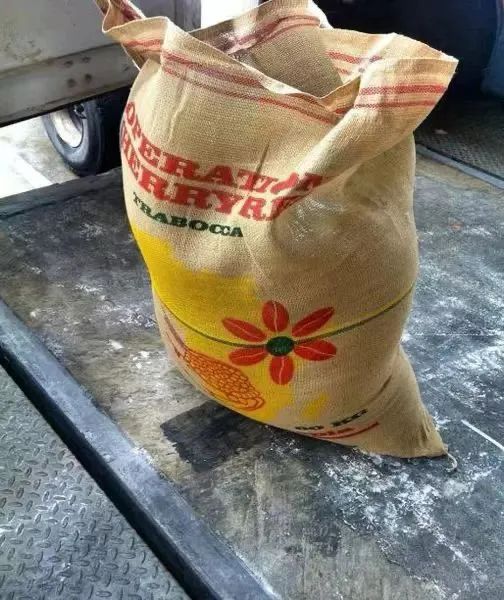
In response, the Dutch green coffee trader Trabocca launched the "Red Cherry Project" (ORC) in 2007. It invited farms across Ethiopia to produce small batches of roughly 1,500–3,000 kilograms each, with one requirement: 100% hand-picked, fully ripe red cherries. These batches were bought at several times the market rate, raising farmers' incomes and, given the extra labor for harvesting, selection, and processing, the price of green coffee as well.
Not every lot earns the premium, though. Trabocca buys selectively, and beans must pass cupping evaluations at both its Ethiopian and Dutch offices. In short, the Red Cherry Project rewards meticulous cherry selection and processing with higher prices for higher quality — and the resulting coffees, being better, win market recognition that justifies those prices. The project's main regions currently include Yirgacheffe, Sidamo, Bonga Forest, Lekempti, Kembata, Harar, and Limu.
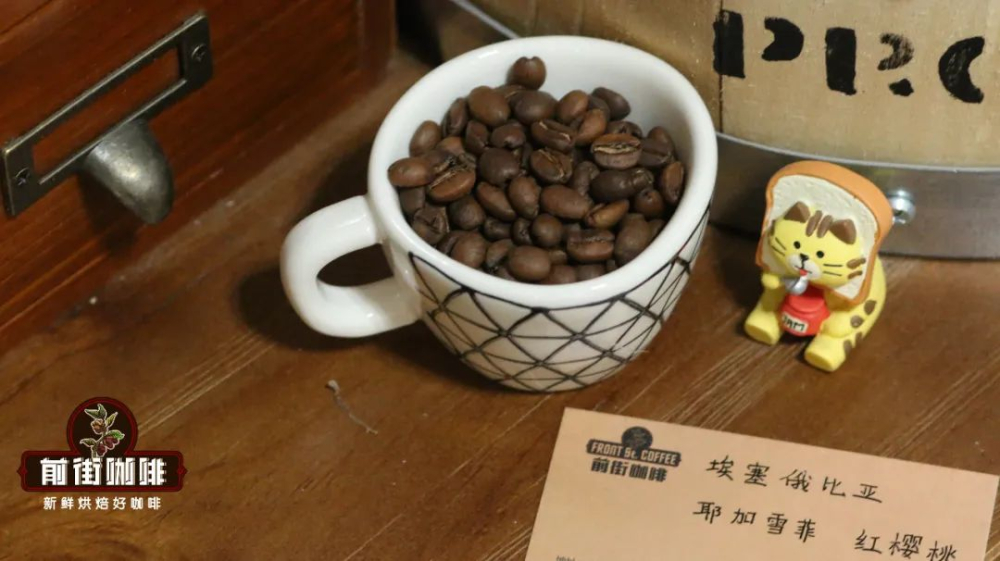
FrontStreet Coffee Ethiopian Yirgacheffe Natural Red Cherry
Origin: Yirgacheffe Region
Altitude: 1,700-2,200 meters
Variety: Heirloom
Processing: Natural Process
Flavor Notes: Berries, Lemon, Fermented Fruit Aroma, Strawberry
FrontStreet Coffee's Yirgacheffe Red Cherry beans are natural processed and lightly roasted. Brewed on a V60 at a 1:15 ratio with 92°C water, they release subtle fermented fruit aromas, with fresh lemon acidity and clear berry and strawberry flavors — a refreshingly juicy cup.
FrontStreet Coffee Recommendation
If the natural Red Cherry wins you over, its washed sibling is the natural next step: FrontStreet Coffee's washed Yirgacheffe shows the region's classic white jasmine, bright citrus and lemon acidity, and a tea-like finish — the same terroir, expressed with the clarity only washing can give.
For a deeper dive into Yirgacheffe's villages, the washed Worka (Guodingding) cooperative lot — G1 grade, with elegant white florals, citrus, orange, and green tea — represents the tradition-bound side of the region, and pairs beautifully with the Red Cherry's berry-forward natural style in a side-by-side tasting.
Important Notice :
FrontStreet Coffee is a long-established specialty coffee roaster in Guangzhou China, selling freshly roasted beans from its own farm in Yunnan as well as dozens of carefully selected single-origin beans from around the world for both pour-over and espresso. The products deliver consistently excellent quality and great value, with shipping within 24 hours. Guangzhou's FrontStreet Coffee shop is recommended by many coffee lovers, and the beans are now available online at the Tmall 。
FrontStreet Coffee has moved to a new address:
FrontStreet Coffee Address: 315,Donghua East Road,GuangZhou
Tel:020 38364473
 Scan and follow the En Gafei WeChat official account. Please indicate that the reprint comes from "En Gafei".

