
Why Are There Coffee Grounds in My Espresso? What's Wrong with the Espresso Extraction Process?
With the temperature dropping sharply recently, customers visiting the cafe have been choosing hot coffee. After tasting a hot Americano, one customer recalled noticing small particles at the bottom of the cup after drinking hot Americano before, and asked FrontStreet Coffee: "Are those coffee grounds at the bottom of the cup? Why have I never seen them when drinking iced coffee?"
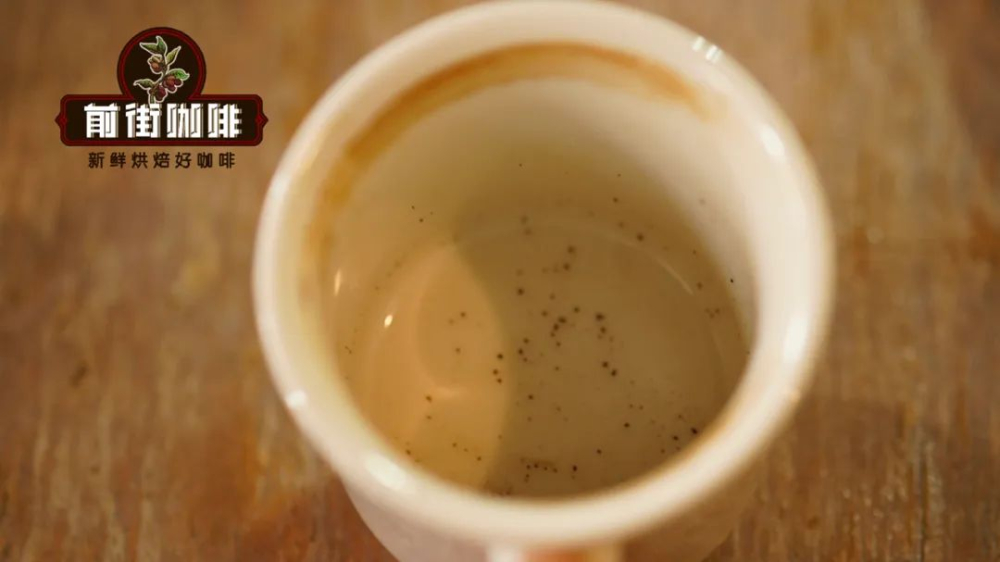
(Image for reference only.)
In response, FrontStreet Coffee would like to discuss today why espresso sometimes leaves sediment at the bottom of the cup, and what methods can reduce it.
Is it normal to have coffee grounds at the bottom of the cup?
Those black particles settling at the bottom are actually fine powder that falls into the cup along with the water during espresso extraction. It is similar to how soy milk might have bean dregs at the bottom, or how fresh juice contains fruit pulp.
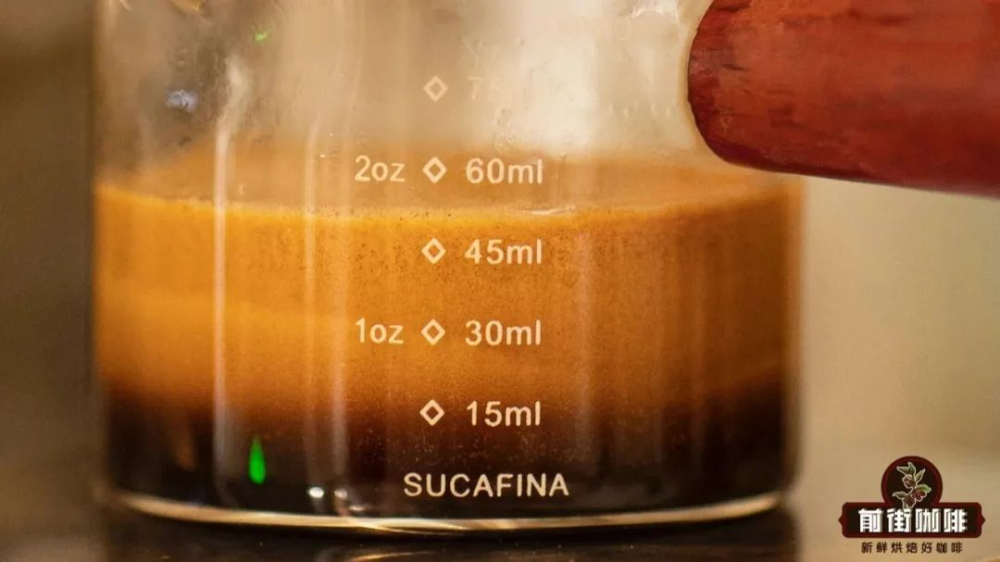
Under normal circumstances, it is normal for espresso to contain trace amounts of fine powder. If you are not drinking espresso straight, you might not even notice it, and when you add a proportion of water or milk to make other espresso-based drinks, it becomes even harder to detect. Those minute amounts of fine powder do not affect the coffee's taste.
When you can clearly see black particles mixed into your coffee with the naked eye, though, that means there is an "unusual" amount of powder, most likely caused by a problem at some stage of extraction.
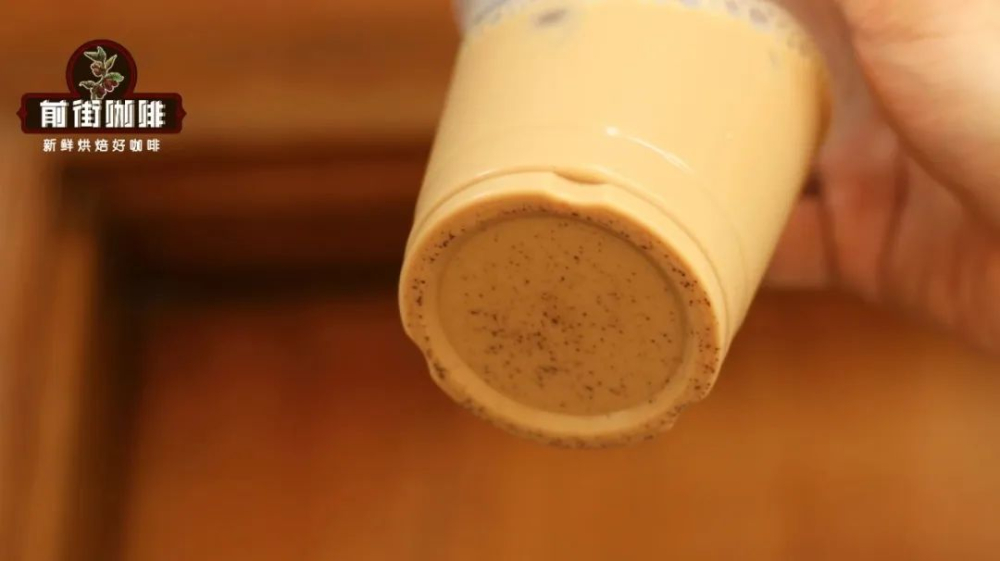
Where do these fine powders come from?
Espresso beans need to be ground to a consistency similar to fine sand, with particle sizes ranging roughly from 200 to 300 micrometers. What we commonly call "fines" are created when the beans are cut and squeezed during grinding. These particles are smaller than the target range and, because of static electricity, cling to the coffee grounds. This type of fine powder cannot be completely avoided during grinding, just as breaking open a coffee bean scatters some powder to varying degrees. Some commercial-grade grinders produce more uniform particle sizes, which can reduce the trouble fines cause.
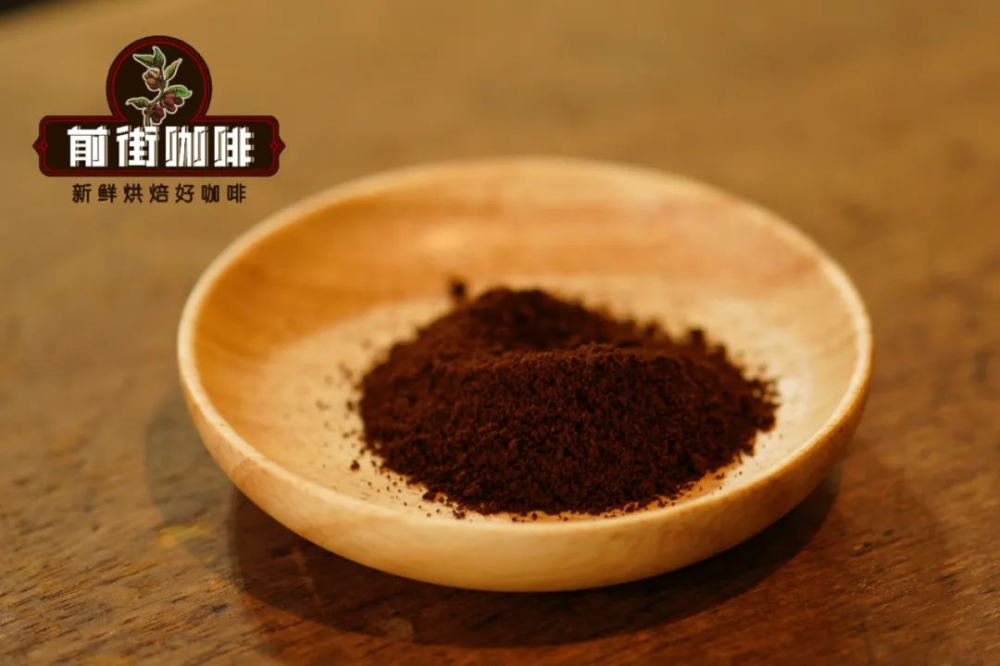
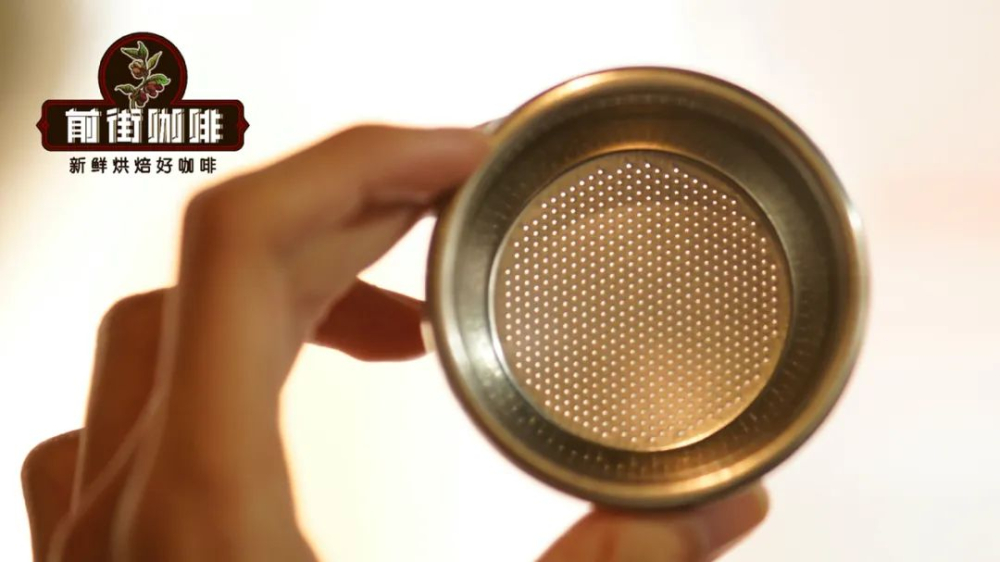
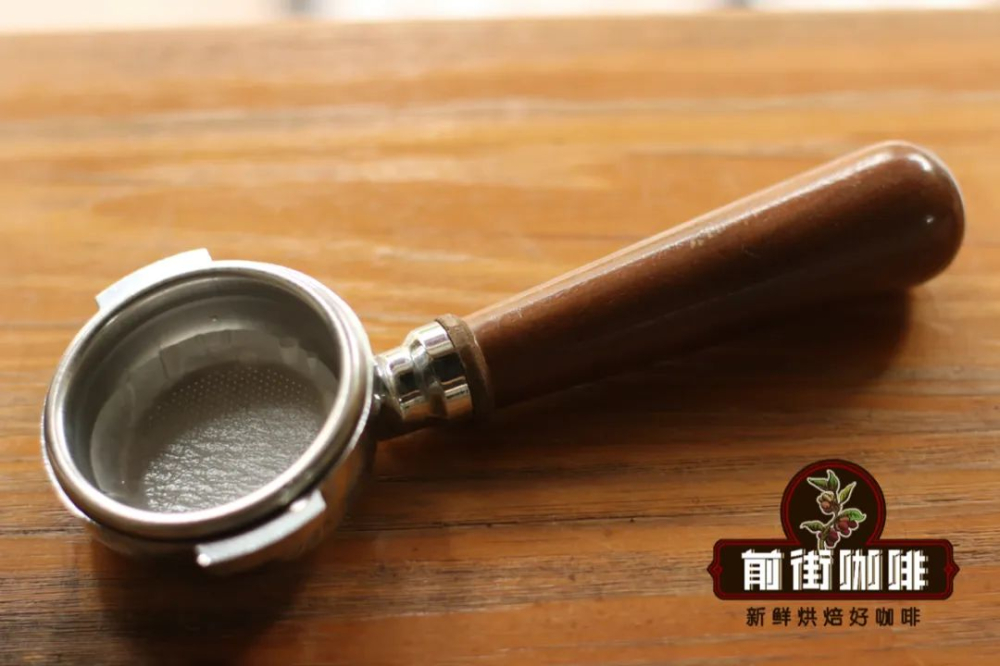
The portafilter basket used for espresso extraction consists of a mesh of tiny holes that act as a filter. Hold the basket toward a light source and the light passing through the mesh shows you the hole size. When we load grounds into the basket and attach the portafilter to begin extraction, those fine particles smaller than the holes get washed into the coffee by the high-pressure hot water. These fines carried along with the coffee liquid usually do not sink to the bottom immediately; they often settle after a few minutes of sitting.
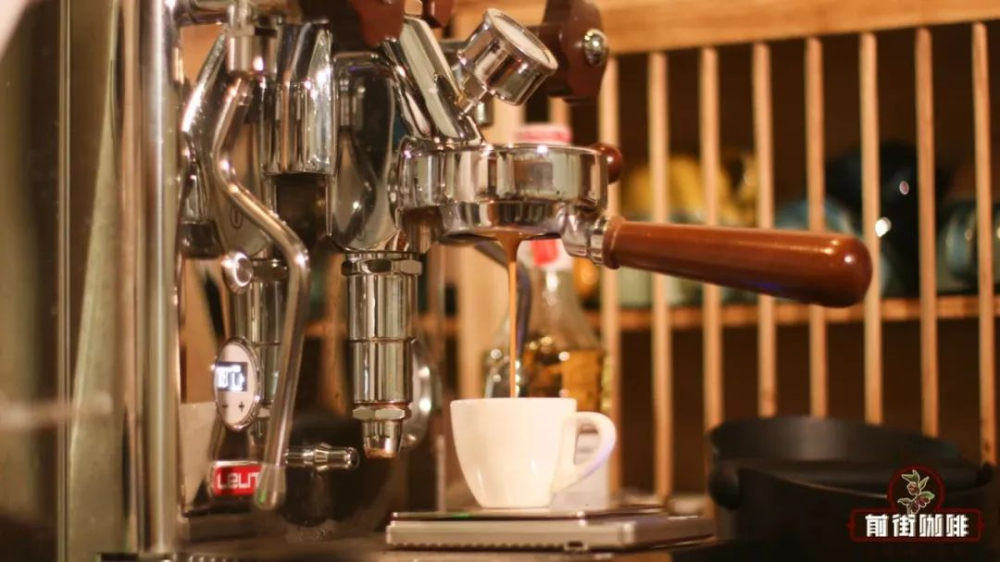
Back to the customer's question: FrontStreet Coffee uses shorter white coffee cups for hot Americano, so when drinking from top to bottom you would naturally see some fine powder settled at the bottom. For iced Americano, taller glasses are used and straws are typically provided, letting you drink from bottom to top. That is why you do not notice fine powder sediment at the bottom of an iced Americano, not because there is none.
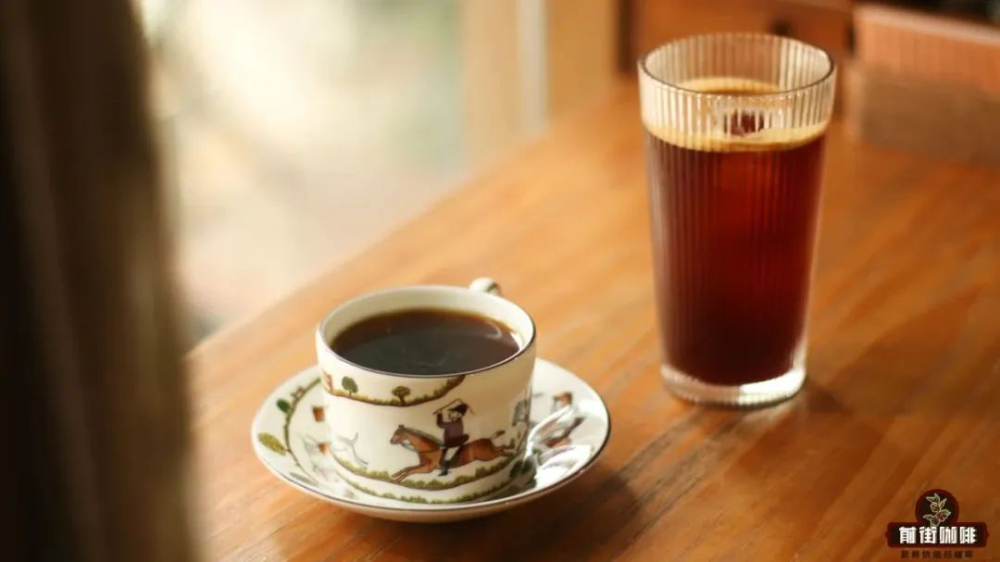
Beyond grinding, some details overlooked before and after extraction can also put an unusual amount of coffee powder in your drink. If the portafilter ring is not cleaned thoroughly, for example, and still has residue from previous uses, that can also leave unusual grounds in the cup.
How to avoid this situation?
1. First, check whether it is caused by technique. If so, get into the habit of cleaning the group head and portafilter regularly, which both prevents coffee contamination and ensures hygiene.
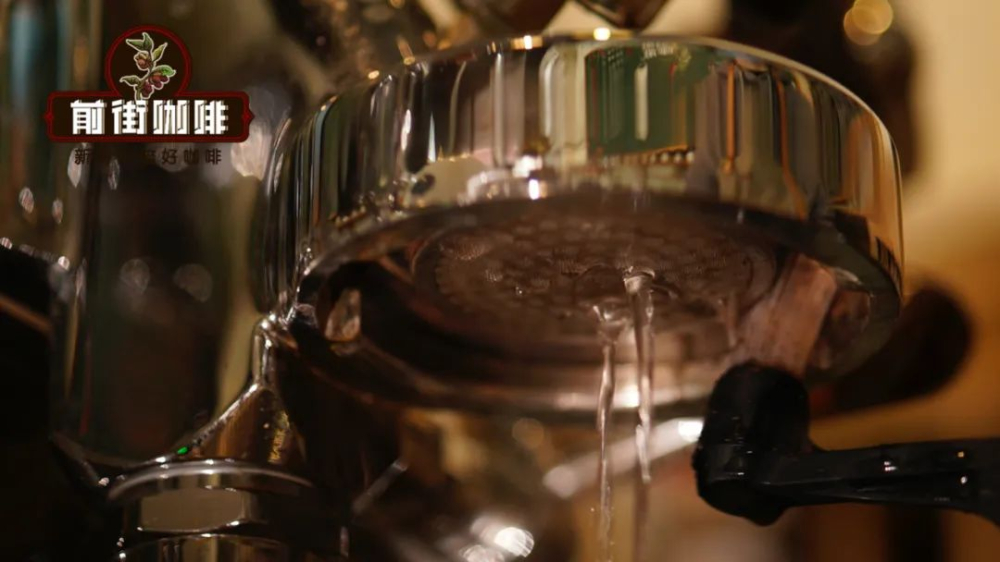
2. Portafilter baskets are affected by long-term high-temperature, high-pressure extraction. With prolonged use, the holes can deform, allowing more fine powder to pass through. This is not common, though, and usually only happens after 1-2 years of intensive use. To check, hold the basket toward a light source and see whether any individual holes have enlarged. If so, the basket needs replacing.
3. If, after checking the two steps above, the espresso still leaves large amounts of fine powder sediment at the bottom of the cup, we recommend upgrading to a better espresso grinder. A good grinder can spare us a lot of extraction trouble.
4. Of course, if you really cannot stand this kind of fine powder sediment, a paper filter might be a good option. Paper filters effectively block solid particles and oils, so placing a circular paper filter in the portafilter basket before adding grounds can keep fine powder from falling into the coffee along with the water.
FrontStreet Coffee tested this method with a paper filter and found it effectively solves the problem of fine powder falling into the coffee and settling at the bottom. Compared with extraction without a paper filter, however, the extraction speed was significantly faster and the espresso flavor also changed. So when using this stacked paper filter method, you need to readjust extraction parameters such as grind size and dose to achieve a stable extraction.
- END -
FrontStreet Coffee
No. 10, Bao'an Qianjie, Yandun Road, Dongshankou, Yuexiu District, Guangzhou, Guangdong Province

FrontStreet Coffee Recommendation
Since the fine powder is really about your espresso setup, the bean itself can make extraction more forgiving. For beginners using a home machine, FrontStreet Coffee's Classic Blend is a traditional Italian-style recipe built from Indonesian Mandheling, Brazilian Red Bourbon, and washed Vietnamese coffee, so it carries the low-acid, full-bodied, herbal, and woody character of Asian coffee while keeping the balanced, creamy smoothness of American coffee, with butter, nut, spice, and dark chocolate aromas on extraction. Its wild character and abundant crema make it a natural fit for Americano or latte.
If you want to prioritize value, the Black Cocoa Base Blend pairs Yunnan small beans with Brazil Cerrado, so an Americano shows nut, chocolate, and cream aromas along with the acidity of ripe Sanhua plum, with a soft overall body at a friendly price; its versatility also makes it a top choice for opening a cafe. And when you tire of dark-roasted espresso, the medium-roasted Strawberry Candy Espresso Blend is worth trying: it brings together single-origin Arabica from Colombia, Costa Rica, and Ethiopia, using washed, natural, and honey processing to lift the aroma, so alongside rose notes it is low in bitterness and lightly acidic, and both Americano and latte show grape, dried blueberry, sweet orange, and fruit-candy flavors with a distinctive almond finish.
Important Notice :
FrontStreet Coffee is a long-established specialty coffee roaster in Guangzhou China, selling freshly roasted beans from its own farm in Yunnan as well as dozens of carefully selected single-origin beans from around the world for both pour-over and espresso. The products deliver consistently excellent quality and great value, with shipping within 24 hours. Guangzhou's FrontStreet Coffee shop is recommended by many coffee lovers, and the beans are now available online at the Tmall 。
FrontStreet Coffee has moved to a new address:
FrontStreet Coffee Address: 315,Donghua East Road,GuangZhou
Tel:020 38364473
 Scan and follow the En Gafei WeChat official account. Please indicate that the reprint comes from "En Gafei".

